



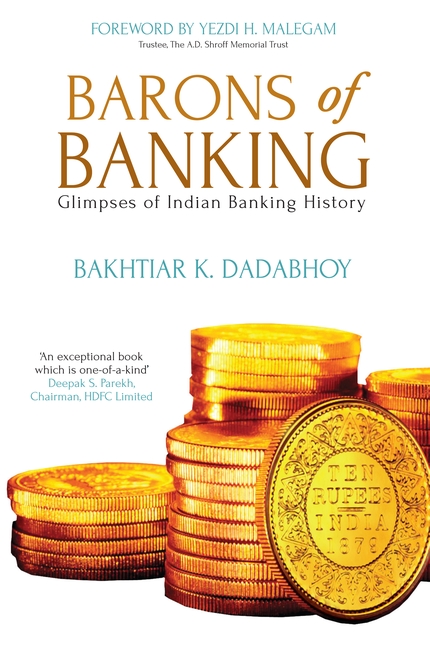
Barons of Banking highlights the contributions of six distinguished personalities from the world of banking: Sir Sorabji Pochkhanawala, Sir Purshotamdas Thakurdas, Sir Chintaman D. Deshmukh, A.D. Shroff, H.T. Parekh, and R.K. Talwar. They not only played a pioneering role in the growth of the institutions they founded or were actively associated with, but also left an indelible mark on the banking industry as a whole. Through the narration of the history of five key institutions: the Central Bank of India; the Reserve Bank of India; the State Bank of India; the Industrial Credit and Investment Corporation of India Ltd; and the Housing Development and Finance Corporation Ltd, the author gives us a keen insight into the contributions of these luminaries to banking in India. Also included is a narration of the recommendations of important committees and commissions which influenced the course of Indian banking.
Catagory: Business & Economics
Three Merchants Of Bombay
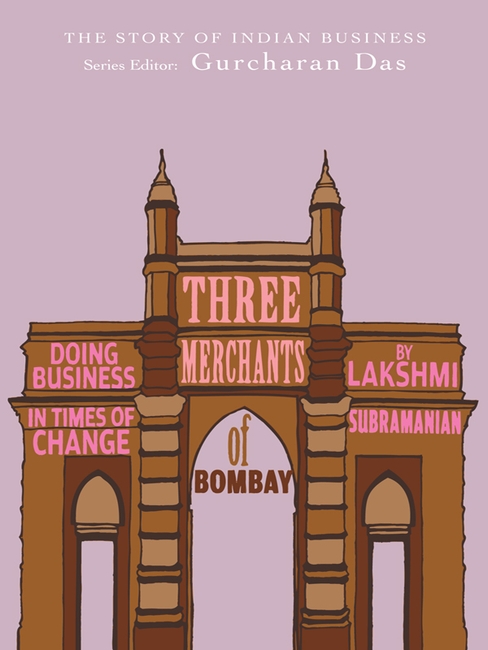
Three Merchants of Bombay is the story of three intrepid merchants-Trawadi Arjunji Nathji, Jamsetjee Jeejeebhoy and Premchand Roychand-who traded out of Bombay in the nineteenth century, founding pioneering business empires.Trailblazing in their enterprise, these adventurers possessed the unique ability to find and then exploit the big opportunities that came their way. It was a time of transition, and they prospered because they thought big and took risks. Set against the backdrop of global and local economies undergoing rapid and unforeseen change, the story of these three unique men stands as a proud milestone in the history of indigenous capitalism in India.In this lucid and very readable account, Lakshmi Subramanian traces that history and locates it in the greater narrative of the history of economic development in South Asia.
Swinging the Mandate
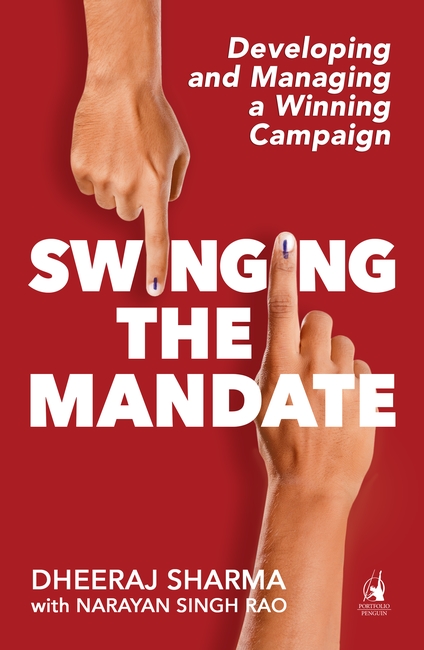
Swinging the Mandate is a first-of-its-kind book on political campaign management in India. Prof. Dheeraj Sharma, chair of marketing at IIM Ahmedabad, and Narayan Singh Rao discuss how sophisticated campaign management strategies have been utilized in recent elections in India. The book offers excellent case studies from the historic general elections of 2014 and the landslide victory of AAP in the 2015 Delhi elections. It also gives examples of some hard-fought elections in Europe and North America to demonstrate increasing use of principles of marketing and management in campaign management. Armed with comprehensive research and interesting case studies, this accessible book reveals how star campaigners are built, what the marketing mix for a political party looks like, and how elections are won in India
Management From The Masters
The only valid purpose of a business is to create a customer.
Work expands to fill the time available for its completion.
Never invest in something you don’t understand.
Every successful manager knows that there are immutable laws that impact almost every aspect of management. This slim volume collects the twenty essential rules that every manager must be aware of. From Kautilya, Confucius and Darwin to Parkinson, Deming, Buffett, Grove and Drucker, these are timeless pronouncements on the art of management from thought leaders across the ages. Along the way, the author also provides a number of interesting points to ponder: Why do we continue to use the QWERTY keyboard even though we know it’s not the most user-friendly? How does the Tata Group follow Confucius’s Golden Rule? The optimal number of direct reportees for an efficient manager is only four; how many do you have?
This book is essential reading if you want to be at the top of your game as a manager.
Caravans
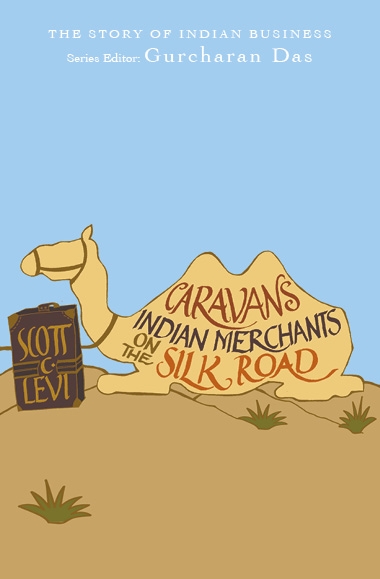
Caravans tells the fascinating story of tens of thousands of intrepid Multani and Shikarpuri merchants who risked everything to travel great distances and spend years of their lives pursuing their fortunes in foreign lands. From the sixteenth through the nineteenth centuries, these merchants lived as ‘guests’ in cities and villages across Afghanistan, Central Asia, Iran and Russia. Setting aside beliefs that caravan traders were simple peddlers, Scott Levi examines the sophisticated techniques these merchants used to convert a modest amount of merchandise into vast portfolios of trade and moneylending ventures.
Caravans also challenges the notion that the rising tide of European trade in the Indian Ocean usurped the overland ‘Silk Road’ trade and pushed Central Asia into economic isolation. In fact, as Levi shows, it was at precisely the same historical moment that thousands of Multanis began making their way to Central Asia, linking the early modern Indian and Central Asian economies closer together than ever before.
Orbit Shifting Innovation
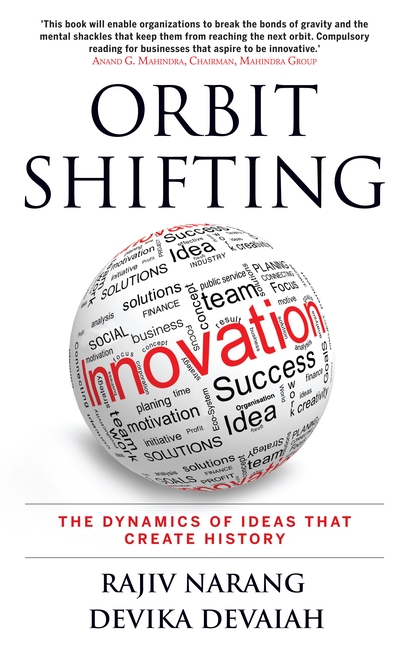
Orbit-shifting innovation happens when an area that needs transformation meets an innovator with the will and the desire to create, and not follow history. At the heart of the orbit-shifting innovation is the breakthrough that creates a new orbit and achieves a transformative impact.
Businesses, social enterprises and even governments need orbit-shifting ideas to create a transformative impact. But how does that groundbreaking idea come about, and what translates it into actuality? Charting the vast landscape of orbit-shifting innovation and innovators across countries, cultures and industries, the book brings to the fore the moving force that drives orbit-shifters to take on a transformative challenge and to navigate the pitfalls and obstacles in making it happen.
How To Be Your Own Management Guru
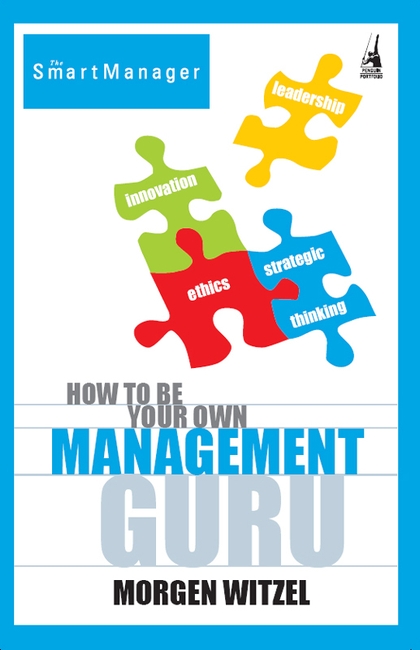
How smart a manager are you? How good are you at leveraging your knowledge and skills in order to provide value for your business and your customers? How smart is your management team when it comes to understanding both the fundamentals of business and new trends? How to Be Your Own Management Guru is the perfect answer to those looking to master the fundamentals of managing in the modern world: how to make and implement strategy; how to understand and respond to customer needs; how to manage and get the best out of people; and above all, how to use knowledge. Drawing on both business research and examples of best practice from around the world, past and present, How to Be Your Own Management Guru will help readers manage more effectively, and do business the smart way.
The Liberalization Story
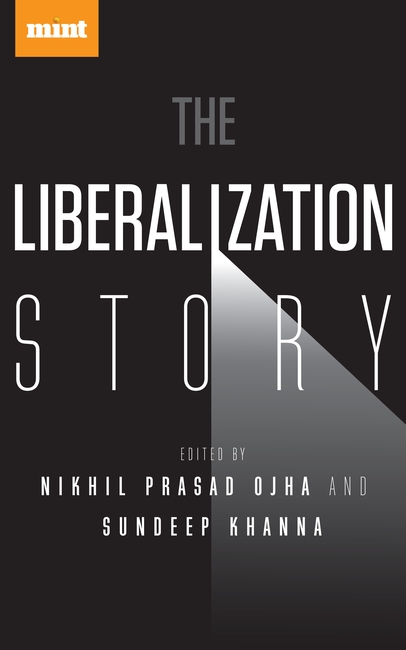
Why was liberalization important for India? What was its effect on sectors like IT, banking, telecom, etc.? How did it help Indian entrepreneurs build international businesses? And where do we go from here?
The Liberalization Story is a selection of essays which explain the most important financial event in modern Indian history and its impact. The book contains candid interviews with decision-makers like Montek Singh Ahluwalia and entrepreneurs like Sunil Bharti Mittal and Uday Kotak, who give a ringside view into the changing Indian economy.
How did we reach here? The book also explains the present in the context of our past. It tackles some important questions which explain the overall Indian economy today: what led to the rise of private equity; how did dynamics of family businesses change; how did MNCs conquer the Indian market; how did the Indian middle class change; what led to the digital wave; what led to India leapfrogging to innovation, among many others. A highly readable book which shares a holistic view of the twenty-five years of Indian liberalization.
The Penguin Guide to Winning On the the Stock Market
To the uninitiated, the stock market can appear a forbidding place where years of savings can be wiped out overnight. Yet, for the informed investor, it is one of the most effective ways to increasing wealth. In this accessible guide, Ashu Dutt, author of The Penguin Guide to Personal Finance, provides expert advice on how the stock market works, what shares are all about and what the wise investor should look out for. Drawing upon his years of experience as a broker and an investment adviser, he offers a fresh perspective on the inner workings of the Indian stock market. But, most importantly, he informs the reader of winning strategies-the tools, weapons and intelligence needed to navigate the market. The book covers, among other topics, market mechanics, how the price of a stock is determined, tools of the trade, stock market indices, developing an investment philosophy and what kind of stocks to pick.
Extremely reader-friendly, this book should enable even a layman investor to rub shoulders confidently with the bulls and the bears of the stock market.
The Dharma of Business
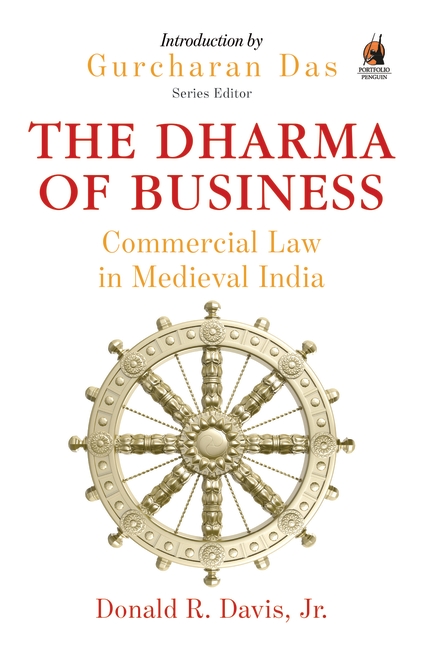
Business law in medieval and early modern India developed within the voluminous and multifaceted texts called the Dharmashastras. These texts laid down rules for merchants, traders, guilds, farmers, and individuals in terms of the complex religious, legal, and moral ideal of dharma.
This exciting book provides a new perspective on commercial law in this period. In addition to a description of the substantive rules for business, the book reinterprets the role of business and commerce within the law generally and demonstrates that modern assumptions about good business practice could benefit from the insights of this ancient tradition. It thus makes a compelling case for the relevance of the dharma of business to our own time.