



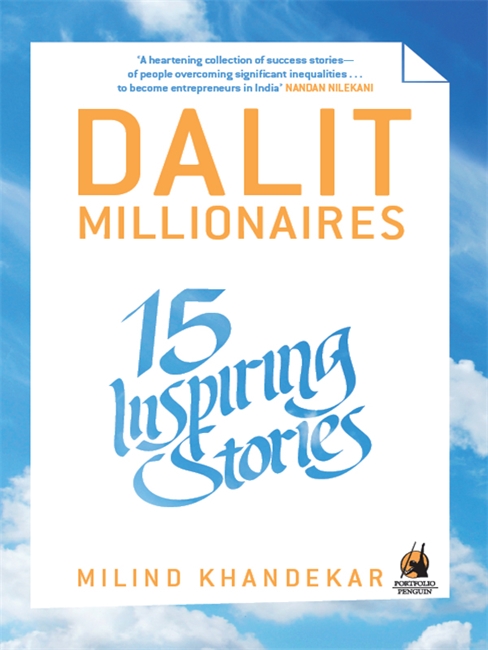
Dalit Millionaires is a collection of profiles of fifteen Dalit entrepreneurs who have braved both societal and business pressures to carve out highly profitable niches for themselves. The book is a vivid chronicle of how the battle has moved from the village well to the marketplace.There are tales describing how the multimillionaire Ashok Khade, at one time, did not have even four annas to replace the nib of a broken pen, how Kalpana Saroj, a child bride, worked her way to becoming a property magnate, and how Sanjay Kshirsagar moved on from a 120-foot tenement and now seems well on his way to becoming the emperor of a firm worth Rs 500 crore.The only common thread through these stories is the spirit that if you can imagine it, you can do it.
Catagory: Business & Economics
The Power Of Promise
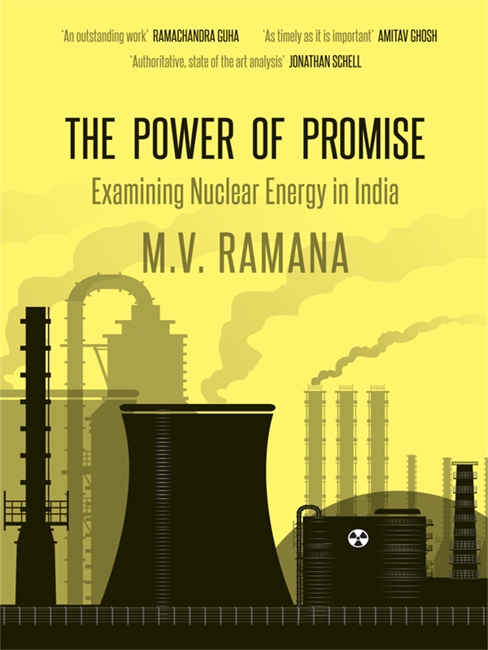
Nuclear power has been held out as possibly the most important source of energy for India. And the dream of a nuclear-powered India has been supported by huge financial budgets and high-level political commitment for over six decades. Nuclear power has also been presented as safe, environmentally benign and cheap.
Physicist and writer M.V. Ramana offers a detailed narrative of the evolution of India’s nuclear energy programme, examining different aspects of it and the claims of success made on its behalf. In The Power of Promise he makes a historically nuanced and compelling argument as to why the nuclear energy programme has failed in the past and why its future is dubious.
Ramana shows that nuclear power has been more expensive than conventional forms of electricity generation, that the ever-present risk of catastrophic accidents is heightened by observed organizational inadequacies at nuclear facilities, and that existing nuclear fuel cycle facilities have been correlated with impacts on public health and the environment. He offers detailed information and analysis that should serve to deepen the debate on whether India should indeed embark on a massive nuclear programme.
Network 18
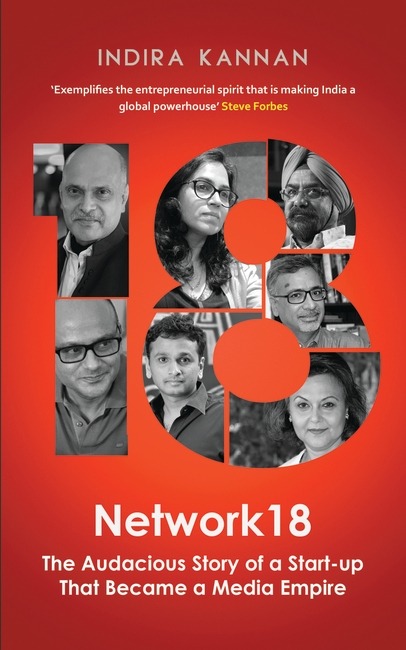
As Indians got their first taste of satellite television during the first Gulf War, Raghav Bahl saw his future in the signals flickering across the small screen. Armed with burning ambition, keen business sense and amazing audacity, he assembled a group of talented professionals and rank beginners to launch one of India’s earliest start-up success stories. Starting from a small room in New Delhi’s Safdarjung Enclave, Television Eighteen (TV18) grew into Network18, one of India’s biggest media conglomerates spanning television, print, films, the Internet, business and general news, drama and entertainment. In less than two decades filled with excitement, adventure and frequent crises, Network18 launched pioneering properties, television and film careers, and racked up partnerships with blue-chip media brands like CNBC, CNN and Viacom. But a mix of hubris, overreaching and external factors set it up for a free fall.
This is a story of brilliant ideas, severe setbacks, naked aggression, spectacular victories and fatal flaws. It’s a story of a media empire that could only have been Made in India.
The Victory Project
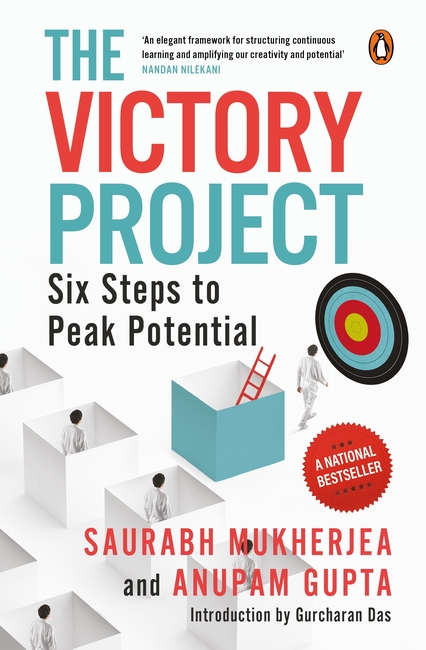
India’s economy has tripled in size over the past twenty years. And yet, the generation that propelled this growth is facing rising levels of stress and depression. Furthermore, the new generation entering the workforce today dreams big but faces a highly competitive work environment. How can both these generations fire on all cylinders and lead fulfilling lives? This book attempts to answer this question by using the principles of Simplicity, Specialization, Creativity and Collaboration. It delves into a treasure trove of material from global gurus as well as from highly successful Indian and American professionals, and it draws on the authors’ own careers to show how readers can apply these principles to the fields of business and investment, even to life itself. The Victory Project is the ultimate guide to surviving and thriving in the professional and social domains, which are increasingly becoming tough, competitive, often cutthroat and deeply political.
How to Inspire
An inspirational speech is one that awakens something in a listener—a feeling, a thought, or an idea. To understand what constitutes an inspirational speech, one must first start with the goals you want to achieve with that speech.
How to Inspire is a simple and effective guide that not only explains the nuances of inspirational communication but also provides useful tips and examples about what makes a speech truly effective. Read on to make sure you have the tools at your disposal to truly make a difference.
Delivering Motivation
Whether you’re addressing a small team or an auditorium full of people, success is measured not by whether a point is made, but whether it is made well. Motivating communication touches the mind, the intellect, the heart and the soul, inspiring people to rise in life. But how does one craft a motivational speech, let alone deliver one?
Effective communication skills are equally important in a leader as innovative ideas. After all, brilliant ideas are only brilliant if they’re communicated well. Delivering Motivation is a straightforward guide that will help you understand the importance of communication as well as help you hone your skills towards becoming a well-rounded, well-spoken leader.
Choose Your Success

‘You can change the way the world looks at business and the way business looks at the world.’
Chairperson and CEO of PepsiCo, Indra K. Nooyi is one of the most powerful women in business. She has critical advice for a powerful country in her inspirational convocation address at IIM Kolkata. As developing economies inch closer to success, there has never been a better time to be an entrepreneur. However, today’s entrepreneurs must be as committed to sustainable business practices as they are to financial results. Entrepreneurs hold the power to turn the inconceivable into the inevitable.
Choose Your Success is a powerful text. Read on and discover the possibilities of a promising future.
Change the Rules
We have an inherent fear of new ideas. We grow up in an environment that forces us to fit in, makes us believe in common goals that are in line with our financial bracket, and ensures we stay within these parameters all our lives. No wonder we’re so far away from innovation.
Innovation comes from taking risks, and risks can only be taken once fears are abandoned. When Mahindra & Mahindra first ventured into the automobiles industry, there was every reason for the company to fail. Today, it’s one of the leaders of the industry. What set its destiny apart?
Change the Rules, Anand Mahindra’s inspiring address at the convocation ceremony of the graduating class of 2014 at IIM Ahmedabad not only reveals the secret behind the organization’s unprecedented success but also highlights the dangers of staying in the comfort zone.
Keep the Anger

What if you were told one day that the secret to success was anger? Anger in the workplace has always been frowned upon, but it might be the key towards finding the motivation to affect change.
According to R. Gopalakrishnan, director of Tata Sons, it is good to be angry—at policies implemented at your workplace, at the state of affairs in the country, at injustice in the world, to name just a few examples. Anger is what begets change, and change begets progress.
Keep the Anger is the transcript of R. Gopalakrishnan’s revolutionary convocation address delivered at IIM Kashipur in March 2015, an absolute must-read for anyone who wants to change the world.
Prepare for the Unknown
As a passionate banker who takes complete ownership and pride in whatever she has done through her thirty-seven-year career, Arundhati Bhattacharya, chairperson of the State Bank of India, believes that ‘creativity, communication, and compassion’ are the three Cs that must remain on a winner’s checklist.
In today’s world, leaders have a much bigger role to play. They must go beyond what is asked of them while simultaneously being prepared for the unknown. How do you ready yourself for what you cannot know?
Taken from her convocation address at IIM Kolkata in April 2015, Prepare for the Unknown is every bit as illuminating and encouraging as Arundhati Bhattacharya herself.