Publish with Us

Follow Penguin

Follow Penguinsters

Follow Penguin Swadesh

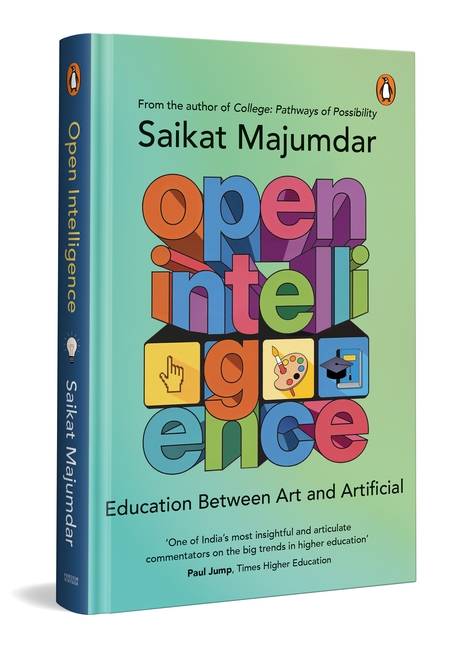
Open Intelligence

Passion, college, and career. Can the three ever come together?

Talent, personal growth, merit. How do these shifting entities relate to each other?

How is Artificial Intelligence reshaping this relationship and creating new narratives of privilege and exclusion? What skills, values, and qualities will be essential as AI moves from Artificial Competent Intelligence (ACI) in particular domains to Artificial General Intelligence (AGI), which can function as a complete and independent individual? What patterns of social inequity and political discrimination will become pervasive if our education does not collaborate with AI in critical and sensitive ways?

Saikat Majumdar’s Open Intelligence offers a set of promising pathways for those seeking to grasp the evolving core of artificial intelligence and education in this new world. Narrated through stories, drawing on cutting-edge research and offering a broad overview as well as a lively critique of the Indian higher education system, this book will resonate with anyone who has a stake in learning, training and growth today– from students, parents and teachers to policymakers and employers

A sequel to Majumdar’s 2018 bestselling book CollegeOpen Intelligence outlines the essence of an education that will help us preserve the human and the humane in the face of the artificial.
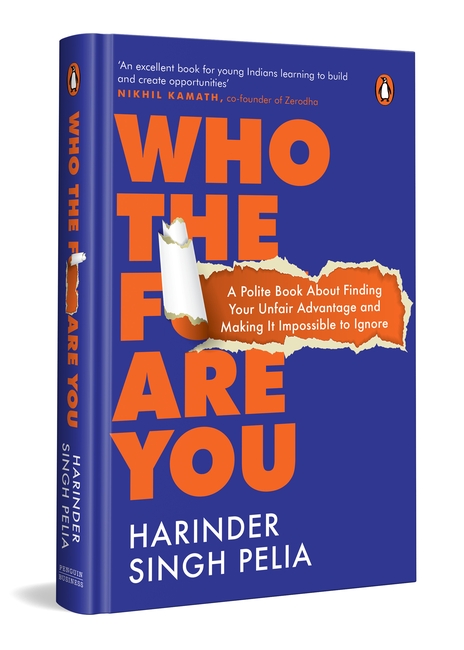
Who the F**k are You

The kick in the ass we all need at some point.

If you’ve ever felt confused, ignored, or passed over…
If you’ve been waiting for your hard work to get noticed, and it hasn’t…
If you’ve wanted to put yourself out there without becoming a cringe-fluencer…

This is your way out.

This book helps you uncover your strengths, sharpen your dreams, and present your value to the world. With the Minimum Viable Self framework, you’ll learn how to do it, without ever dancing awkwardly in Reels.

Whether you’re a professional, founder, chef, fitness trainer, or real estate agent, this is your escape from the shadows. Through a 5-step transformation, you’ll go from invisible to unignorable.

The only question left is: Are you ready to grab the opportunities waiting for you?

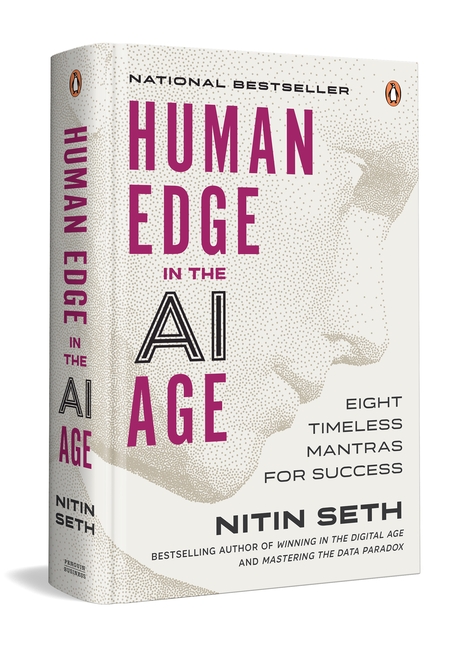
Human Edge in the AI Age

A seismic shift is underway—one that will redefine work, value, and even what it means to be human.
Artificial Intelligence is not just disrupting industries—it’s beginning to outperform humans in areas once considered exclusively ours: complex reasoning, creativity, even emotional intelligence. As AI accelerates, it will displace millions of jobs—while also creating once-in-a-generation opportunities for those ready to build, innovate, and lead.

This profound duality raises the defining question of our time:
In a world where machines can learn, decide, and simulate emotion—what remains uniquely human? And how do we protect, strengthen, and evolve that edge?
In Human Edge in the AI Age, bestselling author and global tech leader Nitin Seth offers a powerful and deeply personal answer. Drawing on decades of leadership across McKinsey, Fidelity, Flipkart, and Incedo—and rooted in the timeless wisdom of Indian philosophy—he reframes the AI debate through a human lens.
At the heart of the book is POSSIBLE: an eight-dimensional framework that unlocks the core human strengths that will define success in the AI era—including problem-solving, openness, spirituality, balance, leadership, and the spirit of entrepreneurship.
Whether you’re a student stepping into an uncertain future, a professional navigating change, or a leader shaping what comes next, this is your blueprint for thriving—not in spite of AI, but because of what makes you human.
The future is POSSIBLE. Let’s lead it with the human edge.

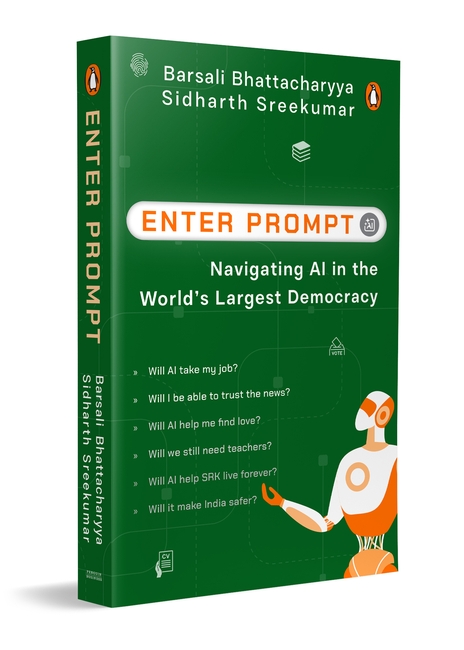
Enter Prompt

India, the largest democracy and fastest-growing large economy in the world, faces unique challenges when it comes to the epochal AI. This scrupulously researched book, which includes interviews with practitioners, policymakers and tech evangelists, answers the questions every Indian today is grappling with. Steering clear of utopian hype and dystopian gloom, this book provides a balanced and nuanced understanding of AI’s use cases and impact on our lives, livelihood and society.

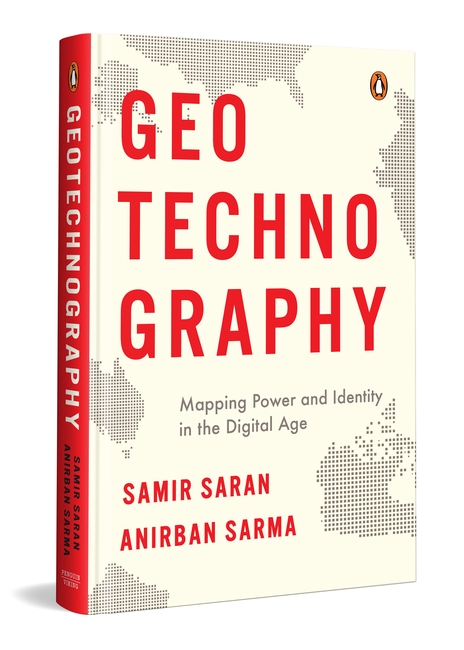
GeoTechnoGraphy

In an era defined by rapid technological change, a seismic shift is underway. From the rise of digital platforms that mediate our interactions—with markets, with governments and perhaps most importantly with each other as citizens— to the growing tension between our online personas and our real-world identities, the forces of technology, geography and society are colliding in ways we are only beginning to understand.

Even as technology opens up new opportunities for civic engagement, it simultaneously disrupts the very foundations of societal cohesion. The digital age has given rise to a new stage for global drama—one where surveillance, the weaponization of information and the erosion of trust in national and multilateral institutions are playing out in real time. But as these forces evolve, so too must our understanding of how individuals and societies can navigate them.

Will digital societies endure, or are they doomed to collapse under the weight of their own contradictions? Can democracy as we know it survive in a world where power is increasingly concentrated in the hands of a few tech giants? And as nations grapple with the changing dynamics of governance, how will international norms, laws and institutions adapt?

In GeoTechnoGraphy, Samir Saran and Anirban Sarma offer a compelling analysis of the forces reshaping the modern world. Drawing on groundbreaking research and incisive insights, they examine how the convergence of geography and technology—geotechnography—is redefining power and writing new rules for its exercise.

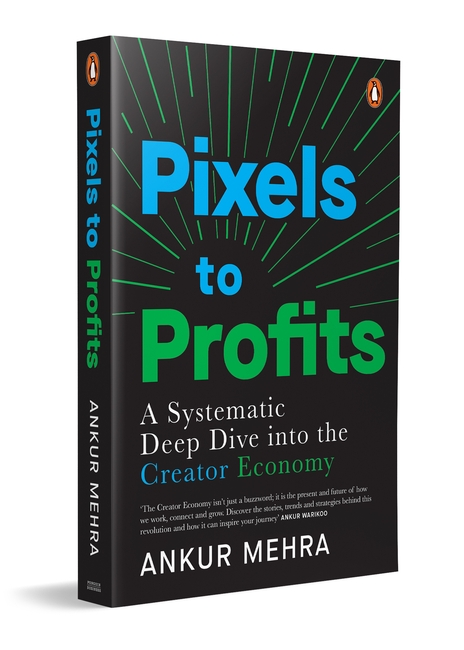
Pixels to Profits

People and businesses spend years trying to ‘make it’ in the Creator Economy. Many are genuine, with something valuable to share, yet nothing clicks. At the same time, they watch countless creators go viral and businesses with lower quality rake in millions every month, getting massive likes, securing brand deals and attracting customers.

This leaves many talented creators and small businesses questioning whether they should even stay in the Creator Economy. The short answer? Yes. By 2027, the Creator Economy is projected to be worth half a trillion dollars.

In Pixels to Profits, you’ll learn:

The 5Cs of the Creator Economy
(Did you know that you are a part of at least one of them?)
The 3Rs that every great content piece has.
How aspiring creators and small-and medium-sized businesses have the highest leverage in this upcoming multibillion-dollar economy.
What the world’s top voices in the Creator Economy have to say about the future of AI and emerging technologies.

And much more!

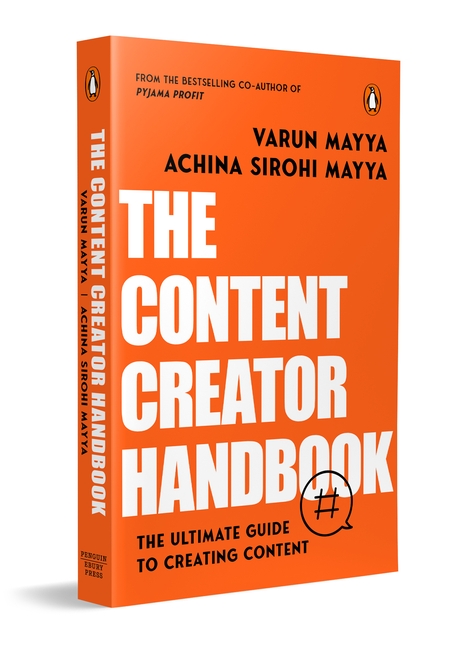
The Content Creator Handbook

Every day, millions of videos are uploaded, but only a handful break through to the mainstream. What separates viral content from forgotten content? It’s not luck. It’s not talent—it’s strategy.

In this no-nonsense guide, Varun and Achina Mayya—creators of multiple successful YouTube channels and online businesses—reveal the strategies, tactics and insider knowledge that have helped them master the art and science of content creation.
The content will help you learn:

  • Why most content strategies fail, and how to craft one that works
  • The real way algorithms operate (and how to use them to your advantage)
  • The secret language of engagement that turns viewers into loyal fans
  • Proven methods to monetize without alienating your audience
  • How to avoid the most common pitfalls that trap content creators

You can also go behind the scenes with guest experts Shirsh Bajpai and Martin Noronha as they dive deep into the technical aspects of video editing, production and more, and offer actionable insights that will immediately elevate your content.
Whether you’re a budding YouTuber, an entrepreneur or a seasoned creator looking to scale, this book is your blueprint for building a sustainable, impactful career in content creation.

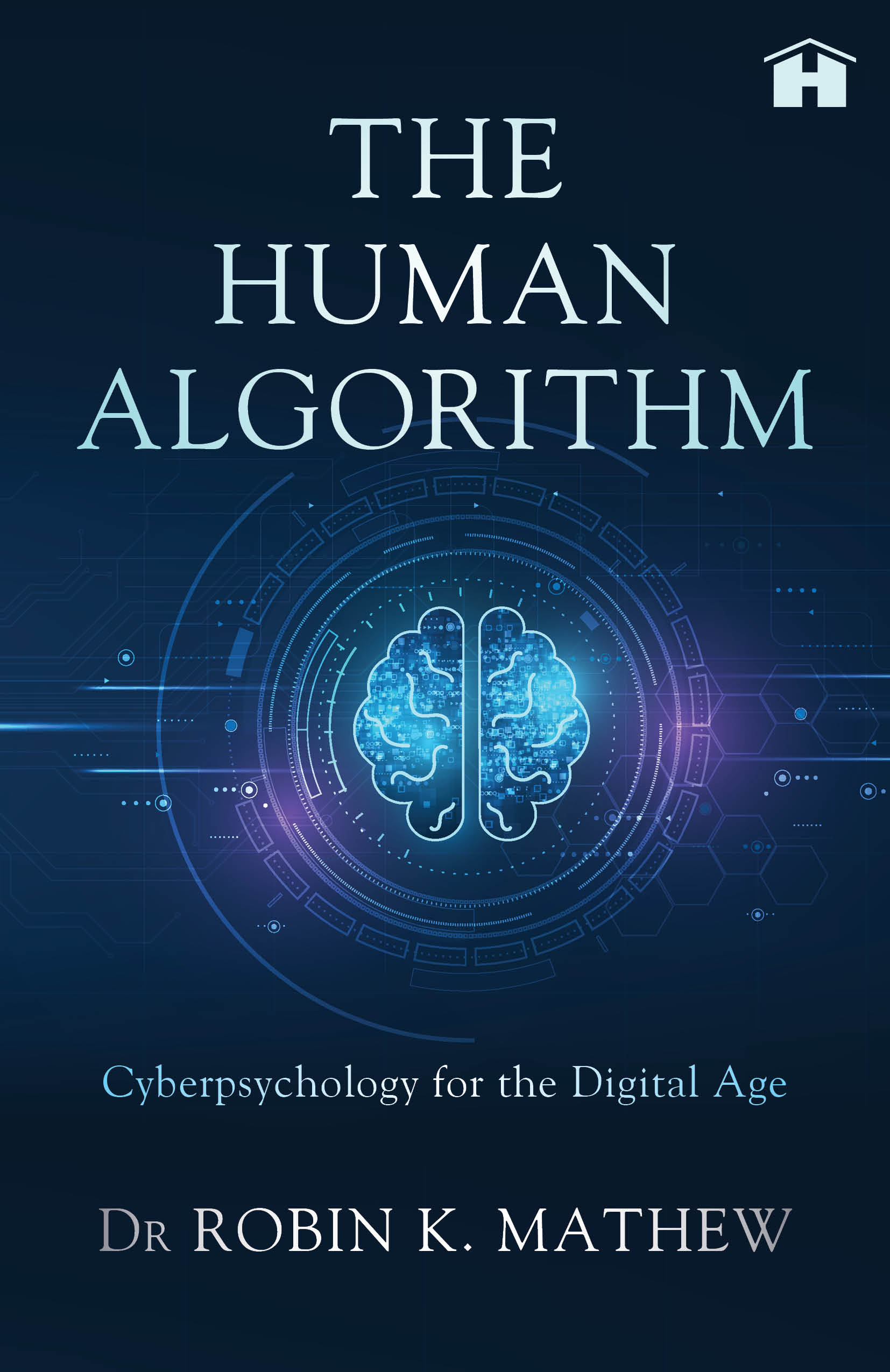
The Human Algorithm: Cyberpsychology for Digital Age

In today’s hyperconnected world, our lives have become increasingly intertwined with the technology we interact with. While innovations like smartphones and the Internet have brought unprecedented convenience and connectivity, they have also introduced new risks and challenges.

In The Human Algorithm, Dr Robin K. Mathew takes readers on an eye-opening exploration of the complex digital landscape and our ever-evolving engagement with it. With chapters delving into smartphone addiction, the impact of technology on cognitive development, threats such as cyberbullying, online predators, and the dark web, this book shines a revelatory light on the often-overlooked aspects of our online existence. This comprehensive work also dedicates chapters to the internet’s role in fuelling anxiety and hypochondria, the emergence of cyber dating and romance, and the potential of artificial intelligence (AI), among other crucial topics.

All in all, this richly researched and compellingly argued compendium will equip you with the knowledge and insights to navigate the digital age with awareness and resilience.

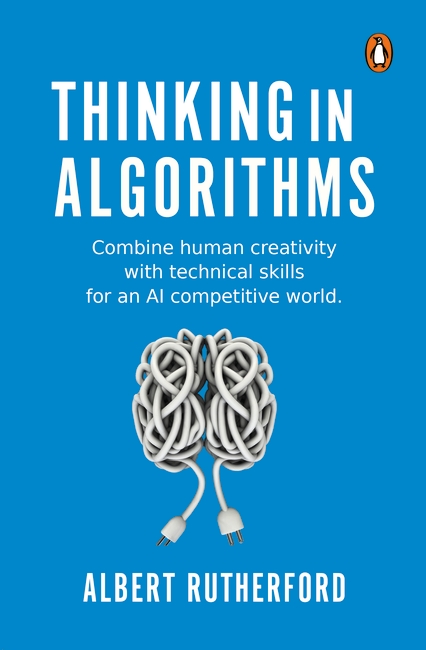
Thinking in Algorithms

Think creatively like a human. Solve problems efficiently like a computer.

Our everyday lives are filled with inefficient and ineffective decision making and solutions. Being overwhelmed by the magnitude of our problems makes it hard to think clearly. We procrastinate and overthink. Our thoughts are tainted with biases. By applying computer algorithms to everyday life, you
can simplify your decision-making and problem-solving process and get satisfying, consistent results!

With the rapid development of Artificial Intelligence, learning how to combine human skills with technical knowledge is important to enhance your professional skillsets and set you apart in the job market.
Learn what algorithms are and use them for better decision making, problem-solving, and staying on track with your plans.

Become more productive, organized, finish what you start, and make better decisions. If you feel that you’re not living up to your potential, struggle with being consistent about your habits, and would like to walk
in pace with the changing times, this book is for you!

Brave New Worlds: How AI Will Revolutionize Education (and Why That’s a Good Thing)

“A timely masterclass for anyone interested in the future of learning in the AI era.”
—Bill Gates

“This book is required reading for everyone who cares about education.”
—Adam Grant, #1 New York Times bestselling author of Hidden Potential and Think Again, and host of the podcast Re:Thinking

“Read this book. It’s the most fascinating and important account of how AI will transform the way we learn.”
—Walter Isaacson, #1 New York Times bestselling author

From the founder of Khan Academy, the first book on the AI revolution in education, its implications for parenting, and how we can best harness its power for good.

Whether we like it or not, the AI revolution is coming to education. In Brave New Words, Salman Khan, the visionary behind Khan Academy, explores how artificial intelligence and GPT technology will transform learning, and offers a road map for teachers, parents, and students to navigate this exciting (and sometimes intimidating) new world.

A pioneer in the field of education technology, Khan examines the ins and outs of these cutting-edge tools and how they will revolutionize the way we learn and teach. For parents concerned about their children’s success, Khan illustrates how AI can personalize learning by adapting to each student’s individual pace and style, identifying strengths and areas for improvement, and offering tailored support and feedback to complement traditional classroom instruction. Khan emphasizes that embracing AI in education is not about replacing human interaction but enhancing it with customized and accessible learning tools that encourage creative problem-solving skills and prepare students for an increasingly digital world.

But Brave New Words is not just about technology—it’s about what this technology means for our society, and the practical implications for administrators, guidance counselors, and hiring managers who can harness the power of AI in education and the workplace. Khan also delves into the ethical and social implications of AI and large language models, offering thoughtful insights into how we can use these tools to build a more accessible education system for students around the world.

error: Content is protected !!