Have you been trying to grow plants at home?
Do you want to be able to eat fresh, organic produce and herbs grown in your balcony?
Do you want beautiful plants around your home to add that extra love and warmth to your space?
YouTube sensation Ekta Chaudhary has been teaching gardening to her millions of followers, and for the first time, she is putting it all down in an easy-to-use, fun and simple beginner’s guide to growing plants at home. Rich in information on the amount of light plants need, the kind of soil to use and plants that can thrive indoors and outdoors, with answers to all ‘silly’ questions, Garden Up will gift anyone a green thumb.

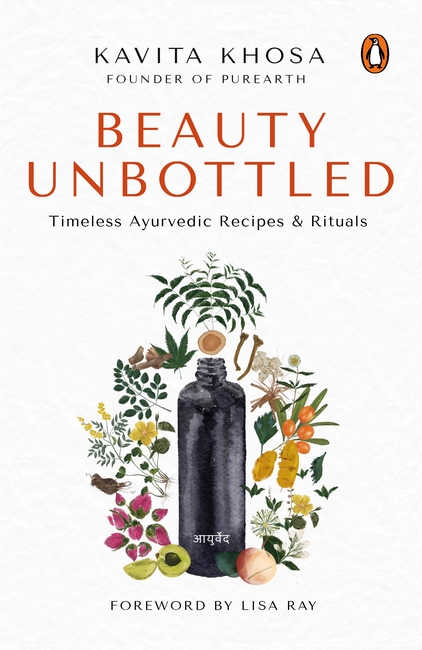
Can one make sunscreen from saffron? Can hemp oil help heal acne? How does madder root help cure hyperpigmentation? Beauty Unbottled is a unique DIY guide on how to use herbs and plants to turn your kitchen into a beauty lab. Learn how to treat hair loss, frizz, dandruff and premature greying with powerful Ayurvedic kitchen herbs. Create your own masks, moisturizers, serums and shampoos with superfoods like neem, tulsi, jasmine and sandalwood-herbs that are revered in Ayurveda. Explore the alchemy of Ayurveda and its long-lost, forgotten beauty
secrets with simple step-by-step skin and hair recipes (with vegan options) in this definitive guide and self-help book. This book will also guide you to read and understand labels, have a balanced diet for a healthy body and choose ingredients that are super effective yet gentle on you and mother earth.
Kavita Khosa, the founder of the award-winning skincare brand Purearth, brings to this book her years of experience in Ayurveda and expertise as an organic cosmetic science formulator. Beauty Unbottled debunks urban
beauty myths, drawing upon scientific research and time-honoured classic Ayurvedic texts. Rooted in Ayurveda, this book invites you to celebrate the skin you are in!

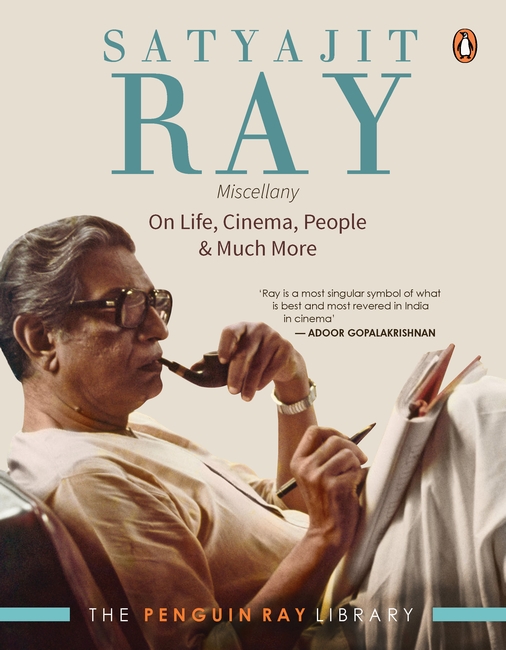
More than seventy rarest essays on filmmaking, screenplay writing, autobiographical pieces and rare photographs and manuscripts of Ray
‘Ray is a most singular symbol of what is best and most revered in Indian cinema’ – Adoor Gopalakrishnan
‘Satyajit Ray, I salute you. The greatest of our poets of the cinema’-Ben Kingsley
Satyajit Ray (1921-1992), one of the doyens of world cinema, gave a unique aesthetic expression to Indian cinema, music, art and literature. His writings, especially, autobiographical works, thoughts on filmmaking, screenplay writing and eminent personalities from art, literature and music, among others, are considered treasure troves, which largely remained unseen and therefore less known till date.
Satyajit Ray Miscellany, the second book in The Penguin Ray Library series, brings to light some of the rarest essays and illustrations of Ray that opens a window to the myriad thought-process of this creative genius. With more than seventy gripping write-ups and rare photographs and manuscripts, this book is a collector’s item.

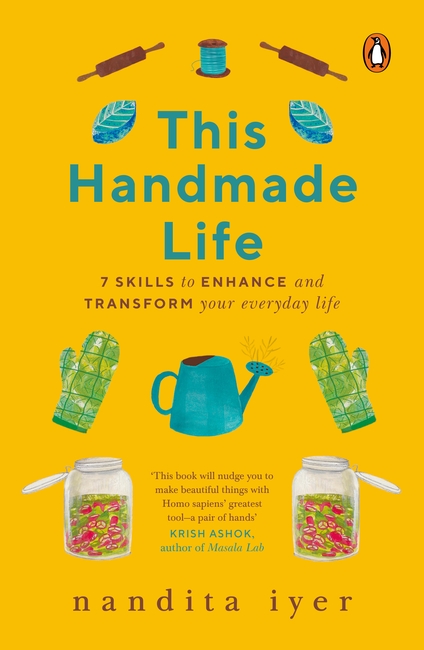
This Handmade Life is all about finding a passion and becoming really good at it. Divided into seven sections-baking, fermenting, self-care, kitchen gardening, soap-making, spices and stitching-this book tells us it is all right to slow down and take up simple projects that bring us unadulterated joy.
Written in Iyer’s signature lyrical and friendly style, the book is about hands-on activities that can be meditative and healing for the body, mind and soul. Taking the reader through myriad personal and transformative hobbies, Iyer has managed to serve up a book that is motivational and inspirational at a time when both are in short order.

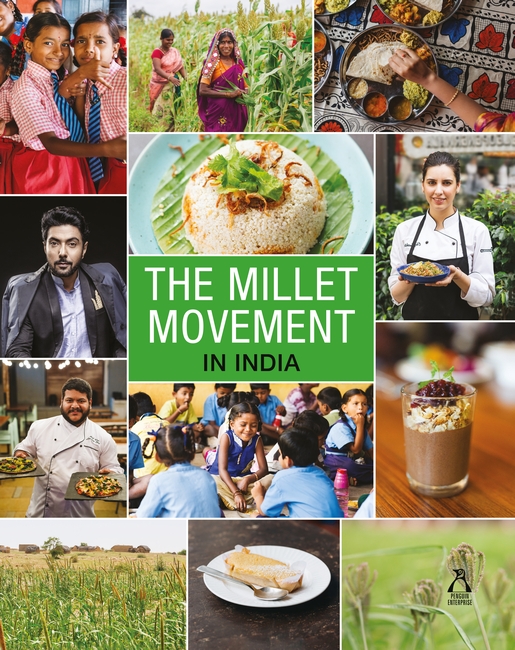
Insights into the millet movement that is happening in India creating a buzz with consumers, entrepreneurs, chefs, NGOs and government. Hear how people have become inspired by this humble ancient grain. Stories, touching moments, beautiful imagery, harsh environments to new urban trends and recipes especially created by chefs and a nutritionist. This and more. Be amazed by this quiet revolution that is happening in India.

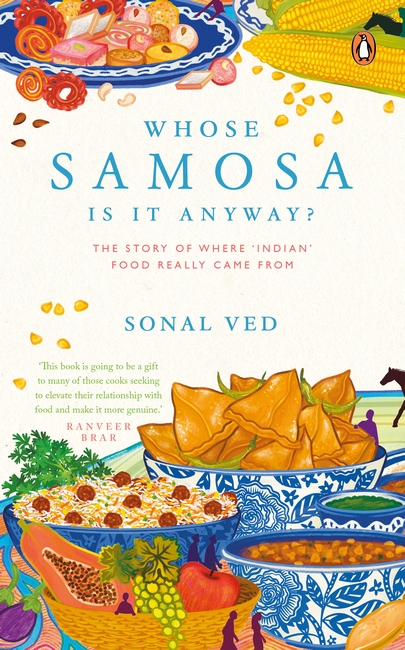
In this book, accompany Sonal Ved on a journey of taste through the various timelines across the Indian subcontinent. We go from the banks of the Indus in 1900 bc to the great kingdoms of the north many centuries later; from the time of the Mauryans to when the Mughal Sultanate reigned supreme. Meet the Europeans merchants desperate to trade in Indian treasures, be it the deep-blue indigo or the pricey pepper. On this trip discover answers to such questions as What are the origins of chutney or of the fruit punch, and how are they connected to India? Who taught us how to make ladi pav and kebabs, and how did the Burmese khow suey land up on the wedding menus of Marwaris? The author takes us through the food history and traditions from the mountains in Kashmir to the backwaters of Kanyakumari; from the ports of the Bay of Bengal to the shores of the Arabian Sea, where traders and travellers arrived from the world over. And, finally, we find out whose samosa it truly is . . .

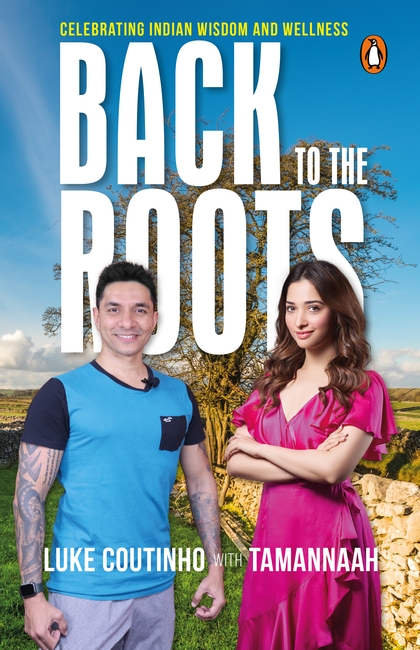
What are the benefits of the Indian squat? Why do Indians touch the feet of their elders? These and many such ancient rituals and tradition are a part of our growing up, and in the absence of modern scientific certification, it is convenient to dub them as myths. But observation and deductive reasoning have proved to be the bedrock of these age-old and time-tested practices.
In Back to the Roots, Luke Coutinho and Tamannaah offer the rationale behind over 100 such practices that go a long way in promoting long-term wellness. Learn about traditional Indian recipes, superfoods and tips that provide solutions to a host of ailments like constipation, acidity and even fever. Join us on this valuable journey to resurrect our ancient knowledge and learn how inexpensive it is to invest in our lifestyles, improve our health, prevent diseases, improve longevity and the quality of our lives.
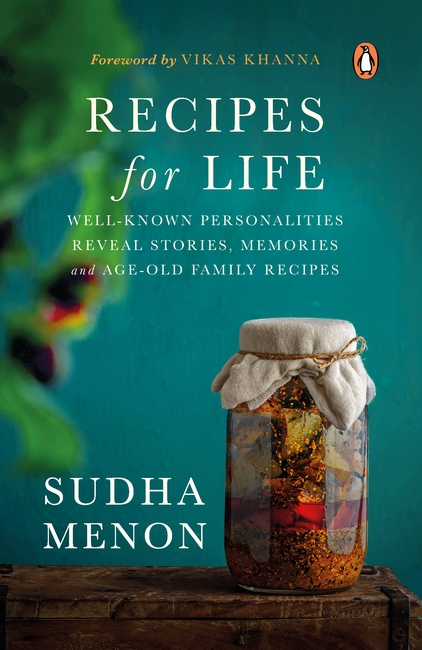
Remember how our mothers and grandmothers would spend time in the kitchen, sharing their stories and exchanging recipes from each other’s homes without writing them down? Between chopping, sauteing, grinding and frying a varierty of ingredients, and the aroma of home-cooked food laid out on the dinner table, families forged bonds that withstood the test of time. Now the connections we made through oral storytelling have dissapeared because of rise of modern-day nuclear families where children see their parents once in a couple of months.
The truth, however, remains that no matter how many countries we travel to and live in, or how many expensive meals we eat at Michelin-star restaurants, the magic of our mothers’ cooking never fades away. In Recipes for Life, Sudha Menon attempts to recreate those memories and the magic of the food we grew up with and cherish. The book is replete with stories, anecdotes and recipes from the homes of some of India’s much admired and accomplished people.

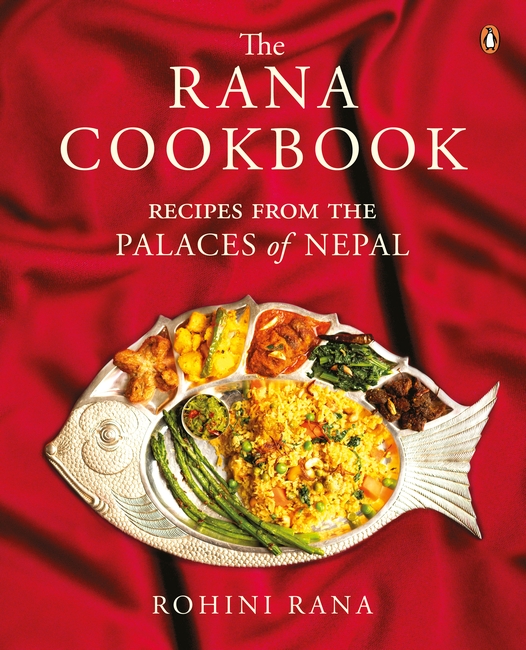
The Rana name has been synonymous with the history and culture of Nepal for centuries. The beautiful palaces of Nepal were known not only for their glamour and architecture but also for their royal feasts. The recipes of the food served were exclusively with the cooks of the palaces and a lucky few who inherited them from earlier generations. In this exquisite book, for the first time ever, the doors to the palace kitchens are opened and we get a glimpse into the mouthwatering cuisine of the royals. Nepali food is famous for its fresh and light flavours in the staple rice, daals, meat and vegetables. The food of the Ranas, however, is vastly influenced by Indian flavours. While Indian food is renowned for its rich, thick gravies, Nepali cuisine tends to prefer lighter jhols and dry bhutans and kawafs. Though raw materials such as meat and vegetables can easily be found in the Indian kitchen, the style of preparation and spices such as jimbu and timur are unique in their Nepali flavour. With help and inputs from numerous family members, Rohini Rana has collected and documented the recipes precious to each Rana prime minister’s family. Showcasing magnificent food from the palaces, this luxurious and beautifully illustrated cookbook attempts to preserve these recipes for future
generations, and posterity.
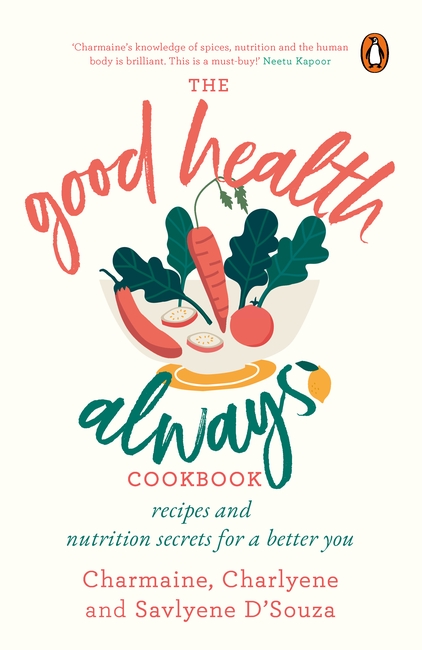
HEALTHY AND INFORMED COOKING FOR THE INDIAN KITCHEN
Preparing a meal for someone is an act of love, says Charmaine D’Souza, a nutritionist and a writer of many kitchen exploits. In her latest book, The Good Health Always Cookbook, D’Souza, along with her two daughters, Charlyene and Savlyene, offers the reader a peep into her childhood memories and her comfort food. With more than a
hundred recipes using easily available ingredients like jau, ragi and bajra, and local Indian fruits and vegetables, D’Souza gives you ample ideas for dishes that will not only tantalize your taste buds but also provide immense nutritional value. From healthy oatmeal bars to finger millet bread, from amaranth crepes to buckwheat molten cake, from hara channa chaat to spinach brownies, the book infuses a variety of ingredients to reinvent traditional recipes. Anecdotal, easy to follow and packed with useful tips, The Good Health Always Cookbook takes you on a delightful culinary journey.