



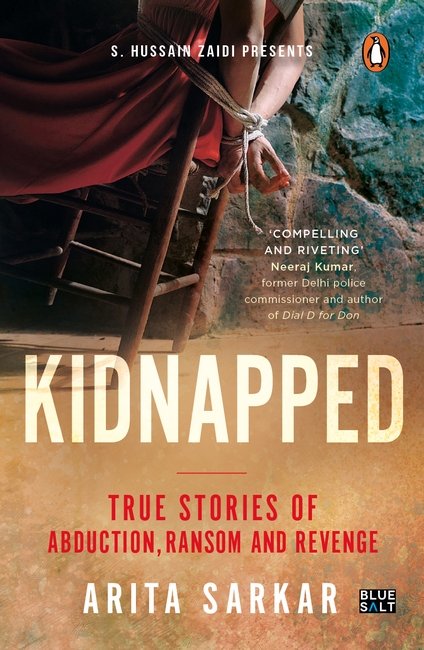
In 2016, approximately ten people were abducted every hour in India. Of them, six were children. Kidnapping is a crime where it is possibility to save the victim, which makes its treatment and results unique. Documenting ten cases of child abduction from across the country, Arita Sarkar investigates the bone-chilling details of the disappearance of each child. She delves into the trauma that the victims’ families went through, as they waited in the hope that their children would return.
This book brings to life investigations by the police, eyewitness accounts and the perspectives of the accused, recreating each case in painstaking detail. Some of the victims you read about will never come home, but their stories will stay with you.
Catagory: Crime, Thriller & Mystery
Queens of Crime
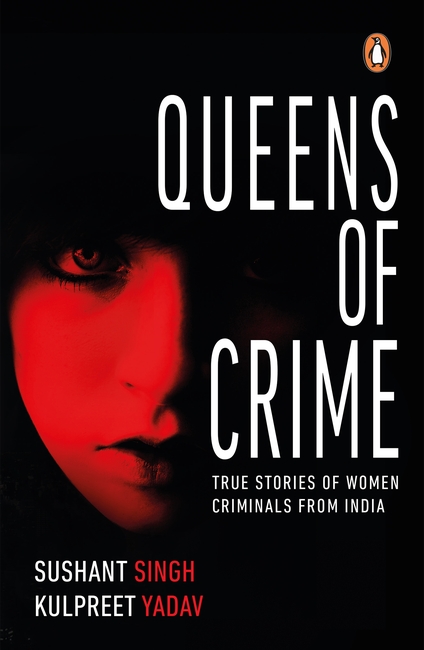
Dysfunctional families, sexual abuse, sheer greed and sometimes just a skewed moral compass. These are some of the triggers that drove the women captured in these pages to become lawbreakers.
Queens of Crime demonstrates a haunting criminal power that most people do not associate women with. The acts of depravity described in this book will jolt you to the core, ensuring you have sleepless nights for months.
Based on painstaking research, these are raw, violent and seemingly unbelievable but true rendition of India’s women criminals.
The Deadly Dozen
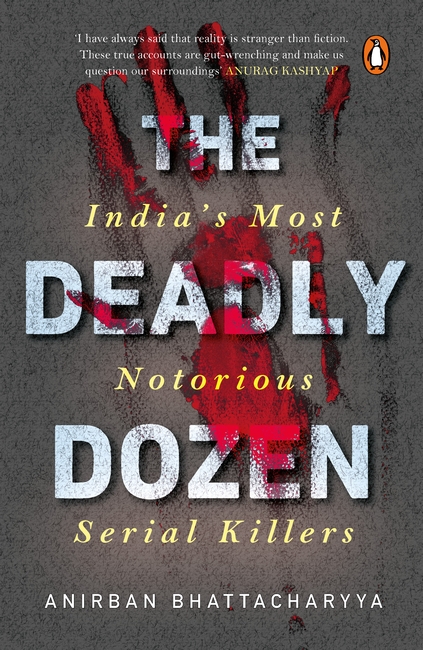
A schoolteacher who killed multiple paramours with cyanide; a mother who trained her daughters to kill children; a thug from the 1800s who slaughtered more than 900 people, a manservant who killed girls and devoured their body parts.
If you thought serial killers was a Western phenomenon, think again!
These bone-chilling stories in The Deadly Dozen will take you into the hearts and heads of India’s most devious murderers and schemers, exploring what made them kill and why?
The Messenger

Every reporter knows the first rule of journalism: never betray your source. But what if your source turns out to be unworthy of your silence? What if it’s your source who betrays you?
The Messenger tells the story of an unlikely friendship between two men looking to change the world: a repentant jihadist and an idealistic journalist. This troubling real-life thriller takes us from their first meeting in a spartan flat in the rough suburbs of Manchester, to a bombing in Pakistan, a dramatic arrest and Malik’s reporting career on the brink of ruin.
Ten years later, Malik returns to this extraordinary tale. He asks where we can place our trust — in reams of evidence, in a government we believe is on our side, in a terrorist who swears he’s changed, in a friend who has no one else to turn to. Malik explores the uncomfortable questions about why he, as well as the wider media and the nation, surrendered to fear so easily. And he reveals how the age of terror laid the groundwork for an era of fake news and demagogues.
This is investigative journalism and storytelling of the highest order.
Sufi
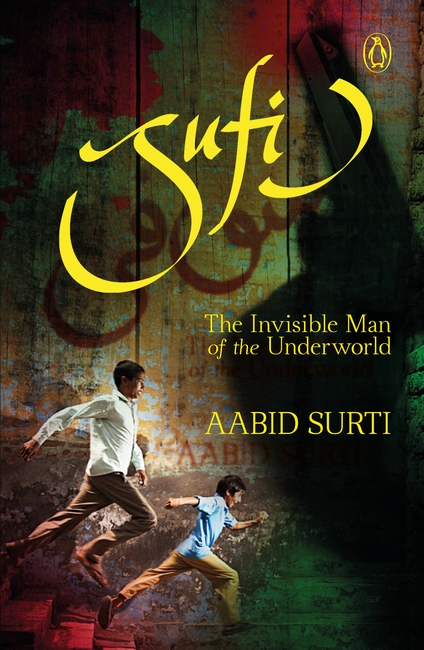
Sufi is the story of two boys who grew up in Dongri, Mumbai.
One of them, Iqbal Rupani, aided and abetted by a corrupt policeman, is drawn towards criminal activities in his teens. As he becomes powerful and influential as a racketeer and smuggler, he creates a puritan code of conduct for himself: no drinking, no smoking and no murders. He comes to be known as ‘Sufi’ because of his principles and philosophical manner of speaking.
The other boy, Aabid Surti, grows up to become a famous author.
How did the lives of these two boys, which began on such a similar note, diverge so drastically? This book presents an astonishing real-life story, with the sweep and scale of Kane and Abel, told by one of India’s most beloved storytellers.
Behind Bars in Byculla
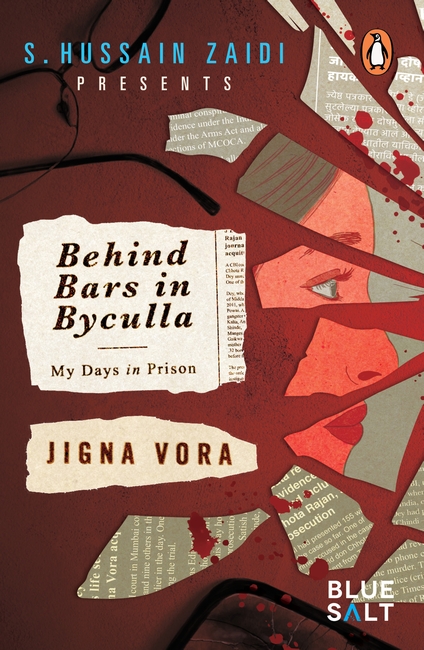
Renowned journalist Jyotirmoy Dey-fondly known as J, Dey-was murdered by members of the Chhota Rajan gang in 2011. A few months later, a fellow journalist and crime reporter Jigna Vora was arrested in connection with the murder. Seven years later, some of which were spent in prison, Jigna was acquitted of all charges. This is her story in her own words, of the time in prison, the court hearings and her years as a crime reporter of breaking many front-page stories.
Jigna’s work brought her in contact with people like Himanshu Roy, the former additional director general of police of Maharashtra, while her time in jail put her in the company of inmates such as Pragya Thakur. Behind Bars in Byculla traces the intricate web of power dynamics that govern the inmates of a prison and what it takes to survive behind bars.
The Panama Papers
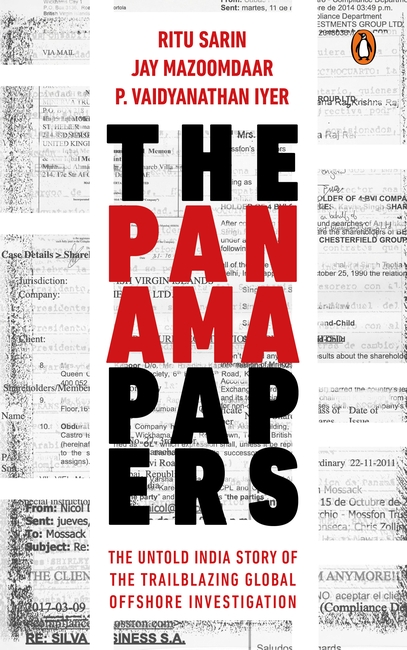
An anonymous whistle-blower and an astounding 2600 GB of data. A giant leak of 11.5 million financial and legal records. A global collaboration of over 100 news organizations working in twenty-five languages in eighty countries. More than 350 reporters on the trail for nine months in complete secrecy.
The Panama Papers exposed in black and white the crime and corruption of the rich and powerful who stashed away their wealth in tax havens. This is the India story of the mega investigation.
The Panama Papers shook the world, woke up governments and showed what investigative journalism could achieve even in a post-truth world through a path-breaking alliance between an individual whistle-blower and a coalition of global media. The only Indian publication in the global collaboration, the Indian Express played a crucial role. Now, for the first time, award-winning journalists Ritu Sarin, Jay Mazoomdaar and P. Vaidyanathan Iyer tell the backstory of hot leads and cold trails, of open denial and veiled intimidation.
The Panama Papers underlined the loot of public money and the need for tax reforms. In an age of rising inequality, the importance of public funding to fight poverty cannot be overstated. The lack of public confidence in regulatory frameworks or political will also fuels perceptions of illegitimacy of wealth. In India, black money has gained more currency than ever as a political metaphor and future electoral gains may well depend on the perceived success of a war against illegal wealth. Financial corruption though cannot be defeated without transparency in election funding. The Panama Papers reignited a global debate on surmounting these challenges.
Ayodhya
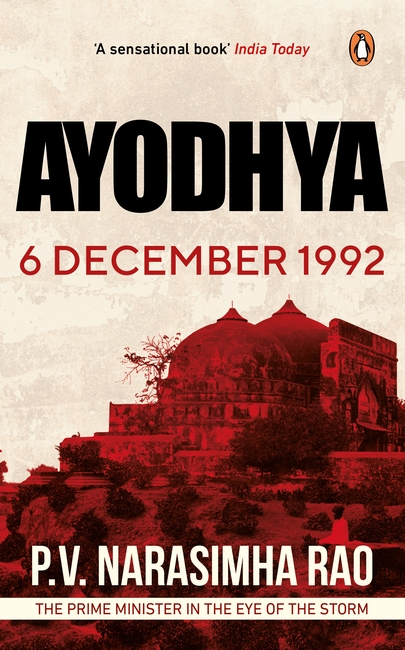
‘A sensational book’ India Today
A shocking exposé of the event that changed Indian politics forever
P.V. Narasimha Rao was the prime minister of India when, on 6 December 1992, thousands of kar sevaks stormed into the site of the Babri Masjid in Ayodhya. The nation watched in horror as the centuries-old mosque was razed to the ground, in the presence of paramilitary forces and senior political leaders, marking a turning point in post-Independence Indian history.
Many hold Rao responsible for not preventing the demolition, while others accuse him of being a co-conspirator. In this tell-all account, Rao reveals what really transpired in the run-up to that fateful day. Drawing on the Supreme Court order, parliamentary proceedings, eyewitness reports and his own insights, he presents a comprehensive view of the machinations that led to the demolition of the Babri Masjid.
Nearly three decades after the event, Ayodhya: 6 December 1992 remains a valuable resource to understanding the political manoeuvres behind the Ram Mandir issue and the dangers of exploiting religious sentiments for narrow electoral gains.
Bihar Diaries
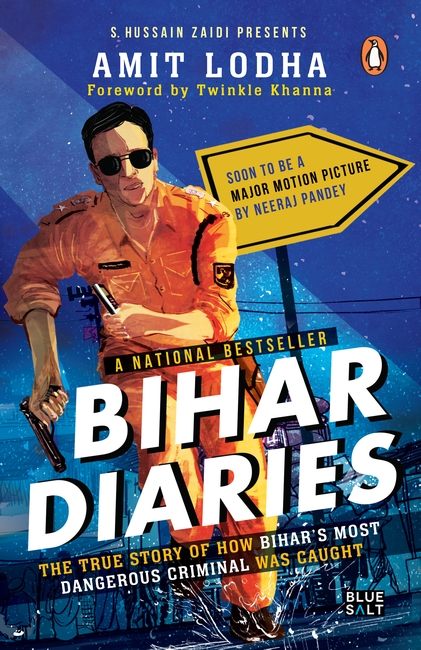
Bihar Diaries narrates the thrilling account of how Amit Lodha arrested Samant Pratap, one of Bihar’s most feared ganglords, notorious for extortion, kidnapping and the massacre of scores of people. The book follows the adrenaline-fuelled chase that took place across three states during Amit’s tenure as superintendent of police of Shekhpura, a sleepy mofussil town in Bihar.
How does Amit navigate between his many professional challenges and conquer his demons? What does he do when the ganglord comes after his family? Bihar Diaries captures vividly the battle of nerves between a dreaded outlaw and a young, urbane IPS officer.
My Name Is Abu Salem
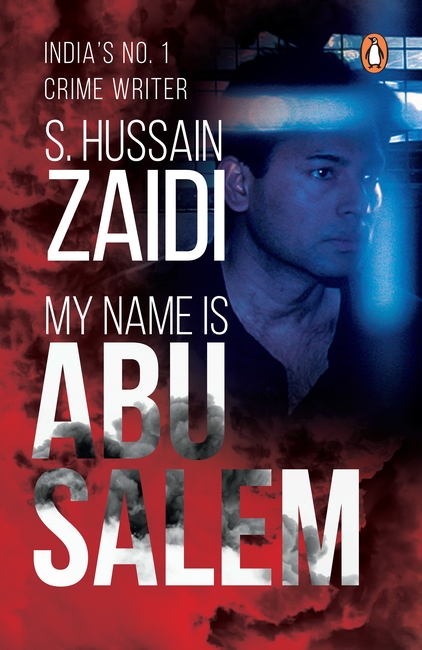
Mumbai has produced many dons-but perhaps none so colourful as Abu Salem. The flamboyant ex-aide of Dawood Ibrahim is best known for his involvement in the Mumbai blasts of 1993 and for the murder of music composer Gulshan Kumar. But he became equally famous for his relationship with actress Monica Bedi and his close connection to Bollywood, leading to a number of attempted murders of the film industry’s biggest names.
Now comes the ultimate telling of his life from the writer who knows the Mumbai underworld better than anyone else. Gripping, full of unknown details and first-hand accounts, My Name Is Abu Salem is another unputdownable book from S. Hussain Zaidi.