



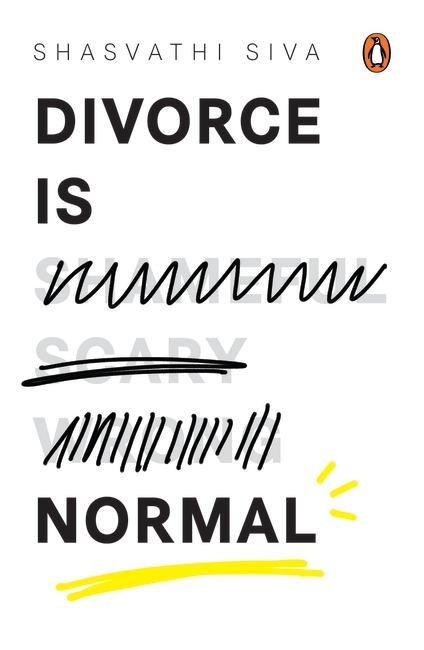
A divorce rate of around 1 per cent is often boasted about with pride in this country, without much critical thought spared for what it actually means. When Shasvathi Siva decided to end her marriage, she realized exactly how difficult getting a divorce was in our society and legal system. Since then, she has been working towards ensuring that others have it easier, and this book is an endeavour to share her learnings with great empathy and sagacity. Divorce Is Normal is an invaluable companion for anyone contemplating separation and divorce, and a necessary reminder for everyone else that divorce is normal. Through her story, Siva brings to readers fresh insights on unhappy marriages and divorce in the Indian context, helping expand perspectives so that people can overcome societal stigma and accept a brighter, happier future. Filled with practical tips, comforting stories and endless compassion shaped by a lived experience, this book acts like a warm hug and a stern friend all at once.
Catagory: Health, Family & Personal Development
Sunderkand (Illustration)/सुन्दरकाण्ड (Gift Edition)
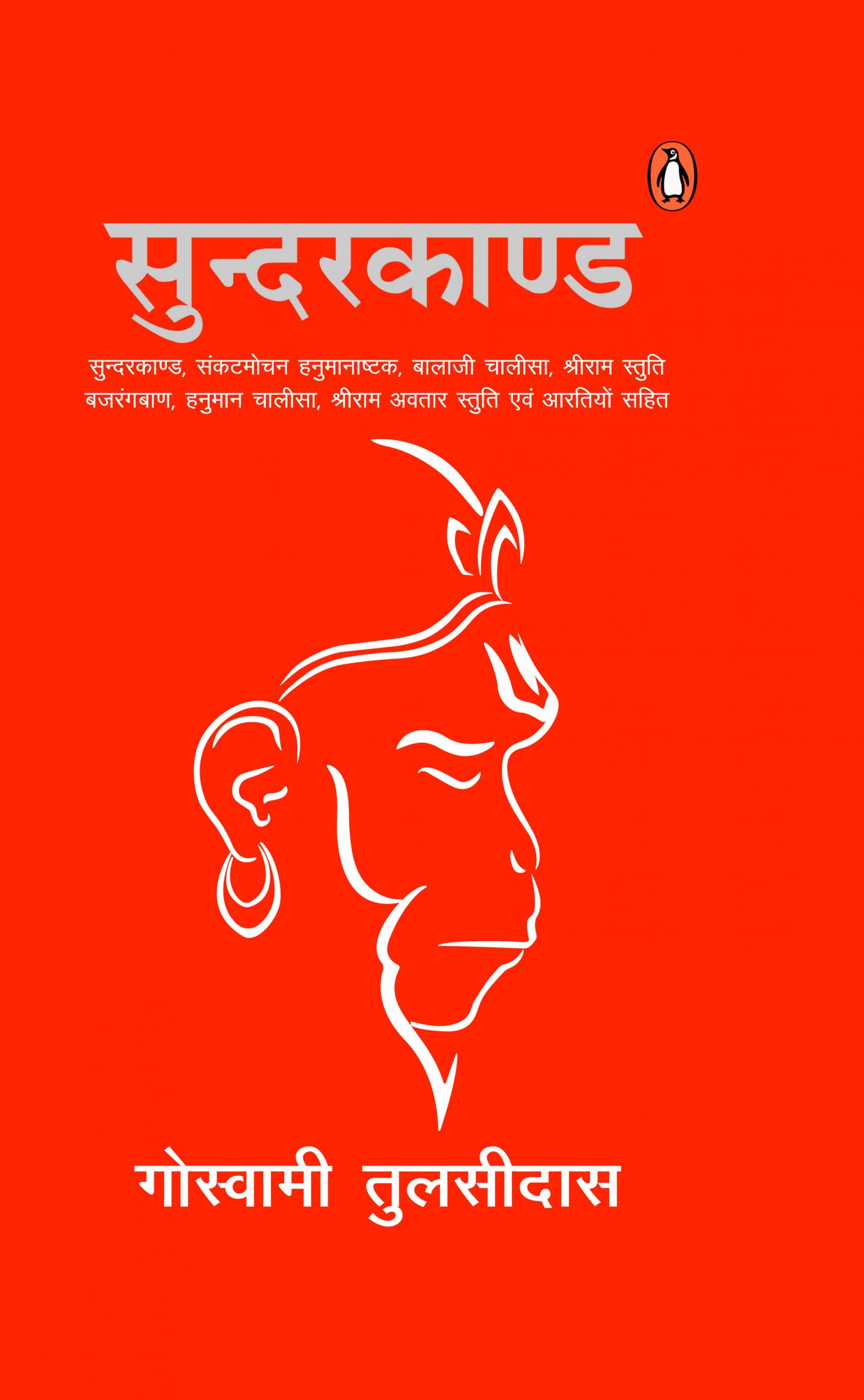
सुंदरकाण्ड गोस्वामी तुलसीदास कृत श्रीरामचरित मानस का सबसे अधिक लोकप्रिय खण्ड है।
सुंदरकाण्ड में हनुमान जी द्वारा किए गए महान कार्यों का वर्णन है। रामायण पाठ में सुंदरकाण्ड के पाठ का विशेष महत्व माना जाता है। सुंदरकाण्ड में हनुमान का लंका प्रस्थान, लंका दहन से लंका से वापसी तक के घटनाक्रम आते हैं। इस सोपान के मुख्य घटनाक्रम है—हनुमान जी का लंका की ओर प्रस्थान, विभीषण से भेंट, सीता से भेंट करके उन्हें श्री राम की मुद्रिका देना, अक्षय कुमार का वध, लंका दहन और लंका से वापसी। इसी के साथ इस पुस्तक में हनुमान चालीसा, आरतियाँ और बहुत कुछ देखने को मिलेगा।
The Art of Habits
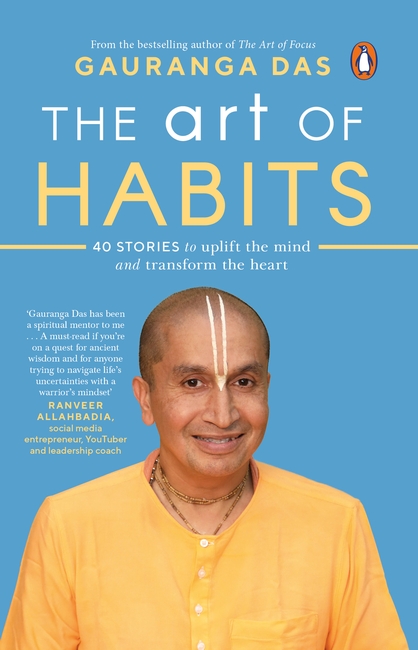
Such has been the transformative effect of the Covid-19 pandemic globally that, today, we have begun to describe events in the world as pre-Covid and post-Covid. As we brace ourselves for life in the new world order, cultivating conducive and sustainable habits has become more important than ever before.
As the final book in the three-volume series (after The Art of Resilience and The Art of Focus), The Art of Habits presents forty simple stories filled with deep revelations. What will enthral the readers is the engaging narration, the dynamics of the situations that manifest and the deep learnings from such episodes.
While The Art of Resilience presented ingredients for the reader to inculcate resilience in challenging situations manifested at the beginning of the pandemic, The Art of Focus inspired the resilient heart to develop a focused mind during the multiple Covid waves. Now, The Art of Habits provides ideas for the focused reader to cultivate conducive and sustainable habits to adapt with the paradigm shift created by the pandemic, instilling in the reader a resolute mindset to handle multiple such unexpected transformative events in the future.
To Be Human
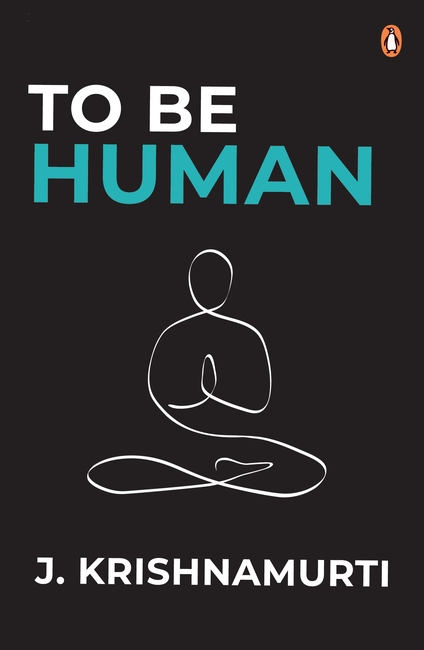
To Be Human presents Krishnamurti’s radical vision of life in a new way. At the heart of this extraordinary collection are passages from the great teacher’s talks that amplify and clarify the nature of truth and those obstacles that often prevent us from seeing it.
Besides presenting the core of Krishnamurti’s message, the book alerts the reader to his innovative use of language, the ways in which he would use “old words with new interpretations,” then gives practical examples, showing that we can clarify our understanding of life itself-and how we can act on this new understanding.
The splendid introduction by David Skitt discusses Krishnamurti’s philosophy as a guide to knowledge and experience, the roles knowledge and experience should play in our lives, and the times when it is best to cast them aside and “look and act anew.”
To Be Human is more than just a book; it’s an invitation to elevate your consciousness, to contemplate life’s mysteries, and to embark on a path of self-discovery. Whether you’re a seasoned follower of Krishnamurti’s teachings or a newcomer seeking wisdom, this book promises to be a source of guidance, inspiration, and transformation. Embrace its pages and unlock the profound potential of being human.
Better Small Talk
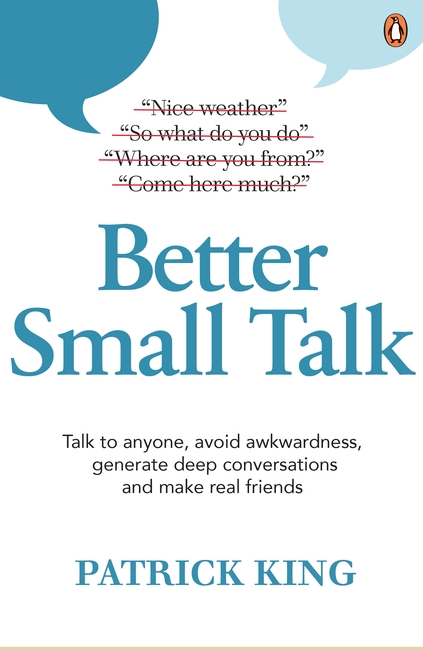
That first conversation, while networking or socially, can be quite daunting! What do you say to connect and make a memorable impression?
For everyone who ends up at the usual “weather talk” and struggles to start interesting conversations, here you’ll find ways, from hello to goodbye, on how to simply go deeper.
Better Small Talk is a unique read. Imagine the following situation: you’ve just put on your name tag, and you’re approached by a stranger. What do you say? Nice weather today.
No, we can do better than this. Learn better small talk to avoid awkwardness, put people at ease, and build real rapport.
You’ll learn exact dialogues, responses, phrases, and questions to use.
-How to tell captivating stories and what to actually focus on.
-Four ways to warm yourself up and prepare for even the most unpredictable conversations.
-Instantly setting a tone of friendship and openness with strangers.
-Common and subtle conversational habits you need to stop right now.
Become someone who is magnetic and who can make new friends in any situation.
Simple conversation is the gatekeeper to friendships, your dream career, romance, and overall happiness. The ability to connect with anyone is an underrated superpower. People will be more drawn to you without even knowing why, and never again will people be bored talking to you. You’ll never run out of things to say when you master these conversation tactics.
World’s Best Girlfriend
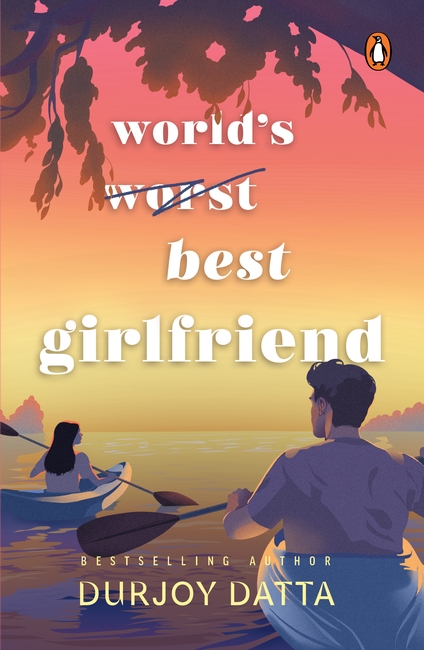
‘When he turns, I see his eyes. There’s a sense of surety in them, a sense of danger, a sense of entitlement and definitely, arrogance.’
Daksh and Aanchal meet under improbable circumstances in the most unlikely of places-a posh resort in the Andamans. While Aanchal is fighting hard to escape the shackles of a lower middle-class existence, Daksh is aimless and unsure of what his future holds. Strangely, they are drawn to each other.
‘My gaze drifts to her exposed back, and the tiny knot that secures her shimmering choli in place. Emotions of anger mix with a strange desire in me.’
Four years later, when they meet again, Daksh’s world has crumbled around him. The burden of caring for his sick father and six-year-old sister has left him with little time for anything else. Yet, despite their diverging paths, Daksh and Aanchal find themselves reconnecting in unexpected ways. Their mutual attraction deepens.
Till now, fate has been pushing them together, but what will happen when they decide to take matters into their own hands? Will life be as they’ve imagined, or will destiny take even that away from them?
Atomic Habits
THE PHENOMENAL INTERNATIONAL BESTSELLER: OVER 15 MILLION COPIES SOLD WORLDWIDE
Transform your life with tiny changes in behaviour, starting now.
People think that when you want to change your life, you need to think big. But world-renowned habits expert James Clear has discovered another way. He knows that real change comes from the compound effect of hundreds of small decisions: doing two push-ups a day, waking up five minutes early, or holding a single short phone call.
He calls them atomic habits.
In this ground-breaking book, Clears reveals exactly how these minuscule changes can grow into such life-altering outcomes. He uncovers a handful of simple life hacks (the forgotten art of Habit Stacking, the unexpected power of the Two Minute Rule, or the trick to entering the Goldilocks Zone), and delves into cutting-edge psychology and neuroscience to explain why they matter. Along the way, he tells inspiring stories of Olympic gold medalists, leading CEOs, and distinguished scientists who have used the science of tiny habits to stay productive, motivated, and happy.
These small changes will have a revolutionary effect on your career, your relationships, and your life.
________________________________
A NEW YORK TIMES AND SUNDAY TIMES BESTSELLER
Number 1 Sunday Times bestseller, August 2023
New York Times bestseller, April 2024
Atomic Habits has sold over 1 million copies in all formats [Nielsen BookScan UK and Circana Bookscan US, April 2024]
The Power of Habit
There’s never been a better time to set new habits. This book will change your life.
In The Power of Habit, award-winning journalist Charles Duhigg takes us into the thrilling and surprising world of the scientific study of habits.
He examines why some people and companies struggle to change, despite years of trying, while others seem to remake themselves overnight. He visits laboratories where neuroscientists explore how habits work and where, exactly, they reside in our brains. And he uncovers how the right habits were crucial to the success of Olympic swimmer Michael Phelps, Starbucks CEO Howard Schultz, and civil-rights hero Martin Luther King, Jr.
The result is a compelling argument and an empowering discovery: the key to exercising regularly, losing weight, raising exceptional children, becoming more productive or even building revolutionary companies is understanding how habits work. By harnessing this new science, we can transform our businesses, our communities, and our lives.
______________________________
‘[An] essential manual for business and living.’ Andrew Hill, Financial Times
‘Once you read this book, you’ll never look at yourself, your organisation, or your world quite the same way.’ Daniel H. Pink
‘This is a first-rate book – based on an impressive mass of research, written in a lively style and providing just the right balance of intellectual seriousness with practical advice on how to break our bad habits.’ The Economist
Influence is Your Superpower
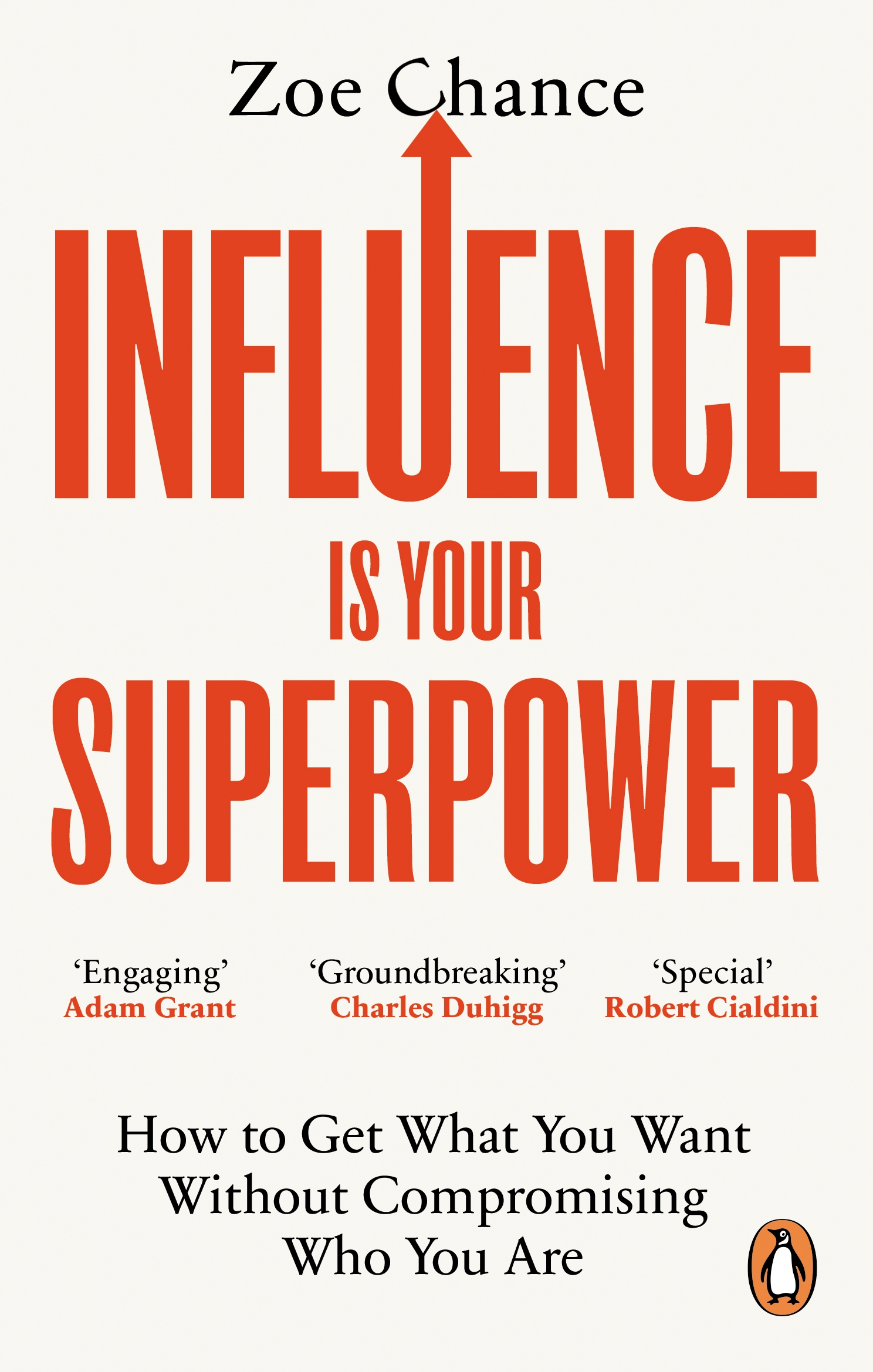
Get what you want without compromising who you are: the new rules of persuasion to influence others for good
We’re all nice. In fact, we’re told we’re too nice and we have to change to succeed: ‘Play the game!’; ‘Beat them down!’; ‘Toughen up!’. Do we have to choose between betraying our own values and being left behind without a voice? Absolutely not. We can naturally be persuasive and successful every day without making enemies of ourselves or other people.
Influence is a science and renowned Yale professor Zoe Chance will help you master it in this fascinating book. Drawing on the latest behavioural research, entertaining real-life stories and the skills she teaches on her sell-out Yale University MBA course, Zoe Chance unpacks what influence is and how we are persuaded before setting out a series of powerful skills you can adopt to master the art of persuasion and influence. Her techniques include the Magic Question, Powerful Listening, the What Would It Take Question and Building Support. She also looks at how to use influence for maximum positive impact in the world – and how to defend yourself against the ‘dark arts’ of persuasion by other less scrupulous individuals or institutions.
Bold, entertaining and efficacious, this indispensable book is a call to action for all the nice people in the world wanting to practice influence without resorting to manipulation, bullying or corruption to create a brighter more positive future.
The Myth of Normal
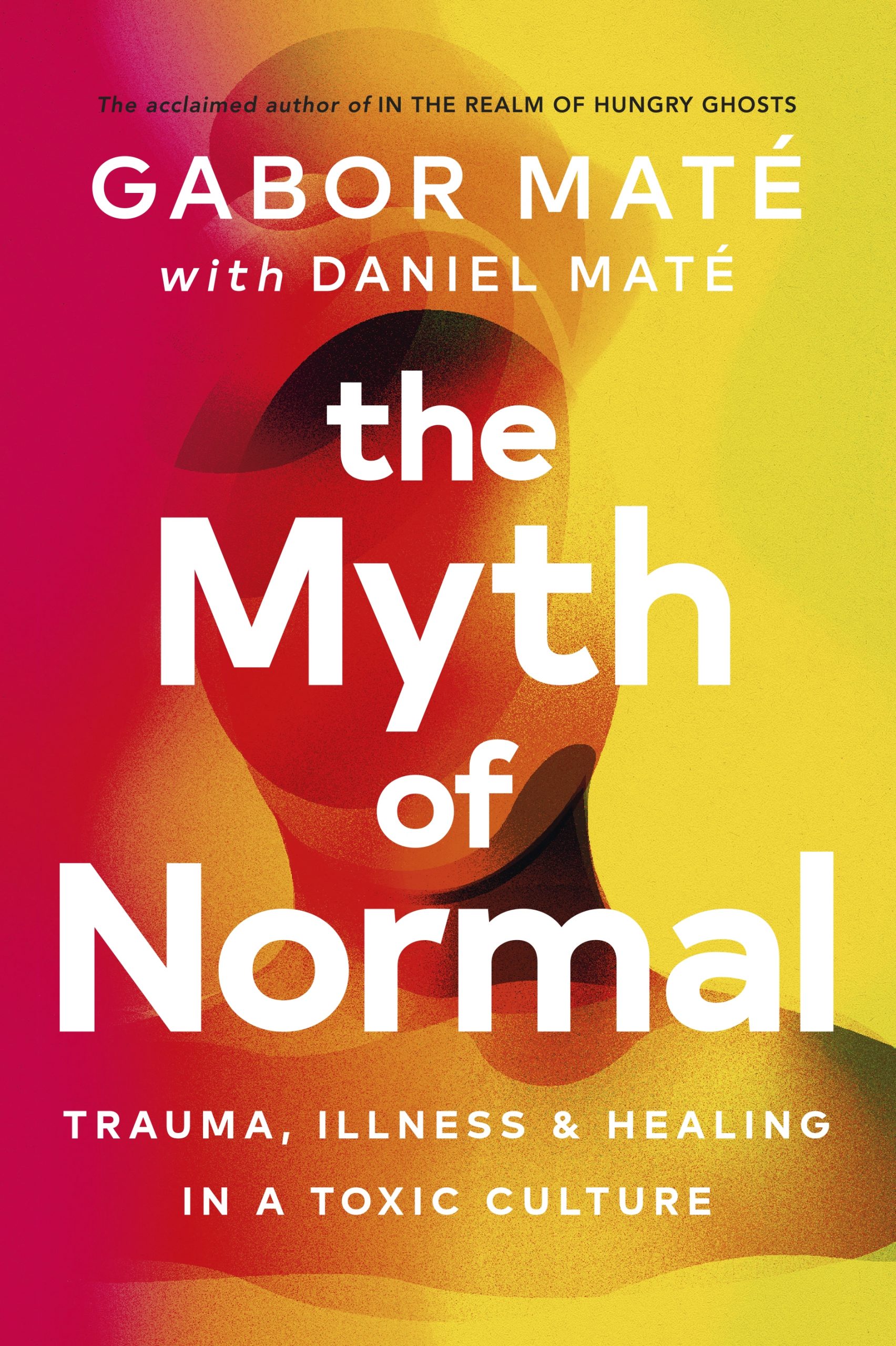
‘It all starts with waking up… to what our bodies are expressing and our minds are suppressing’
Western countries invest billions in healthcare, yet mental illness and chronic diseases are on a seemingly unstoppable rise. Nearly 70% of Americans are now on prescription drugs. So what is ‘normal’ when it comes to health?
Over four decades of clinical experience, renowned physician and addiction expert Dr Gabor Maté has seen how health systems neglect the role that trauma exerts on our bodies and our minds. Medicine often fails to treat the whole person, ignoring how today’s culture stresses our bodies, burdens our immune systems and undermines emotional balance.
Now, in his most ambitious and urgent book yet, Dr Maté connects the dots between our personal suffering and the pressures of modern-day living – with disease as a natural reflection of a life spent growing further and further apart from our true selves. But, with deep compassion, he also shows us a pathway to health and healing.
Filled with stories of people in the grip of illness or in the triumphant wake of recovery, this life-affirming book, co-written with his son Daniel, proves true health is possible – if we are willing to reconnect with each other and our authentic selves.