What is the common theme in the following true-life experiences?
An organization becomes an iconic brand by retaining only 3 per cent of its products.
A CEO gets more done by organizing ten-minute focused meetings.
TED talk speakers inspire millions within eighteen minutes.
A father adopts a three-day workweek to spend quality time with his daughters.
A tired person transforms his life by embracing one micro habit of waking up at 5 a.m.
Observe Closely
These choices say YES to a small set of things that matter and say NO to everything else.
These choices remove clutter.
These choices find meaning and joy in little things.
And this is the essence of Small Is Big.
Using extensive research, life experiences, and hands-on exercises, this book reveals the Small Is Big source code and outlines how to apply it.
When you harness Small Is Big, fulfilment, productivity and extraordinary results are inevitable.

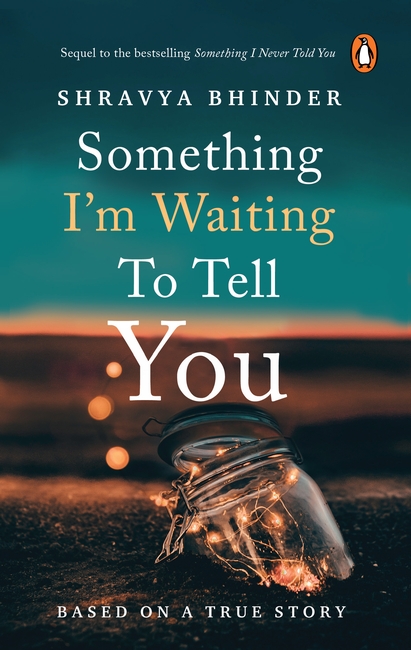
‘Letting go of her was not easy but winning her back was harder than anything I could have ever imagined’
After nearly losing the love of his life to a terrible accident, Ronnie realizes how much he loves Adira and what an idiot he had been to hurt her. What’s more, her overprotective mother now takes care of her, and does not like Ronnie being anywhere near her daughter.
He’s going through hell-unable to go back in time and fix things, unable to say what he missed saying to her, ‘I love you . . .’
All he wants now is a second chance, to trace his steps back into a loving relationship and win Adira over. It will not be easy because life is tough; love, even tougher.
Something I’m Waiting to Tell You is the sweet, intense conclusion of a story that started with Something I Never Told You, a book that will teach you a thing or two about soulmates.

In this one-of-its-kind book by the late Alyque Padamsee, he invites us to re-examine and think afresh about some of our most deeply held beliefs, from love, marriage, terrorism, leadership, money, gender, faith to education. Let Me Hijack Your Mind is Alyque’s parting gift to Indians, exhorting them to throw out the old and embrace new ways of approaching everything, which will lead them towards a more exciting and contented life-and a better society and country. It is a way to open windows in their mind to think about life aside from greed, power and money. This is a book designed to throw everyone off-balance in a good way, because it is crammed with fresh ideas on how to live, how to dream and how to completely reset our mindset and attitudes. As Alyque says in his inimitable style: ‘Get people out of stuffy thinking.’
Some of the provocative questions he asks are:
– Why should marriage be ’till death do us part’?
– Why are terrorists breaking the law of their very own holy books?
– Why are multinational companies obsessed with GNP (Gross National Product) instead of GNH (Gross National Happiness)?
– Why do men fear women? And why do women hate themselves?
A fun, racy and often shocking read, the book busts some of the most well-known taboos, includes life hacks drawing on his experiences in advertising and theatre, as well as new ‘commandments’ for the present generation.

‘A work of power, intimacy and magic’ Anees Salim, author
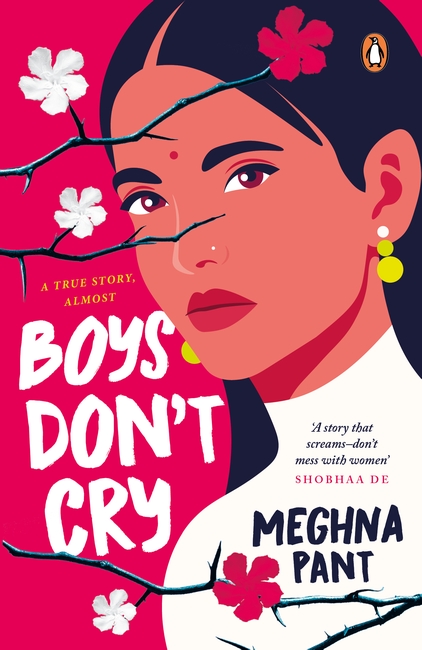
When Maneka Pataudi is arrested as the prime suspect for the murder of her ex-husband, she reveals a chilling tale of marital abuse and neglect.
But is her confession the truth or a lie? Is she telling the story as a victim or a perpetrator? And, is it better for women to kill for love or be killed for it?
Based on a true story (mostly), Boys Don’t Cry is a gripping, compelling and courageous novel that takes you behind the closed doors of a modern Indian marriage.

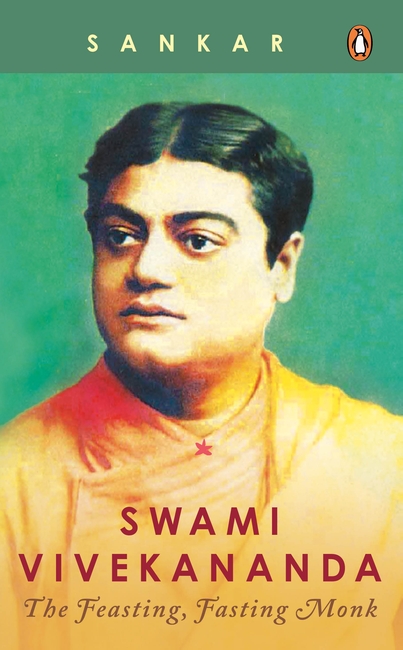
What did Swami Vivekananda recommend about the eating of vegetarian and non-vegetarian food?
Which of these did Swamiji enjoy the most: his mother’s chorchori (a mixed vegetable delicacy), his father’s pulao or his own khichuri?
Was he fond of spicy food, sweets, or ice cream?
During his days of hunger and want, for how many days at a stretch did Swamiji have to go without food?
Over the last 150 years, writings on Swami Vivekananda’s culinary interests have intrigued a wide spectrum of people across the world. This includes hitherto unknown stories of his spreading the art of making pulao and khichuri along with his propagation of the Vedas, in the United States of America.
While many thinkers wonder at Swamiji’s immense enthusiasm for teaching Indian cooking, yet it is not quite clear why no complete book about our culinary-enthusiast monk Vivekananda has ever been published in any language.
Swami Vivekananda: The Feasting, Fasting Monk is the humble, illumination of a thousand faceted diamond by Sankar.

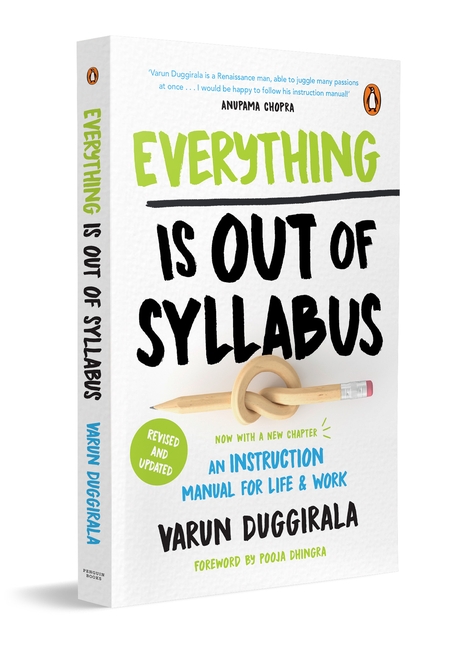
Life seldom comes with an instruction manual or a guidebook. It’s often messy and unpredictable too. While our education may prepare us for situations covered within its set syllabus, most of life happens outside this realm and this leaves us grappling with questions around work, life and everything in between.
Hence, this book.
Varun Duggirala has survived and thrived in a system that throws curveballs at us without the tools to actually overcome them. In Everything Is Out of Syllabus, he offers answers to important questions like:
What is the true meaning of success?
How can one become more creative and think outside the box?
How can we connect with people, including ourselves?
And much more.
Most importantly, he tells readers what are the skills one needs to master to live a more fulfilled life that is optimized for happiness.
Full of anecdotal wisdom, this book is partly funny, mostly reflective, and completely authentic. Everything Is Out of Syllabus is a must read for anyone who is trying to understand life and figure out their own roadmap to navigate it.

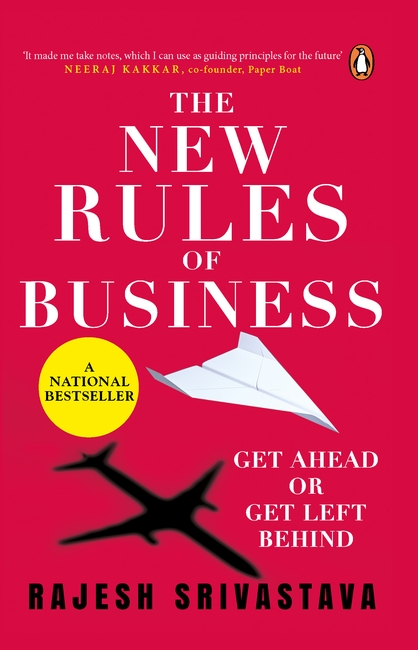
Treating your customers well is no longer enough. The new rule is: employees, too, have to be treated as well, if not better than the customers. Happy employees make happy customers, and happy customers tend to be loyal.
Do you spend money in advertising to create awareness about your product? You don’t need to do that any longer. The new rule is: invest in making your product so good that it does its own marketing.
New-age companies, such as Amazon, Flipkart, Uber, Ola and Netflix, among others, are dismantling the old rules of business and installing new ones in their place.
This book unfolds the mysteries of these new ways of doing business which most companies try to keep under wraps. Compellingly written with several anecdotes, this is a gripping book full of incredible insights.
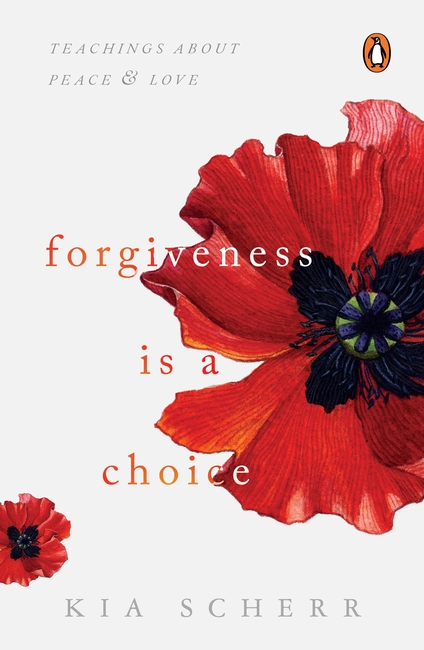
How could you forgive a terrorist?
A month or so before Christmas 2008, Kia Scherr lost her husband and teenage daughter to the horrific Mumbai terrorist attack at the Oberoi. In a second, her life was clouded with grief, and since then, it has been a convoluted journey of resilience and recovery.
In Forgiveness is a Choice, Scherr peels back the many layers of personal bereavement. She moves beyond the incident, focusing on the reality of dealing with sorrow that rears its ugly heads in myriad forms. Never mawkish, her writing offers everyday advice on how to meander grief-laden experiences. A tender and understanding guide on getting a grip and taking life one day at a time.

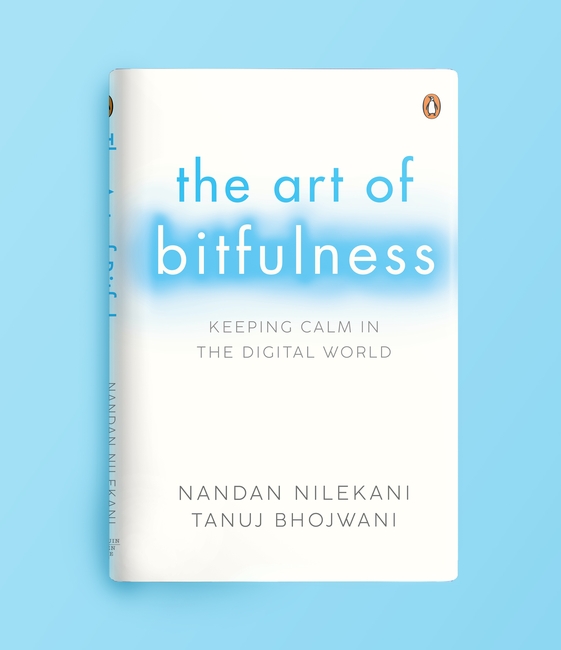
Digital is inevitable. Disconnecting is impractical.
The Art of Bitfulness is a book on how to live with our devices, not how to live without them.
What is Bitfulness?
Bitfulness is being effortlessly mindful of your technology.
In this short, practical book, Nandan Nilekani and Tanuj Bhojwani describe a framework to tune out the overwhelming noise of the internet. They empower you with tools to take back your time, attention and privacy from those who want to capture and sell it. They reveal their own personal systems, and how they stay on top of a constant flow of information. This book doesn’t believe our excessive screen time usage is a personal failing. The internet creates winner-take-all market conditions, which in turn create an attentional race to the bottom. It doesn’t have to be this way.
The book covers how we, as a collective, can take back control of our future. The authors even analyse the promise of web3 & cryptocurrencies to see where that alternative will take us.
The reason to read this book is simple: If you don’t design your technology around your life, someone else will design your life around their technology.
‘Unlike many other books written about this toxic relationship, however, this one is by two people who love technology very much and are fascinated by its power to do good-and yet, are cognizant of the ways in which technology can overwhelm us.’
Shrabonti Bagchi, HT Mint
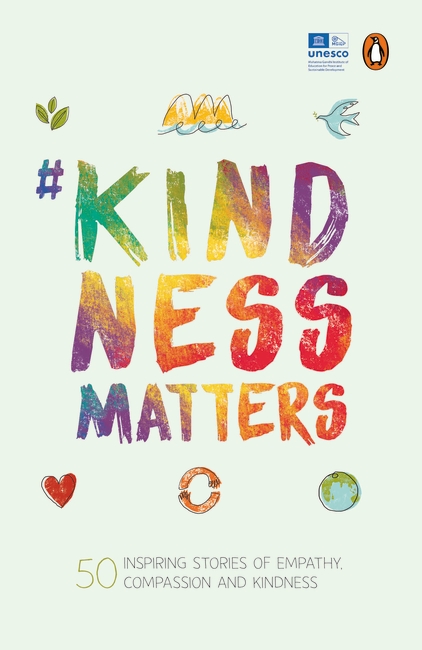
50 transformative acts of kindness.
For the self. For others. For nature.
Aimed at mobilizing the world’s youth to create a positive culture of kindness, the UNESCO Mahatma Gandhi Institute of Education for Peace and Sustainable Development (MGIEP) launched the #KindnessMatters global campaign to gather proof that kindness could drive scalable, positive and sustainable change. In the process, they were met with narratives so deeply moving, it confirmed what they knew all along-that kindness wasn’t defined by lofty tales; it had always existed all around us, what we needed was to celebrate it in every moment of life because #KindnessMatters every day. Inspiring and thought-provoking, #KindnessMatters documents stories and poems of kindness from across the world, featuring voices and journeys of people who have dedicated their lives to making the world a kinder place. This book proves that small actions often have the biggest impact.