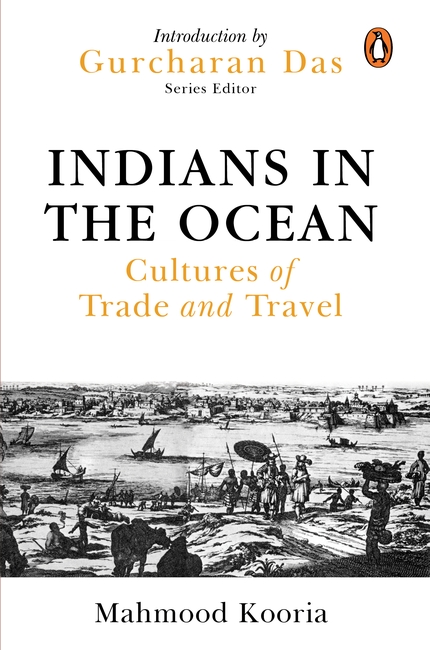
Long before European ships dominated the Indian Ocean, traders and travellers from the Indian subcontinent were already navigating its vast waters. In search of profit, adventure, and knowledge, their journeys shaped how Indians evolved as a society, what they consumed in their material lives, and how and why they produced and circulated oceanic knowledge.
Indians in the Ocean explores the ocean’s role in shaping the economic and cultural histories of the subcontinent between the tenth and sixteenth centuries. Drawing on a rich array of historical sources in many languages, it reconstructs the experiences of people from the region who travelled, traded, and participated in the global economy at a time when the oceans formed the principal highways linking countries and communities across continents.

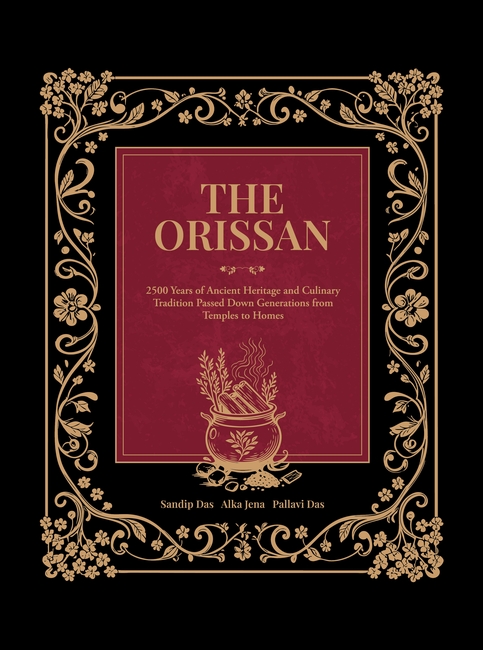
In the cradle of India’s eastern coastline lies a land where civilization learned to pray through food. Odisha, or ancient Kalinga, has witnessed dynasties rise and tides retreat, yet its essence endures in the quiet dignity of its kitchens.
The Orissan traces this unbroken lineage of taste and tradition. Each recipe is a fragment of history, born in temple offerings, royal feasts, and humble hearths, carried forward by generations who understood that nourishment is both art and devotion. Interwoven with personal recollections, myths, and forgotten lore, these pages become a chronicle of identity—a journey through time where flavours are the language of memory and every meal a hymn to the land.
To open this book is to rediscover an unsung state—glorious, graceful, and eternal.

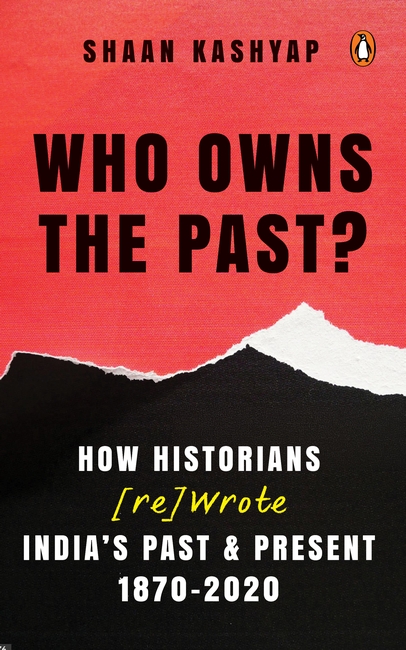
Why does history in India ignite such fierce debate? Who gets to shape the story of a nation—and to what end?
In Who Owns the Past?, historian Shaan Kashyap delivers a gripping, deeply researched account of how India’s history has been written, rewritten, contested, and politicized from the colonial era to the age of social media. This is not just a book about the past—it’s about the power struggles that define the present.
From Macaulay and James Mill to Romila Thapar and Vikram Sampath, Kashyap traces the intellectual battles that have shaped the “Idea of India.” He examines how textbooks are crafted, how institutions influence memory, and how political shifts leave their imprint on the stories nations tell about themselves.
Blending sharp archival work with vivid portraits of historians, policymakers, and power brokers, Who Owns the Past? is both a sweeping narrative of Indian historiography and a timely exploration of identity, ideology, and nationhood.
Provocative, balanced, and essential reading, this book asks a simple but urgent question: if the past is constantly being rewritten, what does that mean for our future?
Perfect for readers of history, politics, public policy, and anyone invested in understanding the intellectual fault lines shaping contemporary India.

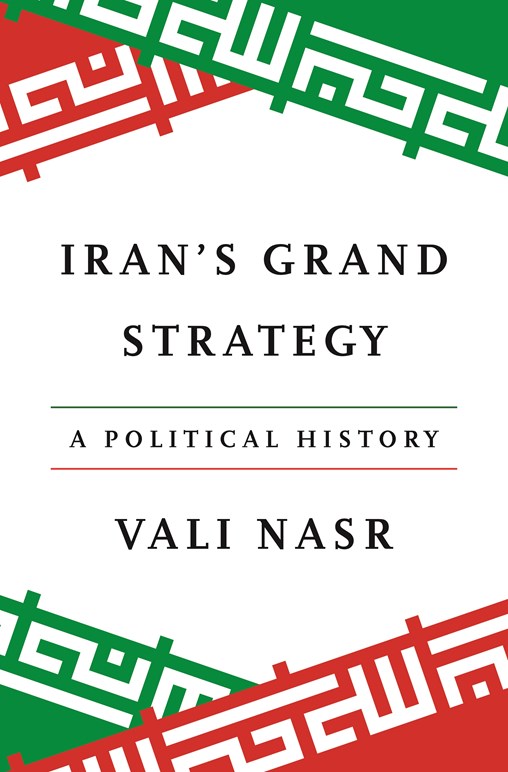
From the New York Times bestselling author of The Shia Revival
A gripping account that overturns simplistic portrayals of Iran as a theocratic pariah state, revealing how its strategic moves on the world stage are driven by two pervasive threats—external aggression and internal dissolution Iran presents one of the most significant foreign policy challenges for America and the West, yet very little is known about what the country’s goals really are. Vali Nasr examines Iran’s political history in new ways to explain its actions and ambitions on the world stage, showing how, behind the veneer of theocracy and Islamic ideology, today’s Iran is pursuing a grand strategy aimed at securing the country internally and asserting its place in the region and the world. Drawing on memoirs, oral histories, and original in-depth interviews with Iranian decision makers, Nasr brings to light facts and events in Iran’s political history that have been overlooked until now. He traces the roots of Iran’s strategic outlook to its experiences over the past four decades of war with Iraq in the 1980s and the subsequent American containment of Iran, invasion of Iraq in 2003, and posture toward Iran thereafter. Nasr reveals how these experiences have shaped a geopolitical outlook driven by pervasive fear of America and its plans for the Middle East. Challenging the notion that Iran’s foreign policy simply reflects its revolutionary values or theocratic government, Iran’s Grand Strategy provides invaluable new insights into what Iran wants and why, explaining the country’s resistance to the United States, its nuclear ambitions, and its pursuit of influence and proxies across the Middle East.

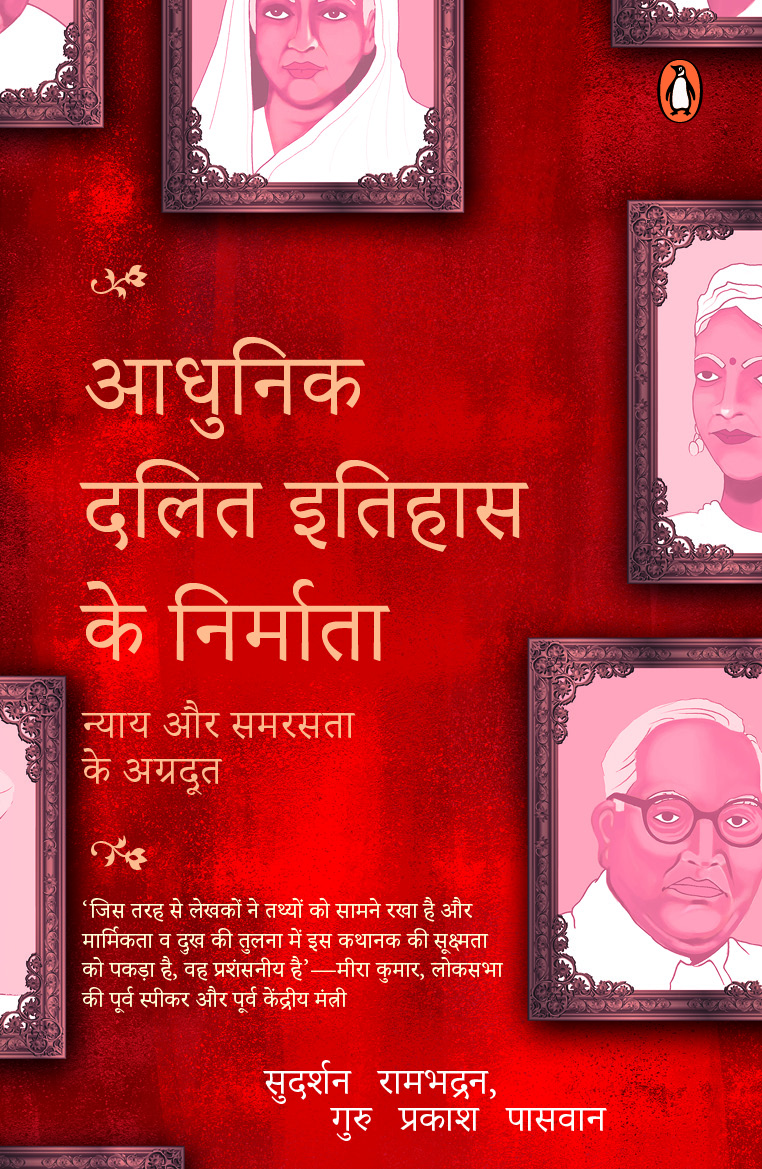
उन्नीसवीं सदी के उत्तरार्ध में केरल में एक व्यक्ति बड़ी शान से सड़क पर एक बैल गाड़ी से जा रहा था। जो कृत्य एक सामान्य सी बात थी, वह उस समय प्रतिरोध का एक बड़ा कृत्य था। घुड़ सवारी करना या बैलगाड़ी पर बैठने का अधिकार उस समय सिर्फ ऊँची जातियों के लोगों के पास था। लेकिन अछूत कही जाने वाली पुलया जाति का वह व्यक्ति जाति आधारित भेदभावों को चुनौती दे रहा था। वह कोई और नहीं बल्कि समाज सुधारक और आन्दोलनकारी अय्यनकाली थे।
इस पुस्तक में ऐसे ही प्रेरक व्यक्तित्वों के विवरण हैं जिन्होंने जीवन भर भेदभाव के खिलाफ अथक लड़ाई लड़ी। यह पुस्तक दलित समुदाय के प्रति आधुनिक भारत की उसी समझ को विस्तृत करने के प्रयास के तहत लिखी गई है।
भीमराव आम्बेडकर, बाबू जगजीवन राम, गुरराम जेशुवा, केआर नारायणन, सोयराबाई, रानी झलकारीबाई और उन जैसे कई अन्य ऐतिहासिक और समकालीन व्यक्तित्वों के ऊपर मौलिक शोध पर आधिरत आधुनिक दलित इतिहास के निर्माता दलित विमर्श में एक महत्वपूर्ण योगदान है। अतीत और वर्तमान के कुछ अग्रणी दलित चिंतकों के ऊपर लिखी गई यह लकीर खींचने वाली किताब दलित पहचान, इतिहास और राजनीति पर ज़रूरी बहस को शुरू करने का लक्ष्य रखती है।

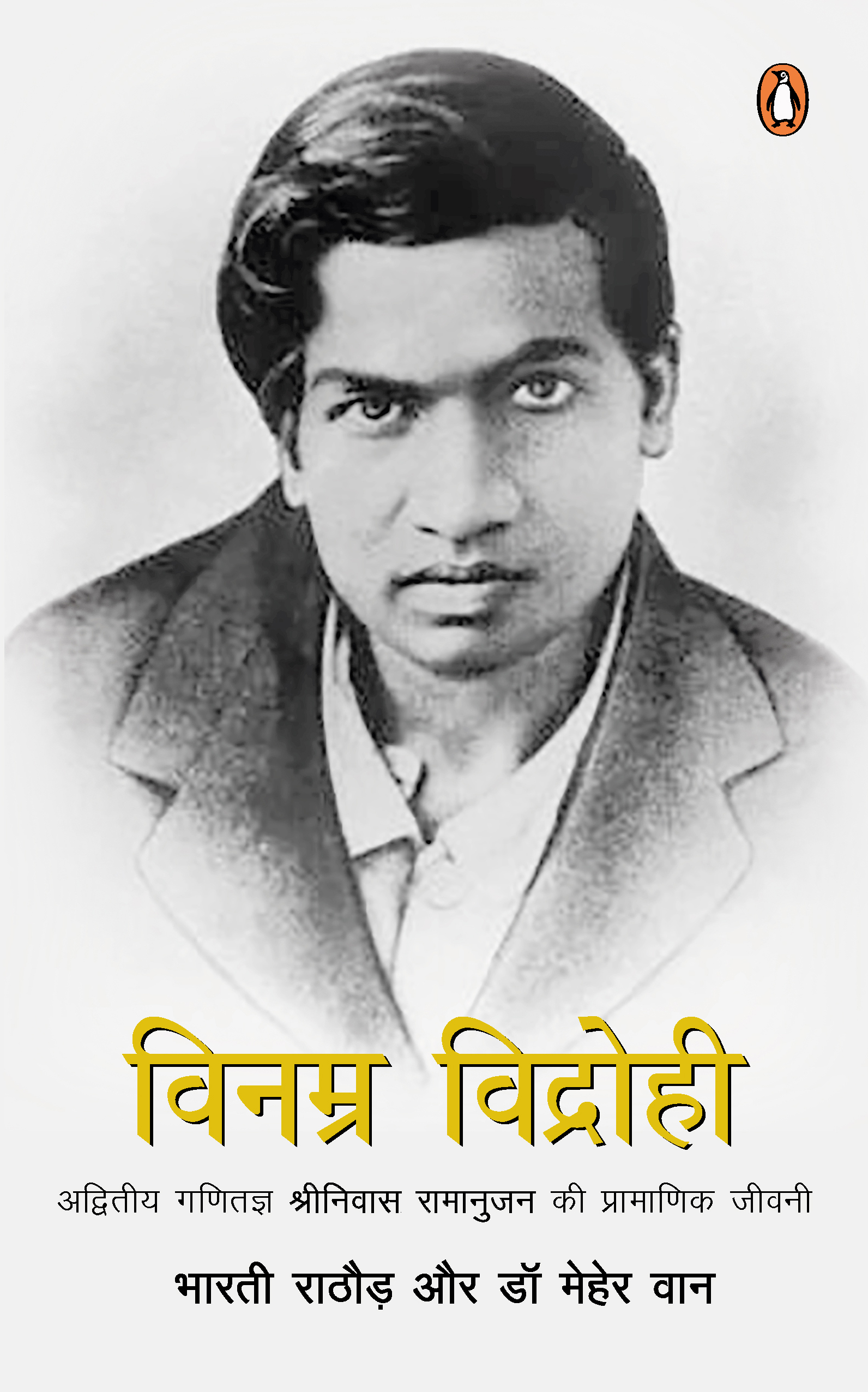
यह पुस्तक भारत में जन्मे विलक्षण प्रतिभाशाली गणितज्ञ श्रीनिवास रामानुजन की जीवनी है जिसमें उनकी एक सामान्य परिवार में जन्म से लेकर कैंब्रिज में जाकर पढ़ने और गणित के अकाट्य सूत्रों को प्रस्तुत करने की कहानी है जिस पर अभी तक दुनिया मंथन कर रही है। इस पुस्तक में तत्कालीन समाज, अंग्रेज़ी राज, यूरोप की स्थिति और अकादमिक जगत की हलचलों का भी पता चलता है। इस पुस्तक की भाषा प्रांजल है और इसे युवा वैज्ञानिक डॉ मेहर वान और पत्रकार भारती राठौड़ ने काफी सरल भाषा और बातचीत की शैली में लिखा है जो पाठकों को बांधकर रखती है। विज्ञान, इतिहास, शोध और अकादमिक क्षेत्रों में दिलचस्पी रखने वालों के लिए यह एक ज़रूरी पुस्तक है।

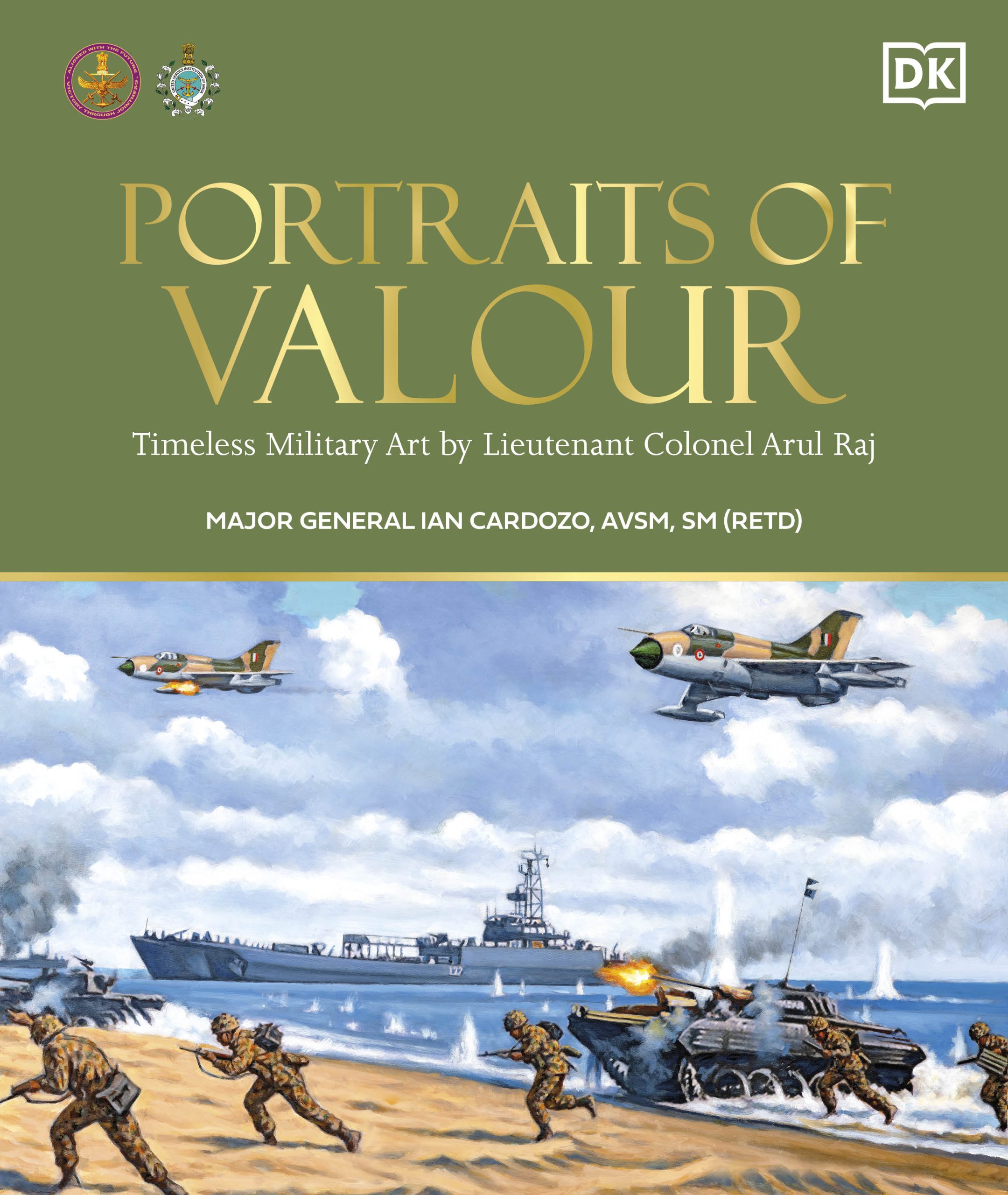
Ever wondered what a war truly looks like – in its heat and colour, its chaos and charged stillness?
Over five decades, Lieutenant Colonel Arul Raj, among India’s few military painters, has transformed experience, research, and memory into paintings that hold the small, electrifying truths of the battlefield: the tension in a commander’s stance, dust rising under marching boots, the silent focus of gunners. In Portraits of Valour, every artwork is rendered with striking clarity and carries the emotional depth of someone who has lived at the frontlines. You are not just looking at history – you are feeling it.
Paired with Major General Ian Cardozo’s insightful storytelling, the artworks in this book take on a rare authenticity. The narrative reveals not only the valour of soldiers, but the human stories behind their uniforms. It is a tribute to those who served but also to the power of art to hold memory.
Whether you come to learn, marvel at the art, or dive into incredible true stories, this is India’s military history rendered vivid, honest, and enduring, one brushstroke at a time.

महात्मा गांधी के आने से पहले अगर किसी ने भारत की आज़ादी की लौ जलाई, तो वे थे बाल गंगाधर तिलक। तिलक को ‘लोकमान्य’ कहा जाता था, जिसका मतलब है ‘लोगों में सबसे ज़्यादा इज़्ज़तदार’। उन्होंने आज़ादी की लड़ाई को सिर्फ पढ़े-लिखे लोगों की बात से निकालकर आम लोगों का आंदोलन बना दिया। उनकी ज़बरदस्त बातें, उनका लगातार काम और उनके बेबाक विचार अंग्रेज़ों के लिए सबसे बड़ी चुनौती बन गए। वैभव पुरंदरे ने अपनी इस किताब में तिलक की पूरी कहानी बताई है। उन्होंने दिखाया है कि कैसे तिलक ने कोंकण के एक छोटे से गाँव से पूरे भारत में अपनी पहचान बनाई। यह कहानी सिर्फ एक नेता के बारे में नहीं है, बल्कि उस हिम्मत और जज़्बे के बारे में है जो आज भी भारत की आत्मा में है। बाल गंगाधर तिलक की कहानी सिर्फ विरोध की नहीं, बल्कि मुश्किलों में भी डटे रहने और पक्के इरादों की मिसाल है। उनके विचार और काम आज भी हमें राह दिखाते हैं।
यह किताब भारतीय इतिहास के उन पंद्रह भूले-बिसरे और गुमनाम बहादुर स्त्री-पुरुषों के कृत्यों, कालखंड और उनके योगदानों पर प्रकाश डालती है जिन्होंने न केवल रणभूमि में हथियार उठाए बल्कि विपरीत परिस्थितियों में भी आशा की किरण जलाए रखी।
उन्होंने धर्म और अपनी स्वतंत्रता की रक्षा के लिए आक्रांताओं से बहादुरी पूर्वक लोहा लिया।
मणिपुर के राजर्षि भाग्यचंद्र जय सिंह, अहमदनगर की चांद बीबी, असम के लचित बरफुकन, अवध की बेगम हजरत महल, उल्लाल की रानी अब्बक्का चौटा, त्रावणकोर के मार्तंड वर्मा, वारंगल की रानी रुद्रम्मा देवी, गुजरात की रानी नायकी देवी और बंदा सिंह बदादुर कुछ ऐसे ही योद्धा हैं जो अपने देश की संस्कृति और परंपरा के लिए लड़े थे।