



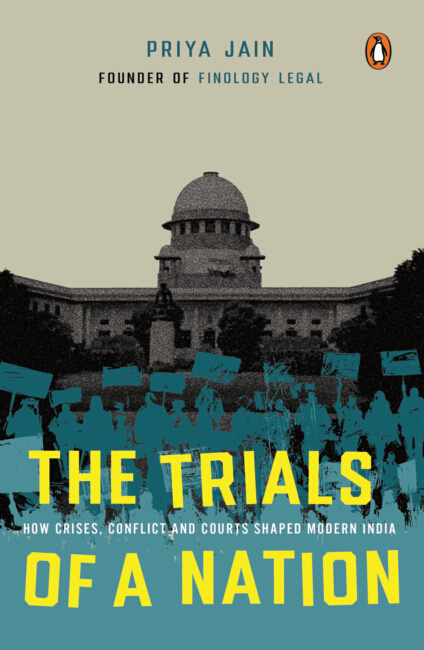
Some events don’t just make history—they redefine a Republic.
Democracies are not tested during peaceful times. They are tested during fear, anger, division and uncertainty. India’s journey is no exception.
In this book, Priya Jain, founder of Finology Legal—a platform dedicated to making law and constitutional issues accessible to everyday Indians—examines ten defining moments that reshaped the relationship between the Indian state and its citizens and changed the course of the Republic itself.
From the framing of the Constitution and the first general election to the trauma of the Emergency, the Republic has repeatedly been forced to confront its own limits. Later events, such as the 1991 economic reforms, changed India’s economic direction, while tragedies like 26/11 and the Nirbhaya case exposed deep failures in security and criminal justice. The book also explores moments where law collided with faith, identity and federal power, including the Ram Janmabhoomi–Babri Masjid dispute and the abrogation of Article 370.
Catagory: History
Seeds of Hate: Bangladesh’s Extremist Surge Jamaat-e-Islami Bangladesh and other radical organizations
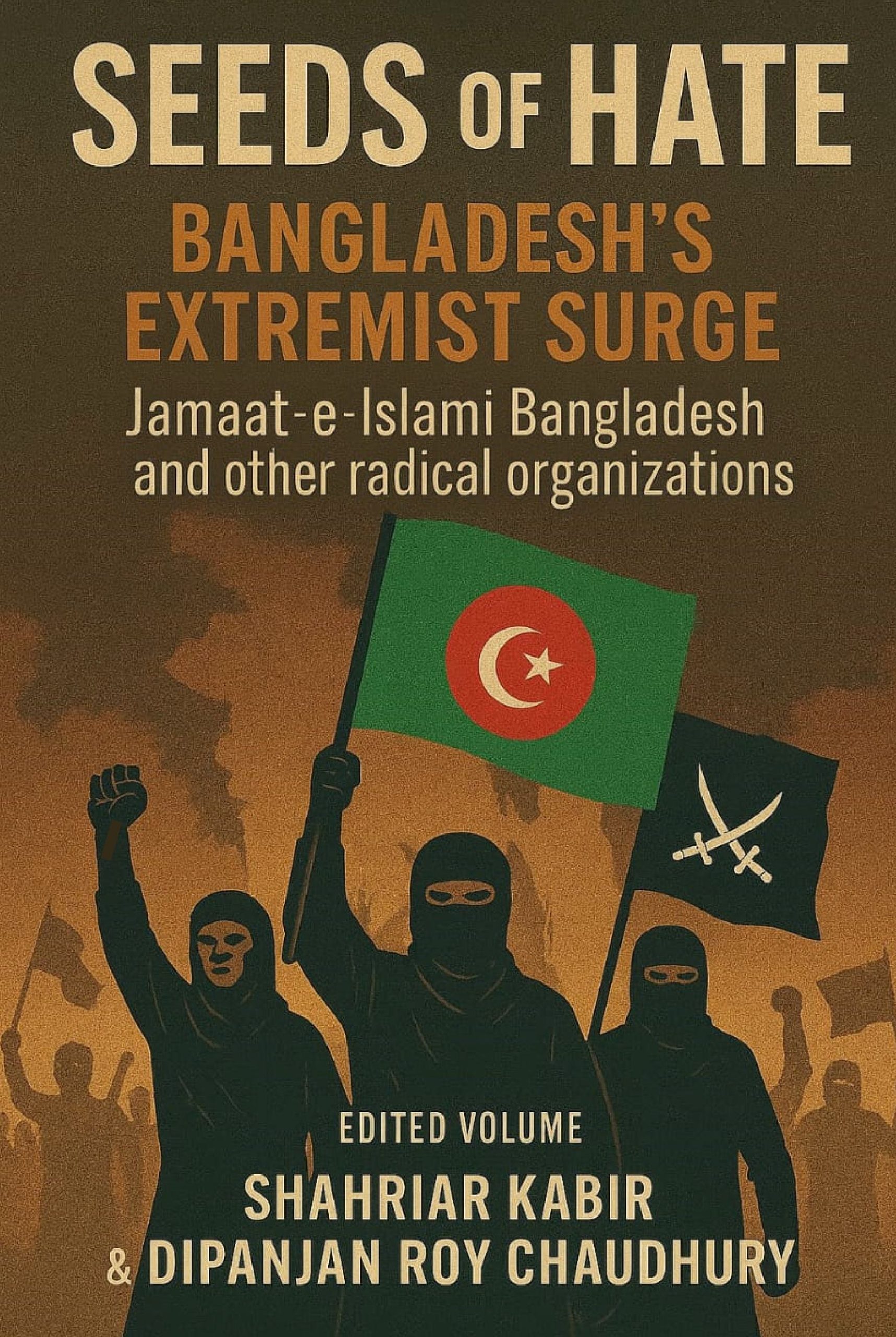
A timely and deeply researched investigation into the rise of extremism in Bangladesh and its wider implications for South Asia. Seeds of Hate: Bangladesh’s Extremist Surge – Jamaat-e-Islami Bangladesh and Other Radical Organizations is a compelling and evidence-based volume that explores the ideological, political, and social roots of religious extremism in Bangladesh.
The book examines how radical organisations have shaped the Nation’s political and cultural landscape over decades. Drawing from historical records, field research, political analysis, and journalistic inquiry, the book investigates the role of Jamaat-e-Islami Bangladesh and affiliated extremist groups in influencing governance, education, social structures, and public discourse.
It also explores the transnational networks connecting radical ideologies across South Asia and beyond.
Why This Book Matters:
• In-depth analysis of extremism in Bangladesh
• Explores Jamaat-e-Islami and radical political networks
• Examines the erosion of secular and democratic institutions
• Essential reading for policymakers, journalists, researchers, and students
• Provides historical and geopolitical context to current developments
• Evidence-based, research-driven, and highly relevant to South Asian affairs
Perfect For Readers Interested In:
• South Asian geopolitics
• Bangladesh politics and history
• Religious extremism and radicalisation
• International relations and security studies
• Political Islam in South Asia
• Democracy, secularism, and human rights
The People’s Sanctum
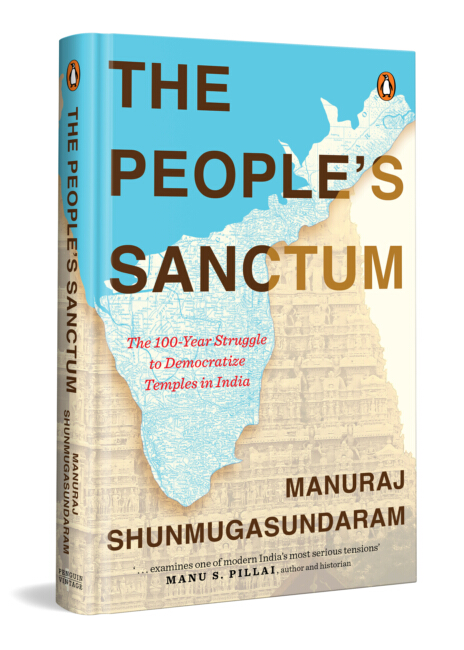
One hundred years ago, a powerful movement was taking root in southern India, and through its radical trajectory, building the future for true Indian equality. In the princely state of Travancore in what is today southern Kerala, a protest to challenge a ban that prevented the people of oppressed castes from using the roads around Vaikom Mahadeva temple had mobilised thousands. Gaining momentum from leaders such as TK Madhavan, Periyar EV Ramasamy and Mahatma Gandhi, the dramatic yet sustained protests ultimately led to several roads being opened to all castes.
The gains from Vaikom in part inspired the birth of the Self-Respect Movement, an indigenous socio-political movement that attacked caste hierarchy within temples. As the movement marks a hundred years, Manuraj Shunmugasundaram explains how an agitation for equal access to roads has led to, among other reforms, state legislation enabling the appointment of priests from all castes. Unpacking Babasaheb B.R. Ambedkar’s brilliant drafting of social reform into the Constitution, the author argues that intra-religious equality is Indian secularism.
Combined with the analysis on the role of constitutional courts in resolving disputes between temple entry and religious freedoms, The People’s Sanctum traces the important and impactful changes to the socio-religious fabric of the country over the last century.
This is Fascism: A Wake-up Call

‘Excellent’ Timothy Snyder
‘Definitive’ Jason Stanley
‘Masterful and chilling’ Paul Mason
‘A distress signal … Read this book’ Rutger Bregman
Fascism is back. This time no swastikas, Nazi flags, or deadly bureaucracy, but MAGA hats, right-wing extremist memes, and a triumphant fist held high. For the first time in modern history, far right parties in some European countries have won a larger share of the votes than the Conservatives and the Social Democrats.
Fascism hollows out democracies from within. It starts with language, not tanks. With democratic elections, not a coup.
But how do fascists mobilise citizens? How has fascism become normalised in Europe again? And how do we stop it?
Air Warriors 2

Chand Bibi
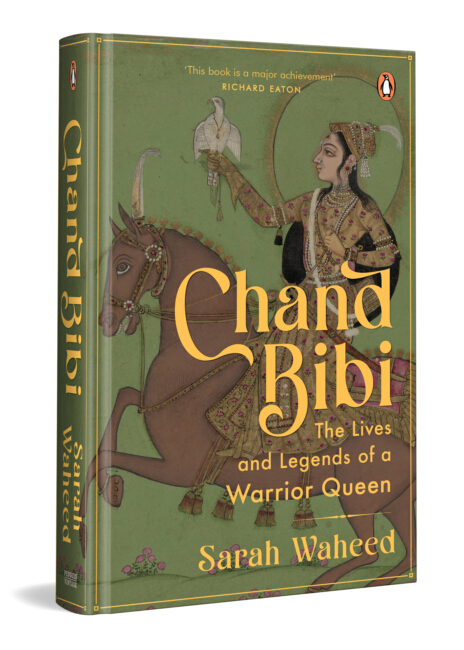
Over four hundred years ago, a Muslim queen defied an empire. Chand Bibi—ruler, military strategist, and diplomat—stands among the most remarkable figures of early modern India. This book brings her world to life, moving between palace intrigue, battlefield strategy, poetry, and politics.
Historian Sarah Waheed uncovers the multilayered world of the Deccan region that shaped Chand Bibi and her battles against the Mughal empire under Akbar. Interwoven with the queen’s storied past is the author’s personal journey across archives, crumbling forts, and Sufi shrines; through forgotten manuscripts and contested memories; and into the mysteries that both illuminate and conceal Chand Bibi’s life.
Deeply researched and narratively evocative, this is the definitive portrait of a woman who fought for her homeland and sought to unify a fractured region—and of the quest to bring her story back into view.
Tipu Sultan Hindi / टीपू सुल्तान
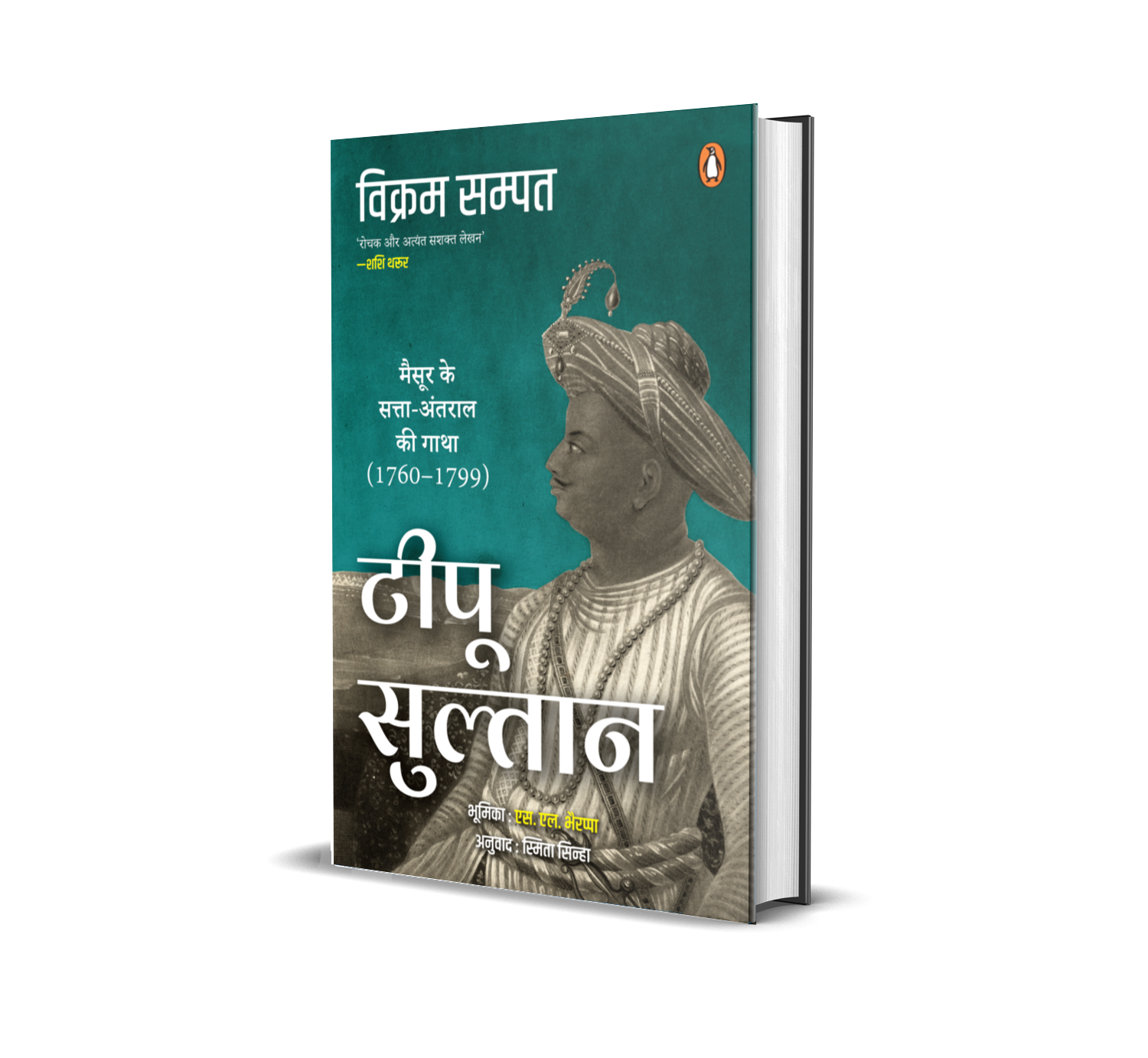
टीपू सुल्तान की विवादित विरासत आज भी भारत और उसकी समकालीन राजनीति को उलझाती रहती है। भारतीय सैन्य इतिहास का यह रहस्यमय पात्र आधुनिक इतिहासकारों के लिए अब भी एक बड़ी पहेली है। वह अलग-अलग लोगों के लिए अलग अर्थ रखता है। टीपू का सत्ता में आना संयोगवश हुआ। उसके पिता हैदर अली मैसूर के महाराजा की कृपा से आगे बढ़े थे। लेकिन चतुर और अवसरवादी हैदर ने अपने ही संरक्षक को अपदस्थ कर 1761 में वोडेयार वंश से मैसूर का सिंहासन छीन लिया। टीपू को सत्ता सहज रूप से मिल गई थी, इसी सफलता के अहंकार और युद्धोन्माद में टीपू ने मालाबार, मंगलौर, त्रावणकोर और कूर्ग पर घातक आक्रमण किए। टीपू एक साहसी सैनिक और कुशल प्रशासक था। लेकिन धार्मिक मामलों में उसकी अदूरदर्शिता ने वह संतुलन तोड़ दिया, जिसे हैदर हिंदू बहुसंख्यकों के साथ बनाए रखना चाहता था।
Air Warriors 2

Moreso now than ever before, there exists a great deal of curiosity about the Air Force in the minds of common Indians—people who are fascinated by the glamour of the IAF, its aircrafts, and the men who fly them. This is especially true after the pivotal role of the IAF in the high-stakes Operation Sindoor.
In the follow up to the widely successfully first book, Air Warriors 2, relays untold stories of unimaginable feats of bravery, of boldness, of fearlessness in the face of peril—set against the backdrop of the day-to-day operations of the Indian Air Force. Deeply researched and narrated in simple, easy language with technical terms reduced to a bare minimum, Air Warriors 2 attempts to satisfy the common man’s curiosity about the Air Force and its courageous officers.
Much like Air Warriors, the true stories in this book seek to inspire, enthrall and fascinate all those who read them.
Chand Bibi
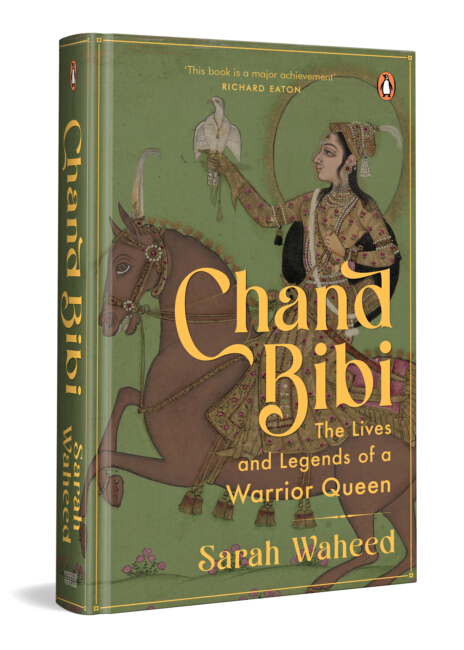
In 1595, the Muslim warrior queen Chand Bibi of the Deccan sultanates defeated the most powerful forces of her time: Mughal imperial armies. Who was this queen? And what kind of world made her possible? In this, the first book about Chand Bibi, the author focuses upon the inadequately studied subject of Muslim female power in premodern India. But In Search of Chand Bibi is not just another book about a Muslim woman of medieval India. It is also the author’s personal journey as a historian and the process of doing research about the past.
Andal: The Autobiography of a Goddess
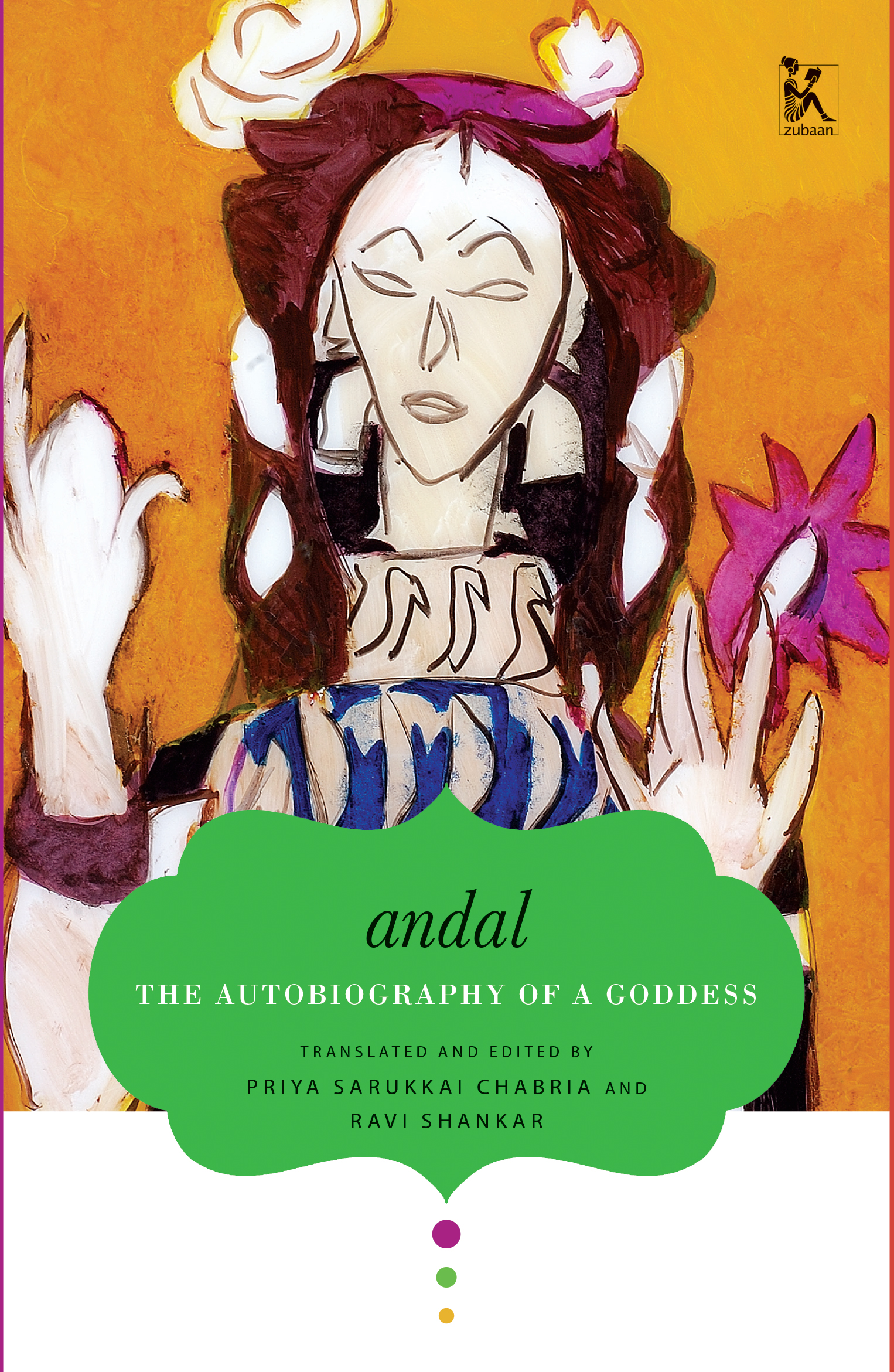
Winner of the Muse India Translation Prize (2018), Priya Sarukkai Chabria and Ravi Shankar’s elegant new translations of eighth-century Tamil poet and founding saint Andal, cements her status as the South Indian corollary to Mirabai. In this one volume is her entire corpus, composed before she apocryphally merged with the idol of her chosen god as a young teenager, leaving behind the still popular song of congregational worship, the Thiruppavai, a collection of thirty pasuram (stanzas) sung for Lord Tirumal (Vishnu) and the much less frequently translated and rapturously erotic Nacchiyar Thirumoli.