



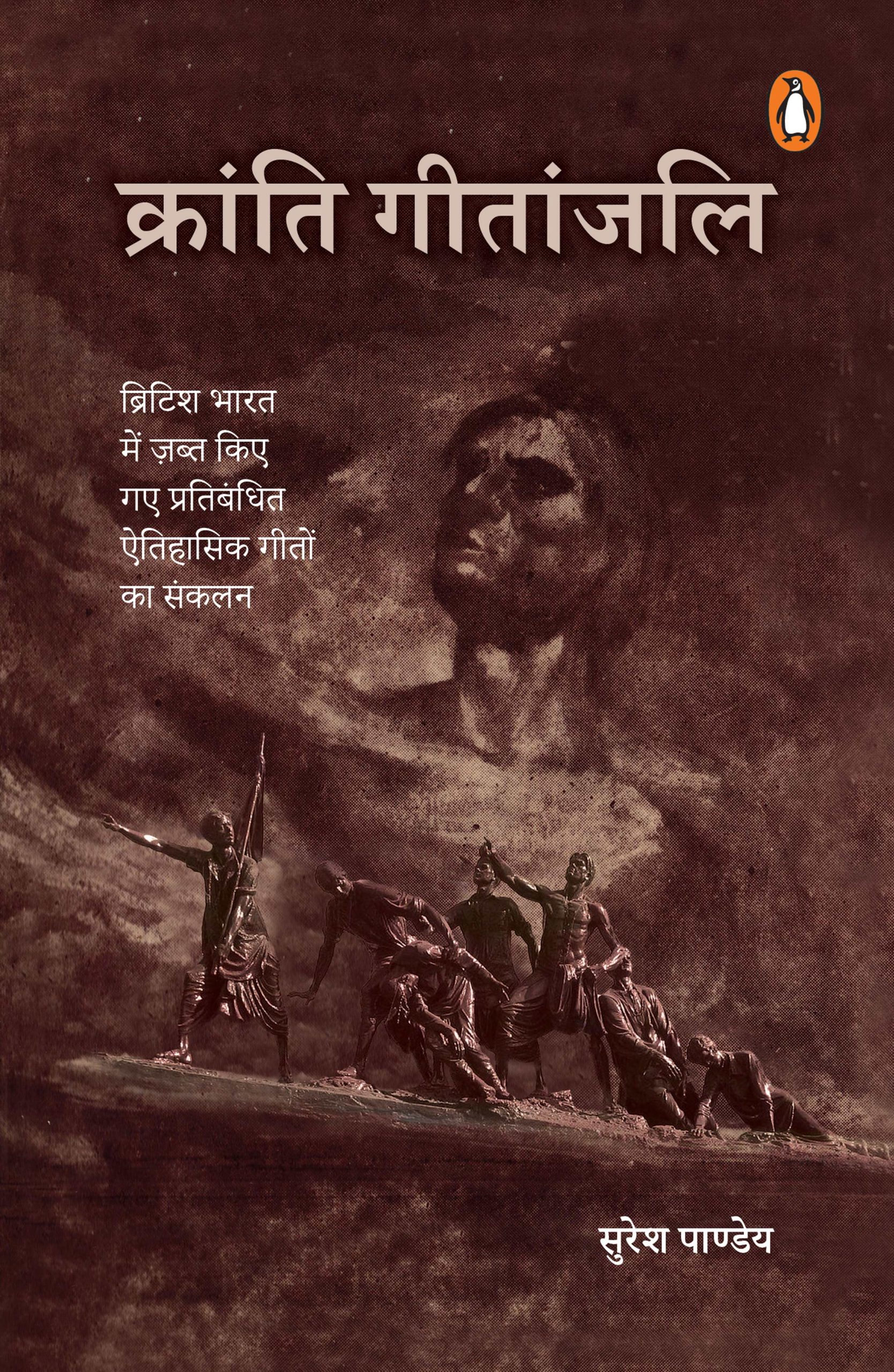
उठो देश भक्तों की फेहरिस्त में,
बढ़ो नाम अपना लिखाते चलो।
जो रग-रग में भर देवे जोशे वतन,
वह ‘आज़ाद’ गज़लें सुनाते चलो।—भागवत झा ‘आज़ाद’
ये क्रांतिगीत हैं, जिन्हें देश के लोह-लाड़लों ने लिखा और करोड़ों देशवासियों ने गाया और उन्हें अपनी आज़ादी की लड़ाई का अर्थ समझाया। ये गीत रचे गए और रचनाकारों को न जेल के अंधेरे डरा सके, न ब्रिटिश सरकार की यातनाएँ झुका सकीं। क्रांति के ये गीत छपने के साथ ही ब्रिटिश सरकार द्वारा ज़ब्त कर लिए गए थे, पर चलता रहा यह अटूट सिलसिला, इनकी गंजुर से काँपते रहे़ शासकों के कलेजे।
यह पुस्तक अपने-आप में प्रामाणिक ऐतिहासिक दस्तावेज़ है। बिहार राज्य के अभिलेखागार के दस्तावज़ों के आधार पर इन गीतो का संकलन किया गया है। गीतो के साथ जब्ती के शासनादेश मलू-रूप में दिए गए हैं। यह संकलन काव्य-प्रेमियों, जिज्ञासुओं और शोधार्थियों के लिए अत्यधिक महत्त्वपूर्ण है।
Catagory: History
Cauldron, Sword and Victory
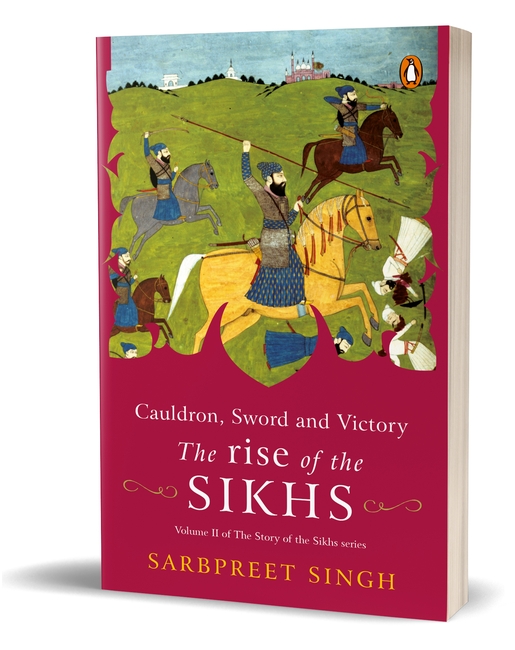
In Cauldron, Sword and Victory, author Sarbpreet Singh takes the reader on a journey through the fiery crucible in which the character of the Sikhs was forged. Seers and mystics, conquerors and kings rub shoulders in this heady tale of history and politics, embarking on never-ending quests for land, power and glory. Singh’s first volume on Sikh history told the story of the venerated Sikh Gurus. Starting with the rebellion of Banda Singh Bahadur, he now turns his attention to Nawab Kapur Singh and his cohort of doughty Sikh chiefs who became the masters of Punjab as the weakened Mughals of Delhi clashed with the powerful Ahmad Shah Abdali of Afghanistan. Bringing these swashbuckling characters to life in a manner most vivid and compelling, Singh transports us to the eighteenth-century Indian subcontinent as the Sikh chiefs engage with the British, the Marathas, the Jats and the Rohillas, sometimes as allies and sometimes as adversaries.
Based on a unique mix of eyewitness accounts, secondary sources as well as translations from Braj and Punjabi poetry, Singh’s narrative is both erudite and engaging—a true saga of resilience, faith and power.
Treasures of India: From Antiquity to Modernity
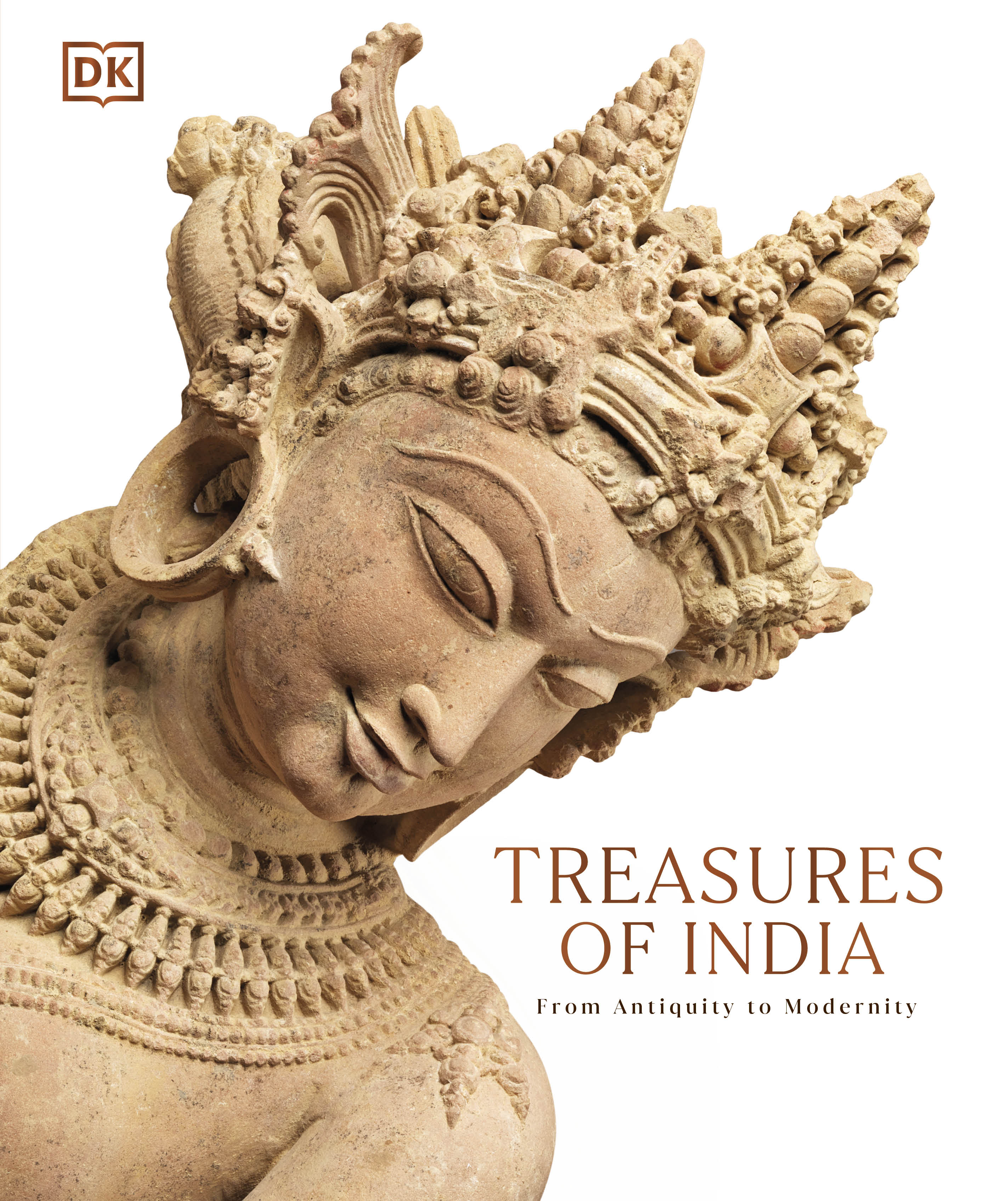
A visual exploration of the cultural history of India through its greatest treasures.
An exquisite collection of artefacts, sculptures, and historically significant treasures from across India.
If the captivating bronze dancing girl of Harappa denoted sophisticated early civilization, the stunning Sanchi Stupa symbolized the peak of Buddhist religion in India. If the world-renowned Taj Mahal was a testament to the wealth of the Mughal empire, Tipu’s Tiger, an intricate, almost life-sized mechanical toy, represented the king of Mysore’s resistance against the East India Company. Whether it is the striking sculptures of the famed city of Hampi, the beautiful folios from religious texts, the breathtaking Konark wheel, the famous Koh-i-Noor, or the elegant paintings of Raja Ravi Varma, these artefacts, monuments and artworks are intimately woven into the history and culture of India and revered for their beauty and artistry. Ranging from the extraordinary to the ordinary, from the remarkable to the traditional, these objects capture moments, reflect changes, and remain grounded in the many lived realities of India.
The richly illustrated Treasures of India navigates the history of India, through the early civilizations, formation of kingdoms, religious movements, the establishment of empires, the struggle for Independence, and the emergence of a democracy and republic through more than 100 objects and monuments, exploring the fascinating and unique stories behind each of them.
Fallout
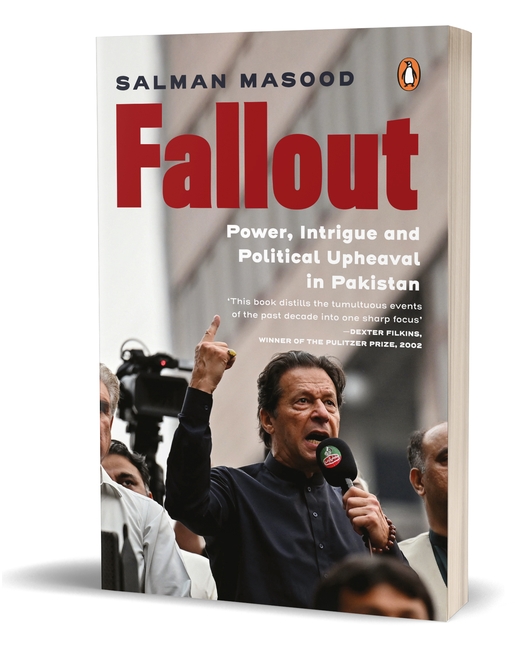
Fallout delves into the tumultuous journey of Imran Khan’s transition from a tenacious opposition leader to the prime minister of Pakistan (2014–2018), and his complicated relationship with the Pakistani military since then. It charts the fall of Nawaz Sharif, influenced by the Panama Papers scandal, and the role of former army chief, General Qamar Javed Bajwa, in the Hybrid Project/Rule, revealing the changes he went through while in power. The book underscores the persistent unpredictability of leadership decisions, both military and civilian, that leads to a constant state of crisis in Pakistan today, underlining the crucial need for institutional stability. A familiar-yet-ever-changing tableau of power, Fallout is an incisive exploration of Pakistani politics.
Fallout delves into the tumultuous journey of Imran Khan’s transition from a tenacious opposition leader to the prime minister of Pakistan (2014–2018), and his complicated relationship with the Pakistani military since then. It charts the fall of Nawaz Sharif, influenced by the Panama Papers scandal, and the role of former army chief, General Qamar Javed Bajwa, in the Hybrid Project/Rule, revealing the changes he went through while in power. The book underscores the persistent unpredictability of leadership decisions, both military and civilian, that leads to a constant state of crisis in Pakistan today, underlining the crucial need for institutional stability. A familiar-yet-ever-changing tableau of power, Fallout is an incisive exploration of Pakistani politics.
Athena’s Child
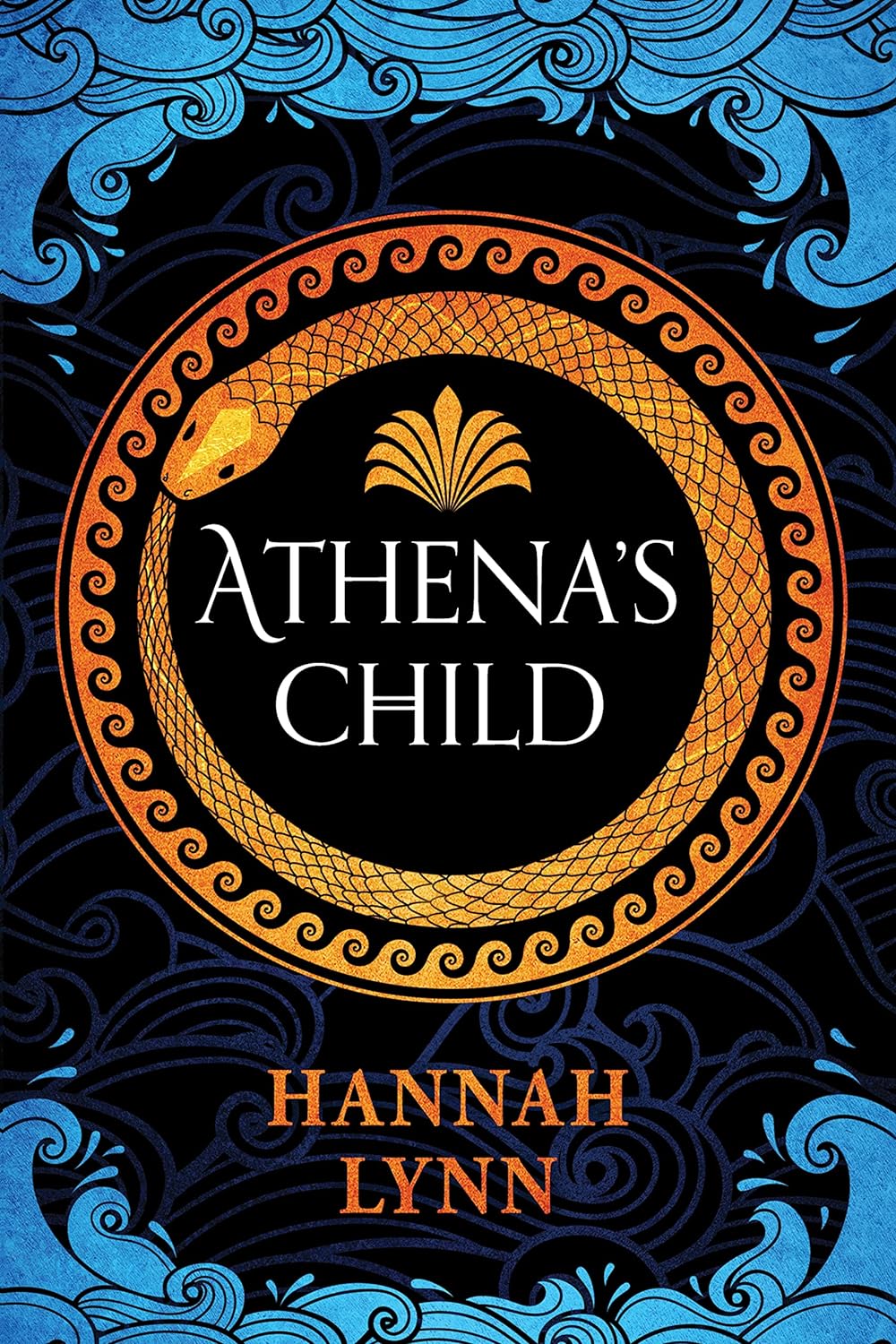
For readers of Madeleine Miller and Natalie Haynes comes the story of the most infamous monster of Greek mythology: Medusa.
First, they loved her. Then, they abused her. Finally, they made her a villain.
Gifted and burdened with stunning beauty, young Medusa seeks sanctuary with the Goddess Athena. But when she catches the eye of the lecherous but mighty Poseidon, she is beyond protection. Powerful men rarely answer for their actions, after all.
Meanwhile, Perseus embarks on a seemingly impossible quest, equipped with only bravado and determination…
Medusa and Perseus soon become pawns of spiteful and selfish gods. Faced with the repercussions of Athena’s wrath, blamed for her assault, Medusa has no choice but to flee and hide. But can she do so without becoming the monster they say she is?
Medusa’s truth has long been lost. History tells of conquering heroes, of men with hearts of gold. Now it is time to hear the story of how history treats women who don’t comply.
Bipin (Hindi)/Bipin/बिपिन
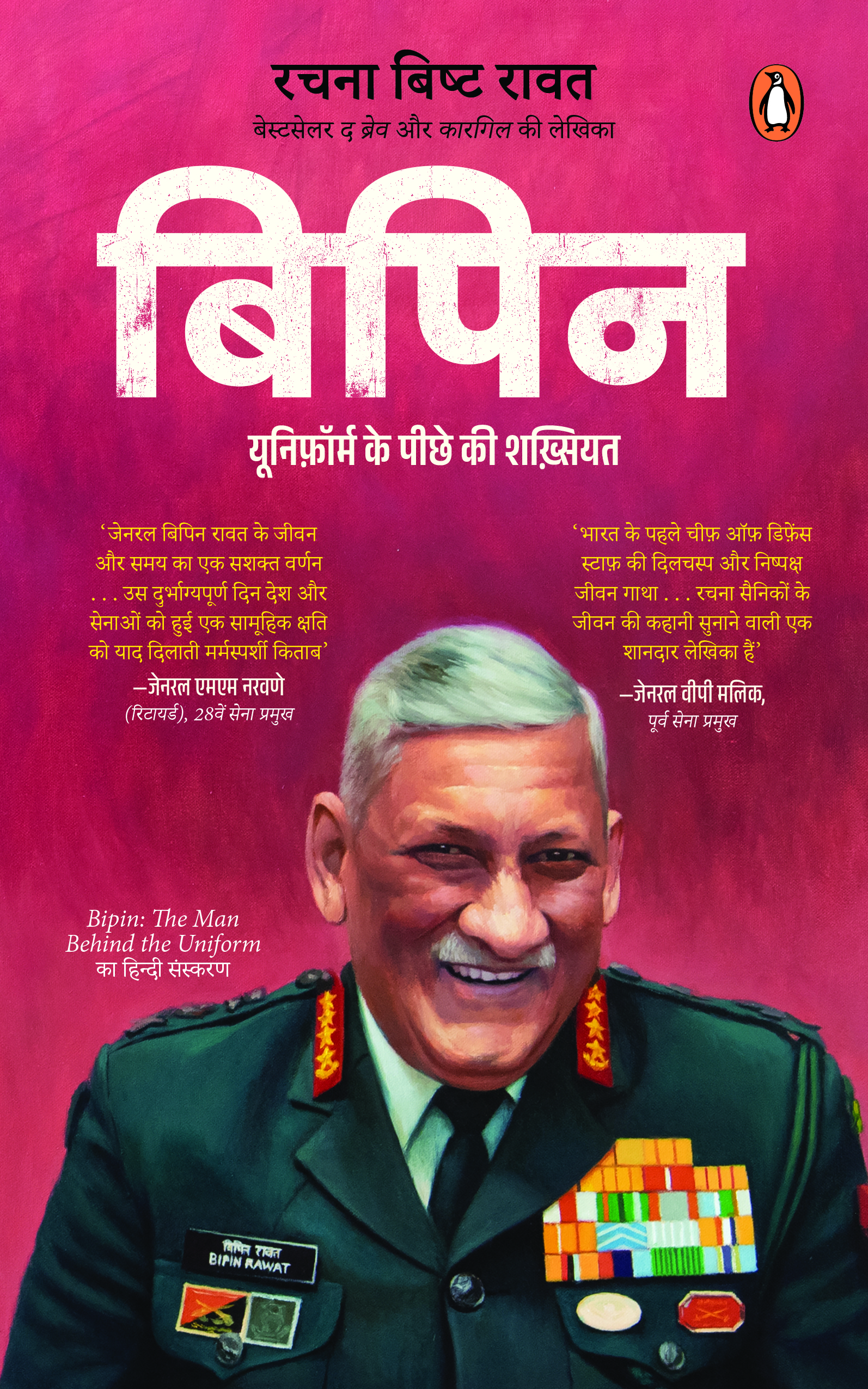
बिपिन; यूनिफ़ॉर्म के पीछे की शख़्सियत उस एनडीए कैडेट की कहानी है जिसे स्विमिंग पूल में अनिवार्य जंप नहीं कर पाने के लिए दंडित किया गया; उस नौजवान सेकंड लेफ़्टिनेंट की कहानी है जिसका आई कार्ड अमृतसर रेलवे स्टेशन पर नकली सहायक बनकर आए 5/11 गोरखा राइफ़ल्स के एक ऑफ़िसर ने चुरा लिया; उस मेजर की कहानी है जो पैर पर प्लास्टर चढ़े होने के बाद भी पाकिस्तान सीमा पर, दुश्मन की नाक के नीचे अपने सैनिकों के साथ दशहरा मनाने चौकी पर जा पहुँचा; उस सेना प्रमुख की कहानी है जिसने फैसला लिया कि भारत सीमा-पार आतंकवाद की हर हरकत का खुलकर जवाब देगा; उस चीफ़ ऑफ़ डिफ़ेंस स्टाफ़ की कहानी है जिसे सबसे ज़्यादा ख़ुशी तब मिलती थी जब वह गोरखा सैनिकों के साथ झामरे डांस करता; और उस शख्स के एक स्तब्ध कर देने वाले अंत की कहानी भी है जो रक्षा सेवाओं में बड़ी तेज़ी से ऊँचाई तक पहुँचा।
Savarkar and the Making of Hindutva: The Making of Hindutva
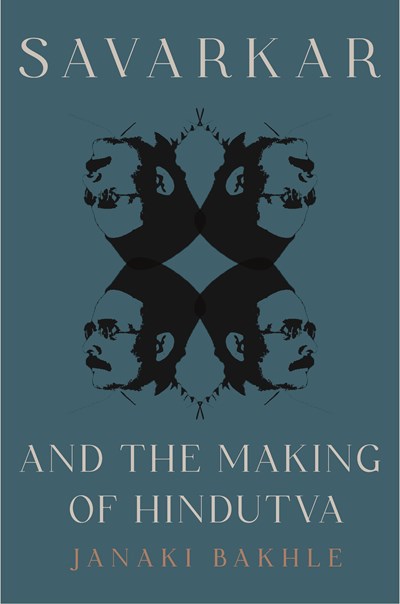
A monumental intellectual history of the pivotal figure of Hindu nationalism
Vinayak Damodar Savarkar (1883–1966) was an intellectual, ideologue, and anticolonial nationalist leader in India’s struggle for independence from British colonial rule, one whose anti-Muslim writings exploited India’s tensions in pursuit of Hindu majority rule. Savarkar and the Making of Hindutva is the first comprehensive intellectual history of one of the most contentious political thinkers of the twentieth century.
Janaki Bakhle examines the full range of Savarkar’s voluminous writings in his native language of Marathi, from political and historical works to poetry, essays, and speeches. She reveals the complexities in the various positions he took as a champion of the beleaguered Hindu community, an anticaste progressive, an erudite if polemical historian, a pioneering advocate for women’s dignity, and a patriotic poet. This critical examination of Savarkar’s thought shows that Hindutva is as much about the aesthetic experiences that have been attached to the idea of India itself as it is a militant political program that has targeted the Muslim community in pursuit of power in postcolonial India.
By bringing to light the many legends surrounding Savarkar, Bakhle shows how this figure from a provincial locality in colonial India rose to world-historical importance. Savarkar and the Making of Hindutva also uncovers the vast hagiographic literature that has kept alive the myth of Savarkar as a uniquely brave, brilliant, and learned revolutionary leader of the Hindu nation.
Crypto the Disruptor
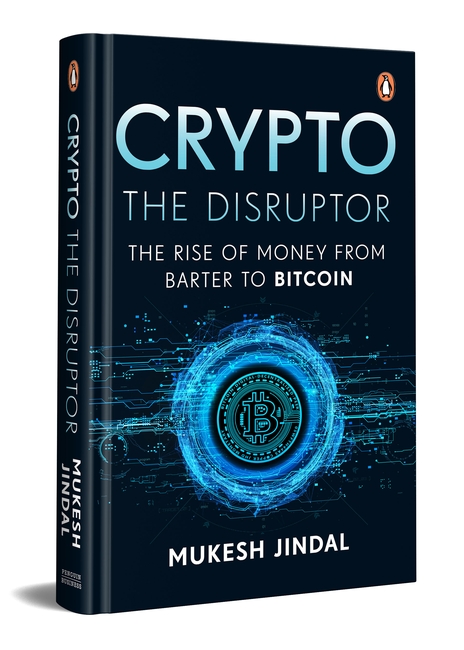
The Indian crypto market has experienced an exponential surge in the past few years and become a vehicle to get rich quickly. However, what exactly is crypto? How did we reach the crypto stage—a decentralized system of finance—from the barter system?
Crypto the Disruptor answers these and other such penetrating questions as it traces the history of money and the global economy. Providing a deep historical perspective, the author, through stories, captures the journey of the world’s financial system from the stone-age to the present. It analyses the movement of the world economic system from a centralized entity to a decentralized one and emphasizes the role of technology in the transformation of the global financial system. More importantly, this book explores the emergence of new forms of money such as cryptocurrencies and their relevance in a new world driven by digital technology. The final chapter educates readers about crypto investing in India and how investors should approach this new asset class, which is volatile yet offers great potential to create stupendous wealth.
The Great Flap of 1942
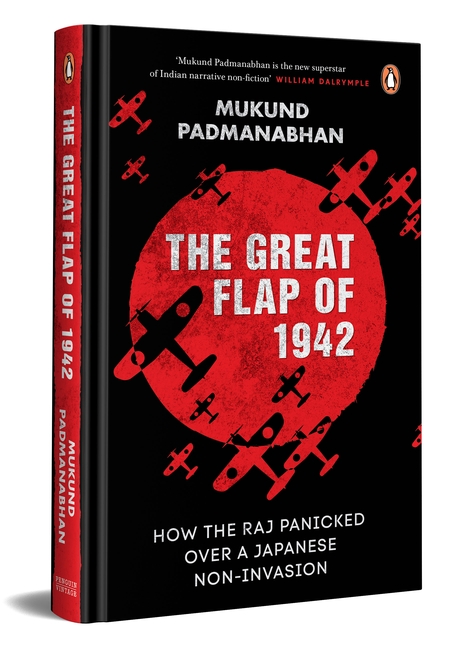
The Great Flap of 1942 is a narrative history of a neglected and scarcely known period—between December 1941 and mid-1942—when all of India was caught in a state of panic. This was largely a result of the British administration’s mistaken belief that Japan was on the verge of launching a full-fledged invasion. It was a time when the Raj became unduly alarmed, when the tongue of rumour wagged wildly about Japanese prowess and British weakness and when there was a huge and largely unmapped exodus (of Indians and Europeans) from both sides of the coastline to ‘safer’ inland regions. This book demonstrates, quite astonishingly, that the Raj cynically encouraged the exodus and contributed to the repeated cycles of rumour, panic and flight. It also reveals how the shadow of the Japanese threat influenced the course of nationalist politics, altered British attitudes towards India and charted the course towards Independence.
The Great Flap of 1942—the title refers to an expression used by British bureaucrats in India—traces a broad narrative arc, starting with the Japanese attacks in South-East Asia. The assault on Malaya, the conquest of Singapore, the bombing and eventual occupation of Burma, and the Japanese Navy’s foray into the Indian Ocean are examined in the light of the tremendous impact they had on India.
India’s Most Fearless 3 (Hindi)/India’s Most Fearless 3/इंडियाज़ मोस्ट फ़ीयरलेस 3
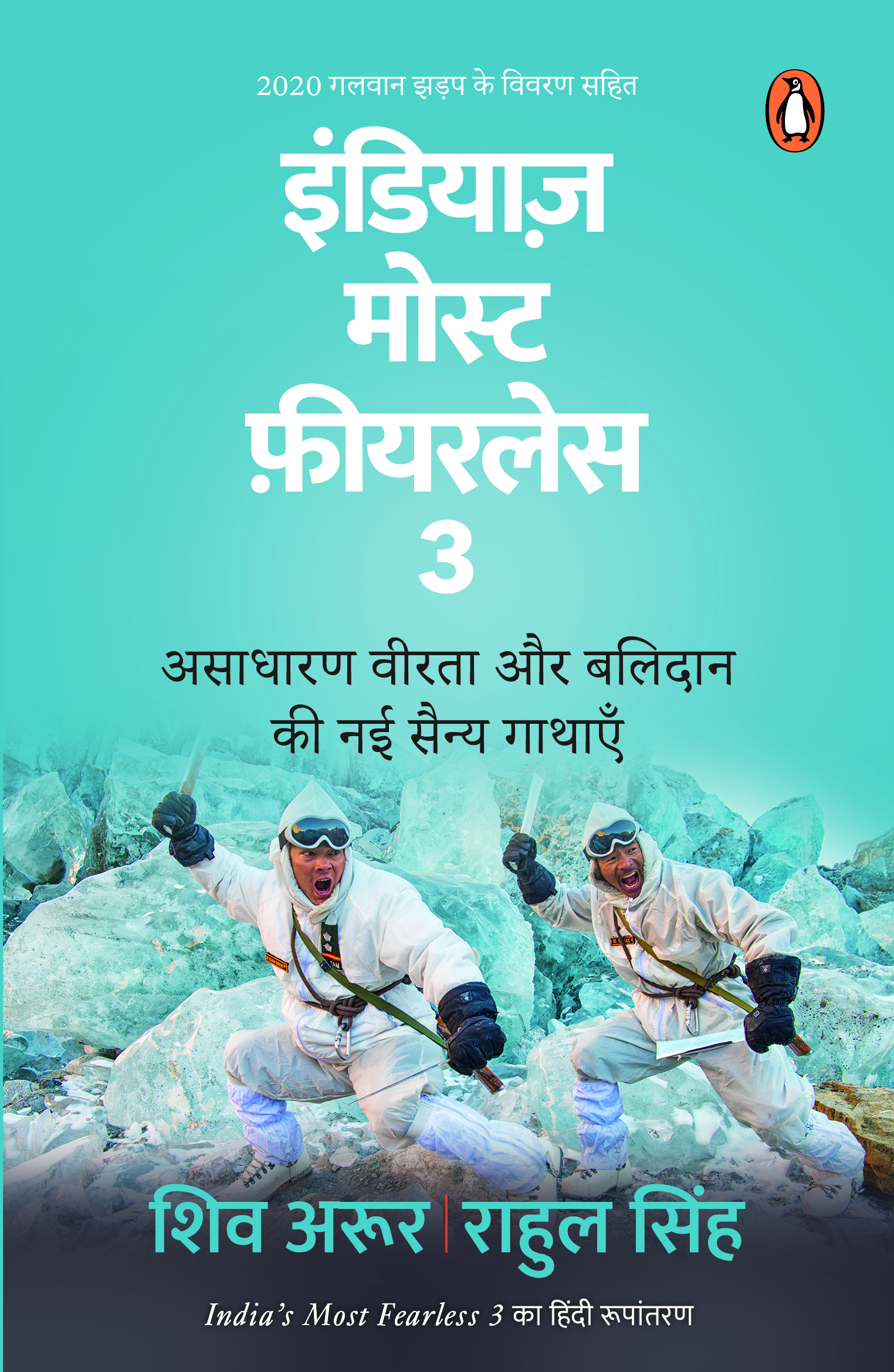
इंडियाज़ मोस्ट फ़ीयरलेस 3 किताब, वह रोमांचक कल्पनाओं का सफर है, जो हमें उस वीरता और निडरता की दुनिया में ले जाता है, जो हमारे देश के असली हीरोज़ की कहानियों को खोलता है। यह पुस्तक विभिन्न क्षेत्रों से लिए गए सबसे अजीब और अनूठे क्षणों को हमारे सामने प्रस्तुत करती है, जिनमें सच्ची पराक्रम की कहानियाँ छुपी हैं। इसमें छिपे उन वीरों की शौर्यगाथाएँ हमें हमारे अदृश्य नायकों की महिमा में ले जाती हैं और हमें गर्वित होने का अहसास कराती हैं।