



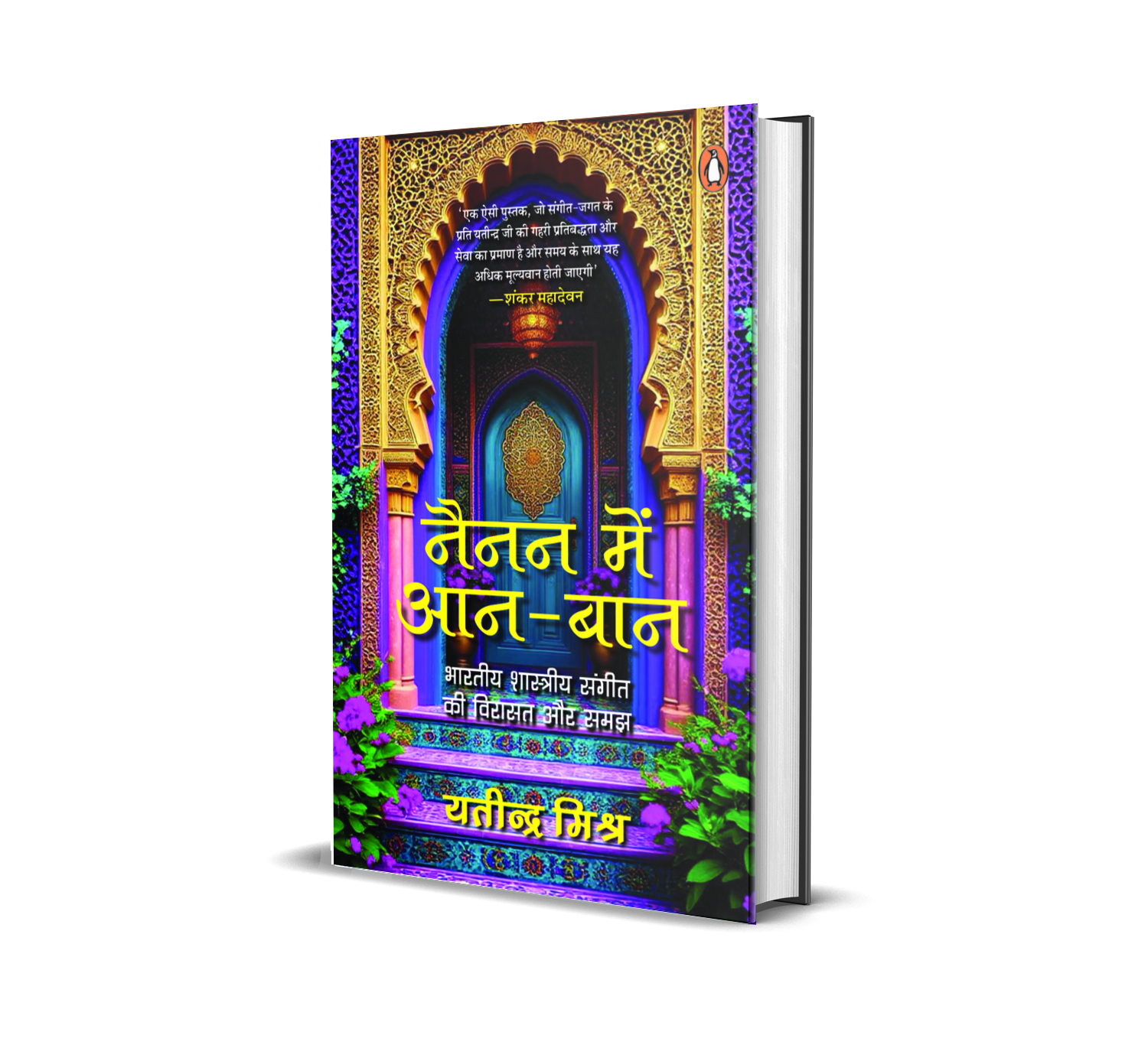
शास्त्रीय और लोक संगीत को समावेशी ढंग से समझने के लिए यह किताब एक मार्गदर्शी है। यहाँ परंपरा और नवाचार के मध्य उस महीन फाँक को सहेजने का जतन किया गया है, जो हमारी पारंपरिक प्रदर्शनकारी कलाओं और भारतीय परंपरा के बीच एक सेतु का निर्माण करती है। यह पुस्तक बारह मूर्धन्य शास्त्रीय गायकों के सांगीतिक स्वरूप को समझने का वैचारिक प्रयास है, जिसमें केसरबाई केरकर, उस्ताद बड़े ग़ुलाम अली ख़ाँ, रसूलनबाई, सिद्धेश्वरी देवी, उस्ताद अमीर ख़ाँ, पंडित भीमसेन जोशी, बेगम अख़्तर, पंडित कुमार गंधर्व, गंगूबाई हंगल, गिरिजा देवी, किशोरी अमोनकर और पंडित जसराज शामिल हैं।
पुस्तक उस मार्ग पर भी जाती है, जहाँ देसी और मार्गी, शास्त्रीय और लोक से लेकर फिल्म संगीत की ज्यामिति में परंपराएँ साँस लेती हैं। यहाँ अयोध्या की सांगीतिक परंपरा और अवध क्षेत्र से लेकर पुष्टिमार्गीयों का हवेली संगीत और बृजमंडल का सलोना उत्सव, ओडिसी नृत्य और भरतनाट्यम की वैचारिक छवियाँ, बाईयों का ज़माना और उपशास्त्रीय गायन के प्रकारों ठुमरी, टप्पा, चैती, कजरी से लेकर ध्रुपद की विवेचना, रागदारी का शिल्प, सभी कुछ मौजूद हैं।
इस किताब में, एक ओर राग मालगूँजी या देव गंधार की पुकार है, तो दूसरी तरफ कर्नाटक शैली में गाए जाने वाले भजन-कृष्णानी बेगने बारो की गूँज सुनाई देती है।
Catagory: History
Nalanda Hindi / नालंदा
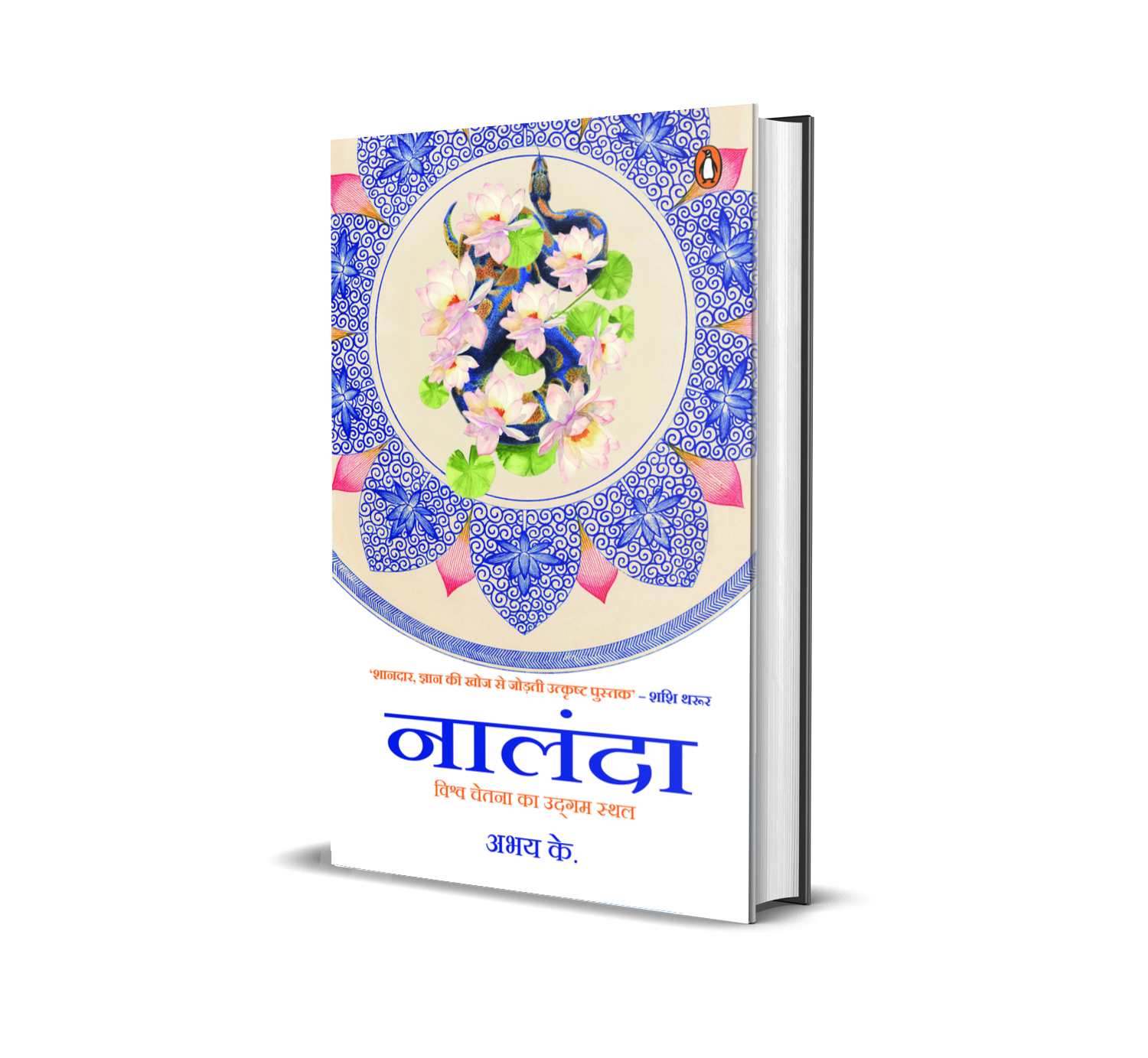
नालंदा विश्वविद्यालय कब स्थापित हुआ था? किसने इसकी स्थापना की थी, वहाँ कौन पढ़ते और पढ़ाते थे? कौन-कौन से विषय पढ़ाए जाते थे? वहाँ कितने छात्र और शिक्षक थे? क्या नालंदा आधुनिक अर्थों में एक विश्वविद्यालय था? नालंदा के पतन का कारण क्या था? नालंदा विश्वविद्यालय से जुड़े ऐसे अनेक सवाल आज भी पूछे जाते हैं। यह पुस्तक इनके जवाब तलाशने के साथ नालंदा के उत्थान, पतन और पुनर्जीवन की कहानी बताती है। यह पुस्तक विज्ञान, चिकित्सा, गणित, खगोलशास्त्र, दर्शन, कला, वास्तुकला, अनुवाद, काव्य, लिपि, व्याकरण, धर्म आदि विभिन्न क्षेत्रों में नालंदा के योगदान को रेखांकित करती है। लेखक अभय के. नालंदा की असाधारण प्रतिष्ठा स्थापित करने वाले महान विद्वानों के जीवन का भी अन्वेषण करते हैं, साथ ही उन विदेशी विद्वानों का भी, जिन्होंने इस विख्यात महाविहार का दौरा किया। विस्तृत दृष्टिकोण और गहन इतिहास वाली यह पुस्तक नालंदा की सहस्राब्दियों लंबी यात्रा पर नया प्रकाश डालती है और एक रोमांचक पठन अनुभव प्रदान करती है।
Itihas Ki Thali / इतिहास की थाली
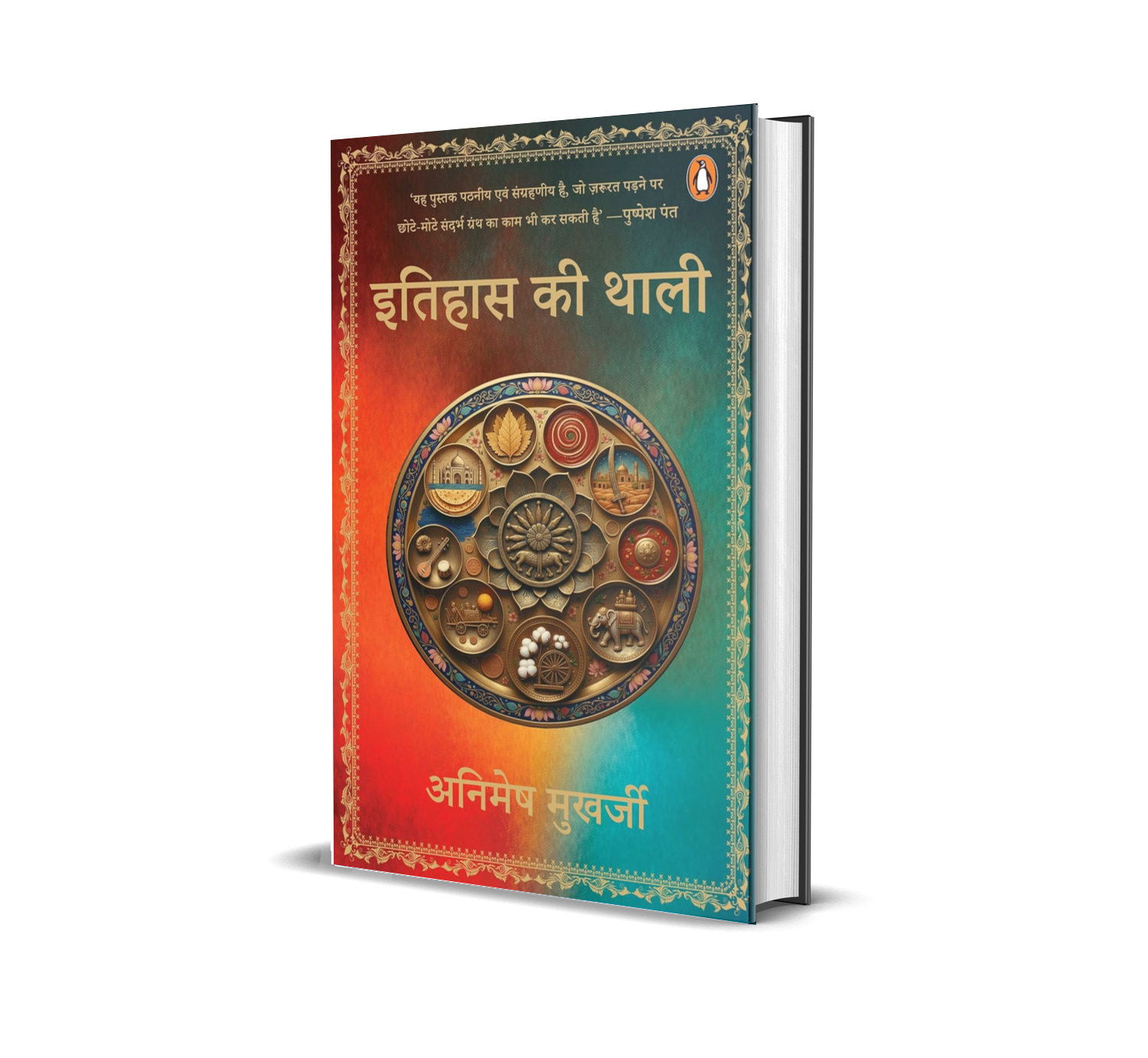
कोलंबस भारत नहीं आ सका, लेकिन उसके चक्कर में आलू आ गया और उस आलू ने हमारी आबादी को जिस रफ़्तार से बढ़ाया कि दुनिया देखती रह गई। ईसाई पादरी ‘क्रिसमस नहीं मनाएँगे’, कहते रह गए मगर बाज़ार ने उसे दुनिया का त्योहार बना डाला। कभी हीर और रांझे की प्रेम कहानी ने बासमती को अमेरिका की संपत्ति बनने से बचा लिया, तो कहीं परंपरा के नाम पर महिलाओं का पोषण ही रोक दिया गया। कभी एक फ़ास्टफ़ूड कंपनी ने कहा कि फ़ेमिनिस्ट होने का मतलब है खाना न पकाना, तो कभी केलों के व्यापार ने सरकारों को तानाशाह बना दिया। अगर अब्राहम लिंकन की वजह से बंबई को उसकी पावभाजी मिली, तो कोला कंपनियों ने खेल को धर्म और खिलाड़ियों को भगवान बनाया। रोटियों से क्रांति करने और नमक से सत्ता गिराने वाले देश में इतिहास की थाली इन तमाम घटनाओं के साथ-साथ, बिरयानी से लेकर 1947 के बँटवारे तक को एक नई नज़र से देखने की क्षमता देती है। क्योंकि हमारे हर निवाले में स्वाद के साथ-साथ इतिहास, व्यापार, संस्कृति, पहचान और साज़िशों की पूरी दुनिया छिपी होती होती है।
The Land and the Shadows
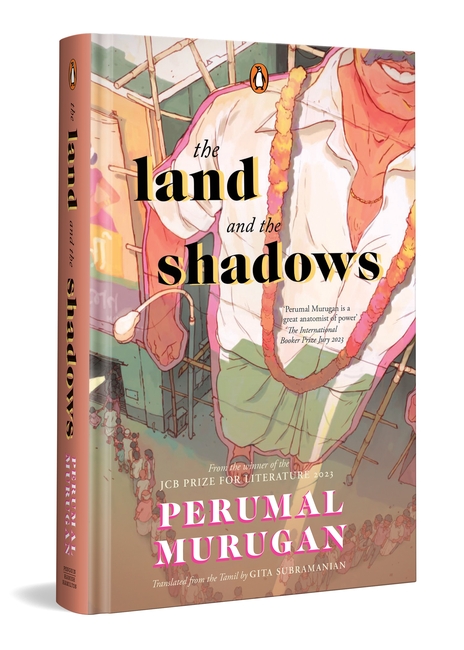
Cinema, for Perumal Murugan, was never just flickering images on a screen. It was a field of experience, a gathering ground, a mirror held up to the land itself. In The Land and the Shadows, he returns to the theatres of his youth and to the decades when Tamil cinema became inseparable from the life of the people—the 1950s through the 1970s.
Here, he recalls his boyhood labour in a small-town cinema hall, the thrill of posters and projectors, the songs carried on village winds. From those vivid fragments, Murugan opens out a portrait of Tamil society in transition, where poverty and caste met desire and aspiration in the common darkness of the theatre. The screen was both escape and education, its heroes and heroines shaping speech, gesture and imagination across class and community.
Part memoir, part ethnography, this is a record of a world that has almost vanished—those public spaces where lives once overlapped, where cinema forged unlikely intimacies and collective dreams. Murugan’s voice, at once personal and self-effacing, turns memory into history, and history into story.
Translated with fidelity and grace by Gita Subramanian, The Land and the Shadows brings us Perumal Murugan in a new key: as witness to cinema’s place in the making of modern Tamil Nadu, and as chronicler of a society learning to see itself in the play of light and shadow.
India’s Forests
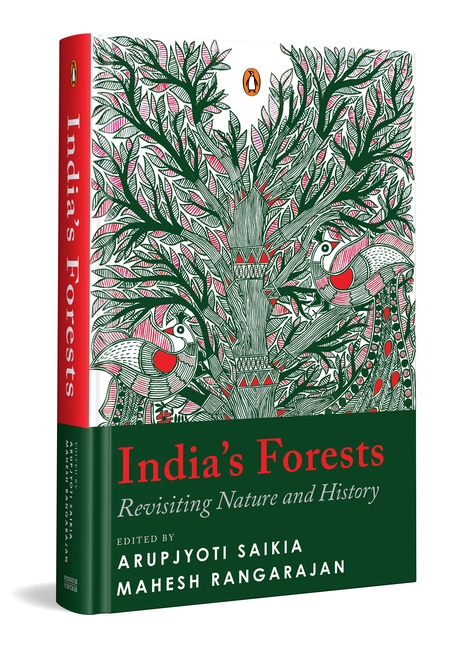
India’s Forests brings together essays by some of the country’s leading scholars with a fresh view of nature and history. These reappraisals of Indian forests and their many lives in past and present matter more than ever today.
Born of years of sustained reflection, the essays here view forests not as passive unchanging backdrops to the past but as living, contested spaces.
Forests were shaped and in turn deeply influenced by power, culture and society. They could mean very different things to different people who often were in contest over meaning as much as control of the space or the resource.
The volume spans from prehistory through ancient and early modern India into the present. It is also alive to the impact of the colonial era while tracing the changing fortunes of tribal and hill peoples.
They are ecological lifelines and sites of legend, memory, and scientific knowledge. Material remains and life cycles of animals and plants matter, so too do social and literary imaginations.
Forests have been continually redefined through conflict, negotiation, and care. Attentive to the changing meanings across time and place, the book asks us fundamental and unsettling questions: what are forests for?
India’s Forests will inform as well as stimulate thought for all who are concerned with the fate of forests now as much as about the country’s past.
General Brasstacks

In 1986, as Indian and Chinese troops faced off in Sumdorong Chu in Arunachal Pradesh, an Indian general airlifted a brigade to occupy dominating heights, putting pressure on the Chinese below. The audacious General Krishnaswamy Sundarji swung the momentum decisively in India’s favour, forcing the Chinese to back-pedal in the Himalayas.
The following year, the same army chief planned Operation Brasstacks, one of the largest military exercises since World War II. The move threatened Pakistan’s nuclear ambitions, unnerving General Zia-ul-Haq and prompting him to seek rapprochement.
The 1980s were a decade of dramatic turns: events that led to the assassinations of two Indian prime ministers, political upheaval and military crises. General Sundarji oversaw two of the most controversial operations in independent India: Operation Blue Star, against Sikh militants inside the Golden Temple, and Operation Pawan, against Tamil militants in Sri Lanka. He was also drawn into the Bofors acquisition and the scandal that followed, which helped bring down a government.
But who was Krishnaswamy Sundarji? How did his penchant for bold, sometimes brash decisions take shape? Was he too ambitious? Was he ahead of his time in pushing for technology-driven warfare, or behind it as insurgencies demanded a more improvised approach?
This definitive biography by bestselling author Probal Dasgupta traces the life and times of one of India’s most charismatic yet forgotten army chiefs. Sundarji’s career mirrored the journey of a young nation, often echoing its political choices and contradictions. The only general to have influenced both military and political thinking in India’s democracy, his brisk 820-day tenure saw the army through modernization, crises, controversies and change. This book explores Sundarji’s central role in shaping the modern Indian Army and his influence during the turbulent 1980s.
Speaking of History
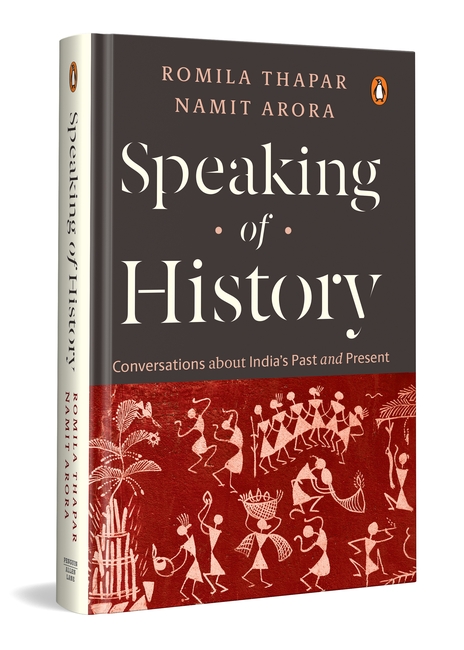
Speaking of History brings India’s past into sharp, urgent focus. In these wide-ranging conversations, Romila Thapar, the distinguished historian, joins Namit Arora, incisive writer and social critic, to explore how history is written, remembered and fought over.
Together, they pull back the curtain on the historian’s craft: how evidence is weighed, how interpretations are made, and why the past has become a battleground of politics and identity. From caste and gender to religion, mythology and nationalism, they revisit much contested terrain and ask the vital questions—what can we really know about our past, and why does it matter so much today?
The result is both erudite and refreshingly accessible: a book that challenges distortion and mythmaking, while celebrating history as an act of curiosity, argument and critical inquiry. At a time when the discipline is under siege, Speaking of History is both a defence of rigorous scholarship and a lively reminder that to engage with history in all its complexity is to undertake a profound journey—an inquiry not just into the past, but into ourselves.
The Tata Group Beyond Business | A Tribute to Vision, Leadership, and Legacy by Sandeep Murarka
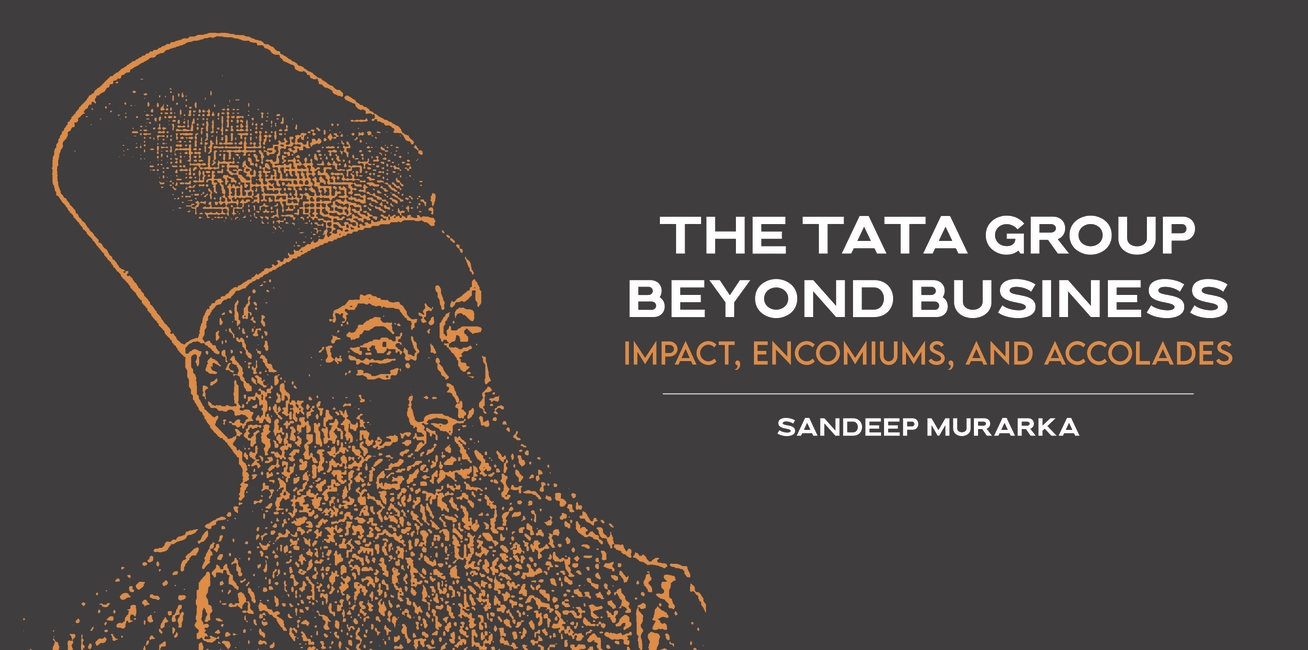
The Tata Group Beyond Business: Impact, Encomiums, and Accolades offers a compelling tribute to Ratan Tata and the extraordinary leaders who have shaped the Group’s 150+ years of history.
Through rare photographs, inspiring anecdotes, and meticulous research, this book captures the entrepreneurial spirit, governance excellence, and bold strategic moves that have placed the Tata Group at the forefront of global business. Beyond boardrooms, it reveals the Group’s enduring contributions to communities, education, sports, and culture.
The Tata Group Beyond Business is both a valuable reference and a source of inspiration. Whether you are a business professional, student, historian, or admirer of the TATA legacy, this book will deepen your understanding of a corporate giant that continues to shape India’s destiny and inspire generations.
BSF and Meghalaya: Through the Lens of a Borderman | A Poetic and Visual Journey Through One of India’s Most Breathtaking Frontiers

Meghalaya, the land of cloud-kissed plateaus, cascading valleys, and vibrant traditions, is more than just a frontier. It is a meeting ground of nature, culture, and resilience, where the Border Security Force (BSF) stands steadfast in its duty while also becoming part of the fabric of the land.
In this evocative coffee table book, Shri Harbax Singh Dhillon invites readers on a journey that is at once visual, historical, and deeply personal. Through photographs, sketches, and poetry, the book mirrors the many faces of Meghalaya, its breathtaking landscapes, its diverse communities, and the timeless rhythm of life along its borders. Interwoven is the story of the BSF, guardians of sovereignty who, beyond patrolling, also share bonds of trust and kinship with the people they serve among.
Both a tribute and a record, this volume celebrates the spirit of Meghalaya and the BSF, offering readers a work of beauty, memory, and belonging.
Stories from a Kargili Kitchen
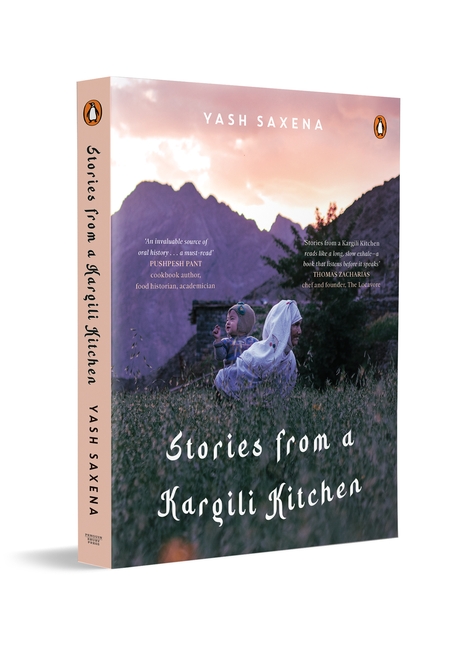
The untold story of Kargil—told not through war, but through food
Tucked between some of the most forbidding folds of the Himalayas, Kargil is a land too often seen only through the lens of war—yet its valleys hold a tenderness, resilience and faith that endure through food.
Born from years of travel, cooking and friendships, foodways researcher Yash Saxena gathers voices from mountain kitchens and firesides—of shepherds, monks, farmers and mothers who feed a world shaped by both faith and frost. From slow-simmering broths to shifting borderlines, from ancient Bon rituals to the echoes of Bofor gunfire, each story reveals how a community sustains itself through ritual, memory and the quiet grace of everyday cooking.
Blending memoir, travelogue and cultural history, this is part food book, part love letter and part act of remembrance—a tender, sensory journey through Kargili kitchens, whose flames fight to keep centuries of wisdom alive against the winds of change.