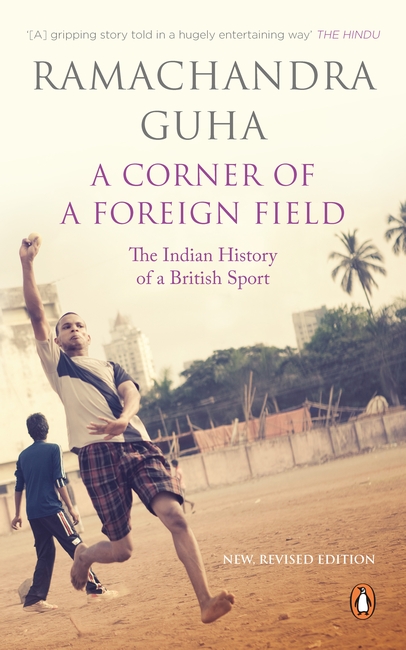
A Corner of a Foreign Field seamlessly interweaves biography with history, the lives of famous or forgotten cricketers with wider processes of social change. C. K. Nayudu and Sachin Tendulkar naturally figure in this book, but so, too, in unexpected ways, do B. R. Ambedkar, Mahatma Gandhi, and M. A. Jinnah. The Indian careers of those great British cricketers, Lord Harris and D. R. Jardine, provide a window into the operations of Empire. The remarkable life of India’s first great slow bowler, Palwankar Baloo, provides an arresting new perspective on the struggle against caste discrimination. Later chapters explore the competition between Hindu and Muslim cricketers in colonial India and the destructive passions now provoked when India plays Pakistan.
For this new edition, Ramachandra Guha has added a long epilogue bringing the story up to date to cover, among other things, the advent of the Indian Premier League and the Indian team’s victory in the World Cup of 2011, these linked to social and economic transformations in contemporary India.
A pioneering work, essential for anyone interested in either of those vast themes, cricket and India, A Corner of a Foreign Field is also a beautifully written meditation on the ramifications of sport in society at large.
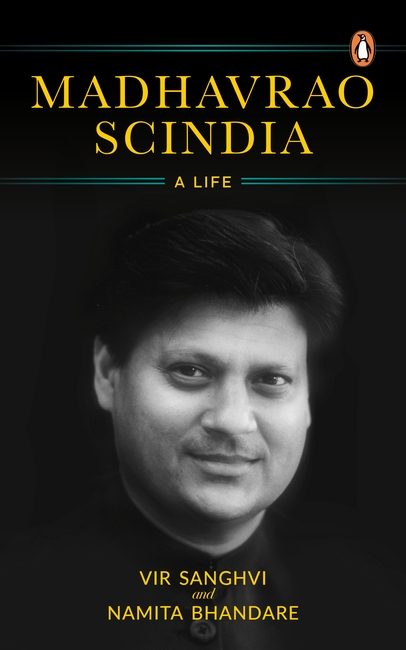
Suave, secular and known for his unwavering honesty, Madhavrao Scindia was no conventional politician. Born to the last king of Gwalior and conscious of his heritage, he espoused liberal and democratic values throughout his life. A nine-term member of the Lok Sabha and hugely successful minister, he remained a family man at heart.
Scindia was a beguiling figure because of the way he chose to live: His was a path that proved neither predictable nor easy. Perhaps that’s why his life reads like the plot of a grand novel, dotted with intriguing courtiers and wily politicians-in a bitter falling out with his mother, a powerful force of the Jana Sangh, in battles with at least two Congress governments, in his own tragic death. His captivating story emerges as the portrait of a fascinating life as much as a chronicle of contemporary Indian politics.

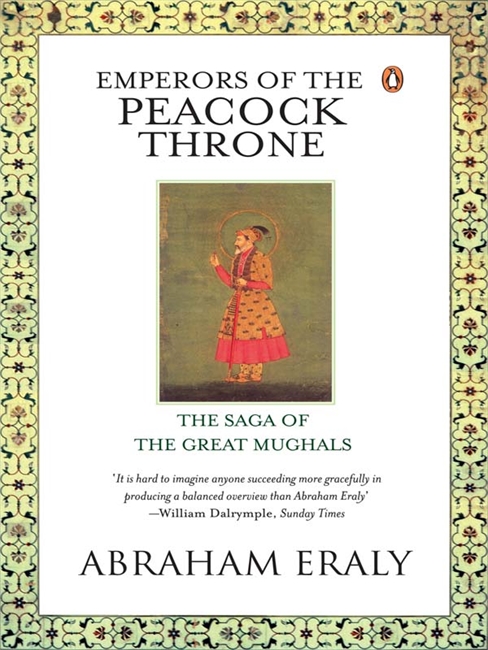
In December 1525, Zahir-Ud-Din Babur, Descended From Chengiz Khan And Timur Lenk, Crossed The Indus River Into The Punjab With A Modest Army And Some Cannon. At Panipat, Five Months Later He Fought The Most Important Battle Of His Life And Routed The Mammoth Army Of Sultan Ibrahim Lodi, The Afghan Ruler Of Hindustan. Mughal Rule In India Had Begun. It Was To Continue For Over Three Centuries, Shaping India For All Time.
In This Monumental And Definitive Biography Of The Great Mughals, Abraham Eraly Reclaims The Right To Set Down History As A Chronicle Of Flesh-And-Blood People. Bringing To His Task The Objectivity Of A Master Scholar And The High Imagination Of A Master Story-Teller, He Recreates The Lives Of Babur, The Intrepid Pioneer; The Dreamer Humayun; Akbar, The Greatest And Most Enigmatic Of The Mughal Emperors; Jehangir And Shah Jahan, The Aesthetes; And The Dour And Determined Aurangzeb. Because Of Their Charisma And Leadership The Mughal Empire Survived And Grew Despite The Chaos And Contradictions It Carried Within Itself-The Tumult Of Unending Wars, The Baffling Opulence Of The Ruling Elite And The Desperate Misery Of The Masses, The Brutal Feuds In The Royal Families, As Also The Flowering Of Art And Culture.
Without Ever Sacrificing Authenticity And Academic Accuracy, Eraly Has Written A Stirring And Vivid Account Of One Of The World S Greatest Empires That Will Be Savoured By The General Reader And The Serious Scholar Alike For Years To Come.

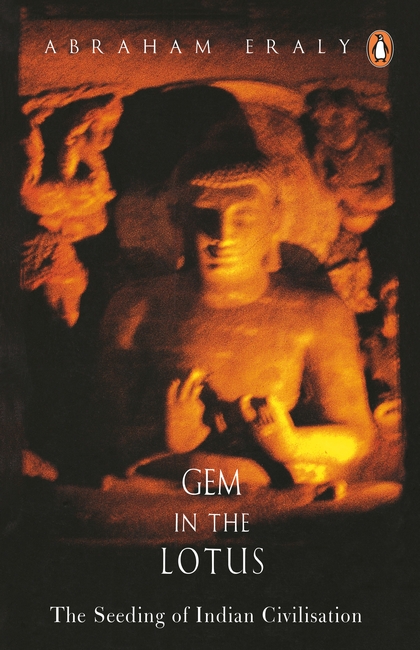
A comprehensive and compelling portrait of ancient India In Gem in the Lotus, Abraham Eraly, author of The Last Spring, the best-selling and critically acclaimed history of the Mughals, identifies and explores the significant milestones in the evolution of ancient India. Beginning with an enquiry into the enigma that was the Indus Valley civilisation, he writes of the progression from the Vedic Aryan culture to the age of religious and philosophical ferment, culminating in the tenets of Jainism; the founding and consolidation of Buddhism; Alexander’s advance into India; the rise of the Mauryan empire; and Ashoka’s unusual political career. In the final section of the book, he describes the -clockwork state’ of the Mauryas depicted in Kautilya’s Arthasastra and in ancient Greek accounts.
A stirring account of one of the world’s greatest empires
In December 1525, Zahir-ud-din Babur, descended from Chengiz Khan and Timur Lenk, crossed the Indus river into the Punjab with a modest army and some cannon. At Panipat, five months later, he fought the most important battle of his life and routed the mammoth army of Sultan Ibrahim Lodi, the Afghan ruler of Hindustan. Mughal rule in India had begun. It was to continue for over three centuries, shaping India for all time.
In this definitive biography of the great Mughals, Abraham Eraly reclaims the right to set down history as a chronicle of flesh-and-blood people. Bringing to his task the objectivity of a scholar and the high imagination of a master storyteller, he recreates the lives of Babur, the intrepid pioneer; the dreamer Humayun; Akbar, the greatest and most enigmatic of the Mughals; the aesthetes Jehangir and Shah Jahan; and the dour and determined Aurangzeb.
Wonderfully well researched . . . engrossing, enlightening’ The Hindu
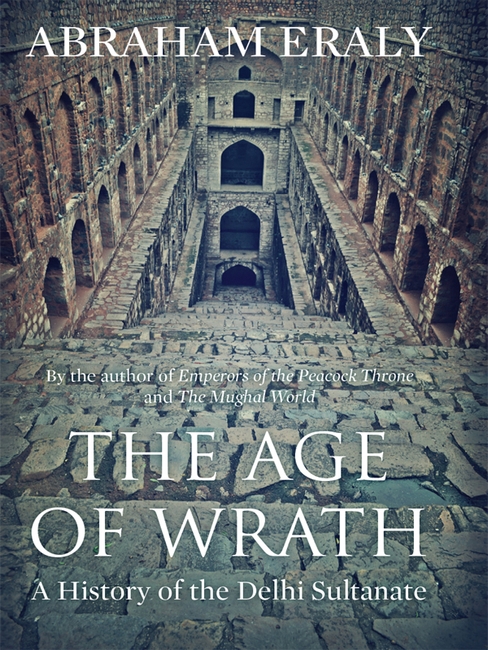
The Delhi Sultanate period (1206-1526) is commonly portrayed as an age of chaos and violence-of plundering kings, turbulent dynasties, and the aggressive imposition of Islam on India. But it was also the era that saw the creation of a pan-Indian empire, on the foundations of which the Mughals and the British later built their own Indian empires. The encounter between Islam and Hinduism also transformed, among other things, India’s architecture, literature, music and food. Abraham Eraly brings this fascinating period vividly alive, combining erudition with powerful storytelling, and analysis with anecdote.

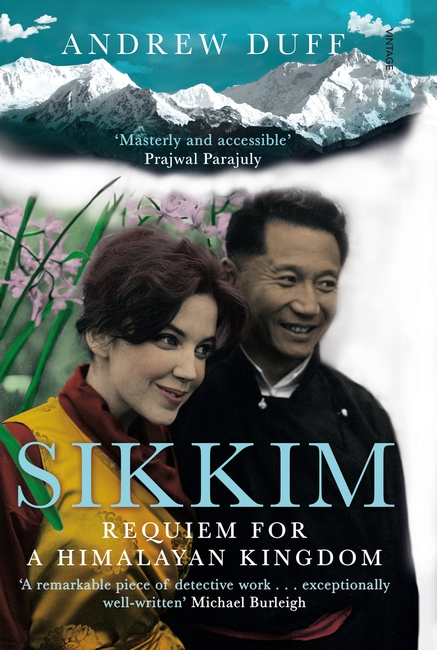
This is the incredible true story of Sikkim, a fairy-tale kingdom in the Himalayas that survived the end of the British Empire in India only to be annexed by India in 1975. Sikkim: Requiem for a Himalayan Kingdom tells the remarkable story of Thondup, the handsome last King of Sikkim, and his young and beautiful American queen, Hope Cooke, thrust unwittingly into the spotlight as they sought support for Sikkim’s independence after their wedding in 1963. But as tensions between India and China spilled over into war in the Himalayas, Sikkim became a pawn in the Cold War ideological battle that played out in Asia during the 1960s and 1970s.
Rumours circulated that Hope was a CIA spy. Meanwhile, a shadowy Scottish adventuress, the Kazini of Chakung, married to Sikkim’s leading political figure, coordinated opposition to the Palace. As the geopolitical tectonic plates of the Himalayas ground together, Sikkim never stood a chance. Thondup died a broken man in 1982; Hope returned to New York; Sikkim began a new phase as India’s twenty-second state.Based on exclusive interviews and new archival research, this is a thrilling, romantic and informative glimpse of life in a lost paradise.