



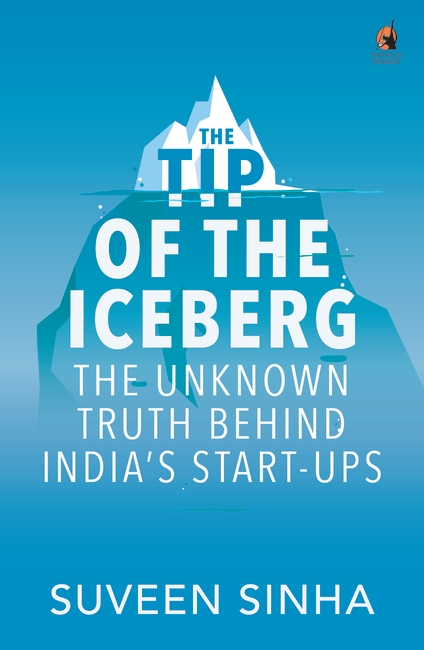
A wave of entrepreneurship has been sweeping across India. The success of start-ups like Flipkart, Snapdeal, Paytm, Ola and others has veered the discourse towards high valuations.
But what we mostly see is very much the tip of the iceberg. Behind every high valuation of today is a story of blood, sweat, toil and tears. For every entrepreneur who has an amazing success story to tell, there are countless others who have fallen by the wayside. The going has often been a far cry from the presumed romance of breaking the mould, disrupting the order and changing the world.
It is a desire to change the world that drives successful entrepreneurs, for they alone have the blind passion that is often the difference between success and failure, and they are the ones who love the journey more than the destination.
Today, when questions are being asked whether the start-up party is nearing its end, whether we will soon see a rerun of the dot-com bust of the early noughties, it is time to remember India’s start-up warriors.
This is the story of their remarkable journeys. Some found their destination. Some did not.
Catagory: History
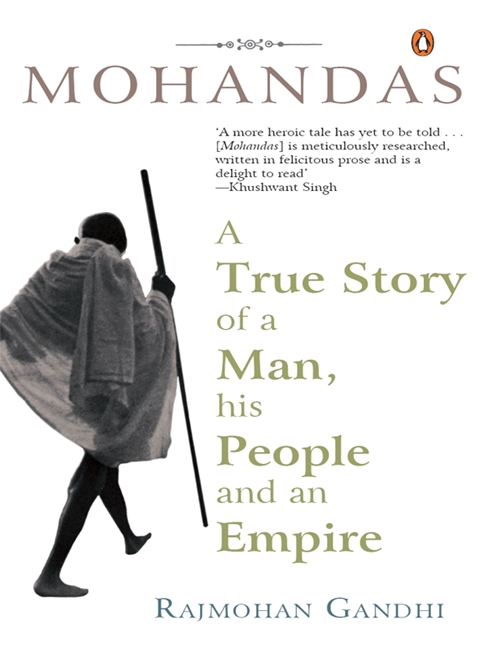
Mohandas
Ganesha on the Dashboard
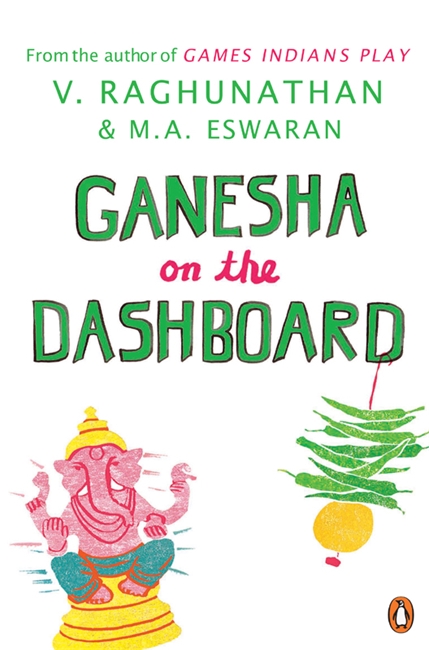
Take the way we go about buying a new car. We identify an auspicious date and time, then proceed to break a coconut, plonk a plastic deity of Ganesha on the dashboard and zoom off at great speed, refusing to wear our seat belts.Supposedly educated, smart and tech-savvy, Indians can be surprisingly unscientific in their daily lives. Think of the crores spent every year remodelling homes according to Vaastu, in the hope of changing luck; and the continued horrors of female infanticide, because it is only the son who can help the father’s journey to heaven . . . This unsparingly critical, scathingly analytical book points out the shocking lack of scientific temper among the vast majority of Indians, and how this holds us up as a nation in the twenty-first century.
Azadi – Updated Edition
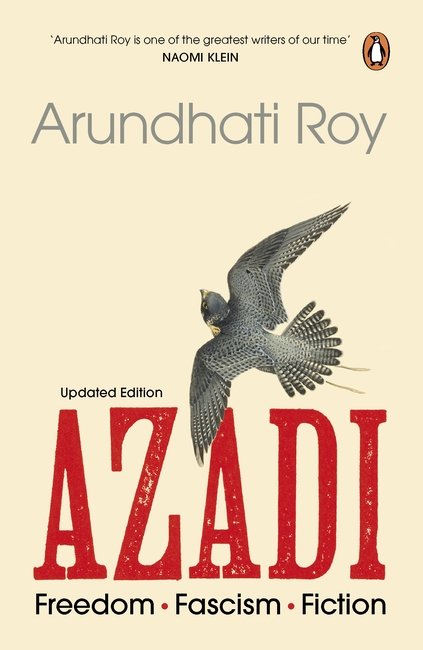
The chant of ‘Azadi!’ – Urdu for ‘Freedom’-is the slogan of the freedom struggle in Kashmir against what the Kashmiris see as the Indian Occupation. Ironically, it also became the chant of millions on the streets of India against the project of Hindu nationalism.
Even as Arundhati Roy began to ask what lay between these two calls for freedom-a chasm or a bridge?-the streets fell silent. Not only in India but all over the world. Covid-19 brought with it another, more terrible, understanding of Azadi, making a nonsense of international borders, incarcerating whole populations, and bringing the modern world to a halt like nothing else ever could.
In this series of electrifying essays, Arundhati Roy challenges us to reflect on the meaning of freedom in a world of growing authoritarianism.
The essays include meditations on language, public as well as private, and on the role of fiction and alternative imaginations in these disturbing times. The pandemic, Roy says, is a portal between one world and another. For all the illness and devastation it has left in its wake, it is an invitation to the human race, an opportunity, to imagine another world.
Tatalog
From steel to beverages and from supercomputers to automobiles, TATA companies have broken new ground and set new standards of excellence over the past two decades. Tatalog presents eight riveting and hitherto untold stories about the strategic and operational challenges that TATA companies have faced, and the forward thinking and determination that have raised the brand to new heights. Among the engaging and inspiring stories told here are those of Tata Indica, the first completely Indian car that succeeded in the face of widespread cynicism; the jewellery brand Tanishq that has transformed one of India’s largest industries; and Tata Finance, which underwent several tribulations yet demonstrated the principles that TATA stands for.
Dubai
From desert sands to a glittering metropolis: the inside story of Dubai’s transformation. In just two decades, Dubai has reinvented itself from a small, poor and quiet fishing village to a dazzling city with a vibrant urban life. How did this happen? Home to more than 200 nationalities—particularly those from the Indian subcontinent—the emirate’s choice to welcome expatriates has paid off. Cultivating an open and welcoming culture, Dubai manages to attract people from all over the world, heartily embracing any entrepreneurial contribution they wish to make. The emirate is now also known for its cosmopolitan melting-pot culture, and its enabling environment to conduct business, and this, along with the tax-free system and hassle-free infrastructure, makes it a much sought-after site for multinational enterprises who want a base in Asia. Unlike the Gulf emirates that can count on petroleum wealth, Dubai has wound its way to prosperity by planning carefully and executing those plans methodically. Its airline and luxury construction have made it a popular destination for luxury tourism. Projects like the Burj al-Arab, the Palm Jumeriah and the Burj Khalifa, along with events like the world’s richest horserace—the Dubai World Cup—and the Dubai Shopping Festival, have sustained tourist interest and focused the world’s attention on the emirate. Pranay Gupte draws on his deep knowledge of the region and its leading personalities to trace the city-state’s extraordinary and fabulous journey.
An Officer and His Holiness
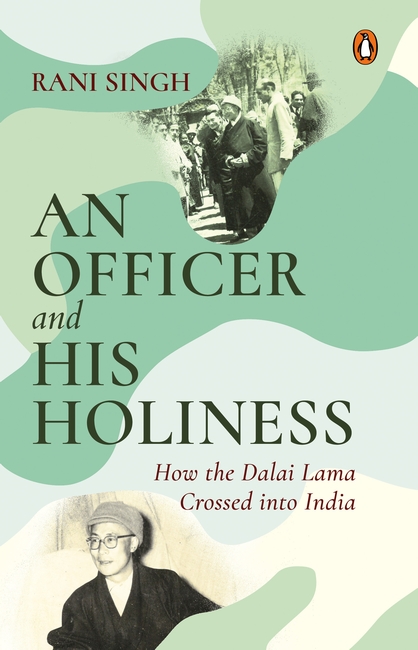
In 1959, the Dalai Lama escaped from Tibet into India, where he was granted refuge. Few know about the carefully calibrated operation to escort him safely from the Indian border. An Officer and His Holiness narrates how political officer Har Mander Singh successfully managed this assignment in the North East Frontier Agency (NEFA) with limited resources, and despite a treacherous terrain and external threats.
Har Mander Singh kept careful diary entries of the period, which have been reproduced for the first time in this book. His niece and renowned journalist, Rani Singh, painstakingly documents the journey through extensive research, travel and interviews with the Dalai Lama, his youngest brother, Tenzin Choegyal, and Har Mander Singh.
Her own experience of retracing her uncle’s journey also provides a comprehensive overview of the situation today. Rare pictures and valuable input from experts bring alive this thrilling operation that forever changed relations between India, China and Tibet.
Vijyant at Kargil
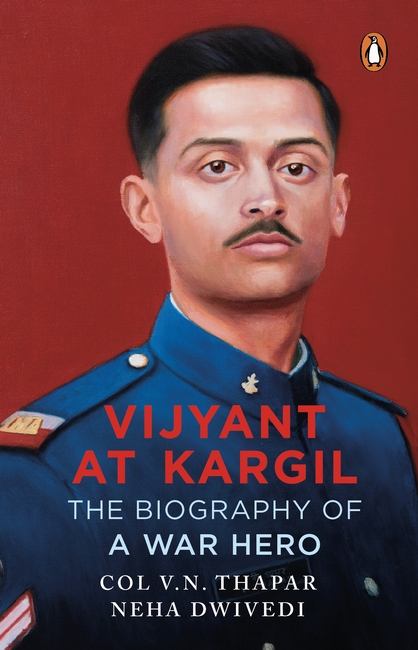
‘By the time you get this letter, I’ll be observing you all from the sky. I have no regrets, in fact even if I become a human again, I’ll join the army and fight for my nation.’
This was the last letter Captain Vijyant Thapar wrote to his family. He was twenty-two when he was martyred in the Kargil War, having fought bravely in the crucial battles of Tololing and Knoll. A fourth-generation army officer, Vijyant dreamt of serving his country even as a young boy. In this first-ever biography, we learn about his journey to join the Indian Military Academy and the experiences that shaped him into a fine officer.
Told by his father and Neha Dwivedi, a martyr’s daughter herself, the anecdotes from his family and close friends come alive, and we have a chance to know the exceptional young man that Vijyant was. His inspiring story provides a rare glimpse into the heart of a brave soldier. His legacy stays alive through these fond memories and his service to the country.
Checkmate
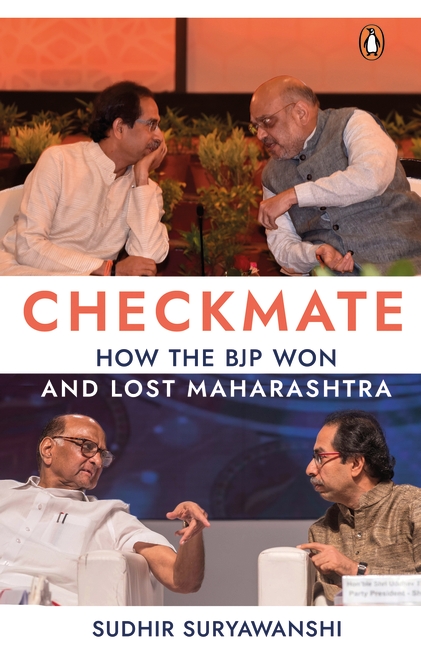
On 28 November 2019, Uddhav Thackeray, the Shiv Sena chief, was sworn in as the eighteenth chief minister of Maharashtra. This event marked the culmination of a high-voltage political drama that had the entire nation glued to their television sets for days on end. With no party being able to claim a majority in the assembly, President’s Rule was imposed in the state. This book takes its readers through the twists and turns of the dramatic political crisis that unfolded as Maharashtra waited for its chief minister.
What really went on behind the scenes?
With access to inside sources and private conversations, this book reveals the hitherto untold story of this political drama, with a comprehensive overview of the state’s politics in the last few decades.
The Princess and the Political Agent
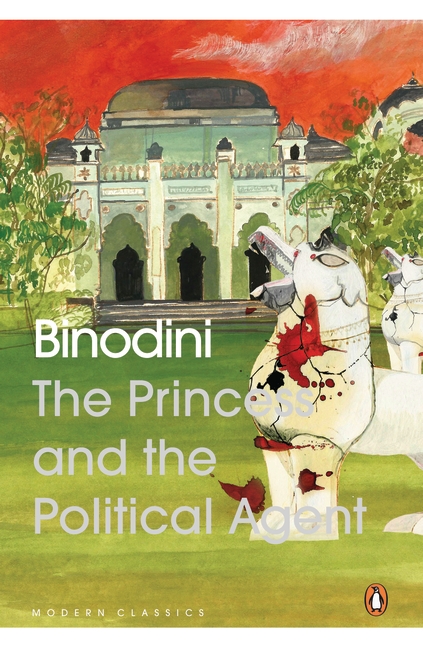
The Manipuri writer Binodini’s Sahitya Akademi Award-winning historical novel The Princess and the Political Agent tells the love story of her aunt Princess Sanatombi and Lt. Col. Henry P. Maxwell, the British representative in the subjugated Tibeto-Burman kingdom of Manipur. A poignant story of love and fealty, treachery and valour, it is set in the midst of the imperialist intrigues of the British Raj, the glory of kings, warring princes, clever queens and loyal retainers. Reviving front-page global headlines of the day, Binodini’s perspective is from the vanquished by love and war, and the humbling of a proud kingdom. Its sorrows and empathy sparkle with wit and beauty, as it deftly dissects the build-up and aftermath of the perfidy of the Anglo-Manipuri War of 1891. Binodini is the supreme stylist of contemporary Manipuri literature and an icon of Manipuri modernism, and her tale of a forbidden love and ostracism vividly brings to life the court and manners of a little-known Asian kingdom. In doing so, she recovers its little-known history, its untold relations with India and Great Britain, and a forgotten chapter of the British Raj.