



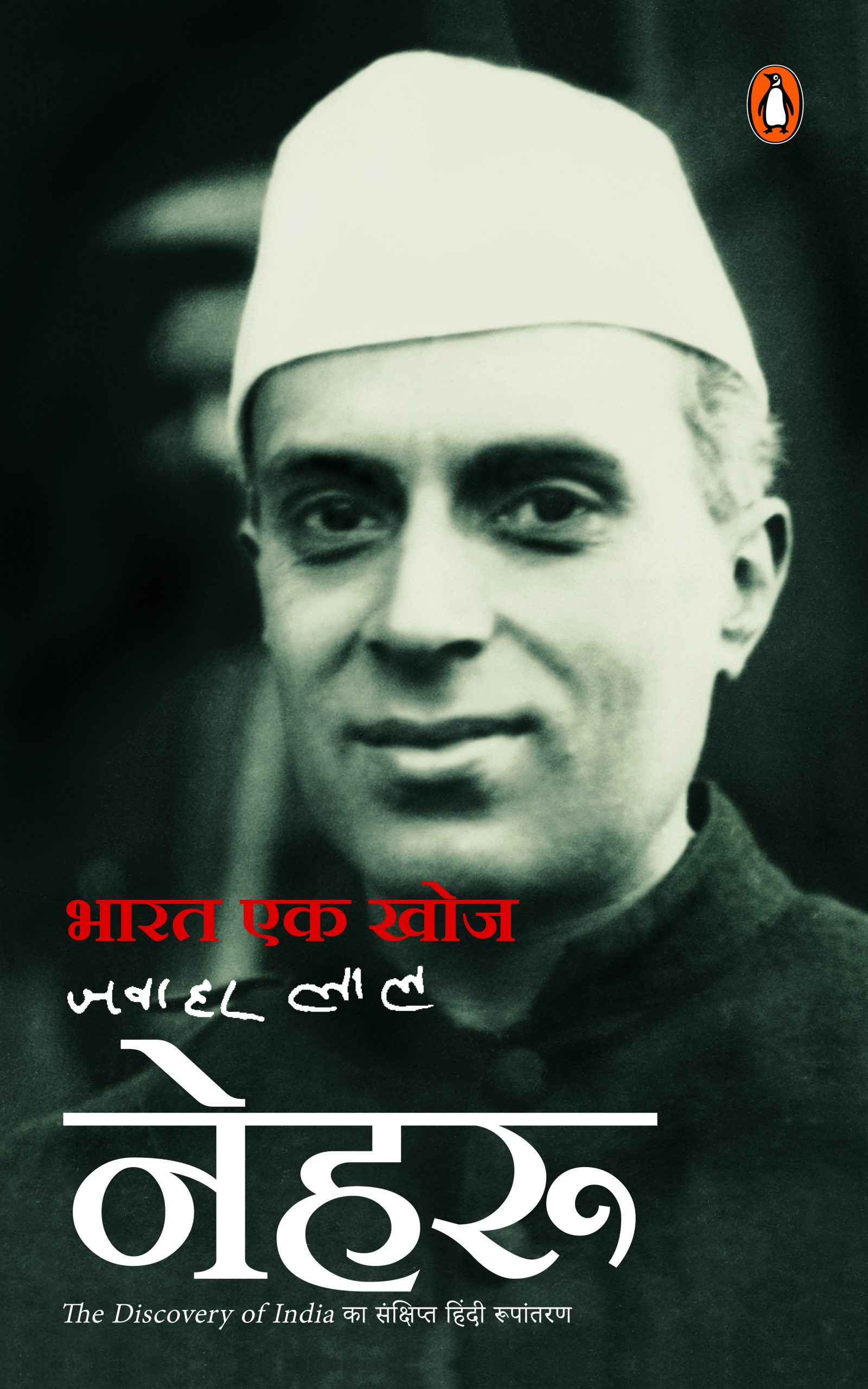
इस पुस्तक को पंडित जवाहरलाल नेहरू ने भारत की स्वतंत्रता से पहले 1942-1945 के दौरान अहमदनगर किले में कैद होने के दौरान लिखा था।
इसमें नेहरू जी ने सिंधु घाटी सभ्यता से लेकर भारत की आज़ादी तक विकसित हुई भारत की बहुविध समृद्ध संस्कृति, धर्म और अतीत का वैज्ञानिक दृष्टि से विश्लेषण किया है।
उन्होंने भारत के इतिहास के प्रति विभिन्न दृष्टिकोणों में सामंजस्य स्थापित करने का प्रयास किया और खुद को सामंजस्य का एक आदर्श प्रस्तुत किया।
जवाहरलाल नेहरू जी इस पुस्तक के बारे में स्वयं लिखते हैं कि इतिहास मनुष्य के संघर्ष की कहानी है; जंगली जानवरों और जंगल के विरुद्ध और अपने ही कुछ लोगों के विरुद्ध, जिन्होंने उसे दबाए रखने और अपने लाभ के लिए उसका शोषण करने की कोशिश की।
Catagory: History
The Delhi Model (Hindi)/दिल्ली मॉडल
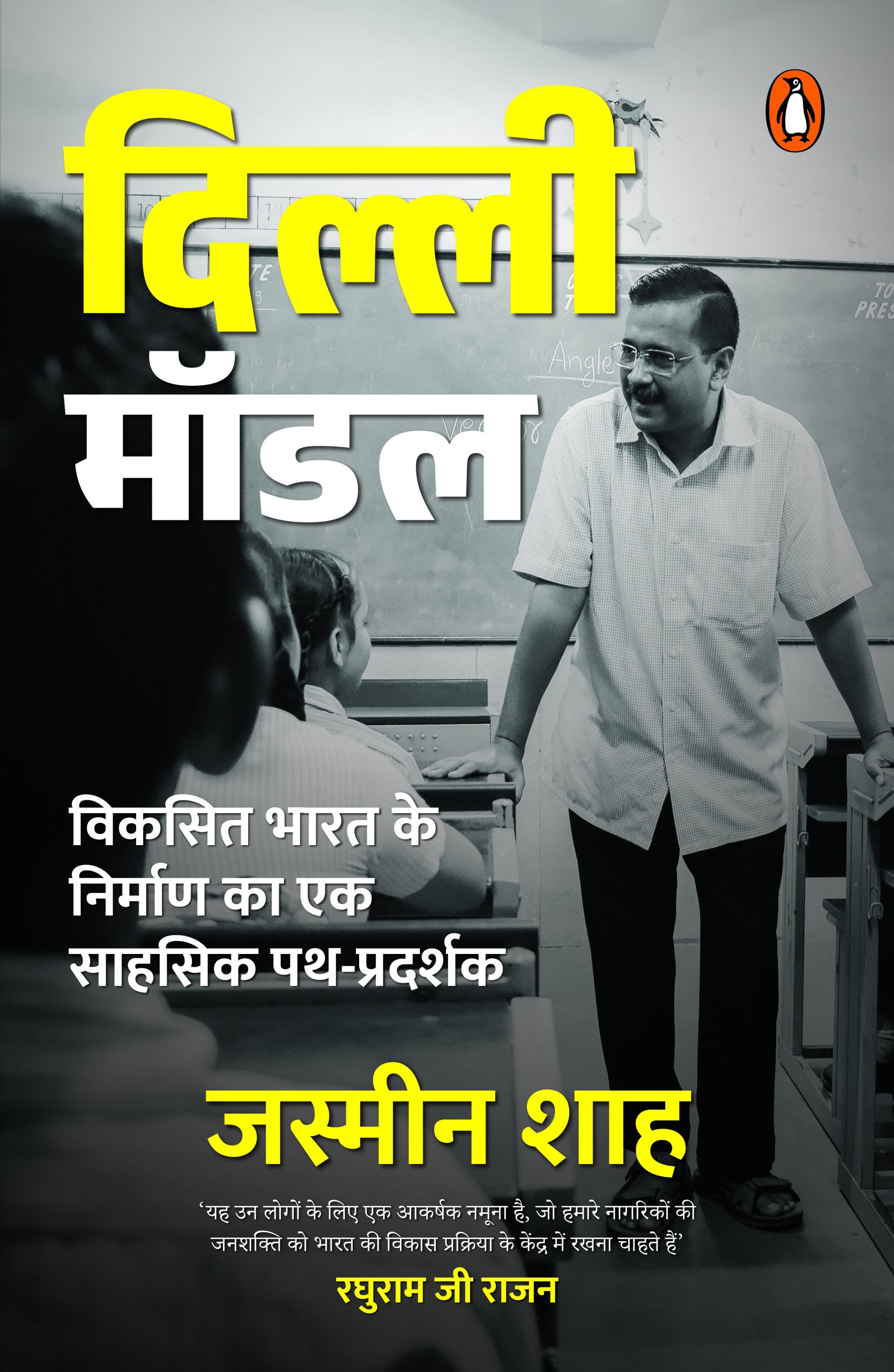
दिल्ली मॉडल ने स्वतंत्र भारत में पहली बार सार्वजनिक शिक्षा और स्वास्थ्य सेवा में बदलाव के मुद्दे को हाशिये से निकालकर भारतीय राजनीति के केंद्र में ला दिया। यह मानव पूँजी विकास में निवेश और सभी नागरिकों के लिए बेहतर सेवा वितरण को प्राथमिकता देता है, जबकि सबसे कमज़ोर लोगों के लिए एक सामाजिक सुरक्षा जाल सुनिश्चित करता है। यह पुस्तक दिल्ली मॉडल के वास्तविक स्वरूप के बारे में पहली ऐसी पुस्तक है, जिसमें इसके आर्थिक आधार और भारत में अन्य शासन मॉडलों, विशेष रूप से गुजरात मॉडल के साथ इसकी तुलना के बारे में विस्तार से बताया गया है। जस्मीन शाह ने इस प्रामाणिक और शोध-समर्थित पुस्तक में दिल्ली में आम आदमी पार्टी सरकार द्वारा छह प्रमुख क्षेत्रों—शिक्षा, स्वास्थ्य, वायु प्रदूषण, परिवहन, बिजली और पानी में किए गए सुधारों और उनके परिणामों का खुलासा किया है। पिछले दशक में निर्धारित नीतियों और सुधारों का विश्लेषण करते हुए, जैस्मीन ने दिल्ली मॉडल के सिद्धांतों का लाभ उठाकर एक विकसित भारत के निर्माण के लिए एक महत्त्वाकांक्षी रोड मैप तैयार किया है।
Jawaharlal Nehru’s Letters to Chief Ministers: 1950-1952 – Volume 2
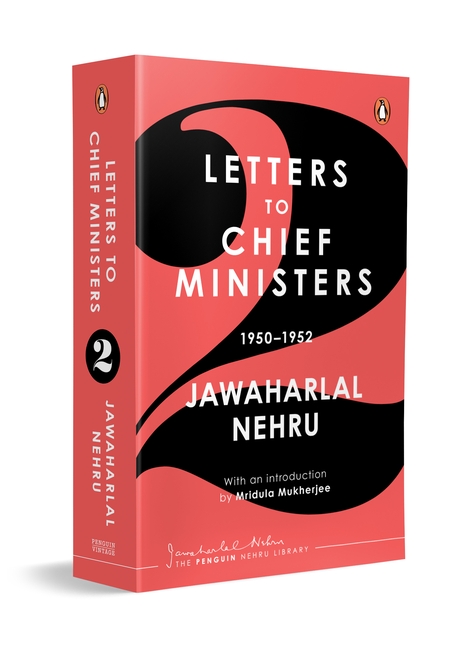
The second volume of the Letters to Chief Ministers captures Nehru’s reflections during a defining phase of India’s democracy, from the adoption of the Constitution to the establishment of the first elected government. Through these letters, Nehru shares his thoughts on the challenges and aspirations of shaping a nation under its new framework of governance.
A Various World
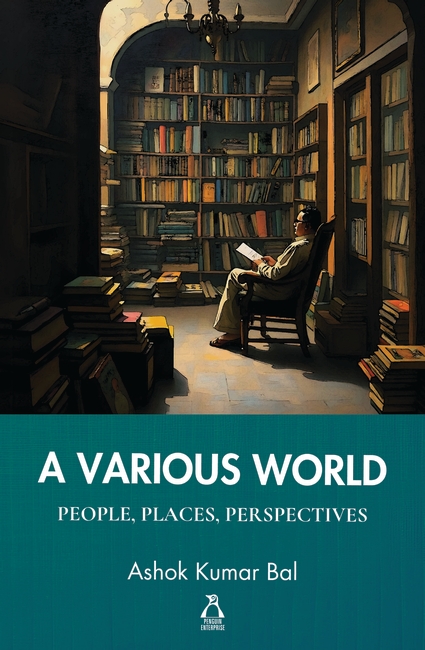
This captivating collection of essays and short stories offers a window into Ashok Kumar Bal’s diverse life experiences, seamlessly blending personal reflection, social observation, and historical narrative. With an illustrious career in public service, corporate leadership, and academia, the author brings a unique perspective to a wide range of themes—ranging from the deeply personal to the profoundly universal.
A Various World presents events, individuals, and settings that are deceptively simple and ordinary, yet upon closer inspection, they reveal the layered richness of life. The author serves as a medium to connect these themes with readers, inviting them to see that what is often considered ordinary is, in fact, extraordinary.
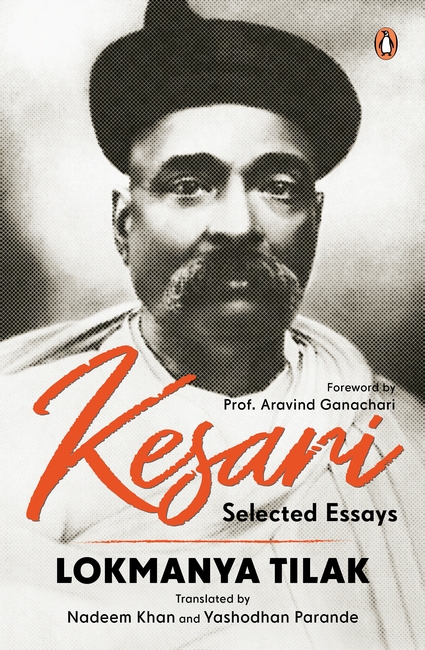
Kesari
Shatabdi Ke Jharokhe Se / शताब्दी के झरोखे से
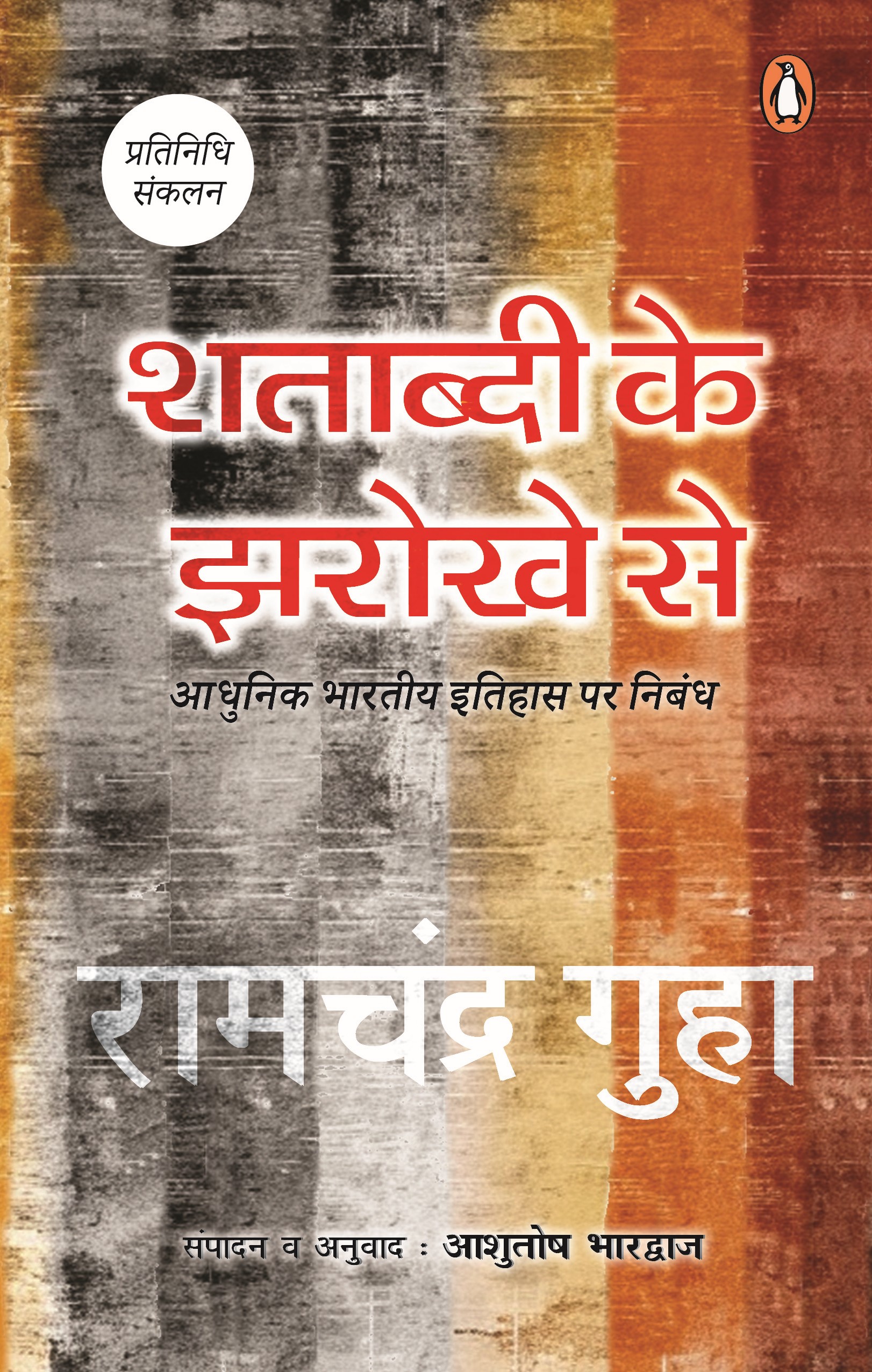
भारत के लिए पिछली शताब्दी चुनौतियों और बदलाव भरी रही है। इस शताब्दी में हुए बदलावों पर रामचंद्र गुहा जैसे अध्येताओं ने पैनी नज़र रखी है। यह पुस्तक उस नज़र का परिणाम है। यह पुस्तक रामचंद्र गुहा के निबंधों का संग्रह है, जिनमें उन्होंने इंसान, राजनीति और भूगोल के साथ भारत के आगे बढ़ने की यात्रा को संजोया है। इस पुस्तक के निबंध कालातीत हैं, जो अनेक युगों से संवाद करते हैं। इस पुस्तक के निबंध देश की थाती बने कुछ लोगों से मुलाकात कराते हैं, तो उन परिस्थितियों से भी संवाद कराते हैं, जिनके साथ भारत आगे बढ़ रहा है।
Glimpses Of World History
An Ode To Fraternity
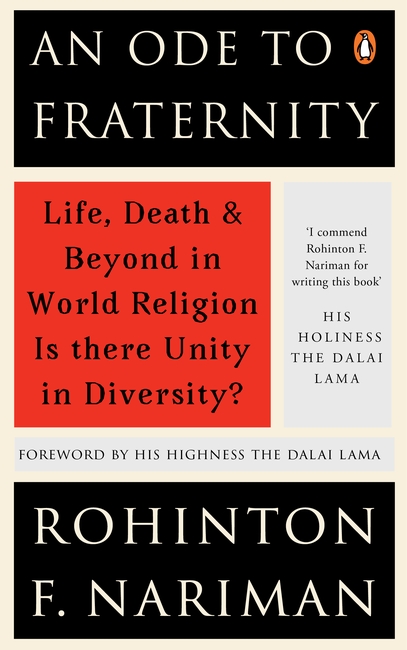
Religion . . . Time and again, people have fought over it and divided the world into many fragments. Often, they have mindlessly imposed the superiority of one religion over another. News on ‘forceful conversion’, ‘religious extremism’ and ‘religious hostility’ is rightly, wrongly and maliciously disseminated through various means. Such acts have not only ruptured communal harmony and caused bloodshed but also damaged the foundation of humanity. History is witness to such man-made catastrophes.
Shedding light on how people from various faiths can learn from each other to create a more inclusive world, An Ode to Fraternity is a brilliant meditation on world religion. From Hinduism, Islam, Jainism, Buddhism and Bahai to Sikhism and Christianity, among others, this is an apt book for our times, one that opens a window to understand how multiple faiths, life philosophies and religions can create a panoramic peaceful world.
Authoritative, engaging and deeply researched, An Ode to Fraternity will interest a wide spectrum of readers. It is a must-read students and scholars of philosophy, comparative religion, legal jurisprudence as well as policymakers.
Nalanda
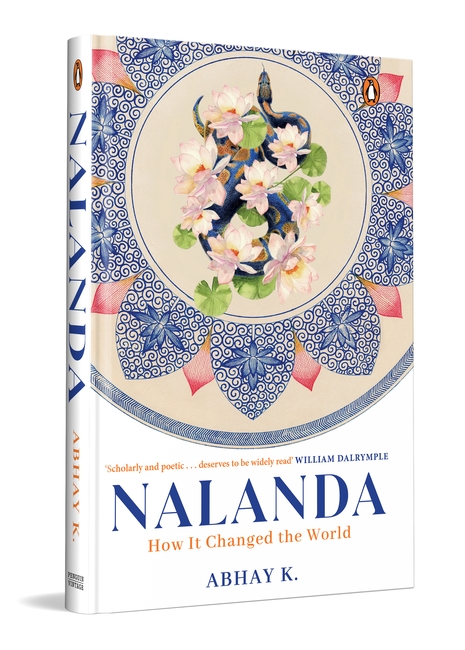
Much about Nalanda remains shrouded in mystery. When was it founded? Who founded it? Who studied and taught there? What subjects were offered? How many students and teachers were there? Was Nalanda a university in the modern sense? And what ultimately led to its downfall? Nalanda by Abhay K. unravels these questions, telling the story of the rise, fall, and re-rise of Nalanda Mahavihara. Through extensive research, the book explores Nalanda’s contributions in fields such as science, mathematics, philosophy, art, architecture, and poetry. It also highlights the great luminaries who elevated its unparalleled reputation as the preeminent seat of knowledge, as well as the foreign scholars who visited the celebrated monastery.
Broad in sweep and deep in history, Nalanda is a thrilling read that sheds new light on Nalanda and its journey over millennia.
The Idea of Ancient India Hindi / Prachin Bharat Ki Avadharna / प्राचीन भारत की अवधारणा
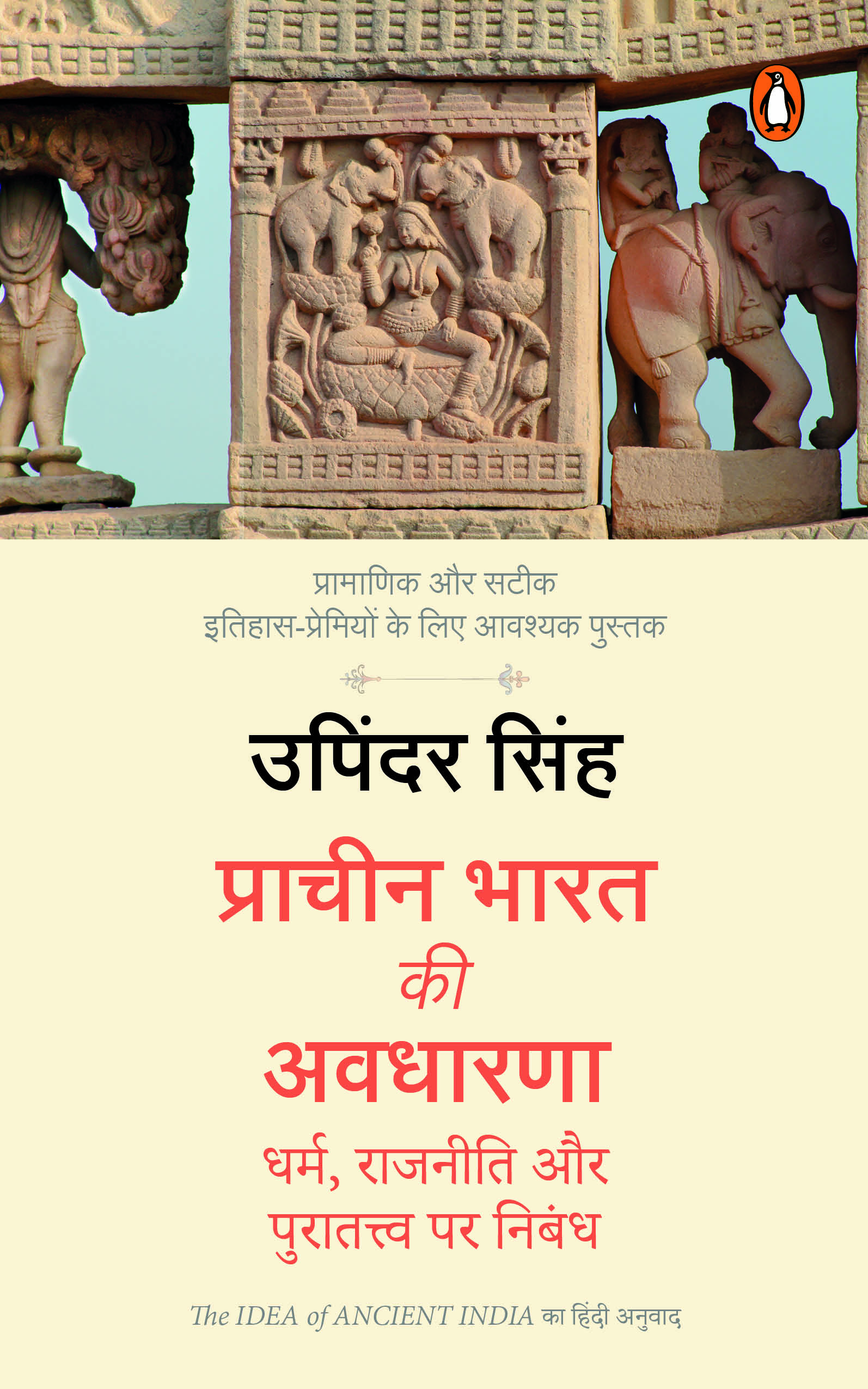
इतिहासकारों के बीच पुरातनता और उसके काल-विभाजन की अवधारणा को लेकर हुए लंबे वाद-विवादों के परिणामस्वरूप आजकल ‘प्राचीन’ जैसे विशेषणों के प्रयोग में भारी कमी आ गई है और उसके स्थान पर ‘प्रारंभिक’ शब्द को अधिक तरजीह दी जाने लगी है। वैसे ‘प्राचीन’ में गहराई है, रहस्य और स्पंदन है। प्राचीन भारत की अवधारणा विचारों की बहुलता के साथ अतीत और साथ-ही-साथ ऐतिहासिक व्याख्या का एक मूलभूत हिस्सा है। इसलिए ‘प्राचीन भारत की अवधारणा’ पूरे भारत के, या कह सकते हैं दक्षिण एशिया के प्राचीन इतिहास को समझने के अनंत तरीकों से जोड़ती है। यह पुस्तक पुरालेखीय आँकड़ों के विश्लेषण और अभिलेखों को उनके विस्तृत संदर्भों में रखकर देखने के साथ पुरातत्व और प्राचीन स्थलों के आधुनिक इतिहास का भान कराती है। इसमें राजनीतिक विचारों एवं व्यवहार का संगम तो दिखता ही है, भारत से बाहर एशिया का दृश्यपटल भी परिलक्षित होता है।