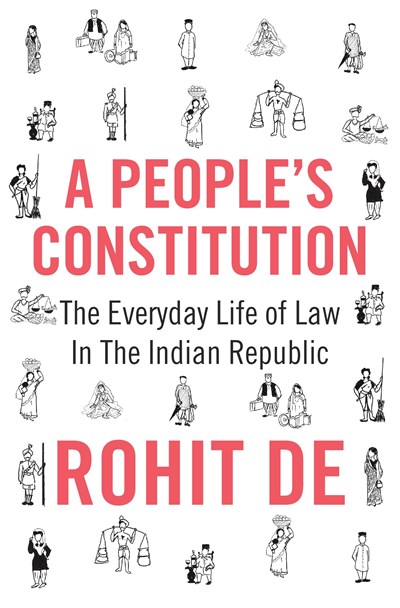
It has long been contended that the Indian Constitution of 1950, a document in English created by elite consensus, has had little influence on India’s greater population. Drawing upon the previously unexplored records of the Supreme Court of India, A People’s Constitution upends this narrative and shows how the Constitution actually transformed the daily lives of citizens in profound and lasting ways. This remarkable legal process was led by individuals on the margins of society, and Rohit De looks at how drinkers, smugglers, petty vendors, butchers, and prostitutes—all despised minorities—shaped the constitutional culture.
The Constitution came alive in the popular imagination so much that ordinary people attributed meaning to its existence, took recourse to it, and argued with it. Focusing on the use of constitutional remedies by citizens against new state regulations seeking to reshape the society and economy, De illustrates how laws and policies were frequently undone or renegotiated from below using the state’s own procedures. De examines four important cases that set legal precedents: a Parsi journalist’s contestation of new alcohol prohibition laws, Marwari petty traders’ challenge to the system of commodity control, Muslim butchers’ petition against cow protection laws, and sex workers’ battle to protect their right to practice prostitution.
Exploring how the Indian Constitution of 1950 enfranchised the largest population in the world, A People’s Constitution considers the ways that ordinary citizens produced, through litigation, alternative ethical models of citizenship.

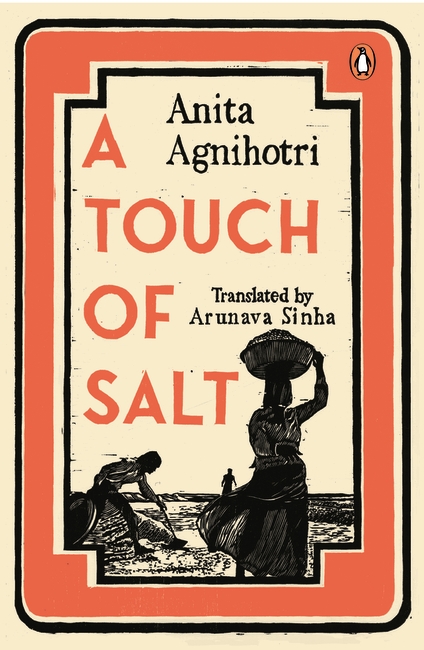
Mahatma Gandhi to Dandi, and become a part of the historic violation of the Salt Act in British India. This is, of course, unrecorded by history. He was an Agariya, one of the salt-harvesters in the Rann of Kutch. Today, the Agariyas working in the salt pans have no water, homes or schools for their children. They are being squeezed out by the law that has identified the entire Rann as reserved forest for wild asses. Tribhuban’s grandson Azad has no choice but to take up the fight for salt against the establishment once more, this time in an independent India.
A Touch of Salt is the story of Tribhuban and Azad, of Mohandas and Kasturba, of Malati and Vishnuram, of the multitude of Agariyas, countless lives lived, lost, and buried in salt and sand.

Sita’s Voice in the Assamese Rāmāyaṇa is a translation of select verses from the Assamese Saptakāṇḍa Rāmāyaṇa of Mādhava Kandalī, Śaṅkaradeva and Madhavdeva, written between the 14th-15th centuries CE. This vernacular rendition of the Vālmīki Rāmāyaṇa has been translated with a scholarly introduction by Tilottoma Misra. The selected verses represent a distinctive creative rendition of the Vālmīki text from the region of Assam by adding new emotional and philosophic dimensions to it. Especially in the Uttarakāṇḍa ascribed to Śaṅkaradeva, Sita’s voice acquires a unique quality in her final rejection of Rāma thereby expressing her ultimate disillusionment with him, the much-acclaimed paragon of all virtues.

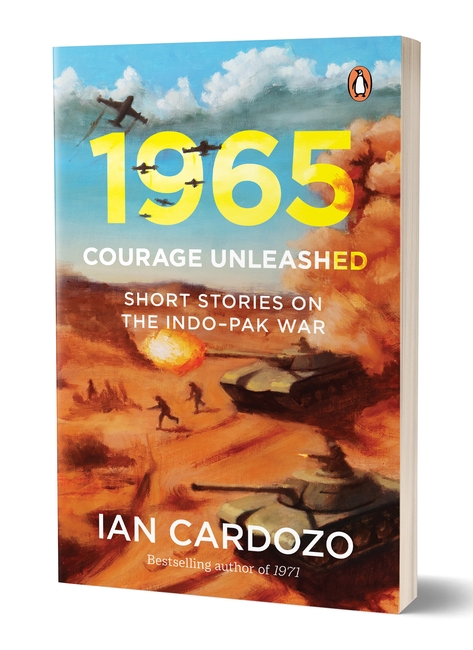
Did you know that the 1965 Indo–Pak War was initiated by Field Marshal Ayub Khan of Pakistan in an effort to wrest Jammu and Kashmir (J & K) from India? His failure to achieve his aim led eventually to his overthrow.
The Indo–Pak war of 1965 started as a localized conflict in J & K and exploded into a complex all-out war fought on a much bigger scale than the wars of 1947–48, 1962, 1971 and 1999. It extended from Ladakh in the north to Bikaner in Rajasthan and across the states of J & K, Punjab, Rajasthan and West Bengal. In extent, what was handled by the Western Command in 1965 is being handled today by three commands.
This account highlights the human dimension of war through the dramatic personal experiences of army and air force officers that astonish and overwhelm one’s imagination. It will convince the reader that real life is often stranger than fiction. The book also brings to light little-known facts that occurred across land, sea and air.

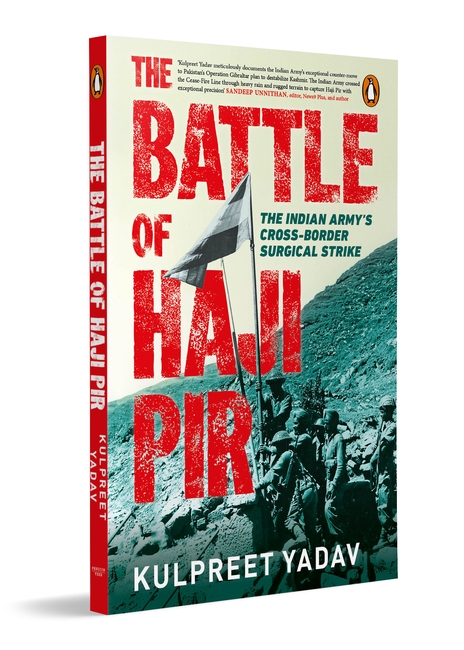
In August 1965, 30,000 Pakistani infiltrators crossed the Cease Fire Line (CFL) in Kashmir and began attacking civilians and army personnel. Codenamed ‘Operation Gibraltar’, this assault involved a mix of trained militia, mercenaries and Pakistani army personnel. Amidst the devastation, Indian forces retaliated and captured the strategic Haji Pir Pass.
The triumph however was short-lived as the pass was returned under the Tashkent Agreement, a bitter pill for the soldiers who had fought tirelessly for it. This book chronicles their courage and sacrifice, offering a poignant glimpse into the lives of those who won the Haji Pir Pass, a symbol of both victory and loss for India.

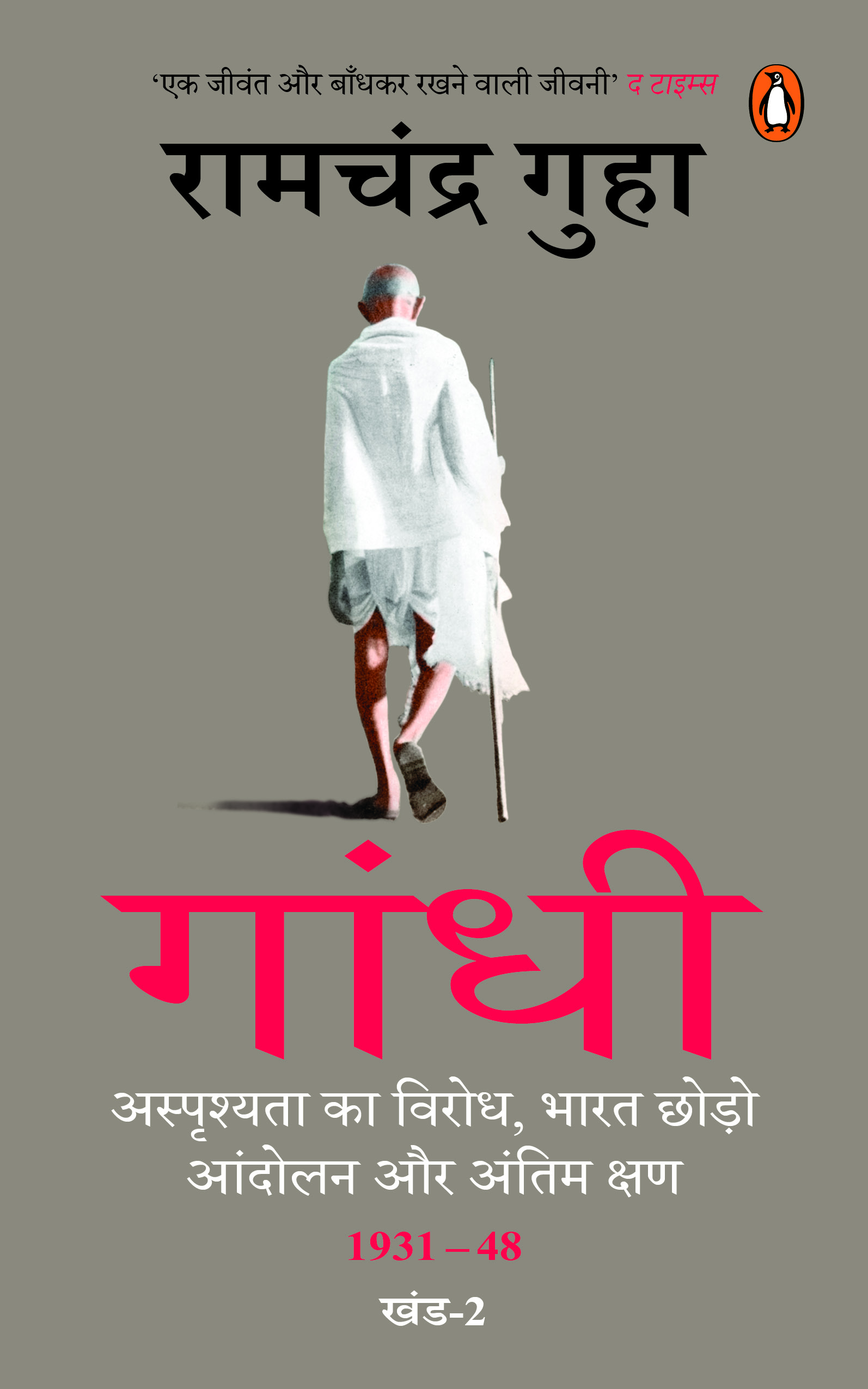
‘गुहा, गांधी को उनके वास्तविक रुप में प्रस्तुत और उनके सुभी विरोधाभासों को प्रकट होने देते हैं’ — न्यूयॉर्क टाइम्सगांधी का जीवन बीसवीं सदी के महानतम व्यक्तित्वों में से एक है। उन्होंने दुनियाभार में करोड़ों लोगों को प्रेरित किया, असंख्य लोग उनसे नाराज़ भी हुए और उनके चिंतन और कार्यक्षेत्र में उन्हें चुनौती दी। उनका पूरा जीवन ब्रिटिश राज के साये में बीता, लेकिन उस साम्राज्य को झुकाने में गांधी का योगदान सर्वोपरि रहा। फासीवादी और कम्युनिस्ट तानाशाहों की हिंसा से भरी उस दुनिया में गांधी के पास सिवाय तर्कों और उदाहरणों के कुछ नहीं था। उन्होंने जातीय और लैंगिक भेदभाव से भी युद्ध किया और धार्मिक सद्भाव के लिए संघर्ष करते हुए अपनी जान तक दे दी।यह शानदार किताब गांधी के जीवन के उस कालखंड का वर्णन है जब वे गोलमेज़ सम्मेलन से लौटकर वापस भारत आए और एक बार फिर से स्वतंत्रता संग्राम की योजना में जुट गए। पुस्तक का यह खंड अस्पृश्यता के विरुद्ध उनकी लड़ाई, वर्धा आश्रम की स्थापना, सुभाष चंद्र बोस के साथ उनके मतभेद, भारत छोड़ो आंदोलन, देश की स्वतंत्रता और 1948 में उनकी हत्या तक के कालखंड को समेटता है। इस पुस्तक में जिन्ना और आम्बेडकर के साथ उनके संवादों से लेकर स्वतंत्रता आंदोलन के ऐसे कई आख्यान शामिल हैं जो गांधी के व्यक्तित्व का परिचय हमसे उनके समकालीनों की दृष्टि से करवाते हैं। दुनिया के सामने अभी तक अप्रकाशित रहे स्रोतों और लेखन की शानदार किस्सागोई और राजनितिक समझ इस पुस्तक को राष्टृपिता पर अभी तक लिखी गई पुस्तकों में सर्वाधिक महत्त्वाकांक्षी बनाकर प्रस्तुत करती है।
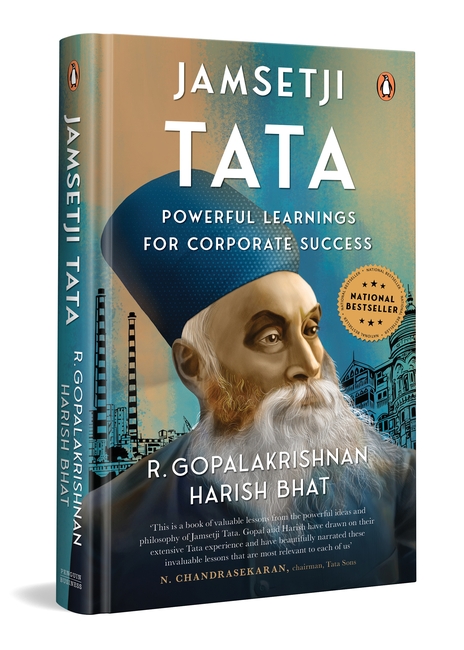
Jamsetji Tata pioneered modern Indian industry. He has been a key catalyst in the economic growth and development of the country.
From Empress Mills to the Iron and Steel Plant, from the establishment of Indian Institue of Science to the building of the Taj Mahal Hotel, Jamsetji’s vision made India stand tall. In this carefully researched account, R Gopalakrishnan and Harish Bhat provide insights into the entrepreneurial principles of Jamsetji that helped create such a successful and enduring enterprise.
His contribution and that of his successors has led to the institutionalization of Tata values. Over the decades, through hard work, determination, and a consistent vision, he and his successors have embedded these values in the organization, which has stood the test of time and has consistently contributed to the country’s industrial development. The book takes readers into the heart of this amazing story and what has made it possible.
Interwoven with engaging real-life stories about iconic leaders of the Tata Group, and interesting anecdotes that went into the making of India’s popular brands such as Tata Tea, Tata Steel, Tata Motors and Tanishq, this unique account brings alive the vision of Jamsetji Tata and tells us what we can learn from it.
Did you know that an IAF officer commanded the Ghana Air Force as its first air chief?
Or that the Teen Murti Memorial honours Indian soldiers from the princely states of Jodhpur, Hyderabad and Mysore who fought in World War I?
Or that an iconic Indian military vehicle’s name is actually an acronym honouring its city of origin?
Or that a British lady anthropologist once led an intelligence-gathering guerrilla unit in the North-east and was called the ‘Queen of the Nagas’?
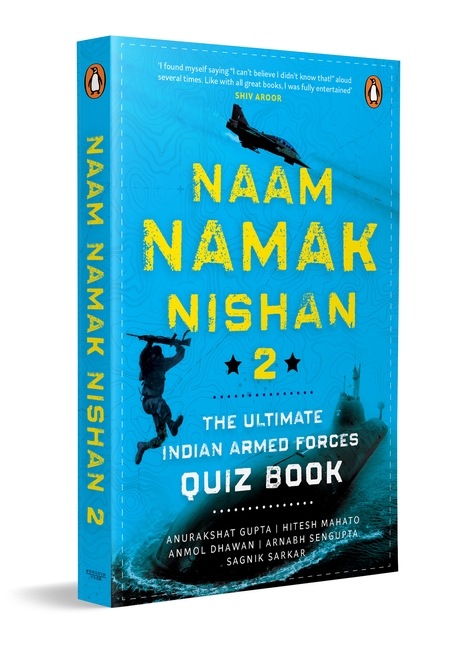
Find out the answers to these and more in Naam, Namak, Nishan 2, the much-awaited sequel to Naam, Namak, Nishan—India’s first quiz book on Indian military trivia that connects the Indian Armed Forces to more topics, exploring trivia in new, engaging formats. Written by a team of quizzer-doctors from the Armed Forces Medical College, Pune, this is military history like you’ve never read before.
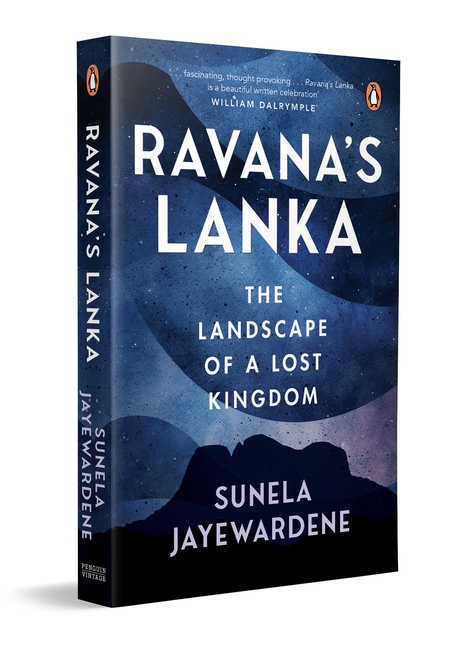
The story of the kingdom that Ravana had ruled lay over the island like a fading, antique map. The edges of the story were frayed and there were lines disconnected by time, but the landscape it traced, exists.
Demonized as he was after his death, the reign of King Ravana of Lanka, and his ancestors, the powerful Mayuranga, has long been obscured and shrouded in myth. Once, their kingdom is believed to have reached beyond the shores of the island, capturing lands across the seas—a kingdom of that magnitude was never seen again on Lanka. In a bid to shed light on this lost era, Sunela Jayewardene travelled through Sri Lanka, and listened to the storytellers and poets, researched Sri Lanka’s folklore, sifted through race and religion . . . to stitch together a history of a forgotten landscape.
This remarkable, vivid book is the story Sunela learnt of King Ravana and the kingdom that he lost.

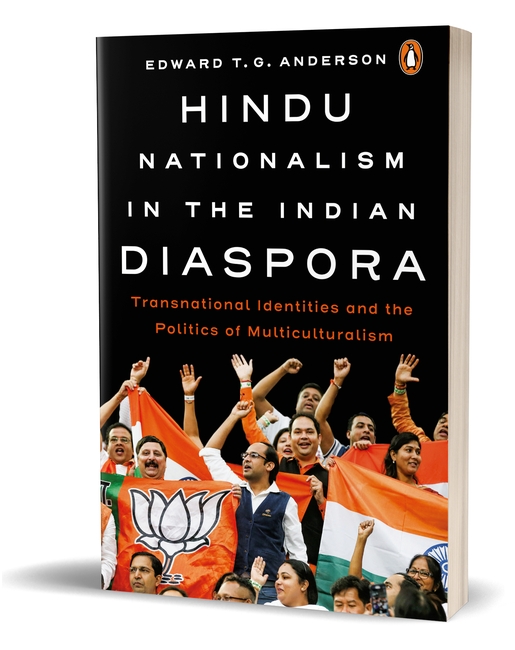
Hindu nationalism is transforming India as an increasingly dominant ideology and political force. But it is also a global phenomenon, with sections of India’s vast and influential diaspora drawn to, or actively supporting, right-wing Hindu nationalism. Indians overseas can be seen as an important, even inextricable, aspect of the movement. This is not a new dynamic—diasporic Hindutva has grown over many decades.
This book explores how and why the movement became popular among India’s diaspora from the second half of the twentieth century. It shows that Hindutva ideology and its plethora of organizations have a distinctive resonance and way of operating overseas; the movement and its ideas perform significant, particular functions for diaspora communities.
Edward T.G. Anderson argues that transnational Hindutva cannot simply be viewed as an export: this phenomenon has evolved and been shaped into an important aspect of diasporic identity, a way for people to connect with their homeland. He also sheds light on the impact of conservative Indian politics on British multiculturalism, migrant politics and relations between various minority communities.