



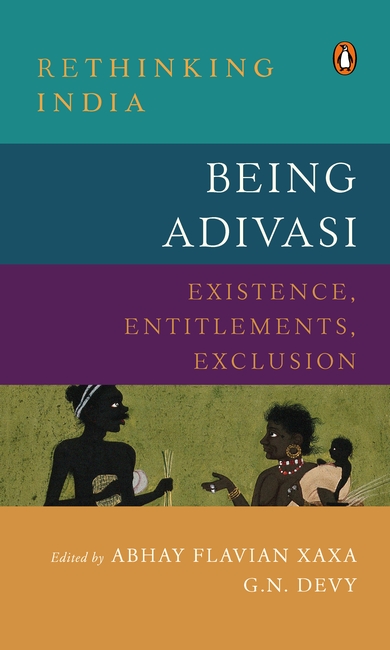
The Adivasis form nearly 8 per cent of the Indian population and live in most states. Despite being one of the oldest constituents of the Indian population, barring a few states in the North-east, they are in a minority in the rest. Persistent problems faced by them-like land alienation, indebtedness, vanishing minor forest products from government forests and displacement from their ancestral lands-have led to their impoverishment. The Panchayats (Extension to the Scheduled Areas) Act (PESA) and the Forest Rights Act (FRA), enacted by the previous governments, were decisive steps towards the empowerment of the Adivasis.
However, at present, the implementation of these provisions has taken a back seat. The seventh volume of the Rethinking India series, in collaboration with the Samruddha Bharat Foundation, presents the views of the Adivasis and the Denotified communities on the process of development and its clash with their rights.
This volume brings together the discussion of several issues from the Adivasi perspective, which is quite different from what is done in anthropology and ethnography.
Catagory: Politics
Yogi Adityanath
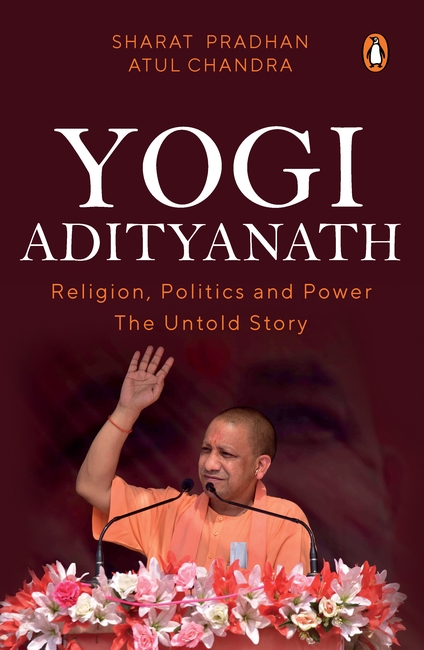
Is he the next Prime Minister in the making?
He is young and dynamic. He is a fierce orator and is often perceived as unconventional. Most importantly, he is an incredibly popular politician in India.
Is Yogi Adityanath India’s next Prime Minister in the making? His unprecedented rise in the Bharatiya Janata Party and his over-the-top campaigns and displays of his photograph along with Prime Minister Narendra Modi’s on billboards, among many other moves, seem to suggest his political ambition.
Tracing his early life, entry into electoral politics and elevation to the position of the Chief Minister of Uttar Pradesh, India’s most populous state, this book evaluates many untold stories of Yogi Adityanath. Sifting through information on the Chief Minister’s out-of-the-box administrative skills; his claims on law and order situation in Uttar Pradesh; and handling of the COVID-19 crisis in the first and the second waves of the pandemic, the authors present to us what is probably the first critical biography of Yogi Adityanath.
Women of Influence
Women of Influence is a compilation of the untold stories of ten women IAS officers who have walked the extra mile and made a difference despite facing major pressures in governance. Having worked in the civil services for thirty-seven years, Rajni Sekhri Sibal has been in a unique position to see things at close quarters, which is why she is able to present narratives that provide an insight into the challenges of being a woman IAS officer, and also highlight episodes where the protagonist displays immense courage and commitment during the most difficult of times.
The narratives span many generations-the oldest narrative is set at the Bikaner border during the 1965 Indo-Pak War and the latest recounts events that occured fifty years later in UP in 2015. They also deal with varied subjects and geographies, ranging from a panchayat election in Punjab during the height of militancy in the eighties, to Naxal-prone Chandrapur in Maharashtra, to joyful learning in Karnataka and right across to the orchid plantations in Arunachal. The book relates accounts of how different protagonists responded to threats of violence post a death in police custody, to illegal mining by a sand mafia and to resistance to the introduction of technology in a government organization. Strategies adopted for making India Polio-free in 2011 and interventions to deal with the scrouge of human trafficking also provide interesting insights in the book. The narratives are inspiring tales of ten strong and efficient women of substance, and their extraordinary careers wherein they made a difference.
Undocumented
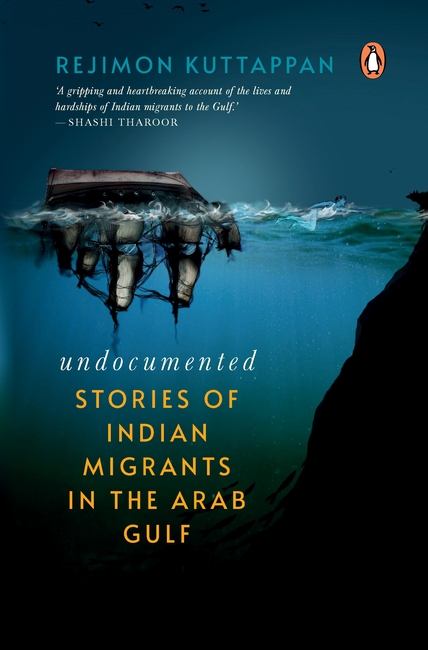
Our complicated and fragile global economy relies on the unacknowledged labour of a subterranean network of undocumented migrant workers. Despite them providing vital support to host economies, governments continue to turn a blind eye to these migrants’ woes without any consequences. In the absence of documents to speak for them, their human rights are systematically abused, their voices ignored, their existence refuted.
The women, as is often the case, suffer under the dual attacks of patriarchy and anonymity. Exigencies of bureaucracy ensure that the children are often unregistered and even lack passports. The result is a truly exploited populace without much relief in sight. They survive on sheer courage and perseverance, shedding blood, sweat and tears that end up fuelling the thumping home and host economies.
In Undocumented, journalist and migrant-rights researcher Rejimon Kuttappan brings to light the lives of these oft-ignored migrants through stories of six Indians in the Arab Gulf, and through them, voices the plight of millions more. Delving into histories both personal and national to establish where we are and how we got here, the author lays bare the lives of people betrayed by their own into human trafficking, into poverty, and into exile in a land that only glimmers with promise.
Furrows in a Field
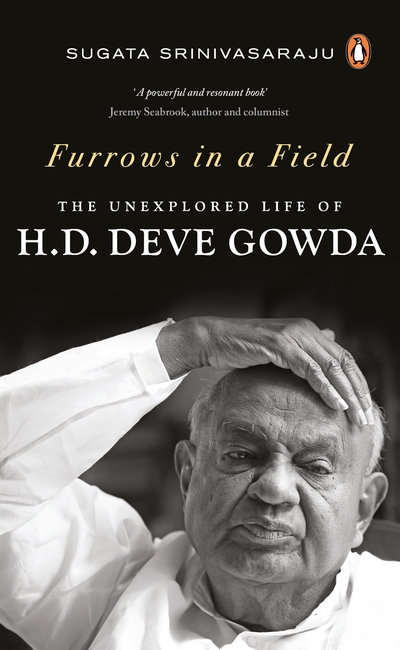
H.D. Deve Gowda has been in public life for nearly seven decades. He started at the very bottom, as a member of the Holenarasipur Taluk Development Board and reached the very top as India’s eleventh prime minister, in 1996. In between, he was an independent legislator, spent long years as leader of Opposition in the Karnataka Legislative Assembly, had been an effective irrigation and public works minister, and finally, chief minister in 1994 after many missed opportunities. Even twenty-five years after he stepped down as prime minister, he has remained relevant in Indian politics. Despite this long, arduous yet fascinating journey that began in a poor peasant household in the plains of Hassan, there has been no comprehensive assessment of his life and work. This biography endeavours to professionally fill the gap.
The book’s narrative is instructed by Gowda’s rich parliamentary record, archival material and interviews conducted with people associated with him at various stages of his life. The layered narrative is further nuanced by Gowda’s own voice, gargantuan memory, a close reading of the time when he made history and the currents of destiny that preceded it. Although Gowda has spent most of his years in Karnataka and has become a symbol of the federal idea, this book argues that the diverse national imagination and sincerity that he deployed as prime minister had magically lit up different corners of India.
When Gowda became prime minister, many people intuitively registered that our democracy had not been rigged or captured by elites and dynasts, and there was indeed space in our system to rise for a self-made person with no godfathers. It generated hope and continues to do so.
The Common Man Seeks Justice
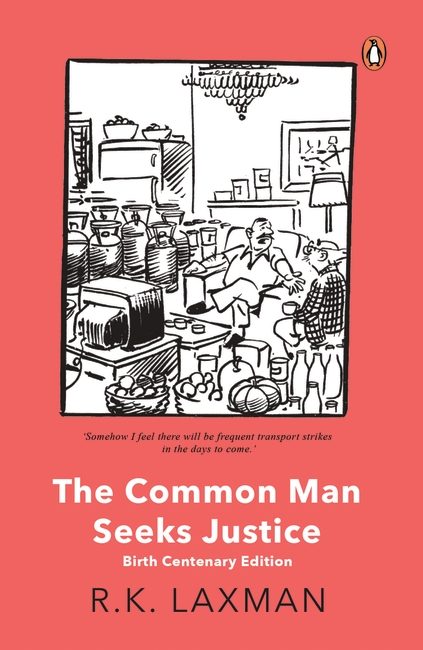
A collection of gems by our best-loved cartoonist, R.K. Laxman
From financial crises to the woes of householders, from political instability to rampant corruption, these cartoons capture the entire gamut of contemporary Indian experience. Hilarious and thought-provoking at the same time, this is a treasure house of humour from one of the most striking voices commenting on Indian sociopolitical life today.
The Common Man Casts His Vote
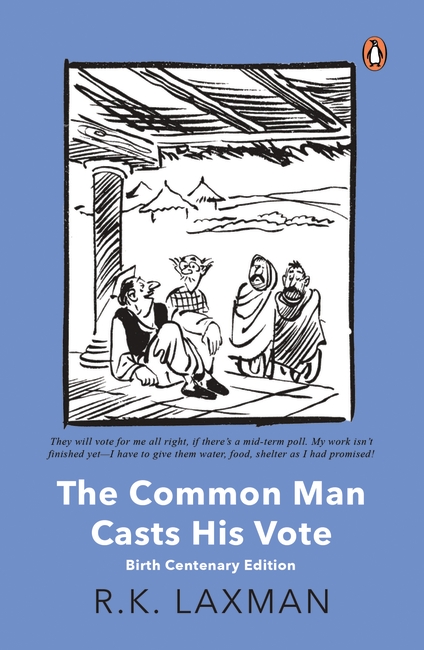
A collection of gems by our best-loved cartoonist, R.K. Laxman
From financial crises to the woes of householders, from political instability to rampant corruption, these cartoons capture the entire gamut of contemporary Indian experience. Hilarious and thought-provoking at the same time, this is a treasure house of humour from one of the most striking voices commenting on Indian sociopolitical life today.
The Common Man At Large
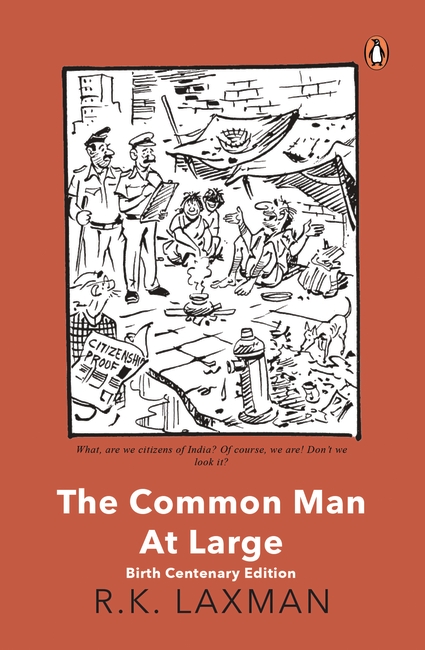
A collection of gems by our best-loved cartoonist, R.K. Laxman
From financial crises to the woes of householders, from political instability to rampant corruption, these cartoons capture the entire gamut of contemporary Indian experience. Hilarious and thought-provoking at the same time, this is a treasure house of humour from one of the most striking voices commenting on Indian sociopolitical life today.
The Common Man Takes a Stroll
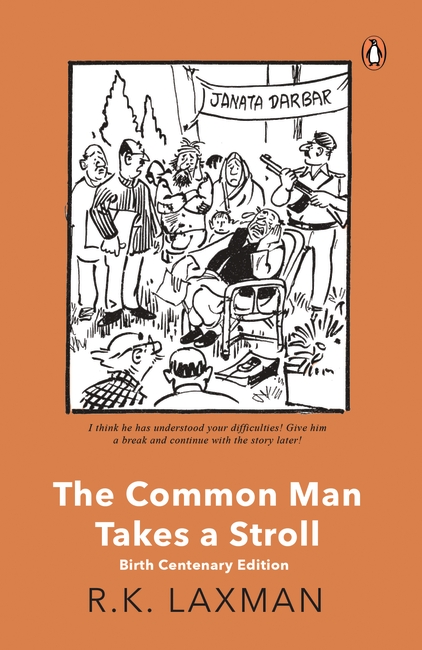
A collection of gems from our best-loved cartoonist, R.K. Laxman
From financial crises to the woes of householders, from political instability to rampant corruption, these cartoons capture the entire gamut of contemporary Indian experience. Hilarious and thought-provoking at the same time, this is a treasure house of humour from one of the most striking voices commenting on Indian sociopolitical life today.
The Common Man Tackles Corruption
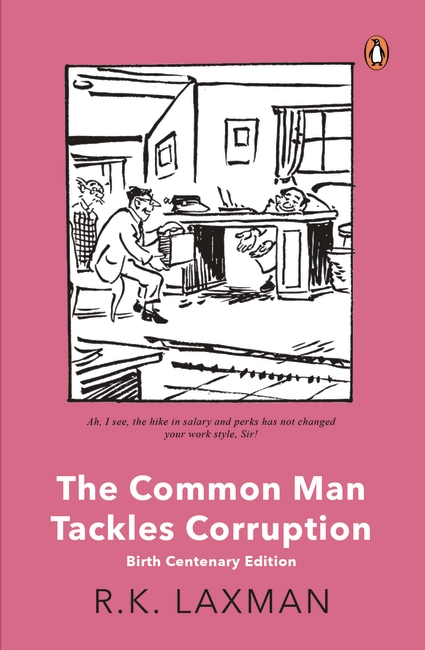
A collection of gems by our best-loved cartoonist, R.K. Laxman
From financial crises to the woes of householders, from political instability to rampant corruption, these cartoons capture the entire gamut of contemporary Indian experience. Hilarious and thought-provoking at the same time, this is a treasure house of humour from one of the most striking voices commenting on Indian sociopolitical life today.