‘I am not anti-English; I am not anti-British; I am not anti-any government; but I am anti-untruth—anti-humbug and anti-injustice.’
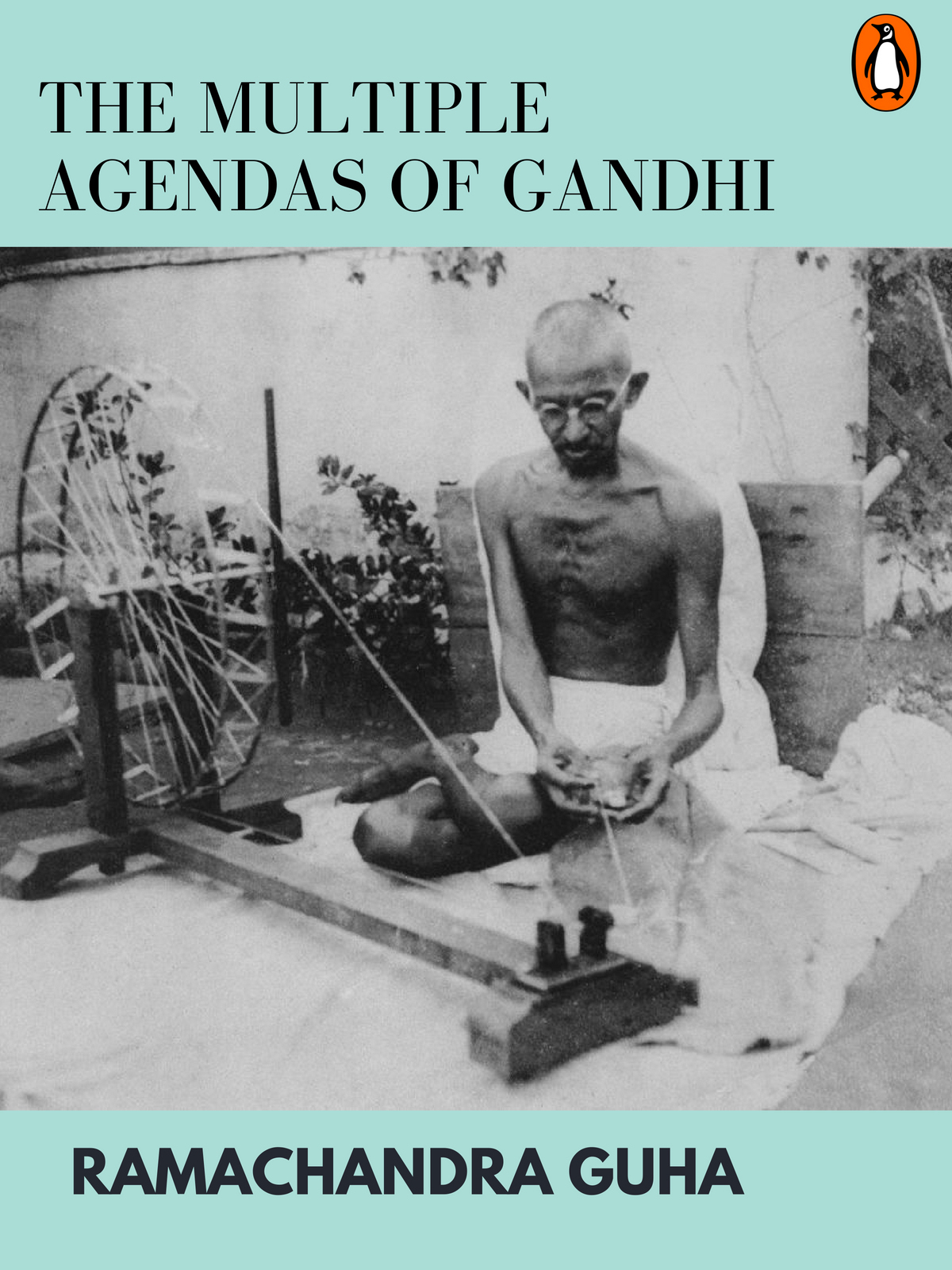
Father of the Nation, Satyagrahi, the Crusader of Truth—no matter how much is written about Gandhi, there is always something new to learn about the man and his many ideas.
Within four years of his return to India from South Africa, Gandhi had become the most famous—as well as the most controversial—person in a subcontinent with a population of over 300 million. This only goes to prove the power of his ideas and the effect of his charisma.
In ‘The Multiple Agendas of Gandhi’, Ramachandra Guha looks at some of Gandhi’s most radical ideas and how he executed them so that they have remained in the psyche of this country to this day. Read on.
The gods themselves bring destruction on women, so is it any wonder you do the same?’
Now, more than ever, it has become imperative that we talk about women’s rights and work towards gender equality. The feminist movement, in fact, took roots in India nearly a century ago, as can be seen from the life and work of Tarabai Shinde.
Tarabai Shinde was obscure in her time, and remains so in ours. But her writing, if not her life, compels our serious attention. Extremely relevant and hard-hitting, her work is indeed one of the most powerful pieces of social criticism ever written by an Indian.
Read on, as Ramachandra Guha sheds light on the inspiring thoughts and writings of the activist in ‘Tarabai Shinde: The Subaltern Feminist’.
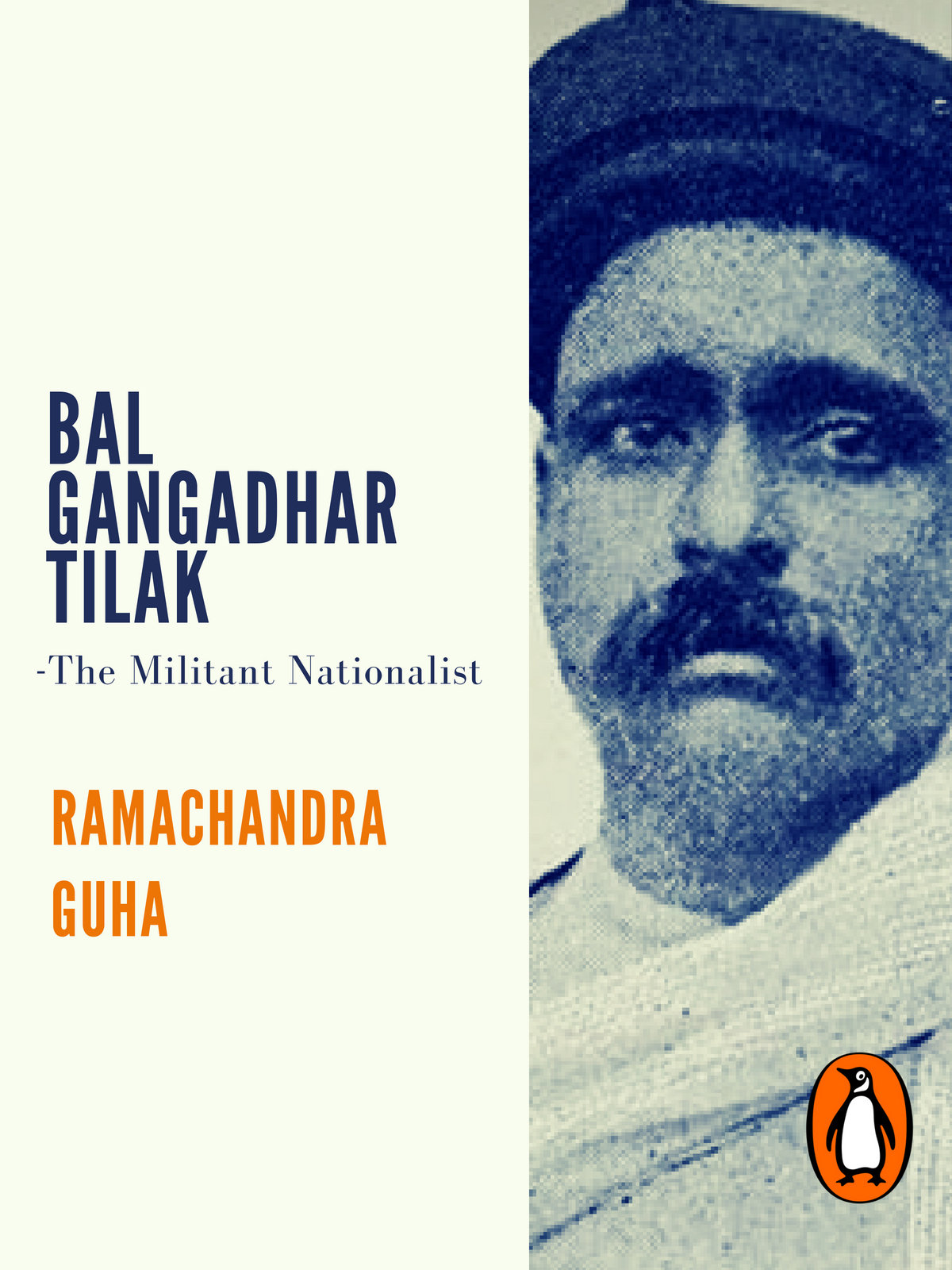
Action above thought’—this was Bal Gangadhar Tilak’s core philosophy and how he approached most things in life.
Tilak famously opined that by remaining under the rule of the British, India as a country was leading to its own decline and a general sense of emasculation. He urged the young men of the country to protest with everything they had got, and even go to prison if necessary. This meant hitting another nail in the coffin of the British Empire.
In ‘Bal Gangadhar Tilak: The Militant Nationalist’, Ramachandra Guha brings to us a hitherto unseen side of Tilak through the latter’s writings and actions. Read on.
The striking thing about accounts of modern India is that the men and women who made its history also wrote most authoritatively about it.
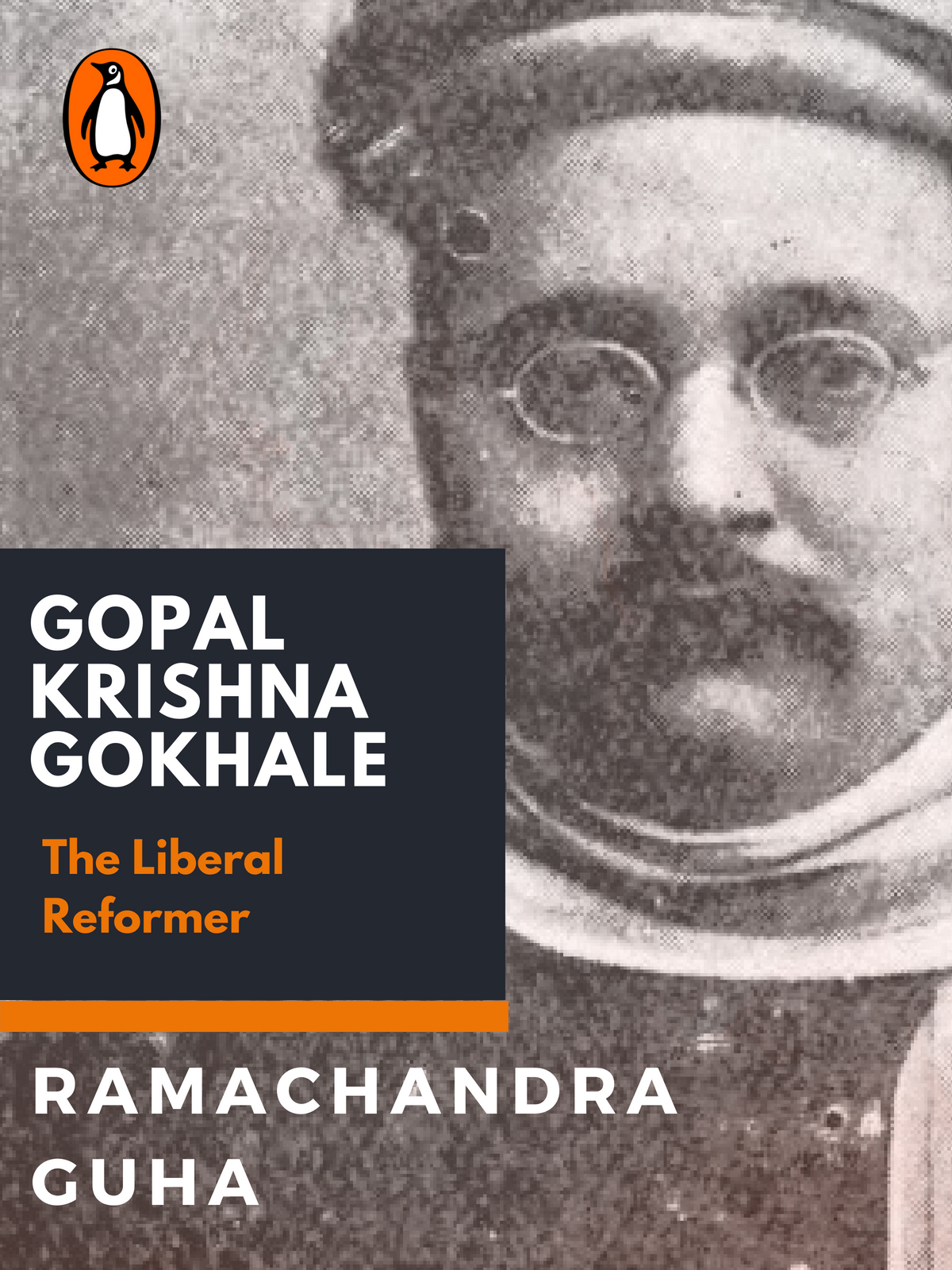
Gopal Krishna Gokhale was truly the torchbearer of the ideas that became the foundation of modern India. According to him, shaking off the shackles of social and economic backwardness as well as political subjection was the most important aspect when it came to improving India.
In ‘Gopal Krishna Gokhale: The Liberal Reformer’, Ramachandra Guha tells us about the man who influenced thousands to join the fight for India’s struggle.
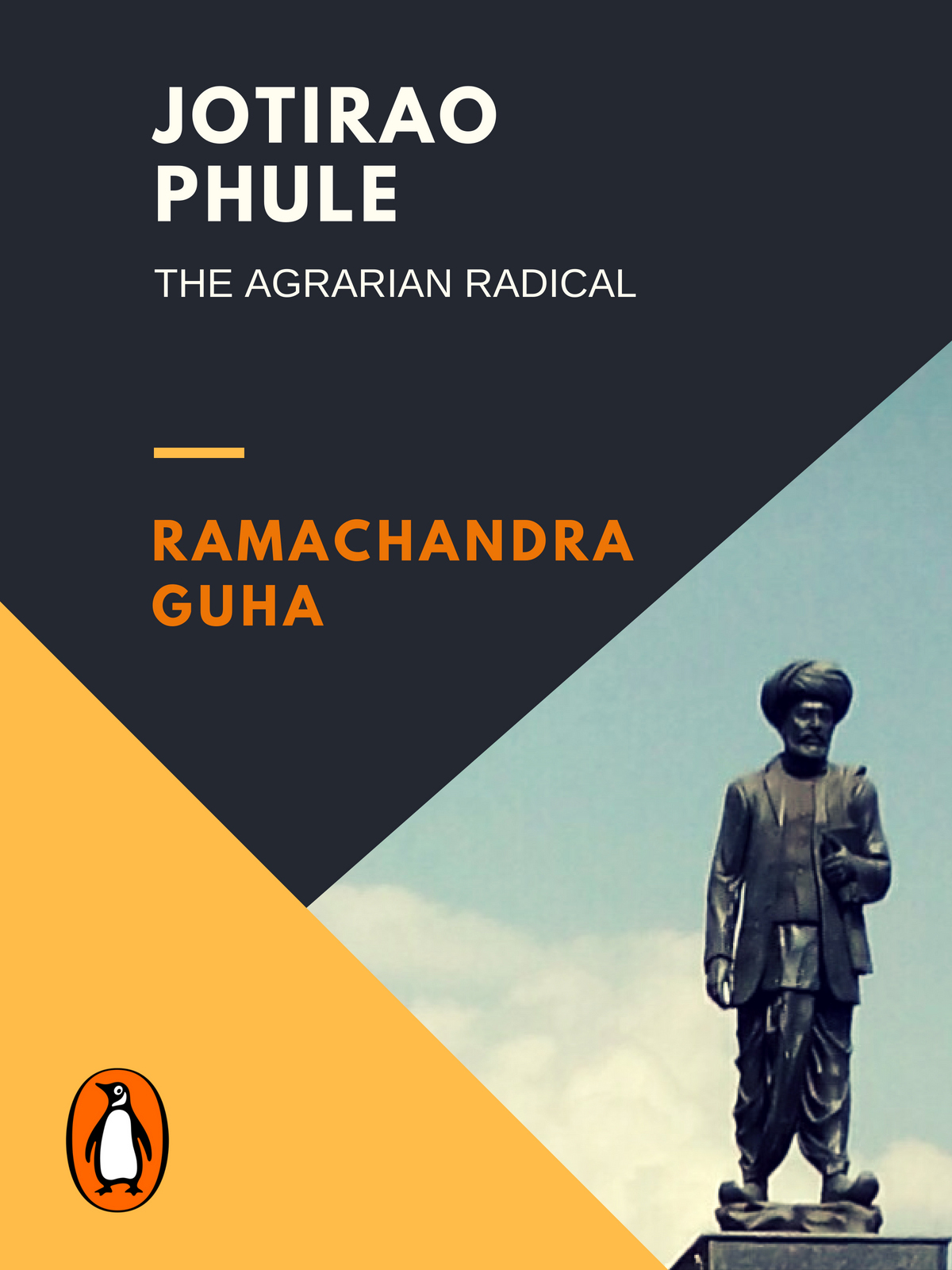
For all the talk these days about education for girls and women empowerment, what Jotirao Phule did for the country almost a century ago still remains unmatched.
From starting a school for lower-caste girls to promoting a rationalist outlook honed through education, Phule played a key role in the emancipation of people from the lower castes. His writing not only reflects his drive and determination but also his zeal to bring some real change and see India achieve her complete potential.
Read on as Ramachandra Guha introduces us to yet another radical who became a building block in the foundation of India’s freedom in ‘Jotirao Phule: The Agrarian Radical’.
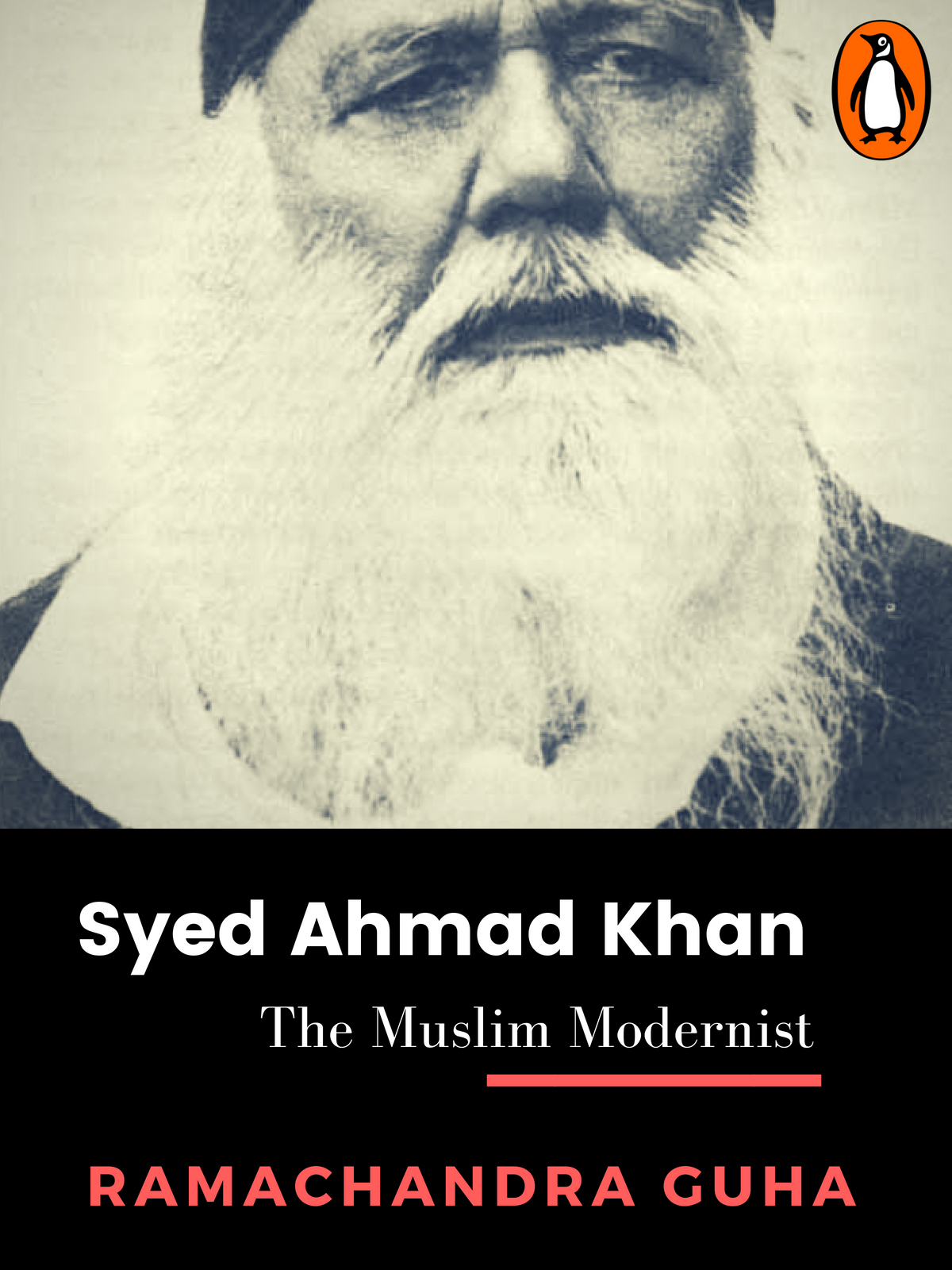
Syed Ahmad Khan was no ordinary man. His unorthodox upbringing led to his prolific writing in many languages interspersed with radical thoughts.
He gave importance to Western education and promoted the need for communal harmony. Like writings of other Indian thinkers of the nineteenth and early twentieth centuries, his thoughts and ideas continue to remain relevant.
In ‘Syed Ahmad Khan: The Muslim Modernist’, Ramachandra Guha captures the flavour of Khan’s intellectual and political legacy.
Raja Rammohan Roy is well-known for abolishing the regressive practice of Sati, fighting for other social reforms, and founding a new religious order within the Indian society. His contributions to building a liberal mindset are many.
Roy was perhaps the first Indian thinker who engaged with the challenges posed by both colonial rule and Indian conservatism. Roy was a liberal, quite ahead of his times, who fought for the freedom of press and promoted modern education. His writing set the tone for reformers and activists.
‘Rammohan Roy: The First Liberal of India’ by Ramachandra Guha is a glimpse into the thoughts and ideas of Raja Rammohan Roy.

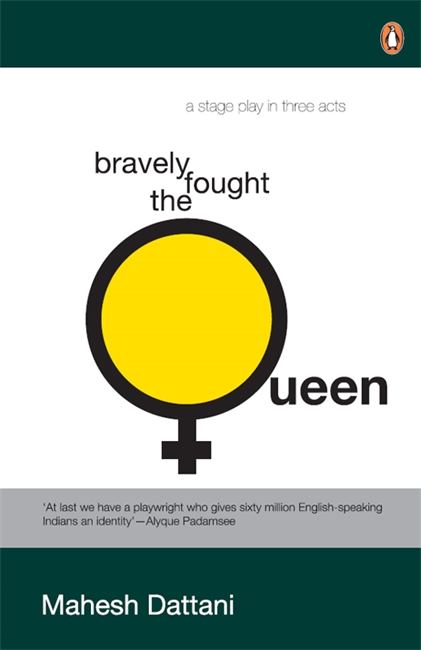
First staged in Mumbai in 1991, Bravely Fought the Queen juggles between two spaces-center stage where an empirical drama removes the mask of hypocrisy from a seemingly ‘normal’ urban household; and a small, rear backdrop from where emerges the raison d’être of each protagonist. The family in focus is that of two brothers, Jiten and Nitin, who run an advertising agency and are married to sisters: Dolly and Alka. Their mother, Baa, moves between the two households, attached more to her memories of the past than to any present reality. Marital friction, sibling rivalry, the traditional tension between mother-in-law and daughters-in-law, the darker moments of business and personal dealings, the play takes us through the entire gamut of emotional experience as it winds to a climactic finish. With its relentless pace, crisp idiom and unflinching insight into the urban milieu, this is a play that confirms Mahesh Dattani’s reputation as India’s most influential playwright.

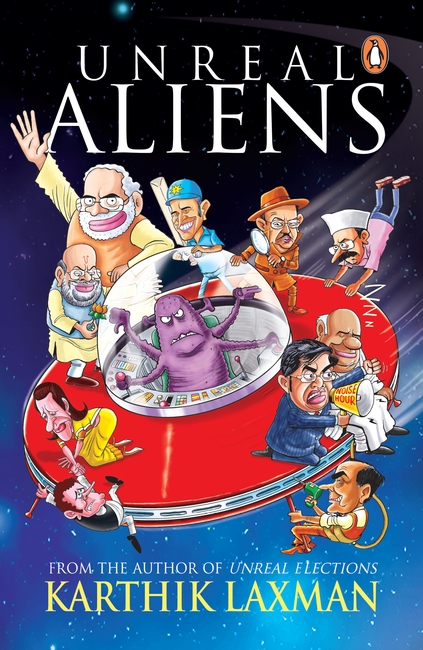
For the first time in human history, a nation is playing host to an alien delegation. And it is Modi-led India that has this high honour. Prime Minister Modi rolls out the red carpet for the aliens. He receives them at the airport, shows them the sights in Delhi and convinces them to invest in the Make in India campaign. The leader of the alien delegation even holds a broom to promote Swachh Bharat. But what is the real reason the aliens have come to India? Are they friends? Or will they turn foes? Read this hilarious, rib-tickling novel from the authors of Unreal Elections to find out.

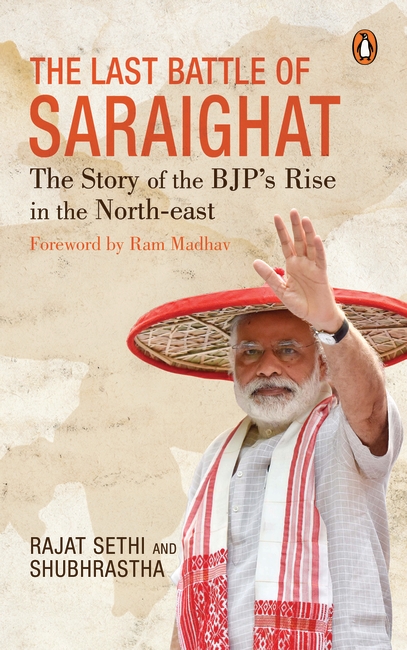
The first-ever account of the BJP’s landslide victory in the 2016 Assam legislative assembly elections, the battle of Saraighat was fought in 1671 between the Ahoms of Assam and the Mughal invaders. In 2016, the BJP centred its strategy for the legislative assembly elections on this historic battle, focusing on issues of illegal migration, constantly invoked in the party’s rallies, posters and communication to appeal to the voting public. The historic elections saw the BJP win an overwhelming majority of assembly seats in Assam, where the Congress had been in power for decades. It was a watershed moment that opened the door for the party to the political corridors of the north-east. In this book, Rajat Sethi and Shubhrastha, political campaigners for the BJP in the north-east of India, take you behind the scenes of the high-octane electoral drama. They outline the political history of the region, provide details of election strategies employed by the party and explain why they resonated with the local people so strongly. The Last Battle of Saraighat looks at Assam as a case study to explain the rise of the BJP in the north-east and throws light on the key political issues of the region.