



Who are the people of India? What are their rights? What are their claims on the Indian Constitution and on democracy? We the People, the fourth volume in the Rethinking India series, brings together a collection of essays that explores the process of germination and growth of undisputed universal rights, and of them being developed as tangible entitlements in India. The essays also examine the continuing challenge of establishing, realizing and protecting these entitlements.
The authors are academics, activists and practitioners who have a strong relationship with social movements. Their narratives trace the use of the rights-based framework of the Indian Constitution by sociopolitical movements in order to strengthen the economic, cultural and social rights of ordinary Indians. The multiple perspectives draw upon and contextualize the complex relationship of the citizen with the state, society and market in democratic India. Their sharp critiques have a counterpoint in stories of creative, successful alternatives designed by peoples’ collectives.
There is both an explicit and implicit challenge to conservative notions of ‘market-led development’ that see competition and profits as central to ‘progress’ and success. The essays showcase the continuing dialectic between established constitutional rights and shifting state policy. They provide invaluable insight at a time when many sacred pillars of neoliberal ‘globalization’ are crumbling, and the capitalist superstructure is itself turning to the state for survival. They promote understanding and scholarship, and enliven debates as we continue to search for answers in uncertain and challenging times.
Catagory: Politics
Checkmate
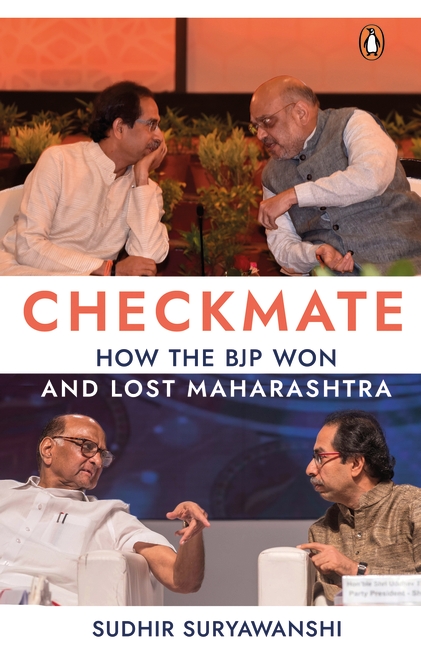
On 28 November 2019, Uddhav Thackeray, the Shiv Sena chief, was sworn in as the eighteenth chief minister of Maharashtra. This event marked the culmination of a high-voltage political drama that had the entire nation glued to their television sets for days on end. With no party being able to claim a majority in the assembly, President’s Rule was imposed in the state. This book takes its readers through the twists and turns of the dramatic political crisis that unfolded as Maharashtra waited for its chief minister.
What really went on behind the scenes?
With access to inside sources and private conversations, this book reveals the hitherto untold story of this political drama, with a comprehensive overview of the state’s politics in the last few decades.
The Indian Citizen and Its Nation

It is truly a wonder how India, with all its vastness and diversity, manages to function as a country. In fact, before India could be governed as a free country, one of the biggest challenges faced by its future government was constituting its citizens. In a country driven by religion, language and caste, this challenge was anything but easy.
As the Constitution came together, it grandly embraced a transcendental ideal of citizenship that was free from particular identities. It was Jawaharlal Nehru, the first Prime Minister, who laid the foundation, and politically policed this difficult relationship between the citizen and the nation.
‘The Indian Citizen and Its Nation’ is a collection of Nehru’s letters that talk about the importance of nurturing this relationship, adding new dimensions to the conversation about what it really means to be a citizen of a nation like India.
Loving Your Country
A.P.J. Abdul Kalam was one of India’s most beloved presidents and youth icons. His radical ideas combined with his vision for the nation moved generations.
Every speech, every piece of writing that came from Kalam’s desk had one common thread: an undying, unconditional love for his country. No one can evoke better the deep sense of national pride and enthusiasm, be it in children or adults, than Kalam could.
‘Loving Your Country’ is a collection of some of Kalam’s most enthralling speeches about India. Read on.
Verrier Elwin
A remarkable Englishman-turned-Indian, Verrier Elwin was an Oxford scholar who somehow became the foremost spokesman for India’s tribal people.
Despite constituting almost 8 per cent of the nation’s population, the tribals of India had been (and continue to be) ignored by the national freedom movement. It was Elwin, an esteemed—if not controversial—public figure in his adopted homeland, who decided to champion their cause.
The people he influenced are at the epicentre of the Maoist rebellion in the country today. It is absolutely imperative that we familiarize ourselves with Elwin’s thoughts and ideas. Read on as Ramachandra Guha sheds light on his most influential writing in the chapter titled ‘Verrier Elwin: The Defender of the Tribals’.
The Multiple Agendas of Gandhi
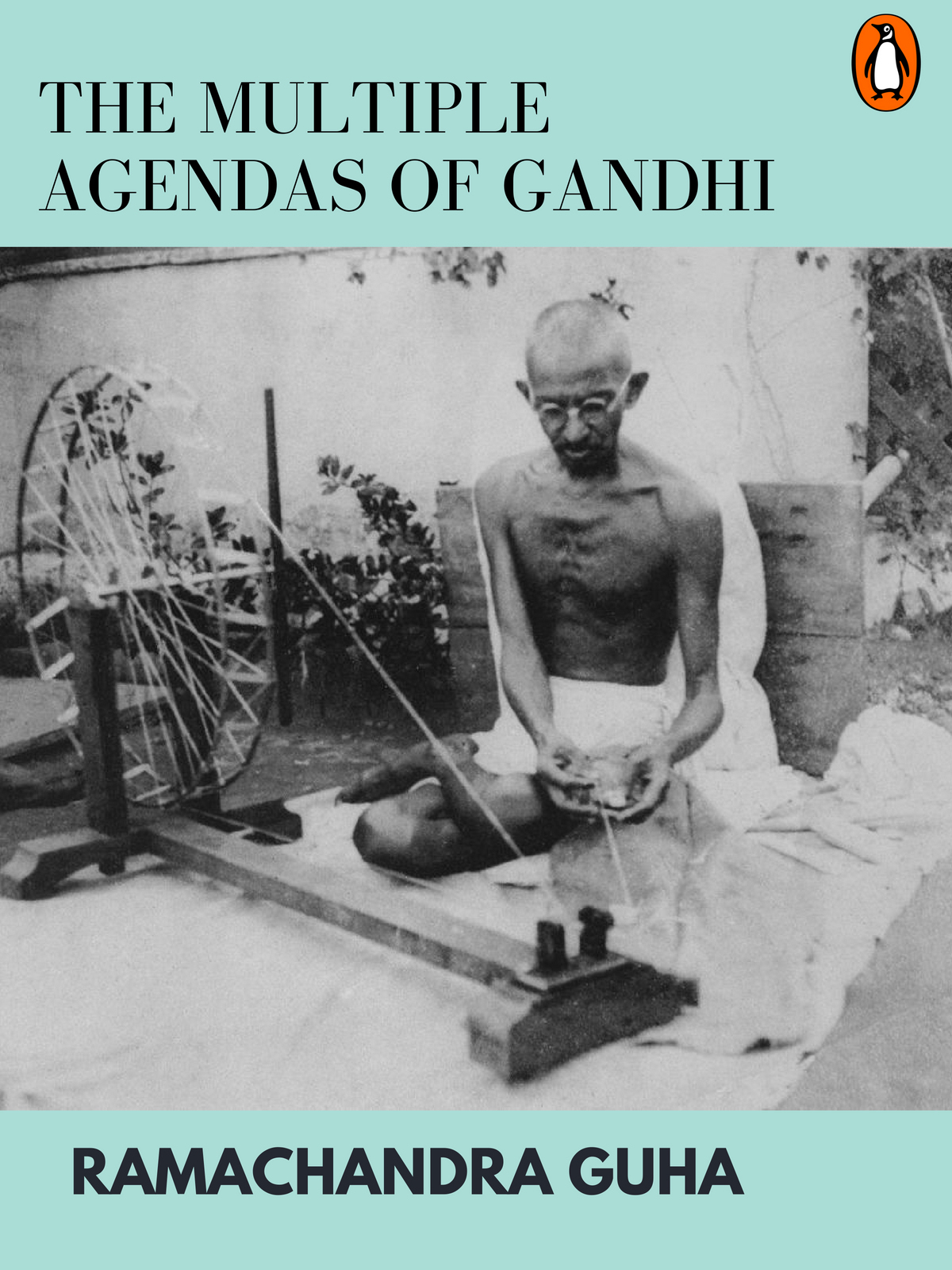
‘I am not anti-English; I am not anti-British; I am not anti-any government; but I am anti-untruth—anti-humbug and anti-injustice.’
Father of the Nation, Satyagrahi, the Crusader of Truth—no matter how much is written about Gandhi, there is always something new to learn about the man and his many ideas.
Within four years of his return to India from South Africa, Gandhi had become the most famous—as well as the most controversial—person in a subcontinent with a population of over 300 million. This only goes to prove the power of his ideas and the effect of his charisma.
In ‘The Multiple Agendas of Gandhi’, Ramachandra Guha looks at some of Gandhi’s most radical ideas and how he executed them so that they have remained in the psyche of this country to this day. Read on.
Tarabai Shinde
The gods themselves bring destruction on women, so is it any wonder you do the same?’
Now, more than ever, it has become imperative that we talk about women’s rights and work towards gender equality. The feminist movement, in fact, took roots in India nearly a century ago, as can be seen from the life and work of Tarabai Shinde.
Tarabai Shinde was obscure in her time, and remains so in ours. But her writing, if not her life, compels our serious attention. Extremely relevant and hard-hitting, her work is indeed one of the most powerful pieces of social criticism ever written by an Indian.
Read on, as Ramachandra Guha sheds light on the inspiring thoughts and writings of the activist in ‘Tarabai Shinde: The Subaltern Feminist’.
Bal Gangadhar Tilak
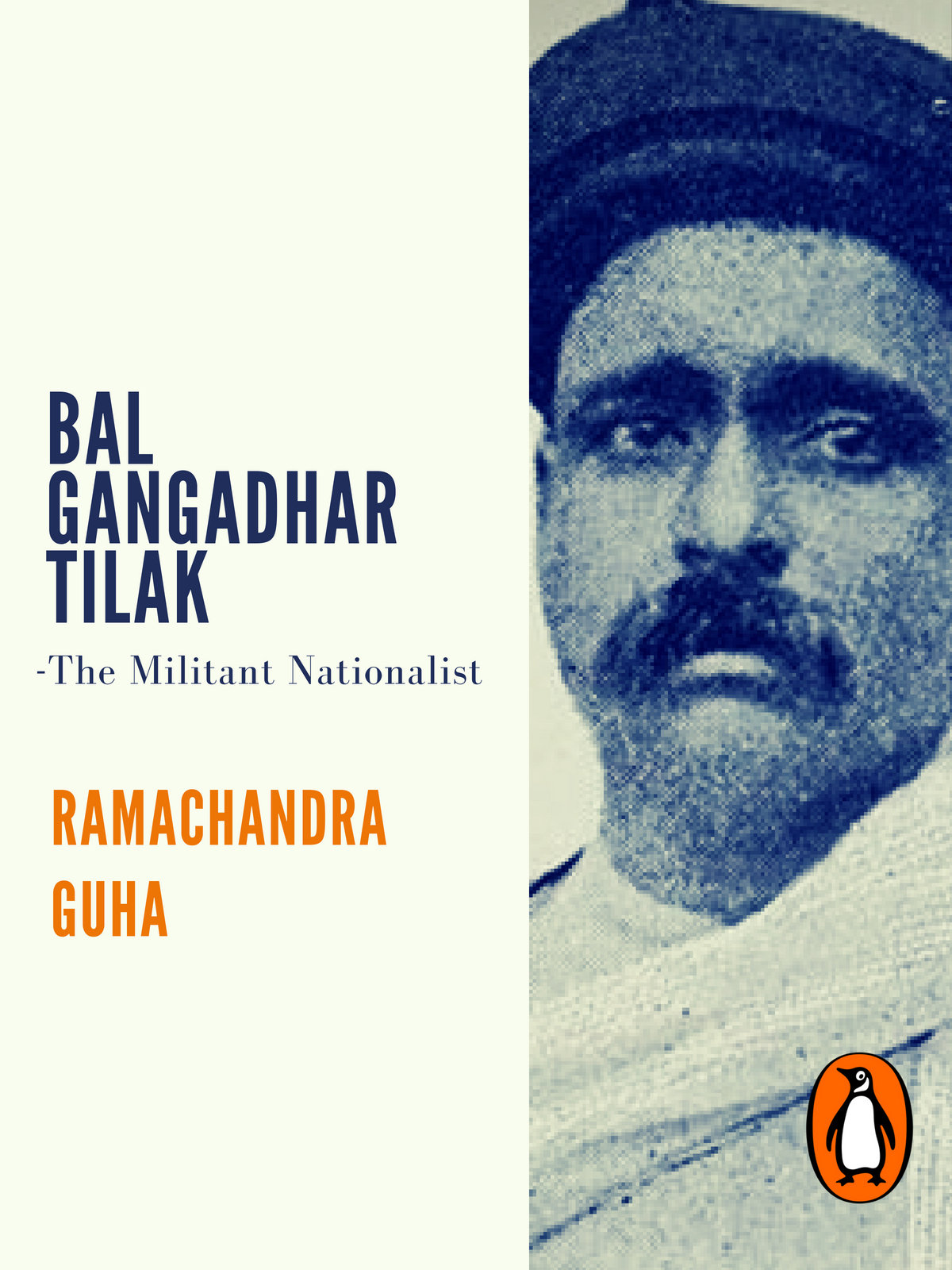
Action above thought’—this was Bal Gangadhar Tilak’s core philosophy and how he approached most things in life.
Tilak famously opined that by remaining under the rule of the British, India as a country was leading to its own decline and a general sense of emasculation. He urged the young men of the country to protest with everything they had got, and even go to prison if necessary. This meant hitting another nail in the coffin of the British Empire.
In ‘Bal Gangadhar Tilak: The Militant Nationalist’, Ramachandra Guha brings to us a hitherto unseen side of Tilak through the latter’s writings and actions. Read on.
Gopal Krishna Gokhale
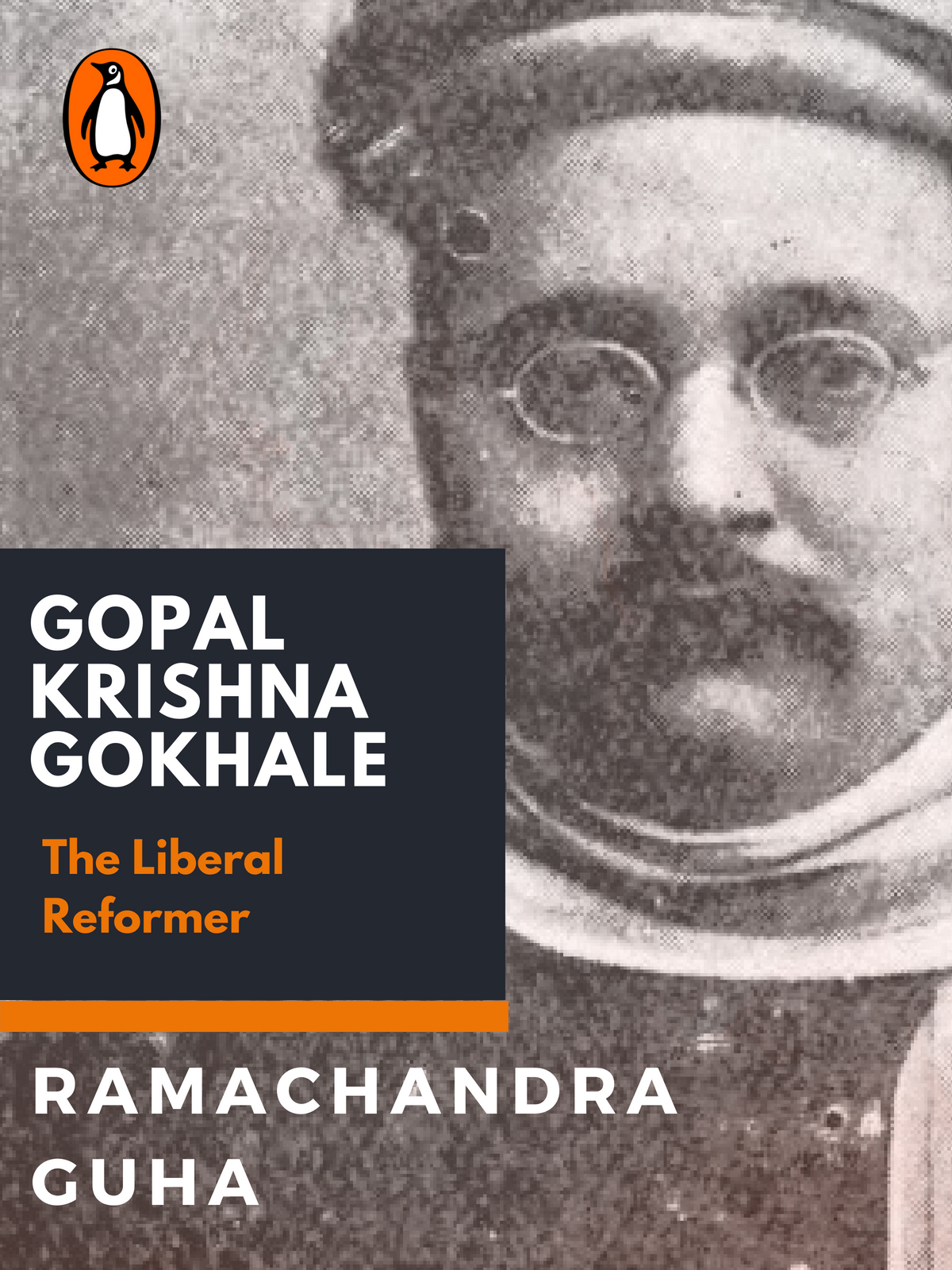
The striking thing about accounts of modern India is that the men and women who made its history also wrote most authoritatively about it.
Gopal Krishna Gokhale was truly the torchbearer of the ideas that became the foundation of modern India. According to him, shaking off the shackles of social and economic backwardness as well as political subjection was the most important aspect when it came to improving India.
In ‘Gopal Krishna Gokhale: The Liberal Reformer’, Ramachandra Guha tells us about the man who influenced thousands to join the fight for India’s struggle.
Jotirao Phule
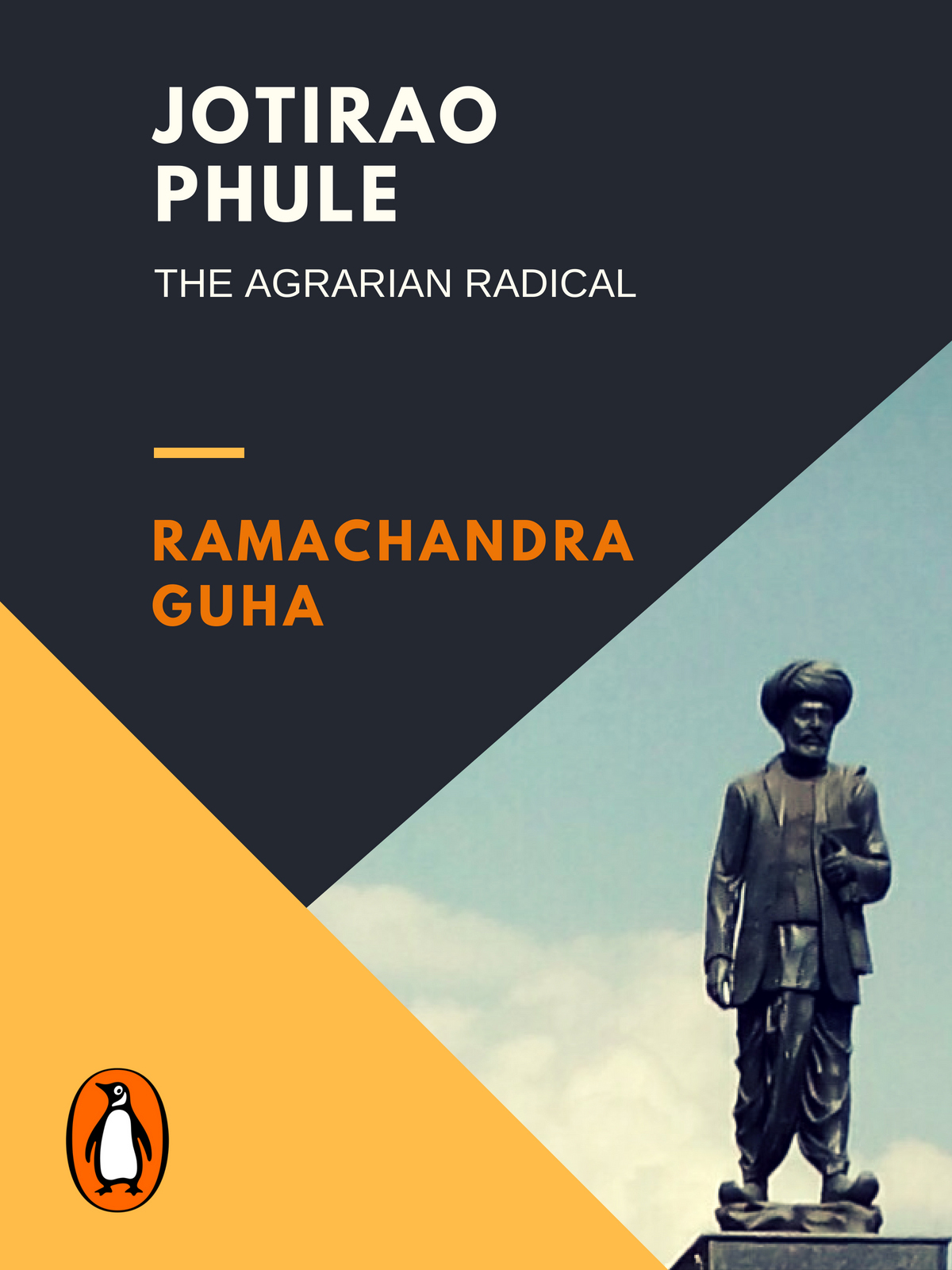
For all the talk these days about education for girls and women empowerment, what Jotirao Phule did for the country almost a century ago still remains unmatched.
From starting a school for lower-caste girls to promoting a rationalist outlook honed through education, Phule played a key role in the emancipation of people from the lower castes. His writing not only reflects his drive and determination but also his zeal to bring some real change and see India achieve her complete potential.
Read on as Ramachandra Guha introduces us to yet another radical who became a building block in the foundation of India’s freedom in ‘Jotirao Phule: The Agrarian Radical’.