



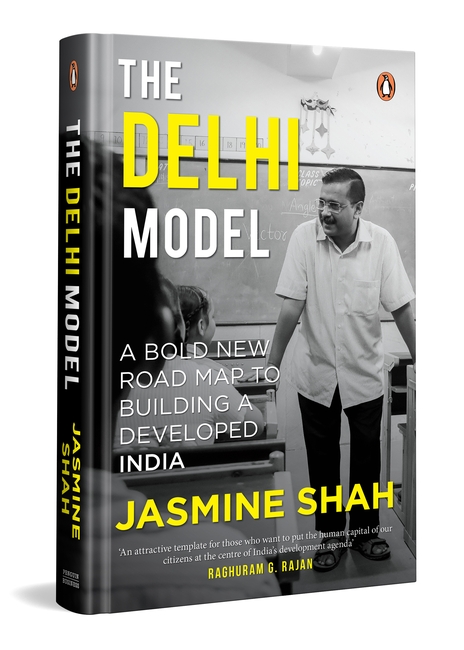
The Delhi Model, for the first time in independent India, brought the issue of transforming public education and healthcare from the margins to the centre of Indian politics. It prioritizes investments in human capital development and better service delivery for all citizens, while ensuring a social safety net for the most vulnerable. This book is the first such account of what the Delhi Model truly is, detailing its economic foundation and how it compares with other governance models in India, especially the Gujarat Model. Jasmine Shah, in this authoritative and research-backed account, unpacks the reforms undertaken by the AAP government in Delhi in six key sectors—education, health, air pollution, transport, electricity and water—and the outcomes they resulted in. Analysing the policies and reforms laid down in the past decade, Jasmine draws out an ambitious road map for building a developed India by leveraging principles of the Delhi Model.
Catagory: Politics
Thakurbadi/ठाकुरबाड़ी
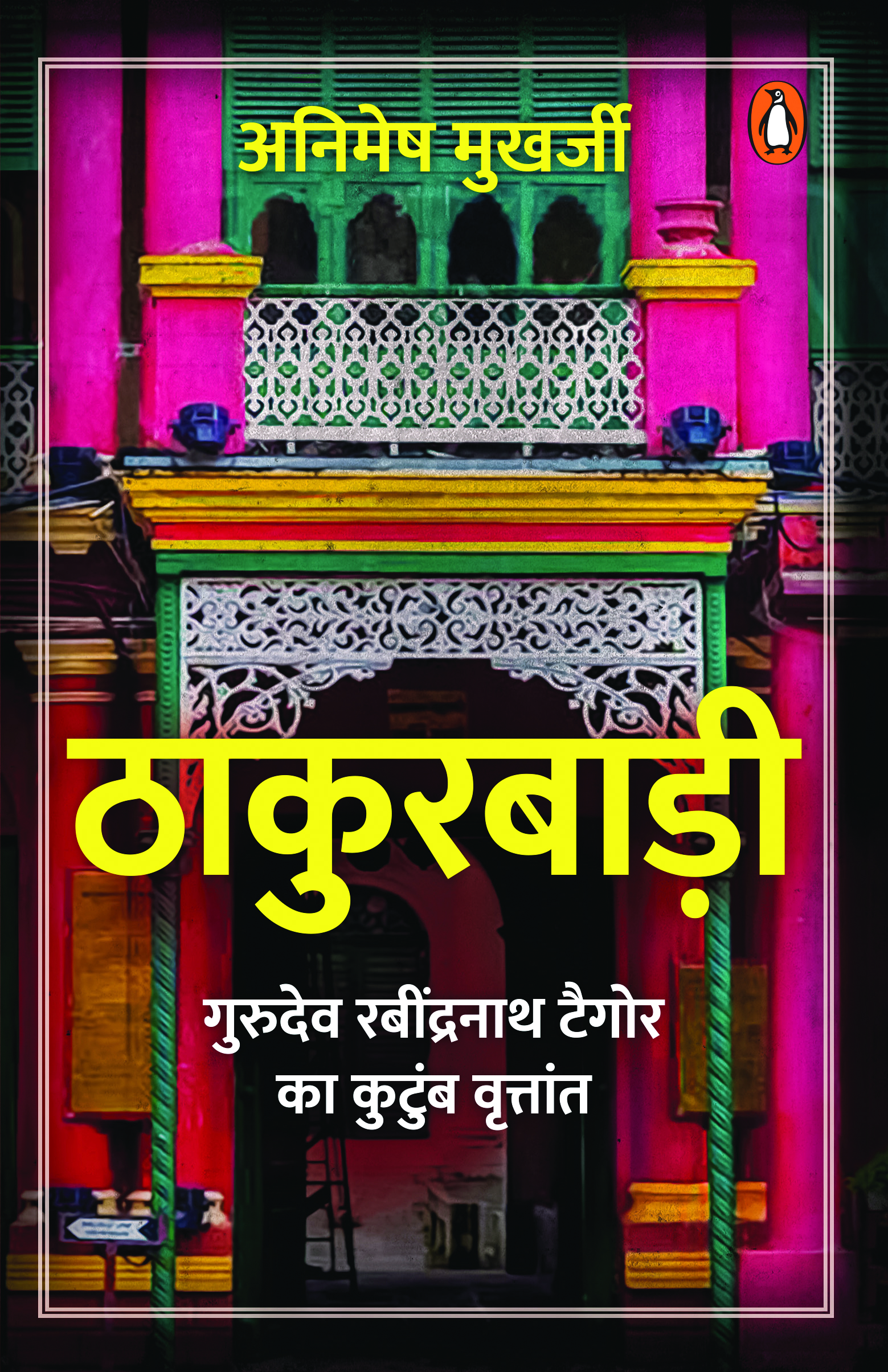
द्वारकानाथ टैगोर इतने बड़े ज़मींदार थे कि जब वे लंदन पहुँचे, तो महारानी विक्टोरिया ने उन्हें प्राइवेट डिनर पर बुलाया, इंग्लैंड का अगला प्रधानमंत्री उनका दोस्त बनना चाहता था। उन्हीं द्वारकानाथ को उनकी पत्नी ने ही घर में घुसने नहीं दिया और उनके पोते रबींद्रनाथ टैगोर ने तो अपने दादा के सारे दस्तावेज़ जलाकर ख़त्म कर दिए।
इसी तरह, जिस समय टैगोर और गांधी में वैचारिक युद्ध चरम पर था, उसी समय गुरुदेव की भांजी सरला देवी ने गांधी के लिए खादी से बनी साड़ियों की मॉडलिंग शुरू की, जबकि बापू अपनी पत्नी कस्तूरबा तक को खादी की साड़ियाँ पहनने के लिए नहीं मना पाए थे।
प्लासी का युद्ध हो या पृथ्वीराज कपूर को हिंदी सिनेमा में ब्रेक दिलवाना, औरतों का आधुनिक तरीके से साड़ी पहनना हो या बेझिझक बिकिनी पहनना, भारत के समाज को बदलने वाली तमाम घटनाओं में टैगोर परिवार किसी न किसी तरह से शामिल रहा है।
अनिमेष मुखर्जी की यह किताब देश के पहले नोबेल पुरस्कार विजेता रबींद्रनाथ टैगोर के कुटुंब को जोड़ते हुए इतिहास की कुछ ऐसी घटनाओं और कालजयी प्रेम कहानियों का दस्तावेज़ है, जहाँ क़िस्से हक़ीक़त से ज़्यादा दिलचस्प हैं।
Jawaharlal Hazir Ho/जवाहरलाल हाज़िर हो
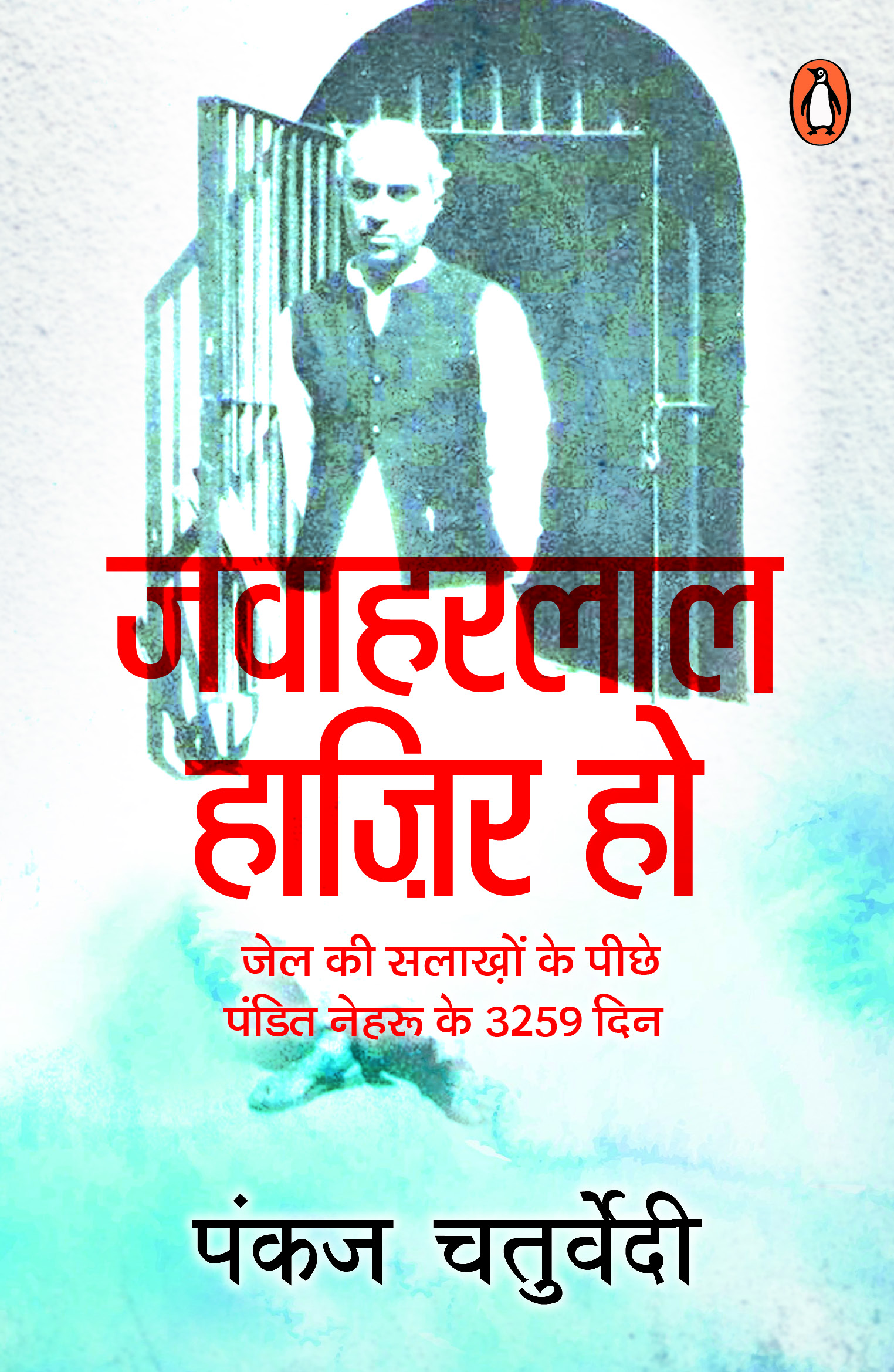
भारत के पहले प्रधानमंत्री जवाहरलाल नेहरू 1922 में पहली बार जेल जाने और 1945 में आखिरी बार रिहा होने के बीच कुल नौ बार जेल गए। सबसे कम 12 दिनों और सबसे अधिक 1,041 दिनों के लिए। वे कुल 3259 दिन यानी अपनी जीवन के सवा आठ साल जेल में रहे।
यह कहानी है उस दौर में देश के चुनिंदा रईस परिवार के इकलौते पुत्र और लंदन में रह कर विद्यालय से विधि तक की पढ़ाई कर लौटे एक युवा की । वह जब गांधीजी के संपर्क में आया तो शानो-शौकत की ज़िंदगी त्यागकर देश की आज़ादी के संकल्प को जीवन का लक्ष्य बना लिया। एक दौर ऐसा आया कि घर के सारे लोग जेल में और घर में केवल बच्चे थे।
आख़िर वे कौन से नौ अपराध थे, जिनके कारण ब्रितानी हुकूमत ने जवाहरलाल नेहरू को सजाएँ सुनाईं और जेल में बंद रखा? क्या जेल जीवन उतना सरल था? वास्तव में यह कहानी है कि किस तरह नेहरू ने सन् 1915 से 1947 तक लगातार संघर्ष में जेल और अदालत को अपनी बात कहने का माध्यम बनाया।
हमारी आज़ाादी की यात्रा, कारावास और कानून के सँकरे गलियारों से होते हुए हमारे संविधान तक पहुँची। यह महज अदालती कार्यवाही का दस्तावेज नहीं हैं , जवाहरलाल नेहरू के जेल के आने और जाने के दौरान घटित हो रही महत्त्वपूर्ण घटनाओं और स्वतंत्रता संग्राम के अनगिनत–अनाम सैनानियों की गाथा है।
Vishwa Shastra
In Vishwa Shastra, Dhruva Jaishankar provides a comprehensive overview of India’s interactions with the world—from ancient times to the present day. He describes a long tradition of Indian statecraft and strategic thinking on international affairs, charts early India’s relations with a vast geography from the Mediterranean and Africa to Southeast and Northeast Asia, and captures the costs and consequences of European colonialism. Jaishankar also describes India’s territorial, economic and governance challenges upon Independence and the origins of India’s rivalries with Pakistan and China.
Speaking to a wide audience that includes policymakers, scholars and especially students, Vishwa Shastra offers both rich historical context and forward-looking strategies for India. Highlighting India’s transition from Cold War non-alignment to post-Cold War realignment, Jaishankar outlines India’s strategic objectives: bolstering national power, securing the neighbourhood, maintaining a balance of power in the Indo-Pacific, and leading at international institutions.
Balanced, comprehensive and rigorous, Vishwa Shastra goes beyond shedding light on how India can maneuver in a challenging geopolitical landscape and advance its interests in an interconnected world: it gives us a clear-eyed perspective on how India might actually define the emerging world order.
Hind Swaraj
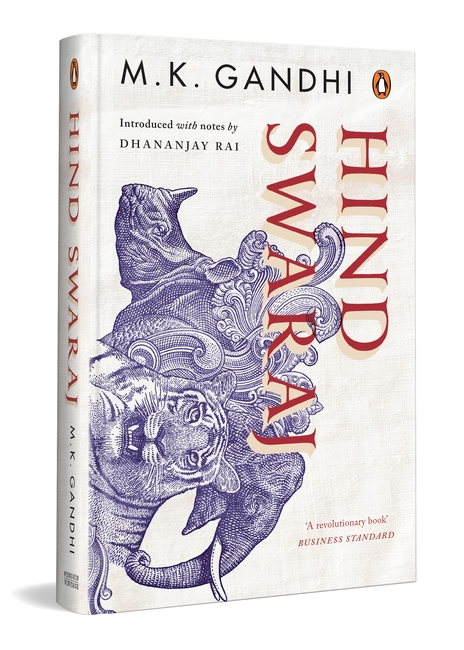
Hind Swaraj is one of the most significant works of Mahatma Gandhi, which he penned during his return from England to South Africa in November 1909. Banned by the oppressive British Empire in 1910, this book is a clarion call for Indians to realize the criticality of unshackling from the bondage of imperialism. It encouraged Indians to take pride in its all-encompassing cultural and civilizational heritage. Making Satyagraha a vantage point to understand Gandhi’s life philosophy and works, this volume champions the ideas of non-violent resistance, freedom and interdependence for Swaraj. How can a state, its government, institutions and citizens create an ideal ecosystem of mutual relationships based on trust, non-violence and respect for growth and development?
A must-read for policymakers, history enthusiasts, students and scholars of Gandhian studies, sociology and politics, it is one of the most compelling works to understand Gandhi’s vision for a self-reliant India.
The Communist Manifesto (Hindi) / द कम्युनिस्ट मैनिफ़ेस्टो
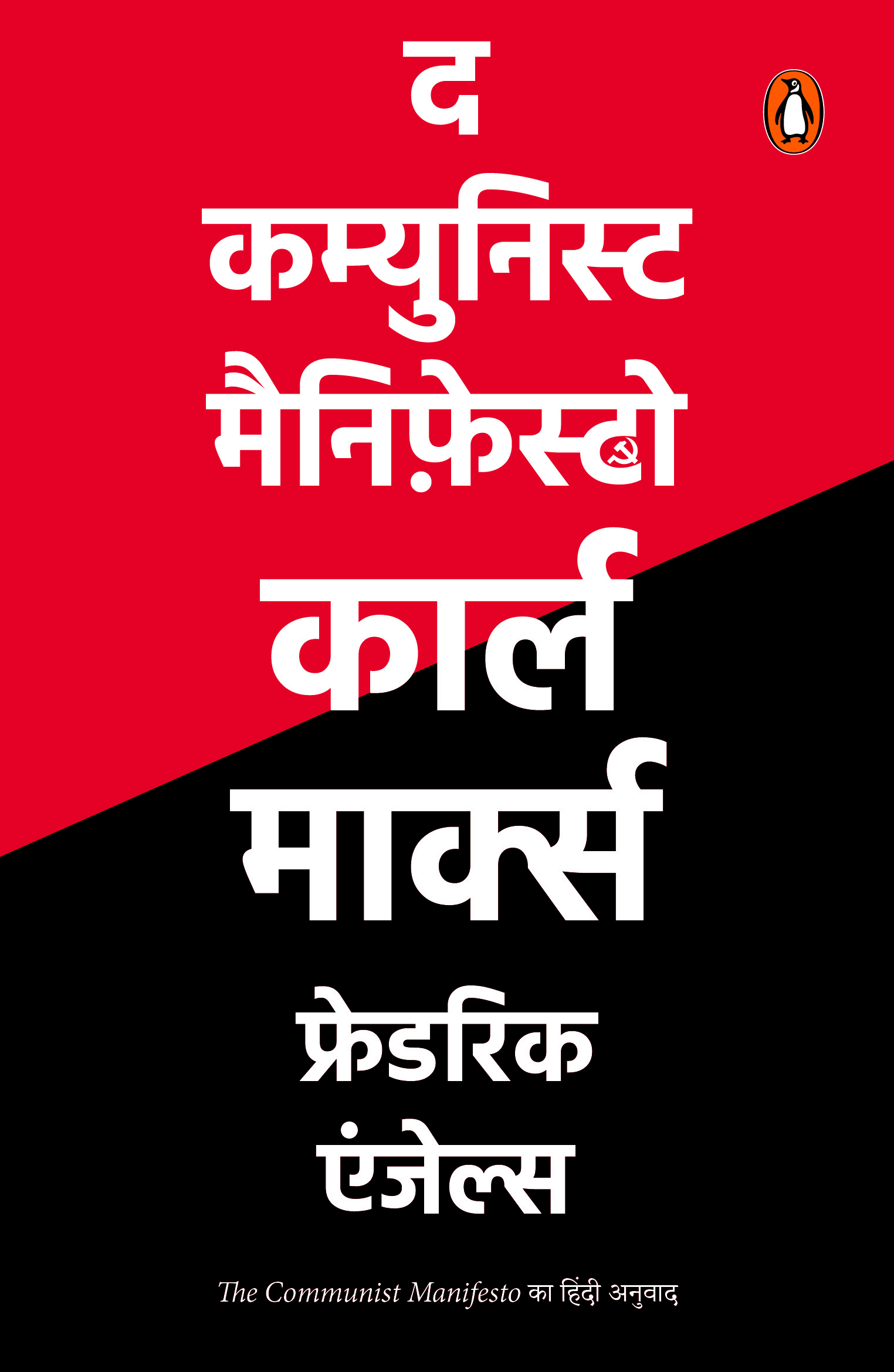
द कम्युनिस्ट मैनिफ़ेस्टो कार्ल मार्क्स और फ्रेडरिक एंजेल्स द्वारा लिखी गई एक ऐतिहासिक पुस्तक है, जो 1848 में प्रकाशित हुई थी। यह पुस्तक पूँजीवाद की आलोचना और मज़दूर वर्ग की एकजुटता का आह्वान करती है। इसमें समाज के शोषक और शोषित वर्गों के बीच के संघर्ष को उजागर किया गया है। यह पुस्तक समानता, न्याय और वर्गहीन समाज के निर्माण की दिशा में मार्गदर्शन करती है।
Negotiating India’s Landmark Agreements
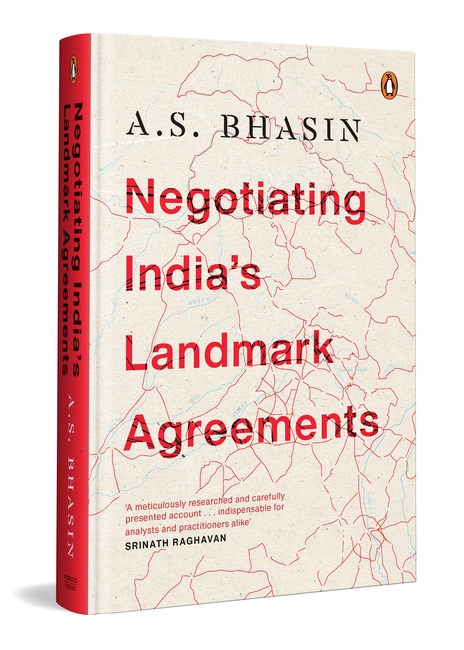
Negotiating India’s Landmark Agreements is a rigorous examination of the historical significance and diplomatic intricacies of five pivotal agreements signed by India since Independence. It walks readers through the India–China Agreement on Tibet (1954), the Indo–Soviet Treaty of Peace, Friendship and Cooperation (1971), the Simla Agreement (1972), the India–Sri Lanka Accord (1987), and the India–United States Civil Nuclear Energy Agreement (2008).
By dissecting the prevailing political, economic, and social dimensions that underpinned these accords, it provides readers a profound understanding of the long-term impact of these crucial negotiations and documents often ignored in other histories. Through meticulous research and in-depth analysis, author AS Bhasin narrates the gripping story of how these treaties shaped India’s international relations and contributed to the broader contours of global diplomacy. His book not only illuminates India’s evolving role on the world stage but also offers a novel perspective on the complexities of international affairs and statecraft.
Negotiating India’s Landmark Agreements is an indispensable guide to deciphering the strategic decisions that have defined Indian foreign policy, while also serving as a valuable resource for academics, researchers, and practitioners in the field of international relations. It is a critical addition to the study of diplomacy, offering insights that are both compelling and essential for a deeper comprehension of global affairs.
The Bose Deception
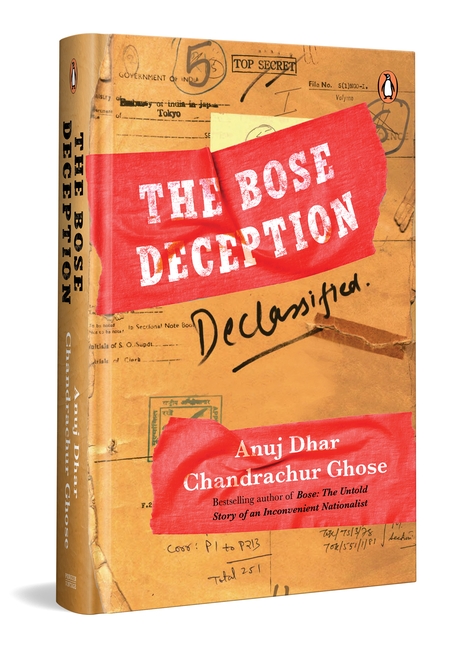
What exactly is this controversy about Netaji’s ‘disappearance’?
Efforts by the authors led to the declassification of more than 1,300 secret files on Bose.
Does new material offer new evidence on Bose’s reported death in 1945?
The Bose Deception: Declassified opens a window to this and much more.
In January 2016, the Government of India began declassifying classified PMO, MEA, MHA and Cabinet Secretariat files related to the mysterious ‘disappearance’ of Subhas Chandra Bose at the end of the Second World War. No one could have imagined that even seventy years after Bose’s disappearance, the government had been holding hundreds of files related to him in utmost secrecy.
The official view that Bose died in a plane crash in Taiwan never found public acceptance, leading to multiple inquiries. Claims, counter-claims and conspiracy theories continued to complicate the mystery for nearly seventy-five years, primarily because of keeping information hidden from public view.
In this fascinating investigative work, Dhar and Ghose have rummaged through more than two thousand files declassified in India, and in the UK, USA and Taiwan to unentangle the complex web of a deception plan, that has kept the whole country on tenterhooks for decades. They unravel the plot layer by layer to tell a story that is bound to shock the readers.
A People’s Constitution: The Everyday Life of Law in the Indian Republic
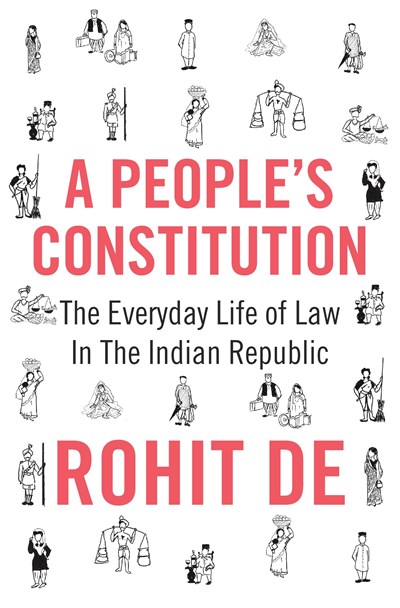
It has long been contended that the Indian Constitution of 1950, a document in English created by elite consensus, has had little influence on India’s greater population. Drawing upon the previously unexplored records of the Supreme Court of India, A People’s Constitution upends this narrative and shows how the Constitution actually transformed the daily lives of citizens in profound and lasting ways. This remarkable legal process was led by individuals on the margins of society, and Rohit De looks at how drinkers, smugglers, petty vendors, butchers, and prostitutes—all despised minorities—shaped the constitutional culture.
The Constitution came alive in the popular imagination so much that ordinary people attributed meaning to its existence, took recourse to it, and argued with it. Focusing on the use of constitutional remedies by citizens against new state regulations seeking to reshape the society and economy, De illustrates how laws and policies were frequently undone or renegotiated from below using the state’s own procedures. De examines four important cases that set legal precedents: a Parsi journalist’s contestation of new alcohol prohibition laws, Marwari petty traders’ challenge to the system of commodity control, Muslim butchers’ petition against cow protection laws, and sex workers’ battle to protect their right to practice prostitution.
Exploring how the Indian Constitution of 1950 enfranchised the largest population in the world, A People’s Constitution considers the ways that ordinary citizens produced, through litigation, alternative ethical models of citizenship.
India on the Move
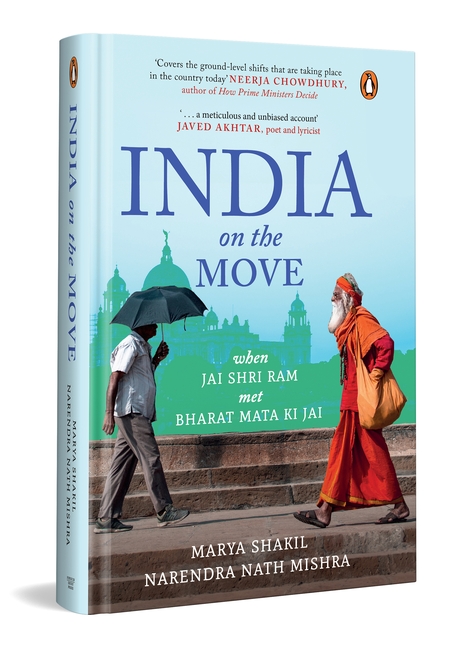
Things start to heat up in the national capital when protests erupt in the campus of JNU against the protestors of the judicial hanging of Afsal Guru and Maqbool Bhat. Very soon the students would go from being research scholars to ‘jihadis’, ‘violent communists’ and ‘anti-nationals’ resulting in the larger questions of a true nationalist.
Slogans like Bharat mata ki jai and Jai Shri Ram, which were traditionally used to express reverence to the nation and a salutation to Lord Rama respectively, have been appropriated as political slogans. Whilst until now, Bharat Mata ki Jai and Jai Shree Ram ran parallel in the country’s political discourse, today they lead the same way. On one hand, there are those who view patriotism and nationalism as synonymous with blind obedience and conformity. On the other, those who believe in a more inclusive and diverse India, where dissent and criticism are essential components of a thriving and functioning democracy. This book attempts to view events following the JNU event, the farmers’ protest, Balakot strikes and the subsequent unravelling of deep fissures within us.