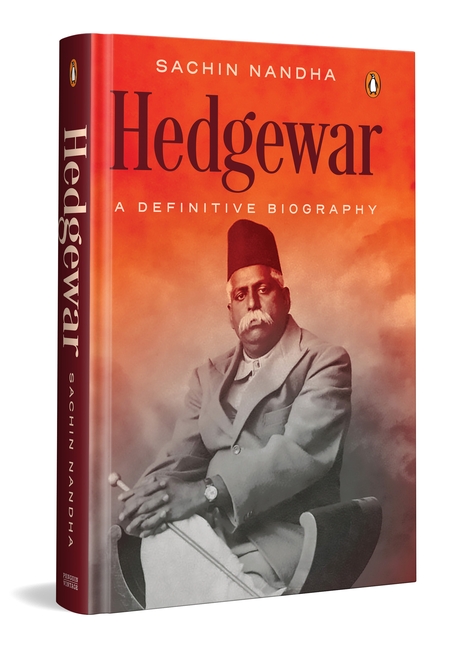
Hedgewar chronicles the untold story of the enigmatic founder of the Rashtriya Swayamsevak Sangh (RSS), whose vision for India’s cultural revival continues to shape the nation’s socio-political landscape. Through meticulous research and vivid storytelling, this biography traces Hedgewar’s journey from an orphaned child in colonial India to the mastermind behind one of the world’s most secretive organizations.
Set against the backdrop of a country grappling with colonial rule, rising communal tensions, and the complexities of modernity, this book opens a window to Hedgewar’s philosophy of cultural nationalism, his challenges with contemporaries like Gandhi, Nehru and Savarkar, and his transformative leadership. It explores his inner struggles to make sense of his own critique of Hindu society.
More than a biography, this work is a window into the labyrinth of India’s civilizational ethos, offering a nuanced perspective on the RSS’s origins and its impact on India today. Hedgewar: A Definitive Biography is a must-read for those seeking to understand modern India’s complexities through the life of one controversial, yet extraordinary man.

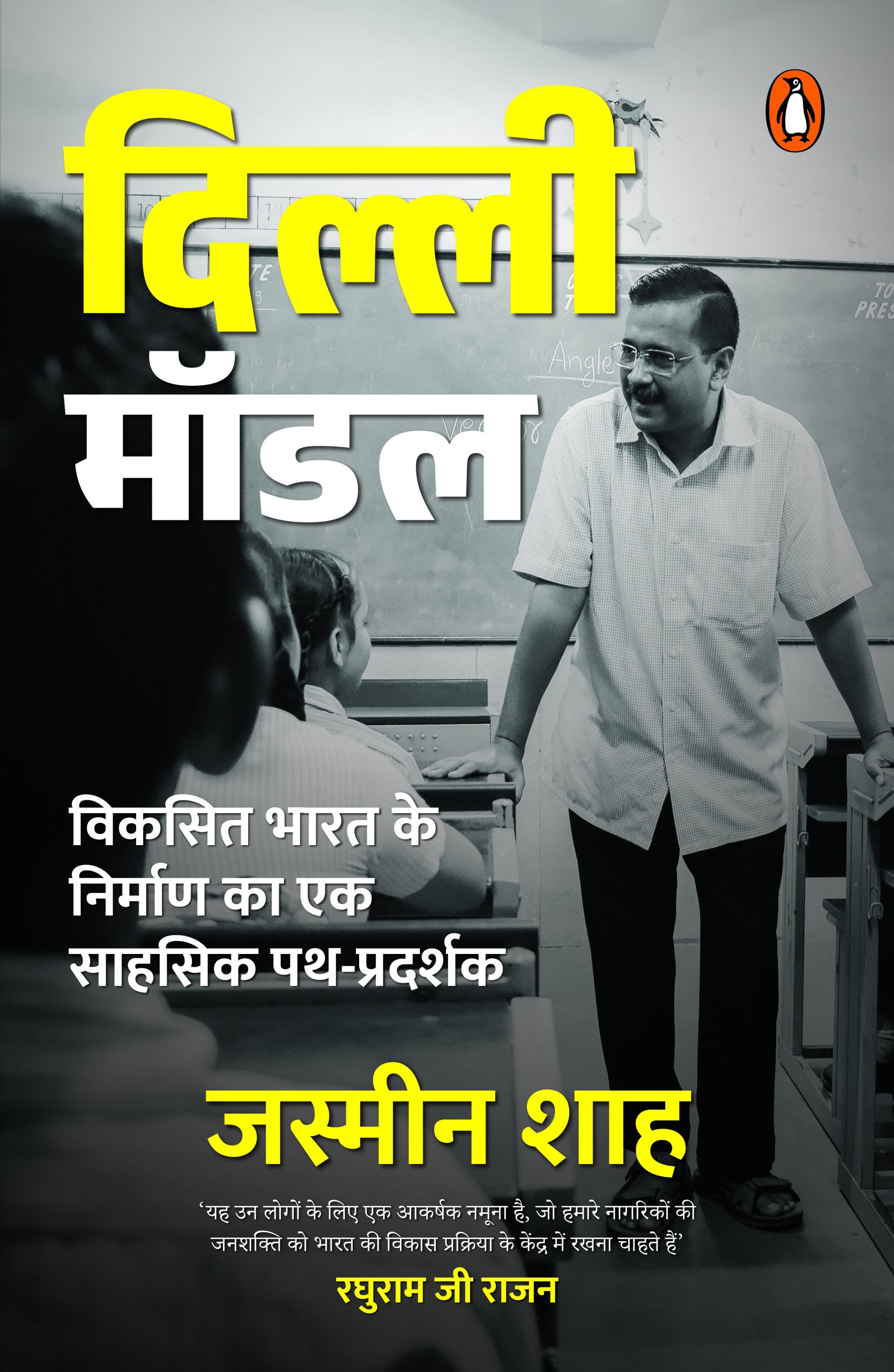
दिल्ली मॉडल ने स्वतंत्र भारत में पहली बार सार्वजनिक शिक्षा और स्वास्थ्य सेवा में बदलाव के मुद्दे को हाशिये से निकालकर भारतीय राजनीति के केंद्र में ला दिया। यह मानव पूँजी विकास में निवेश और सभी नागरिकों के लिए बेहतर सेवा वितरण को प्राथमिकता देता है, जबकि सबसे कमज़ोर लोगों के लिए एक सामाजिक सुरक्षा जाल सुनिश्चित करता है। यह पुस्तक दिल्ली मॉडल के वास्तविक स्वरूप के बारे में पहली ऐसी पुस्तक है, जिसमें इसके आर्थिक आधार और भारत में अन्य शासन मॉडलों, विशेष रूप से गुजरात मॉडल के साथ इसकी तुलना के बारे में विस्तार से बताया गया है। जस्मीन शाह ने इस प्रामाणिक और शोध-समर्थित पुस्तक में दिल्ली में आम आदमी पार्टी सरकार द्वारा छह प्रमुख क्षेत्रों—शिक्षा, स्वास्थ्य, वायु प्रदूषण, परिवहन, बिजली और पानी में किए गए सुधारों और उनके परिणामों का खुलासा किया है। पिछले दशक में निर्धारित नीतियों और सुधारों का विश्लेषण करते हुए, जैस्मीन ने दिल्ली मॉडल के सिद्धांतों का लाभ उठाकर एक विकसित भारत के निर्माण के लिए एक महत्त्वाकांक्षी रोड मैप तैयार किया है।

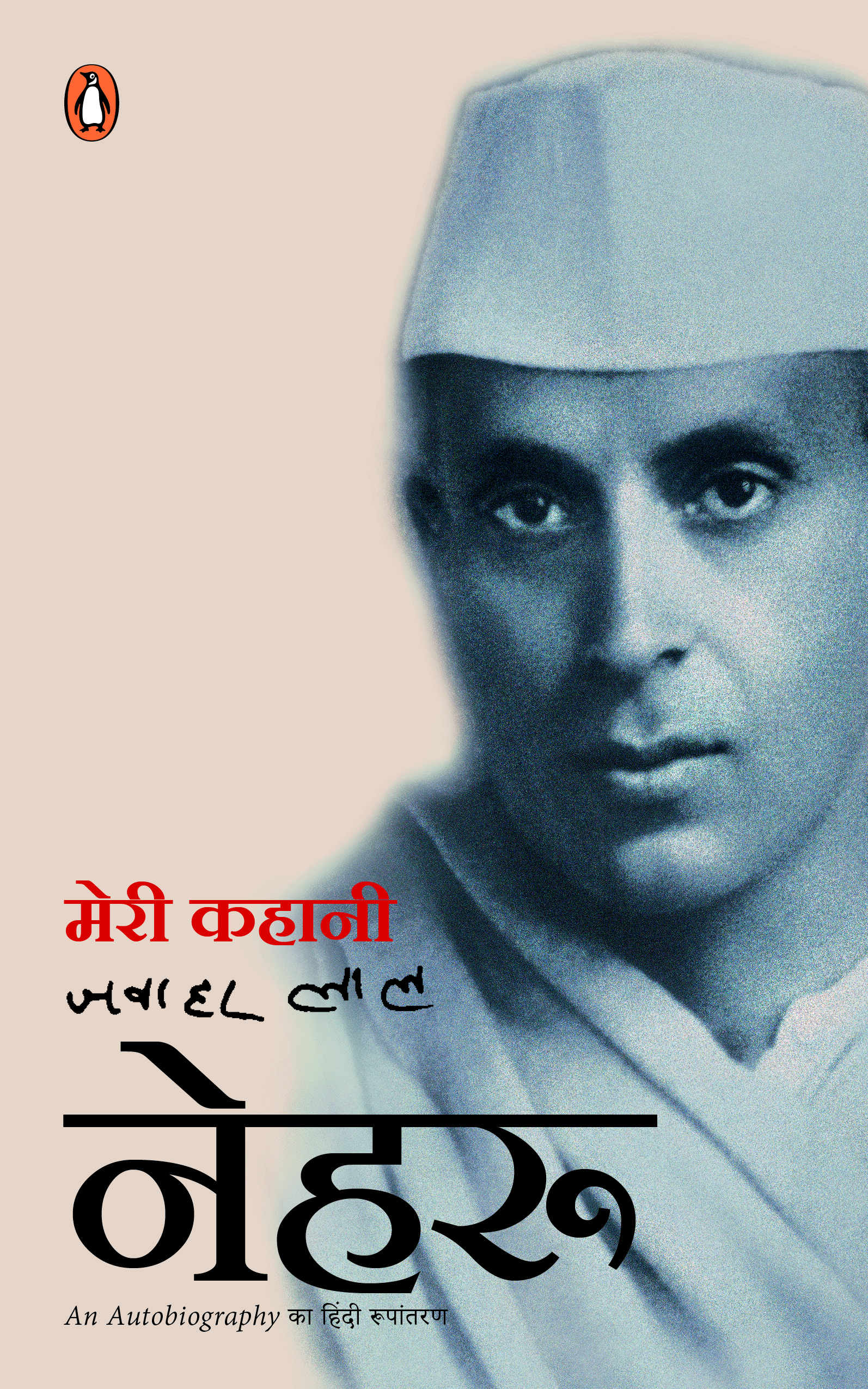
पंडित जवाहरलाल नेहरू ने एन ऑटोबायोग्राफ़ी नाम से अंग्रेजी में अपनी आत्मकथा लिखी थी, यह उसी पुस्तक का सरल, संक्षिप्त और सुसंपादित हिंदी रूपांतरण है। जवाहरलाल नेहरू ने इसे 1934 और 1935 के बीच जेल में रहते हुए लिखा था और 1936 में इसका प्रथम बार प्रकाशन हुआ। लेकिन जन-जन तक पहुँचाने के लिए जब हिन्द पॉकेट बुक्स ने इसे 1983 में अत्यंत सरल भाषा में प्रकाशित किया, तो इस पुस्तक ने बिक्री के सारे रिकॉर्ड ध्वस्त कर दिए थे।
जवाहरलाल नेहरू एक महान व्यक्तित्व थे और उन्होंने कई प्रेरणादायक और ज्ञानवर्धक पुस्तकें लिखी हैं, लेकिन मेरी कहानी के माध्यम से उन्होंने न केवल अपने परिवार या अपनी संघर्ष गाथा का वर्णन किया है, वरन अपनी आँखों के सामने बनते जा रहे भारत के नए इतिहास को जिस रोचक तरीके से उन्होंने इस पुस्तक में लिखा है, वह नि:संदेह नेहरू जी को एक महान इतिहासकार सिद्ध करने के लिए पर्याप्त है।
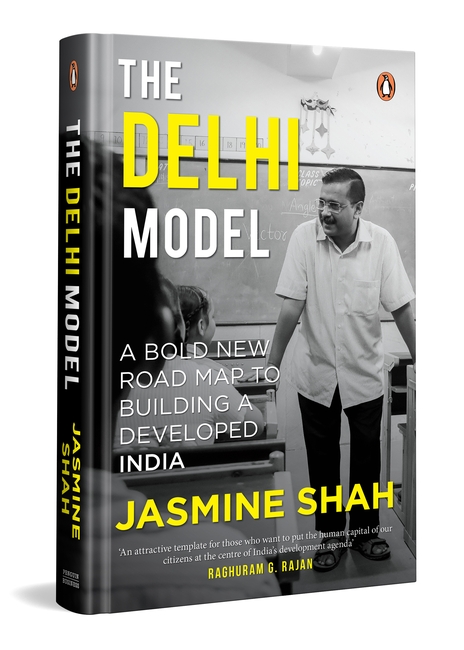
The Delhi Model, for the first time in independent India, brought the issue of transforming public education and healthcare from the margins to the centre of Indian politics. It prioritizes investments in human capital development and better service delivery for all citizens, while ensuring a social safety net for the most vulnerable. This book is the first such account of what the Delhi Model truly is, detailing its economic foundation and how it compares with other governance models in India, especially the Gujarat Model. Jasmine Shah, in this authoritative and research-backed account, unpacks the reforms undertaken by the AAP government in Delhi in six key sectors—education, health, air pollution, transport, electricity and water—and the outcomes they resulted in. Analysing the policies and reforms laid down in the past decade, Jasmine draws out an ambitious road map for building a developed India by leveraging principles of the Delhi Model.

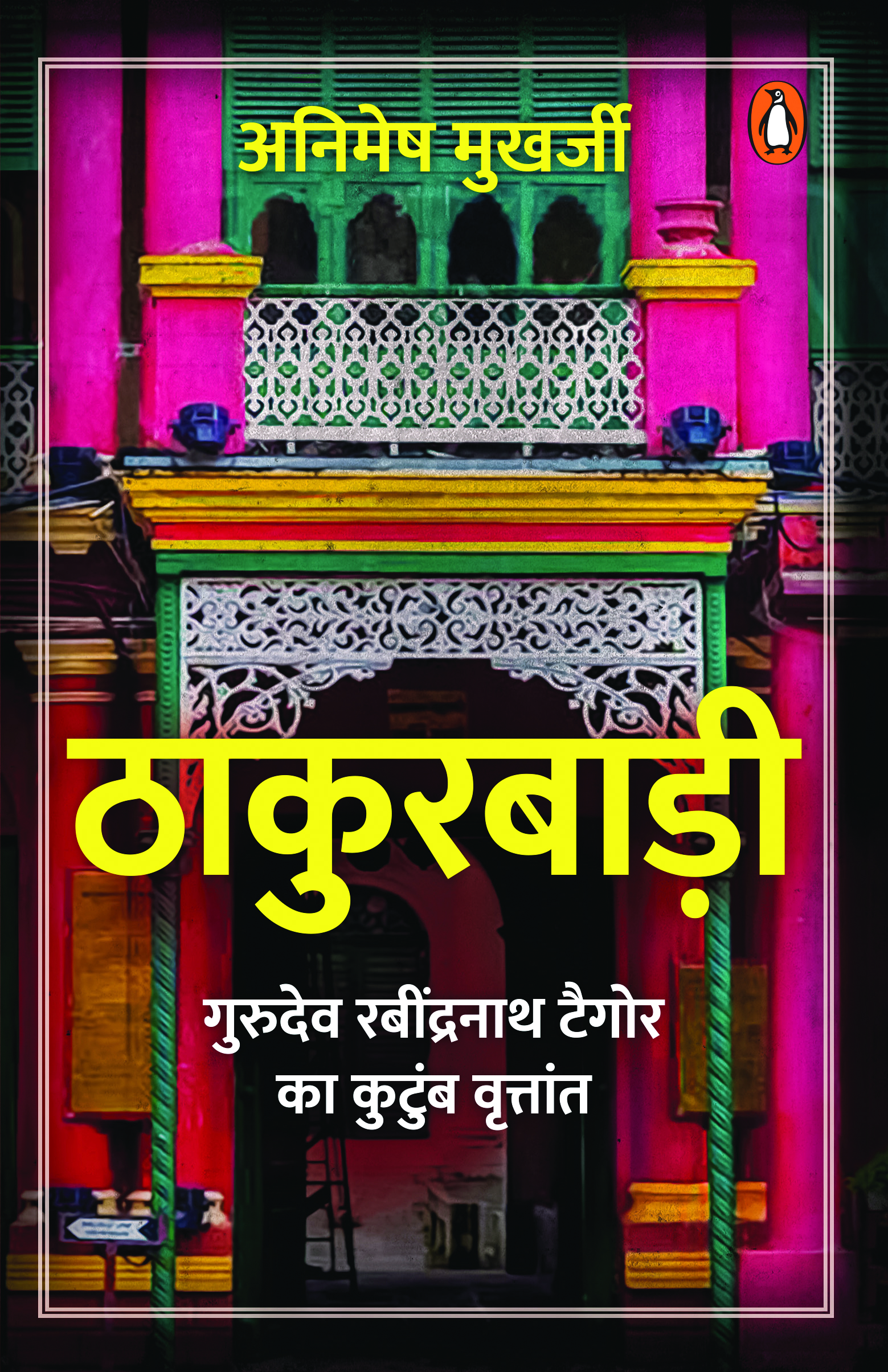
द्वारकानाथ टैगोर इतने बड़े ज़मींदार थे कि जब वे लंदन पहुँचे, तो महारानी विक्टोरिया ने उन्हें प्राइवेट डिनर पर बुलाया, इंग्लैंड का अगला प्रधानमंत्री उनका दोस्त बनना चाहता था। उन्हीं द्वारकानाथ को उनकी पत्नी ने ही घर में घुसने नहीं दिया और उनके पोते रबींद्रनाथ टैगोर ने तो अपने दादा के सारे दस्तावेज़ जलाकर ख़त्म कर दिए।
इसी तरह, जिस समय टैगोर और गांधी में वैचारिक युद्ध चरम पर था, उसी समय गुरुदेव की भांजी सरला देवी ने गांधी के लिए खादी से बनी साड़ियों की मॉडलिंग शुरू की, जबकि बापू अपनी पत्नी कस्तूरबा तक को खादी की साड़ियाँ पहनने के लिए नहीं मना पाए थे।
प्लासी का युद्ध हो या पृथ्वीराज कपूर को हिंदी सिनेमा में ब्रेक दिलवाना, औरतों का आधुनिक तरीके से साड़ी पहनना हो या बेझिझक बिकिनी पहनना, भारत के समाज को बदलने वाली तमाम घटनाओं में टैगोर परिवार किसी न किसी तरह से शामिल रहा है।
अनिमेष मुखर्जी की यह किताब देश के पहले नोबेल पुरस्कार विजेता रबींद्रनाथ टैगोर के कुटुंब को जोड़ते हुए इतिहास की कुछ ऐसी घटनाओं और कालजयी प्रेम कहानियों का दस्तावेज़ है, जहाँ क़िस्से हक़ीक़त से ज़्यादा दिलचस्प हैं।

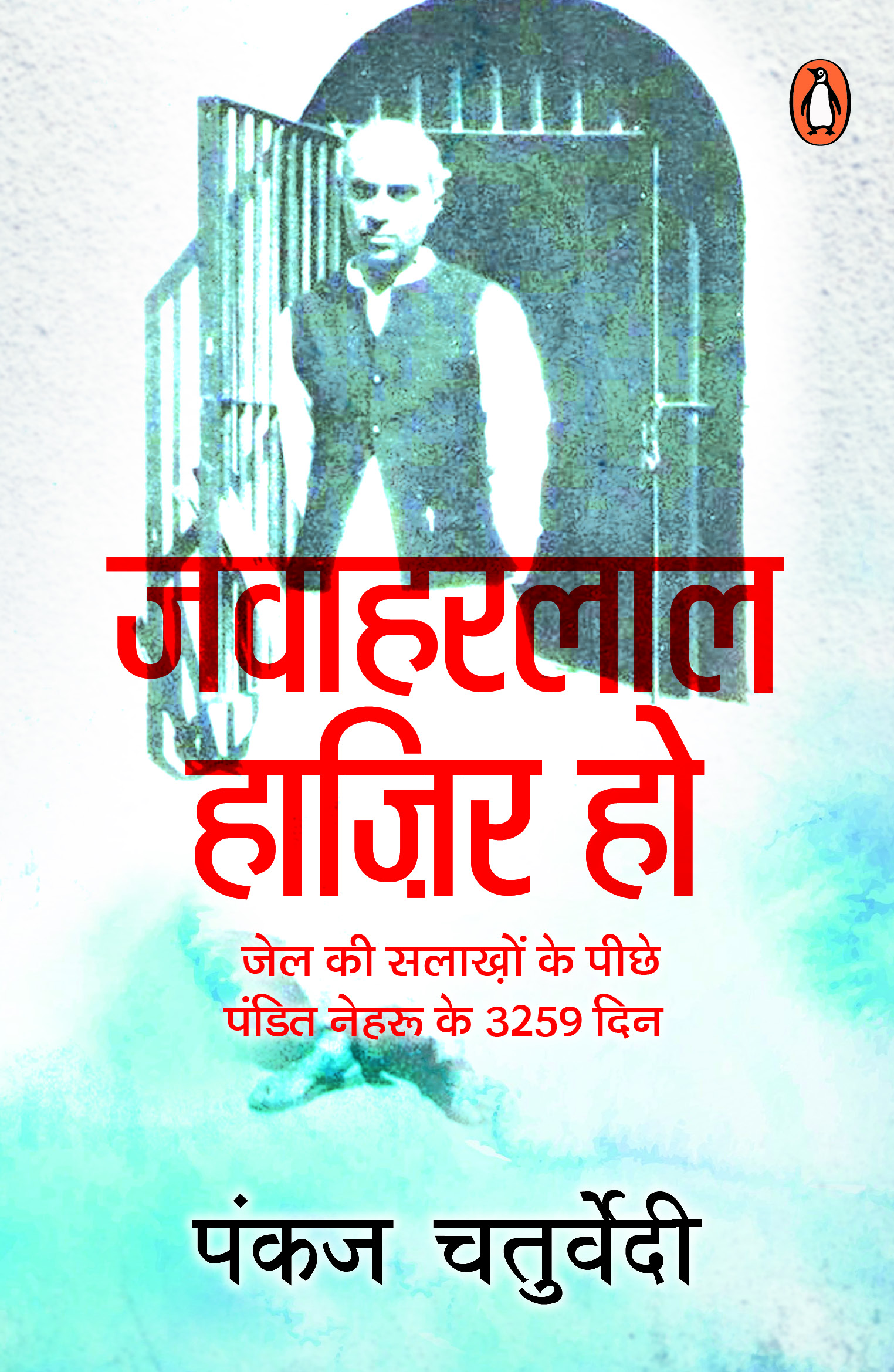
भारत के पहले प्रधानमंत्री जवाहरलाल नेहरू 1922 में पहली बार जेल जाने और 1945 में आखिरी बार रिहा होने के बीच कुल नौ बार जेल गए। सबसे कम 12 दिनों और सबसे अधिक 1,041 दिनों के लिए। वे कुल 3259 दिन यानी अपनी जीवन के सवा आठ साल जेल में रहे।
यह कहानी है उस दौर में देश के चुनिंदा रईस परिवार के इकलौते पुत्र और लंदन में रह कर विद्यालय से विधि तक की पढ़ाई कर लौटे एक युवा की । वह जब गांधीजी के संपर्क में आया तो शानो-शौकत की ज़िंदगी त्यागकर देश की आज़ादी के संकल्प को जीवन का लक्ष्य बना लिया। एक दौर ऐसा आया कि घर के सारे लोग जेल में और घर में केवल बच्चे थे।
आख़िर वे कौन से नौ अपराध थे, जिनके कारण ब्रितानी हुकूमत ने जवाहरलाल नेहरू को सजाएँ सुनाईं और जेल में बंद रखा? क्या जेल जीवन उतना सरल था? वास्तव में यह कहानी है कि किस तरह नेहरू ने सन् 1915 से 1947 तक लगातार संघर्ष में जेल और अदालत को अपनी बात कहने का माध्यम बनाया।
हमारी आज़ाादी की यात्रा, कारावास और कानून के सँकरे गलियारों से होते हुए हमारे संविधान तक पहुँची। यह महज अदालती कार्यवाही का दस्तावेज नहीं हैं , जवाहरलाल नेहरू के जेल के आने और जाने के दौरान घटित हो रही महत्त्वपूर्ण घटनाओं और स्वतंत्रता संग्राम के अनगिनत–अनाम सैनानियों की गाथा है।

In Vishwa Shastra, Dhruva Jaishankar provides a comprehensive overview of India’s interactions with the world—from ancient times to the present day. He describes a long tradition of Indian statecraft and strategic thinking on international affairs, charts early India’s relations with a vast geography from the Mediterranean and Africa to Southeast and Northeast Asia, and captures the costs and consequences of European colonialism. Jaishankar also describes India’s territorial, economic and governance challenges upon Independence and the origins of India’s rivalries with Pakistan and China.
Speaking to a wide audience that includes policymakers, scholars and especially students, Vishwa Shastra offers both rich historical context and forward-looking strategies for India. Highlighting India’s transition from Cold War non-alignment to post-Cold War realignment, Jaishankar outlines India’s strategic objectives: bolstering national power, securing the neighbourhood, maintaining a balance of power in the Indo-Pacific, and leading at international institutions.
Balanced, comprehensive and rigorous, Vishwa Shastra goes beyond shedding light on how India can maneuver in a challenging geopolitical landscape and advance its interests in an interconnected world: it gives us a clear-eyed perspective on how India might actually define the emerging world order.
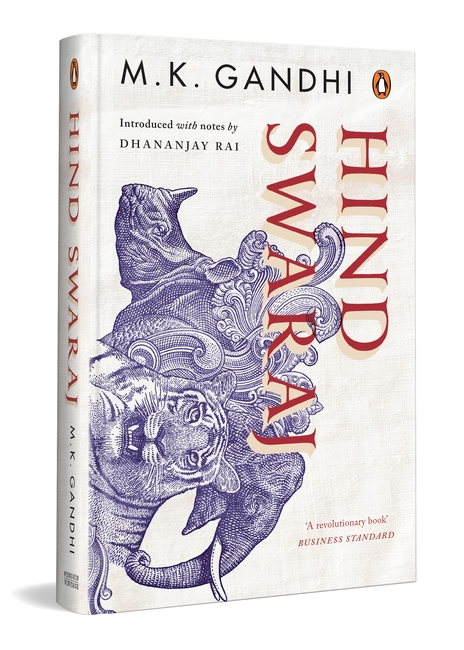
Hind Swaraj is one of the most significant works of Mahatma Gandhi, which he penned during his return from England to South Africa in November 1909. Banned by the oppressive British Empire in 1910, this book is a clarion call for Indians to realize the criticality of unshackling from the bondage of imperialism. It encouraged Indians to take pride in its all-encompassing cultural and civilizational heritage. Making Satyagraha a vantage point to understand Gandhi’s life philosophy and works, this volume champions the ideas of non-violent resistance, freedom and interdependence for Swaraj. How can a state, its government, institutions and citizens create an ideal ecosystem of mutual relationships based on trust, non-violence and respect for growth and development?
A must-read for policymakers, history enthusiasts, students and scholars of Gandhian studies, sociology and politics, it is one of the most compelling works to understand Gandhi’s vision for a self-reliant India.
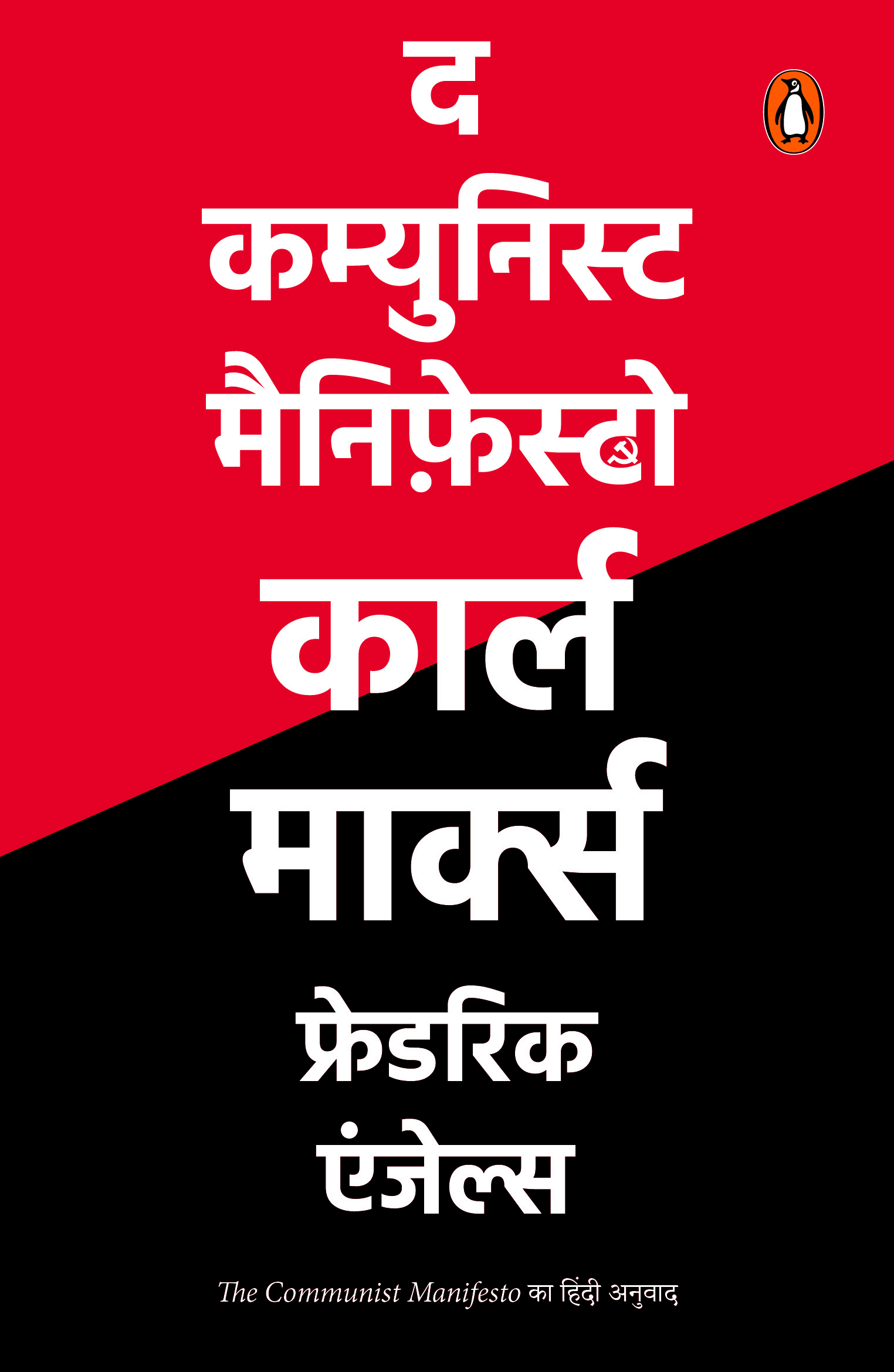
द कम्युनिस्ट मैनिफ़ेस्टो कार्ल मार्क्स और फ्रेडरिक एंजेल्स द्वारा लिखी गई एक ऐतिहासिक पुस्तक है, जो 1848 में प्रकाशित हुई थी। यह पुस्तक पूँजीवाद की आलोचना और मज़दूर वर्ग की एकजुटता का आह्वान करती है। इसमें समाज के शोषक और शोषित वर्गों के बीच के संघर्ष को उजागर किया गया है। यह पुस्तक समानता, न्याय और वर्गहीन समाज के निर्माण की दिशा में मार्गदर्शन करती है।