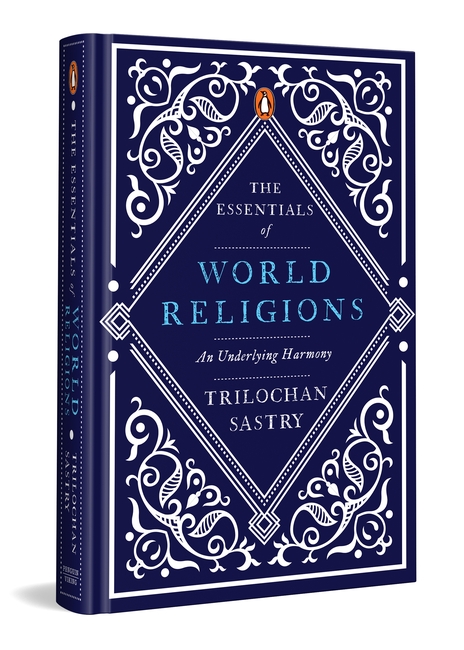
It may be the twenty-first century but religious tensions and conflicts continue all across the world. Even today, religion continues to play an unparalleled role in the lives of individuals and nations with people and leaders pitting one religious identity against another. But the question that needs to be asked is this: are all religions fundamentally different from each other?
What if we go back to the source texts of all great religions of the world? What will we find?
Will we find a mountain of differences or a sea of harmony? This book addresses this question and is sure to surprise you with its findings.
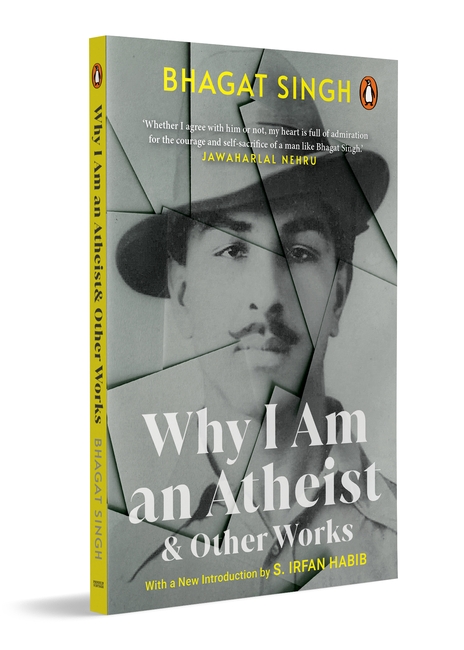
Bhagat Singh, a name that echoes through the annals of India’s struggle for independence, was not only a revolutionary freedom fighter, but also a profound thinker. ‘Why I Am An Atheist and Other Works’ encapsulates his fearless spirit and reveals his intellectual depth through a collection of essays, letters, and speeches. Singh’s writings include his statements regarding his involvement in the Central Legislative Assembly bombing to his introspective essays penned in prison, such as his renowned ‘Why I Am An Atheist’. This compilation immortalizes Singh’s unwavering dedication to the cause, showcasing his courage, defiance, and vision that continue to inspire generations. With an introduction by esteemed historian and expert on Bhagat Singh, Dr. S. Irfan Habib, this is a chance to experience the mind of a martyr whose legacy transcends time and ignites the flame of patriotism and revolution.

‘Rinsed is a triumph. If you want to understand how the chaotic world around us really works, read this book!’ MILES JOHNSON, AUTHOR OF CHASING SHADOWS
‘A riveting look at not only the nuts and bolds of cons and crimes but the techniques detectives use to stalk cyber criminals’ FINANCIAL TIMES
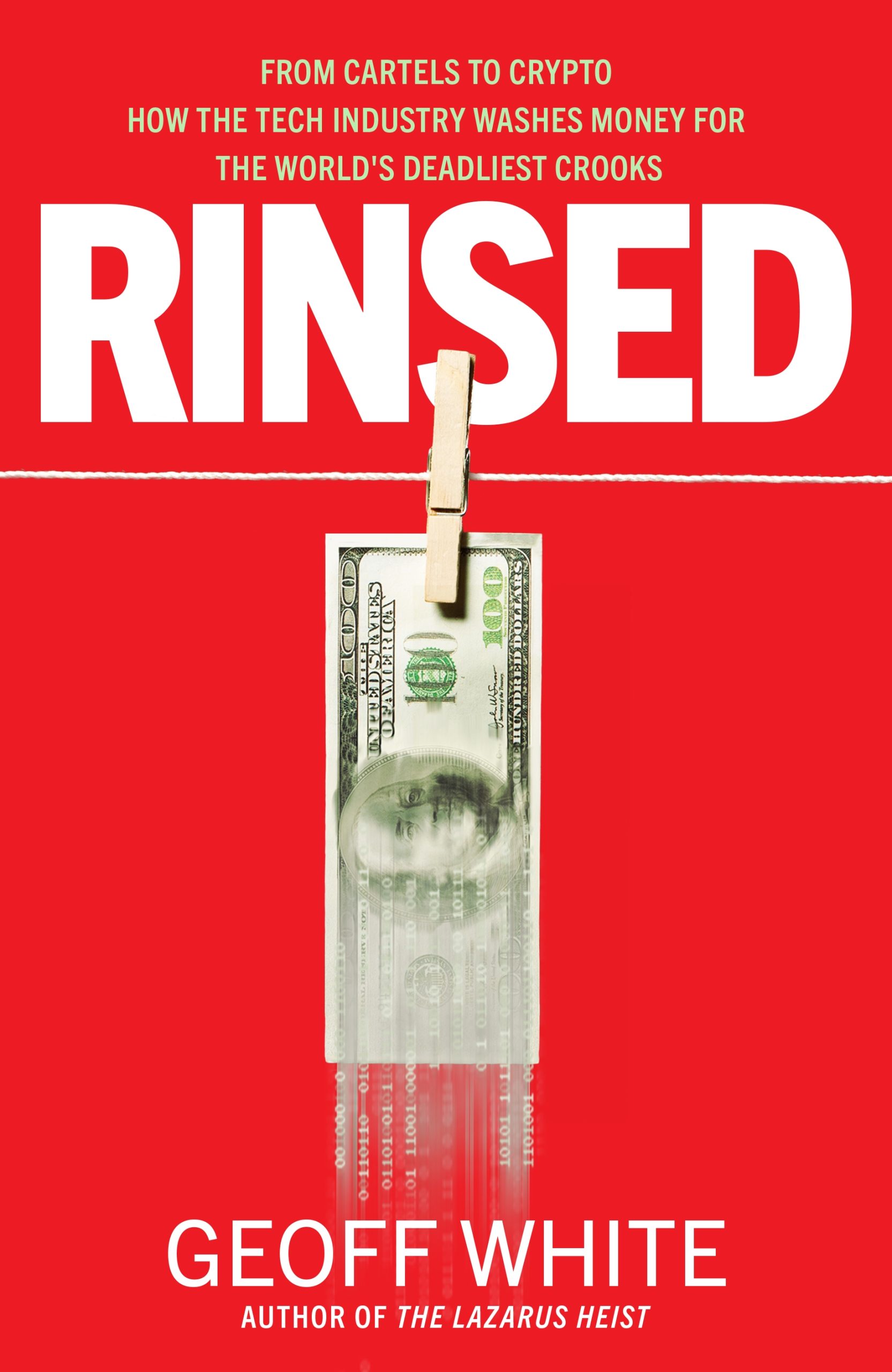
For as long as people have been stealing money, there has been an industry ready to wash it. But what happened when our economy went digital? How does the global underworld wash its dirty money in the Internet age?
Rinsed reveals how organized crooks have joined forces with the world’s most sophisticated cybercriminals. The result: a vast virtual money-laundering machine too intelligent for most authorities to crack. Through a series of jaw-dropping cases and interviews with insiders at all levels of the system, Geoff White shows how thieves are uniting to successfully get away with the most atrocious crimes on an unprecedented scale.
The book follows money from the outrageous luxury of Dubai hotels to sleepy backwaters of coastal Ireland, from the backstreets of Nigeria to the secretive zones of North Korea, to investigate this new cyber supercartel. Through first-hand accounts from the victims of their devastating crimes, White uncovers the extraordinary true story of hi-tech laundering – and exposes its terrible human cost.
‘Rinsed is as twisty, colourful and terrifyingly eye-opening as the people White investigates. You’ll never look at wealth, technology and crime in the same way’ CARA MCGOOGAN, AUTHOR OF THE POISON LINE
‘A gripping look at the battle between cops and criminals on the new frontier of financial crime’ BRADLEY HOPE, CO-AUTHOR OF BILLION DOLLAR WHALE

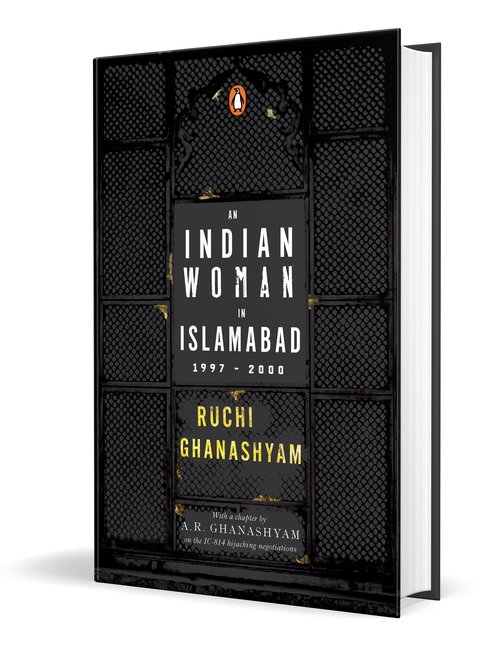
As the first Indian woman diplomat stationed in Islamabad, Ruchi Ghanashyam unveils the intricacies of cross-border relationships and the relentless drumbeat of history as witnessed through the prism of political upheavals. From 1997 to 2000, Ghanashyam and her husband traversed the labyrinthine corridors of Islamabad, bearing witness to seismic events that shook the region to its core. From the thunderous echoes of the India-Pakistan nuclear tests to the harrowing shadows of the Kargil conflict, their tale unfolds against the backdrop of geopolitical upheaval. In a riveting twist, A.R. Ghanashyam, the author’s husband, unveils his first-hand account of the tense moments preceding the Indian Airlines flight IC 814 hijacking, offering a gripping glimpse into the heart of crisis management.
Yet, amidst the tumult, Ambassador Ghanashyam’s narrative delves deeper, unravelling gender dynamics in a society steeped in tradition and inviting us to contemplate not just the challenges facing Pakistan but also the boundless potential for change and understanding. Through her discerning analysis, she exposes the layers of tradition that shape societal norms, offering a compelling examination of the challenges and opportunities inherent in the region’s sociopolitical landscape.?
This timely and compelling work stands as a testament to the enduring power of diplomacy in navigating the currents of global affairs.

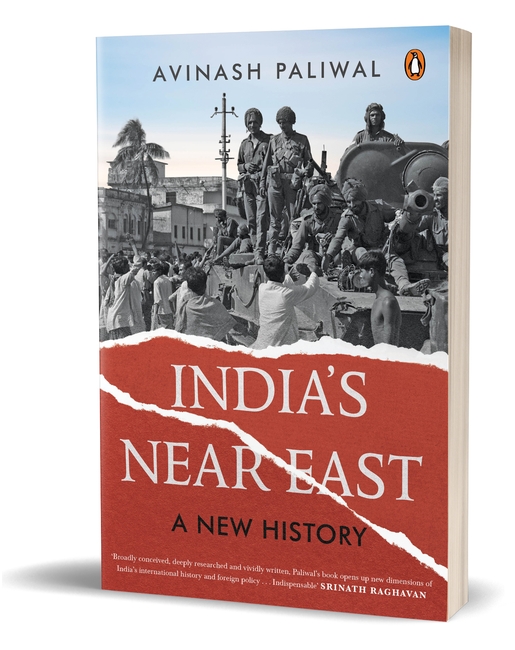
Celebrated as a theatre of geo-economic connectivity typified by the ‘Act East’ policy, India’s near east is key not only to its great-power rivalry with China, which first boiled over in the 1962 war, but to the idea(s) of India itself. It is also one of the most intricately partitioned lands anywhere on Earth. Rent by communal and class violence, the region has birthed extreme forms of religious and ethnic nationalisms and communist movements. The Indian state’s survival instinct and pursuit of regional hegemony have only accentuated such extremes.
This book scripts a new history of India’s eastward-looking diplomacy and statecraft. Narrated against the backdrop of separatist resistance within India’s own northeastern states, as well as rivalry with Beijing and Islamabad in Myanmar and Bangladesh, it offers a simple but compelling argument. The aspirations of ‘Act East’ mask an uncomfortable truth: India privileges political stability over economic opportunity in this region. In his chronicle of a state’s struggle to overcome war, displacement and interventionism, Avinash Paliwal lays bare the limits of independent India’s influence in its near east.
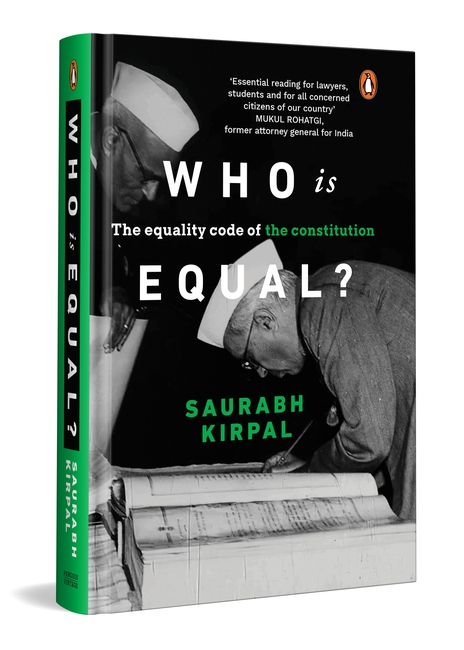
In 1950, we, the people of India, gave ourselves a constitution that promised justice, liberty and equality to all its citizens. Decades later, as a nation, we still struggle with inequality in various forms—religion, sex, caste, gender. As we forge ahead, it is imperative to ask, ‘who is equal?’, and ‘is the idea of equality elusive to achieve?’
In his new book, Saurabh Kirpal, a senior Supreme Court lawyer, seeks to untangle the philosophical and practical tangents of inequality prevalent in our country. He presents to the readers the explanation and understanding of the existing laws and discusses theories that allow a close inspection of concerns over a spectrum. Well-researched, insightful and drawn from experience, Who is Equal?, positions India at the intersection of equality and inequality, and delivers a perspective that is retrospective and contemporary.
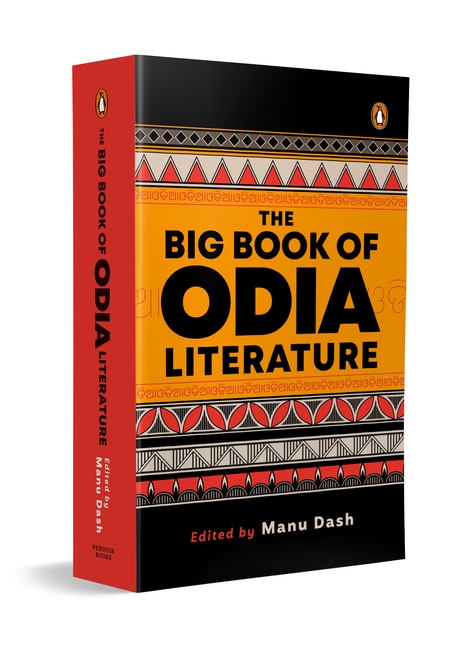
With a literary history spanning centuries, the languages of Odisha have found myriad expression in prose, poetry, mythology, history, and politics.
The Big Book of Odia Literature goes where very few have dared—into a history of language, literature and song that can be traced back all the way to the tenth century.
In this careful curation, The Big Book curates essays, stories, poems, and plays that have defined the culture of a state and a people. A first of its kind, the volume is for lovers of linguistic history and literary traditions.
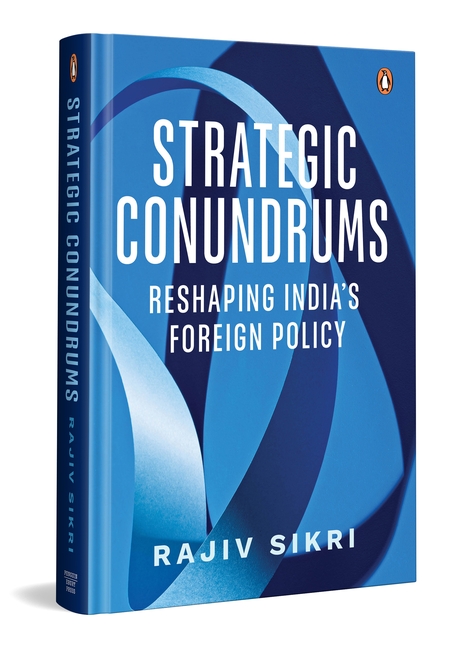
The book examines India’s current and looming foreign policy challenges from a strategic and policy-oriented perspective. It analyzes the long-term factors and trends that should determine the country’s foreign policy formulation. The author urges a reappraisal of India’s approach if it is to become a major player in the complex and rapidly evolving 21st century world.
Strategic Conundrums: Rethinking India’s Foreign Policy focuses on India’s immediate and strategic neighbourhood. It also looks at important issues like energy security, economic diplomacy, the interaction between defence and diplomacy, and foreign policy institutions. A unique feature of the book is that it combines the perspectives of a historian, a diplomat and a scholar. With many new out-of-the-box ideas and policy suggestions, it makes a valuable contribution to the ongoing debate on foreign policy within India’s strategic community.
This lucid and succinct book is a must-read for policy-makers, diplomats and foreign policy analysts. The corporate and business community too will find it professionally relevant. It is also an important knowledge resource for students of Indian politics, international relations, and defence and strategic studies, and others who are interested in India’s foreign policy.

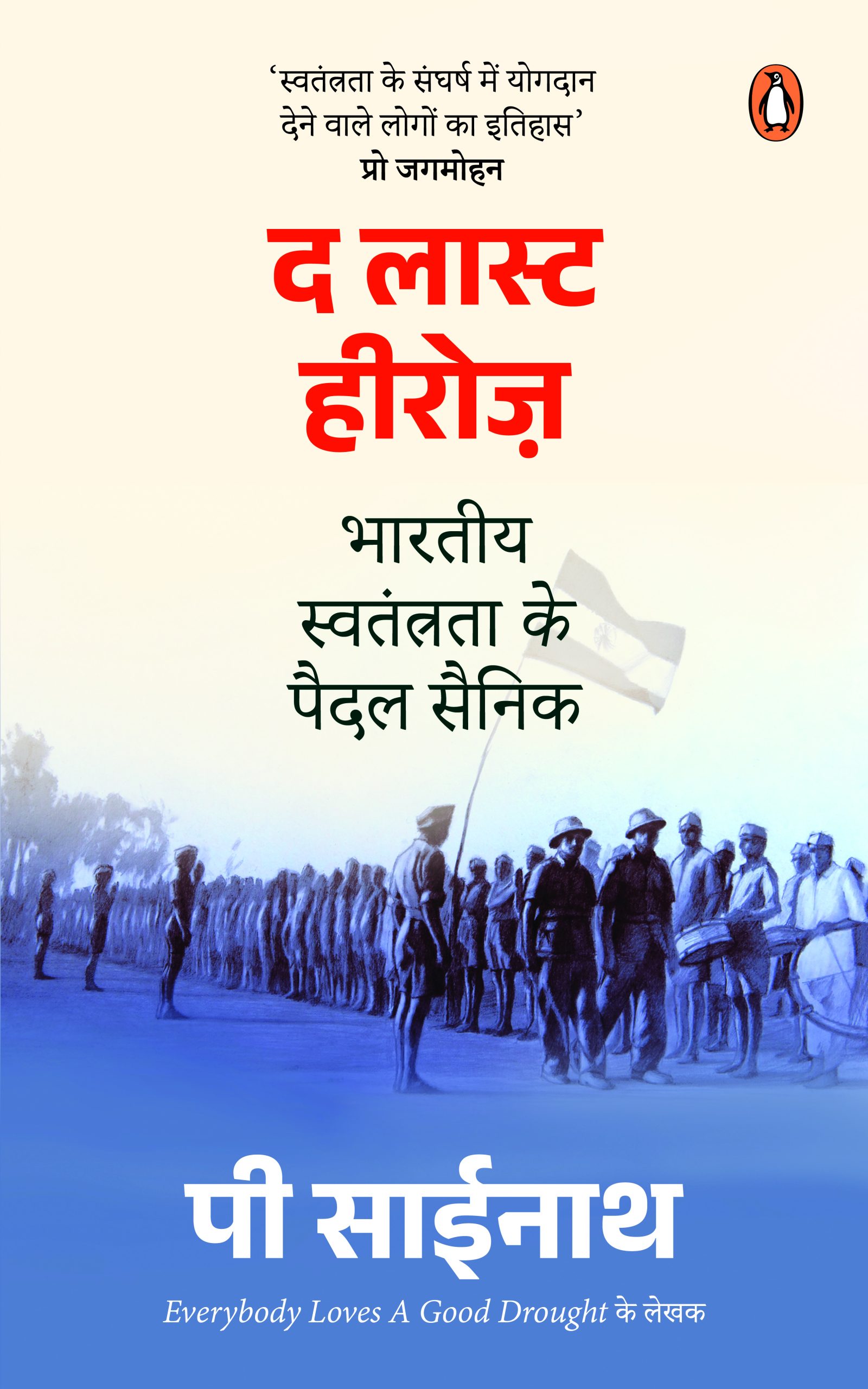
द लास्ट हीरोज़ किताब में, भारतीय स्वतंत्रता के ये पैदल सैनिक हमें अपनी कहानियाँ बताते हैं। वे अलग-अलग क्षेत्रों से आते हैं, उनमें नास्तिक और आस्तिक, वामपंथी, गांधीवादी और अंबेडकरवादी शामिल हैं।
पुस्तक की तस्वीरों में दिए गए लोगों ने दिलचस्प सवाल उठाया : स्वतंत्रता क्या है? उनमें से लगभग सभी ने वर्ष 1947 के बाद भी लंबे समय तक आज़ादी के लिए अपनी लड़ाई जारी रखी। 1947 के बाद की पीढ़ियों को भारतीय स्वतंत्रता के पैदल सैनिकों की कहानियों की ज़रूरत है। यह जानने के लिए कि आज़ादी और स्वतंत्रता एक चीज़ नहीं हैं।
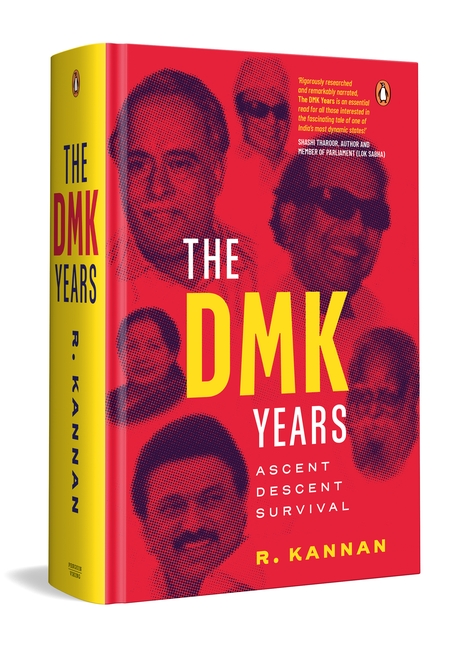
On 17 September 1949, C.N. Annadurai (Anna) founded the DMK after his split with Periyar E.V. Ramaswamy. The DMK slowly but surely caught the imagination of the Tamil masses. In 1962, faced with the prospect of a ban, the party shed its separatist agenda and in 1967, the DMK attained power for the first time in Tamil Nadu. Since then, it has remained a potent political force, first under M. Karunanidhi and recently under M.K. Stalin, who succeeded him.
Weathering many a political storm, including the 1972 split when its mascot, M.G. Ramachandran (MGR) broke away levelling corruption charges, its ejection from power in 1976 during the Emergency, the second dismissal in 1991 for its alleged dalliance with the Tamil Tigers of Sri Lanka, and the debilitating split in 1993, the party has proved resilient. It was voted back to power in Tamil Nadu in 2021.
The DMK’s pioneering public distribution system and welfare populism have been a model for other states. Of late, the party has touted its ‘Dravidian Model’ of development as a viable national alternative. Its renewed emphasis on Tamil cultural nationalism and cooperative federalism aims to counter the current majoritarian political narrative.
Yet, seventy-five years later, the DMK is more than ever under assault from caste and ultra-nationalist elements and persisting charges of unjust enrichment and dynastic politics.
At this pivotal moment in history, as the ethos of Indianness is being redefined, veteran political observer and commentator R. Kannan explores the trajectory of the DMK and its future direction. Drawing on a substantial body of first-hand accounts, The DMK Years narrates the story of the party objectively and in its entirety, making this volume essential to understanding the contours of Tamil Nadu politics.