A major reappraisal, by the Nobel-prizewinning economist, of the relationship between capitalism and freedom.
Despite its manifest failures, the narrative of neoliberalism retains its grip on the public mind and the policies of governments all over the world. By this narrative, less regulation and more ‘animal spirits’ capitalism produces not only greater prosperity, but more freedom for individuals in society – and is therefore morally better.
But, in The Road to Freedom Stiglitz asks, whose freedom are we – should we be – thinking about? What happens when one person’s freedom comes at the expense of another’s? Should the freedoms of corporations be allowed to impinge upon those of individuals in the ways they now do?
Taking on giants of neoliberalism such as Hayek and Friedman and examining how public opinion is formed, Stiglitz reclaims the language of freedom from the right to show that far from ‘free’ – unregulated – markets promoting growth and enterprise, they in fact reduce it, lessening economic opportunities for majorities and siphoning wealth from the many to the few – both individuals and countries. He shows how neoliberal economics and its implied moral system have impacted our legal and social freedoms in surprising ways, from property and intellectual rights, to education and social media.
Stiglitz’s eye, as always, is on how we might create the true human flourishing which should be the great aim of our economic and social system, and offers an alternative to that prevailing today. The Road to Freedom offers a powerful re-evaluation of democracy, economics and what constitutes a good society—and provides a roadmap of how we might achieve it.

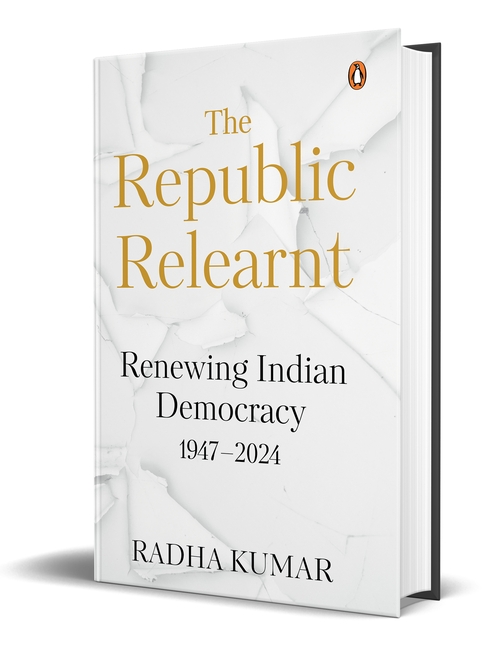
Despite the clear danger of the rise of totalitarianism in India today, this book’s aim is to look forward to the moment when democracy will be renewed in the country and ask what lessons can be learnt from past experience to anchor it more firmly when the opportunity arises. It is generally assumed that Indian democracy has had an unbroken run since Independence, with the brief disruption of the 1975–77 Emergency. While those two years saw a stark assault on democratic institutions, Indian democracy had been repeatedly punctured prior to the Emergency, and it has been threatened many times since. The country underwent almost four decades of democracy decay after the founding years of the republic, as compared to the three relatively short-lived waves of democracy renewal. That fact makes an examination of these three waves rather significant.

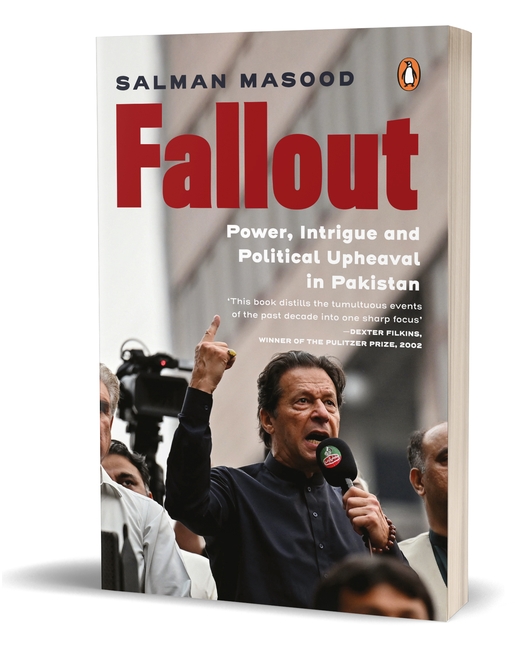
Fallout delves into the tumultuous journey of Imran Khan’s transition from a tenacious opposition leader to the prime minister of Pakistan (2014–2018), and his complicated relationship with the Pakistani military since then. It charts the fall of Nawaz Sharif, influenced by the Panama Papers scandal, and the role of former army chief, General Qamar Javed Bajwa, in the Hybrid Project/Rule, revealing the changes he went through while in power. The book underscores the persistent unpredictability of leadership decisions, both military and civilian, that leads to a constant state of crisis in Pakistan today, underlining the crucial need for institutional stability. A familiar-yet-ever-changing tableau of power, Fallout is an incisive exploration of Pakistani politics.
Fallout delves into the tumultuous journey of Imran Khan’s transition from a tenacious opposition leader to the prime minister of Pakistan (2014–2018), and his complicated relationship with the Pakistani military since then. It charts the fall of Nawaz Sharif, influenced by the Panama Papers scandal, and the role of former army chief, General Qamar Javed Bajwa, in the Hybrid Project/Rule, revealing the changes he went through while in power. The book underscores the persistent unpredictability of leadership decisions, both military and civilian, that leads to a constant state of crisis in Pakistan today, underlining the crucial need for institutional stability. A familiar-yet-ever-changing tableau of power, Fallout is an incisive exploration of Pakistani politics.

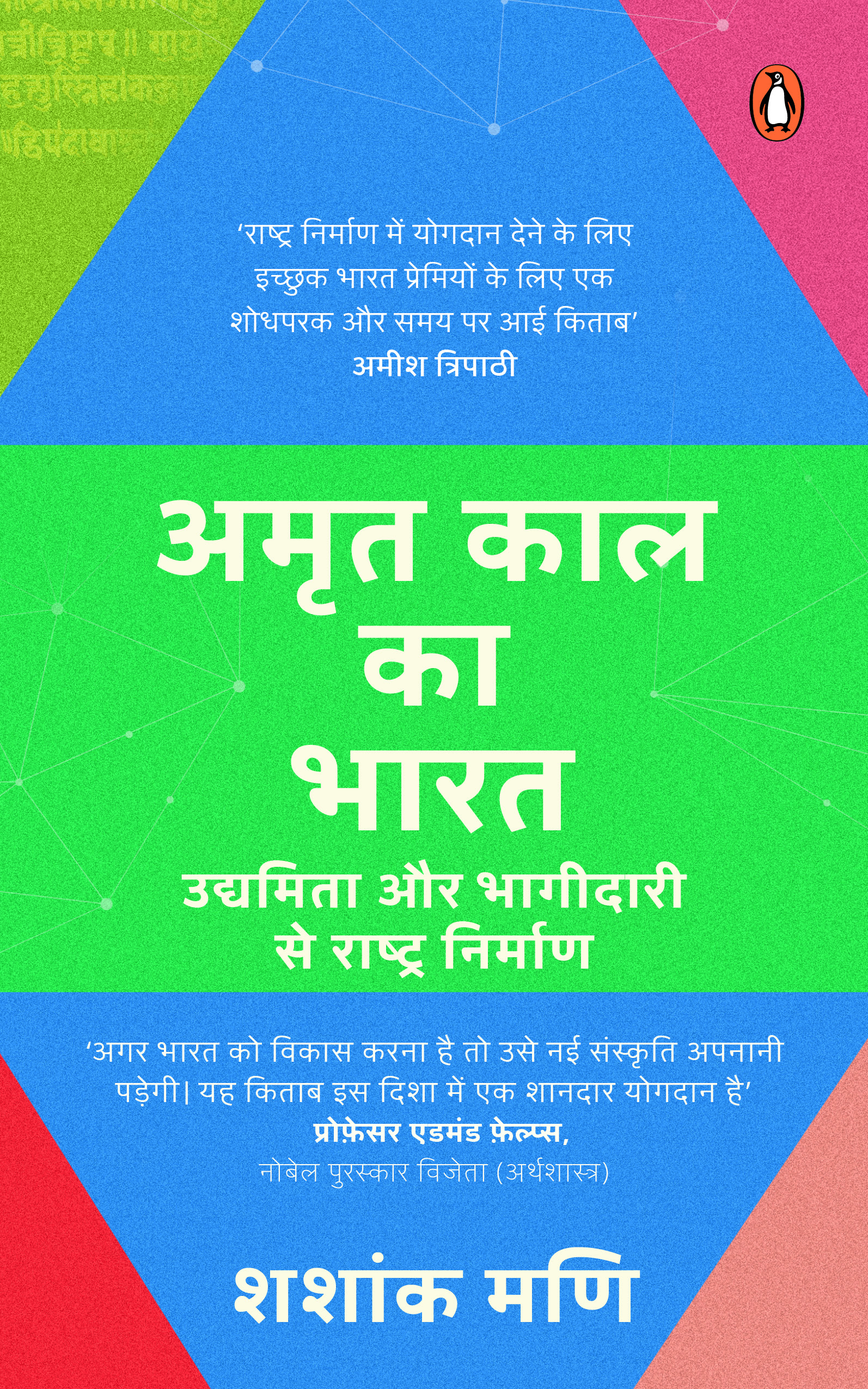
अमृत काल का भारत एक क्रांतिकारी विचार प्रस्तुत करती है कि कैसे भारत अपने छोटे-छोटे नगरों और कस्बों में रहने वाले प्रतिभाशाली लोगों के विशाल वर्ग पर ध्यान देकर अपनी तरक्की का रास्ता खोल सकता है, जो लंबे समय से उपेक्षित रहे हैं।
यह किताब देश के उस हिस्से की छुपी हुई कहानियों को सामने लाती है जिन्हें उनकी भौगिलिक स्थिति और भाषा की वजह से अब तक नजरअंदाज किया गया है।

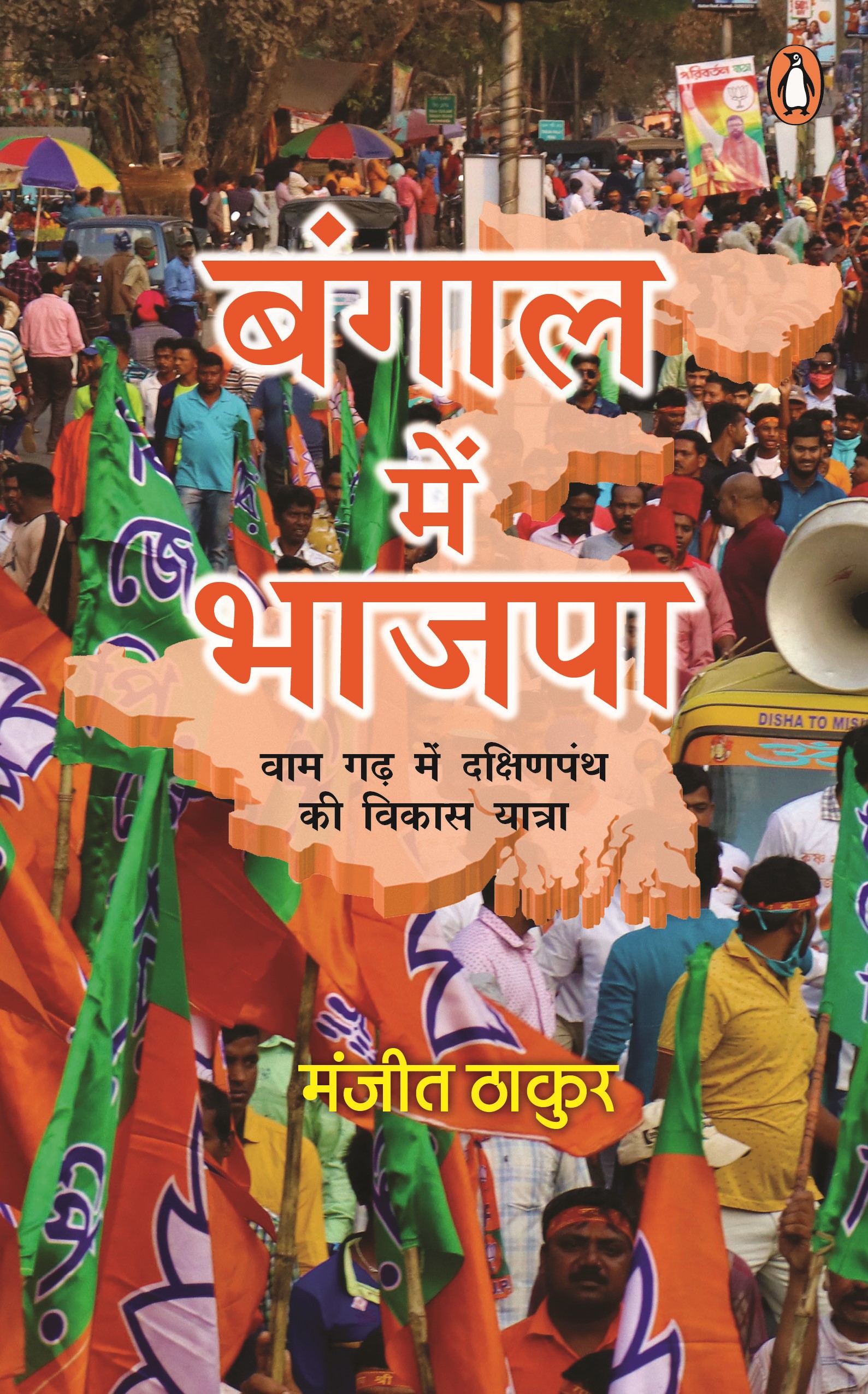
2024 के चुनावी साल की शुरुआत अयोध्या के राममंदिर में रामलला की प्राण-प्रतिष्ठा से हुई और गली-कूचों में लहराते रामनामी भगवा झंडों ने एक तरह से चुनावी हवा के रुख का संकेत देना शुरू कर दिया। दशक भर से केंद्रीय सत्ता में आसीन भाजपा उन इलाकों में जनाधार को विस्तृत करना चाह रही है जहाँ उसके विस्तार की संभावनाएँ हैं। ऐसा ही सूबा है पश्चिम बंगाल, जहाँ भाजपा के करिश्माई सेनापति प्रधानमंत्री नरेंद्र मोदी की प्रचंड चुनावी लहर का मजबूती से सामना करने वाली तृणमूल नेता ममता बनर्जी मुख्यमंत्री हैं।
आजादी के बाद से पहले जनसंघ और फिर भाजपा ने बंगाल पर कब्जे की हर संभव कोशिश की है। कभी वामपंथ के गढ़ के रूप में परिभाषित बंगाल में 2016 के बाद से परिदृश्य बदलता गया है। अब भाजपा के लिए पूर्व का यह सूबा बेहद अहम बन गया है। 2006 के विधानसभा चुनावों में वाम मोर्चे के ज़बरदस्त प्रदर्शन के बाद आहिस्ता-आहिस्ता उसका जनाधार छीजता चला गया। ममता ने भी 2021 के विधानसभा चुनावों में अपना सर्वश्रेष्ठ प्रदर्शन किया है, तो क्या अब राज्य की राजनीति में केंद्रीय भूमिका में आने की बारी भाजपा की है?
भाजपा के पास ‘राष्ट्रवाद’ और ‘रामलला’ हैं, जो रील्स के इस दौर में बंगाल में भी कारगर हो गए हैं, लेकिन ममता के पास पहले की तरह बंगला अस्मिता और सांस्कृतिक उपाख्यानों का सहारा है। राष्ट्रवाद और उप-राष्ट्रवाद के बीच का द्वंद्व बंगाल के चुनावी युद्ध को और अधिक दिलचस्प बना रहा है।
यह पुस्तक बंगाल में भाजपा (और संघ परिवार) की यात्रा को विस्तार से बताने के साथ आजादी के बाद अब तक बंगाल की राजनीतिक कथा भी सुनाती है।

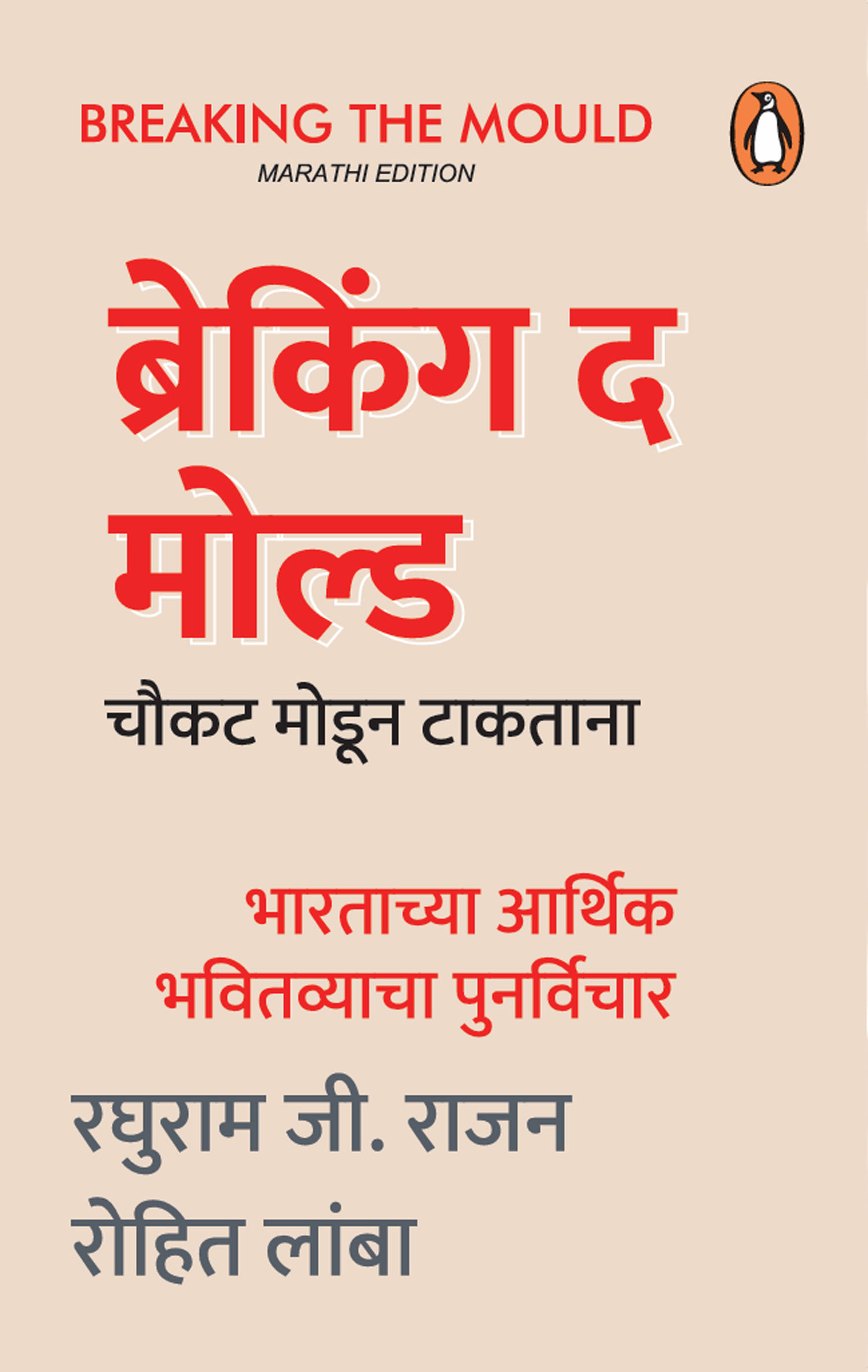
भारताच्या प्रगतीची वाटचाल कोणत्या दिशेने होत आहे? इंग्लंडला मागे टाकून भारताची अर्थव्यवस्था जगातील पाचव्या क्रमांकावर जाऊन पोचली आहे याचा अर्थ भारताची प्रगती होत आहे असा होतो का? का लक्षावधी बेरोजगारांना रोजगार पुरवण्यास आलेल्या अपयशामुळे अर्थव्यवस्थेची पीछेहाट होत आहे? उज्वल भवितव्यासाठी आपण काय केलं पाहिजे?
भारत आज एका चौरस्त्यावर येऊन पोचला आहे. भारताच्या आर्थिक वाढीचा दर कित्येक मोठ्या देशांच्या तुलनेत जास्त असला तरी आपल्या बेरोजगार तरूणांना नोकऱ्या देण्यासाठी तो खूपच कमी आहे. कमी कौशल्याच्या वस्तूनिर्माण क्षेत्रातील तीव्र स्पर्धा, आपल्याच देशात वस्तूनिर्मिती करण्याकडे, संरक्षणवादाकडे झुकत चाललेला जागतिक कल, आणि वाढते स्वयंचलितीकरण यामुळे परिस्थिती अधिक गंभीर झालेली आहे. समाजात फूट पाडणाऱ्या बहुसंख्यांकांच्या तुष्टीकरणातून काहीच साधले जाणार नाही. आजवर आर्थिक विकासाची वाटचाल कृषी क्षेत्राकडून कमी कौशल्याचे वस्तूनिर्माण, त्यानंतर उच्चकौशल्याधारित वस्तूनिर्माण आणि सेवा क्षेत्र अशी होत आलेली आहे. विकासाच्या राजमार्गावरील मधल्या पायरीवरून उडी मारून आपण केल्हाच पुढे आलो आहोत. असं असताना परत मधली पायरी गाठण्यासाठी उलट फिरण्याऐवजी आपण आपला स्वतःचा भारतीय मार्ग शोधून काढला पाहिजे. मानवी भांडवलात गुंतवणूक करून, सेवा आणि वस्तूनिर्माण क्षेत्रातील उच्च कौशल्याधारित संधींचा विस्तार करून, नवी उत्पादने आणि नव्या कल्पनांना पोषक वातावरणात आर्थिक विकासाचा वेग कसा वाढवता येईल ते या पुस्तकात लेखकद्वयांनी समजावून सांगितलं आहे. भारताच्या लोकशाही परंपरांनां लोकशाही संस्थांचे सबलीकरण आणि विकेंद्रीकरणाचा विस्तार यासारख्या सुशासनातील सुधारणांची जोड मिळाल्यास विकासाच्या मार्गावरील वाटचाल सोपी होईल. ज्या ठिकाणी भारताला यश मिळाले आहे त्याचे लेखकद्वयाने खुल्या मनाने कौतूक केलं आहे तसेच त्यांनी त्यातील दोषही परखडपणे दाखवले आहेत. त्यांनी भूतकाळाला जखढून ठेवणाऱ्या शृंखला तोडून येणाऱ्या भावी काळातील शक्यतांकडे खुल्या दिलाने पाहण्याचे आवाहन केलं आहे. जागोजागी दिलेल्या समर्पक उदाहरणांनी आणि बिनतोड युक्तिवादांनी शेवटच्या पानापर्यंत वाचनीय झालेले, भारताच्या भविष्याविषयी आस्था असलेल्या सर्वांनी वाचलेच पाहिजे असे पुस्तक.

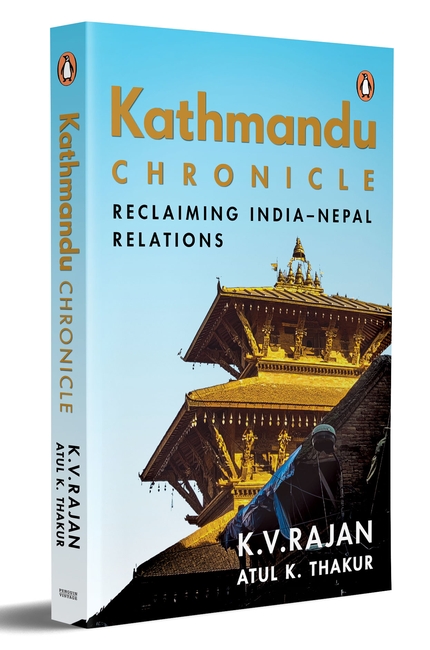
In recent decades, Nepal’s history has been marked by tumultuous events and transformations, and its relations with India by sharp fluctuations. From the Maoist insurgency to the hijacking of IC 814, from the Palace Massacre that wiped out King Birendra and his entire family to the coup by King Gyanendra against democracy, among others, the much-vaunted India–Nepal ‘special relationship’ has repeatedly experienced setbacks, some of them with long-term implications.
What are the real causes of regular anti-Indian eruptions in Nepal, and why is there so much mutual distrust and suspicion despite India’s best intentions? Anecdotal, definitive and deeply researched, Kathmandu Chronicle opens a window to many stories of India–Nepal relation that largely remain untold and therefore unknown till date.

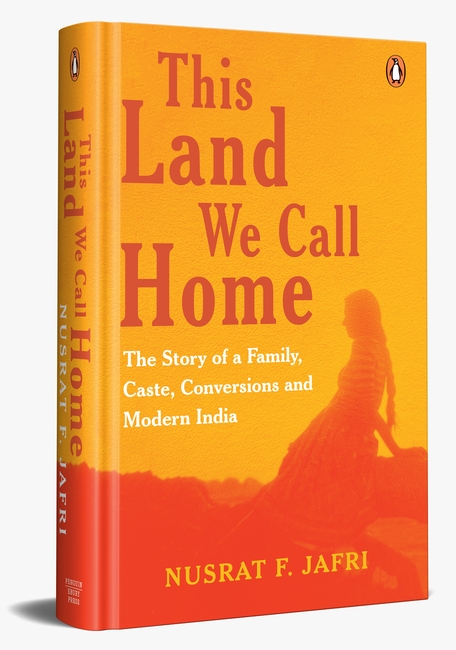
In 1871, the British enacted the Criminal Tribes Act in India, branding numerous tribes and caste groups as criminals. In This Land We Call Home, Nusrat F. Jafri traces the roots of her nomadic forebears, who belonged to one such ‘criminal’ tribe, the Bhantus from Rajasthan.
This affecting memoir explores religious and multicultural identities and delves into the profound concepts of nation-building and belonging. Nusrat’s family found acceptance in the church, alongside a sense of community, theology, songs and carnivals, and quality education for the children in
missionary schools.
The family’s conversion to Christianity in response to caste society highlights their struggle for dignity. Parallelly, we see the family’s experiences during Gandhi’s return to India in 1915, the Partition, the World Wars, the Emergency and the prime ministers’ assassinations.
In a way, this is a story like and unlike the stories all of us carry within us—the inherited weight of who we are and where we come from, our tiny little freedoms and our everyday struggles and, mostly, the intricate jumble of our collective ancestry. Nusrat pays homage to her foremothers, the first feminists, and her forefathers, the ones who tried hard to fit into a caste society only to be disappointed, eventually choosing alternative faiths in pursuit of acceptance.
‘A great man in Indian politics’
—Dr Ram Manohar Lohia on Dr Ambedkar
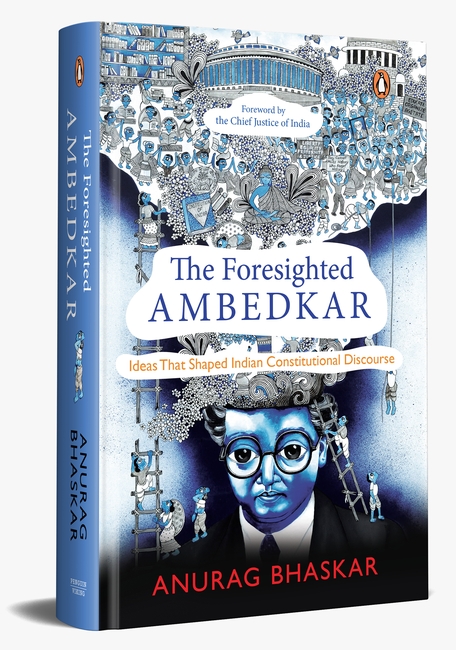
Dr Ambedkar’s role in the cause of social emancipation has been researched and written about extensively. His part in the drafting of the Indian Constitution between 1946 and 1950 has also received considerable attention.
In The Foresighted Ambedkar, Anurag Bhaskar argues that India’s Constitution was drafted not just between 1946 and 1950 but over the course of four decades. Dr Ambedkar was the only person to have been involved at all the stages related to the drafting of the Indian constitutional document since 1919. These stages bear the imprint of his contribution and role.
This book seeks to focus on Dr Ambedkar’s influence on the Indian constitutional discourse from 1919, when he entered public life, until the actual writing of the Constitution and even beyond. Covering the different constitutional moments as and when they happened, it highlights Dr Ambedkar’s role in those moments.
A seminal work of intellectual and constitutional history, this volume demonstrates why Dr Ambedkar is rightly called the ‘Father of the Indian Constitution’.

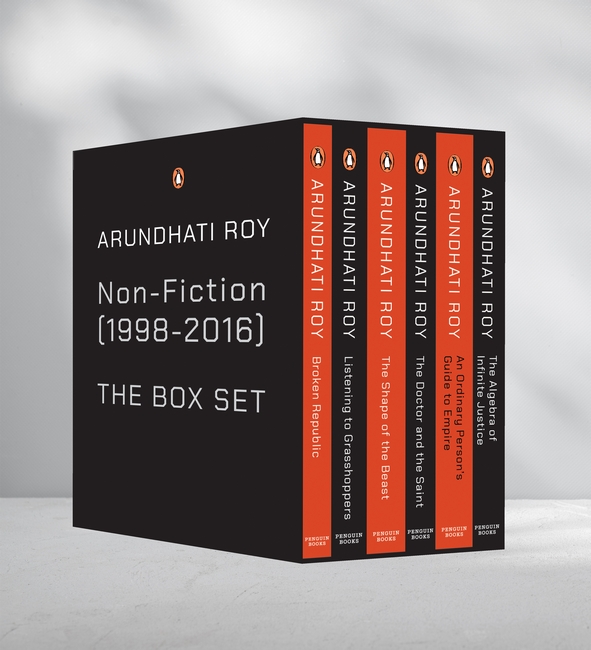
THE ALGEBRA OF INFINITE JUSTICE brings together Arundhati Roy’s early political essays, from the iconic ‘The End of Imagination’ and ‘The Greater Common Good’ about India’s nuclear tests and the dam industry to the equally influential ‘The Algebra of Infinite Justice’ about the 9/11 attacks and the US government’s War Against Terror.
The essays in AN ORDINARY PERSON’S GUIDE TO EMPIRE draw the thread of empire through seemingly unconnected arenas, uncovering the links between America’s War on Terror, the growing threat of corporate power, the response of nation states to resistance movements, the role of NGOs, caste and communal politics in India, and the perverse machinery of an increasingly corporatized mass media.
THE SHAPE OF THE BEAST is a collection of fourteen interviews, conducted between January 2001 and March 2008, that examine the nature of state and corporate power as it has emerged during this period, and the shape that resistance movements are taking.
In eleven powerful, and closely argued, linked essays, LISTENING TO GRASSHOPPERS takes a hard look at the underbelly of the world’s largest democracy.
BROKEN REPUBLIC consists of four essays including ‘Walking with the Comrades’, a travelogue that reports on the conflict in the forested heartland of India where indigenous peoples’ lands have been handed over to corporate companies, and the widely read ‘Capitalism: A Ghost Story’ about the complex ways in which modern Capitalism works.
THE DOCTOR AND THE SAINT is about the debate between two of India’s most beloved and iconic figures, Dr B.R Ambedkar and Mohandas Gandhi.