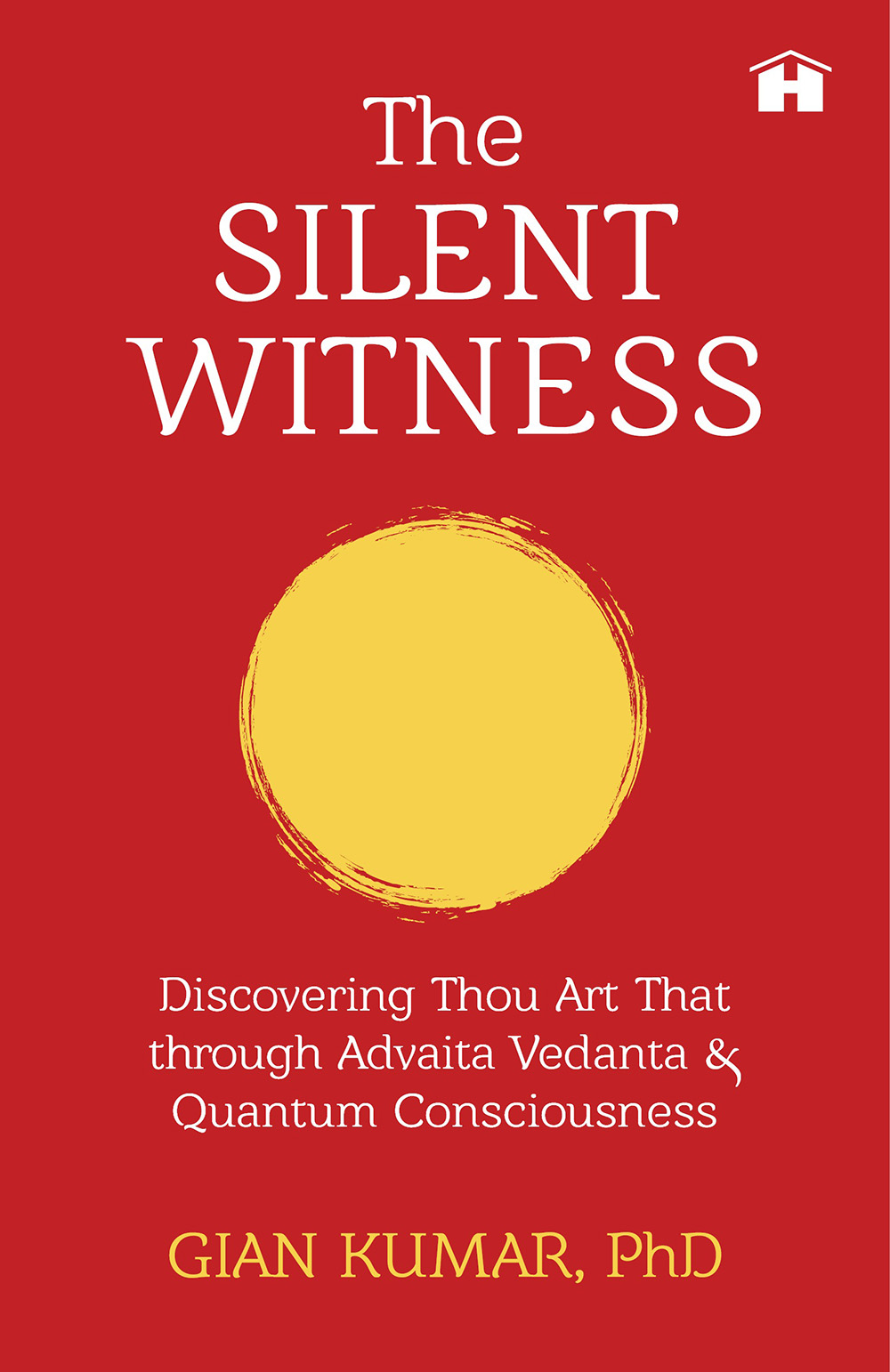
What is the true meaning of life . . . and who are we beyond the body and mind?
Meaning isn’t something we find; it’s something we consciously create. Through self-reflection and self-awareness, we begin to understand our place in the larger whole, shaping a life rooted in purpose, connection, and growth. Psychologically, this search for meaning drives us. Spiritually, it deepens into the awareness of awareness itself—an invitation to move beyond the limits of body and mind and into lasting inner peace.
Drawing on timeless philosophies and modern thought, The Silent Witness explores the age-old question: ‘Why do we exist?’ Through reflections on meditation, mindfulness, and inner awareness, it challenges conventional beliefs and encourages deeper inquiry.
More than a self-help manual, it is a guide to understanding the connection between science and spirituality, matter and energy, and the transient and the eternal.
If you seek clarity, purpose, and higher consciousness, this book offers a fresh perspective to help you live with meaning, balance, and inner fulfilment.

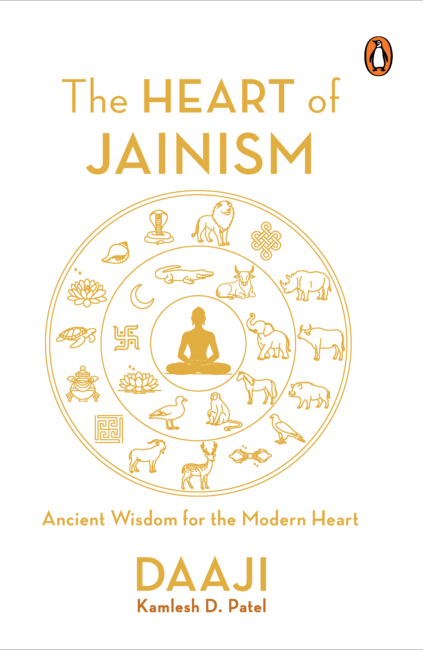
One evening, a group of young people gathers before a Sadhvi in a Jain Sthanak. Their questions are simple, though difficult to answer: how to live well, how to deal with anger and attachment, how to make sense of suffering, how to stay honest in the middle of ordinary life.
What follows is a series of conversations in which the teachings of the Tirthankars are slowly understood in today’s context. Ahimsa, karma, aparigraha, dhyana, kaivalya, and the householder’s path are seen afresh as part of everyday life.
In The Heart of Jainism, Daaji brings Jain wisdom into everyday life through stories, conversations, and reflections.
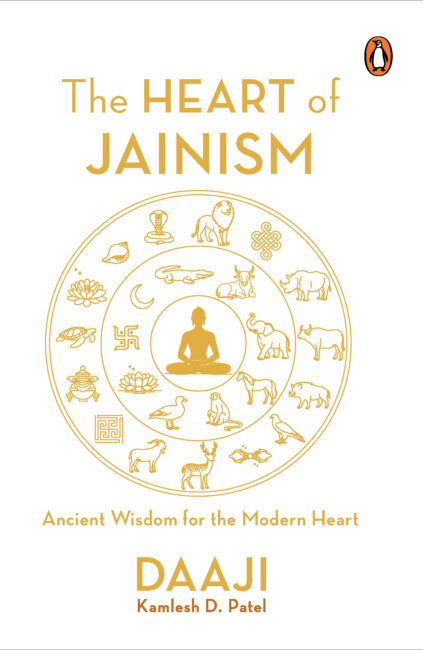
One evening, a group of young people gathers before a Sadhvi in a Jain Sthanak. Their questions are simple, though difficult to answer: how to live well, how to deal with anger and attachment, how to make sense of suffering, how to stay honest in the middle of ordinary life.
What follows is a series of conversations in which the teachings of the Tirthankars are slowly understood in today’s context. Ahimsa, karma, aparigraha, dhyana, kaivalya, and the householder’s path are seen afresh as part of everyday life.
In The Heart of Jainism, Daaji brings Jain wisdom into everyday life through stories, conversations, and reflections.

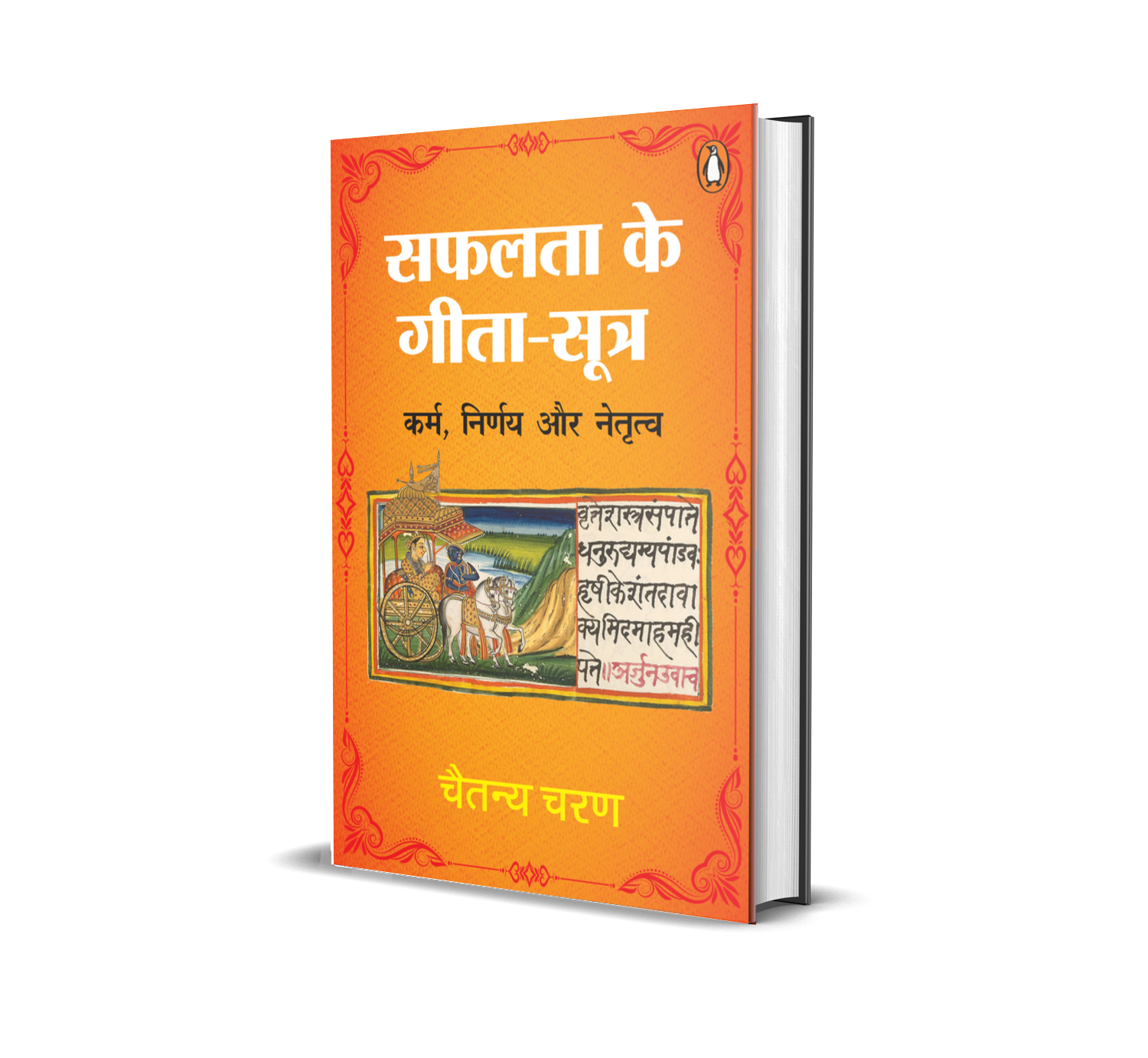
यह पुस्तक जीवन को देखने का एक नया दृष्टिकोण देती है। इसमें बताया गया है कि यह ब्रह्मांड एक बड़ी यूनिवर्सिटी की तरह है, जहाँ हर अनुभव हमें कुछ सिखाने आता है। किताब हमें सफलता की अपनी परिभाषा तय करने, चिंता की जगह परवाह करने, मन को संभालने और अपने शब्दों की शक्ति को समझने की सीख देती है। साथ ही यह सिखाती है कि समस्याएँ जीवन का हिस्सा हैं, लेकिन उनका आकार हमारे दृष्टिकोण से तय होता है। काम को पूजा की तरह करने, भीतर झाँककर ख़ुद को सुधारने और कठिन समय में भी दिल छोटा न करने का संदेश इस पुस्तक की मूल भावना है।

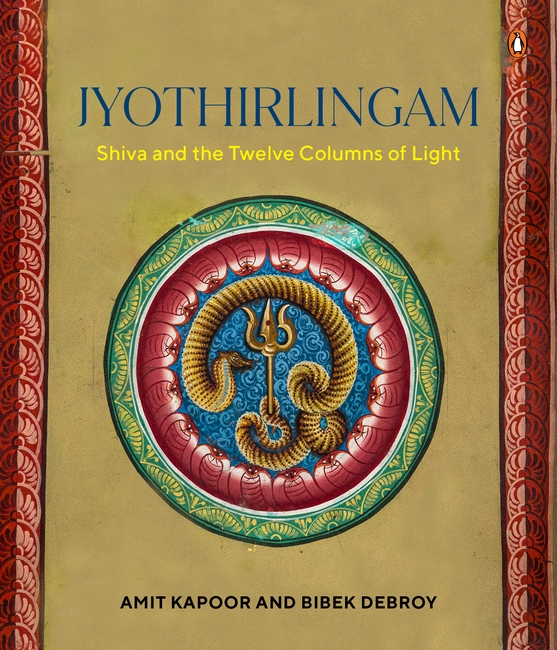
In the Hindu Trinity, Lord Shiva is a multifaceted deity. Fierce and benevolent, Lord shiva is the symbol of duality of life. Central to Shaivism is the worship of Shivalingam and the twelve sacred Jyotirlingams that have from time immemorial being holy shrines of pilgrimage. Through a series of personal narratives and scholarly research, Amit Kapoor, Bibek Debroy, Vibhav Kapoor and Conor Martin captures Jyotirlingams through a literal and metaphorical journey. Viewed from diverse perspectives, this book is a unique amalgamation of the western, spiritual, artistic and the mythological.

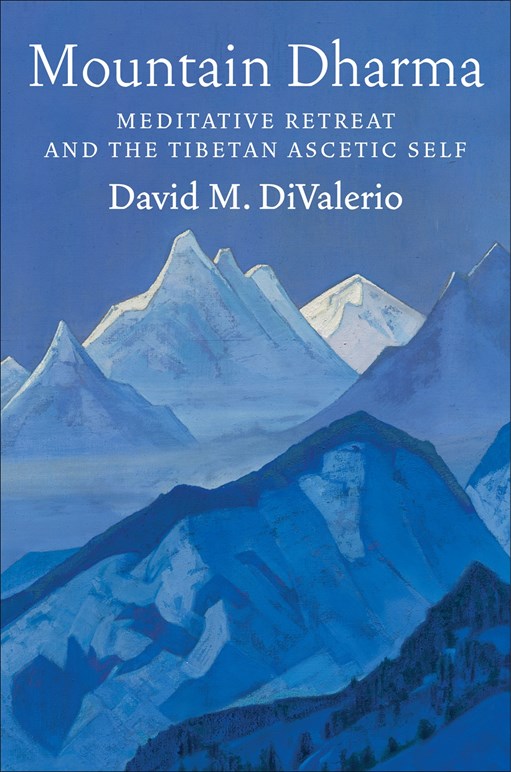
An emphasis on practicing meditation in yearslong retreats―whether in a cave or a cloister, alone or with a small number of peers―has been a defining feature of Tibetan Buddhism throughout its entire history. Although the life stories and writings of the Himalaya’s most famous hermits are well known, the history of this tradition and the details of its practice have largely remained a mystery.
A groundbreaking exploration of individual long-term meditative retreat in Tibetan Buddhism, Mountain Dharma tracks developments in ascetic discourse and practice from the twelfth century to the twentieth. David M. DiValerio provides a comprehensive reading of texts that offer instruction on the eremitic endeavor, comparing how dozens of authors have treated six key orienting concerns: place, people, food, sources of danger, the spiritual lineage, and time. The book traces a genealogy of the Tibetan ascetic self, demonstrating an increasing tendency to adopt practices that contrast the meditator with earlier generations of enlightened masters, defining the latter-day retreatant as a being in time. By viewing instructions for how to live in retreat as technologies of self, this book sheds new light on how the history of this tradition has been driven by evolving notions of personhood.
Methodologically innovative and richly sourced, Mountain Dharma sets a new standard for the historical study of asceticism.

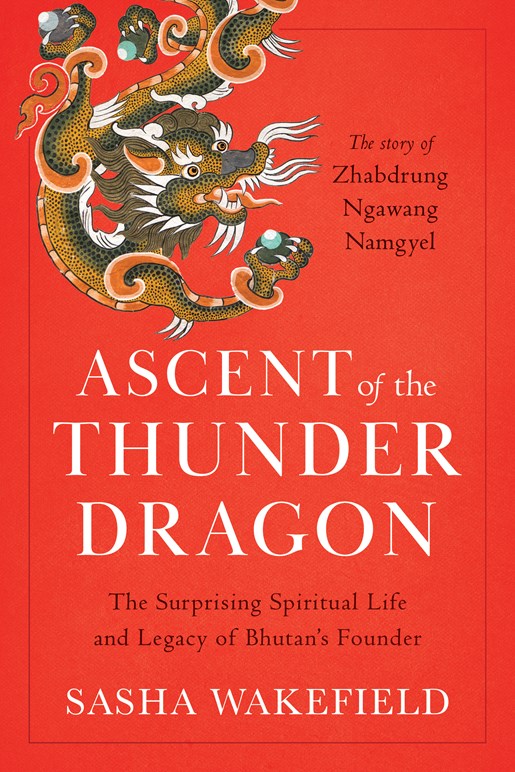
Sasha Wakefield intertwines the life and legacy of Zhabdrung Ngawang Namgyal (1594–1651) with her own personal spiritual journey as she explores Bhutan’s rich history.
The seventeenth century was a pivotal time for the tiny but culturally vibrant kingdom of Bhutan—marked especially by the life of the influential political and spiritual leader Zhabdrung Ngawang Namgyal (1594–1651), including his remarkable past lives. Sasha Wakefield traces the life and profound spiritual accomplishment of this master in the context of her own spiritual journey from Australia to Bhutan. While unveiling the cultural and spiritual landscape of Bhutan, Wakefield delves into the fundamental Buddhist concepts of reincarnation, karma, bodhisattvas, buddhas, and enlightenment to underscore the significance of Zhabdrung’s spiritual attainment, including reaching the tenth bhumi, or level, of a bodhisattva, and deliberately choosing his own rebirth.
During Zhabdrung’s time as early nation-builder of the kingdom and state of Bhutan, he faced adversity and attacks from adversaries but responded with meditation, diplomacy, and unwavering commitment to serve the people of Bhutan. Wakefield shows the nature of ritual and ceremony that are inherent in the history of the Bhutanese state, weaving in the verse texts of liturgies and praises for the offering ceremonies and consecrations that were central to establishing the Drukpa Kargyu Buddhist lineage in Bhutan and establishing Bhutan as a sovereign land.

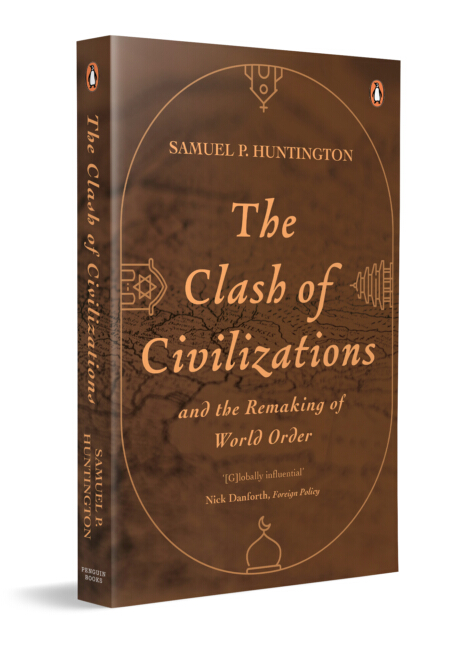
Samuel P. Huntington, one of the world’s most influential thinkers, argues in this seminal book that conflicts between different cultural ‘civilizations’ are the greatest threat to world peace. He suggests that the world is comprised of not two opposite but eight diverse groups, based on religion, and how international cooperation between them is the best safeguard against war. Global events in the twenty-first century have proved his foresight and sagacity. Huntington’s provocative thesis that a struggle for supremacy among dominant cultures—like the Japanese, Chinese, Hindu and Islamic—is inevitable is turning into reality. In the end, people’s decision to coexist or to make war in a complex, multipolar, multi-civilizational world will determine the course of humanity.

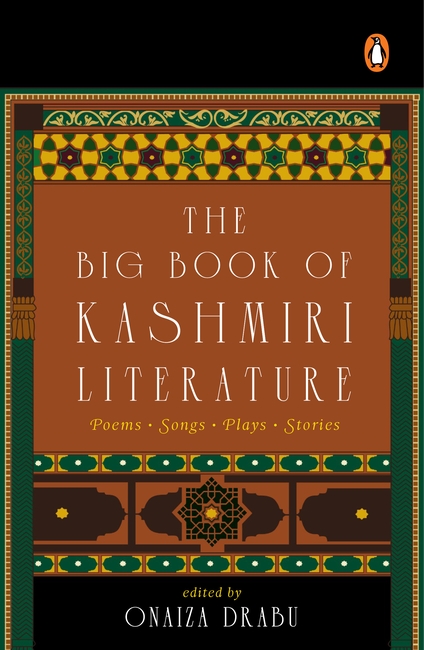
This anthology of literature translated from the Kashmiri language is the first of its kind. It is as much an introduction into the literary landscape of Kashmir as a journey through its history. From pre-modern verse to radio plays, folk chants to metaphysical ghazals, flash fiction to excerpts from a novel – the Big Book of Kashmiri Literature is compilation of memory and an anthology of voices. The reader will encounter scholars, saints, experimental dramatists and unlettered poets starting from the 14th century to today. Kashmiri has a thriving oral tradition, a literary culture that borrowed from the East and a print culture that engaged with the West and it all comes together in this volume with a promise of immersion into the emotional topography of the land, the language and the people.
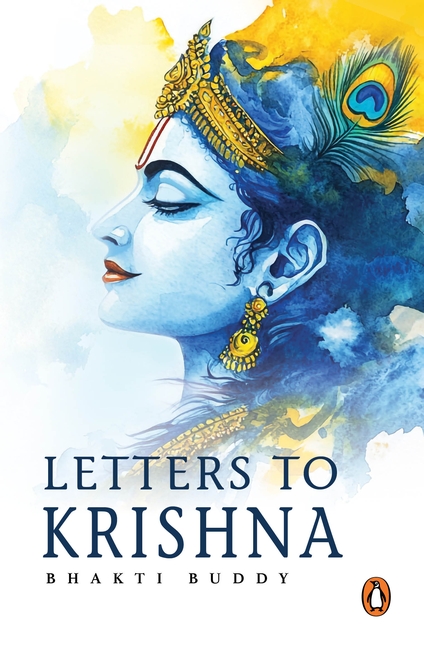
Letters to Krishna addresses Krishna the way one speaks to a trusted friend—openly, vulnerably, and without pretense. Each letter, written in raw and unfiltered verses, echoes with a sense of serenity.
No matter where you are on your journey to Him, you will find a resonance within these pages. Simple, conversational, and deeply personal, these letters remind us that spirituality does not require perfection, only presence.