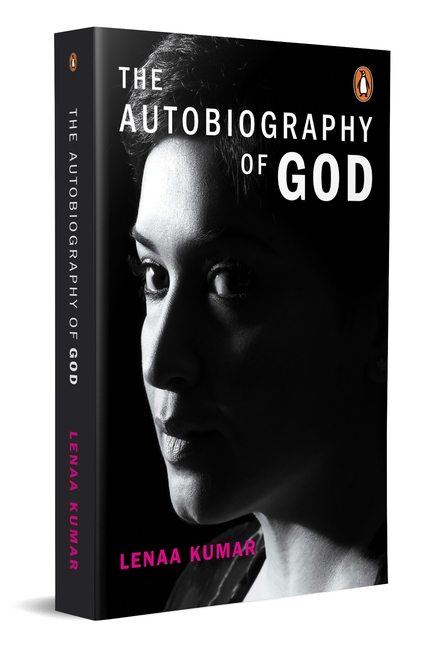
Are you a seeker, rebel, non-conformist and free-spirit? Yes? … This book is for you.
This book is for the rational, the practical, the seeker, the non-conformist, the leader, the rebel and the free spirit . . . This book is for you, dear reader, to destroy your self-limiting beliefs and realize your full potential.
As this journey of self-discovery spanning eighteen years unfolds, Lenaa keeps a promise she made to herself during her darkest hours: ‘If I can stay off psychiatric medication for two years, I will write a book for fellow sufferers of anxiety, depression and the rigid psychiatric system.’ Now, five years later, the clarity has distilled down to five questions, one answer and a system of instant self-realization.
What am I? Who am I? Where am I? When am I? Why am I?
Can you answer these questions to your own satisfaction? If the answer is not a definite ‘Yes’, dive right into The Autobiography of God.

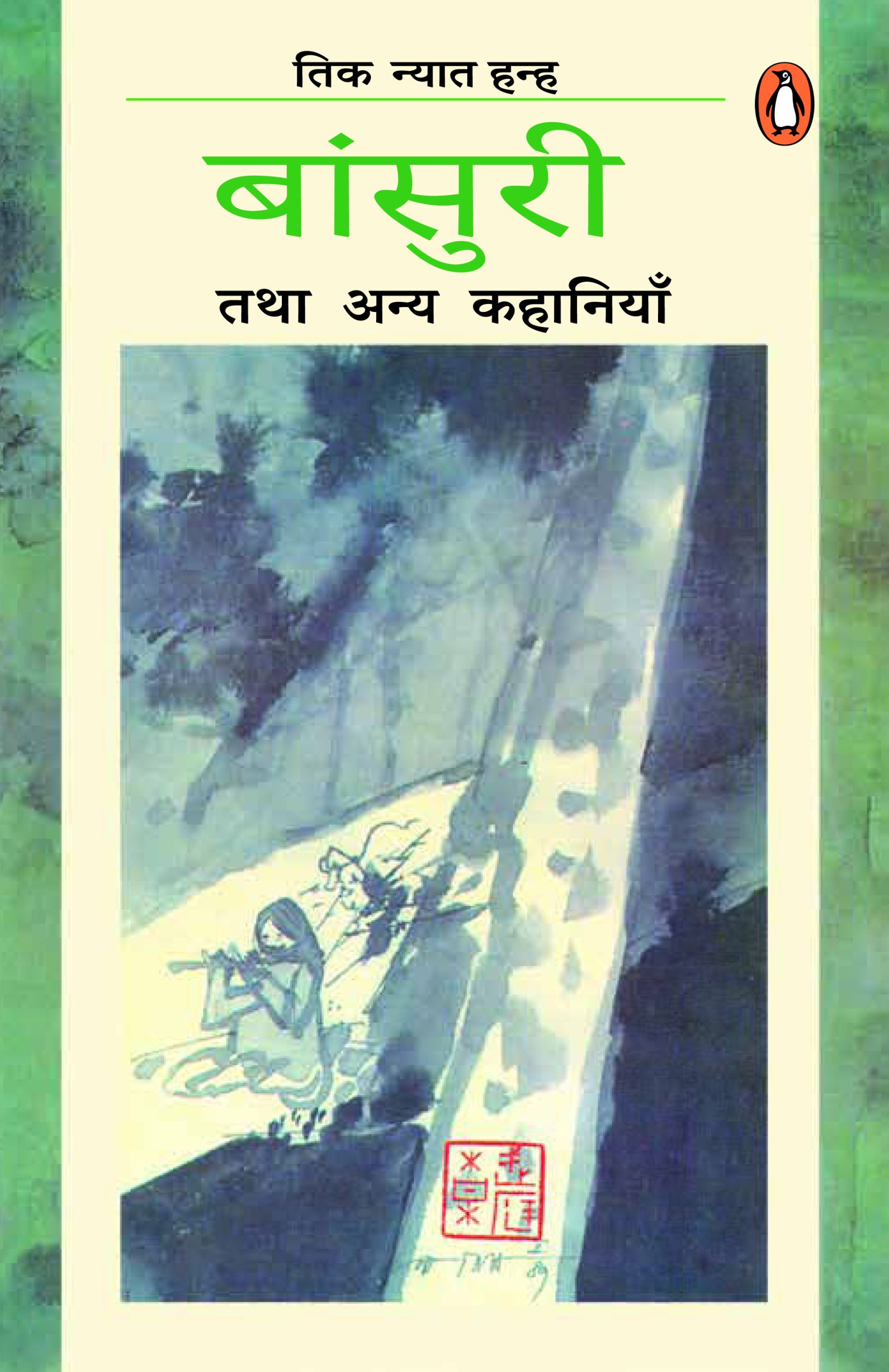
ये कहानियाँ वियतनाम की सभ्यता, संस्कृति और साहित्य से हमारा परिचय कराती हैं।
मन कहीं गहरे तक उतर जाने वाली ये कहानियाँ मानो हमें युद्ध की विभीषिका महसूस करने पर विवश कर देती हैं। तिक न्यात हन्ह खुद विएतनाम युद्ध के दौरान पेरिस शांति वार्ता में बौद्ध शांति दल के प्रमुख थे। इस संकलन की कुछ कहानियाँ युद्ध से उपजी तकलीफों, मुश्किलों तथा हिंसा का का सजीव चित्रण करती हैं। इन घटनाओं और बौद्ध आर्दशों को कहानियों का रूप देकर तिक न्यात हन्ह ने इस संकलन को एक प्रेरणाप्रद ग्रंथ का आकार दिया है।

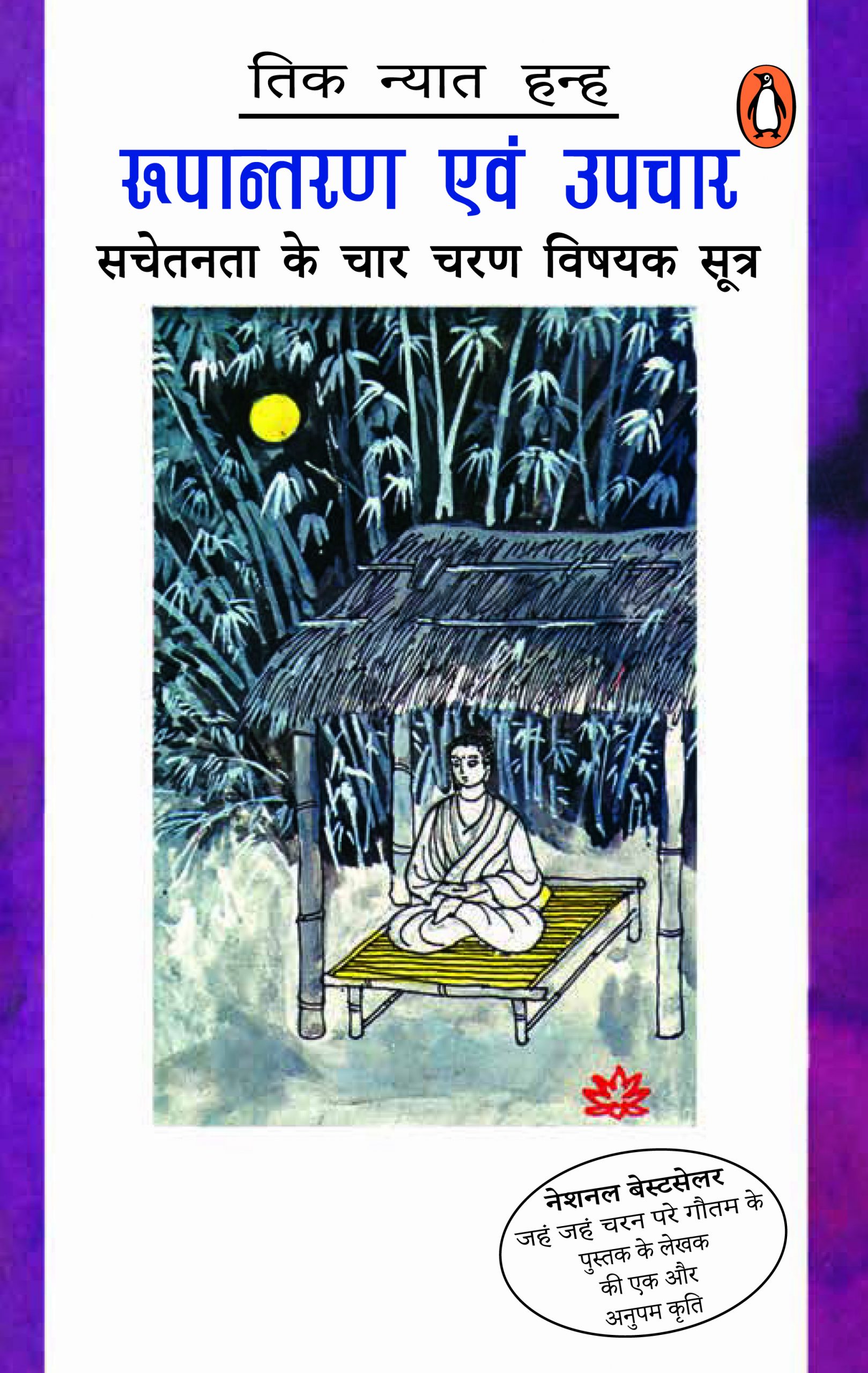
इस पुस्तक में बुद्ध की प्राचीन शिक्षाओं के माध्यम से अपने शरीर को सचेतन रखने का तरीका बताया गया है। इस पुस्तक से हमें यह सीखने को मिलेगा कि अपने आपके साथ आत्मीयता कैसे बढ़ाएं तथा क्रोध, जलन और संत्रास को वश में कैसे करें और अपने बच्चों, जीवन साथी और मित्रों में श्रेष्ठ गुणों का पोषण कैसे करें। इस पुस्तक में ध्यान को भी सहज ढंग से समझाया गया है।

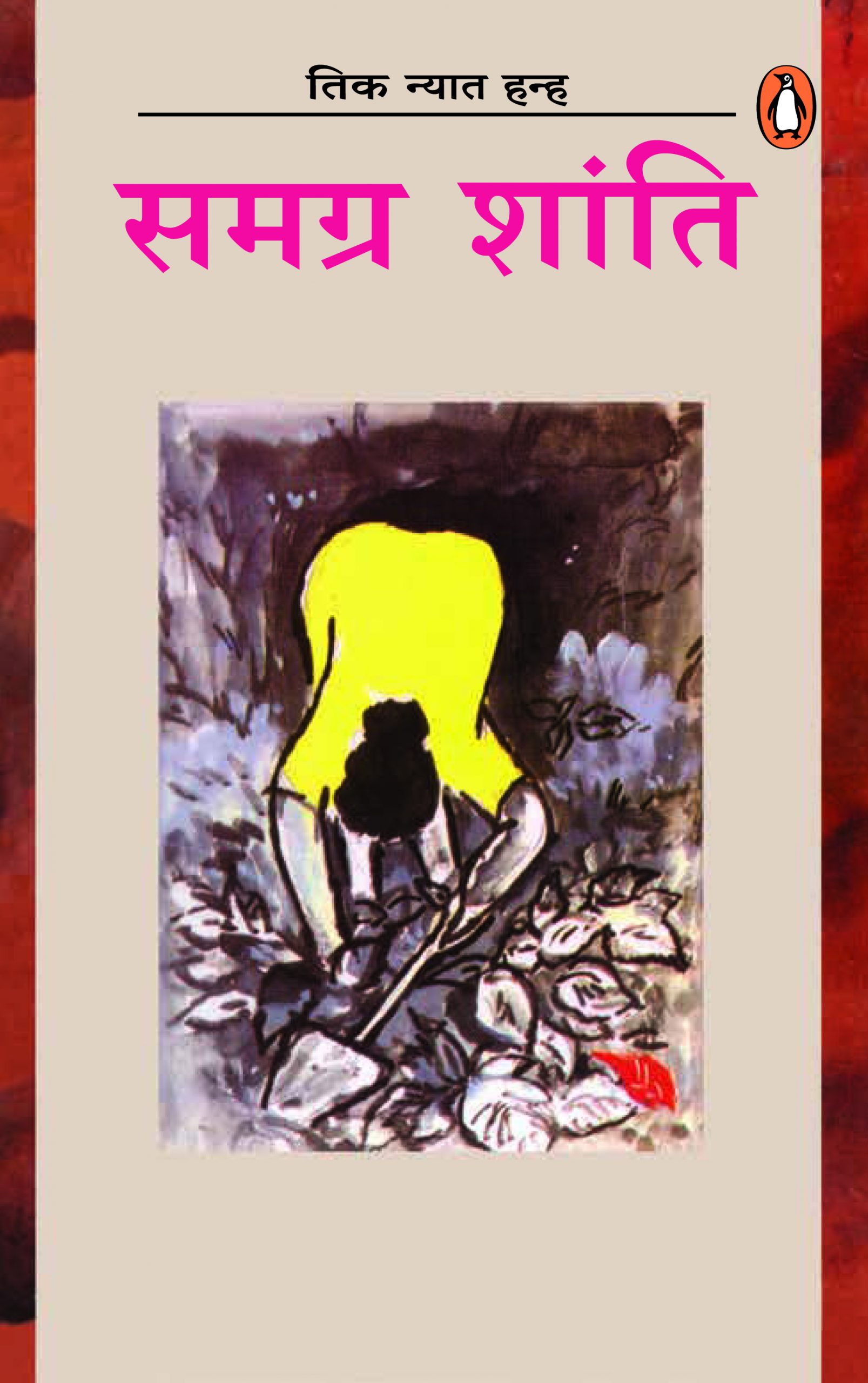
इस पुस्तक में तिक न्यात हन्ह स्वयं कहते हैं कि यदि हम शांतियुक्त हैं, यदि हम आनंदमय हैं, तो हम मुस्कुरा सकते हैं और हमारे परिवार का प्रत्येक व्यक्ति हमारा समूचा समाज, हमारी इस शांति से लाभान्वित होगा। महान बौद्ध विद्वान तिक न्यात हन्ह द्वारा अमेरिका के शांति कार्यकर्ताओं और ध्यान साधना के विद्यार्थियों के समक्ष दिए गए अमर प्रवचन इस पुस्तक में संकलित हैं। लेखक ने इस पुस्तक में शांति की स्थापना के लिए समग्र शांति का गहनतापूर्ण वर्णन किया है।

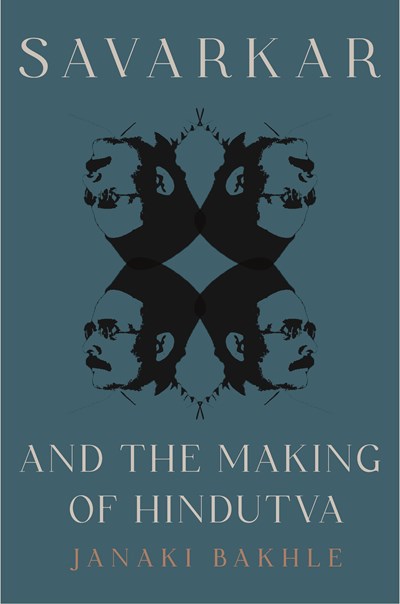
A monumental intellectual history of the pivotal figure of Hindu nationalism
Vinayak Damodar Savarkar (1883–1966) was an intellectual, ideologue, and anticolonial nationalist leader in India’s struggle for independence from British colonial rule, one whose anti-Muslim writings exploited India’s tensions in pursuit of Hindu majority rule. Savarkar and the Making of Hindutva is the first comprehensive intellectual history of one of the most contentious political thinkers of the twentieth century.
Janaki Bakhle examines the full range of Savarkar’s voluminous writings in his native language of Marathi, from political and historical works to poetry, essays, and speeches. She reveals the complexities in the various positions he took as a champion of the beleaguered Hindu community, an anticaste progressive, an erudite if polemical historian, a pioneering advocate for women’s dignity, and a patriotic poet. This critical examination of Savarkar’s thought shows that Hindutva is as much about the aesthetic experiences that have been attached to the idea of India itself as it is a militant political program that has targeted the Muslim community in pursuit of power in postcolonial India.
By bringing to light the many legends surrounding Savarkar, Bakhle shows how this figure from a provincial locality in colonial India rose to world-historical importance. Savarkar and the Making of Hindutva also uncovers the vast hagiographic literature that has kept alive the myth of Savarkar as a uniquely brave, brilliant, and learned revolutionary leader of the Hindu nation.
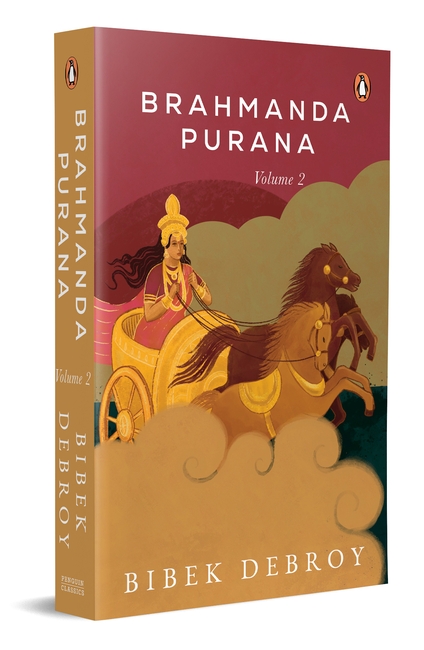
‘Among the eighteen classic Hindu texts called the Puranas, the Brahmanda Purana recounts the stories and lores associated with Brahma, the creator and one of the trinities of the supreme divinity along with Vishnu and Shiva. A relatively early Purana, its composition can be traced back to approximately 400 to 600 BCE, predating many other Hindu texts. While the first volume talks of the cosmology, creation, and geography, the lineages of rishis and shraddha rites, ending with Parashurama’s stoory, the highlight of volume 2 is its emphasis on Lalita’s greatness, the slaying of Bhandasura, Madana’s rebirth and the glory of Kamakshi. Translated and annotated from the original Sanskrit by Bibek Debroy, this edition of the Brahmanda Purana is a precious and rare volume for the lovers of Hindu mythology and religion.
This is the sixth volume in the Purana series; the others include the Bhagavata Purana, the Markandeya Purana, the Brahma Purana, Vishnu Purana, and the Shiva Purana.’
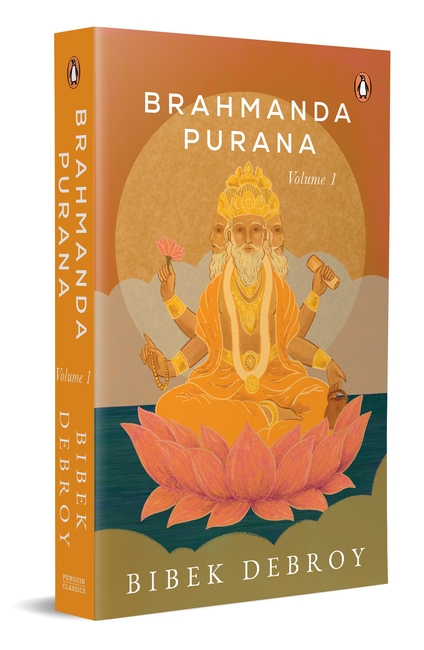
‘Among the eighteen classic Hindu texts called the Puranas, the Brahmanda Purana recounts the stories and lores associated with Brahma, the creator and one of the trinities of the supreme divinity along with Vishnu and Shiva. A relatively early Purana, its composition can be traced back to approximately 400 to 600 BCE, predating many other Hindu texts. Volume 1 of the two-volume set tells stories on creation, cosmology, and geography, with lineages of rishis and shraddha rites, ending with Parashurama’s story. Translated and annotated from the original Sanskrit by Bibek Debroy, this edition of the Brahmanda Purana is a precious and rare volume for the lovers of Hindu mythology and religion.
This is the sixth volume in the Purana series; the others include the Bhagavata Purana, the Markandeya Purana, the Brahma Purana, Vishnu Purana, and the Shiva Purana.’

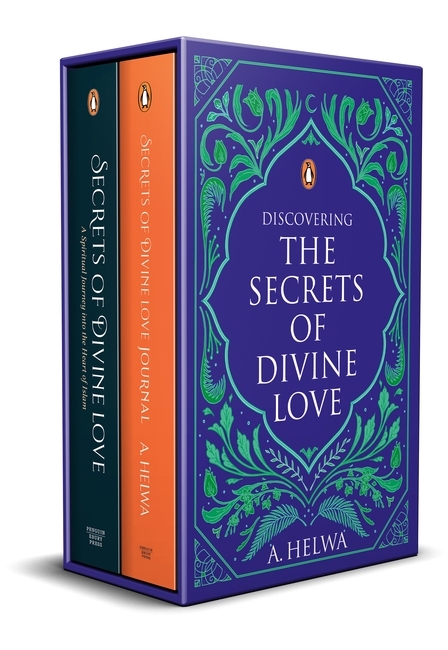
Unlock your spiritual potential with Secrets of Divine Love and Secrets of Divine Love Journal!
Secrets of Divine Love draws upon the spiritual secrets of the Qu’ran, mystical poetry and stories from the world’s greatest prophets and spiritual masters to help you reignite your faith, overcome your doubts and deepen your connection with God. The book uses a rational yet heart-based approach towards the Qu’ran that not only enlightens the mind, but also inspires the soul towards deeper intimacy with God.
The Secrets of Divine Love Journal, based on the award-winning book, can help you foster a deeper relationship with Allah by connecting you with the heart of your faith in a more intimate and inspiring way. Beautifully designed, each chapter of the Secrets of Divine Love Journal starts with a quote from Secrets of Divine Love alongside a verse of the Qur’an followed by a story and reflection, a heart-opening prayer, journal prompts, a quote to contemplate upon, and a closing prayer of gratitude.
Filled with practical exercises and guided meditations, these books will help you to reflect upon and enjoy your faith from a more holistic perspective.

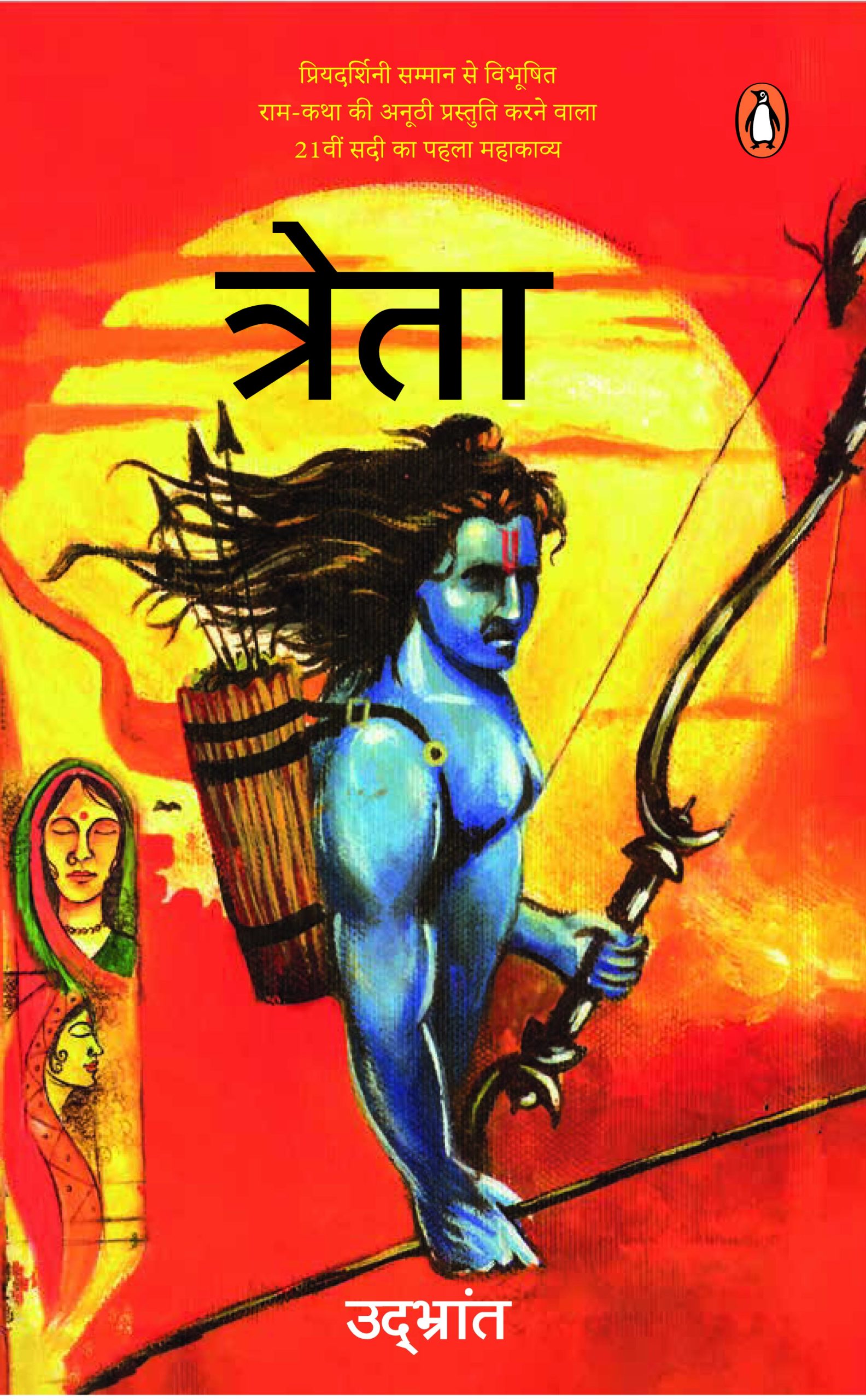
प्रस्तुत महाकाव्य राम के ईश्वरीय मिथक के माध्यम से एक ओर मौजूदा समय के ज्वलंत विमर्श—स्त्री और दलित—को प्रतिबिंबित करते हुए जाति, वर्ग, संप्रदाय, आदिवासी-उत्पीड़न, हिंसा, अनाचार, आतंकवाद, विश्वयुद्ध की विभीषिकाओं और बाज़़ार के बढ़ते प्रभाव से जुड़़ी समस्याओं पर विचार करने के लिए प्रेरित करता है, तो दूसरी ओर समस्त अराजक, पाशविक और नकारात्मक प्रवृत्तियों को शमित करने के लिए संघर्ष का आह्वान भी। यह संशोधित एवं परिवर्धित संस्करण प्रथम बार प्रस्तुत किया गया है।

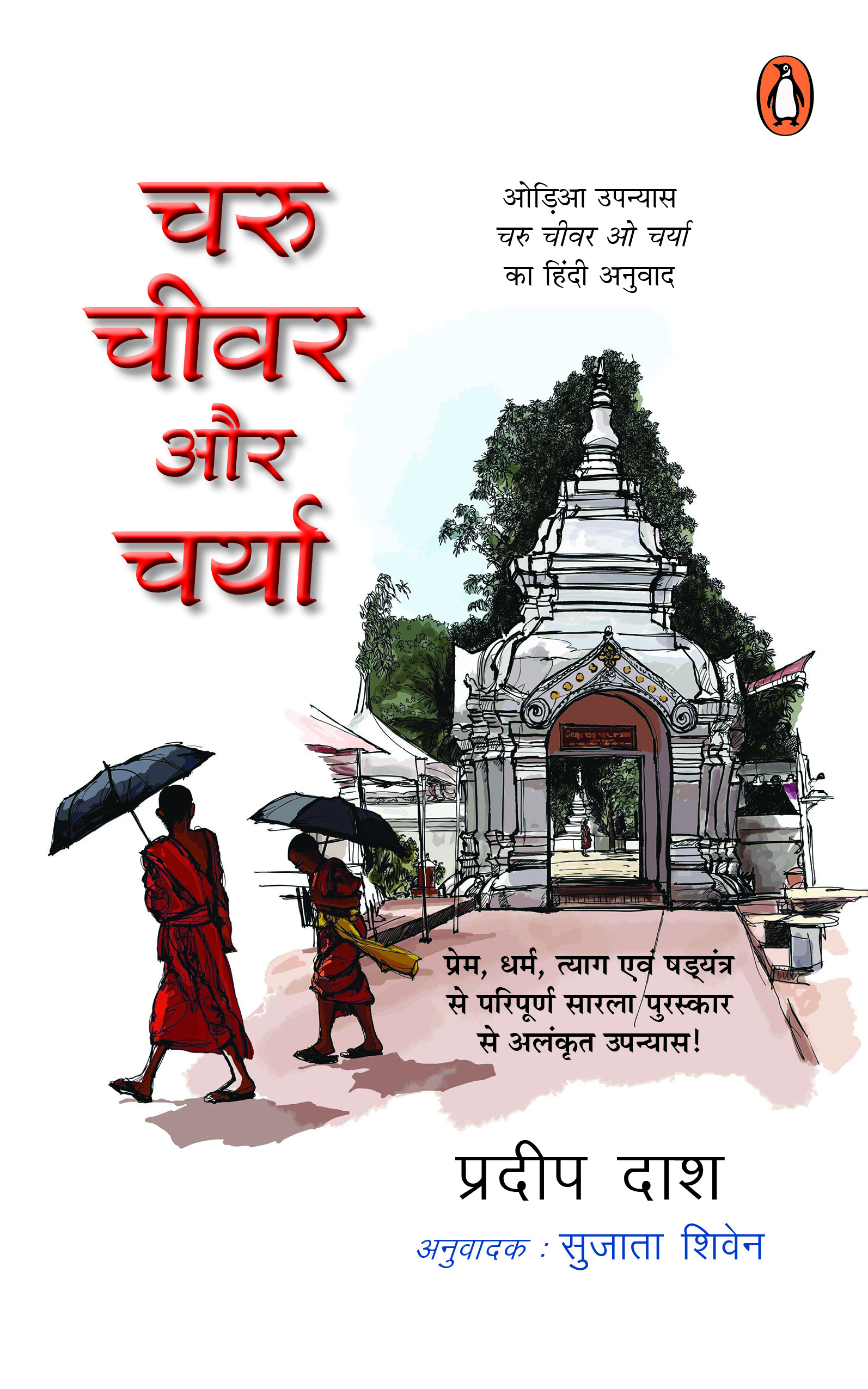
यह ऐतिहासिक उपन्यास आठवीं सदी के भौमकर राजवंश की एक कहानी है। यह एक विराट आख्यान है, जिसमें बौद्ध धर्म का उसकी ऊँचाइयों को छूना, उसकी साधना एवं परंपरा तथा उसे मिल रहा राज्याश्रय और उसका क्षरण सभी शामिल है।
उड़िया से हिंदी में अनुदित चरु, चीवर और र्चया एक क्लासिक श्रेणी का उपन्यास है जिसके मूल उड़िया संस्करण को उड़िशा में प्रतिष्ठित सरला पुरस्कार से सम्मानित किया जा चुका है।