DISCOVER A NEW LIFE-CHANGING SECRET FOR HAPPINESS AND SUCCESS
Purushartha (n.): The ultimate purpose of human beings.
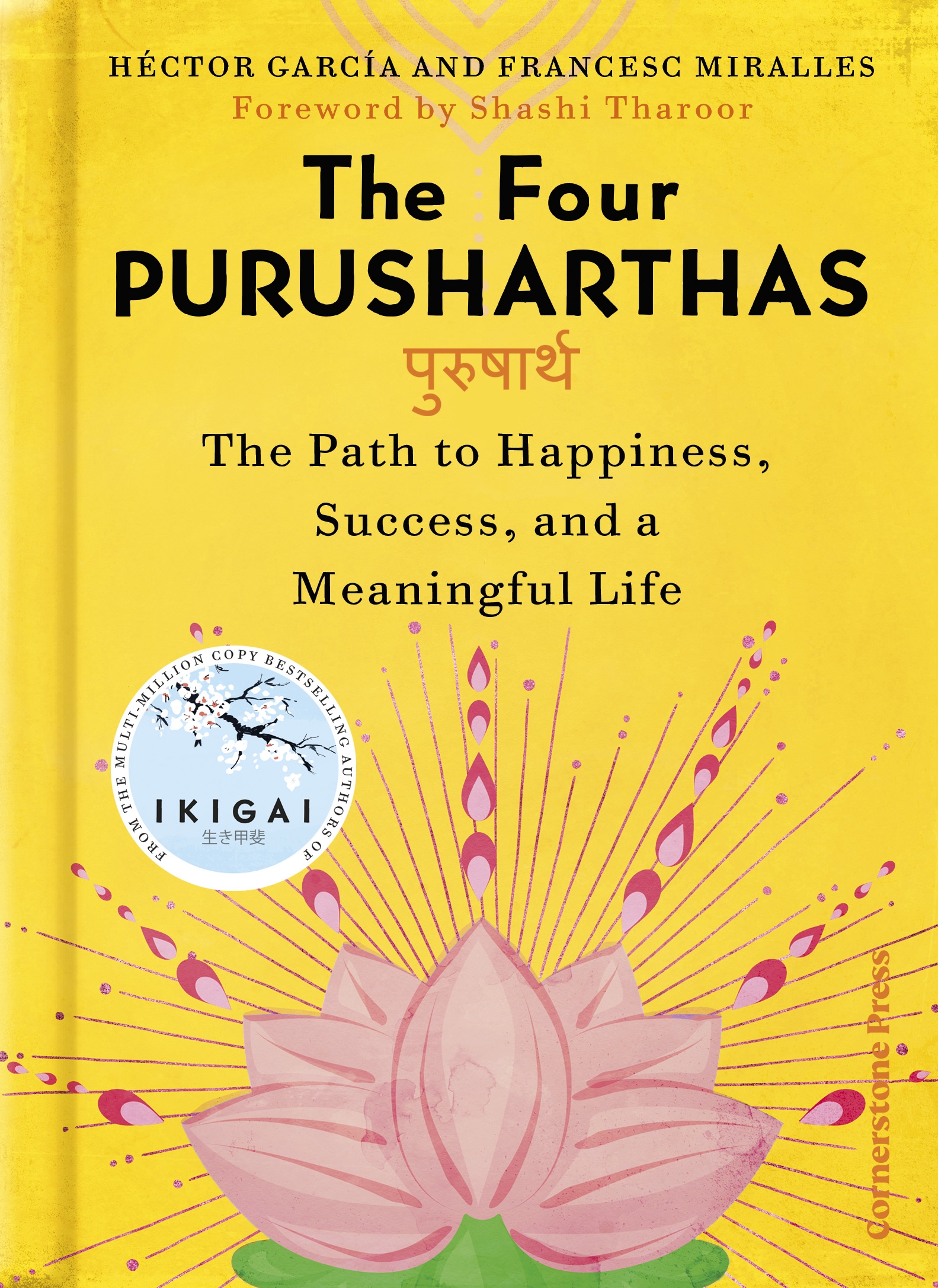
In Hindu philosophy, there are four goals that all human beings strive for: virtue, prosperity, love and freedom. These are the four purusharthas.
Having helped people all over the world live longer with their book on the Japanese concept of ikigai, the authors are now on a mission to honour the balanced way of life they discovered in India. Inspiring and comforting, this book shares the ancient wisdom of the four purusharthas to help you awaken your creative potential, free yourself from stress and fear, and live with greater energy.
By using the four purusharthas to align yourself, you can unlock the key to a life full of inspiration, beauty, peace, and meaning.

The twenty-first century has seen so many advancements—in technology, research, healthcare and education. We are now more connected through technology than our ancestors have ever been, yet we are more isolated and lonely than our ancestors ever were.
The ease with which things are available to us has led to a fast-paced lifestyle. That lifestyle, accompanied by a bad diet and lack of exercise, can sometimes lead to dysregulated thoughts. Awareness of this anomaly, acceptance to change and finally, embracing tools to regulate our feelings, are required to ensure we lead balanced lives that centre our thoughts and emotions.
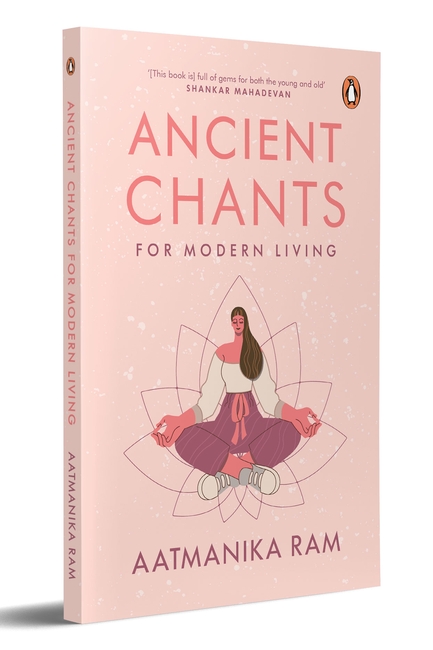
In Ancient Chants for Modern Times, Aatmanika Ram harnesses the wisdom of some of the ancient beliefs and practices of her Indian roots, and suggests tools to help overcome any stressful situations that may arise. These suggestions are global in nature and are easy to follow irrespective of where you live. Apart from information on mantras/chants, this book also includes advice on the diet and yoga asanas to follow to ensure that the body and mind respond in a balanced proportion to any situation.
This is the perfect guide to becoming emotionally stronger and stress-free in the long run.

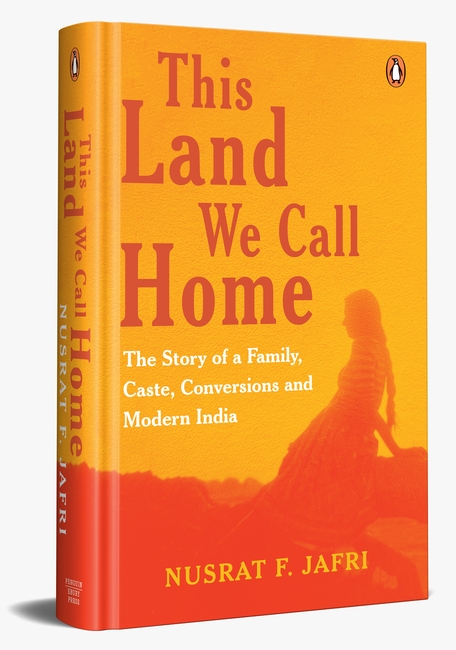
In 1871, the British enacted the Criminal Tribes Act in India, branding numerous tribes and caste groups as criminals. In This Land We Call Home, Nusrat F. Jafri traces the roots of her nomadic forebears, who belonged to one such ‘criminal’ tribe, the Bhantus from Rajasthan.
This affecting memoir explores religious and multicultural identities and delves into the profound concepts of nation-building and belonging. Nusrat’s family found acceptance in the church, alongside a sense of community, theology, songs and carnivals, and quality education for the children in
missionary schools.
The family’s conversion to Christianity in response to caste society highlights their struggle for dignity. Parallelly, we see the family’s experiences during Gandhi’s return to India in 1915, the Partition, the World Wars, the Emergency and the prime ministers’ assassinations.
In a way, this is a story like and unlike the stories all of us carry within us—the inherited weight of who we are and where we come from, our tiny little freedoms and our everyday struggles and, mostly, the intricate jumble of our collective ancestry. Nusrat pays homage to her foremothers, the first feminists, and her forefathers, the ones who tried hard to fit into a caste society only to be disappointed, eventually choosing alternative faiths in pursuit of acceptance.
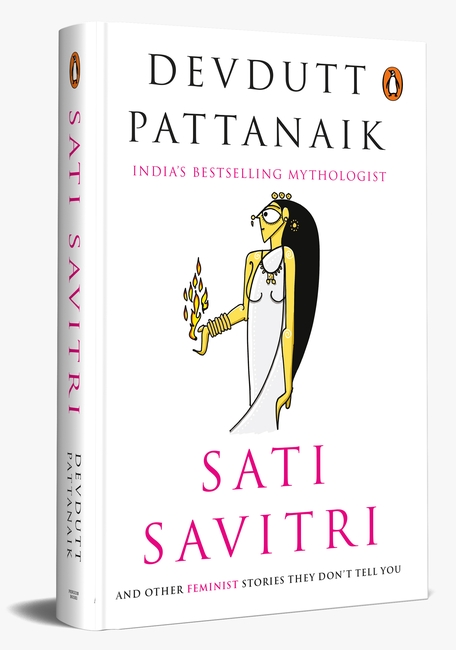
Manu said that a woman’s dharma is to be mother, daughter, sister and wife in service of men, regardless of the caste. In modern times we call this patriarchy. In the Veda, the need to control and favour hierarchy, is an expression of an anxious mind.
Hindu, Buddhist and Jain lore is full of tales where women do not let men define their dharma. In modern times we call this feminism. In the Veda, the acceptance of a woman’s choice is an expression of a wise and secure mind.
While in Western myth, patriarchy is traditional and feminism is progressive, in Indian myth both patriarchy and feminism have always co-existed, in eternal tension, through endless cycles of rebirth. Liberation thus is not a foreign idea. It has always been here.
You have heard tales of patriarchy. This book tells you the other tales—the ones they don’t tell you.
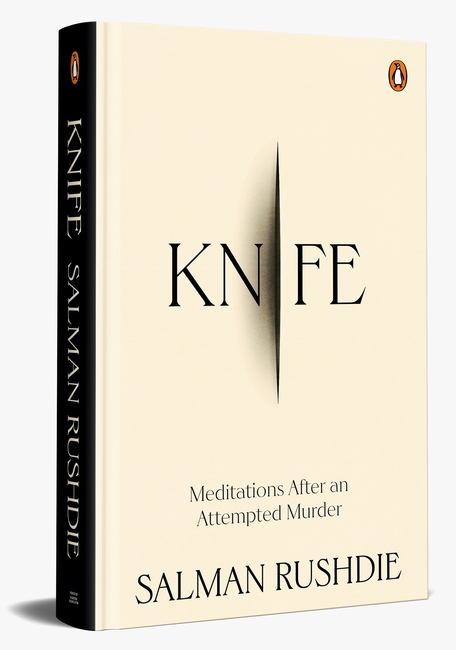
On the morning of August 12, 2022, Salman Rushdie was standing onstage at the Chautauqua Institution, preparing to give a lecture on the importance of keeping writers safe from harm, when a man wearing black clothes and a black mask rushed down the aisle toward him, wielding a knife. His first thought: So it’s you. Here you are.
What followed was a horrific act of violence that shook the literary world and beyond. Now, for the first time, and in unforgettable detail, Rushdie relives the traumatic events of that day and its aftermath, as well as his journey toward physical recovery and the healing that was made possible by the love and support of his wife, Eliza, his family, his army of doctors and physical therapists, and his community of readers worldwide.
Knife is Rushdie at the peak of his powers, writing with urgency, with gravity, with unflinching honesty. It is also a deeply moving reminder of literature’s capacity to make sense of the unthinkable, an intimate and life-affirming meditation on life, loss, love, art—and finding the strength to stand up again.

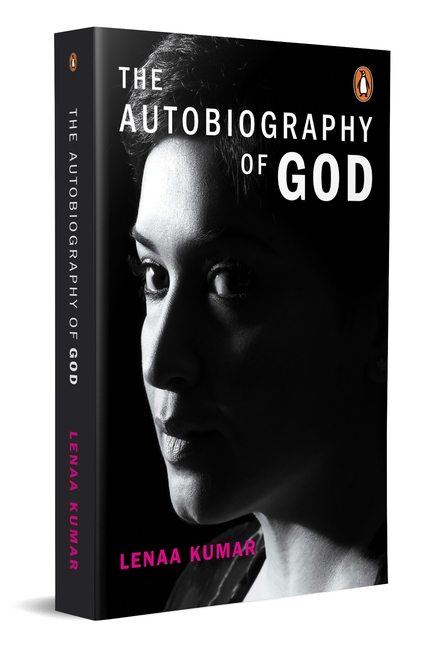
Are you a seeker, rebel, non-conformist and free-spirit? Yes? … This book is for you.
This book is for the rational, the practical, the seeker, the non-conformist, the leader, the rebel and the free spirit . . . This book is for you, dear reader, to destroy your self-limiting beliefs and realize your full potential.
As this journey of self-discovery spanning eighteen years unfolds, Lenaa keeps a promise she made to herself during her darkest hours: ‘If I can stay off psychiatric medication for two years, I will write a book for fellow sufferers of anxiety, depression and the rigid psychiatric system.’ Now, five years later, the clarity has distilled down to five questions, one answer and a system of instant self-realization.
What am I? Who am I? Where am I? When am I? Why am I?
Can you answer these questions to your own satisfaction? If the answer is not a definite ‘Yes’, dive right into The Autobiography of God.

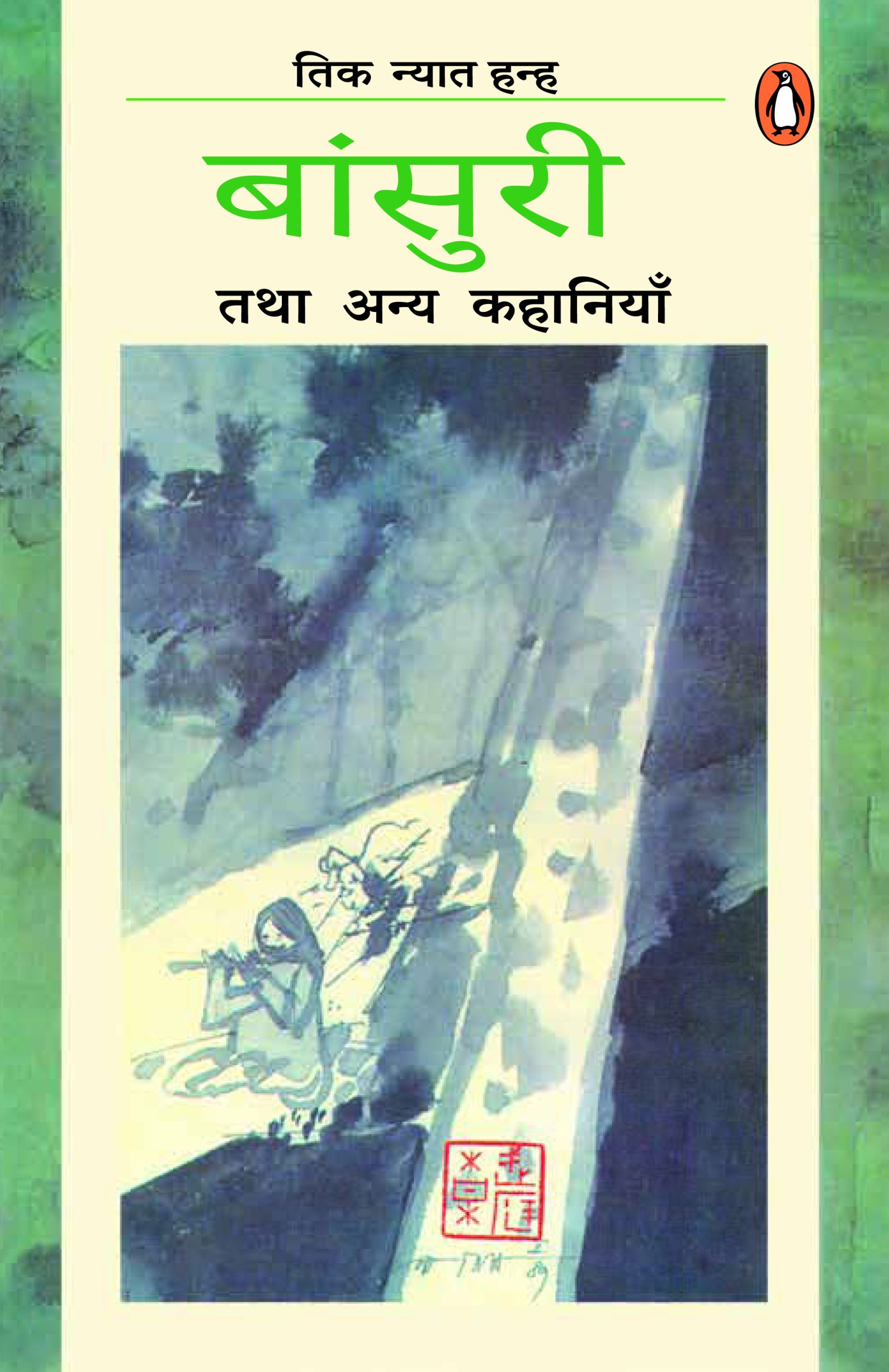
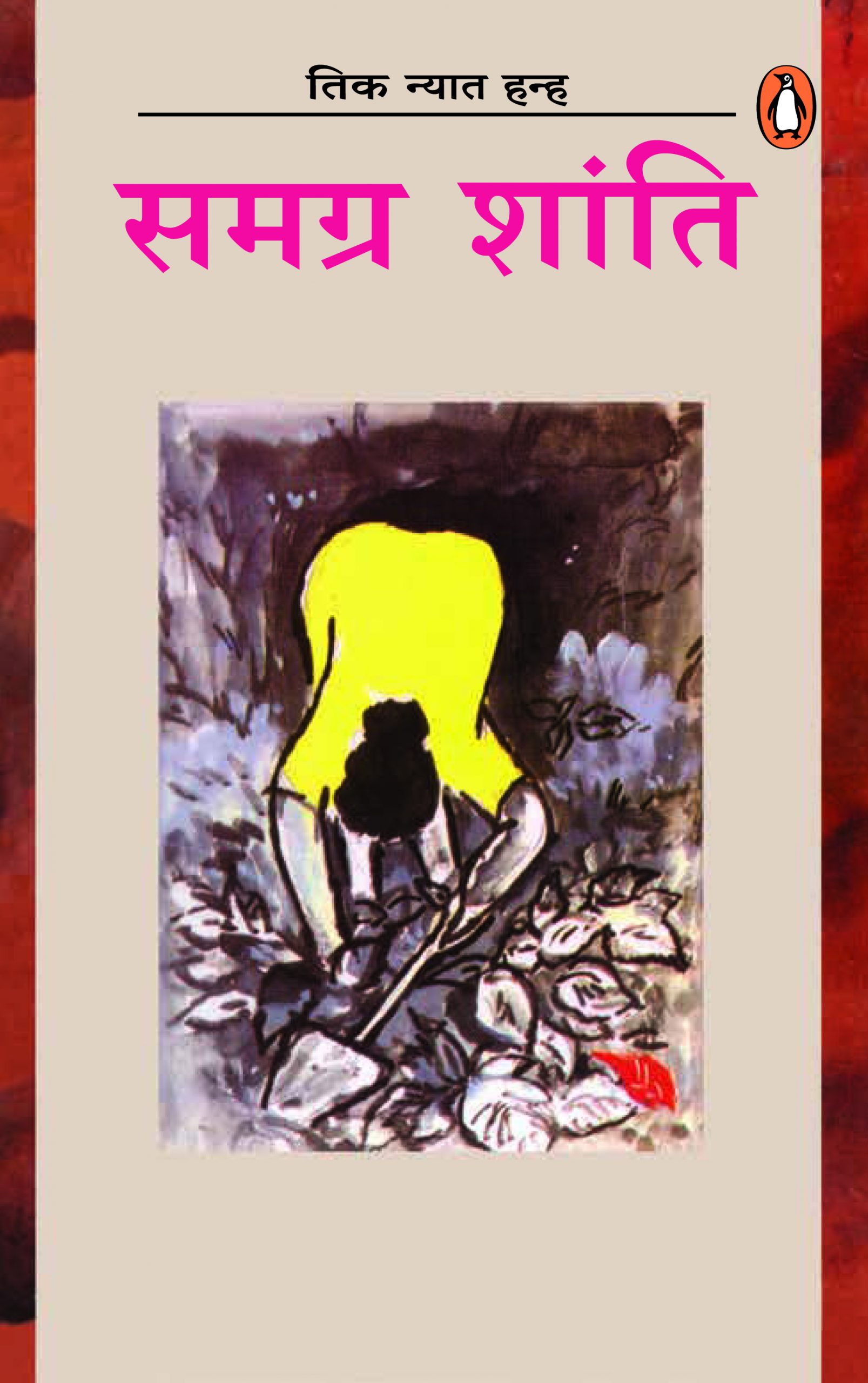
ये कहानियाँ वियतनाम की सभ्यता, संस्कृति और साहित्य से हमारा परिचय कराती हैं।
मन कहीं गहरे तक उतर जाने वाली ये कहानियाँ मानो हमें युद्ध की विभीषिका महसूस करने पर विवश कर देती हैं। तिक न्यात हन्ह खुद विएतनाम युद्ध के दौरान पेरिस शांति वार्ता में बौद्ध शांति दल के प्रमुख थे। इस संकलन की कुछ कहानियाँ युद्ध से उपजी तकलीफों, मुश्किलों तथा हिंसा का का सजीव चित्रण करती हैं। इन घटनाओं और बौद्ध आर्दशों को कहानियों का रूप देकर तिक न्यात हन्ह ने इस संकलन को एक प्रेरणाप्रद ग्रंथ का आकार दिया है।

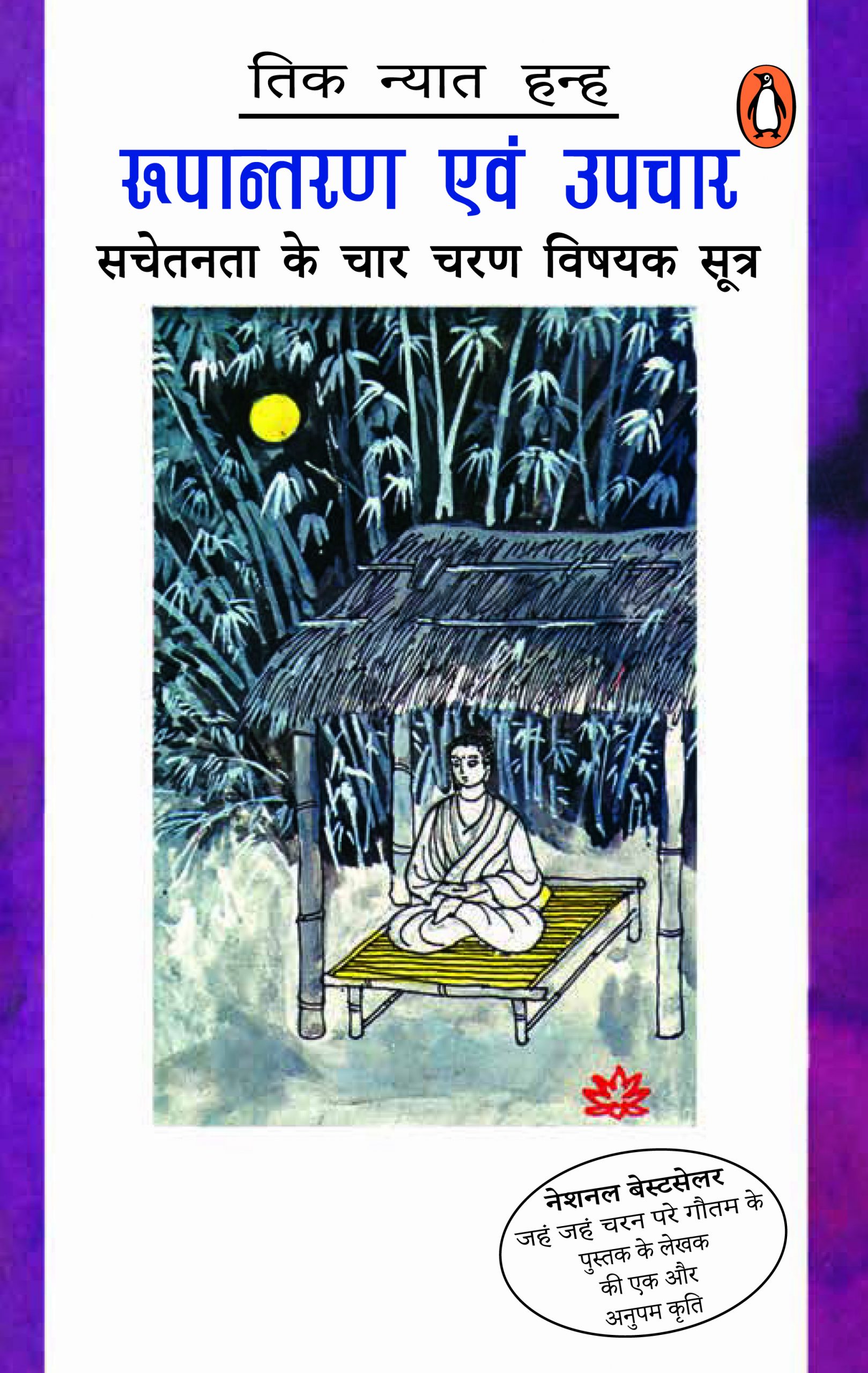
इस पुस्तक में बुद्ध की प्राचीन शिक्षाओं के माध्यम से अपने शरीर को सचेतन रखने का तरीका बताया गया है। इस पुस्तक से हमें यह सीखने को मिलेगा कि अपने आपके साथ आत्मीयता कैसे बढ़ाएं तथा क्रोध, जलन और संत्रास को वश में कैसे करें और अपने बच्चों, जीवन साथी और मित्रों में श्रेष्ठ गुणों का पोषण कैसे करें। इस पुस्तक में ध्यान को भी सहज ढंग से समझाया गया है।

इस पुस्तक में तिक न्यात हन्ह स्वयं कहते हैं कि यदि हम शांतियुक्त हैं, यदि हम आनंदमय हैं, तो हम मुस्कुरा सकते हैं और हमारे परिवार का प्रत्येक व्यक्ति हमारा समूचा समाज, हमारी इस शांति से लाभान्वित होगा। महान बौद्ध विद्वान तिक न्यात हन्ह द्वारा अमेरिका के शांति कार्यकर्ताओं और ध्यान साधना के विद्यार्थियों के समक्ष दिए गए अमर प्रवचन इस पुस्तक में संकलित हैं। लेखक ने इस पुस्तक में शांति की स्थापना के लिए समग्र शांति का गहनतापूर्ण वर्णन किया है।

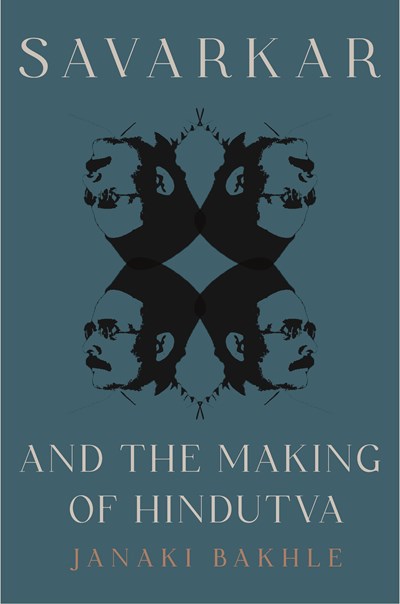
A monumental intellectual history of the pivotal figure of Hindu nationalism
Vinayak Damodar Savarkar (1883–1966) was an intellectual, ideologue, and anticolonial nationalist leader in India’s struggle for independence from British colonial rule, one whose anti-Muslim writings exploited India’s tensions in pursuit of Hindu majority rule. Savarkar and the Making of Hindutva is the first comprehensive intellectual history of one of the most contentious political thinkers of the twentieth century.
Janaki Bakhle examines the full range of Savarkar’s voluminous writings in his native language of Marathi, from political and historical works to poetry, essays, and speeches. She reveals the complexities in the various positions he took as a champion of the beleaguered Hindu community, an anticaste progressive, an erudite if polemical historian, a pioneering advocate for women’s dignity, and a patriotic poet. This critical examination of Savarkar’s thought shows that Hindutva is as much about the aesthetic experiences that have been attached to the idea of India itself as it is a militant political program that has targeted the Muslim community in pursuit of power in postcolonial India.
By bringing to light the many legends surrounding Savarkar, Bakhle shows how this figure from a provincial locality in colonial India rose to world-historical importance. Savarkar and the Making of Hindutva also uncovers the vast hagiographic literature that has kept alive the myth of Savarkar as a uniquely brave, brilliant, and learned revolutionary leader of the Hindu nation.