



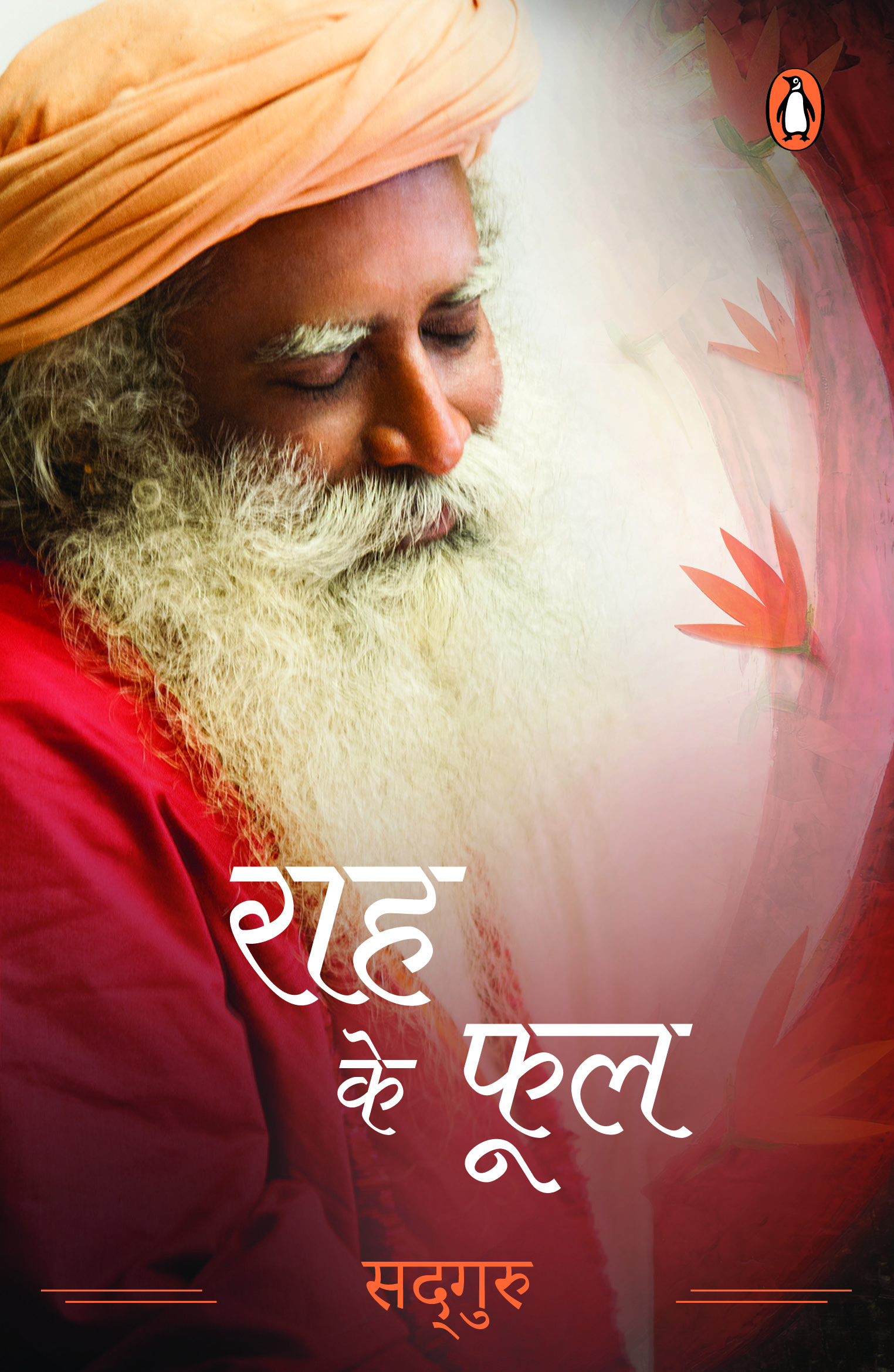
प्रस्तुत पुस्तक पाठकों के लिए एक गुलदस्ता है; यह द टाइम्स ऑफ इंडिया के स्तंभ ‘द स्पीकिंग ट्री’ धारावाहिक रुप में प्रकाशित सद्गुरु के आलेखों का संग्रह है। इन रचनाओं ने एकरसता और अशांति से घिरे लोगों के जीवन में नित्य प्रति सौंदर्य, हास्य, स्पष्टता और विवेक की शालीनता प्रवाहित की है।
सद्गुरु के मौलिक विचारों, स्पष्ट टिप्पणियों और समसामयिक मसलों पर दिए गए बयानों ने कभी-कभी विवाद पैदा किए हैं, पर उनसे राष्ट्रीय बहस में एक अलग रंगर और जीवंतता का संचार हुआ है। रुढ़ियों और परम्परागत विचारों से अलग नए दृष्टिकोण जगाकर पाठकों को चौंका देने वाली ये रचनाएँ, अपनी सौम्य सुगंध से भोर को भिगोते फूलों की तरह उत्साह और प्रेरणा प्रदान करती है।हमारी नजरों के सामने खिले फूलों की तरह इनमें आग्रहपूर्ण आमंत्रण है। सुवास आ आमंत्रण-सुवास जो मदहोश कर देती है, जो हमें याद दिलाती है कि जीवन कोई उलझी हुई पहेली नहीं है, बल्कि एक राज है जिसे अनुभव किया जा सकता है।
Catagory: Religion
Indians (Hindi)/Indians/इंडियंस
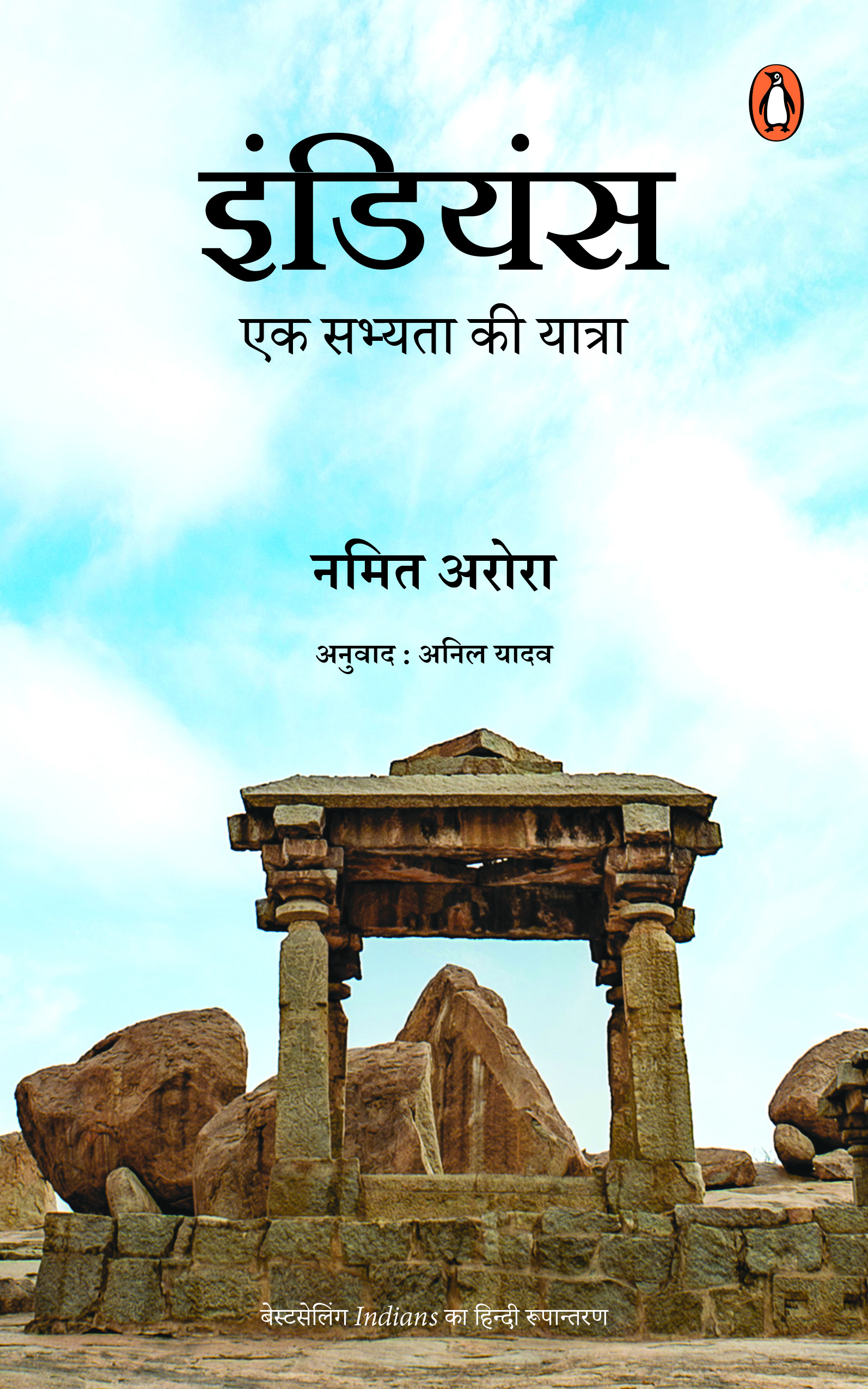
एक विचार, एक हकीकत और एक पहेली है भारतीय सभ्यता। इस दिलचस्प किताब में नमित अरोरा हमें इतिहास की हज़ारों साल की अविस्मरणीय यात्रा पर ले जाते हैं जिसमें वे भारतीयों के सामाजिक और सांस्कृतिक पड़ावों का ब्योरा देते हैं। वे उनकी राजनीतिक उथल-पुथल और प्रतिद्वन्दिता, उनके रीति-रिवाज, व्यवसाय और पर्व-त्योहारों पर गौर करते हैं। इस क्रम में अरोरा छह ऐतिहासिक स्थलों की यात्रा करते हैं—हड़प्पा कालीन धोलावीरा, नागार्जुनकोंडा में इक्ष्वाकुओं की राजधानी, बौद्धों का ज्ञान केंद्र नालंदा, रहस्यपूर्ण खजुराहो, हम्पी में विजयनगर साम्राज्य की राजधानी और ऐतिहासिक बनारस। अपने सुस्पष्ट विश्लेषण, स्थानीय कहानियों और चित्रों के माध्यम से वे इसे जीवंत बनाते हैं। साथ ही उनकी इस पुस्तक में भारत आने वाले मशहूर यात्रियों मसलन मेगस्थनीज़, ह्वेनसांग, अलबरूनी, मार्को पोलो और बर्नियर के विवरण भी हैं जो हमारे देश के बारे में आश्चर्यजनक बातें कहते हैं।
इंडियंस में अरोरा हमारे पूर्वजों के विचारों, विश्वासों और मूल्यों की पड़ताल करते हैं—जिनमें कुछ अभी भी आधुनिक भारत को आकार दे रहे हैं, जबकि अन्य खो गए हैं। यह एक ऐसी मौलिक, शोधपूर्ण और विचारोत्तेजक पुस्तक है जो हमारी नसों में प्रवाहित हो रहे कई तरह के इतिहासों पर प्रकाश डालती है।
Energize Your Mind (Hindi)/Man Banayen Oorjavan/मन बनाएँ ऊर्जावान
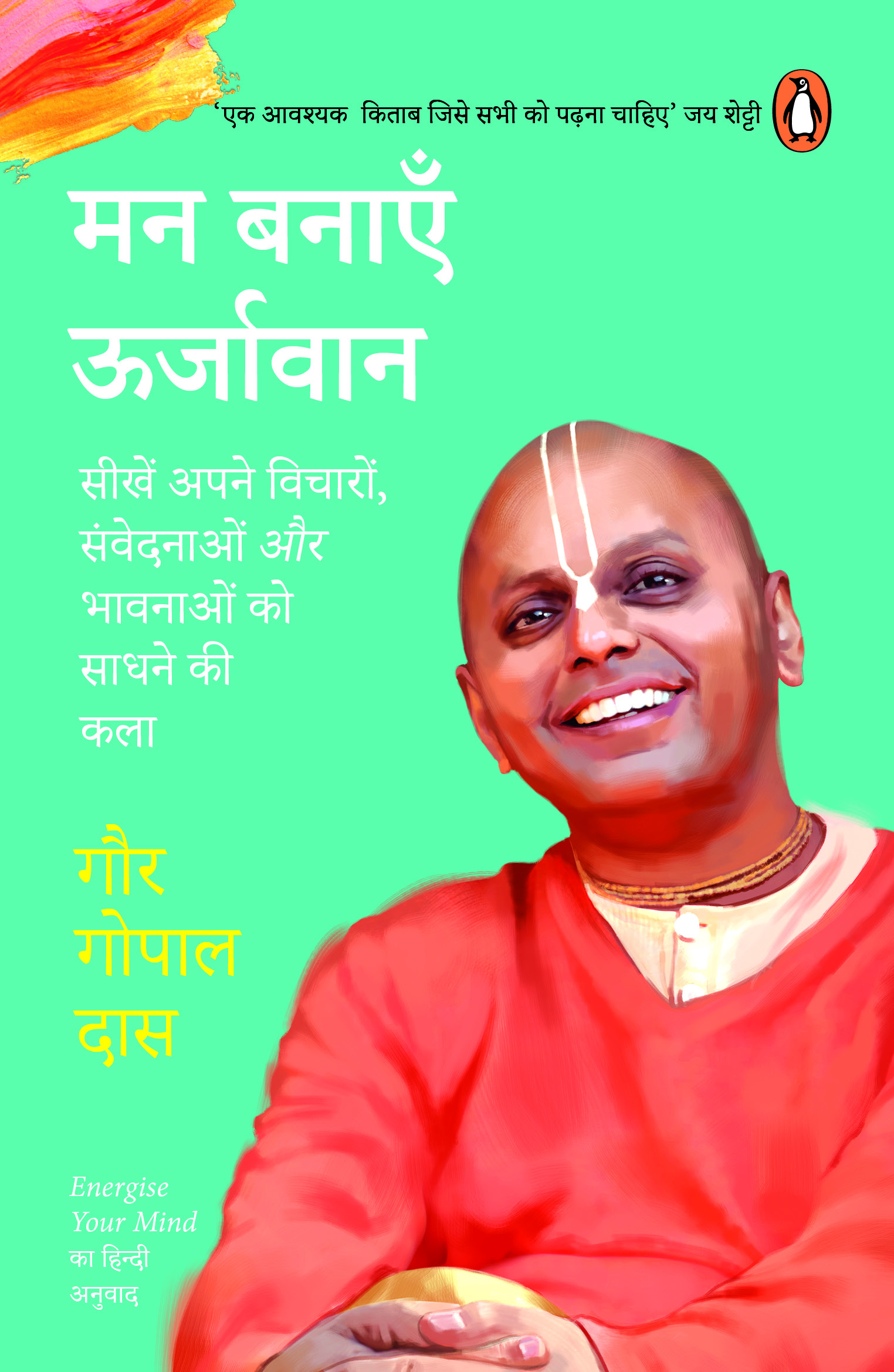
अपने मन पर नियंत्रण पाएँ
पाएँ अपने जीवन पर नियंत्रण
इस बेस्टसेलिंग किताब में लेखक और लाइफ कोच गौर गोपाल दास बताते हैं कि हमारा मन कैसे काम करता है। अपनी बेहतरीन किस्सागोई शैली में वे समझाते हैं कि कैसे हम अपने दिल-ओ-दिमाग को समझकर और फिर उसे अनुशासित कर अपने जीवन में सही तरह से जी सकते हैं। इस पूरी किताब में उन्होंने ऐसे व्यायाम, मेडिटेशन तकनीकें और वर्कशीट्स पाठकों के साथ साझा की हैं जिनसे हम अपने अंदर बदलाव लाकर अपने विचारों और व्यवहार को अपने नियंत्रण में रख सकते हैं।
ये किताब उन सभी लोगों को अवश्य पढ़नी चाहिए जो अपने लिए एक बेहतर और सम्पूर्ण भविष्य चाहते हैं।
Karma (Hindi)/Karm/कर्म
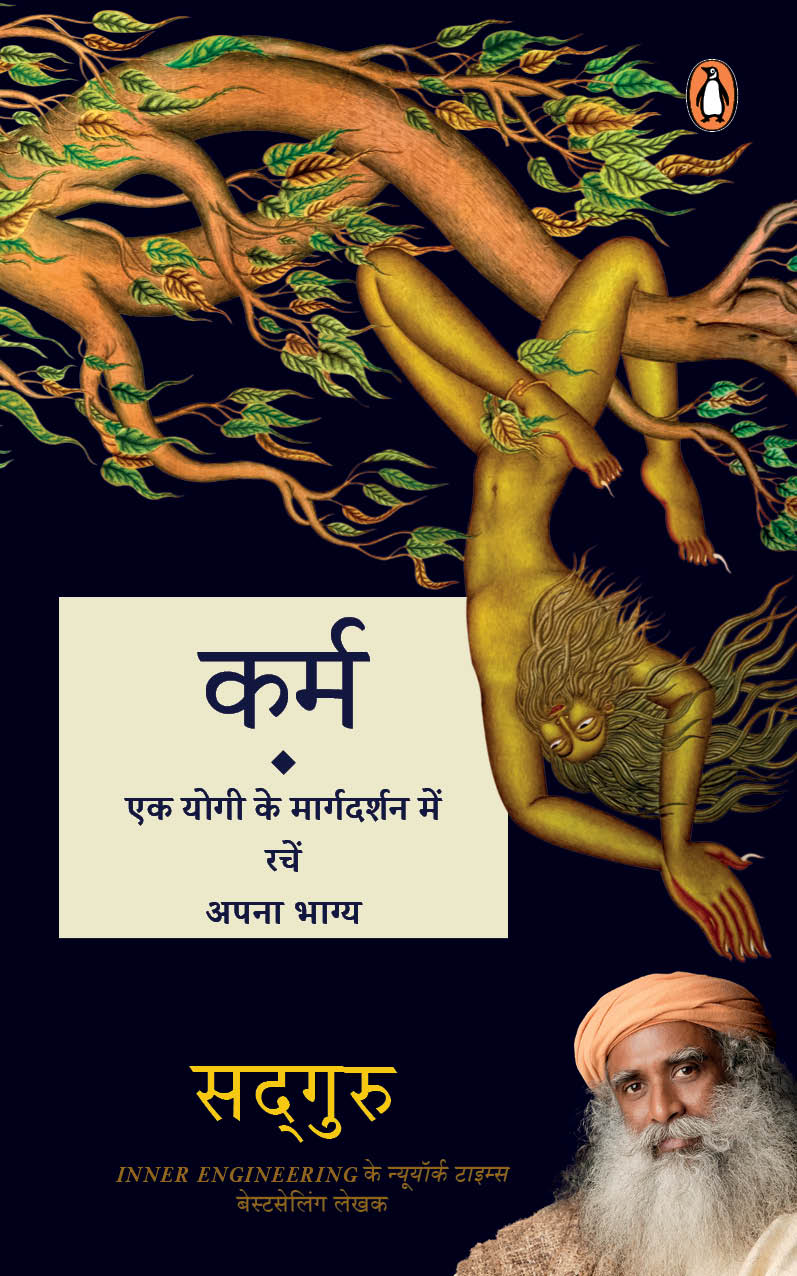
कर्म’, आज के दौर में इस शब्द का प्रयोग बहुत किया जाता है। लोग इसे एक बही खाते की तरह समझते हैं जिसमें हमारे अच्छे-बुरे, कार्यों और विचारों का हिसाब रखा जाता है; एक ऐसी व्यवस्था जो यह सुनिश्चित करती है कि अच्छे के साथ अच्छा हो और बुरे के साथ बुरा। इस सरल समझ ने हमारे जीवन में कई उलझने पैदा कर दी हैं।
इस पुस्तक के द्वारा सद्गुरु न सिर्फ यह समझाते हैं कि कर्म क्या है बल्कि वे हमें यह भी बताते हैं कि चुनौतियों भरे इस जीवन में हम अपनी राह कैसे खोज सकते हैं।
Treasures of Lakshmi
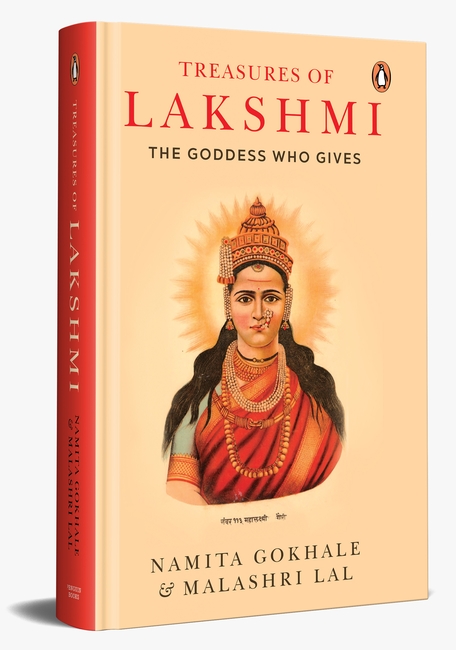
Treasures of Lakshmi is the culmination of the much-loved goddess series, brilliantly curated and edited by Namita Gokhale and Malashri Lal. This trilogy, which began with In Search of Sita and continued with Finding Radha, examines the mystical realms of Hindu thought and practice, celebrating the essence of the sacred feminine. Whether it is Lakshmi’s 108 names or a sahasranama of a thousand appellations, her blessings are multidimensional and eternal. as the third and final instalment of this remarkable trilogy, Treasures of Lakshmi takes readers on a unique journey of exploration, unravelling the compelling narrative of ‘the goddess who gives’.
The Journey to Adi Kailash
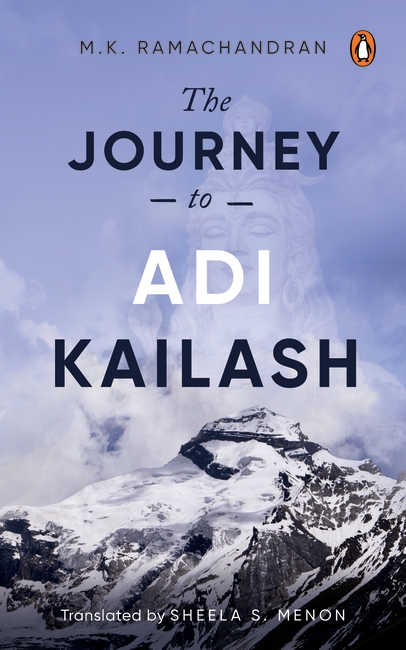
Bestselling author M.K. Ramachandran is well-known for his unique travelogues. Not only does he beautifully recount his journey but he also delves into history and culture, tying in various threads to show the reader the many elements that make India what it is.
The Journey to Adi Kailash is no different. While detailing his trek to one of the most revered mountains of India, Ramachandran includes interpretations of our history, culture, traditions, the Puranas and the Upanishads, as well as contributions by great sadhus, sages and rishis. He weaves in interesting stories—of how the Asuras came to India, the ancient technology of turning metal to gold, the ninety-five-year-old woman who is well-versed in the 144 courses of Kriya Yoga, the yogi who acquires the power to fly into the sky . . .
The Journey to Adi Kailash is compelling reading, and a book that holds a mirror to the greatness of India.
Muslim Politics in India
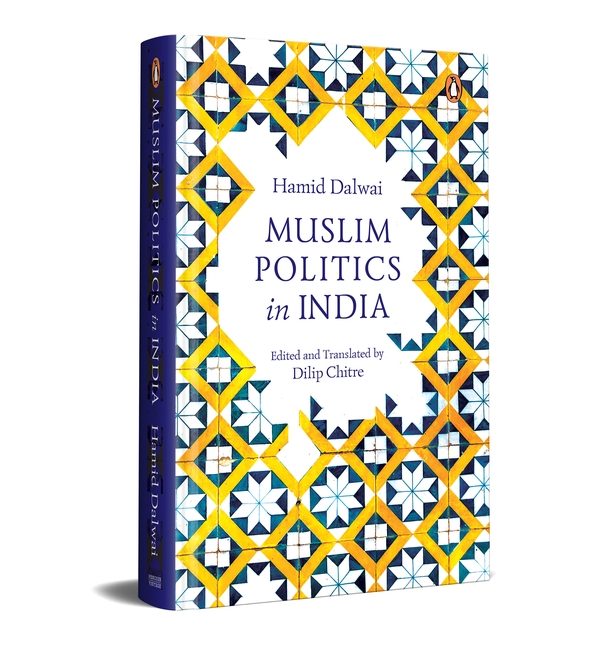
Hamid Dalwai has been called a Muslim modernizer who relentlessly worked towards promoting reason and justice among Muslims. He was attracted by the ideas of Ram Manohar Lohia and became an active member of the Socialist Party. Soon after, concerned with issues besetting the Muslim community, Dalwai became a dedicated social worker, arguing for a critical introspection of the values that informed it. Forming the Muslim Satyashodhak Mandal in the 1970s, he tirelessly fought the orthodoxy in the community, pursuing the emancipation of women through the abolishment of triple talaq and promoting a truly secular outlook that would inform the politics of the country.
The essays in Muslim Politics in India emerged from a series of interviews that Dalwai had with the Marathi poet Dilip Chitre, who then rendered them as essays in English. They display the same passion and forthrightness, eloquence and commitment that informed Dalwai’s actions as a social worker. Muslim Politics in India is arguably the most perceptive analysis of Muslim politics to appear in post-Independence India. It retains the same freshness—and relevance—that it had when it was first published some three decades ago.
The Divine Wisdom Collection
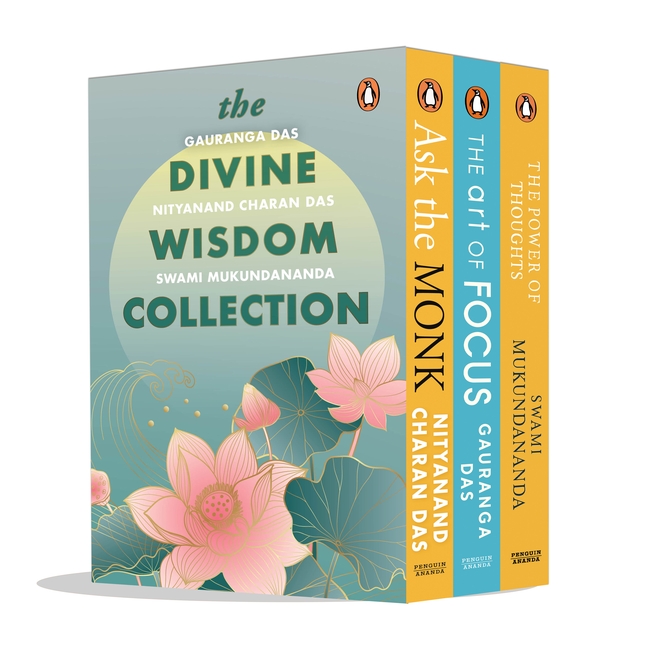
THE ART OF FOCUS
By GAURANGA DAS
The Art of Focus presents forty-five simple stories filled with revelations to enthral readers with learnings from the experiences of the protagonists and the dynamics of the situations that manifested in their lives. Building on the first book, The Art of Focus inspires the resilient heart to develop a focused mind. This collective presentation will better equip readers to take charge of their lives and adapt to the new normal effectively.
ASK THE MONK
By NITYANAND CHARAN DAS
In Ask the Monk, celebrated monk Nityanand Charan Das lucidly answers over seventy frequently-asked questions—from young and old alike—on topics such as karma, religion versus spirituality, the mind, God, destiny, the purpose of life, suffering, rituals, religion, wars and so on. These answers are extremely crucial to help you, the reader, embark on a journey of self-discovery and self-realization.
THE POWER OF THOUGHTS
By SWAMI MUKUNDANANDA
In this book, Swami Mukundananda, a world-renowned spiritual teacher from India and an internationally acclaimed mind-management authority, will teach you about watching your thoughts, directing them, dismantling harmful thought structures, creative thinking, meditation and much more. When you focus on revolutionizing your thoughts—the most fundamental aspect of inner personality—you will discover yourself evolving to divine heights to fulfil the purpose of your life.
Avatars of Brahma
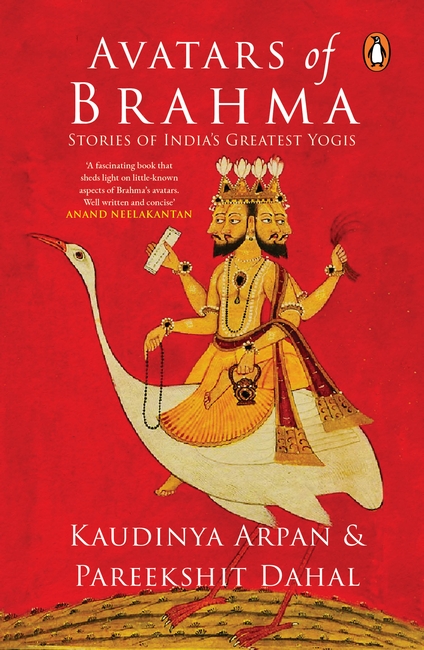
While the Puranas mention that Lord Brahma becomes an avatar whenever Lord Vishnu comes to Earth to establish dharma, it is in the Dasam Granth (one of the holy books of the Sikhs) that the avatars are actually listed. The common point in Hinduism and Sikhism regarding the avatars of Brahma is that they are seen as great thinkers and teachers.
In this book, the authors, who run the popular website, Scientific Monk, delve into the lives of each avatar, their works and the philosophies presented by them. They explain how the avatars of Brahma help us understand the Indian thought process and India’s intellectual heritage, and give readers a view of the works of India’s greatest yogis from a twenty-first-century world view.
Soul and Sword
Political Hinduism was once considered a sort of fringe ideology, shadowy and even misunderstood. Its ideas and narratives seemed, in popular discourse, to lack analytical rigour and were easily dismissed.
But history shows that political Hinduism as an intellectual idea was a pioneering theme in India’s nationhood. In fact, it precedes the Indian republic and has been one of the most resilient political theories of India, which survived many bans, boycotts and decades out of power to become, in the twenty-first century, the predominant political force of India. The adherents of political Hinduism are as determined as its detractors—one complains about facing relentless prejudice; the other throws accusations of promoting continuous religious strife. One believes that India cannot be saved without decimating political Hinduism; the other is sanguine that only political Hinduism can save the future of India.
Soul and Sword traces the journey of political Hinduism from events that are critical to its self-narration, that is, early Indian resistance to invasions, to intellectual definitions by nineteenth-century littérateurs and more contemporary electoral politics. It tries to understand the context and historical sources used to construct and promote political Hinduism’s world view.
From award-winning writer Hindol Sengupta, Soul and Sword is absolutely critical reading to understand India’s present and future.