



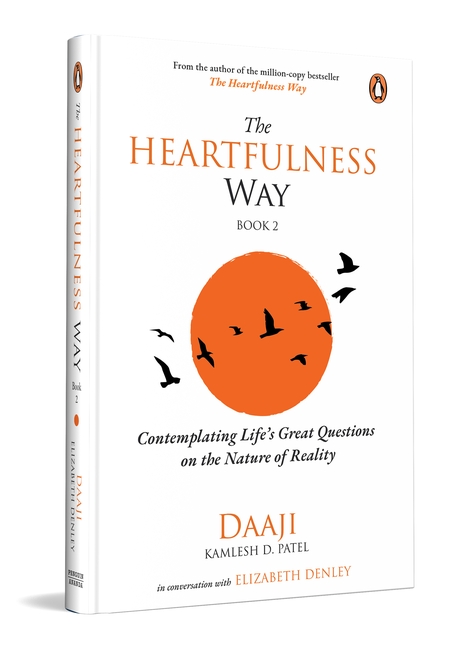
In The Heartfulness Way, Volume 2, Daaji continues with the conversational format that he used so effectively in the previous volume, this time with Elizabeth Denley. Daaji takes us through the journey of expanding consciousness to the ultimate realization of the purpose of human life.
Essentially, The Heartfulness Way, Volume 2 is a guidebook for any of us wishing to transform from our current state, with all our beliefs, limitations, fears and weaknesses, in order to realize happiness, balance and our full potential in this very lifetime.
Daaji outlines the approach required, which is clear and practical, maps out the journey and provides the practices and tools needed. He sheds light on the obstacles and the solutions to help us overcome them. His approach is simple and experiential and can be practised by anyone with interest and willingness while working and living a normal family life.
Catagory: Religion
21 Big Ideas That Will Change Your Life Hindi / Jeevan Badalnewale 21 Prabhawshali Vichar / जीवन बदलनेवाले 21 प्रभावशाली विचार
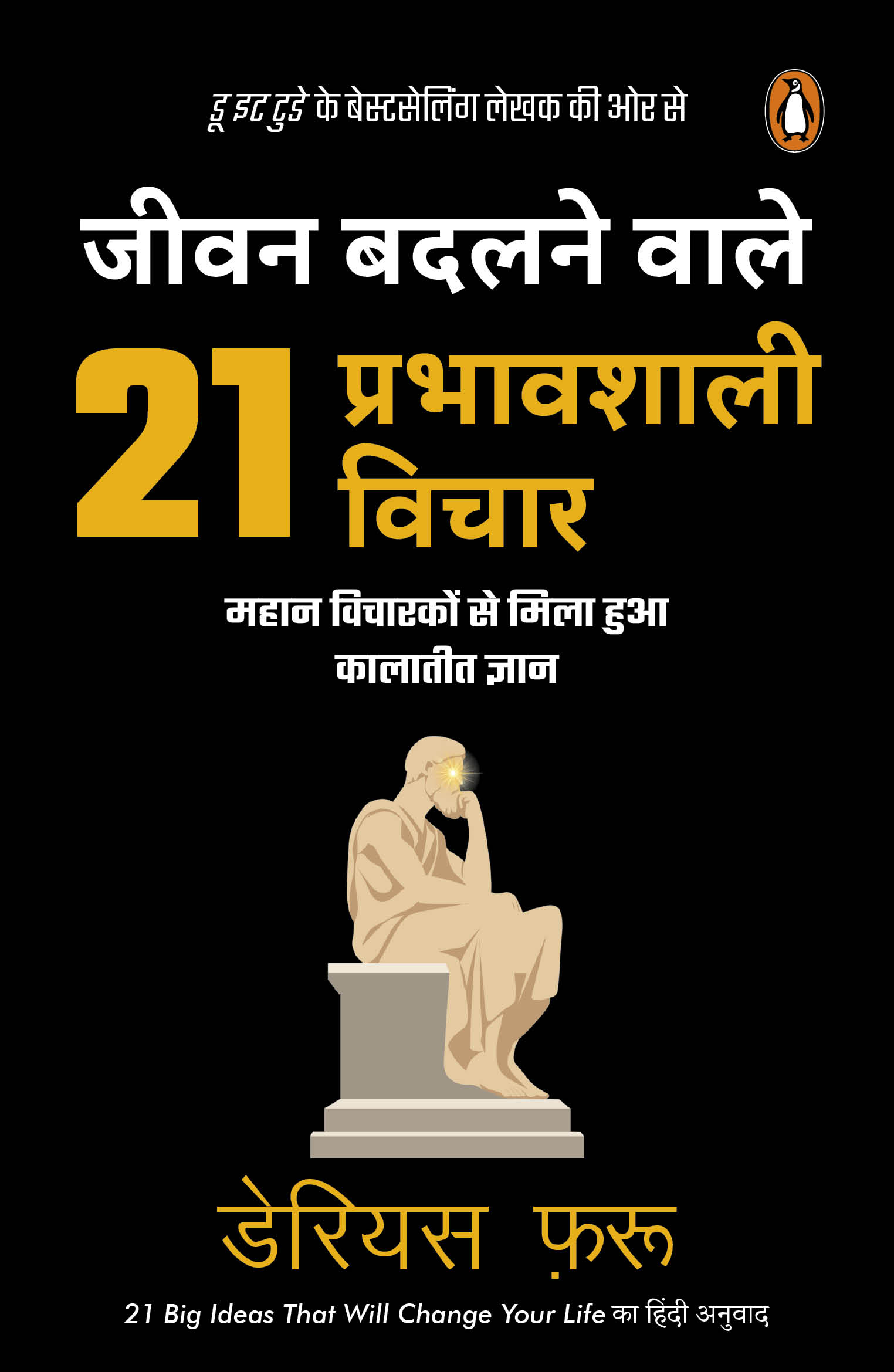
जीवन बदलने वाले 21 प्रभावशाली विचार एक प्रेरणादायक पुस्तक है, जो इतिहास के महान विचारकों से चुने गए 21 विचारों को सरल और व्यावहारिक रूप में प्रस्तुत करती है। यह पुस्तक आपको सिखाती है कि कैसे सोच में बदलाव लाकर आप अपने जीवन में स्पष्टता, संतुलन और उद्देश्य ला सकते हैं। आधुनिक जीवन की उलझनों में यह किताब एक मार्गदर्शक की तरह काम करती है, जो आपको आत्मचिंतन और सार्थक बदलाव की दिशा में प्रेरित करती है।
Gita for the Young and the Urban

Between your first breath and your last lies the journey of your soul.
You’ve got apps for meditation, dating, productivity, sleep, but do you still feel stuck in overthinking, people-pleasing, and chasing goals you’re not even sure you set?
In the middle of city lights, traffic jams, and silent midnight scrolling, your heart still whispers—is there more to life than this?
Gita for the Young and the Urban is that soft voice turned into words. A gentle fire. A call back home. Through stories, reflections, and soul-stirring truths, discover how Karma unfolds, how the mind can be mastered, how a Guru uplifts, and how surrender is strength in disguise.
This isn’t just a book. It’s your spiritual soundtrack. A bridge between what you’re chasing and what truly fulfils.
The Mystical Poems of Kabir
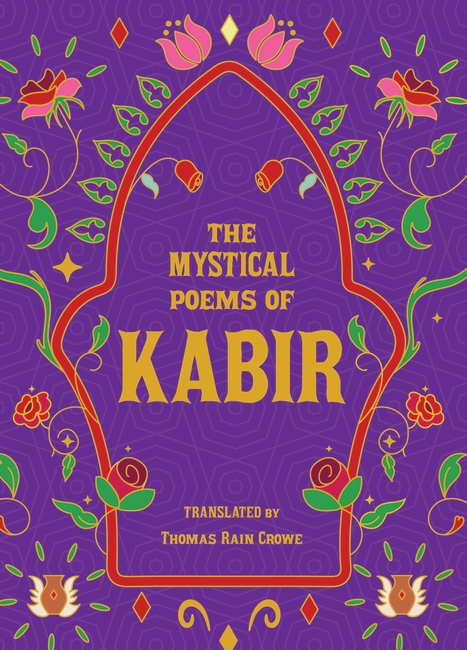
Step into the soul-stirring world of The Mystical Poems of Kabir, a luminous collection of 65 devotional verses from the 15th-century Indian mystic and saint. Blending Sufi and Hindu spiritual traditions, Kabir’s songs transcend creed, caste, and ego—speaking directly to the heart of anyone seeking truth and connection with the Divine.
A compact, beautifully crafted edition with gold-gilded edges, ideal for gifting, reflection, or bedside reading
The Wisdom of the Prophet

Discover timeless spiritual guidance in The Wisdom of the Prophet: The Sayings of Muhammad—a beautifully translated collection of over 200 hadiths that reflect the Prophet Muhammad’s profound insight into the human condition. With clarity and grace, this book opens a window into the heart of Islamic wisdom, offering inspiration for readers of all backgrounds.
A compact, elegantly designed edition with gilded edges—ideal for gifting or personal contemplation
Teachings of the Hindu Mystics
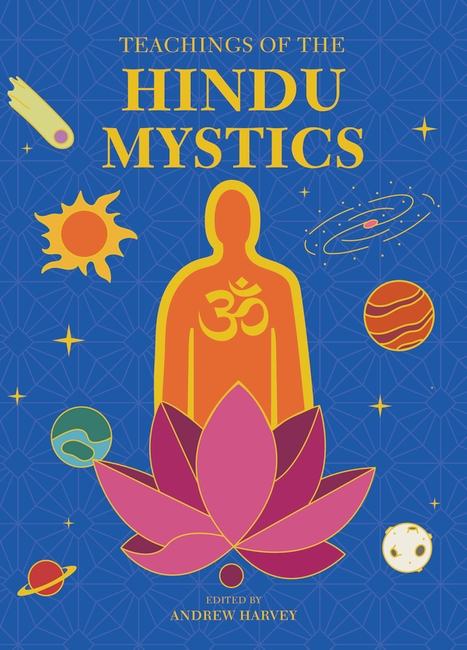
Discover the profound beauty and wisdom of Hindu mysticism with Teachings of the Hindu Mystics, a captivating anthology curated by spiritual scholar Andrew Harvey.
A compact volume with intricate design, gilded edges, and a premium finish — perfect as a gift or keepsake edition
Whether you’re new to Hindu mystical literature or seeking deeper spiritual insight, this lyrical and evocative collection offers timeless guidance for inner awakening and divine connection.
21 Habits to Yogic Living Hindi / 21 Aadaten Yogik Jeevan Ke Lie / 21 आदतें योगिक जीवन के लिए
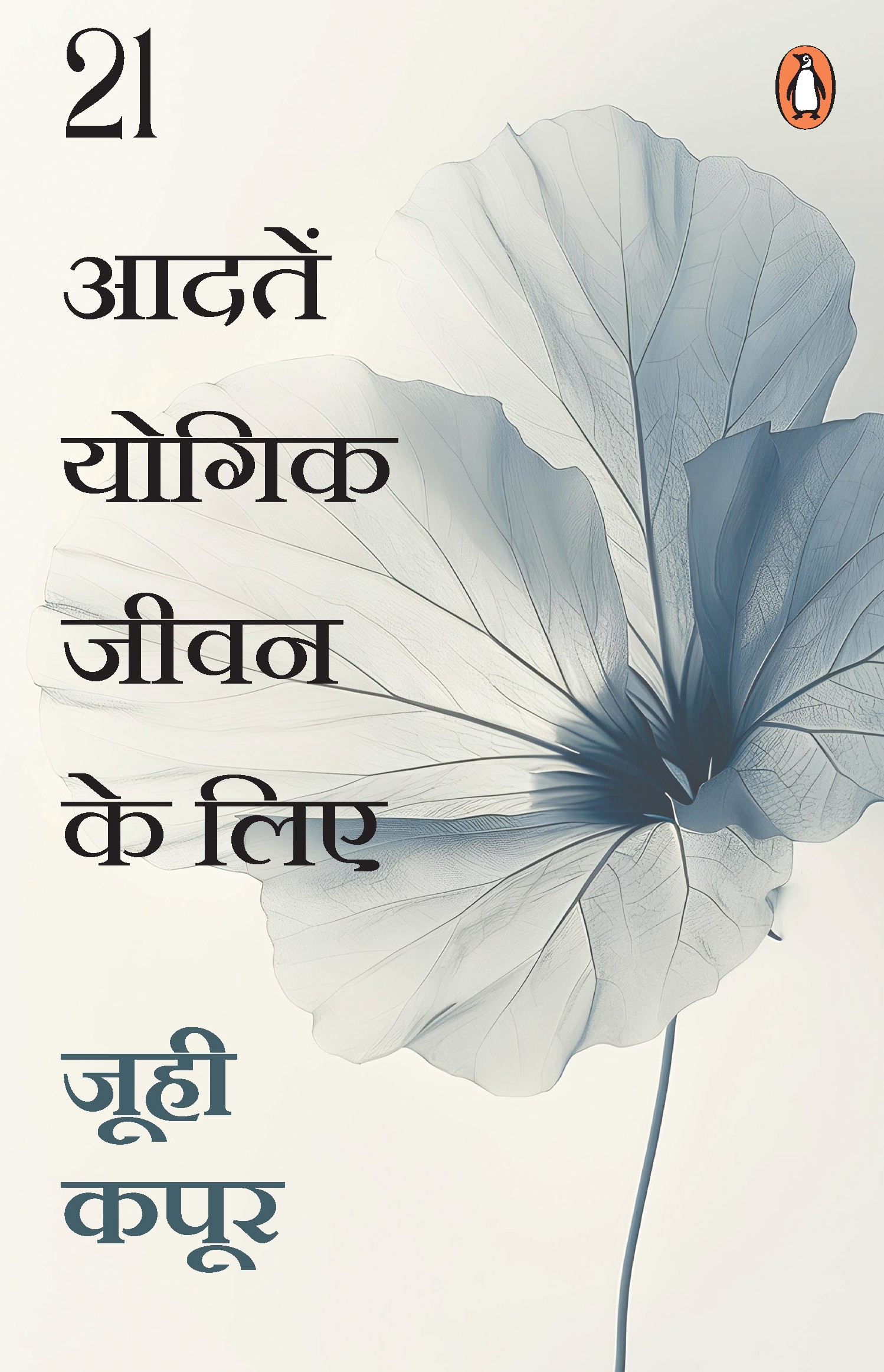
योगिनी जूही कपूर द्वारा लिखित एक प्रेरणादायक पुस्तक है, जो योगिक जीवन-शैली अपनाने के लिए 21 सरल और प्रभावी आदतों का मार्गदर्शन करती है। यह पुस्तक दैनिक दिनचर्या में योग, प्राणायाम, ध्यान और आयुर्वेदिक अभ्यासों को शामिल करने के व्यावहारिक उपाय प्रस्तुत करती है। पुस्तक में सुबह की स्ट्रेचिंग, शरीर को डिटॉक्स करने वाले क्रियाएँ, आँखों और कानों के तनाव को कम करने वाले व्यायाम, वैदिक मंत्रों के साथ सूर्य नमस्कार, और मस्तिष्क के दोनों पक्षों के संतुलन के लिए अभ्यास शामिल हैं। इन आदतों के माध्यम से पाठक मानसिक स्पष्टता, ऊर्जा और आंतरिक शांति प्राप्त कर सकते हैं।
Siddhartha
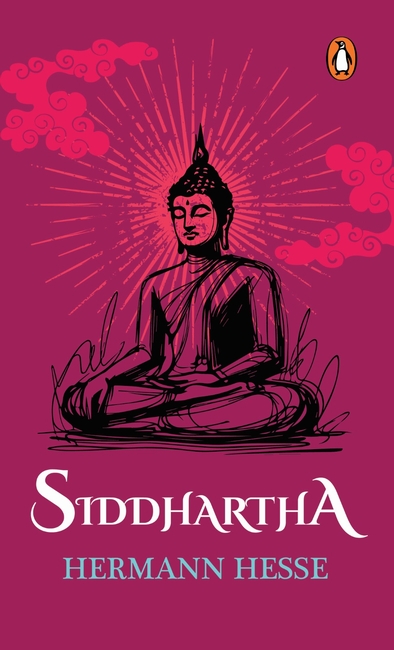
This classic of twentieth-century literature tells the spiritual journey of a man living in India during the time of the Buddha—a story that has inspired generations. This edition features a fresh, poetic translation by Sherab Chödzin Kohn, a gifted translator and student of Buddhism. Kohn’s version captures the philosophical depth and meditative qualities of Hesse’s work. The book also includes an insightful introduction exploring Hesse’s own spiritual path through his journals and letters.
In this edition, you will:
- Experience a new, poetic translation emphasizing meditation and mindfulness
- Follow Siddhartha’s transformative spiritual journey
- Gain insight into Eastern philosophy and Buddhist teachings
- Discover Hermann Hesse’s personal spiritual reflections
- Explore timeless themes of self-discovery, enlightenment, and inner peace
Jyotirling (Hindi) / ज्योतिर्लिंग
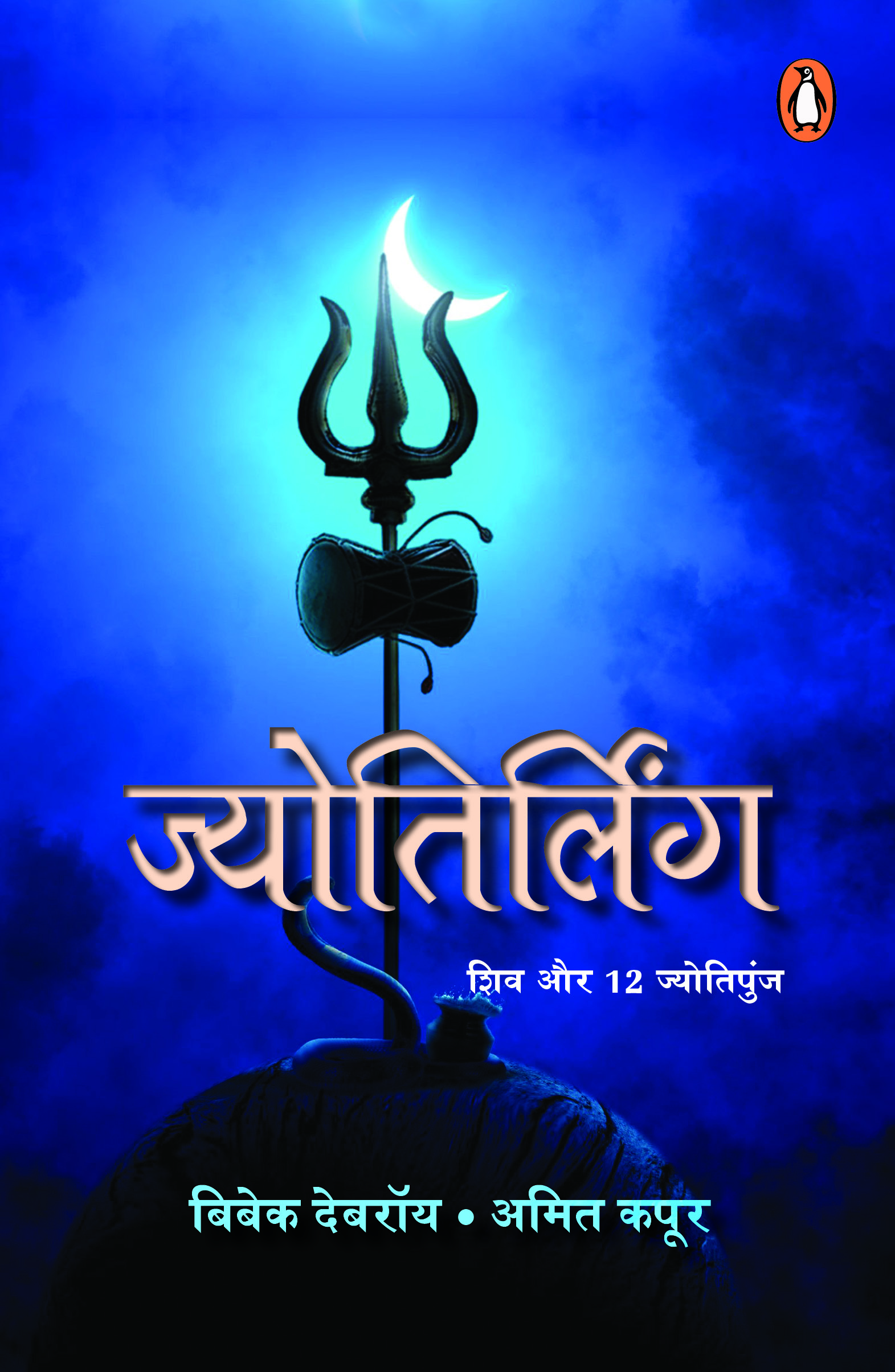
हिंदू त्रिदेवों में भगवान शिव कई आयामों वाले देवता हैं। स्वभाव से उग्र एवं दयालु भगवान शिव जीवन की द्वैतता के प्रतीक हैं। शैव धर्म के केंद्र में शिव की पूजा ही है। शिवलिंग और बारह पवित्र ज्योतिर्लिंगों में श्रद्धालुओं की इतनी अधिक आस्था है कि वे अनादि काल से ही इसे अपना तीर्थस्थल मानते आ रहे हैं।
ये प्रतिष्ठित स्तंभ व्यक्तिगत कथाओं और विद्वतापूर्ण शोध का हिस्सा बन गए हैं। इस पुस्तक के लेखकों में अमित कपूर, बिबेक देबरॉय, विभव कपूर और कॉनर मार्टिन शामिल हैं। ये सभी लेखक इन ज्योतिर्लिंगों से जुड़ी कहानियों को संजोने के अलावा उनके सार और समय के साथ उनकी शाब्दिक और रूपक यात्राओं पर विचार करते हैं।
The Complete Book of Hindu Names
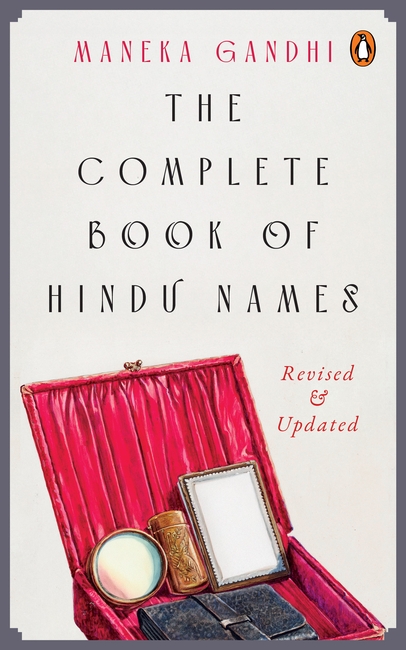
A product of many years of research, this is a comprehensive compilation of Hindu names in current use. The meaning of over 20,000 names in the volume is extensively discussed and information on sources and usage also provided. The book is cross-referenced to make it easier to use. This is a completely revised and updated edition with new names, and will appeal to a wide range of readers.