



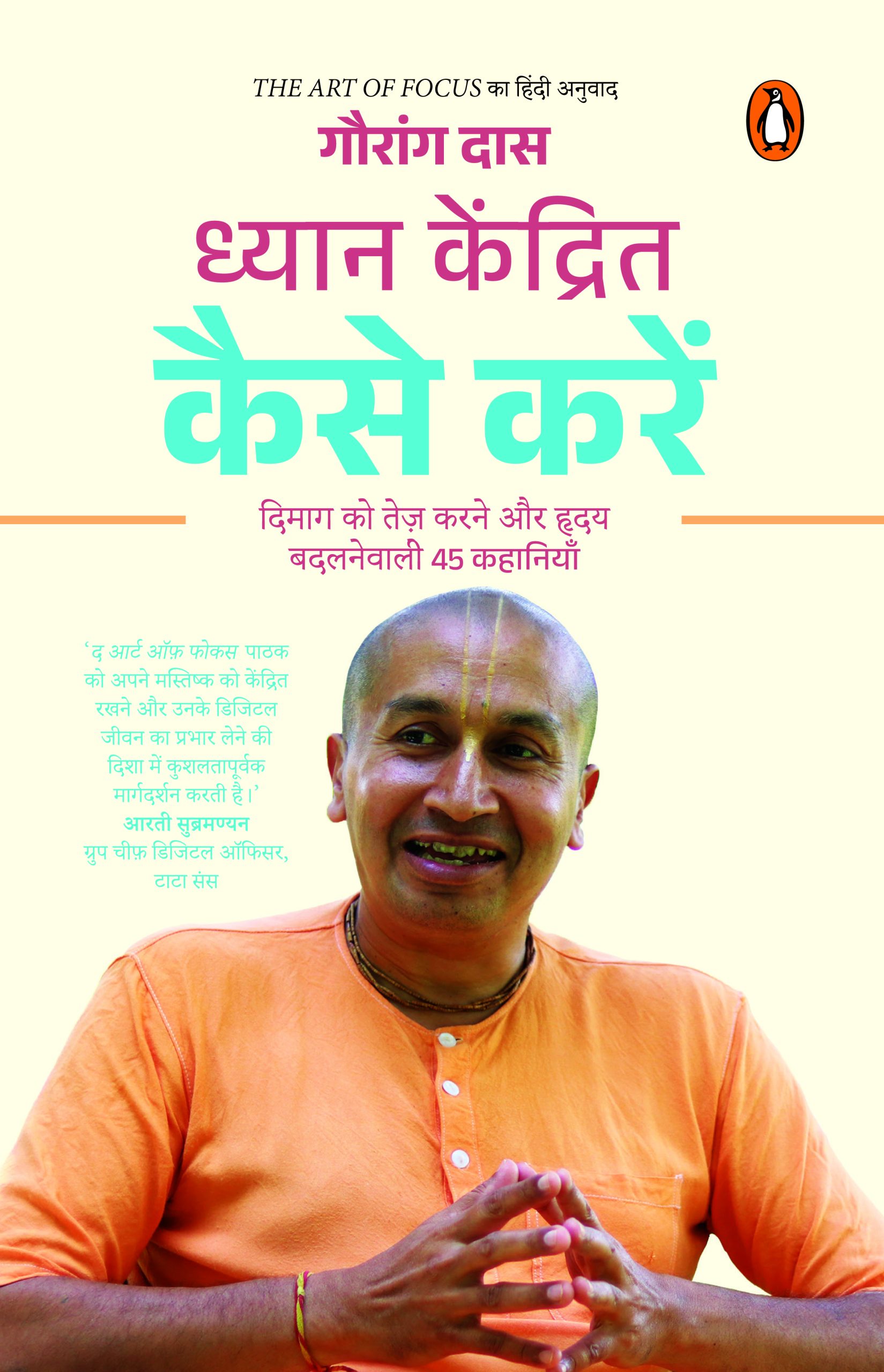
यह पुस्तक, पाठकों के सामने मुख्य पात्रों के अनुभवों और उनके जीवन की परिस्थितियों की गतिशीलता से सीखने के साथ ही उन्हें रोमांचित करने के लिए रहस्योद्घाटन से भरी पैंतालीस सरल कहानियाँ प्रस्तुत करती है।
यह किताब, हृदय के लोच को एक केंद्रित दिमाग विकसित करने के लिए प्रेरित करती है। इसमें संकलित कहानियों की यह सामूहिक प्रस्तुति पाठकों को अपने जीवन की जिम्मेदारी लेने और नए तरीकों को प्रभावी ढंग से अपनाने के लिए बेहतर ढंग से सक्षम बनाएगी।
Catagory: Religion
The Making of Modern Corporate Finance: A History of Ideas and How They Help Build the Wealth of Nations

Why did the “stagflation” of the 1970s—the improbable combination of high unemployment and runaway inflation—prove so painful and protracted? What explains the U.S. stock market’s remarkable forty-year run of 12 percent average annual returns since then? Why is Japan still mired in a decades-long recession—and the Chinese economy in a tailspin? And what accounts for the resilience of U.S. stock and labor markets in the wake of the COVID-19 pandemic and in the face of the Fed’s record interest rate hikes? Donald H. Chew, Jr., argues that answers to these questions lie in the principles and methods of “modern corporate finance.” Ideas formulated and tested by finance scholars—notably, an efficient stock market in which prices reflect the long-run values of public companies and a “market for corporate control” that exerts continuous pressure on management—informed and spurred the investor-driven capitalism that has created the world’s most productive and valuable companies. Drawing on his career-long relationships with leading academics and practitioners, Chew profiles key figures in the development of modern corporate finance while emphasizing their counterintuitive lessons for shareholders, companies, and countries. Corporate efficiency and value creation, he contends, are the fundamental source of the social wealth essential to addressing challenges such as poverty and climate change. Lively and provocative, this book makes corporate finance approachable—and even admirable—for readers interested in how the success and failure of companies affect their lives.
Caste Matters (Hindi)/Jati Zinda Hai/जाति ज़िंदा है
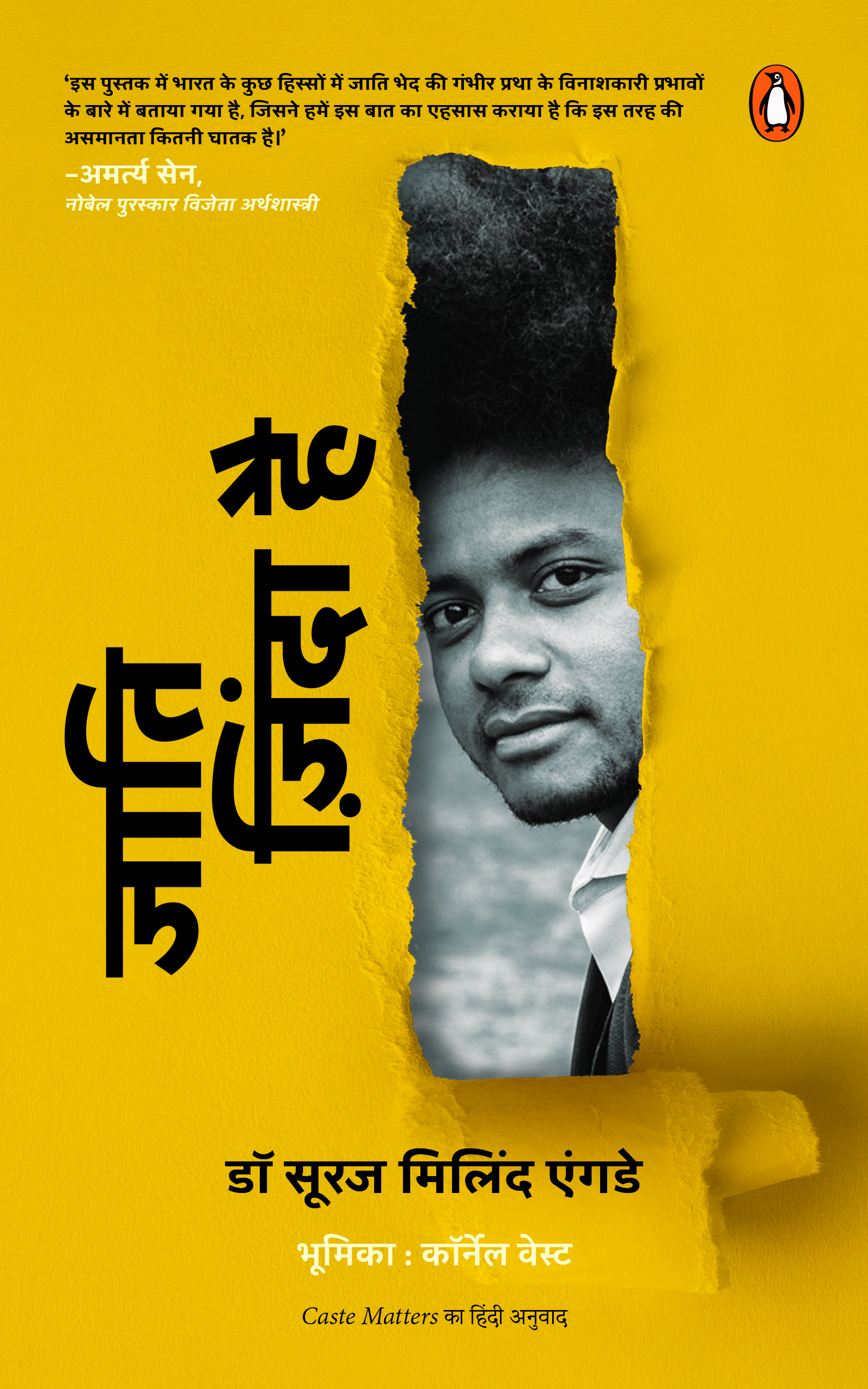
इस धमाकेदार किताब में, सुरज मिलिंद एंगडे, जाति से जुड़े गहरे विश्वासों को चुनौती देते हैं और इसकी कई परतों को खोलते हैं। यह इंक़लाबी किताब यह दिखाती है कि जाति किस तरह इंसान की रचनात्मक शक्ति को कुचलती है। ये किताब बताती है कि जाति किस तरह उत्पीड़न के दूसरे रूपों जैसे नस्ल, वर्ग और लिंग से खौफनाक रूप से मेल खाती है। यह किताब असमानता पर विचार करने के साथ-साथ एक संघर्ष का आह्वान भी करती है।
Meditations by Marcus Aurelius
“Everything we hear is an opinion, not a fact. Everything we see is a perspective, not the truth.”
The Meditations of Marcus Aurelius is one of the foundational works of Greek philosophy, offering profound insights into the intricacies of human emotions and life’s challenges.
In this timeless masterpiece, Marcus Aurelius shares his gratitude toward those who taught him invaluable life lessons, reflecting on a wide array of themes such as the nature of the mind, life and death, morality, self-reflection, and leadership.
Through the reflections of five emperors, Aurelius provides a series of philosophical musings as they grapple with understanding the deeper truths of existence. His philosophy has the power to clear the mind, guide one’s purpose, and bring peace to a troubled heart.
This book is a powerful companion for anyone seeking wisdom and clarity in the face of life’s uncertainties.
The Spiritual Poems of Rumi
The Spiritual Poems of Rumi: A Special Collection of Spiritual Poems
Discover the wisdom of Jalaluddin Muhammad Balkhi Rumi, the revered Persian mystic and Sufi master, in this beautifully illustrated edition. For over eight centuries, Rumi’s timeless poetry has captivated readers from all walks of life, offering profound insights into love, friendship, and spirituality.
This carefully curated collection features –
- Brilliant translations that bring Rumi’s universal themes to life, inviting readers to embark on a spiritual journey toward self-discovery and a deeper connection to the world around them.
- With verses that transcend time and culture, Rumi’s words resonate with anyone seeking a greater understanding of the self and our collective oneness.
- In this exquisite edition, adorned with intricate, richly colored designs, reflecting the beauty and depth of Rumi’s words, this book is more than just a collection of poems—it is a cherished tool for self-reflection and spiritual growth.
- Whether you are new to Rumi’s work or a lifelong admirer, this series will serve as a meaningful companion on your journey of inner awakening.
The Stars Light the Way

Shazma’s world turns upside down when she’s offered a prestigious role in the Indian Parliament, but the weight of the decision threatens to unravel the life she’s built with her husband, Nikhil, in Singapore. As she faces this life-altering choice, mysterious signs from her late father, SR, pull her back to her childhood, revealing truths along the way. These intertwined paths of reflection and growth draw them closer—with Shazma reconnecting with her authentic self, and SR advancing in his spiritual journey. With her father’s wisdom from the beyond, Shazma must confront her deepest fears and desires to ultimately decide which path will lead her to the life she’s meant to live.
The Yoga of Power: Yoga as Political Thought and Practice in India
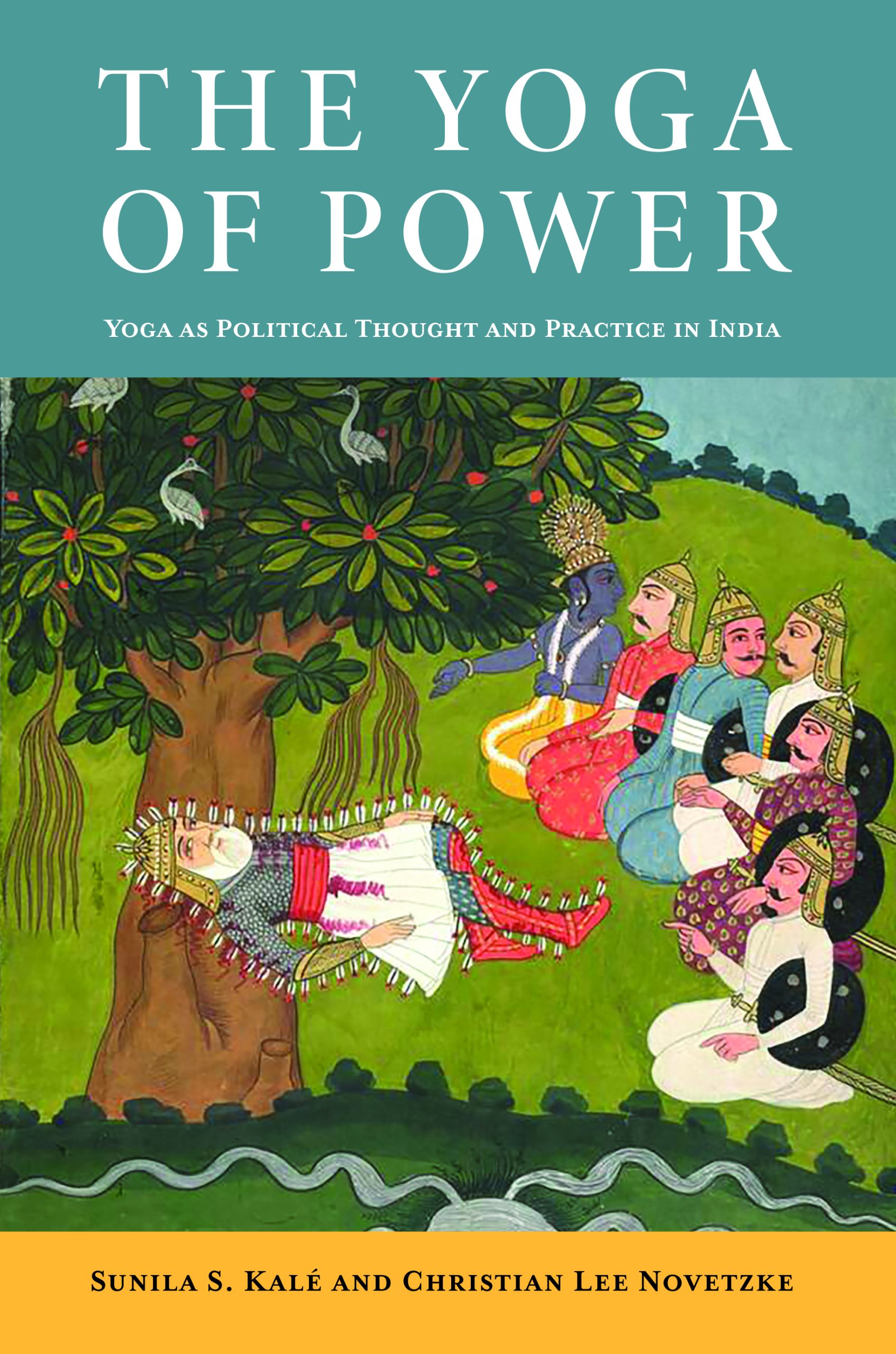
In Indian languages from Sanskrit to Marathi, yoga has an enormous range of meanings, though most often it refers to philosophy or methods to control the mind and body. This book argues for a wider understanding, demonstrating that yoga has long expressed political thought and practice. The political idea of yoga names the tools of kings, poets, warriors, and revolutionaries. It encodes stratagems for going into battle and for the demands of governance. This idea suggests routes to self-rule even when faced with implacable obstacles, and it defines righteous action amid the grime and grief of politics and war.
Sunila S. Kalé and Christian Lee Novetzke chart a new genealogy of yoga, beginning with uses of the term in the Ṛg Veda, the Mahābhārata, the Bhagavad Gītā, and the Arthaśāstra. In the world of these texts, yoga names everything from war and battle strategy to good governance, espionage, taxation, and welfare. Kalé and Novetzke follow this trail into the modern period, examining the writings and speeches of thinkers such as Gandhi, Tilak, Aurobindo, and Ambedkar as well as the extraordinary story of the Princely State of Aundh, whose ruler saw the Surya Namaskar (Sun Salutation) as a tool for sovereignty. Offering a novel interpretation of yoga that embraces its long-standing political conceptualization, this book sheds light on South Asian political thought and history from its earliest texts to the present day.
Learning from Silence
Pico Iyer has made more than one hundred retreats over the past three decades to a small Benedictine hermitage high above the sea in Big Sur, California. He’s not a Christian—or a member of any religious group—but his life has been transformed by these periods of time spent in silence. That silence reminds him of what is essential and awakens a joy that nothing can efface. It’s not just freedom from distraction and noise and rush: it’s a reminder of some deeper truths he misplaced along the way.
In Learning From Silence, Iyer travels deep into inner stillness and joy in his many seasons at the monastery, even as his life is going through constant change: houses burn, a parent dies, a daughter is diagnosed with cancer. He shares the revelations he experiences, alongside wisdom from other nonmonastics who have learned from adversity and inwardness. Most profoundly, he shows how solitude can be a training in community and companionship. In so doing, he offers a unique outsider’s view of monastic life—and of a group of selfless souls who have dedicated their days to ensuring there’s a space for quiet and recollection that’s open to us all.
Radiant, intimate, and gripping, Learning From Silence offers ageless counsel about the power of silence and what it can teach us about how to live, how to love, and, ultimately, how to die.
Sacred
Sacred reminds us of the symbiotic relationship we have with plants, the need for forests and greenery, their medicinal benefits, and environmental advantages that improve soil and air quality. Deepen your knowledge of fifty-two different plant species, which includes majestic trees such as peepal, banyan, rudraksha and deodar. Elevate everyday rituals with aromatic woods such as frankincense, myrrh and miswak. Appreciate the benefits of native grasses and creepers including durva, paan and Aparajita. Learn the true value of various flowers, fruit and spices, including lotus, jasmine, pomegranate , saffron, cloves and jujube.
Reconnect with nature, understand its worth and view plants as a manifestation of the divine. This book outlines ancient mysticism and provides recipes and rituals to help calm your mind, beautify yourself from the inside out and uplift the quality of your life.
Holy Tirthankars

In the Jain tradition, a Tirthankar is a person who has attained enlightenment through many lifetimes of spiritual practice. The trees under which they attained Kaivalya are called Deeksha-Vriksha. It symbolises the profound connection between their spiritual journey and the natural world. The Tirthankars are the earliest advocates of non-violence and environmental coexistence. Their qualities of tolerance, willpower, aspiration for spiritual evolution, courage, confidence, and compassion are vital for the contemporary world.
Building on these timeless values, this book explores the synergy between the profound tools of the Heartfulness Way – such as yogic Transmission, Rejuvenative Cleaning, and Heartful Connection at bedtime – and the profound spiritual essence of Jainism, which emphasises a deep yearning for inner growth, unwavering discipline, clarity of focus, purity of intent, and boundless compassion. Together, these approaches hold the potential to usher in a new era of spiritual evolution for humanity.