



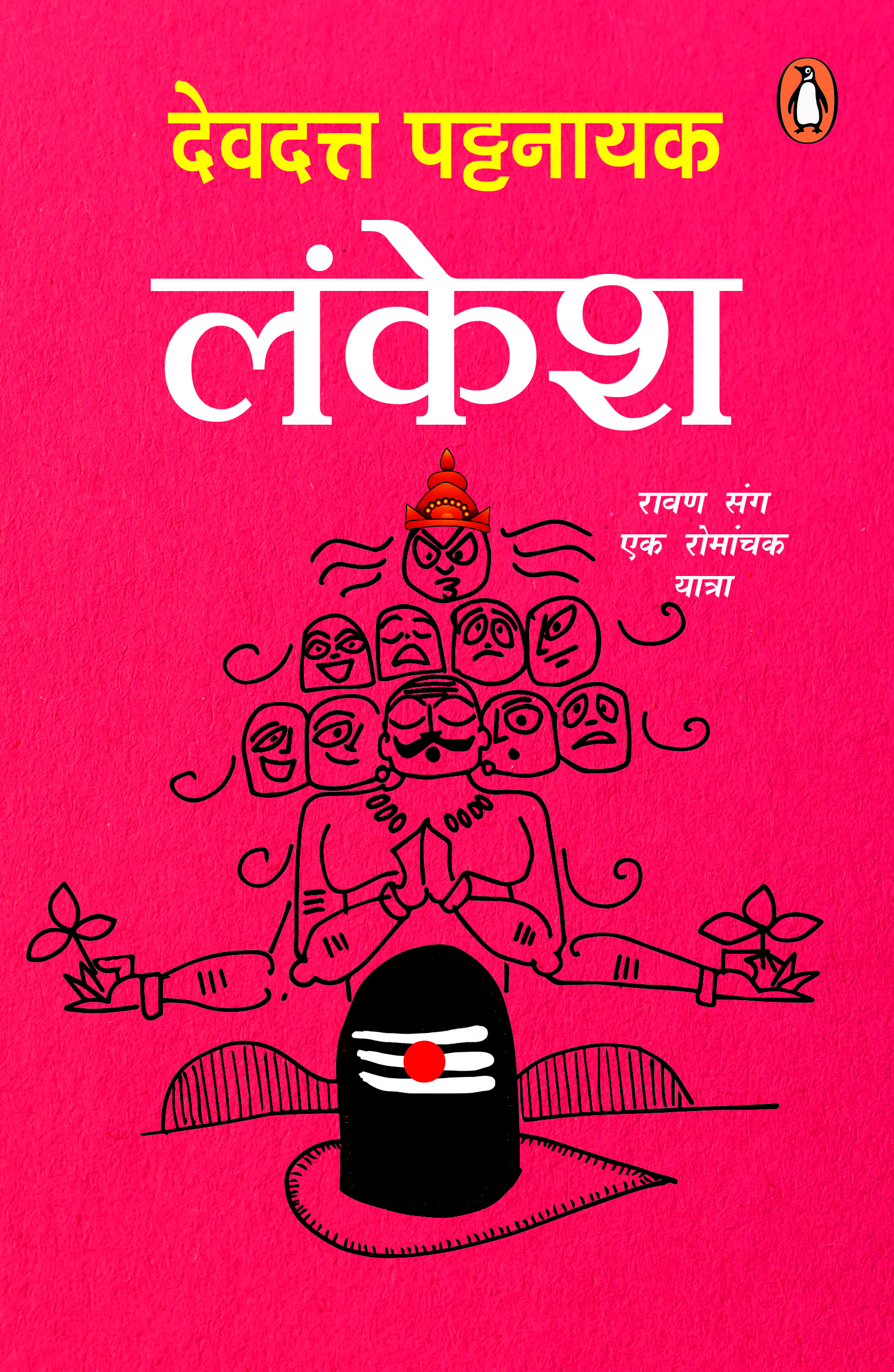
यह पुस्तक भारत के सबसे विख्यात महाकाव्य रामायण और इस कारण भारत के सबसे बड़े खलनायक, रावण, को विस्तार से जानने की राह खोलती है। यह पुस्तक भारत के सबसे बड़े खलनायक का विस्तृत विश्लेषण करती है। इस ज्ञानी और महान राजा के कर्मों के कारण उसके राज्य और परिवार पर आपत्ति आई। यह पुस्तक रावण के पतन के कारण समझाने का प्रयास करती है। रावण को समझने से हम अपने आप को और अपने तथा अन्य लोगों के भीतर के रावण को समझ सकते हैं। यहाँ रावण एक मनोवैज्ञानिक अवस्था के लिए रूपक हैं।
Catagory: Religion
Lankesh / लंकेश
How to Live: The Mindfulness Essentials Series 10 Books Boxset (How to Focus, How to Love, How to Fight, How to Relax, How to Connect, How to Sit, and more)

A back-to-basics collection from world-renowned Zen Master Thich Nhat Hanh that introduces readers to the essentials of mindfulness practice.
How to Focus
Let go of misperceptions and cultivate the clarity of mind that is the basis for understanding ourselves, each other, and the world.
How to Love
Distil one of our strongest emotions down to four essentials and the key ways of showing our love.
How to Fight
Shows us how to handle strong emotions and our distorted perceptions can make us feel angry or filled with despair.
How to Relax
This book guides us in achieving deep relaxation, controlling stress, and renewing mental clarity.
How to Connect
Guide to unlocking the connection to our inner self, forging deeper and more meaningful bonds with those around us.
How to Sit
Provides explicit, simple directions on the mechanics of posture and breathing, along with instructions for how best to achieve an awakened, relaxed state of clarity.
How to Walk
Focussing on mindful walking, Nhat Hanh explains how this technique can diminish depression, recapture wonder and help us to express sincere gratitude.
How to Eat
How to Eat explains what it means to eat as a meditative practice and that the results of mindful eating are both global and personal.
How to See
How to See is about our misperceptions, how we can gain insight and how mindfulness practices can help us see our real selves.
How to Smile
How to Smile acts as a guide to show us how to transform hurt into healing, while also allowing us to explore the strong emotions of anger, sadness, regret and fear.
Know All Answers to Sanatana Dharma (Hindi) / Sanatana Dharma / सनातन धर्म
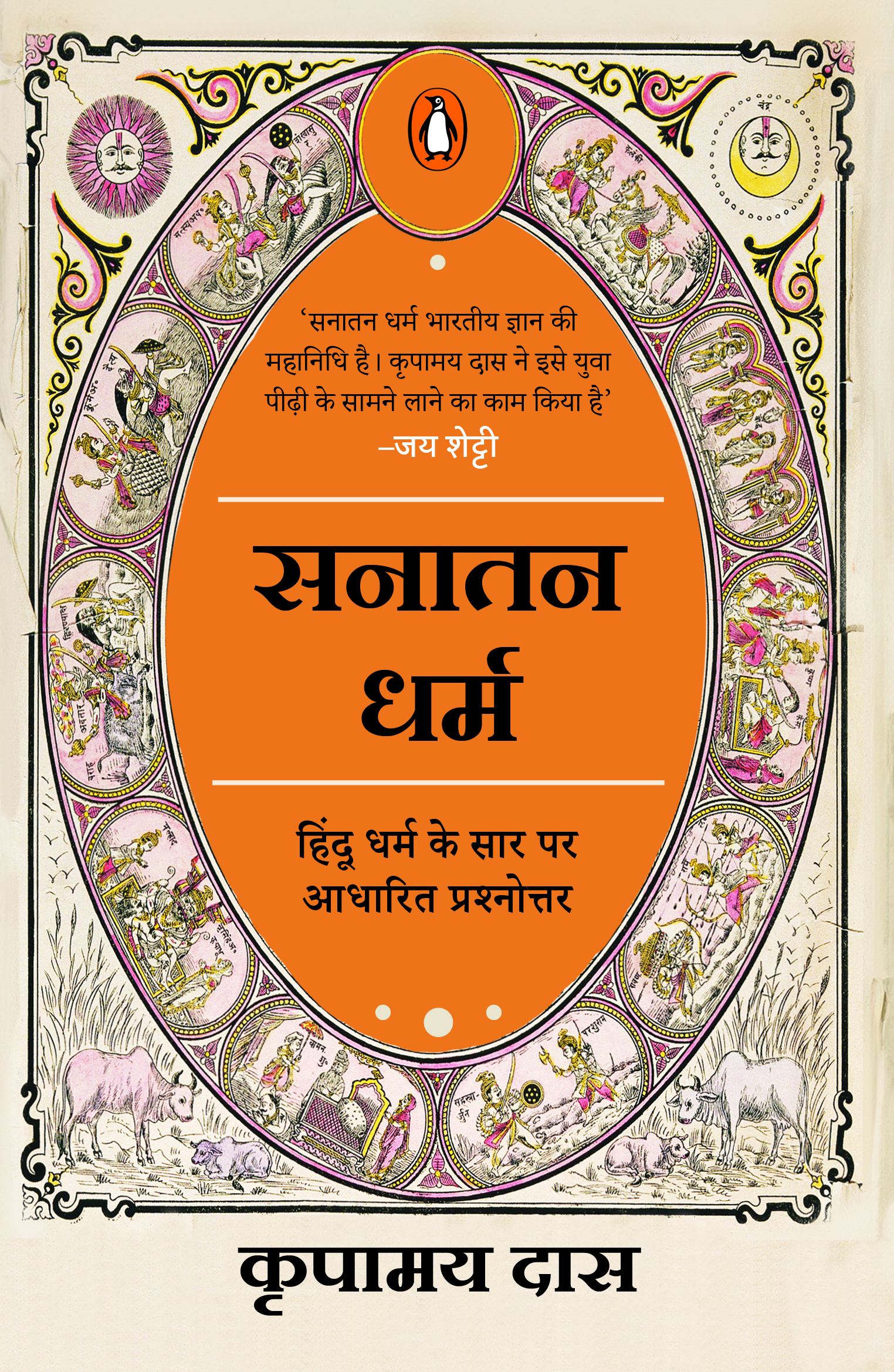
“सनातन धर्म और हिन्दू धर्म के बीच क्या संबंध है?
• मंत्र कैसे काम करते हैं?
• हमारे जीवन की शृंखला के अंत में क्या है?
• भक्ति योग में क्रिया और प्रतिक्रिया की शृंखला को किस प्रकार बाधित करता है?
• मैं किसी गुरु की पहचान कैसे करूँ?
हिंदू धर्म के सार की इस व्यापक और विस्तृत मार्गदर्शिका में इन प्रश्नों और इनके जैसे कई अन्य प्रश्नों का उत्तर स्पष्टता और सरलता के साथ-साथ हास्य का प्रयोग करते हुए दिया गया है। कृपामय दास ने पचास वर्षों तक विश्व भर में लोगों को सनातन धर्म की आध्यात्मिक संस्कृति की शिक्षा दी है। दशकों तक ऐसे ही प्रश्नों और संदेहों का सामना करने के बाद कृपामय दास ने इन्हें एकत्रित करके पाठकों के सामने इस पुस्तिका के माध्यम से उनके उत्तर प्रस्तुत किए हैं, जिसका उपयोग पाठक अपनी आध्यात्मिक यात्रा के दौरान किसी भी क्षण में कर सकते हैं।”
The Path to Spiritual Advancement: How to Transcend Ego and Experience the Presence of God
From the best-selling author and pioneer in the field of consciousness research, David R. Hawkins, M.D., Ph.D., comes the first in a series of six books on finding the way to God.
Dr. David R. Hawkins always wanted to add further detail to his best-selling book, Power vs. Force, a book that opened the door to so many new truths, enlightening information, and exciting questions.
People asked for more, and Dr. Hawkins realized that consciousness itself continued to grow and evolve. As a spiritual teacher, dedicated to the highest Truth, to God, and to his love for mankind, he decided to create the lecture presentations these books are based on.
His lighthearted spirit, wonderful sense of humor, and real-life stories are evident in this book. In it, the core of Dr. Hawkins’ body of work that he later called, “The Pathway of Devotional Non-Duality” is delivered in full.
This volume consists of Dr. Hawkins’s finest work from January and February 2002. As you read, you will learn about:
• the Map of Consciousness® chart, from 0-1000, and how it came to be
• the illusion of causality—the great block to spiritual advancement
• transcending the ego through understanding it and re-contextualizing it
• the role of karma in your life
• how you can move up the levels of consciousness through spiritual intention and choice
• radical subjectivity—the essence of the experiencing the Presence of God as “I”
• the purpose of Dr. Hawkins’s work—to realize the Presence of God
These are just some of the many topics Dr. Hawkins covers in this inspiring and supportive book.
From Shiva to Schrödinger: Unravelling Cosmic Secrets with Trika Shaivism and Quantum Insights
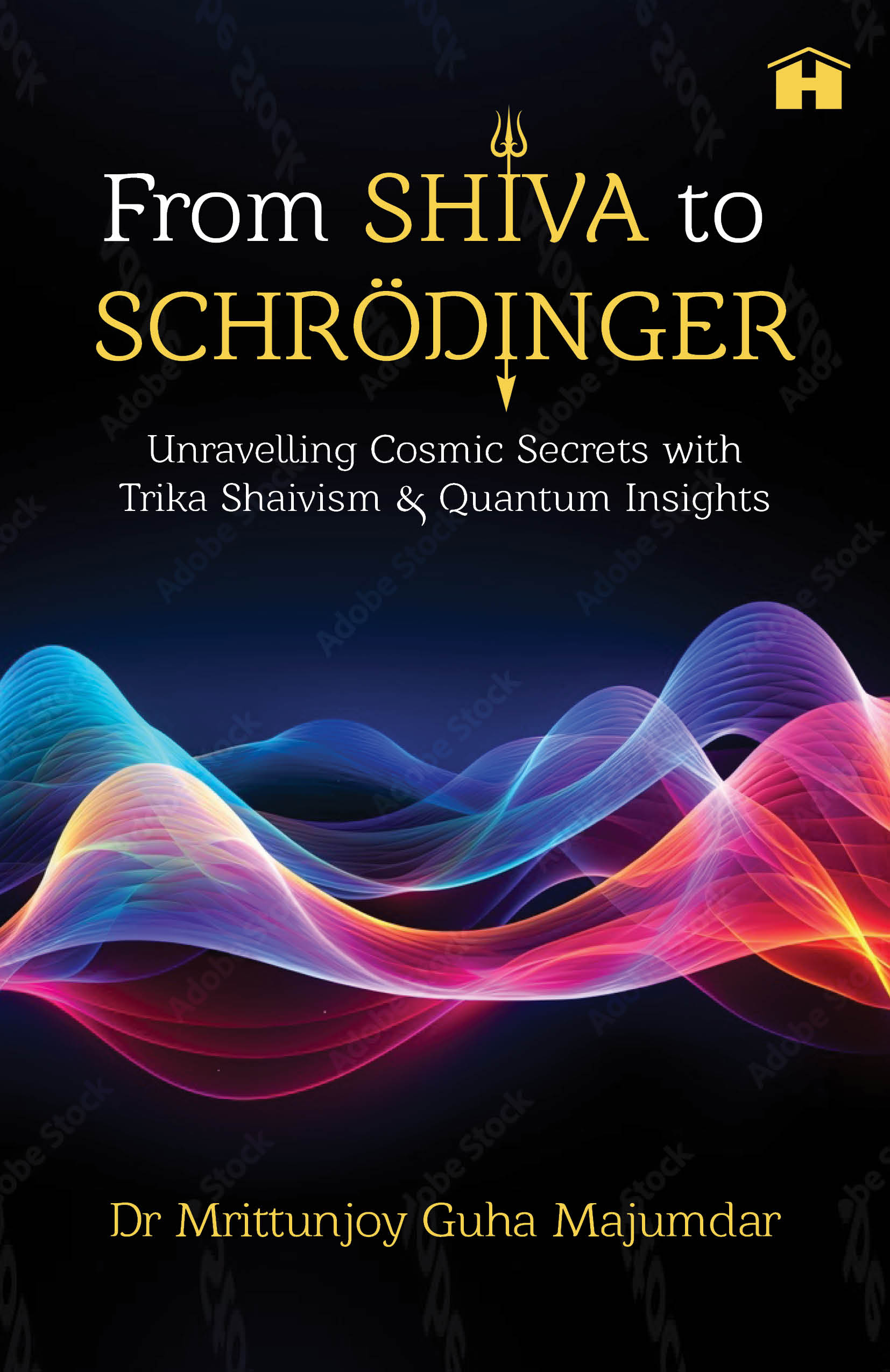
From Shiva to Schrödinger offers a revelatory journey into the teachings of Trika Shaivism and their remarkable alignment with the discoveries of modern quantum physics. This thought-provoking book demonstrates how the profound insights of this ancient spiritual tradition predate and parallel the concepts emerging from the cutting-edge world of quantum mechanics.
With clarity and depth, the author illustrates how the Trika Shaivism philosophy anticipated many of the important discoveries that modern physicists are just beginning to comprehend. He delves into the heart of both ancient spirituality and contemporary science to showcase how concepts like non-duality, the interconnectedness of all existence, and the illusion of separation resonate powerfully with the latest scientific theories of entanglement, quantum superposition, and the observer effect.
All in all, From Shiva to Schrödinger is not just a bridge between ancient wisdom and contemporary insights; it is a beacon illuminating the path to a deeper understanding of our universe and ourselves. So, whether you are drawn to spiritual inquiry or scientific discovery, this book offers a transformative perspective that will enrich your contemporary quest for knowledge.
The Essentials of World Religions
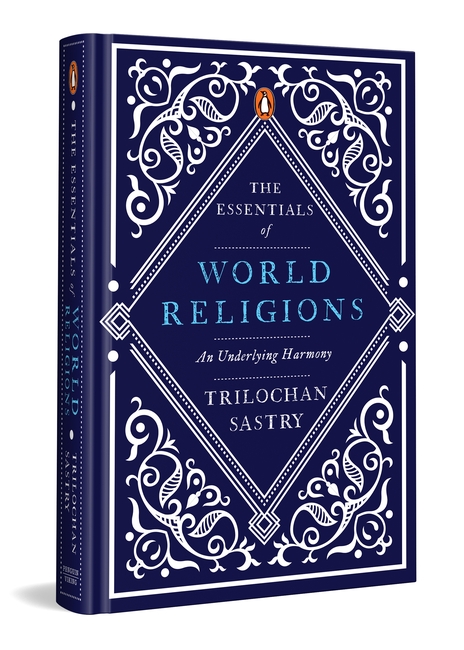
It may be the twenty-first century but religious tensions and conflicts continue all across the world. Even today, religion continues to play an unparalleled role in the lives of individuals and nations with people and leaders pitting one religious identity against another. But the question that needs to be asked is this: are all religions fundamentally different from each other?
What if we go back to the source texts of all great religions of the world? What will we find?
Will we find a mountain of differences or a sea of harmony? This book addresses this question and is sure to surprise you with its findings.
The Power of Paradox
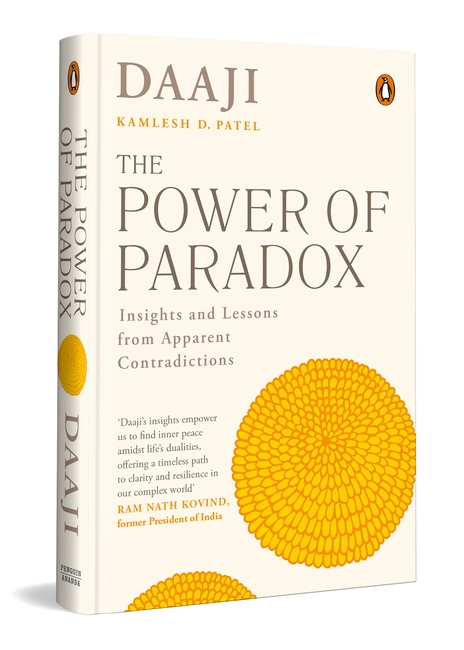
Paradox arises from the logical tension between seemingly valid statements or ideas that cannot both be true at the same time. They help us make sense of a world that seems to make no sense. In Heartfulness way of living, Viveka and Vairagya are two techniques that provide the bedrock for good life.
The book is an exploration of twenty- seven every day paradoxes combined with spiritual and scientific enquiry. Helmed with the Heartfulness way of living, these practices will help one clear the mind and unburden emotions of the heart.
Rama

The Ramayana is thousands of years old, yet it is filled with life lessons that benefit us even today. It teaches courage and fortitude to handle problems that are the inevitable result of birth. Reading it instils values like leadership, forbearance, loyalty, respect, equality, forgiveness, humility, and most of all, selflessness. Rama exemplifies eternally relevant dharma, demonstrating the path to enlightenment through conscious selfless action. He illustrates how one can attain liberation from suffering not by renunciation but by engaging fully in life, yet rising above it, through the purity of our choices.
This retelling of Valmiki’s Ramayana is a compelling read. It brings alive the poet’s ancient Sanskrit epic in lucid English without diluting the original intent. Making this edition truly special are the additional chapters on Vedic life, Rama’s descendants and the story of Valmiki.
Read this book and be amazed at the profound thinking of our ancestors. The values we cherish today—democracy, liberty, equality and justice—are at the core of this story. Rama embodies righteousness that never loses relevance, making him a man of dharma and a role model in every age.
Mythakon Se Vigyan Tak/मिथकों से विज्ञान तक
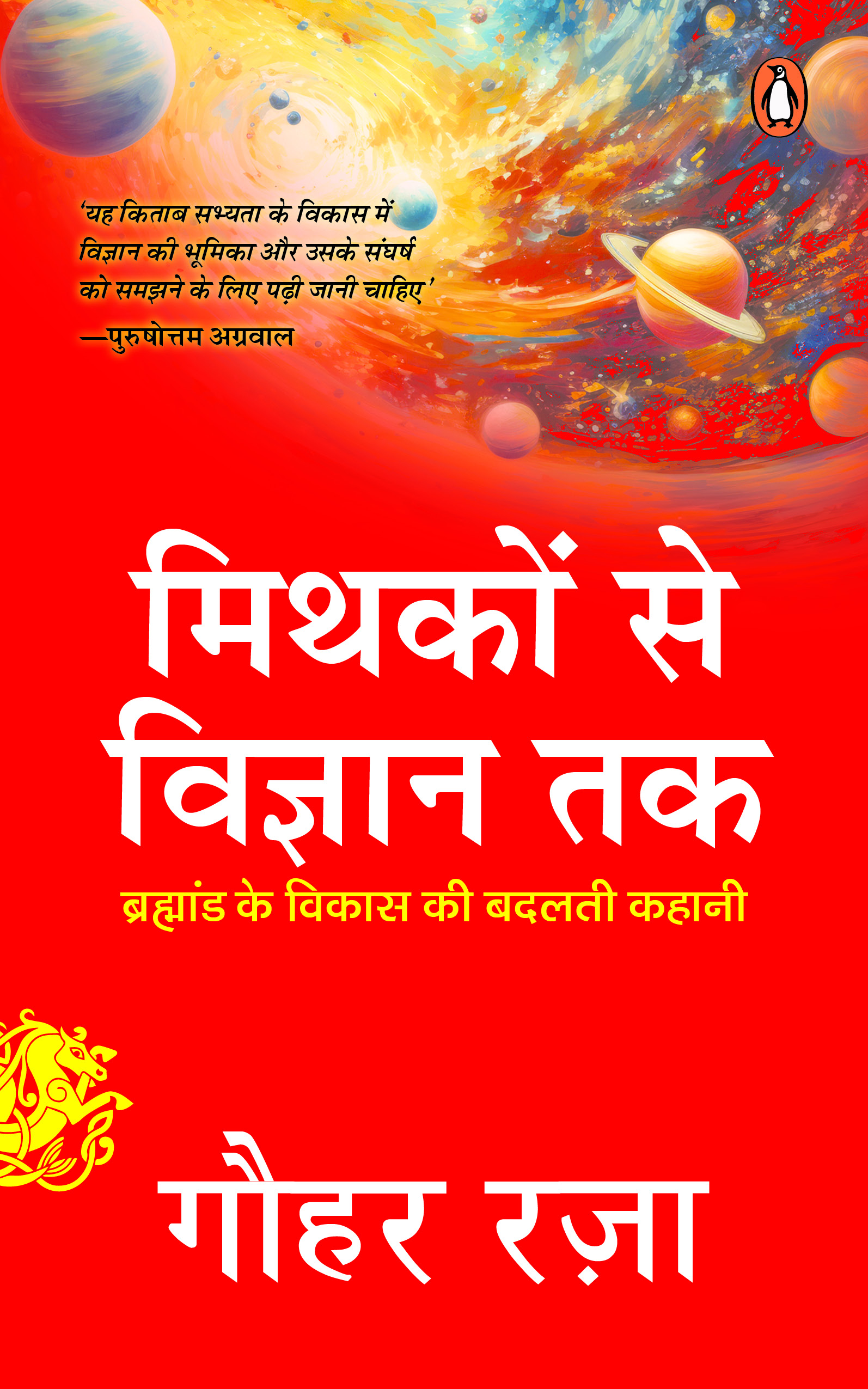
मानव ने सवाल पूछना और जवाब ढूँढ़ना कब शुरू किया पता नहीं, पर एक बार शुरू किया तो सवालों और जवाबों का सिलसिला कभी नहीं रुका। इन्हीं सवालों और जवाबों की तलाश ने मानव ज्ञान की हर शाख़ को जन्म दिया। मिथक, कहानियाँ, धर्म, दर्शन, अध्यात्म, दर्शन, विज्ञान—प्रश्नों के उत्तर की तलाश का ही नतीजा हैं। सवालों की इस भीड़ में दो बड़े सवाल थे : ब्रह्मांड की उत्पत्ति और जीव-जंतु और मानव की उत्पत्ति कैसे और क्यों हुई। इतिहास हमें ये बताता है की कैसे और क्यों पूछने में एक बुनियादी अंतर है। कैसे से शुरू होने वाले सवाल हमें विज्ञान की तरफ ले जाते हैं और क्यों से शुरू होने वाले सवालों की तलाश हमें अध्यात्म और धर्म की तरफ। यह किताब ब्रह्मांड और जीवन के विकास की बदलती कहानी के उदाहरण को दर्शाती हुई ‘विज्ञान’ की परिभाषा चिह्नित करने की एक कोशिश है। इतिहास के पन्ने पलटते हुए यह किताब बताती है कि विज्ञान को, अध्यात्म और धार्मिक ज्ञान को छुए बिना, और इनके बीच लकीर खींचे बिना, पारभाषित नहीं किया जा सकता। विज्ञान और धार्मिक ज्ञान में कई बुनियादी तरह के फ़र्क़ में से एक अहम फ़र्क़ ये है कि विज्ञान में पुराने सच को ग़लत साबित करने पर जश्न मनाया जाता है और धर्म में हमेशा के सच पर उंगली उठाने से संकट पैदा हो जाता है।