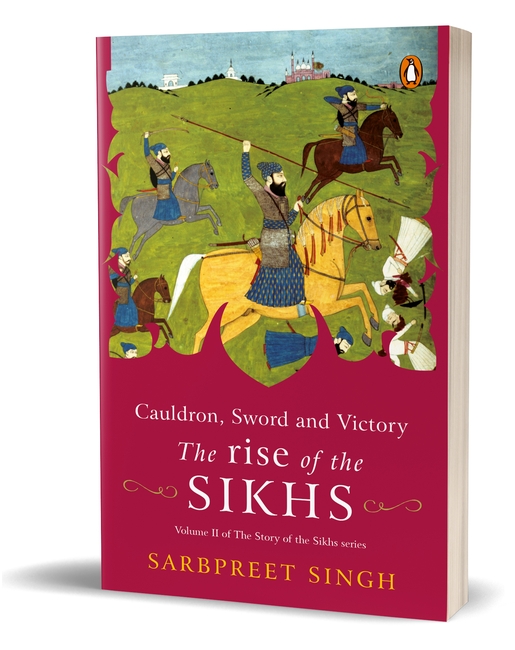
In Cauldron, Sword and Victory, author Sarbpreet Singh takes the reader on a journey through the fiery crucible in which the character of the Sikhs was forged. Seers and mystics, conquerors and kings rub shoulders in this heady tale of history and politics, embarking on never-ending quests for land, power and glory. Singh’s first volume on Sikh history told the story of the venerated Sikh Gurus. Starting with the rebellion of Banda Singh Bahadur, he now turns his attention to Nawab Kapur Singh and his cohort of doughty Sikh chiefs who became the masters of Punjab as the weakened Mughals of Delhi clashed with the powerful Ahmad Shah Abdali of Afghanistan. Bringing these swashbuckling characters to life in a manner most vivid and compelling, Singh transports us to the eighteenth-century Indian subcontinent as the Sikh chiefs engage with the British, the Marathas, the Jats and the Rohillas, sometimes as allies and sometimes as adversaries.
Based on a unique mix of eyewitness accounts, secondary sources as well as translations from Braj and Punjabi poetry, Singh’s narrative is both erudite and engaging—a true saga of resilience, faith and power.
2023 Next Generation Indie Book Awards Finalist
A Buddhist master’s guide to cultivating dignity through meditation to live a meaningful and fulfilling life.
The notion of dignity is crucial to the question of how best to live a meaningful and fulfilling life, particularly for today’s environment in which so many of us experience self-doubt, low self-esteem, and feelings of being trapped by anxiety, dissatisfaction, or even success. How, in such a circumstance, can we gain authentic and unshakeable dignity? In Awakening Dignity, Phakchok Rinpoche draws from the Tibetan Buddhist wisdom tradition to offer a unique and fresh approach to answer this question.
From the Buddhist perspective, dignity is an inherent quality of fundamental wholeness and completeness that we all naturally possess: our true nature is pure and our heart is noble. In this guide, Phakchok Rinpoche shows how knowing that we are whole and complete already—and gaining trust and certainty in that understanding—can counteract the common feeling that we are not enough, that something is missing.
Gaining unwavering trust in ourselves protects us from life’s ups and downs. With genuine dignity, we are not riddled with uncertainty, anxiety, or self-doubt. Rather, we are able to face any circumstance with confidence, clarity, and compassion. Through reflections, examples, and simple meditations—such as embracing adversity and practicing compassion—Awakening Dignity provides all the tools necessary to fully embody our fundamental dignity.

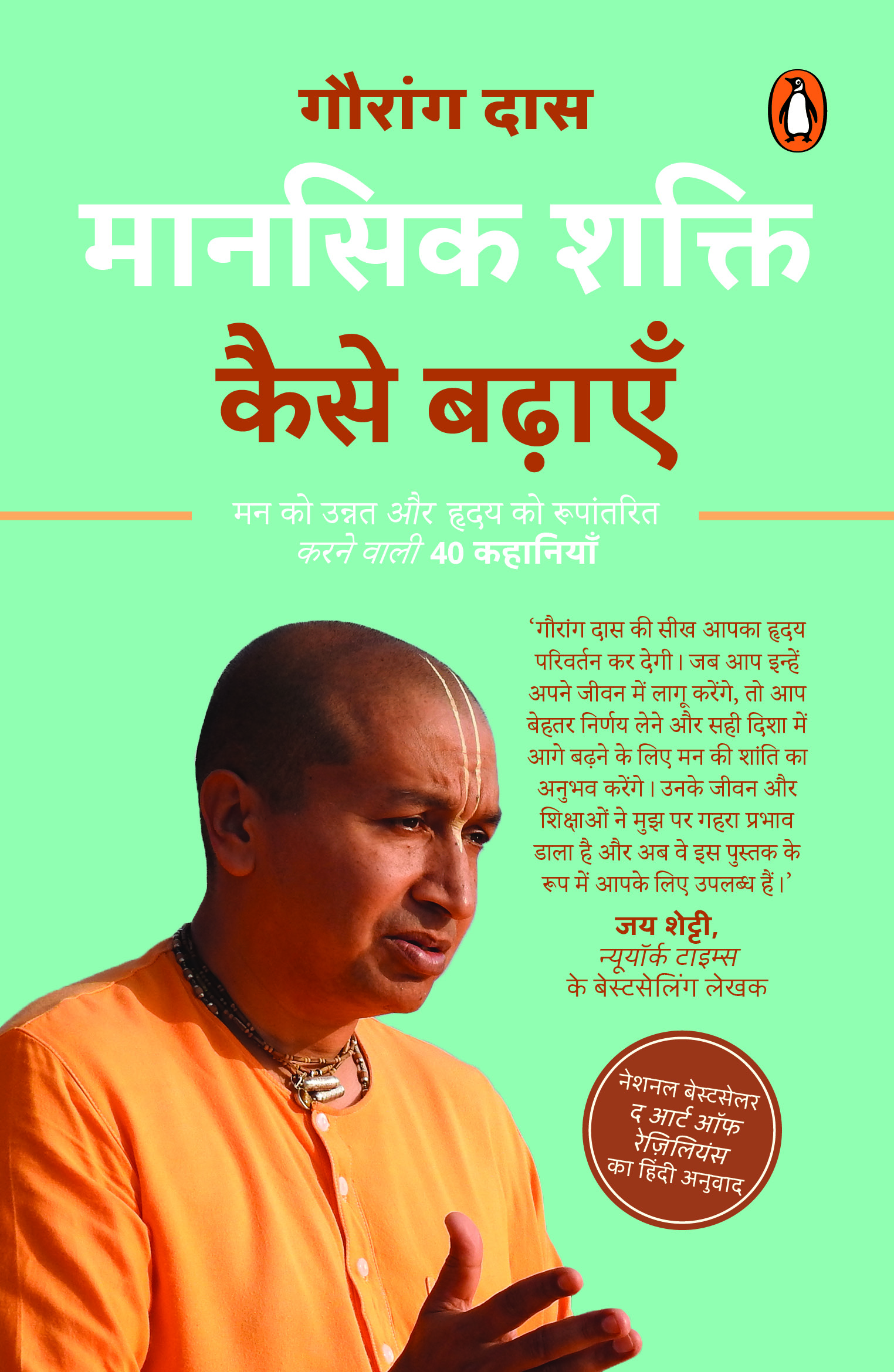
क्या आप हर बात में बहुत अधिक सोचते हैं? आप किसी बात पर जल्दी कोई फैसला नहीं ले पाते और उसी के बारे में सोच सोचकर रातों की नींद ख़राब करते हैं? नकारात्मक जीवन, काम और संबंधों के बारे में किसी उद्देश्यपूर्ण चीज़ की तलाश में हैं? एक बार अल्बर्ट आइंस्टाइन ने कहा था, ‘अक़्ल स्कूल में पढ़ाई करने से नहीं आती बल्कि उसको हासिल करने के जीवनपर्यंत प्रयास से आती है।’
इस पुस्तक में मन को उन्नत और हृदय को रूपांतरित करने वाली 40 कहानियों के साथ गौरांग दास आपको अंतर्मन की खोज यात्रा पर ले जाते हैं। आशाओं की ऊँचाइयों से परे, असहमतियों की घाटियों से होते हुए, आत्मवंचना के तलों से होकर। इस तरह वे आपको अपने हृदह के गृह के पास ले आते हैं, आपको समर्थ बनाते हैं कि आप द्वार खोलकर अपना परिचय प्राप्त करें, और अंततः अपने वास्तविक रूप से आपका परिचय हो सके।

Thich Nhat Hanh does not merely teach peace; Thich Nhat Hanh is peace’ Elizabeth Gilbert
Celebrated Zen master Thich Nhat Hanh bestselling books are now available in a box-set.
Consists:
FEAR
Learn how to overcome the worries, insecurities and fears that hold you back in this perspective-shifting book. Drawing on his years of experience as a celebrated Zen master, Thich Nhat Hanh shows that by mastering the practices of mindfulness you can learn to identify the sources of pain that cause fear and move past them to live a mindful and happy life.
ANGER
In this transformative book, world renowned spiritual leader Thich Nhat Hanh shares wisdom and practical advice to teach you how to transform your relationships, focus your energy and rejuvenate the parts of yourself that have been lost to anger. This is your guide to achieving inner peace, healing and harmony.
PRESENT MOMENT, WONDERFUL MOMENT
Thich Nhat Hanh offers 79 meditations to help you through your daily routines in a peaceful and mindful way. This beautifully illustrated book shares a simple verse with an enlightening commentary that will give you the space and heart to live each day in a connected and calm way.
THE ART OF COMMUNICATING
Thich Nhat Hanh shares the five steps to truly mindful communication. Drawing on his experience working with couples, families, colleagues and even on international conflict, the world’s most famous monk has created a simple guide to communicating with yourself, others and the world.
PEACE IS EVERY BREATH
In the spirit of his bestseller The Miracle of Mindfulness, beloved Zen Master Thich Nhat Hanh offers personal anecdotes, meditations and advice to help you mindfully connect with your present experience. With his signature warmth and clarity, he teaches us how to find inner peace and harness the joy that is possible in every breath.

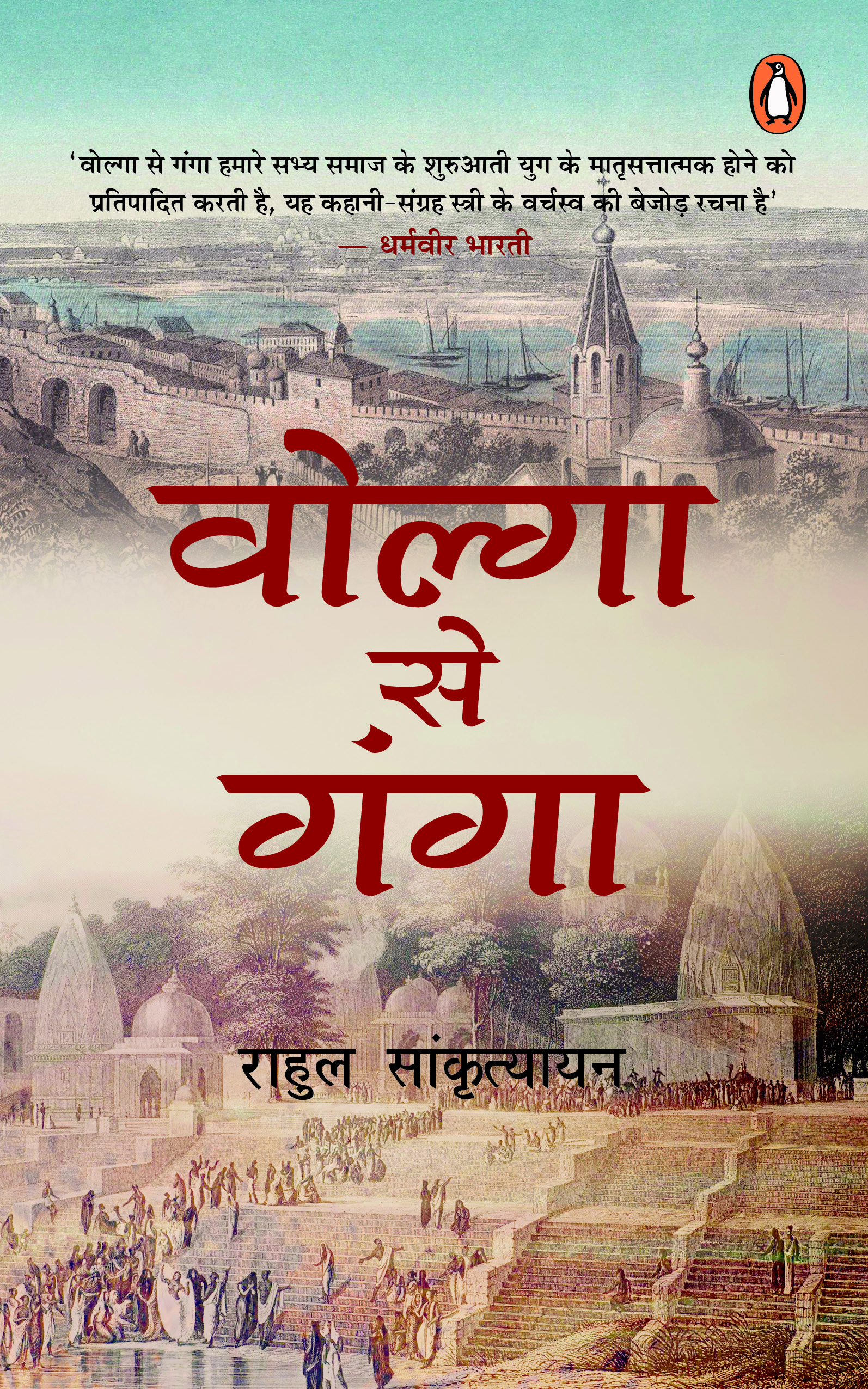
इस कहानी-संग्रह की बीस कहानियाँ आठ हजार वर्षों तथा दस हजार किलोमीटर की परिधि में बँधी हुई हैं। इस प्रकार हम कह सकते हैं कि यह कहानियाँ भारोपीय मानवों की सभ्यता के विकास की पूरी कड़ी को सामने रखने में सक्षम हैं। 6000 ई.पू. से 1942 ई. तक के कालखंड में मानव समाज के ऐतिहासिक, आर्थिक एवं राजनीतिक अध्ययन को राहुल सांकृत्यायन ने इस कहानी-संग्रह में बाँधने का प्रयास किया है। लेखक अपने कहानी संग्रह के विषय में खुद ही लिखते हैं कि लेखक की एक-एक कहानी के पीछे उस युग के संबंध की वह भारी सामग्री है, जो दुनिया की कितनी ही भाषाओं, तुलनात्मक भाषाविज्ञान, मिट्टी, पत्थर, ताँबे, पीतल, लोहे पर सांकेतिक व लिखित साहित्य अथवा अलिखित गीतों, कहानियों, रीति-रिवाजों, टोटके-टोनों में पाई जाती है।

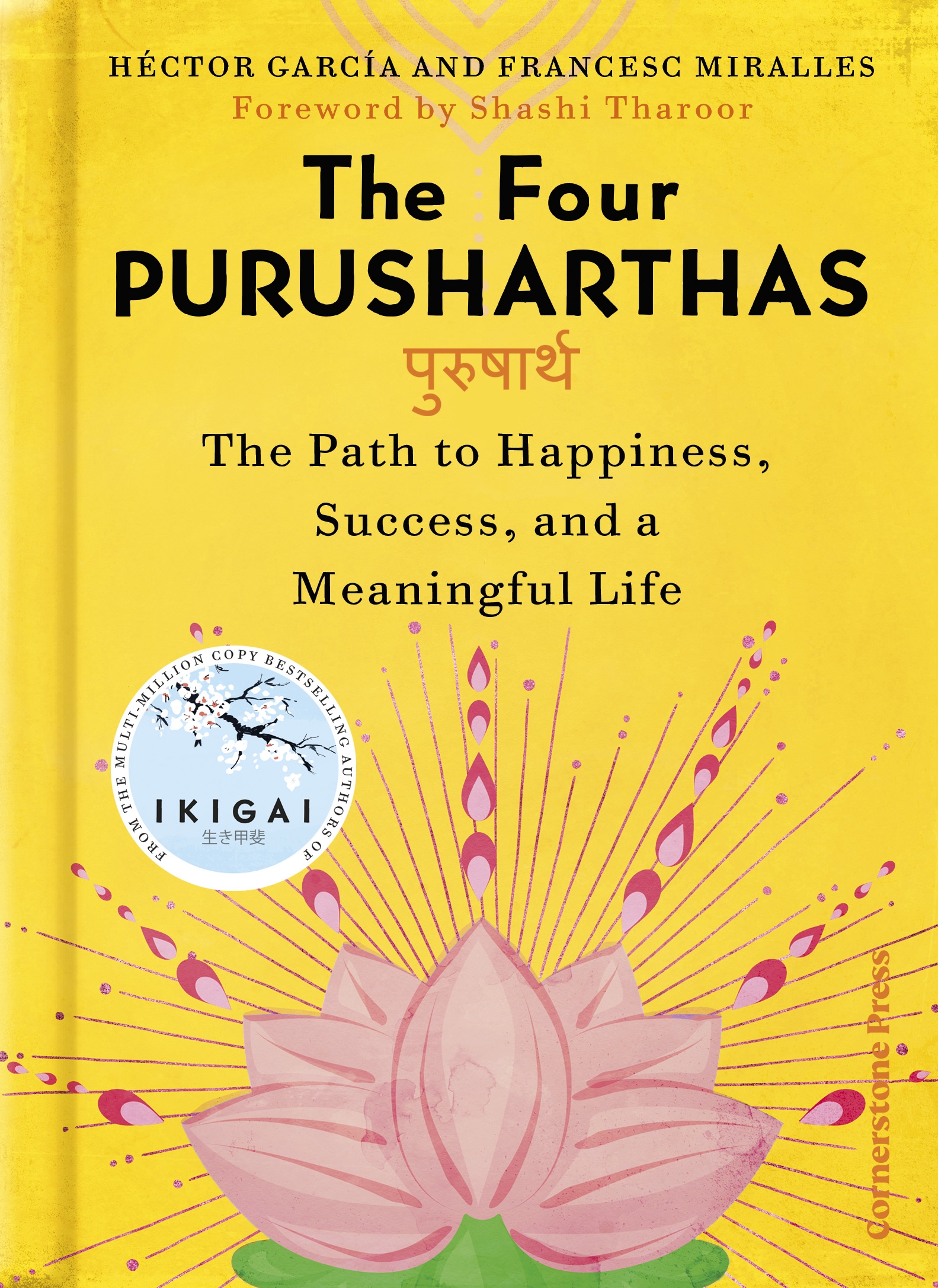
DISCOVER A NEW LIFE-CHANGING SECRET FOR HAPPINESS AND SUCCESS
Purushartha (n.): The ultimate purpose of human beings.
In Hindu philosophy, there are four goals that all human beings strive for: virtue, prosperity, love and freedom. These are the four purusharthas.
Having helped people all over the world live longer with their book on the Japanese concept of ikigai, the authors are now on a mission to honour the balanced way of life they discovered in India. Inspiring and comforting, this book shares the ancient wisdom of the four purusharthas to help you awaken your creative potential, free yourself from stress and fear, and live with greater energy.
By using the four purusharthas to align yourself, you can unlock the key to a life full of inspiration, beauty, peace, and meaning.

The twenty-first century has seen so many advancements—in technology, research, healthcare and education. We are now more connected through technology than our ancestors have ever been, yet we are more isolated and lonely than our ancestors ever were.
The ease with which things are available to us has led to a fast-paced lifestyle. That lifestyle, accompanied by a bad diet and lack of exercise, can sometimes lead to dysregulated thoughts. Awareness of this anomaly, acceptance to change and finally, embracing tools to regulate our feelings, are required to ensure we lead balanced lives that centre our thoughts and emotions.
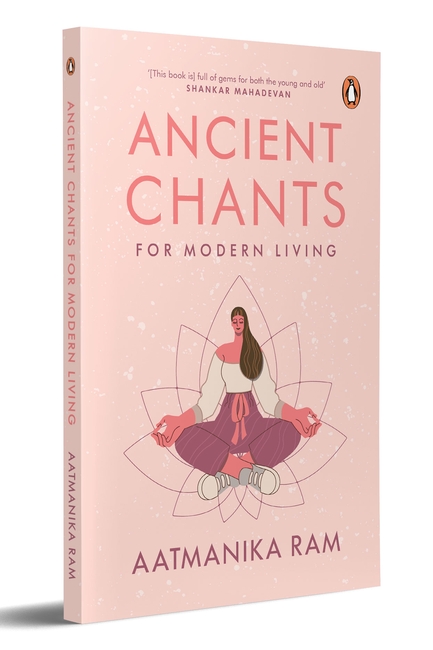
In Ancient Chants for Modern Times, Aatmanika Ram harnesses the wisdom of some of the ancient beliefs and practices of her Indian roots, and suggests tools to help overcome any stressful situations that may arise. These suggestions are global in nature and are easy to follow irrespective of where you live. Apart from information on mantras/chants, this book also includes advice on the diet and yoga asanas to follow to ensure that the body and mind respond in a balanced proportion to any situation.
This is the perfect guide to becoming emotionally stronger and stress-free in the long run.

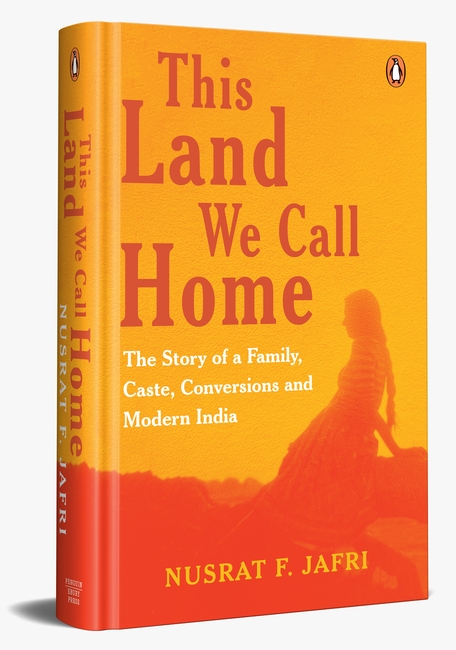
In 1871, the British enacted the Criminal Tribes Act in India, branding numerous tribes and caste groups as criminals. In This Land We Call Home, Nusrat F. Jafri traces the roots of her nomadic forebears, who belonged to one such ‘criminal’ tribe, the Bhantus from Rajasthan.
This affecting memoir explores religious and multicultural identities and delves into the profound concepts of nation-building and belonging. Nusrat’s family found acceptance in the church, alongside a sense of community, theology, songs and carnivals, and quality education for the children in
missionary schools.
The family’s conversion to Christianity in response to caste society highlights their struggle for dignity. Parallelly, we see the family’s experiences during Gandhi’s return to India in 1915, the Partition, the World Wars, the Emergency and the prime ministers’ assassinations.
In a way, this is a story like and unlike the stories all of us carry within us—the inherited weight of who we are and where we come from, our tiny little freedoms and our everyday struggles and, mostly, the intricate jumble of our collective ancestry. Nusrat pays homage to her foremothers, the first feminists, and her forefathers, the ones who tried hard to fit into a caste society only to be disappointed, eventually choosing alternative faiths in pursuit of acceptance.
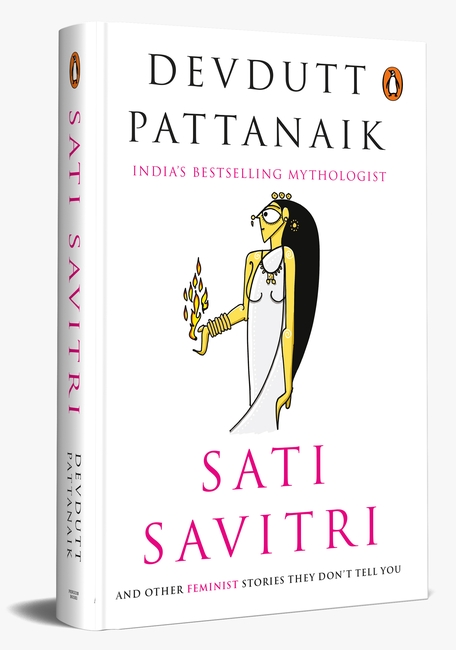
Manu said that a woman’s dharma is to be mother, daughter, sister and wife in service of men, regardless of the caste. In modern times we call this patriarchy. In the Veda, the need to control and favour hierarchy, is an expression of an anxious mind.
Hindu, Buddhist and Jain lore is full of tales where women do not let men define their dharma. In modern times we call this feminism. In the Veda, the acceptance of a woman’s choice is an expression of a wise and secure mind.
While in Western myth, patriarchy is traditional and feminism is progressive, in Indian myth both patriarchy and feminism have always co-existed, in eternal tension, through endless cycles of rebirth. Liberation thus is not a foreign idea. It has always been here.
You have heard tales of patriarchy. This book tells you the other tales—the ones they don’t tell you.
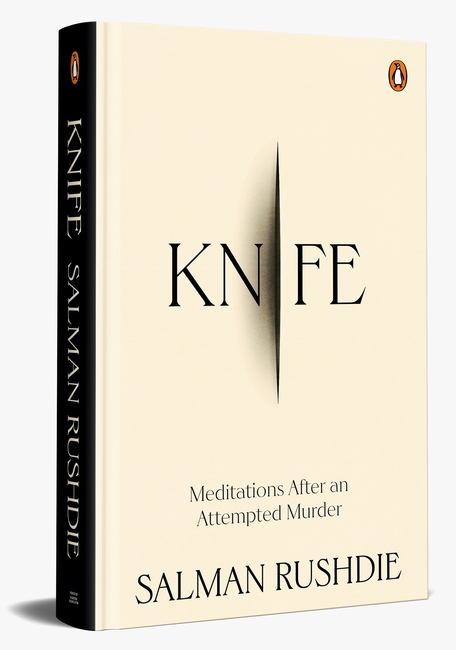
On the morning of August 12, 2022, Salman Rushdie was standing onstage at the Chautauqua Institution, preparing to give a lecture on the importance of keeping writers safe from harm, when a man wearing black clothes and a black mask rushed down the aisle toward him, wielding a knife. His first thought: So it’s you. Here you are.
What followed was a horrific act of violence that shook the literary world and beyond. Now, for the first time, and in unforgettable detail, Rushdie relives the traumatic events of that day and its aftermath, as well as his journey toward physical recovery and the healing that was made possible by the love and support of his wife, Eliza, his family, his army of doctors and physical therapists, and his community of readers worldwide.
Knife is Rushdie at the peak of his powers, writing with urgency, with gravity, with unflinching honesty. It is also a deeply moving reminder of literature’s capacity to make sense of the unthinkable, an intimate and life-affirming meditation on life, loss, love, art—and finding the strength to stand up again.