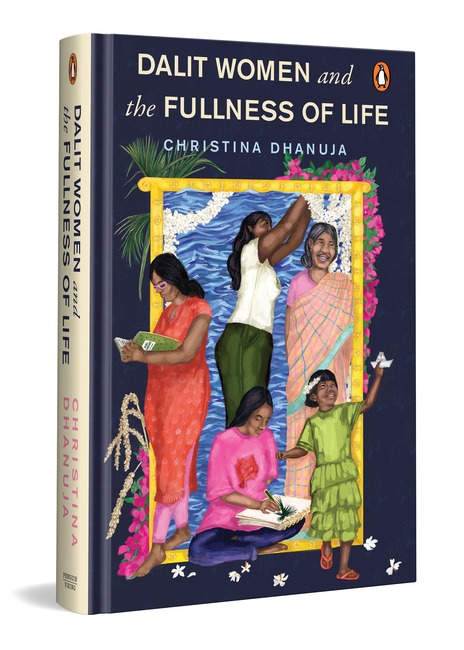
In Dalit Women and the Fullness of Life, Christina Dhanuja confronts the narrow frames that have long confined how Dalit women are seen and understood. Too often rendered as symbols of all-consuming suffering or resilience alone, these are human lives flattened and portrayed without interiority and wholeness. This book refuses that erasure.
With candour and clarity, Dhanuja examines how reductive and unidimensional narratives take hold in institutions, media discourse and social imagination, and what it takes to break them apart. She asks what becomes possible when Dalit women are recognized as complex, desiring beings: capable of joy and contradiction, intimacy and power, fragility and fullness.
Blending memoir with sharp social analysis, the book situates lived experience within structures of caste, gender, faith and community. The result is a soulful and provocative work—one that insists on fullness as a political, ethical and imaginative horizon for Dalit women.

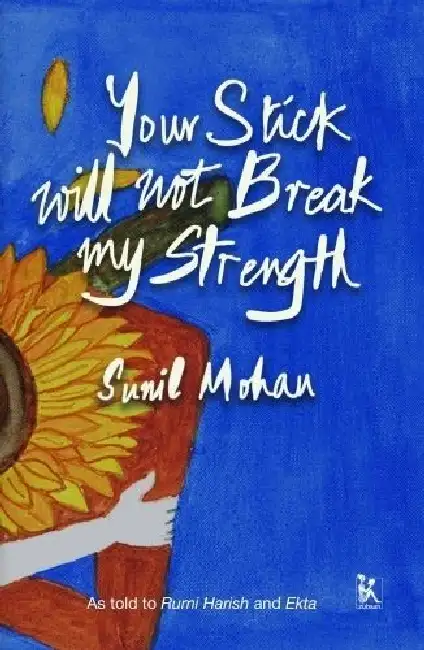
Sunil Mohan’s complex and moving memoir is more than just a story of transition. It’s a story that describes a deeply felt yearning, a certainty of knowledge about who you wish to be, and constant, fundamental and self-reflective questioning about what it means to be born into one body and inhabit an identity that is defined by a different body and a different set of ascribed and acceptable behaviour. As he makes the transition from ‘female’ to ‘male’, Sunil asks why he cannot choose to define his gender in his own way, why being ‘man’ should mean adopting a given, socially acceptable model of masculinity. ‘I was always uncomfortable,’ he says, ‘with “masculinity” even when I deeply felt I was a “man”….I was hesitant to identify with something I had critiqued so fundamentally.’ Honest, open, self-questioning and filled with courage and compassion, Sunil Mohan chooses to move away from the traditional and often linear trajectory of a life narrative. Instead, he turns the lens on the queer, trans, anti-caste, feminist and people’s movements of which he has long been a part. In doing so, he resolutely refuses to identify as a victim and thinks through and reflects on the politics of resistance, marking the learning that comes from friendships forged in struggle and commonality of identity, reflecting on the meanings of silence and offering thoughts on strategies for healing and reconciliation.

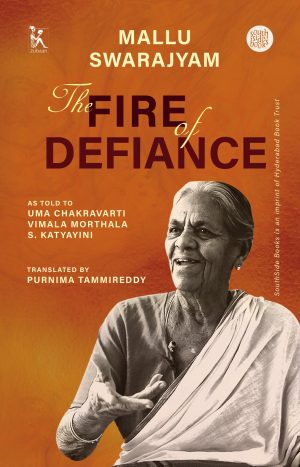
Even as the movement for Indian independence gathered momentum at the national level in the 1930s and ‘40s, a different kind of mobilization and struggle was unfolding in the Telangana region. Led by the Communist Party, the Telangana armed struggle swept through the Nizam’s dominions, targeting the exploitative practices of the doras, or landlords. Hundreds of men and women, from a wide spectrum of social locations, participated in the movement, and pictures of women wielding rifles have today become iconic.
Among the many women in the movement was Mallu Swarajyam, who joined the armed squads of the movement and also became a cultural activist. Her extraordinary story, as told to three women, is captured here. In her words: “I also worked in the Kothagudem coal mines. Our informants were tribal women who went into the forest to gather mahuva flowers. On one occasion, we received information that the police were travelling in a bus along the route. I stormed onto the road, stopped the bus and punctured its tyres with my pistol.”

A glimpse into the lives of women from Sikkim and Darjeeling Hills, this anthology brings together homemakers, teachers, students, professionals, cultural practitioners, researchers and artists, each offering a unique lens into everyday life in the region. Geographically connected, yet with distinct political and economic trajectories, women have very different lived experiences in both Sikkim and Darjeeling. But, like the magnolia—a shared symbol rooted in memory, culture and landscape—their lives are shaped by common cultural norms, expectations and institutions that transcend borders.
Beneath Magnolia Skies traces journeys through time, space and place, capturing moments of solace, strength, reconciliation and redemption. More than just personal reflection, this anthology is also an act of resistance, a way of claiming how the writers wish to be seen, heard and understood in their own words.

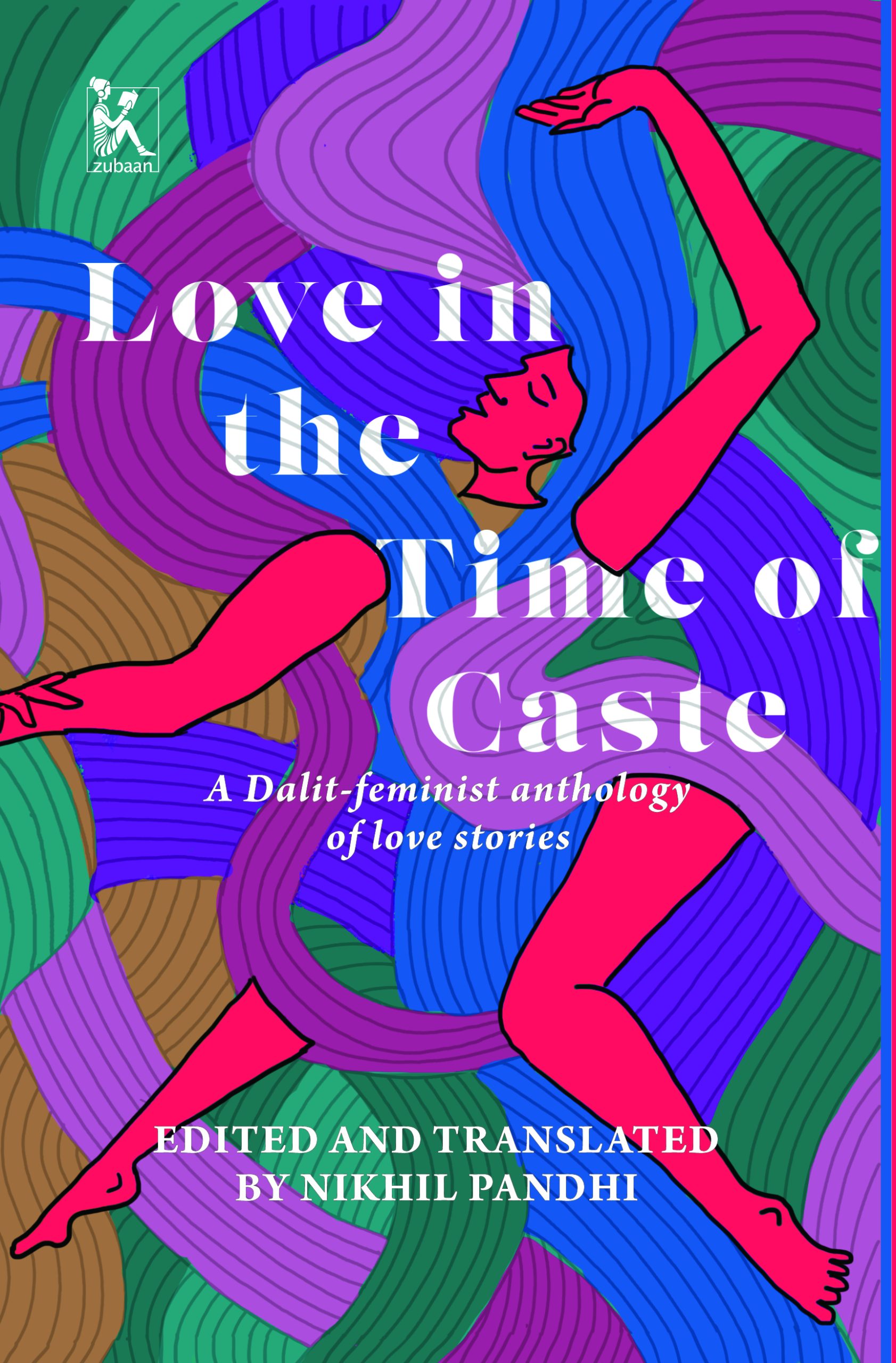
In a world governed by caste and patriarchy, Shaili, an ambitious Dalit journalist, grapples with heartbreak, disquiet, and the pernicious constraints imposed upon her desires and agency. Apurva, in love with a Dalit man from a rival sub-caste, is forcibly married to a Marxist from her own community, unleashing turmoil that reshapes her life. Pragya and Samar, a Dalit couple united by a shared passion for political activism, find their marriage strained as the fires of the street no longer ignite intimacy at home. Ambar, a rising star in the corporate world, feels doubly alienated—from both her Dalit mother’s village and her own amorous desires in the city. Meanwhile, tormented and brutalized by upper-caste oppressors, Jamna seizes justice on her own terms—transforming revenge into fierce rebellion against decades of caste terror and humiliation. The unforgettable characters in these remarkable stories are ordinary Dalit women and men navigating passion, pleasure, power, and pain in the crucible of caste, gender, and sexuality in contemporary India. Radiantly and elegantly translated into English, and ethnographically assembled for the first time, Love in the Time of Caste is a groundbreaking anthology of Dalit-feminist creativity and repair that portrays love as a radical, anti-caste force, offering an unflinching portrait of modern India—as imagined and remade by Dalit-Bahujans—while boldly envisioning caste-annihilated futures.
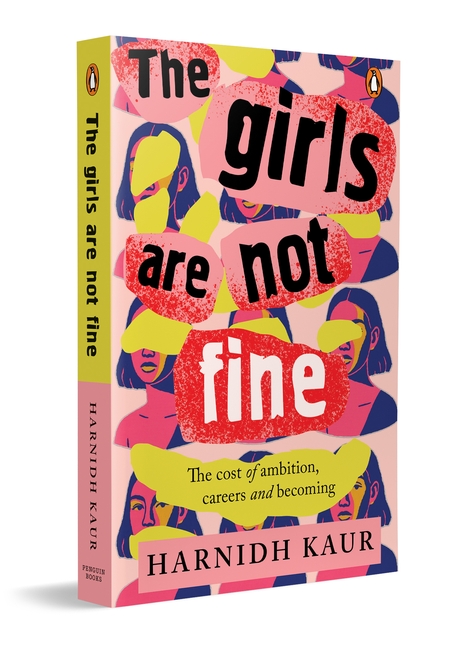
Women are taught early that ‘fine’ is the only acceptable answer. Fine at work. Fine at home. Fine in
relationships. Fine in bodies that are always being watched and measured.
The Girls Are Not Fine is about what’s underneath all that fineness. The invisible labour, the emotional maths, the unassuming ways women shrink themselves to fit rooms that were never built for them.
This isn’t a self-help book. It’s a vocabulary. A transfer of language for the things women carry but rarely get to name: the performance of competence, the economics of being ‘low maintenance’, the exhaustion of being the family’s emotional infrastructure while also trying to build a career, a life, a self.
Part confession, part cultural critique, part practical toolkit, it moves through work, money, family, body, friendship and love, not to fix anything, but to finally call it what it is.
And that’s important because:
We’re here, and we’re not carrying it alone.
That’s not nothing. That might be everything.

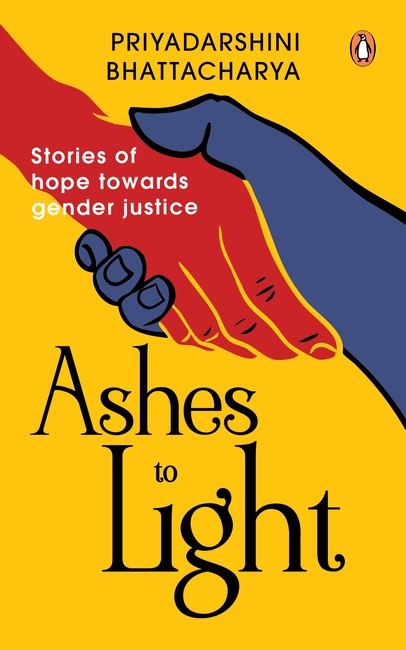
What might it mean to live in a gender-attuned world? Not a perfectly gender-just one, but a world that is receptive—capable of noticing, listening and responding to the quiet ways in which gender shapes lives, choices, institutions and intimacies. This question animates Ashes to Light, an anthology that engages resistance to gender-based prejudice not through proclamation, but through attention to the subtle, everyday forms of violence that often go unnamed.
At a time when conversations on gender are increasingly polarized, Ashes to Light resists slogans and certainties. Instead, it dwells in lived experience—where gender is not always overtly oppressive, but persistently present, shaping exclusions through normalization, condescension, erasure and quiet endurance.
Bringing together reflective personal essays from culture, politics, bureaucracy, law, academia, sports, art, and media, the anthology features film-maker Deepa Mehta on gender and creative choice; social activist Laxmi on socially sanctioned ideals of beauty; actor Rahul Bose on the rise of the Indian women’s rugby team; food scholar Pushpesh Pant on women’s struggles within the Indian kitchen; producer and screenwriter Kiran Rao on marriage and personal history; and former Chief Justice of India D.Y. Chandrachud on the feminist origins of law within the Indian family, among others.
Ashes to Light does not shout; it nudges. As editor Priyadarshini Bhattacharya reflects, the anthology is anchored in hope—not as optimism, but as practice: a daily, conscious commitment to attentiveness, movement and imagining otherwise.

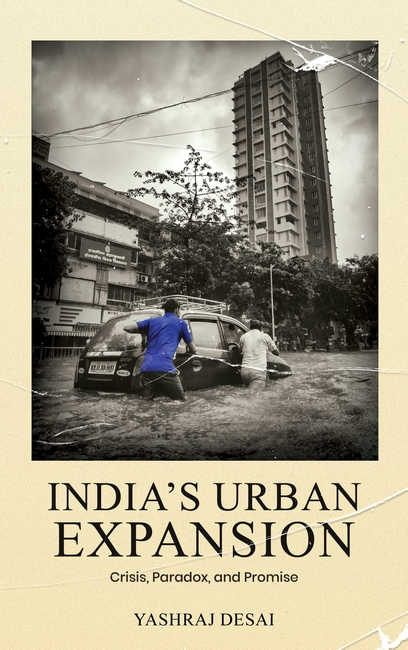
The city is breathing, but it is not alive.
India’s metropolitan dream is turning into a suffocating reality—choked skies, endless traffic, mounting waste, and infrastructure that promises relief but delivers more chaos. What looks like growth from afar feels like collapse from within. At the heart of this crisis lies the unending urban expansion paradox: every new flyover brings more cars, every expansion multiplies the density it was meant to ease. Our cities are not expanding to serve us—they are expanding to consume us.
But this is not a story of despair. It is a bold roadmap for change.
India’s Urban Expansion introduces the concept of the global readiness perimeter, offering a new framework to understand how Indian cities can move beyond reactive expansion toward deliberate, future-ready planning.
Women are taught early that “fine” is the only acceptable answer. Fine at work. Fine at home. Fine in relationships. Fine in bodies that are always being watched and measured. The Girls Are Not Fine is about what’s underneath all that fineness. The invisible labor, the emotional math, the unassuming ways women shrink themselves to fit rooms that were never built for them.
This isn’t a self-help book. It’s a vocabulary. A transfer of language for the things women carry but rarely get to name: the performance of competence, the economics of being “low-maintenance,” the exhaustion of being the family’s emotional infrastructure while also trying to build a career, a life, a self. Part confession, part cultural critique, part practical toolkit, it moves through work, money, family, body, friendship, and love, not to fix anything, but to finally call it what it is.
Because when you can name what’s happening, you can stop wondering if you’re crazy. And that’s where everything else starts.

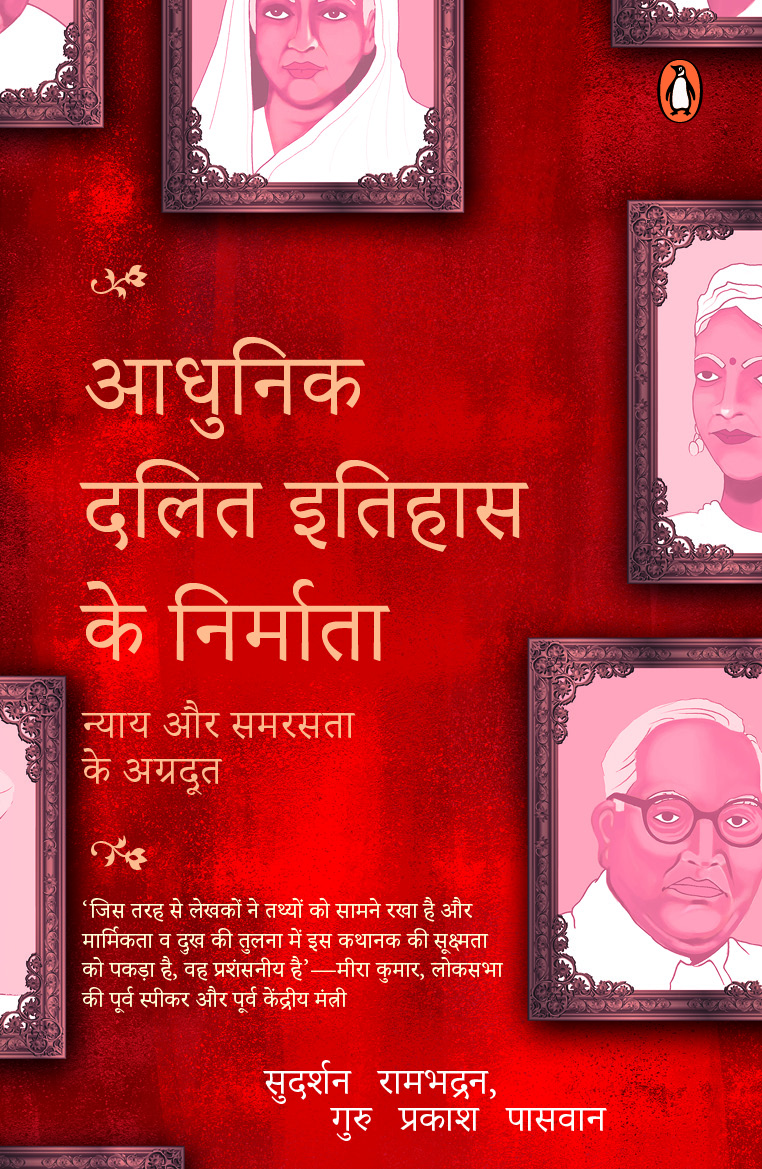
उन्नीसवीं सदी के उत्तरार्ध में केरल में एक व्यक्ति बड़ी शान से सड़क पर एक बैल गाड़ी से जा रहा था। जो कृत्य एक सामान्य सी बात थी, वह उस समय प्रतिरोध का एक बड़ा कृत्य था। घुड़ सवारी करना या बैलगाड़ी पर बैठने का अधिकार उस समय सिर्फ ऊँची जातियों के लोगों के पास था। लेकिन अछूत कही जाने वाली पुलया जाति का वह व्यक्ति जाति आधारित भेदभावों को चुनौती दे रहा था। वह कोई और नहीं बल्कि समाज सुधारक और आन्दोलनकारी अय्यनकाली थे।
इस पुस्तक में ऐसे ही प्रेरक व्यक्तित्वों के विवरण हैं जिन्होंने जीवन भर भेदभाव के खिलाफ अथक लड़ाई लड़ी। यह पुस्तक दलित समुदाय के प्रति आधुनिक भारत की उसी समझ को विस्तृत करने के प्रयास के तहत लिखी गई है।
भीमराव आम्बेडकर, बाबू जगजीवन राम, गुरराम जेशुवा, केआर नारायणन, सोयराबाई, रानी झलकारीबाई और उन जैसे कई अन्य ऐतिहासिक और समकालीन व्यक्तित्वों के ऊपर मौलिक शोध पर आधिरत आधुनिक दलित इतिहास के निर्माता दलित विमर्श में एक महत्वपूर्ण योगदान है। अतीत और वर्तमान के कुछ अग्रणी दलित चिंतकों के ऊपर लिखी गई यह लकीर खींचने वाली किताब दलित पहचान, इतिहास और राजनीति पर ज़रूरी बहस को शुरू करने का लक्ष्य रखती है।