



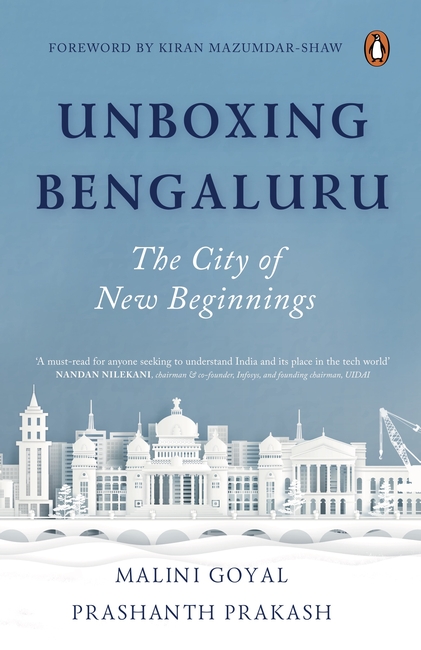
India’s tech/startup industry today is estimated to be worth over $0.5 trillion, employing over 5 million people. And the stage for this incredible ‘tech-tonic’ rise and transformation of the country into the world’s software powerhouse, is Bengaluru.
Being the backdrop to this dramatic transition, Bengaluru has changed irrevocably. The city has been through many avatars—pensioner’s paradise, PSU capital, garden city, India’s Silicon city and pub capital. Once known for secure state and federal government jobs, it is now a buzzing startup hub attracting job-seekers from India and abroad. And the new monikers will continue. From ed-tech to health-tech, mobility to EVs, Bengaluru is at the heart of the multiple shifts underway in the digital era.
Truly, it is the city of new beginnings.
In Unboxing Bengaluru—the first ever deep-dive into the city—Malini Goyal and Prashanth Prakash ably unravel the city’s journey and the ensuing social, behavioural, technological and consumptive changes. They look at why people are drawn to the city; how the cosmopolitan culture and multi-linguistic society gives it a distinct flavour; the parallel economies that have cropped up; how the influx of young workers have changed the city; and the fault-lines of unplanned and poorly managed growth over the decades.
Richly researched and vividly written, Unboxing Bengaluru is filled with absorbing vignettes, extensive reportage and solid data. A fascinating book and a must-read for anyone interested in understanding the city, and indeed, India.
Catagory: Society & Social Sciences
Manah shakti Vadhwa/मन: शक्ती वाढवा
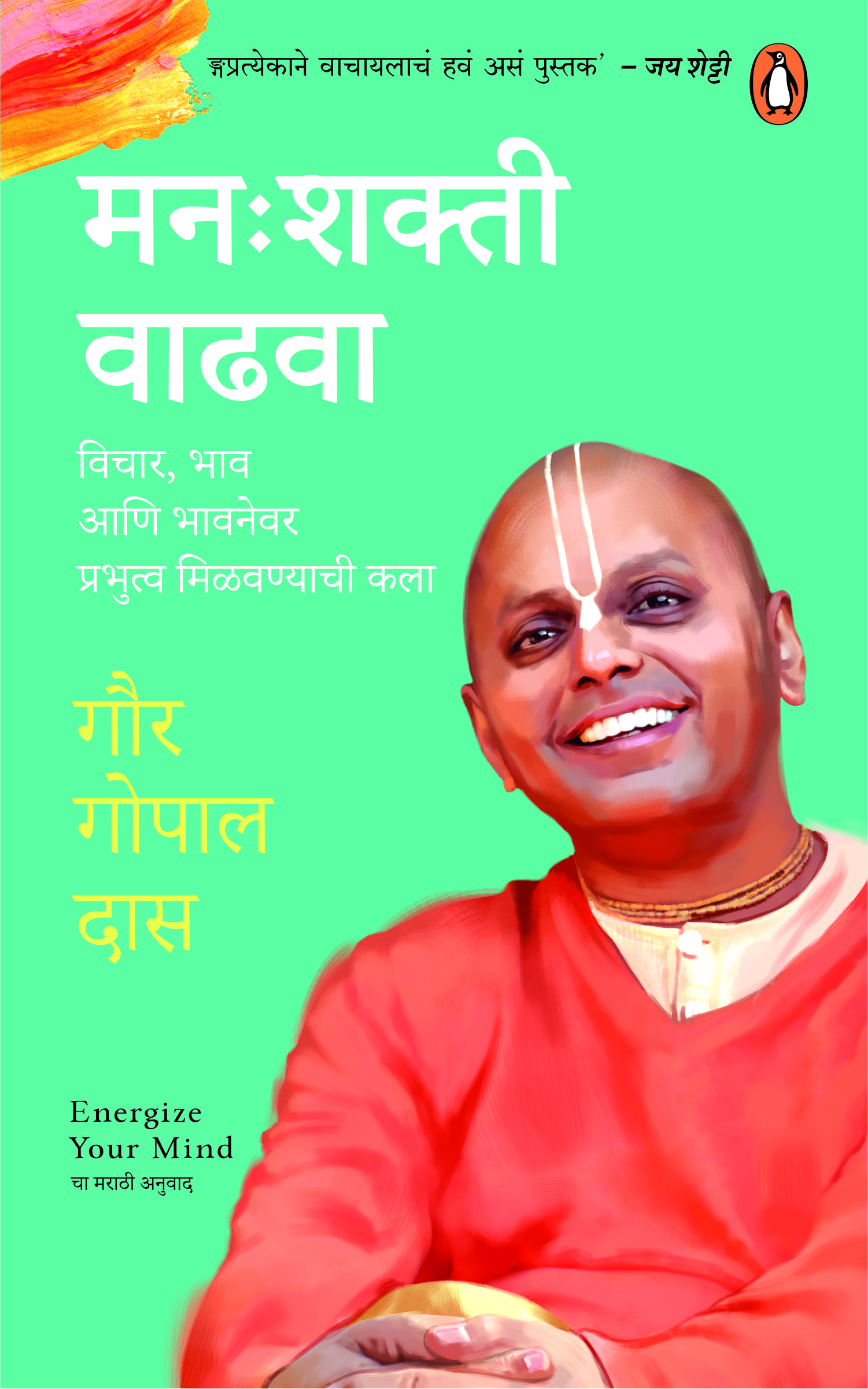
तुमचे मनावर नियंत्रण
तुमच्या जीवनावर नियंत्रण इस बेस्टसेलिंग किताबात लेखक आणि लाइफ कोच गौर गोपाल दासते सांगतात कि आमचे मन कसे काम करते. तुमची सर्वोत्तम किस्सागोई शैली कशी आहे ते समजावून सांगू शकता की आम्ही तुमचे दिल-ओ-दिमाग समजावून सांगू शकता आणि पुन्हा त्याला अनुशासित करू शकता. या संपूर्ण किताबामध्ये ते याप्रमाणेच व्यायाम, मेडिटेशन तंत्रज्ञान आणि वर्कशीट्स पाठ सोबत सामायिक करतात ज्याप्रमाणे आम्ही तुमच्या आत बदल करून तुमचे विचार आणि व्यवहार तुमच्या नियंत्रणात ठेवू शकतो.
Post-Hindu India
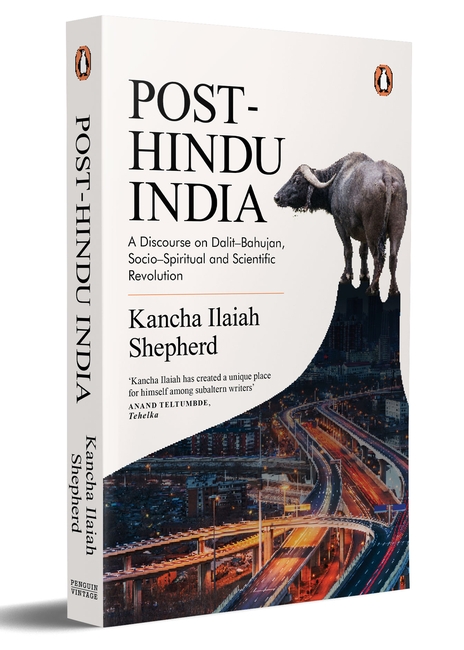
Kancha Ilaiah Shepherd pens a thought-provoking critique of Brahmanism and the caste system in India, while anticipating the death of Hinduism as a direct consequence of, what he says is, its anti-scientific and anti-nationalistic stand. This work challenges Hinduism`s interpretation of history, with a virulent attack on caste politics, and also takes a refreshing look at the necessity of encouraging indigenous scientific thought for the sake of national progress.
Everybody Loves a Good Drought (Hindi)/Teesri Fasal/तीसरी फसल

यह किताब सामाजिक कार्यकर्ताओं, शिक्षाविदों, पत्रकारों, एनजीओ से जुड़े लोगों या आम लोगों के लिए भी एक ज़रूरी किताब है। इसमें ग्रामीण विकास को लेकर ऐसे तथ्य और ऐसी रिपोर्टिंग की गई है जिसे सरकारी अधिकारी मानने के लिए राज़ी नहीं हो सकते।
इस पुस्तक में सुदूर इलाकों की अड़सठ रिपोर्टें, दस लेख और उनतीस तस्वीर हैं जो ग्रामीण भारत की व्यथा को सामने लाती है।
इसमें भूख है, बदहाल खेती है, सूदखोर महाजन हैं और बंधुआ मजदूर हैं। यह किताब हर संवेदनशील व्यक्ति के लिए एक ज़रूरी किताब है।
Middle of Diamond India
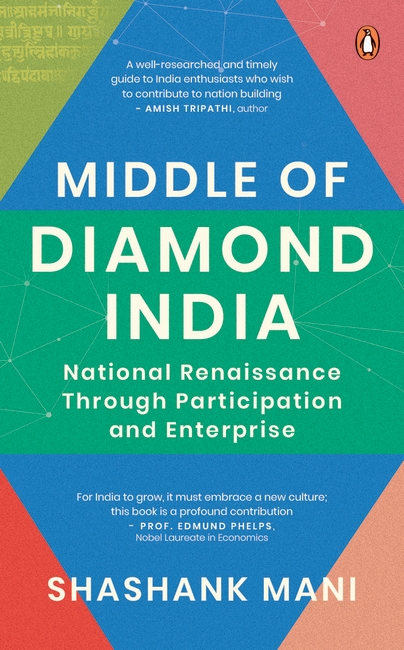
Middle of Diamond India proposes a revolutionary idea – that India has long ignored its largest and most talented segment, citizens in the Tier 2 and Tier 3 districts, its Middle.
The book reveals the hidden stories of those in its Middle who have been ignored owing to their location and language. By examining India’s revolutionary past, its culture, its citizens, its innovators, and its spirit, the book illuminates this Diamond shaped India.
Replete with characters, anecdotes, insights, research and accounts of an annual pilgrimage on a special train-Jagriti Yatra, and an enterprise ecosystem established in Deoria district, the book outlines a new vision of India focussed on its rising Middle. It proposes a Banyan Revolution over the coming twenty-five years of Amrit Kaal, using the tool of enterprise or Udyamita that can ignite a national renaissance.
The book argues that by recognizing and awakening the entrepreneurial vitality of those in small towns and districts, we can create meaning for millions of citizens and define a new modernity for India.
How the Light Gets In

There is an adventure inside every person, waiting to be had . . . the discovery of a self, long buried within.
This personal belief reverberates through Ashok Alexander’s How the Light Gets In. In his memoir of an improbable start-up in public health, he writes about an organization with the audacious goal of ending needless deaths and sickness at scale, amongst India’s poorest mothers and children. It is a great leap emboldened by an unshakable faith in the ‘idea that cannot be denied’. It is a tale of adventure filled with twists and turns, told with a disarming honesty.
Ashok writes with his signature ability to transport the reader from the ground-level view of a Mumbai shoeshine boy, through hushed hallways of power, and on to the green forests and enchanting hills of tribal Madhya Pradesh-where much of the book is set. This book is a curated tour of the other India, with all its pathos and ineffable beauty. This is also a story of personal transformation-Ashok left a high-profile job in corporate India to be inspired by the everyday heroism and grit of utterly marginalized women, soon after realizing a simple truth: you must ask the way from those you serve. The journey described here will leave you awash with feelings-joy, anguish, anger, compassion and much laughter. It is about the adventures waiting within, that give great hope and never fail to inspire.
Burning Roses in My Garden
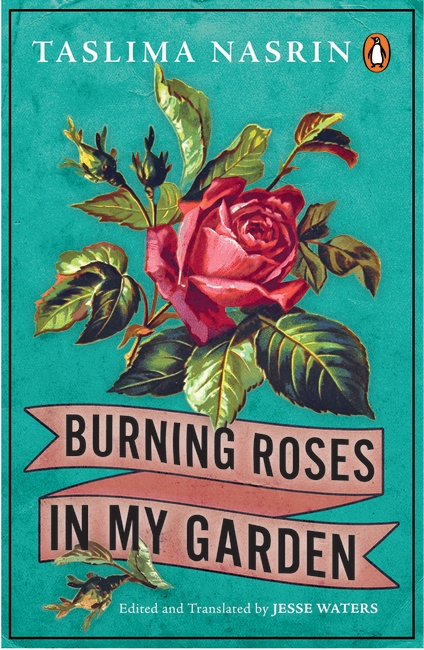
‘Have I not, having kept a man for years, learnt that it’s/ like raising a snake?/ So many animals on this earth, why keep a man of all things?’ writes one of the world’s most celebrated writers, Taslima Nasrin, in her first-ever comprehensive collection of poetry translated from the original Bangla into English. The poems get to the heart of being the other in exile, justifying one’s place in a terrifying world. They praise the comfort and critique the cruelty of a loved one. In these are loneliness, sorrow, and at times, exaltation. Relying almost entirely upon the free verse form, these poems carry a diction which is at once both gentle and fierce, revealing the experiences of one woman while defining the existence of so many generations of women throughout time, and around the world.
1947-1957, India: the Birth of a Republic
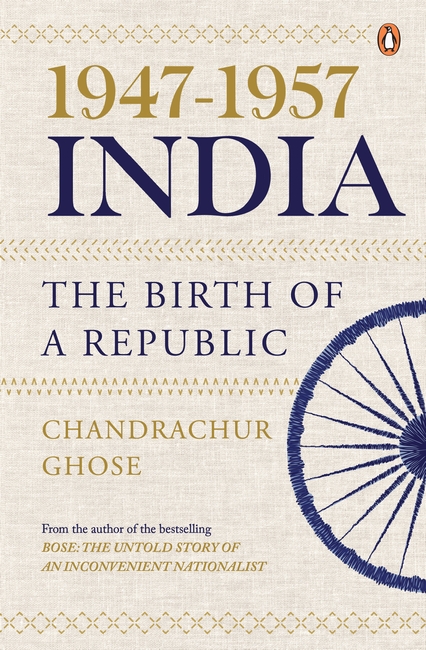
The story of a decade-1947 to 1957-that made and unmade India
The first decade after India’s independence, 1947-1957, was probably the most crucial in the nation’s history. Opening a window to this period, this book weaves a story out of the complex ideas and events that have largely remained beneath the surface of public discourse. The transfer of power, the framing of the Constitution and the formation of the governance machinery; the clash of ideas and ideologies among parties and personalities; the beginning of the disintegration of the Congress and the consolidation of political forces in the opposition; Nehru’s grappling with existential problems at home and his quest for global peace; the interplay between democratic ideals and ruthless power play-all these factors impinged on each other and shaped the new republic in its formative decade.
Thought-provoking, argumentative and unputdownable, 1947-1957, India: The Birth of a Republic is a must-read for anyone interested in Indian political history.
One Among You
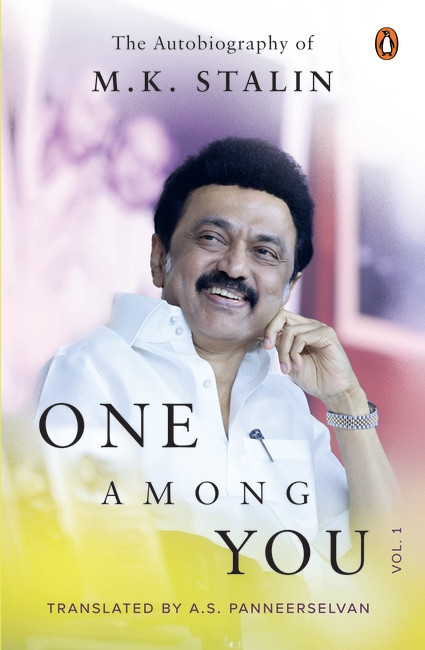
In 1966, M.K. Stalin began his political innings by launching the Gopalapuram Youth Dravida Munnetra Kazhagam. Over the next five decades, his political career would see him rise to become the Mayor of Chennai in 1996, the President of the Dravida Munnetra Kazhagam (DMK) in 2018 and the Chief Minister of Tamil Nadu in 2021.
One Among You, a translation of Volume 1 of Stalin’s Tamil autobiography, Ungalil Oruvan, is the story of the first twenty-three years of his life, from 1953 to 1976. These formative years were witness to Stalin’s school and college days, his early involvement with the DMK and his integral role in the party publication, Murasoli. But Stalin’s journey extends beyond politics. He also had a profound connection to the world of theatre and cinema, where his passion for art intersected with his pursuit of social change.
As the son of the political titan Kalaignar M. Karunanidhi, it was inevitable that Stalin would grow up in a household throbbing with discussions about art, culture, politics, and language. This autobiography, ably translated by veteran journalist and editor, A.S. Panneerselvan, offers an intimate glimpse into the world that moulded the Tamil Nadu Chief Minister.
Man’s Search For Meaning
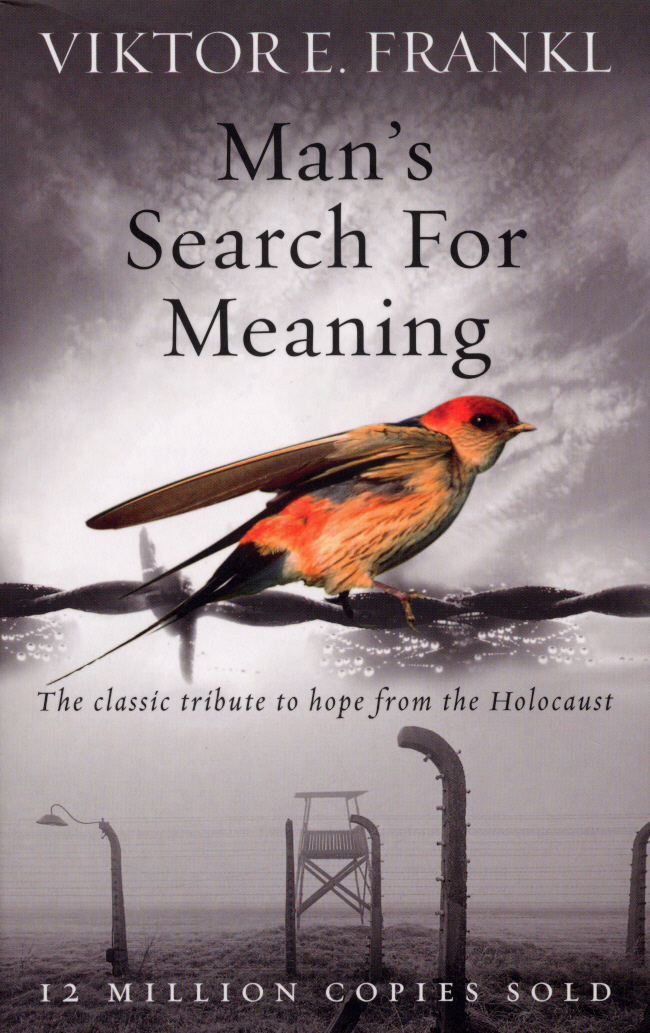
A prominent Viennese psychiatrist before the war, Viktor Frankl was uniquely able to observe the way that he and other inmates coped with the experience of being in Auschwitz. He noticed that it was the men who comforted others and who gave away their last piece of bread who survived the longest – and who offered proof that everything can be taken away from us except the ability to choose our attitude in any given set of circumstances.
The sort of person the prisoner became was the result of an inner decision and not of camp influences alone. Only those who allowed their inner hold on their moral and spiritual selves to subside eventually fell victim to the camp’s degenerating influence – while those who made a victory of those experiences turned them into an inner triumph.
Frankl came to believe that man’s deepest desire is to search for meaning and purpose. This outstanding work offers us all a way to transcend suffering and find significance in the art of living.