



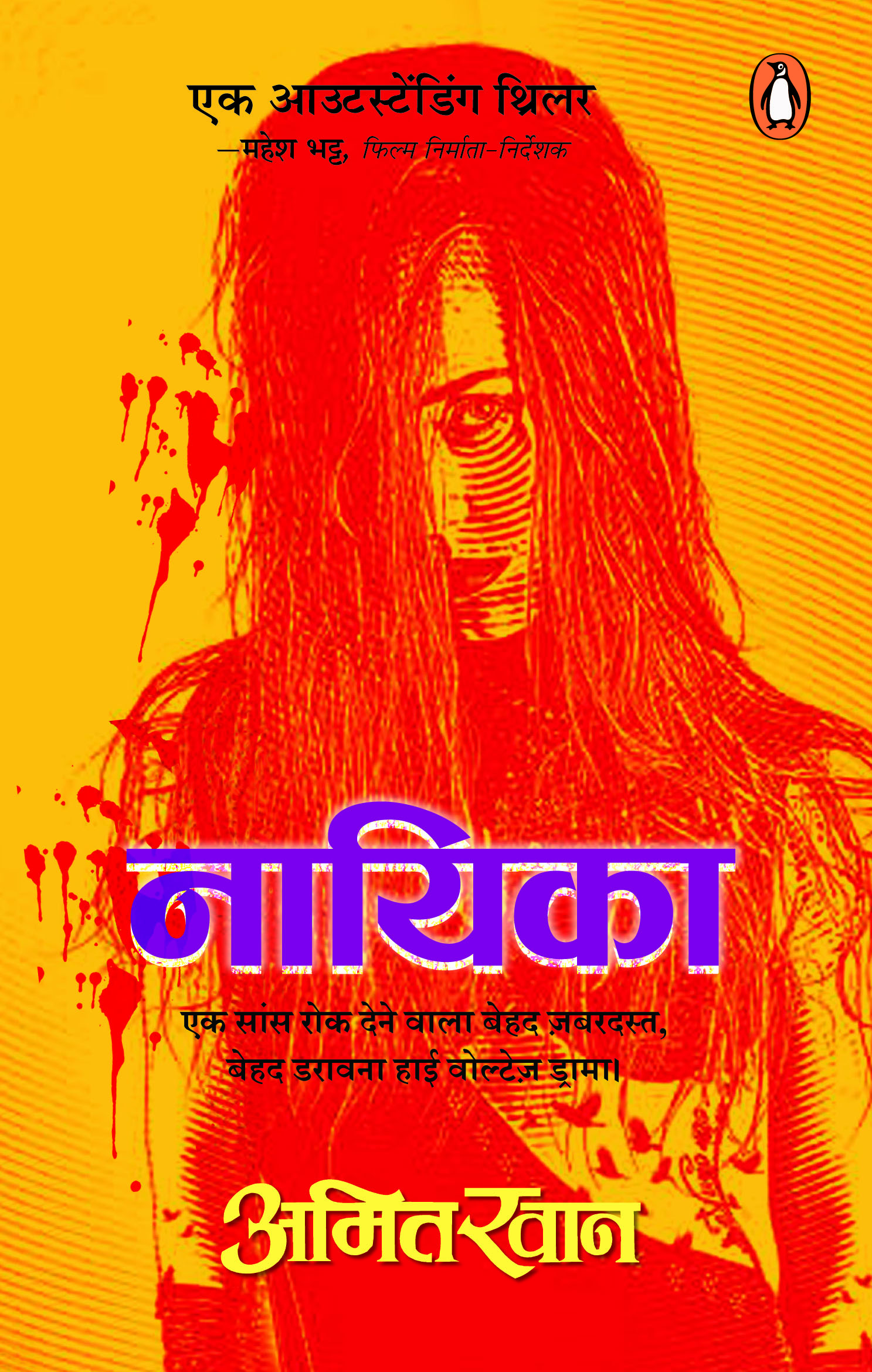
क्या किसी पागलखाने में छिपा हो सकता है, हत्याओं का राज़! आखिर वो कौन है, जो कर रहा है लाशों पर अट्टहास? मौत के तांडव की एक ऐसी सनसनीख़ेज़ कहानी, जिसे पढ़कर हत्यारे से नफ़रत नहीं होती, क्यों? शहर में क़त्ल पर क़त्ल हुए जाते हैं और पुलिस क़ातिल को पकड़ नहीं पाती। सारी घटनाओं में एक बात ख़ास है, हर मरने वाला आरोपी है, बलात्कारी है। आखिर वो कौन है, जो इन वारदातों को अंजाम दे रहा है और फिर इन हत्याओं का तरीका क्या है? इस राज़ का खुलासा भी होता है मगर एक रेडियो शो में और लोग उसकी वजह सुनकर भौंचक्के रह जाते हैं। सस्पेंस और रोमांस से भरपूर अमित खान का यह थ्रिलर आपको आखिर तक बांधकर रखेगा और आप दिल थामे यह उपन्यास पढ़ने पर मजबूर हो जाएँगे।
Catagory: Society & Social Sciences
Love Jihad

In February 2024, the Calcutta High Court ordered the change of the name of a lioness Sita in the Siliguri Safari Park. Some organizations had objected to her being housed with a lion named ‘Akbar’. In India today, even lions are subject to the same political pressure as Hindu-Muslim couples.
The propaganda, legislations and police actions are based on the premise that Muslim men are luring Hindu women into marriage, and that ‘love’ is a tool for ‘jihad’.
The book argues that ‘love jihad’ is not a category of relationship—it is a surveillance slogan. It allows vigilantes to enter homes, check phones, question faith and dissect the friendships of adult women.
The author explores the multidimensional lives of Hindu women, Muslim men and Dalit Bahujan masses and through humour, poetry and personal stories draws connections to reports, statistics and legal battles, making the work a truly delightful read.
Irreverent in its tone and blunt in its arguments, it is a book like no other.
Mere Bhagat Singh / मेरे भगत सिंह
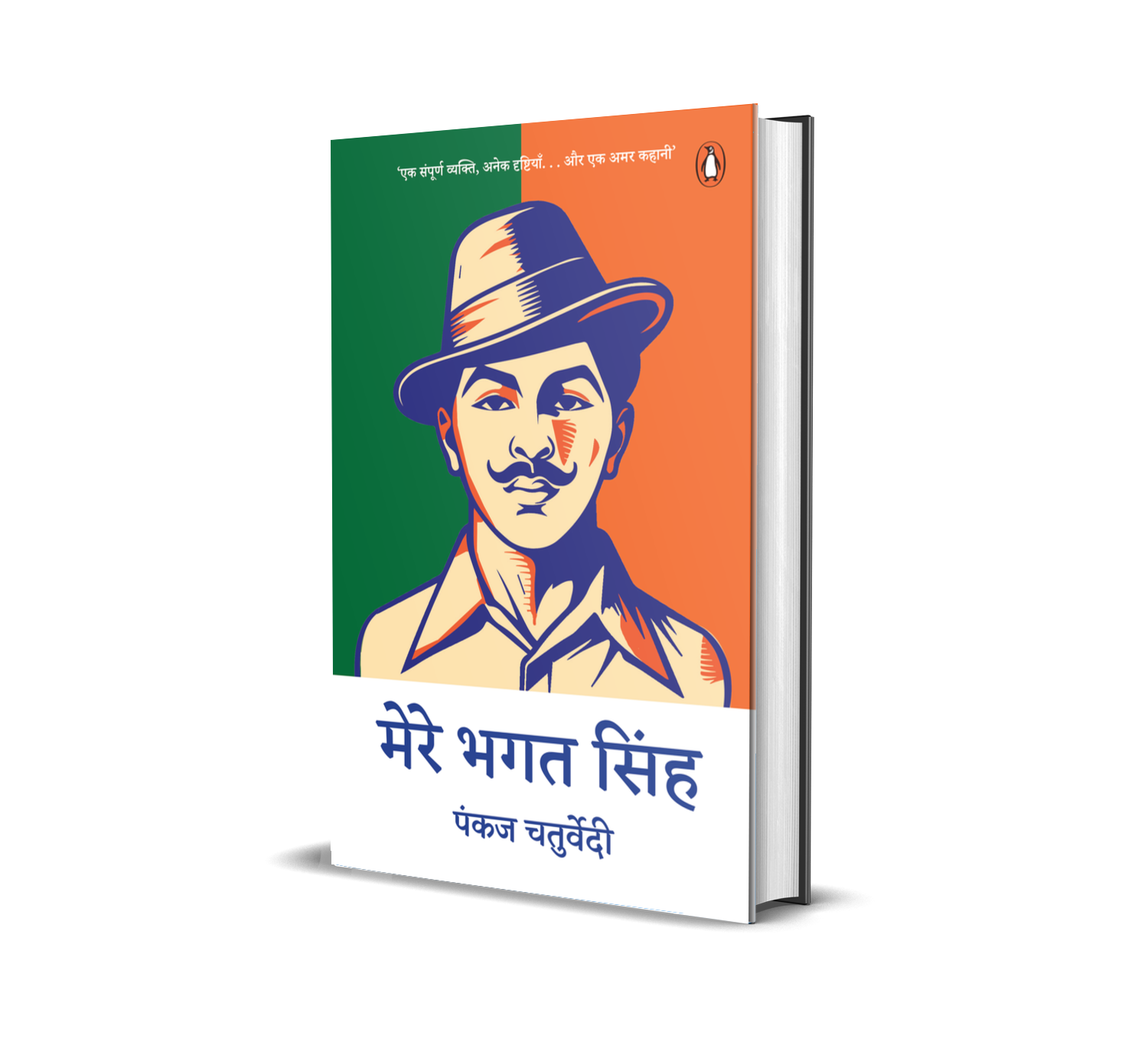
शहीद-ए-आजम भगत सिंह सिर्फ एक नाम नहीं, बल्कि एक उग्र विचार, गहन अध्ययन और अटूट बलिदान का प्रतीक हैं। यह किताब भगत सिंह के व्यापक जीवन को एक अद्वितीय और भावनात्मक दस्तावेज़ीकरण के माध्यम से प्रस्तुत करती है। इसमें उनके जीवन के हर पहलू को उन लोगों की आँखों से देखा गया है, जो उनके सबसे करीब थे। इसमें उनके माता-पिता और रिश्तेदारों की ममतामयी स्मृतियाँ हैं जो उनके बचपन की मासूमियत और पारिवारिक मूल्यों को दर्शाती हैं। शिव वर्मा और दुर्गा भाभी जैसे क्रांतिकारी मित्रों के साथ साझा किए गए सपने, संगठन की रणनीतियाँ और जेल के भीतर हुई उनकी बौद्धिक बहसों का विस्तृत लेखा-जोखा भी इस किताब का हिस्सा है। साथ ही महात्मा गांधी, जवाहरलाल नेहरू और अन्य समकालीन राजनेताओं के विचार भी हैं, जो उनकी शहादत के बाद भगत सिंह के राजनीतिक और दार्शनिक महत्त्व को स्थापित करते हैं। बचपन की शरारतों से लेकर नास्तिकता और समाजवादी दर्शन की ओर उनका झुकाव; असेंबली में बम फेंकने का दुस्साहस और “इंकलाब जिंदाबाद” का नारा—यह कृति उनके ऐतिहासिक महत्त्व के साथ-साथ उनके मानवीय पक्ष को भी उजागर करती है।
Itihas Ki Thali / इतिहास की थाली
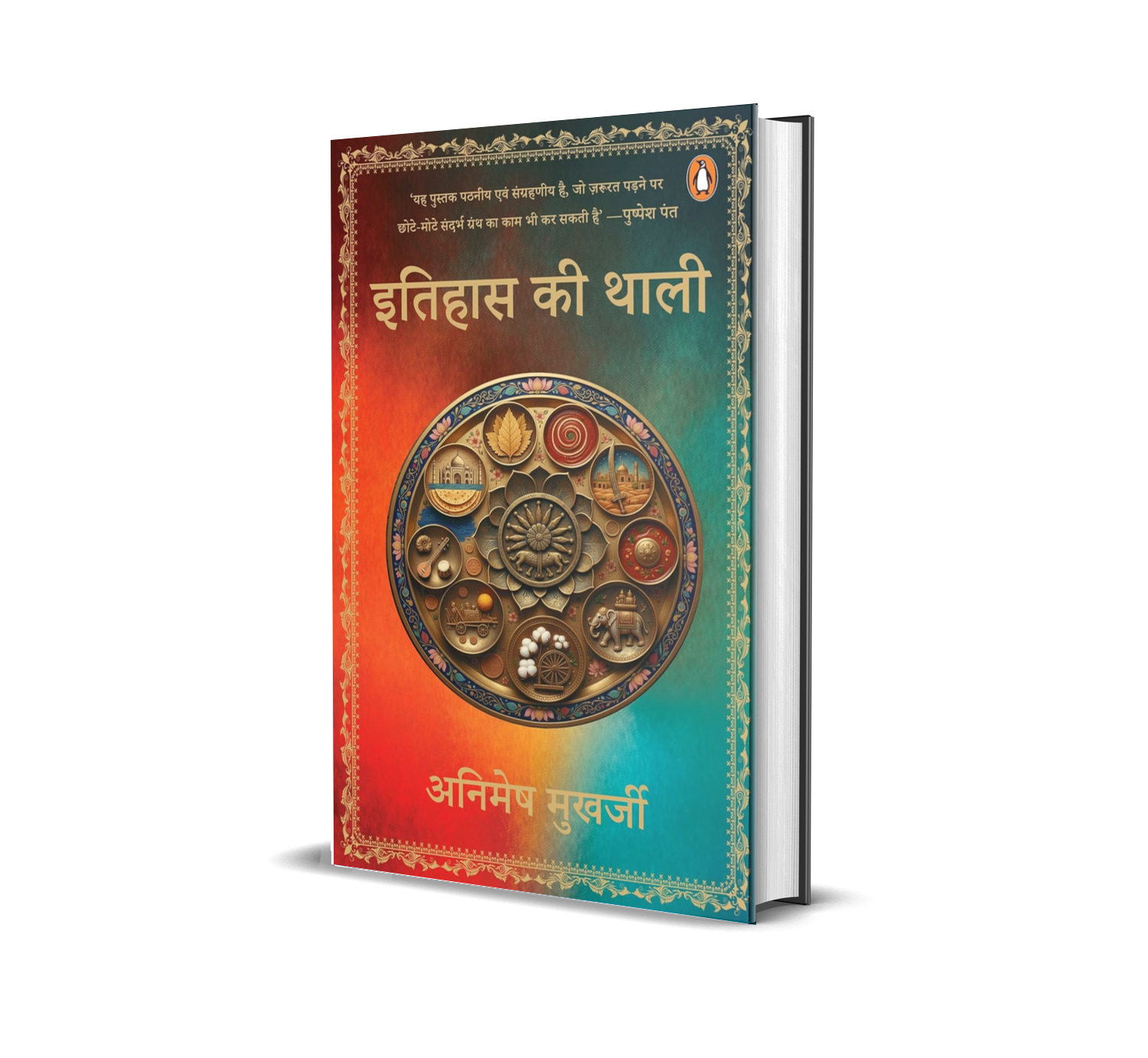
कोलंबस भारत नहीं आ सका, लेकिन उसके चक्कर में आलू आ गया और उस आलू ने हमारी आबादी को जिस रफ़्तार से बढ़ाया कि दुनिया देखती रह गई। ईसाई पादरी ‘क्रिसमस नहीं मनाएँगे’, कहते रह गए मगर बाज़ार ने उसे दुनिया का त्योहार बना डाला। कभी हीर और रांझे की प्रेम कहानी ने बासमती को अमेरिका की संपत्ति बनने से बचा लिया, तो कहीं परंपरा के नाम पर महिलाओं का पोषण ही रोक दिया गया। कभी एक फ़ास्टफ़ूड कंपनी ने कहा कि फ़ेमिनिस्ट होने का मतलब है खाना न पकाना, तो कभी केलों के व्यापार ने सरकारों को तानाशाह बना दिया। अगर अब्राहम लिंकन की वजह से बंबई को उसकी पावभाजी मिली, तो कोला कंपनियों ने खेल को धर्म और खिलाड़ियों को भगवान बनाया। रोटियों से क्रांति करने और नमक से सत्ता गिराने वाले देश में इतिहास की थाली इन तमाम घटनाओं के साथ-साथ, बिरयानी से लेकर 1947 के बँटवारे तक को एक नई नज़र से देखने की क्षमता देती है। क्योंकि हमारे हर निवाले में स्वाद के साथ-साथ इतिहास, व्यापार, संस्कृति, पहचान और साज़िशों की पूरी दुनिया छिपी होती होती है।
The Nine Lives of Annie Besant

On Thursday, 5 April 1877, thirty-year-old Annie Besant stood trial in London for daring to sell a small book on birth control—an act that shocked Victorian society and made her a household name. This was only the beginning of a lifetime spent defying authority.
Besant began as a devout Christian wife, only to renounce her faith and embrace atheism. She became a fiery socialist voice in the strikes and protests of the 1880s, then turned to Theosophy in search of spiritual truths. But it was in India that she found her greatest cause. Moving beyond religion and reform, she became a leader in the Indian movement for self-rule, edited nationalist newspapers, campaigned for self-rule and was even interned by the British government for her influence. To many Indians she was a heroine; to the colonial State, a dangerous agitator.
Annie Besant’s life was extraordinary and full of contradictions: from politics to mysticism, from the London suburbs to the heart of India’s freedom struggle, from Christian piety to Theosophical priestesshood. The Nine Lives of Annie Besant tells the complete story of a woman who broke all the rules.
Putting the Toilet Seat Down

For centuries, it has been (wrongly) believed that men are the superior gender. But what have we based that on? What research has been conducted to prove this?
Men are stronger. Men have had more power. So obviously, men must be superior.
Well . . . not quite.
Is it simply conditioning? At what point will we accept that feminism isn’t about one gender being better than another. It is about all genders being treated equally.
Putting the Toilet Seat Down is not only Feminism 101 but the first step we can take towards equal living. It is a no-gyaan, no-judgement guide for anyone who is curious (or confused) about feminism. Or for anyone who wants to unlearn their biases. With answers to questions like what is feminism, why do we need it in today’s world and do feminists hate men, this funny, engaging and nuanced graphic narrative breaks down big ideas with logic, humour, sensitivity and just the right amount of self-roasting.
Instead of lectures, you’ll get real talk—backed by history, science, and real-life examples — about why questioning your own biases doesn’t make you ‘less of a man’; just a better, more empathetic ally.
It’s about understanding the world a little better, and maybe becoming a better person in the process.
In the Margins of Empires
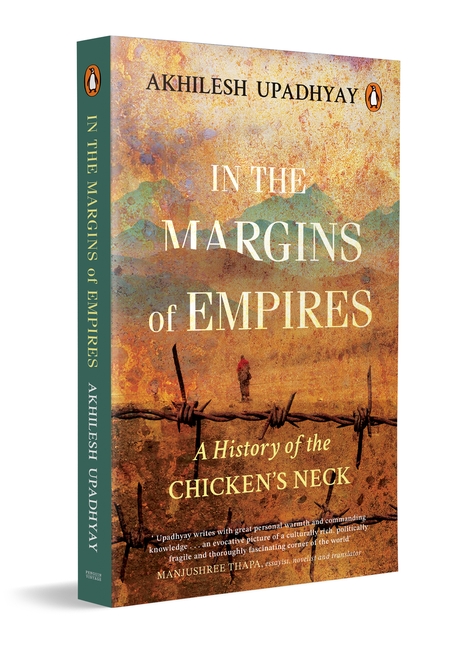
The prevailing narrative and knowledge ecosystem, and most certainly newspaper and TV reporting, on the Himalaya is dominated by colonial and postcolonial situational exposés that are informed by the Centres’ perspectives. Hence, many writings suffer from the imperial gaze, on the one hand, and a recency bias on the other, while approaching the peripheries as either exotic destinations or military hotspots with red lines drawn on snow-capped peaks, crests and arid plateaus.
The Himalaya has always been a contested region and has gained even more political salience after the 1962 Sino-Indian border war and, more so in recent times, with the rise of India and China.
What gets lost are the voices and lives of the people who actually call the Himalaya home.
In the Margins of Empires documents the lives and livelihoods of the borderlands in the Eastern Himalayan region—Nepal, Bhutan, pre-1950 Tibet and the post-1950 Tibetan Autonomous Region, Sikkim, Darjeeling, and India’s North-East. The book is an effort to look at the region as an organic whole, from within the region, connected through centuries of transboundary traders, travellers, scholars, monastic exchanges, but also by missionaries, monks, and moles.
As border infrastructure across the Himalaya in TAR and India is being constantly upgraded, and as India and China play a cat-and-mouse game, smaller states and communities in the borderlands, including the Chicken’s Neck, find themselves caught up in the larger geopolitical arena. With fresh analysis, great insight, and on-the-ground reportage, Akhilesh Upadhyay tells the story of the region and of communities that remain wedged between giants, yet are also shaping their own futures in the shadow of the Himalaya’s peaks.
What does the future of the region look like? Perhaps it will follow the mystique of the Himalaya.
Stories from a Kargili Kitchen
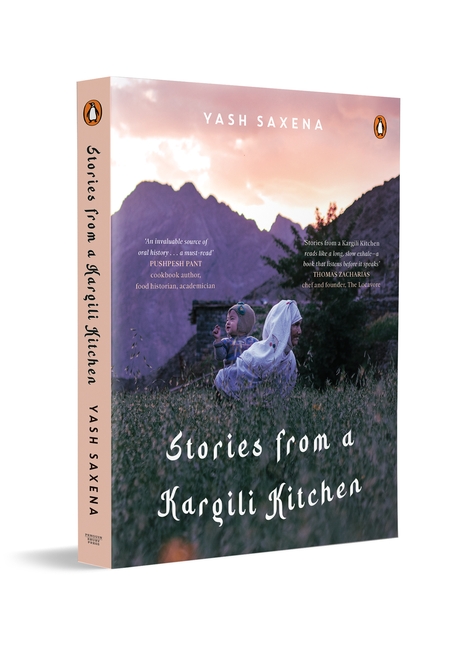
The untold story of Kargil—told not through war, but through food
Tucked between some of the most forbidding folds of the Himalayas, Kargil is a land too often seen only through the lens of war—yet its valleys hold a tenderness, resilience and faith that endure through food.
Born from years of travel, cooking and friendships, foodways researcher Yash Saxena gathers voices from mountain kitchens and firesides—of shepherds, monks, farmers and mothers who feed a world shaped by both faith and frost. From slow-simmering broths to shifting borderlines, from ancient Bon rituals to the echoes of Bofor gunfire, each story reveals how a community sustains itself through ritual, memory and the quiet grace of everyday cooking.
Blending memoir, travelogue and cultural history, this is part food book, part love letter and part act of remembrance—a tender, sensory journey through Kargili kitchens, whose flames fight to keep centuries of wisdom alive against the winds of change.
Farmer Power
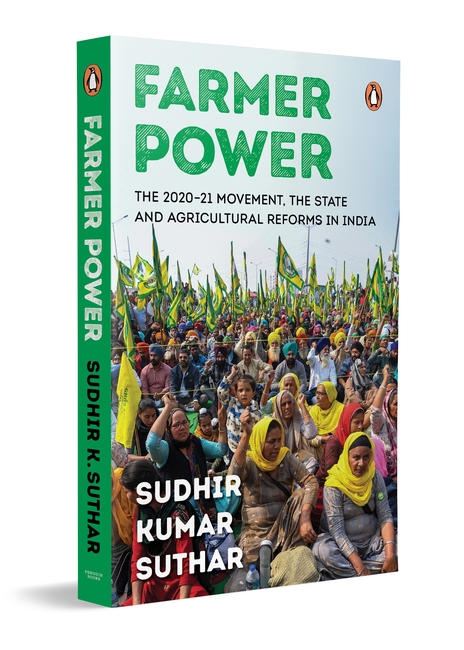
In September-October 2020, around 300,000 Indian farmers marched to New Delhi, to protest against three new farm laws by stationing themselves on national highways around the capital for over a year. This movement, the largest farmer assertion in recent times, with its firm commitment to democracy, civil disobedience and peaceful resistance, carved out a distinct political space for itself.
For over a decade prior, farmer groups had repeatedly tried to highlight agricultural issues neglected by successive governments. However, what transpired after 2020 was a unique moment in the history of world social movements.
Farmer Power examines the 2020-21 movement and delves into its evolution, history and what made it unique on the global scale. This book also looks into broader agricultural sector issues, including the challenges faced by small and marginal farmers, agricultural labourers, and the limitations of the procurement system. It seeks to highlight the policy interventions made by Indian state in the past two decades on these issues. This comprehensive account is essential for anyone interested in the politics of agriculture, livelihoods, and rural scenarios.
When Birds Talked
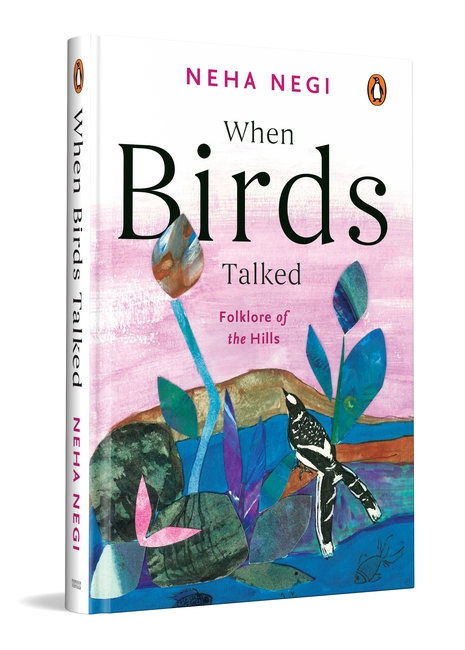
Discover the enchanting bird legends of the Himalayas—stories that soar beyond time.
When Birds Talked by Neha Negi is a lyrical and beautifully illustrated collection of folklore that reimagines the myths of Himalayan birds. Drawing on Uttarakhand’s rich oral traditions, these tales trace the origins of birds such as the Himalayan Monal, Fire-capped Tit, Spotted Forktail and many others—bringing alive stories of transformation, longing and resilience.
Through dramatic storytelling and hand-painted illustrations, Negi creates an enchanting tapestry that connects mythology, ecology, and human imagination. At its heart, the book is an ode to the deep bonds between people and nature, a celebration of vanishing traditions, and a call to protect the fragile ecosystems of the Himalayas.
Blending myth, art and reflections on the environment, When Birds Talked is as much a preservation of cultural heritage as it is a modern eco-fable for readers of all ages.