The education of their children is of paramount importance to all Indian parents. They spend tens of thousands of crores each year to get their young educated. The country fetes its successful students : from class X to board toppers and those who ‘crack the IIT JEE’ to those who clear the civil- services examination.
Yet things on the ground are dire.
About 70 per cent of all students ( in villages, towns and cities) have to make do with inferior schooling. Metropolitan newspapers are full of the difficulty of getting a nursery seat in a good school. And while there is a seat crunch in the better colleges too, only 10 per cent of all students between the ages of 18 and 21 are enrolled in college. Crores of educated Indians discover too late that they do not have the skills to land a suitable job.
Y.S. Rajan examines the gamut of issues involved in India’s efforts to educate its young people and the work required to fix schools, vocational training centres, colleges and universities. He argues that Indian education needs reforms on a scale comparable to those which freed the economy of the shackles of the licence-permit raj almost twenty years ago.

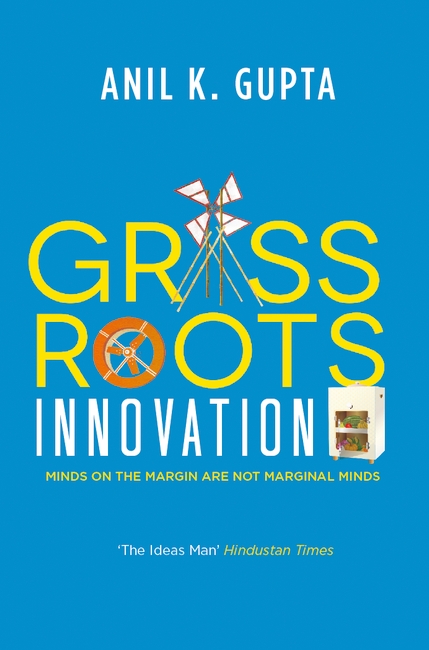
A moral dilemma gripped Anil K. Gupta when he was invited by the Bangladeshi government to help restructure their agricultural on-farm research sector in 1985. He noticed how the marginalized farmers were being paid poorly for their otherwise unmatched knowledge. The gross injustice of this constant imbalance led Gupta to found what would turn into a resounding social and ethical movement-the Honey Bee Network-bringing together and elevating thousands of grassroots innovators.
For over two decades, Gupta has travelled through rural lands, along with hundreds of volunteers of the Network, unearthing innovations by the ranks-from the famed Mitti Cool refrigerator to the root bridge of Meghalaya. He insists that to fight the largest and most persistent problems of the world, we must not rely only on expensive research labs but also look towards ordinary folk, and eventually build bridges between the formal and informal sectors. Innovation-that oft-flung-around word-is stripped to its core in this book.
Poignant and personal, Grassroots Innovation is an important treatise from a social crusader of our time.

In this witty, acute and often painfully funny book Veena Venugopal follows eleven women through their marriages and explores why the mother-in-law is the dreaded figure she is.Meet Deepa, whose bikini-wearing mother-in-law won’t let her even wear jeans; Carla whose mother-in-law insists that her son keep all his stuff in his family home although he can spend the night at his wife’s; Rachna who fell in love with her mother-in-law even before she met her fiancé only to find both her romances sour; and Lalitha who finds that despite having had a hard-nut mother-in-law herself, she is turning out to be an equally unlikeable Mummyji.Full of incisive observations and deliciously wicked storytelling, The Mother-in-Law is a book that will make you laugh and cry and understand better the most important relationship in a married woman’s life.
There is no film family quite like the Kapoors. A family of professional actors and directors, they span almost eighty years of film-making in India, from the 1920s to the present. Each decade in the history of Indi films has had at least one Kapoor-if not more-playing a large part in defining it. Never before have four generations of this family-or five, if you include Bashesharnath Kapoor, Prithviraj Kapoor’s father, who played the judge in Awara-been brought together in one book. The Kapoors details the careers and personal lives of each generation’s box-office successes and failures, the ideologies that informed their work, the larger-than-life Kapoor weddings and Holi celebrations, their extraordinary romantic liaisons and family relationships, their love for food and their dark passages with alcohol. Based on extensive personal interviews conducted over seven years with family members and friends, Madhu Jain goes behind the façade of each member of the Kapoor clan to reveal what makes them tick. The Kapoors resembles the films that the great showman Raj Kapoor made: grand and sweeping, with moments of high drama and touching emotion.
In just over five years of its existence, the Tech Mahindra Foundation (TMF) has helped bring about a significant change in the lives of thousands of underprivileged children and youth. Funded entirely by Tech Mahindra, it has risen to the Herculean challenge of providing them educational opportunities from primary schooling to vocational training. In this endeavour, it has laid special emphasis on those who are more vulnerable: the girl child, the physically challenged and religious minorities. And with each passing year, its philanthropic operations and its successes continue to grow, bringing hope to an ever-increasing number of disadvantaged young people.
Making Dreams Come True provides valuable insights into how a medium-sized private foundation has become a significant contributor to some of the country’s most important developmental goals. Moreover, it is a testament to the passion and hard work of not only the TMF and its personnel but also others involved in this important project of building a more inclusive India.

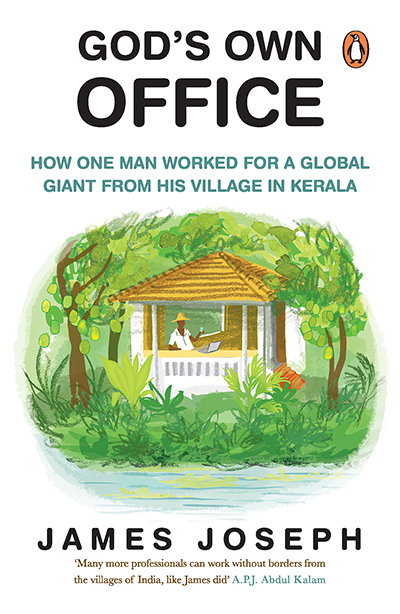
James Joseph was in his late thirties, well ensconced in his job as a director with Microsoft, when he decided to take a family vacation in Aluva, Kerala. His six-year-old daughter tasted a jackfruit from a tree in their own yard and remarked, ‘Daddy, this is so delicious. I wish I could eat the fruits from this tree every year.’
Part memoir, part how-to, this is his amazing story of starting out from the backwaters of Kerala, becoming a corporate captain in America and then finding a way to have a successful career while working out of his village in Kerala.This book also contains tips and techniques for anyone frustrated with living in cities. How do you set up a home office? How do you integrate with the local community? Where do your kids go to school? How do you convince your company to give you this opportunity? God’s Own Office may well inspire you to transform your life.

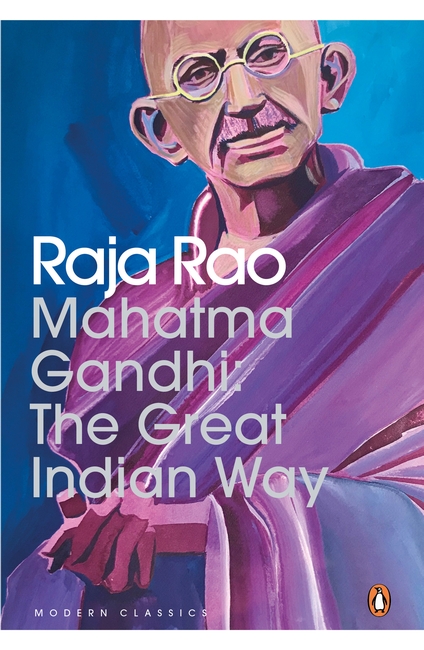
With a new introduction by Makarand R. Paranjape
The life of Mahatma Gandhi is the story of a legend. In Mahatma Gandhi: The Great Indian Way, Raja Rao upends the genre of the literary biography with inventive non-linear chronology, through dialogue and anecdote, situating the physical within the metaphysical, and with a text that is both retrospective and contemporary at the same time. By mapping genealogies and distilling them, Rao focuses on Gandhi’s years in South Africa, the birth of non-violent resistance, and then moves into the epic freedom struggle in India, which brought Gandhi to worldwide renown in his own lifetime.
With an emphasis on the idea of dharma as a framework for Gandhism, both in South Africa and India, this is the story of the man as much as the Mahatma.

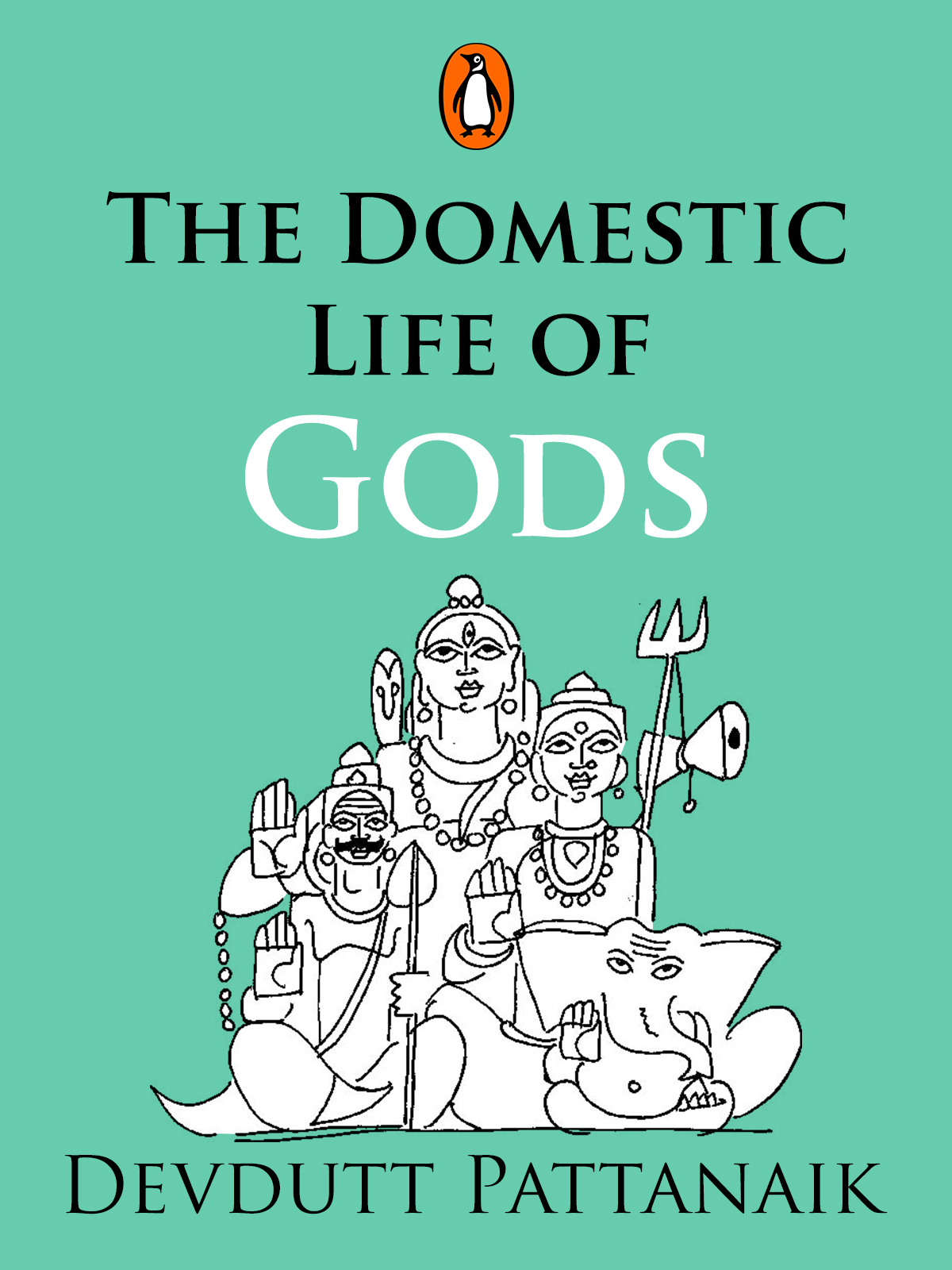
In Hindu mythology, the children of Gods and Goddesses—their domesticity—represent the perfect balance of spiritual pursuits and material aspirations that make life worthwhile.
While myth brings beliefs, mythology brings customs. Reading and learning about the domestic life of gods is meant to guide us to lead more meaningful as well as spiritually fulfilling lives.
In The Domestic Life of Gods, Devdutt Pattanaik examines instances of mythology that depict gods living ‘human’ lives and what that signifies. Read on.
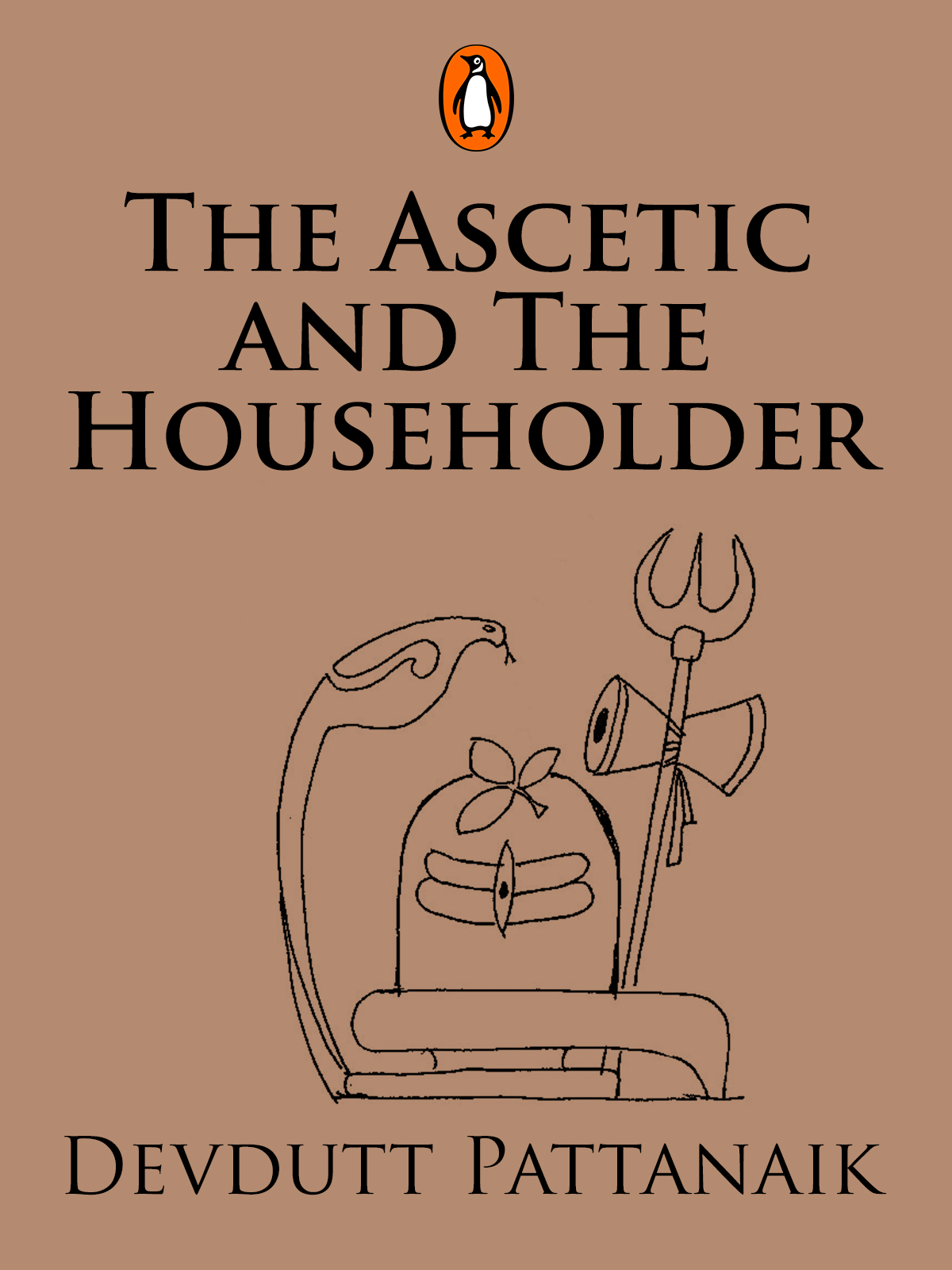
Shiva is believed to be a tapasvin in Kailasa and a householder in Kashi. In Kailasa he is a distant ascetic, someone who has no desires, no feelings, no urges. But in Kashi, Shiva experiences emotions, he cares, he is man for a woman. In Kailasa he lives in severe isolation but in Kashi, he lives with his wife as Shankara.
As per Hindu mythology, the restlessness of matter—living an involved, emotionally fulfilling life—is believed to be necessary in the search for stillness, for transcendence. This intriguing back and forth between the two energies that feed each other is what makes the world go around.
Read on as Devdutt Pattanaik, the master of mythology, expertly examines and analyzes the relationship between restlessness and stillness of the mind in The Ascetic and The Householder.