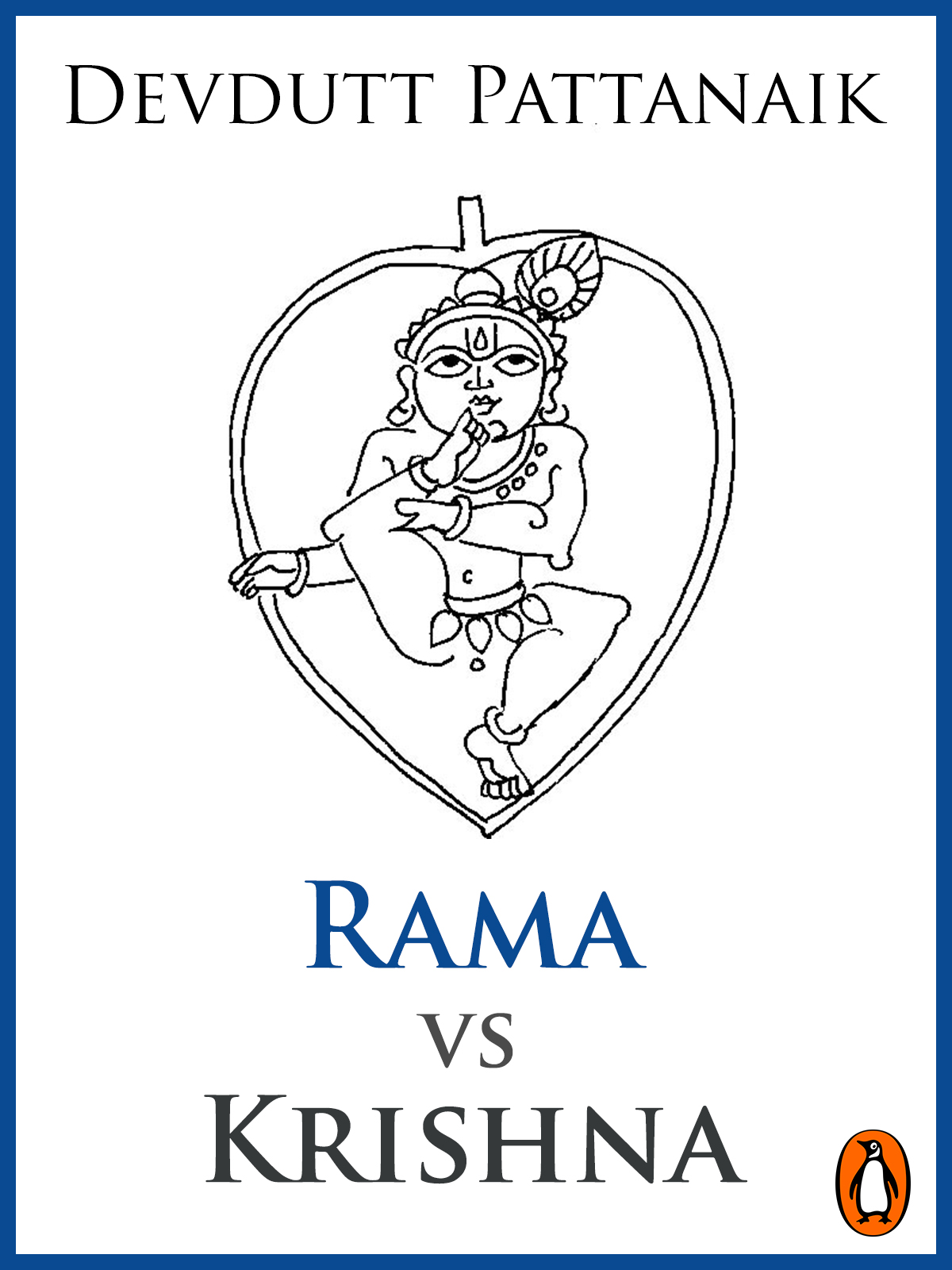
Both Hindu epics—Ramayana and Mahabharata—seek to establish a certain order in the world. Their heroes, Rama and Krishna, have different ideals and respond differently to seemingly similar situations. However, is there one correct way? Are Rama’s ideals above Krishna’s shrewdness?
Emotions are the biggest threat to the order imposed by dharma. The conflict between the head and the heart is usually the root of all troubles that plague mankind. This conflict usually leads to either social change or cultural decay. But rules and regulations are meant to adapt and change according to time and geography. If that is the case, are we doing a good job adapting our ideals to our dharma?
Read on as Devdutt Pattanaik examines the conflict between cultural demands and natural urges through two of Hinduism’s biggest heroes in Rama vs Krishna.
“Culture needs to thrive but not at the cost of nature.”
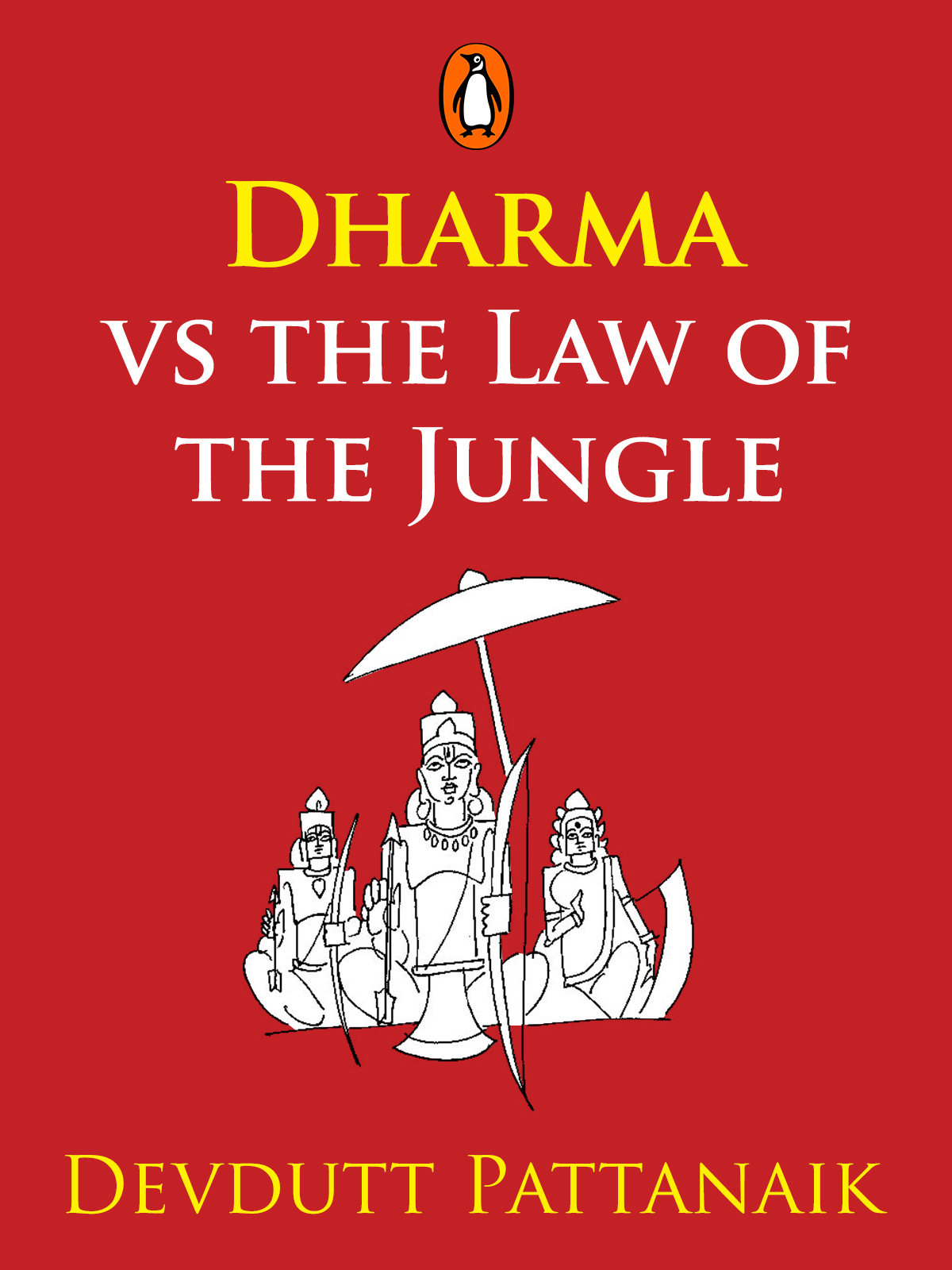
Asuras are different from humans—or manavas—because they usually follow the law of the jungle, where ‘might is right’. This offers no reprieve for the weak, the helpless, or the downtrodden. According to this code, only the fit may survive.
Humans, on the other hand, have the faculty of reason—they can discipline themselves and tame the instinct to dominate the weak. They are expected to follow the code of dharma. But what is it exactly that distinguishes the two codes? Are we really programmed to live according to dharma or do we also possess the urge to live by the law of the jungle? Is a cultured society—one that follows dharma—really better than an untamed society?
Read on as Devdutt Pattanaik explores these questions and more in Dharma vs the Law of the Jungle.
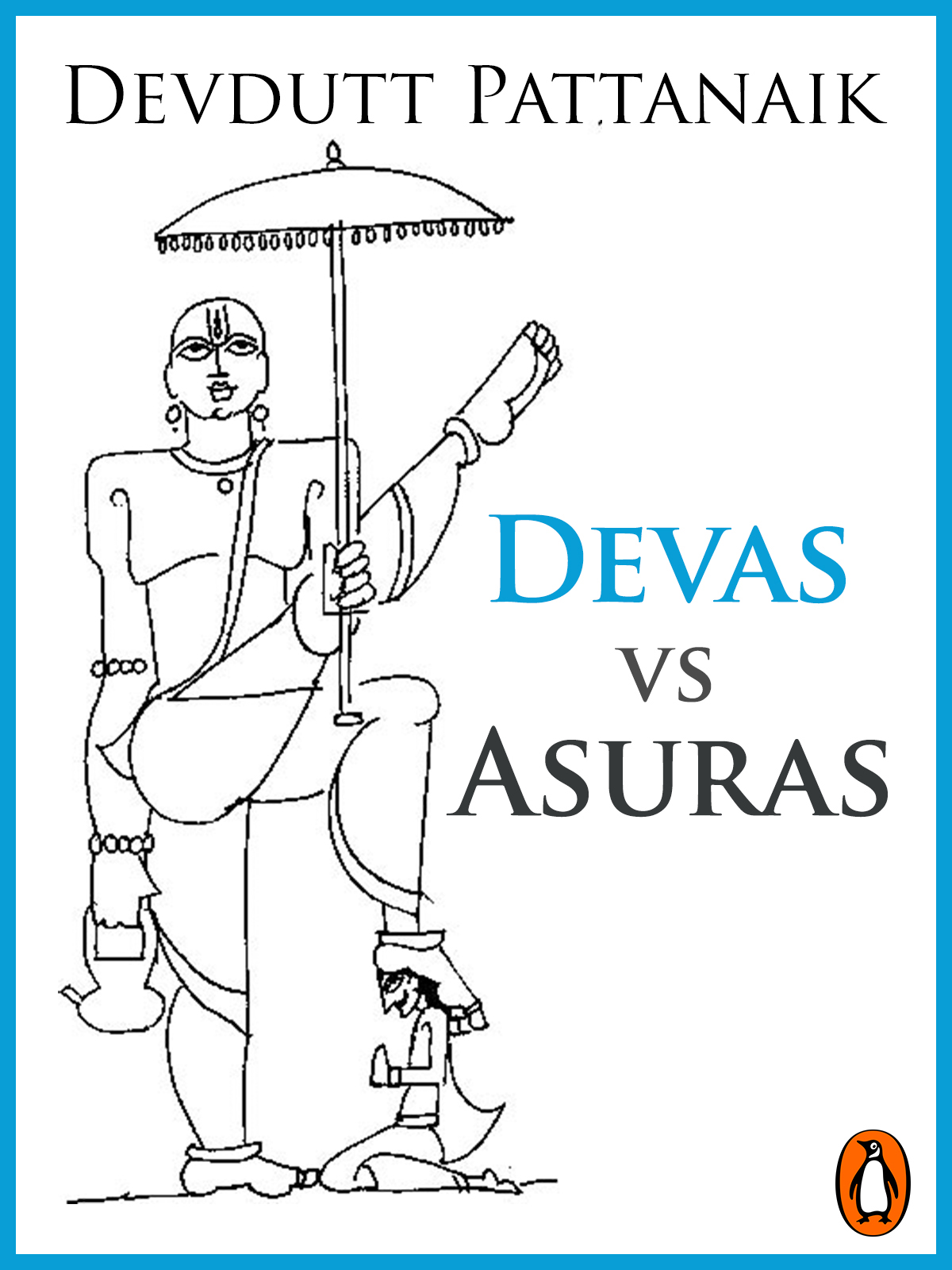
Every story and every occurrence in Hindu mythology is usually a story about the Devas (good) trying to stop the Asuras (evil) from creating havoc for the mortals on earth. However, neither side permanently wins.
The peace that follows the defeat of an Asura is only a temporary reprieve. Soon, a new Asura appears and repeats the cycle of war. War almost seems like a reaction to peace and vice-versa. In fact, it might appear that the existence of Asuras is almost necessary for the world. Would the world stop existing in perpetual peace?
Devas vs Asuras is an analysis of this very question by Devdutt Pattanaik, the master of mythology. Read on.
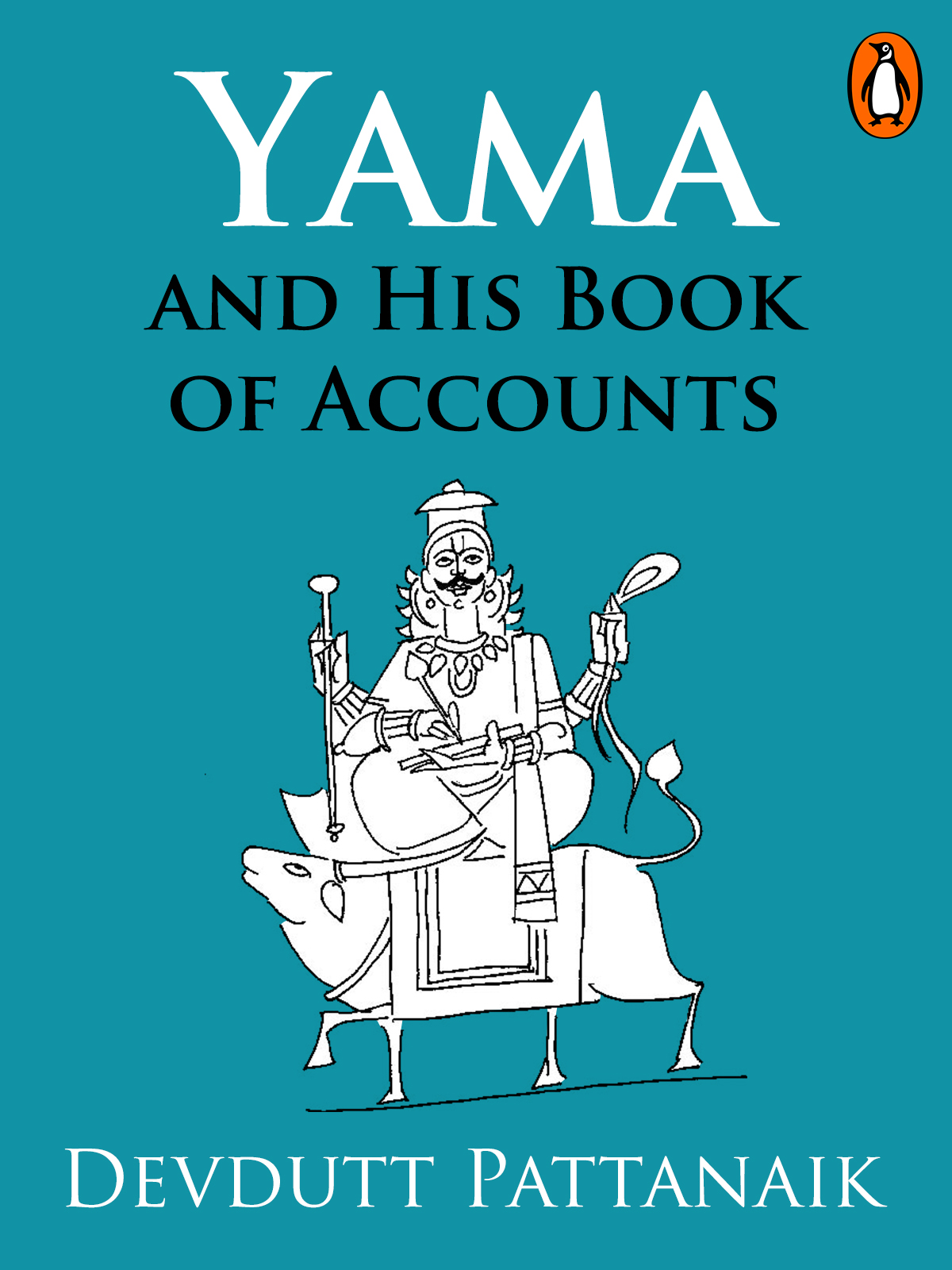
According to the law of karma, every ‘jiva’ or soul is obliged to experience the reactions of all actions. Only actions remain in our control while the reactions are simply to be borne. How one handles those reactions is believed to be the real test of one’s existence on earth according to Hindu mythology.
Desire and Destiny are the governing principles of the universe. What we desire, what we do to fulfill those desires and how we act upon our destinies—they all add up as credits and debits in our life’s ledger, maintained by none other than Yama, the God of death. And he maintains this ledger for a reason: to determine what happens to us after we die.
Read on as Devdutt Pattanaik unravels the various beliefs associated with death in Hindu mythology in Yama and His Book of Accounts.
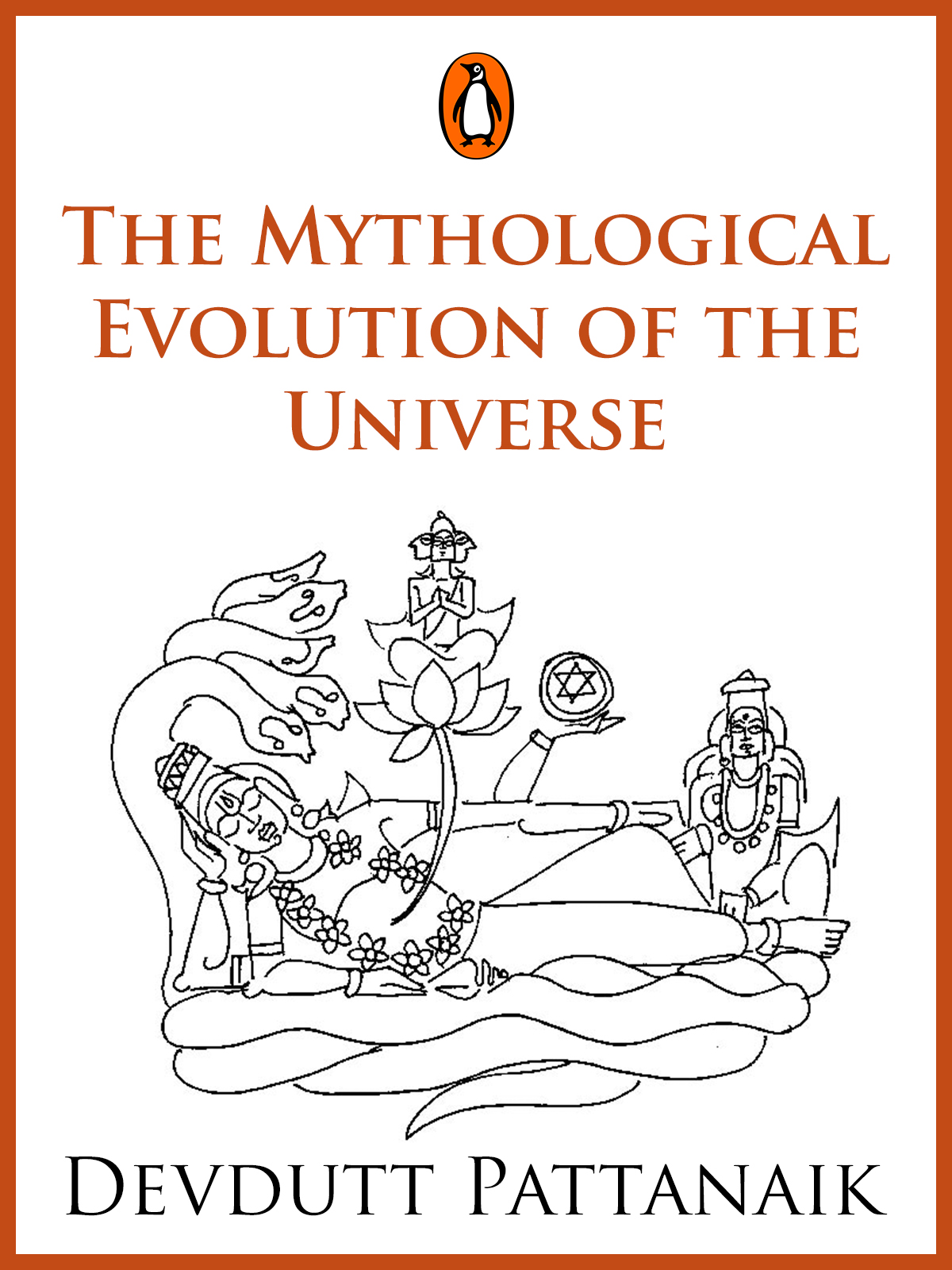
Ancient texts—or Vedas—were written for us to make sense of the universe that we live in. It is, however, believed that that the Vedas are of non-human origin and contain timeless wisdom.
The Vedas acknowledge the existence of ‘jiva’ or soul and that each unique ‘jiva’ contributes to the constant shaping of the universe. But how does that affect us? Are we collectively moving toward a particular destination that has already been determined?
Read on as Devdutt Pattanaik explores these questions and more in The Mythological Evolution of the Universe.
Puja’ is the literal act of worship. With the evolution of Puja during the Vedic age, there came about a slightly different approach to the divine. While men and women still worshipped as a coping mechanism— to realize desires or change destiny—a more personal relationship between humans and their gods was developing.
However, the more personal a relationship, the more dynamic the puja is. How then does an entire sect follow a particular style of workship? How does one pick which god to worship?
In The Significance of Puja, Devdutt Pattanaik explores these questions among others. Read on.
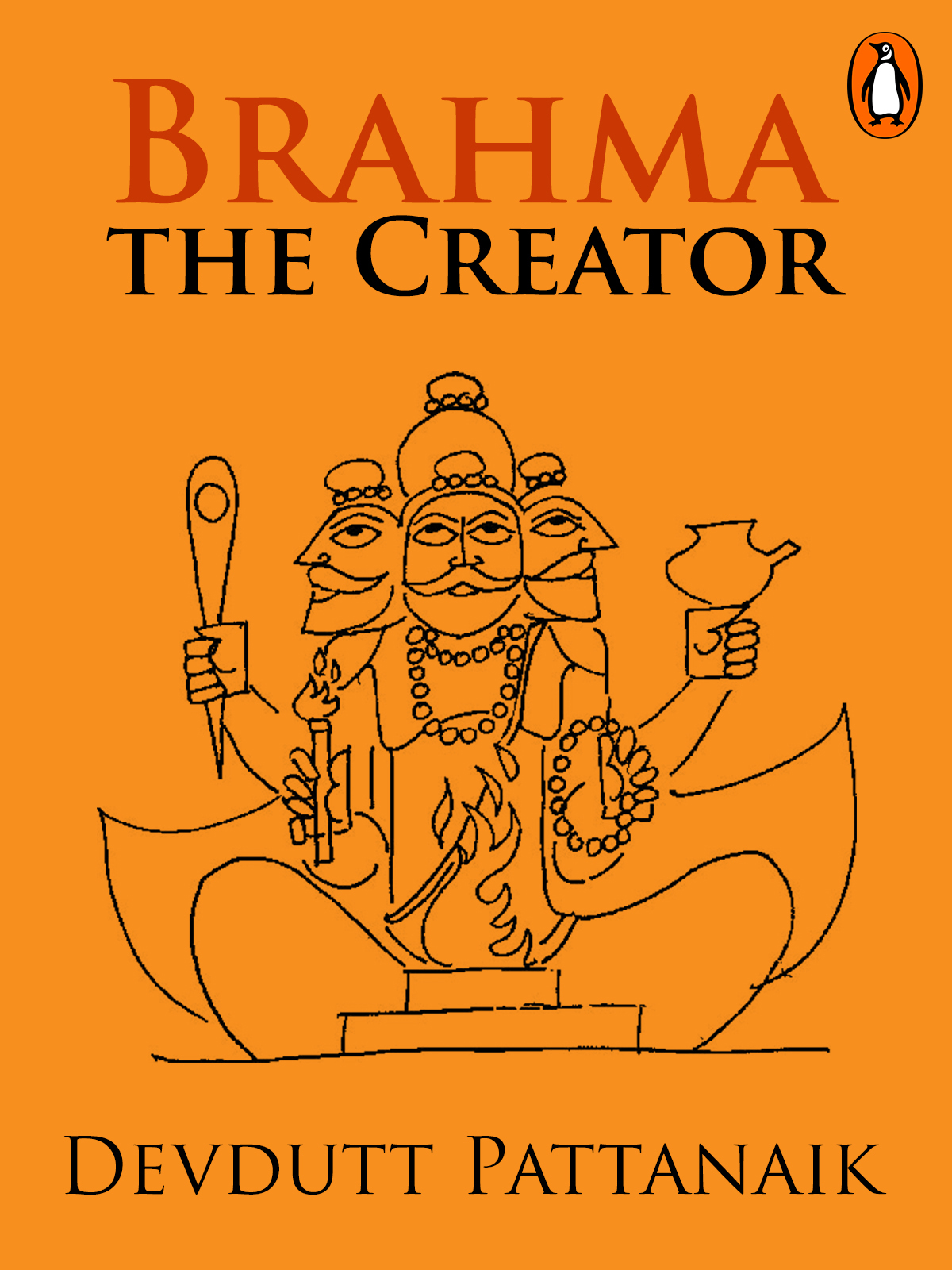
For Hindus, Brahma is the God who creates the world and the world he creates is known as Brahmanda. This Brahmanda makes our very existence possible and yet, one rarely comes across a temple that’s dedicated to Brahma.
For Hindus, there are also certain things, certain occurrences, and phenomena that are considered more sacred than others. But who decides what is sacred? Is it the creator? Or are these rules a result of the creator’s creation?
Read on as Devdutt Pattanaik, the master of mythology, explores Brahma’s role in Hindu mythology in Brahma: the Creator.

“All things queer are not sexual.”
Ancient mythological texts often mention queerness quite openly, and not all of these instances have sexual or romantic undertones.
There are instances where queerness is used as a tool to demonstrate and eventually overcome patriarchal bias. Instances where a god may change genders for their love of dance. Or when friendship and loyalty are so important to some that they will do what it takes—even if it means changing genders—to keep their word.
In Gender & Sexuality in Indian Mythology, Devdutt Pattanaik examines three different perspectives on gender and sexuality in Indian mythology. Read on.
In devotional literature, gods take female forms all the time. Sometimes to serve as ‘go-betweens’ to bring lovers together, sometimes to stand in for a missing wife, and sometimes to nurse a sick devotee.
Not all queer stories are sexual but they do challenge notions of gender. This queering, which is unique to India’s devotional tradition, is worth examining to see how natural queerness was viewed by gods like Vishnu and Shiva.
Read on as Devdutt Pattanaik examines a few of the most interesting instances of queerness in Gender Fluidity in Hindu Mythology.
Mahabharata is a unique epic because even the smallest character and his singular actions have consequences that affect generations. Shikhandi’s arrival seems quite inconsequential at first but it is him that brings about the biggest turning point in the war between the Pandavas and the Kauravas.
However, outside of the war, what were the circumstances that led to Shikhandi’s actions? Was he the first instance of gender transformation in mythology? If not for Shikhandi, would the Pandavas have lost the war at Kurukshetra?
Read on to find out as Devdutt Pattanaik answers these questions—and more—in The Story of Shikhandi.