



यह किताब नोबेल पुरस्कार विजेता वैज्ञानिक वेंकी रामकृष्णन द्वारा लिखी गई है और इसमें उम्र बढ़ने और मृत्यु के विज्ञान पर व्यापक रूप से चर्चा की गई है। लेखक बताते हैं कि उम्र बढ़ना और मृत्यु, दोनों ही हमारी जैविक प्रकृति के हिस्से हैं। किताब में बताया गया है कि कैसे हमारे डीएनए, प्रोटीन, टेलोमेयर और माइटोकॉन्ड्रिया जैसी कोशिकीय संरचनाओं में समय के साथ बदलाव हमें बूढ़ा करते हैं और बीमारियों की ओर ले जाते हैं। किताब मानव इतिहास में अमरता की खोज, जीवन और मृत्यु के बीच गहराई से जुड़े सवाल और सभी प्रमुख धर्मों में मृत्यु तथा अमरता की अवधारणाओं की झलक भी दिखाती है। अंत में, लेखक यह सवाल उठाते हैं कि क्या मृत्यु आवश्यक जैविक उद्देश्य की पूर्ति करती है और यदि हम अमरता को पा भी लें तो क्या वह हमारे लिए वाकई फायदेमंद होगी।
Catagory: Society & Social Sciences
Sacred Grounds
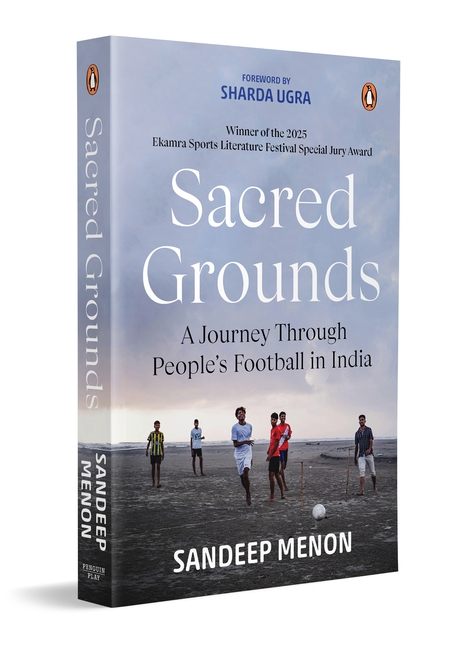
WINNER OF THE 2025 EKAMRA SPORTS LITERATURE FESTIVAL SPECIAL JURY AWARD
Khep, 7s and Basti
Football in India is alive and kicking!
Not because of a few famous clubs and the top competitions, but because of the regional tournaments, local heroes and the people who keep football culture alive.
The hugely popular Khep games in Kolkata, the hotly contested 7s league in Kerala, the many Basti tournaments in Meghalaya—all of these have kept the ball rolling. And that’s not all. Be it in hilly Mizoram and Nagaland, amidst the lush greens of Punjab, the sandy beaches of Thoothoor in Tamil Nadu or the fabled villages of Goa—football holds a special place in the hearts of many.
Sacred Grounds is an attempt to tell the stories of the many unique Indian football cultures. It is an effort to shine a spotlight on local heroes and other names lost in history or restricted to certain silos, to narrate their fables and myths, and archive their unknown and forgotten stories. It explores the history, folklore, terrain and culture of different corners of India through the prism of football, using the sporting culture and values to reflect the society and its people.
The Line of Lanka
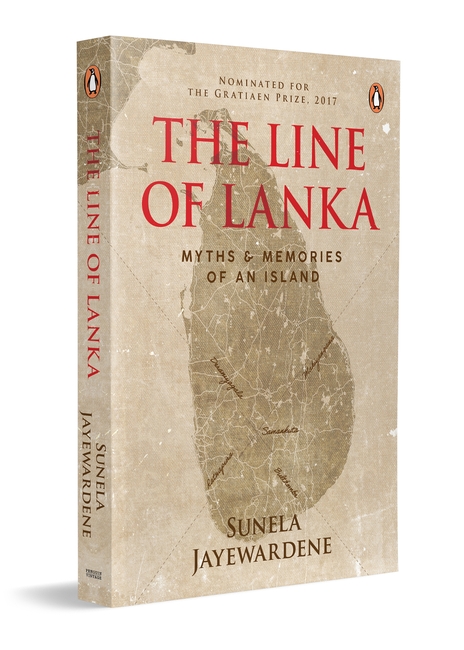
The Line of Lanka is a brilliant genre-bending book, portraying a country and its people, that will change your perception of Sri Lanka.
Through her intrepid journeys across Lanka’s lush countryside, Sunela Jayewardene helps readers rediscover the island’s myth and legend, history and heritage. She adroitly describes nature’s enduring beauty while bringing to life oft-forgotten traditions that pulse to the beat of an unseen drum. The Line of Lanka offers readers a less-explored perspective of Sri Lanka, and through her reflections, Sunela provides readers with a unique understanding of the country, its history and its people.
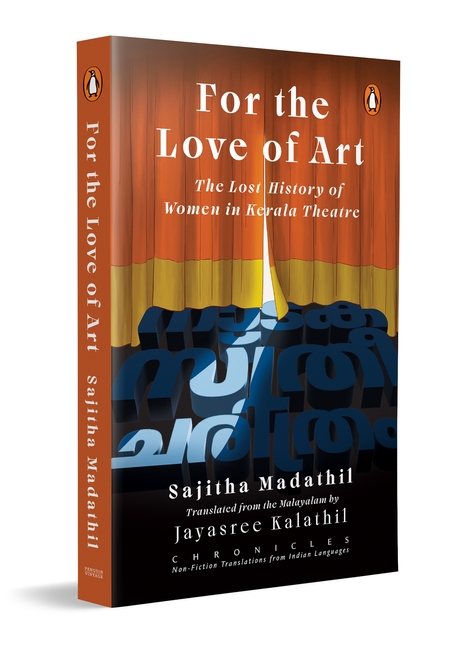
For the Love of Art (Chronicles Series)
From Myths To Science
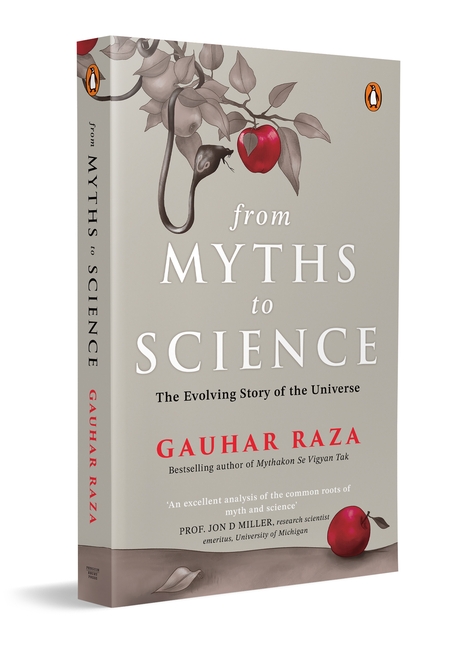
From superstition to science—an inspiring call to reclaim reason and the spirit of inquiry.
From Myths to Science by Gauhar Raza is a powerful exploration of humanity’s journey from inherited myths to rational thought, from blind faith to scientific inquiry. With clarity and conviction, Raza examines how societies construct myths, how superstition and dogma take root, and why the cultivation of a scientific temper is essential for democracy, social progress, and human dignity.
Drawing on history, philosophy, and contemporary debates, the book dismantles pseudoscience and superstition while celebrating the human spirit of curiosity. Blending his unique voice as a scientist, poet, and activist, Raza offers both analytical depth and lyrical sensitivity, making complex ideas accessible to students, thinkers, and general readers alike.
For anyone interested in the intersection of science, culture, and society, this book provides a timely and inspiring roadmap to reclaiming reason in an age of misinformation.
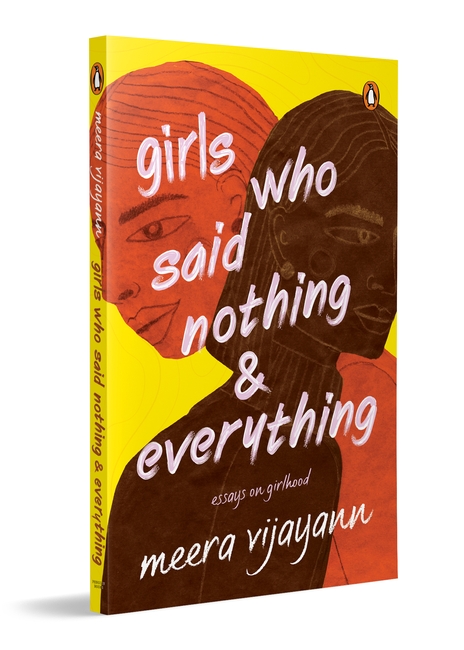
Girls Who Said Nothing and Everything
‘Meera’s compelling and lyrical writing jumps from the page into the reader’s heart. Her words speak to how love and survival shape our identities’
AISHA SULTAN, columnist, St. Louis Post -Dispatch
An evocative collection of eleven autobiographical essays, Girls Who Said Nothing & Everything navigates the tumultuous journey of self-discovery, shame and love within a dysfunctional family in 1990s India.
Through candid insights and humour, Meera Vijayann reflects on the deep-seated generational trauma that shapes the lives of Indian women. From public humiliation after a horrific accident in third grade to the confusion and anxiety caused by parental discord, money and young love, each essay delicately unravels the multifaceted experiences of Indian girlhood.
This debut essay collection stands as a powerful testament to resilience, offering young Indian women a voice to express their deepest emotions. Ultimately, it encourages them to see their grief, joy, shame, love, sexuality and rage as human.
Sheher Mein Gaon
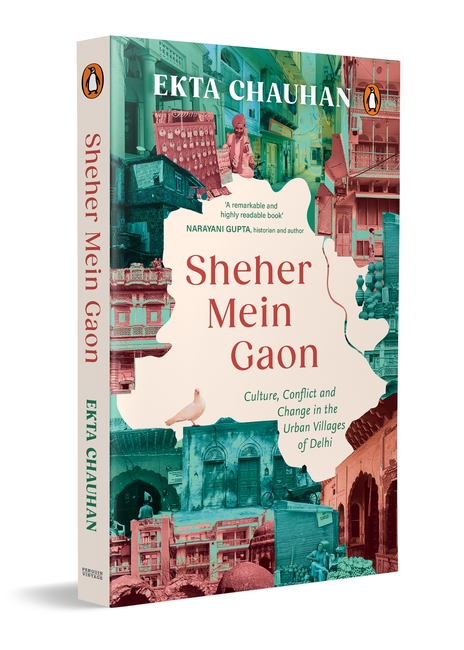
Delhi’s urban villages are paradoxical spaces—at once ancient and evolving, marginalized yet central to the city’s modern economy. These are places where centuries-old traditions coexist with pop-up cafés and start-ups, and where the past is never quite past.
Born out of state-led land acquisitions from the early 20th century, these villages were thrust into transformation through urban expansion. What emerged was not a seamless integration, but a complex in-between: part city, part village, part memory, part reinvention. This book journeys into those spaces—exploring how people remember, resist, and reimagine their place in a city that’s always on the move.
Through stories of place, identity, and power, Sheher Mein Gaon uncovers how these neighbourhoods reflect the deeper tensions of modern urban life—between tradition and progress, belonging and exclusion, history and ambition.
Begampul Se Daryaganj / बेगमपुल से दरियागंज
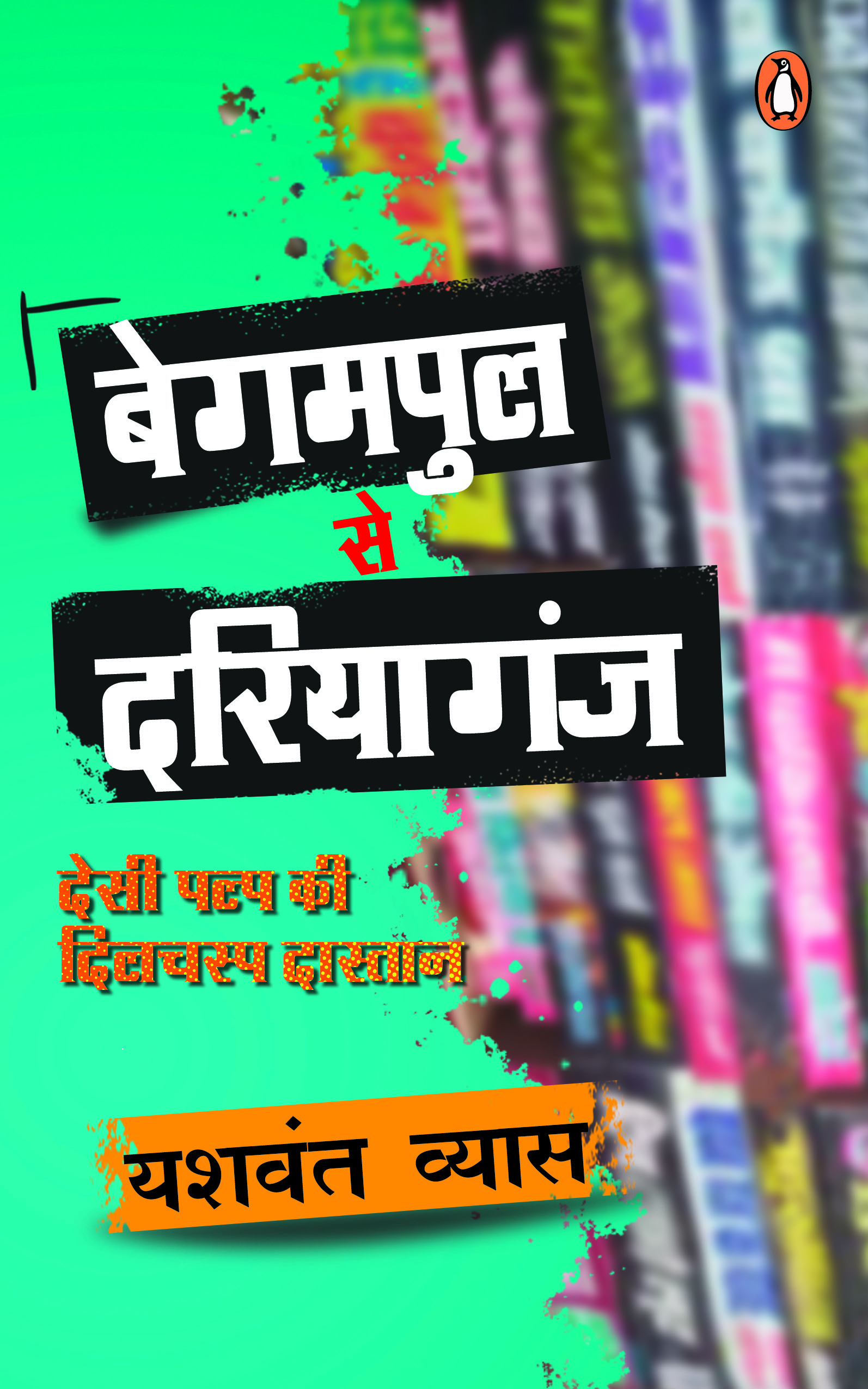
हिंदी पल्प की दुनिया का एक ऐसा अध्ययन जिसमें अंतरराष्ट्रीय प्रेरणाओं और भारतीय भाषाओं के लोकप्रिय साहित्य का सही तरीके से लेखा-जोखा किया गया है। इसमें बातचीत, बैठकें, कहानियाँ, शोध और विश्लेषण शामिल हैं। बेगमपुल एक ऐसी जगह है जहाँ कई पल्प लेखक तब घूमते रहते थे जब मेरठ हिंदी पल्प का बाज़ार हुआ करता था। दिल्ली के दरीबा और खारी बावली से पहले मेरठ के शास्त्री नगर-ईश्वर नगर, वाराणसी और इलाहाबाद (अब प्रयागराज) का बोलबाला था। स्कूली किताबों में छिपकर इसे पढ़ने के लिए पागल पाठकों के लिए यह जादू कैसे पैदा हुआ? “बेगम पुल से दरियागंज—देसी पल्प की दिलचस्प दास्तान” हिंदी पल्प साहित्य के समृद्ध ताने-बाने की एक दिलचस्प खोज पेश करती है, इसकी जड़ों, विकास और इसे आकार देने वाले प्रतिष्ठित व्यक्तियों की खोज करती है। यह उन चहल-पहल भरी सड़कों, जीवंत कवर और आकर्षक कहानियों के प्रति श्रद्धांजलि है, जिन्होंने लाखों लोगों को आकर्षित किया।
370: Undoing the Unjust

The most definitive account of how Article 370 was abrogated.
The inside story of how Prime Minister Narendra Modi turned the seemingly impossible into a reality.
An eye-opening read on the damage Article 370 inflicted on Jammu and Kashmir.
A book that will interest diverse readers, including students, scholars and historians.
Introduced in October 1949, Article 370 turned out to be a long-standing ‘permanent’ temporary provision till 5 August 2019, when it was abrogated by the Parliament of India. The article has been subjected to intense debate and much discussion over the years. Those who supported it cited Jammu and Kashmir’s unique situation in 1947, while those who opposed it questioned how one nation could have two constitutions, two flags and two sets of rules. The naysayers also questioned its reductive aspects—the denial of basic rights to the poor, scheduled caste and scheduled tribe communities, and women.
But whichever side one stood on, the conventional belief for sixty-five years since Independence was that Article 370 can never be repealed. But then came 5 August 2019, when the supposedly impossible became a reality.
370: Undoing the Unjust, A New Future for J&K takes the reader through the minute and meticulous planning that ensured seamless execution of the decision. Removing Article 370 not only needed strategic planning and political will but also mammoth logistical preparations. Every single aspect would have to be addressed, or else the region, especially the Kashmir valley, would plunge into chaos.
The book offers a glimpse of Prime Minister Narendra Modi’s thought process, insights into his leadership and, most importantly, his vision for Jammu and Kashmir. By ensuring that Article 370 is repealed, Prime Minister Modi altered the course of history. But, along with that he also fulfilled the decades-old commitment of the Bharatiya Janata Party.
Deeply researched, anecdotal and unputdownable, this book fills the gaps on scholarship around an iconic moment of Indian history.
The Art of Worldly Wisdom
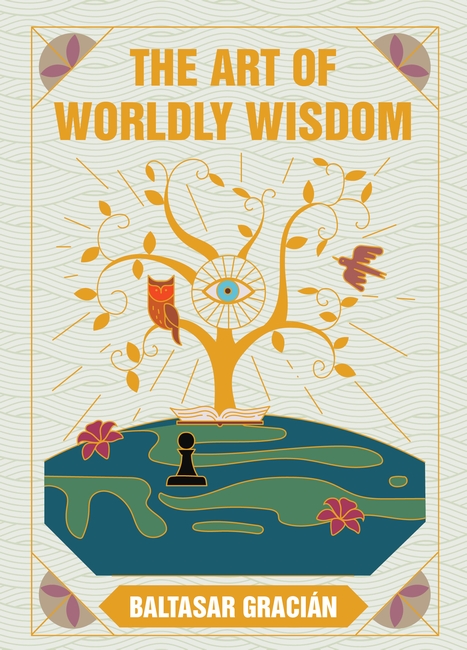
A timeless classic in the art of living wisely.
The Art of Worldly Wisdom by Baltasar Gracián offers 300 powerful maxims on how to succeed in life with intelligence, strategy, and grace. Written by a 17th-century Spanish Jesuit scholar, its insights on leadership, relationships, emotional control, and decision-making feel strikingly relevant even today.
This edition includes a thoughtful introduction by scholar Willis Barnstone, providing historical context and helping readers apply Gracián’s wisdom to the modern world.
Whether you’re a leader, thinker, or simply seeking practical life guidance, this is a book you’ll return to again and again.
In this book, you will discover how to:
- Navigate complex social and professional situations with poise
- Build meaningful relationships rooted in wisdom and trust
- Cultivate emotional intelligence and self-control
- Make smarter decisions using timeless strategic thinking
- Develop personal influence and authentic leadership
Perfect for fans of philosophy, self-development, or classic literature, The Art of Worldly Wisdom is a compact guide to living smart in any era.