



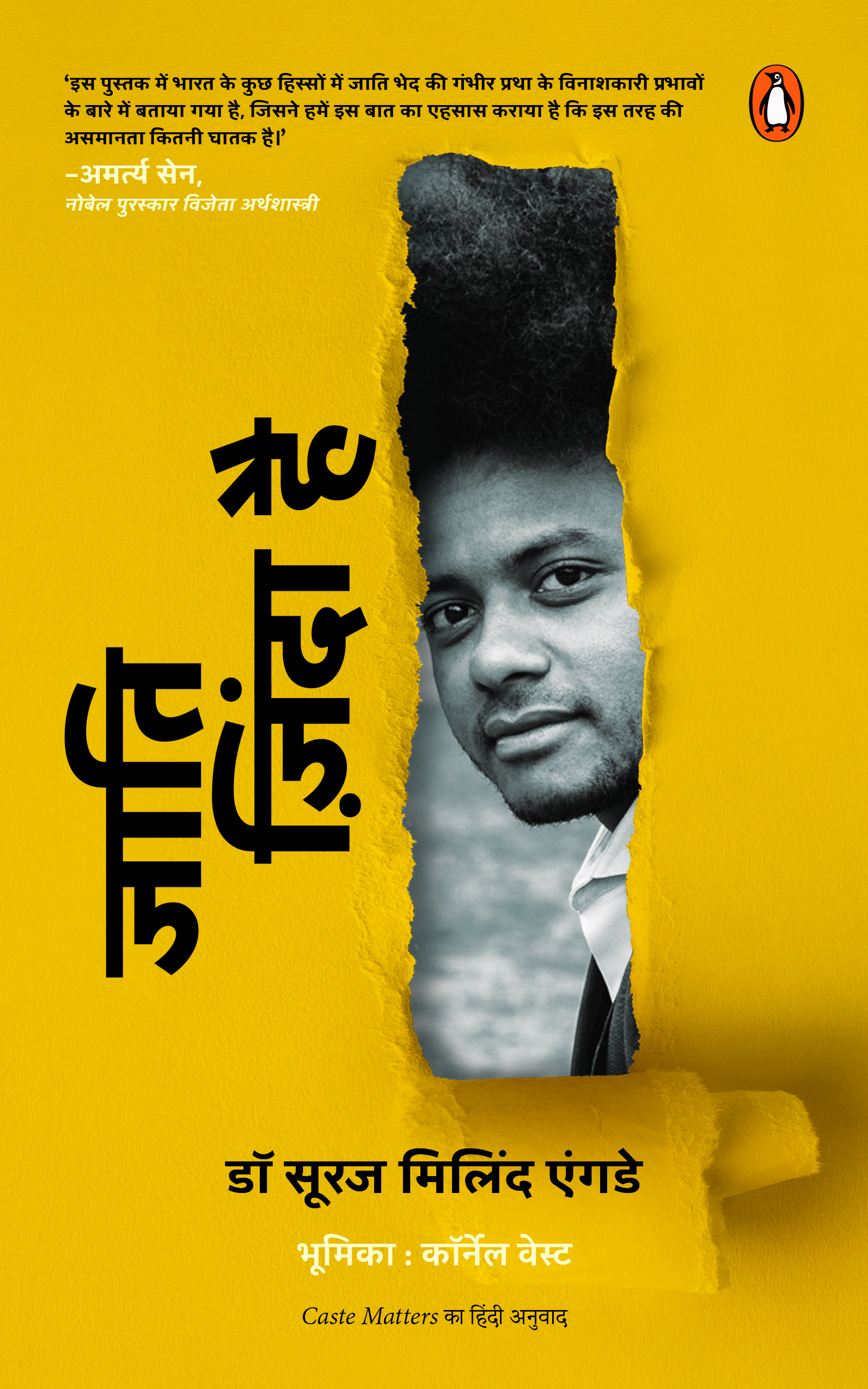
इस धमाकेदार किताब में, सुरज मिलिंद एंगडे, जाति से जुड़े गहरे विश्वासों को चुनौती देते हैं और इसकी कई परतों को खोलते हैं। यह इंक़लाबी किताब यह दिखाती है कि जाति किस तरह इंसान की रचनात्मक शक्ति को कुचलती है। ये किताब बताती है कि जाति किस तरह उत्पीड़न के दूसरे रूपों जैसे नस्ल, वर्ग और लिंग से खौफनाक रूप से मेल खाती है। यह किताब असमानता पर विचार करने के साथ-साथ एक संघर्ष का आह्वान भी करती है।
Catagory: Society & Social Sciences
Adivasi or Vanvasi
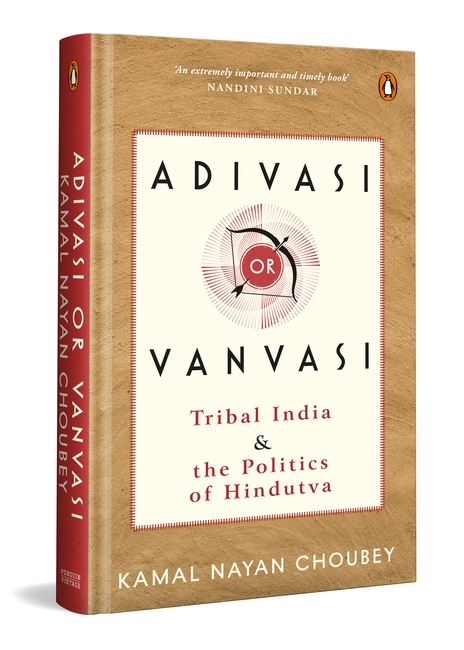
‘An extremely important and timely book’ — Nandini Sundar, Professor Department of Sociology, Delhi University.
Akhil Bhartiya Vanvasi Kalyan Ashram, popularly known as Vanvasi Kalyan Ashram or VKA is the tribal wing of Rashtriya Swayamsevak Sangh (RSS). As the largest tribal organization in the country, it works in many areas of Kerala, Jharkhand and the North-east of India. Till the late 1970s, VKA’s work was limited to a few districts of Chhattisgarh (then Madhya Pradesh), Jharkhand (then Bihar), and Odisha but it has gradually and continuously expanded its footprint in different parts of the country.
It is noteworthy that from its inception VKA focused on spreading Hindu values by organizing religious rituals in tribal areas and working in the area of education and hostels. It has tirelessly worked to provide medical help to the tribals from the mid-1960s. However, after the late 1970s, it started to work in different aspects of tribal communities’ lives. By the 1990s, it also formally began to raise questions related to the rights of tribal communities over forest land and its resources.
Exploring its genesis, historical journey, the nature of ideological discourse, and various functions of the VKA, this book opens a window to the contribution of an organization, which largely remained untold and therefore unknown. Deeply researched and evocative, Adivasi or Vanavasi would immensely interest anyone interested to understand modern India’s history, politics and changing landscape of Indian society.
Mother Mary Comes to Me
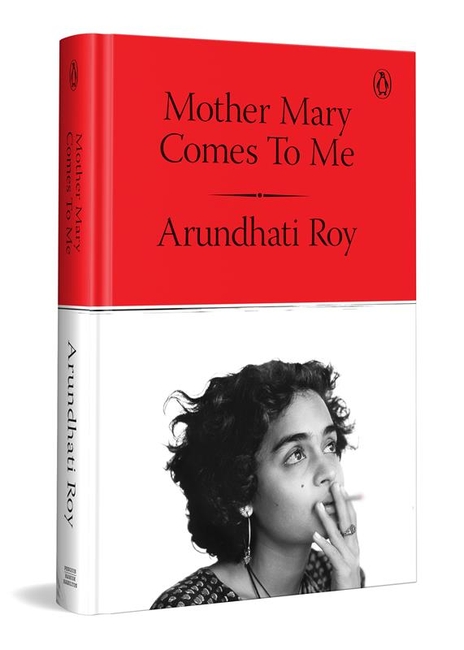
Arundhati Roy’s first work of memoir, this is a soaring account, both intimate and inspiring, of how the author became the person and the writer she is, shaped by circumstance, but above all by her complex relationship to the extraordinary, singular mother she describes as ‘my shelter and my storm’.
Born out of the onrush of memories and feelings provoked by her mother Mary’s death, this is the astonishing, often disturbing and surprisingly funny memoir of the Arundhati Roy’s life, from childhood to the present, from Kerala to Delhi.
With the scale, sweep and depth of her novels, The God of Small Things and The Ministry of Utmost Happiness, and the passion, political clarity and warmth of her essays, this book is an ode to freedom, a tribute to thorny love and savage grace – a memoir like no other.
Any depiction of smoking in this book is for representational purposes only. Penguin Random House India does not promote or endorse tobacco use
Apostles of Development
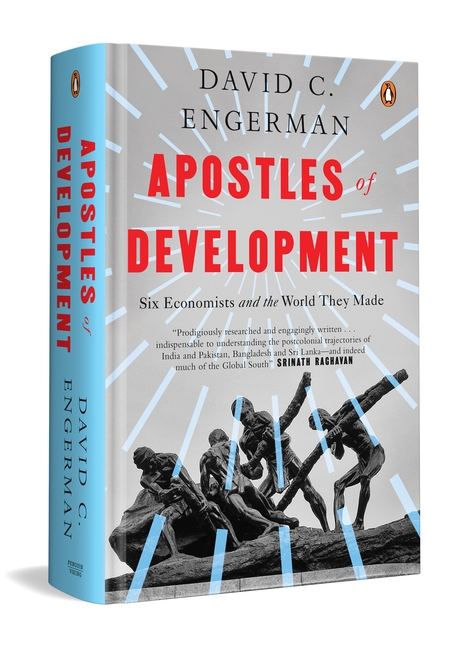
The battle against global poverty that began after World War II was a major undertaking engaging economists, engineers, and organizations. Featuring front and centre were six remarkable economists: Amartya Sen, Manmohan Singh, Mahbub ul Haq, Jagdish Bhagwati, Rehman Sobhan, and Lal Jayawardena, all born as colonial subjects in the British Empire and studied at Cambridge University. They represented a new figure on the world scene — the Third World development expert — and played a crucial role in global debates about poverty and development.
Apostles of Development examines their different economic doctrines and the ongoing debate surrounding economic theory in poor countries compared to rich ones. The lives of these apostles reveal how development did not begin with textbooks but with real-world attempts to solve very specific and pressing problems. Finally, the book emphasizes that development was a Global South project first and foremost, aiming to improve the conditions of the world’s poorest countries.
It challenges the conventional wisdom that sees development only as a tool of rich countries to dominate, or as proof of their humanitarian spirit. It argues that development succeeds not when it follows ideological prescriptions, but when it looks for what works. The fading of grand visions shaped by ideological concerns has been one of the lasting effects of the end of the Cold War. The book argues that the best way forward is determined modesty, focusing on practical matters, such as addressing gross inequality and insisting that development means more than just economic growth. Given the salience of questions of economic inequality and the constant visibility of the promises and problems of economic development in the world today, this is a timely and important read.
Bharat Ek Khoj/भारत एक खोज
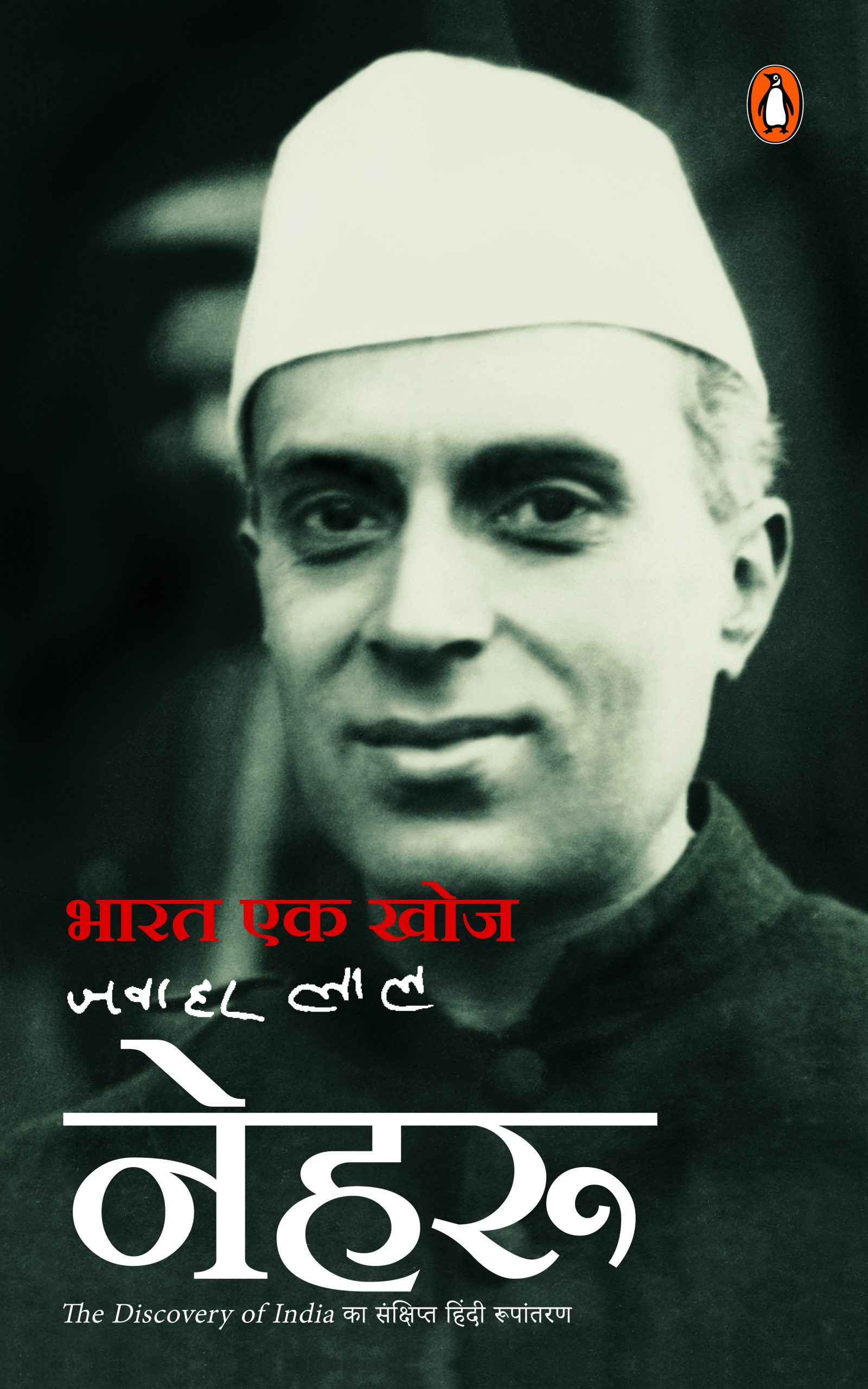
इस पुस्तक को पंडित जवाहरलाल नेहरू ने भारत की स्वतंत्रता से पहले 1942-1945 के दौरान अहमदनगर किले में कैद होने के दौरान लिखा था।
इसमें नेहरू जी ने सिंधु घाटी सभ्यता से लेकर भारत की आज़ादी तक विकसित हुई भारत की बहुविध समृद्ध संस्कृति, धर्म और अतीत का वैज्ञानिक दृष्टि से विश्लेषण किया है।
उन्होंने भारत के इतिहास के प्रति विभिन्न दृष्टिकोणों में सामंजस्य स्थापित करने का प्रयास किया और खुद को सामंजस्य का एक आदर्श प्रस्तुत किया।
जवाहरलाल नेहरू जी इस पुस्तक के बारे में स्वयं लिखते हैं कि इतिहास मनुष्य के संघर्ष की कहानी है; जंगली जानवरों और जंगल के विरुद्ध और अपने ही कुछ लोगों के विरुद्ध, जिन्होंने उसे दबाए रखने और अपने लाभ के लिए उसका शोषण करने की कोशिश की।
Vihangam/विहंगम
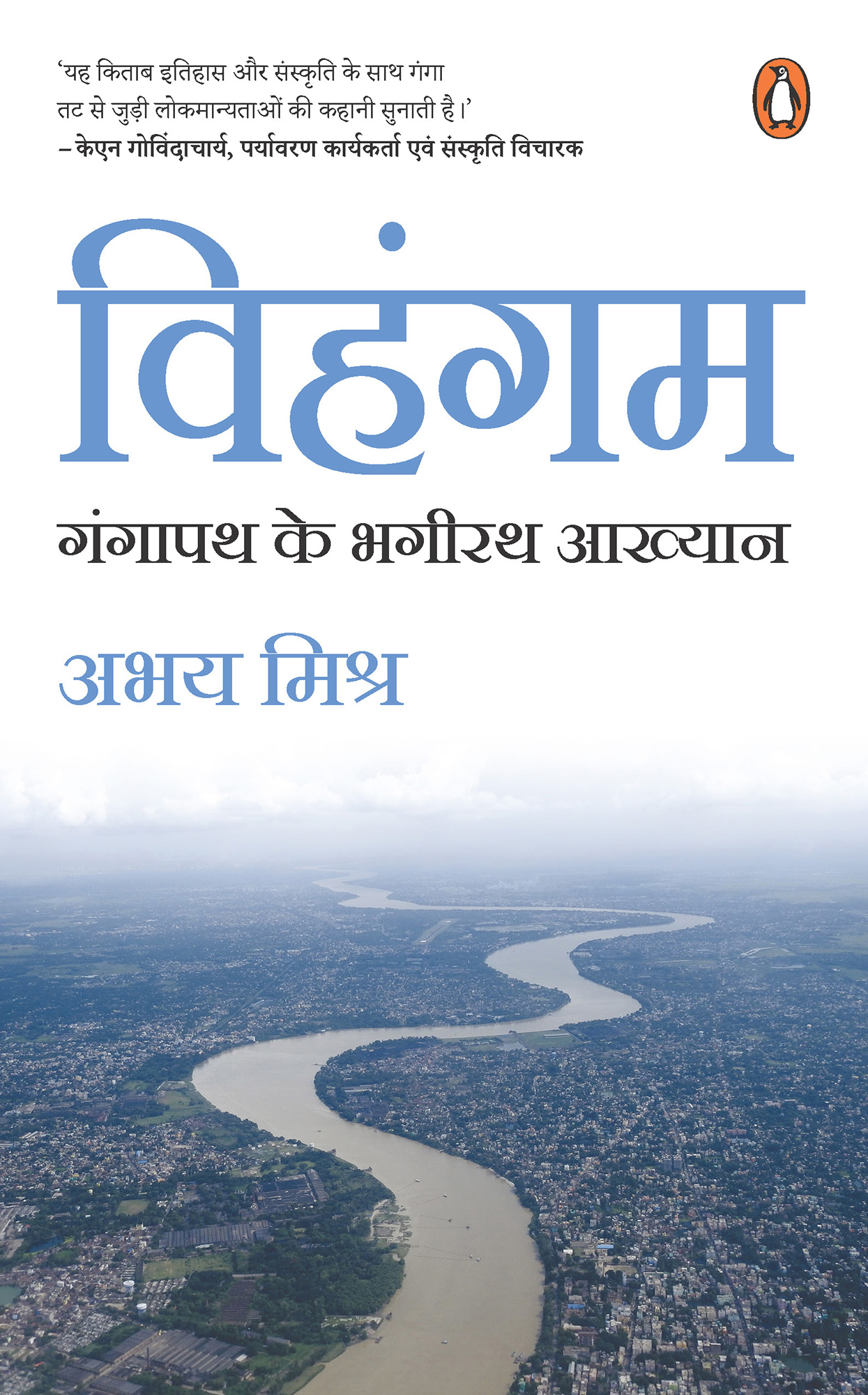
नदी का बदलना संस्कृतियों को बदल देता है। विहंगम इसी बदलाव को समझने की एक छोटी-सी कोशिश है। गंगापथ पर फैली कहानियाँ एक नदी संस्कृति के बनने की कहानी है। वराह का आंदोलन, सरस्वती तट के विस्थापितों के पदचिह्न और अक्षय वट की गवाही, कुंभ और सनातन के विराट होते जाने की कहानी है। इन कहानियों में गंगा के साथ बहती उसकी नहरें भी हैं। जिनका अपना समाजशास्त्र और अर्थशास्त्र है। इन नहरों की कहानियाँ भी भगीरथ प्रयास से बहुत अलग नहीं है। यह पुस्तक नदी के भूगोल को देखने और इस भूगोल के सांस्कृतिक इतिहास की गलियों से गुज़रने का एक प्रयास है।
The Deccan Sun
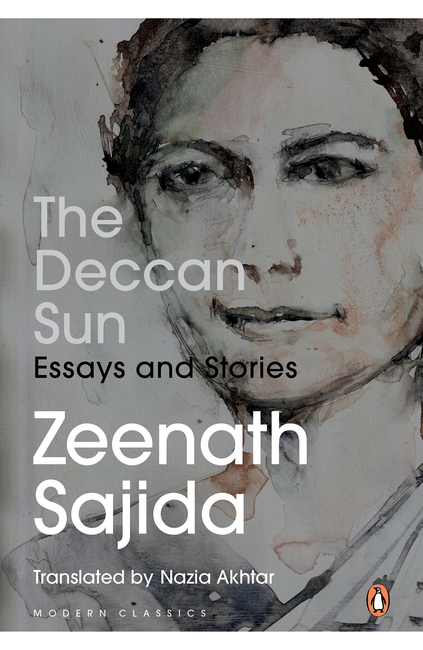
The Urdu writer, Zeenath Sajida dominated the literary and intellectual circles of Hyderabad for half a century. Often compared with Ismat Chughtai for her boldness, defiance and verbal craft, Zeenath wrote a number of popular short stories. But she was best known for her humorous khaake (pen portraits) and inshaaiye (light sketches). Yet, her work has rarely been curated and translated for an English reader.
Nazia Akhtar’s nuanced translation brings Zeenath’s sparkling wit and eloquent prose to a new readership and reminds us of the neglected legacy of Hyderabadi women writers. Through The Deccan Sun we celebrate Zeenath Sajida’s place in a larger tradition of Urdu writing and culture, while also specifically enriching and diversifying perspectives on women’s writing in Urdu.’
Shatabdi Ke Jharokhe Se / शताब्दी के झरोखे से
भारत के लिए पिछली शताब्दी चुनौतियों और बदलाव भरी रही है। इस शताब्दी में हुए बदलावों पर रामचंद्र गुहा जैसे अध्येताओं ने पैनी नज़र रखी है। यह पुस्तक उस नज़र का परिणाम है। यह पुस्तक रामचंद्र गुहा के निबंधों का संग्रह है, जिनमें उन्होंने इंसान, राजनीति और भूगोल के साथ भारत के आगे बढ़ने की यात्रा को संजोया है। इस पुस्तक के निबंध कालातीत हैं, जो अनेक युगों से संवाद करते हैं। इस पुस्तक के निबंध देश की थाती बने कुछ लोगों से मुलाकात कराते हैं, तो उन परिस्थितियों से भी संवाद कराते हैं, जिनके साथ भारत आगे बढ़ रहा है।
When Breath Becomes Air (Hindi) / Jab Hawa Bein Basi Saans/जब हवा में बसी साँस
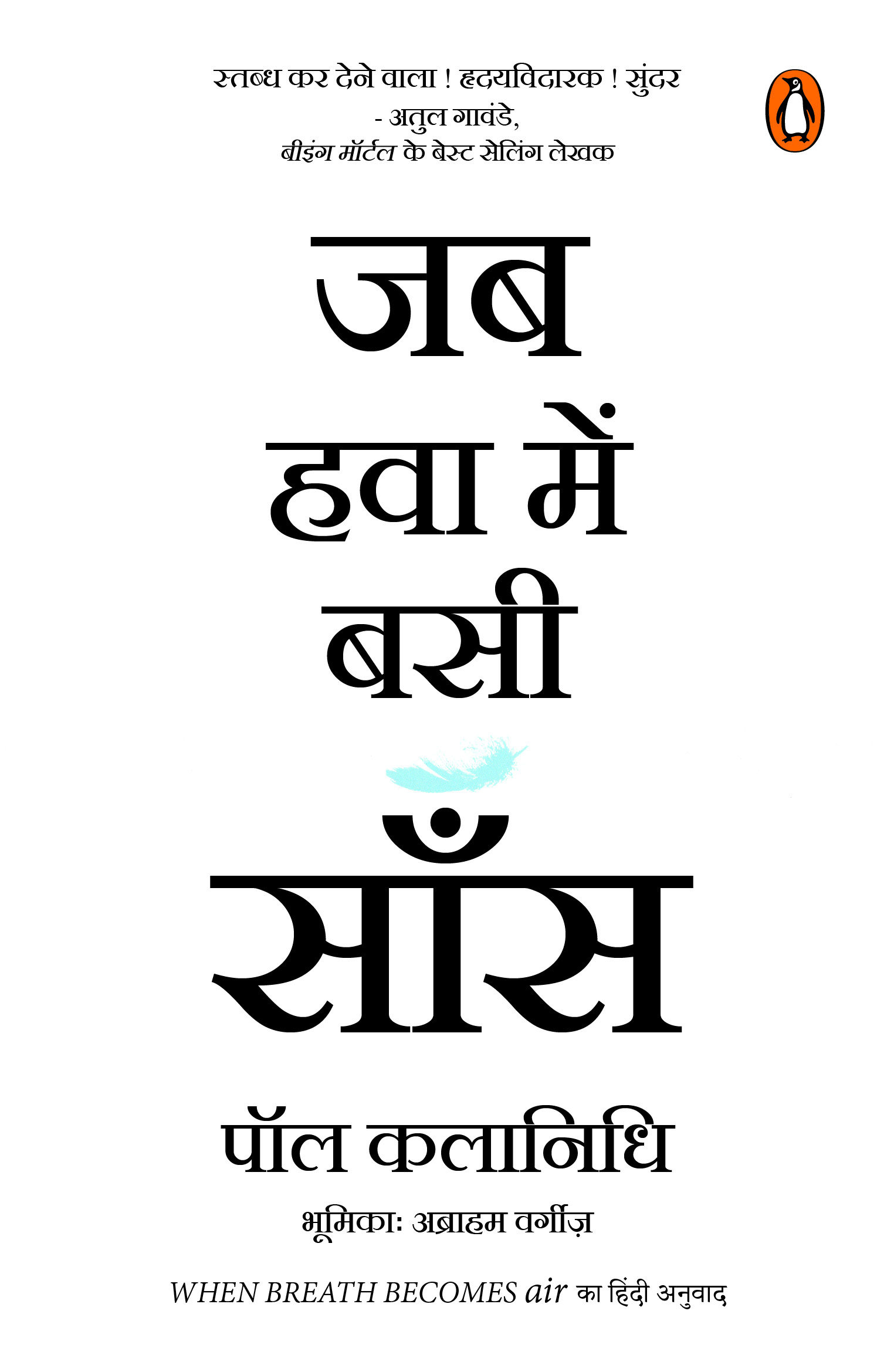
छत्तीस साल की उम्र में, न्यूरोसर्जन के रूप में एक दशक का प्रशिक्षण पूरा करने के करीब पॉल कलानिधि को फेफड़ों के चौथी स्टेज के कैंसर का पता चला। एक दिन वह मरते हुए लोगों का इलाज करने वाले डॉक्टर थे और अगले दिन वह जीने के लिए संघर्ष कर रहे एक मरीज थे। व्हेन ब्रेथ बिकम्स एयर कलानिधि के एक भोले-भाले मेडिकल छात्र से मानव पहचान के लिए सबसे महत्वपूर्ण स्थान स्टैनफोर्ड में मस्तिष्क के क्षेत्र में काम करने वाले एक ‘शानदार’ न्यूरोसर्जन और अंततः एक रोगी और उस नए पिता के रूप में परिवर्तन का वर्णन करती है, जो अपनी मृत्यु का सामना कर रहा है। व्हेन ब्रेथ बिकम्स एयर मौत का सामना करने की चुनौती और डॉक्टर और मरीज़ के बीच के रिश्ते पर एक प्रतिभाशाली लेखक का एक अविस्मरणीय, जीवन-पुष्टि करने वाला प्रतिबिंब है, जो दोनों ही बन गया था।
The Idea of Ancient India Hindi / Prachin Bharat Ki Avadharna / प्राचीन भारत की अवधारणा
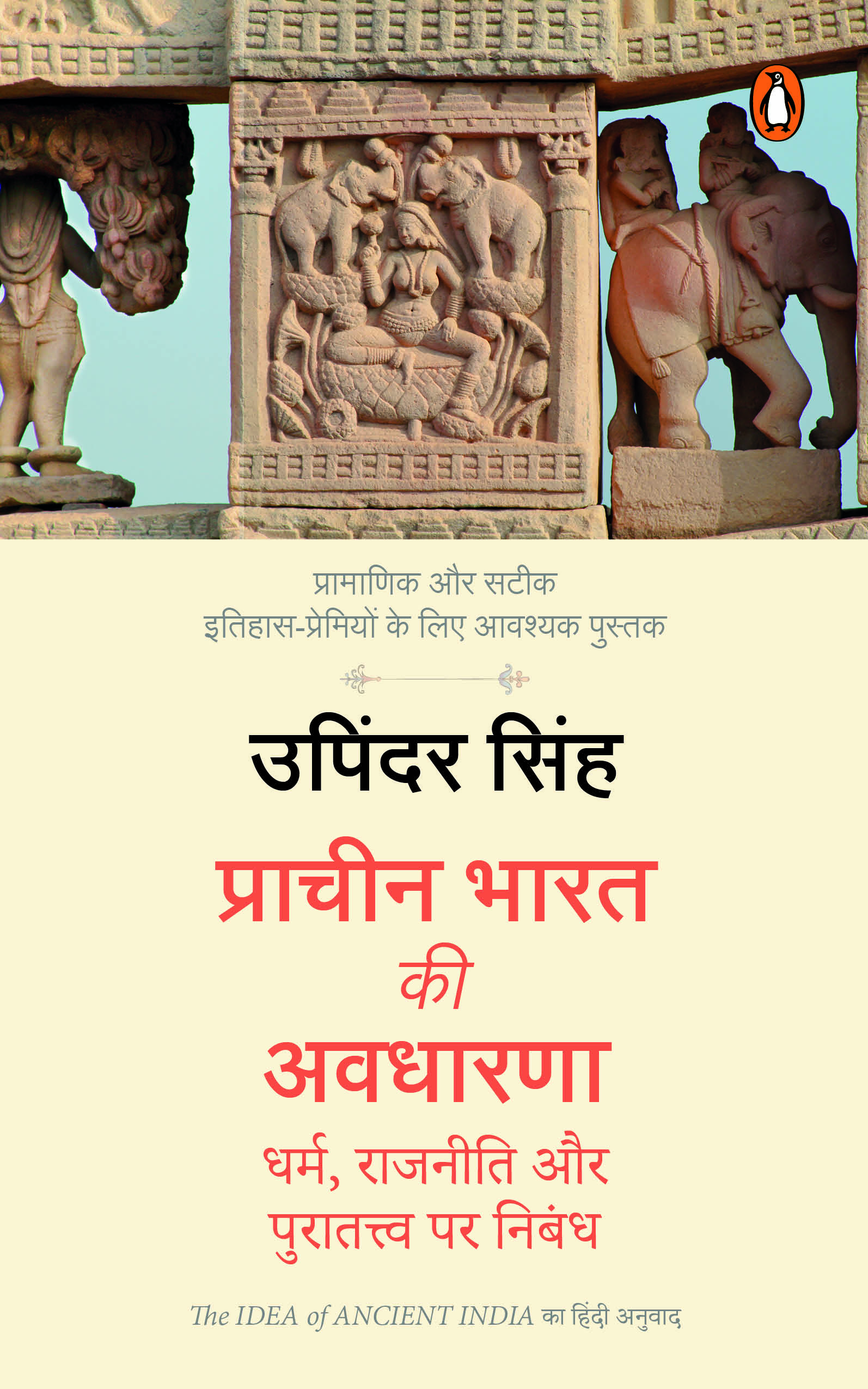
इतिहासकारों के बीच पुरातनता और उसके काल-विभाजन की अवधारणा को लेकर हुए लंबे वाद-विवादों के परिणामस्वरूप आजकल ‘प्राचीन’ जैसे विशेषणों के प्रयोग में भारी कमी आ गई है और उसके स्थान पर ‘प्रारंभिक’ शब्द को अधिक तरजीह दी जाने लगी है। वैसे ‘प्राचीन’ में गहराई है, रहस्य और स्पंदन है। प्राचीन भारत की अवधारणा विचारों की बहुलता के साथ अतीत और साथ-ही-साथ ऐतिहासिक व्याख्या का एक मूलभूत हिस्सा है। इसलिए ‘प्राचीन भारत की अवधारणा’ पूरे भारत के, या कह सकते हैं दक्षिण एशिया के प्राचीन इतिहास को समझने के अनंत तरीकों से जोड़ती है। यह पुस्तक पुरालेखीय आँकड़ों के विश्लेषण और अभिलेखों को उनके विस्तृत संदर्भों में रखकर देखने के साथ पुरातत्व और प्राचीन स्थलों के आधुनिक इतिहास का भान कराती है। इसमें राजनीतिक विचारों एवं व्यवहार का संगम तो दिखता ही है, भारत से बाहर एशिया का दृश्यपटल भी परिलक्षित होता है।