



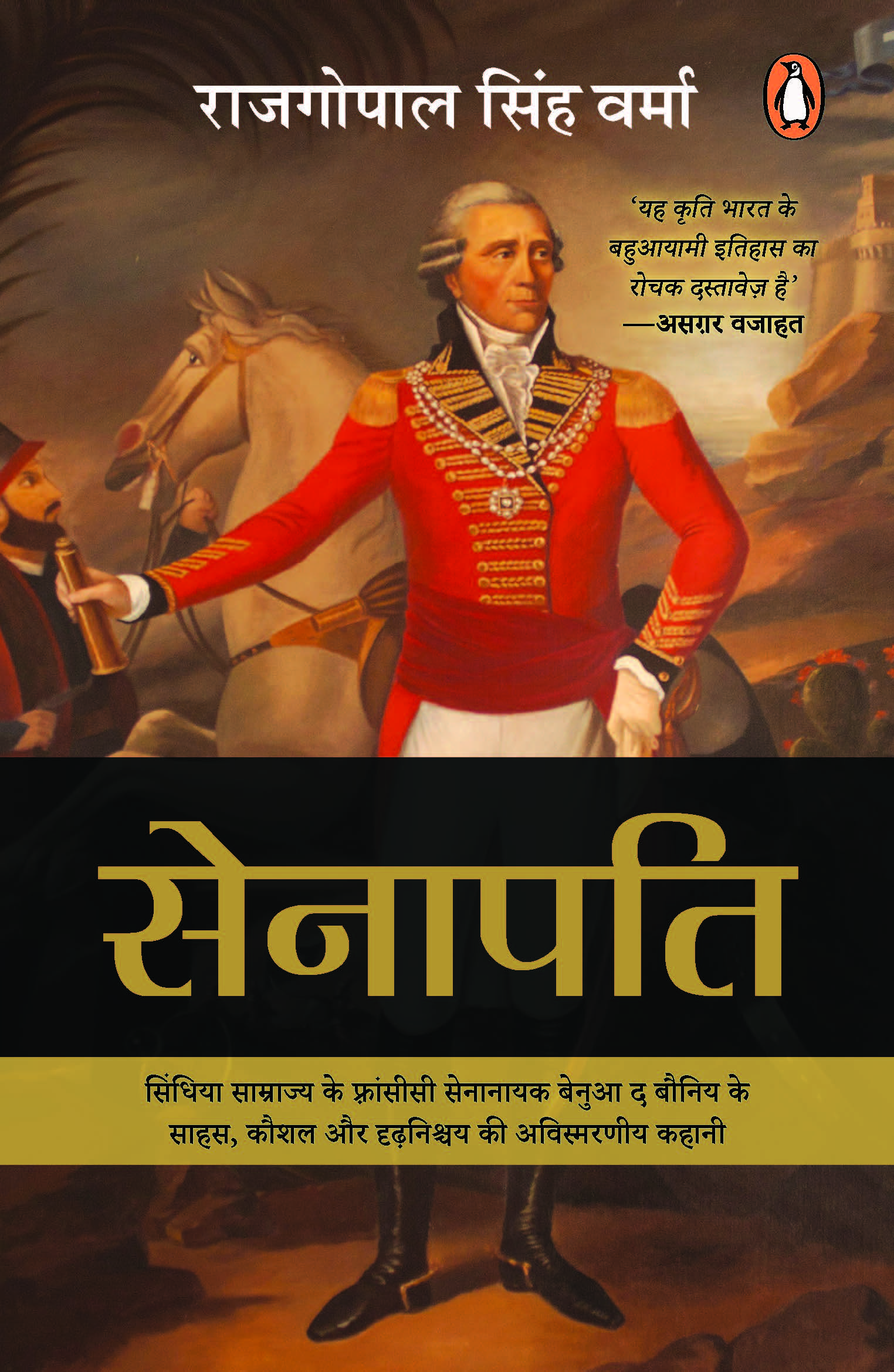
‘मेरा भरोसा है कि राजगोपाल सिंह वर्मा की सेनापति एक महान सेनानायक के जीवन संघर्ष, उसके उत्थान-पतन, प्रेम-विरह और जीवन की संध्या तक की यात्रा के अनेक अनछुए, अनचीन्हे पन्नों को खोलने का काम करेगी’ —डॉ राकेश पाठक,</b< संपादक, पत्रकार, स्तंभकार
क्या आप कल्पना कर सकते हैं कि 18वीं सदी के किसी छोटे-से यूरोपीय देश में जन्मा एक बालक दुनिया के दूसरे छोर पर विजय का प्रतीक बन जाएगा? अगर उसका नाम ‘बेनेट द बॉयन’ हो, तो हाँ।
राजगोपाल सिंह वर्मा की पुस्तक सेनापति इसी अनूठे फ़्रांसीसी योद्धा की कहानी है। सेवॉय में जन्मे बॉयन ने कई देशों के लिए युद्ध लड़े और अंततः महाराजा महादजी सिंधिया के सेनापति बने। उन्होंने हिंदुस्तान की सबसे योग्य सेना तैयार की, जिससे महादजी दिल्ली के भाग्यविधाता बन सके।
बॉयन एक अजेय सेनानायक और उसूलों के पक्के इंसान थे। फ़्रांसीसी, आयरिश ब्रिगेड और रूसी सेना में संघर्षों के बाद, उन्होंने हिंदुस्तान का रुख़ किया। फ़्रांस लौटने पर उन्हें नेपोलियन बोनापार्ट का न्यौता मिला, लेकिन बॉयन ने हथियार छोड़ने के बाद कभी तलवार नहीं उठाई।
यह जीवनी बॉयन के सैनिक बनने से लेकर अजेय सेनापति और राजनैतिक शिखर तक दख़ल रखने की रोचक कहानी बताती है।
Catagory: Society & Social Sciences
Sufi Vaigyanik (Hindi) / सूफी वैज्ञानिक
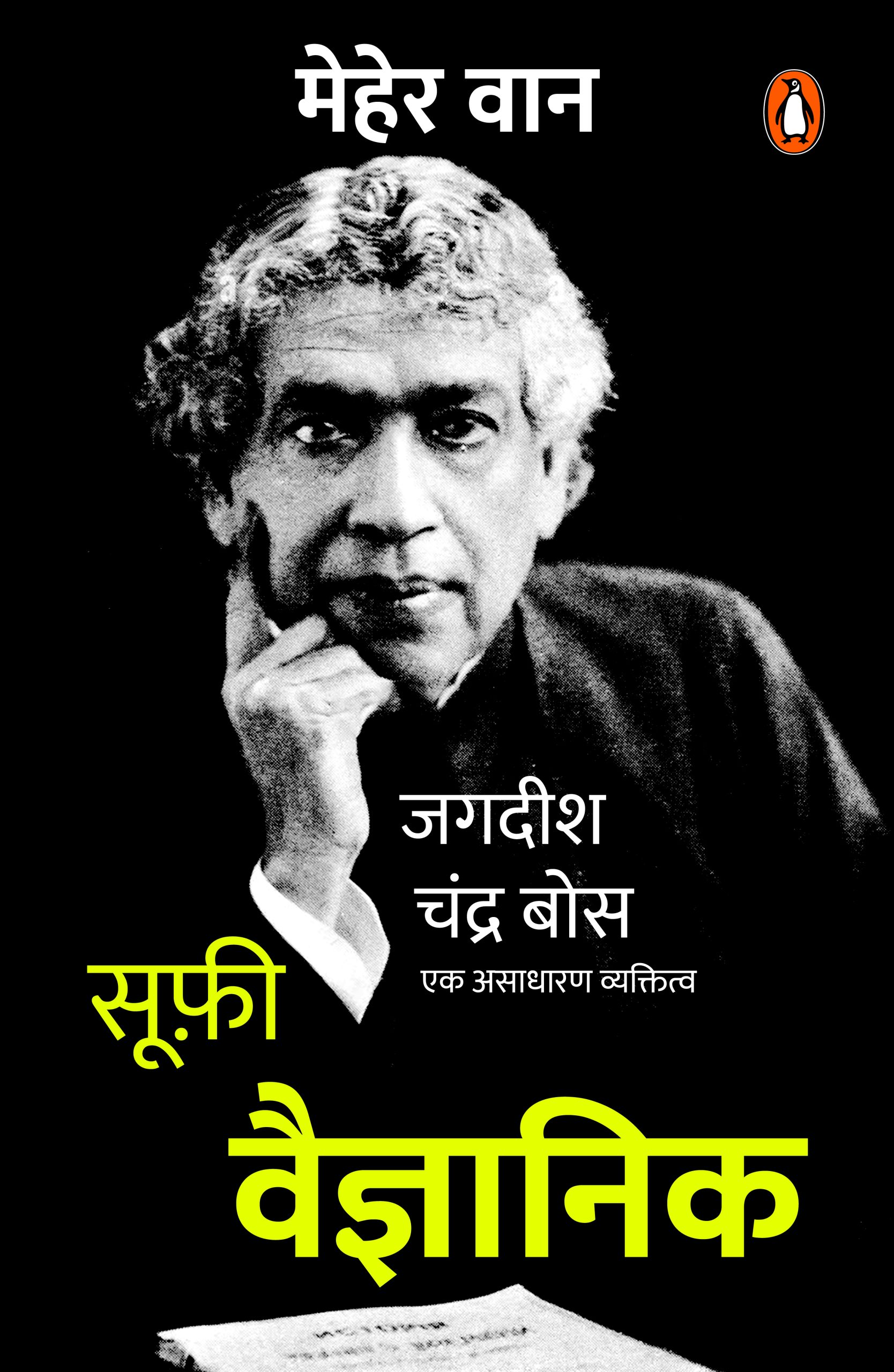
सूफी वैज्ञानिक कहे जाने वाले जगदीश चंद्र बोस को भारत में आधुनिक विज्ञान के पिता का दर्जा हासिल है। वह अपने जीवन काल में कम से कम दो बार नोबेल पुरस्कार जीतने के करीब आए। बोस के वैज्ञानिक शोध का विस्तार माइक्रोवेव्स से लेकर पादप विज्ञान तक था। वह अमेरिकी पेटेंट प्राप्त करने वाले पहले एशियाई थे। वह 19वीं सदी में विषयों को एक दूसरे से अलग करती ऊँची दीवारों को ढहाकर पादप-तंत्रिका विज्ञान जैसे विषयों की शुरुआत करने वाले लोगों में से एक थे। बोस ने भारतीय भाषाओं की पहली साइंस-फ़िक्शन कहानी लिखी। यह जीवनी उनके महानतम बनने के सफर को रेखांकित करती है।
The Communist Manifesto (Hindi) / द कम्युनिस्ट मैनिफ़ेस्टो
द कम्युनिस्ट मैनिफ़ेस्टो कार्ल मार्क्स और फ्रेडरिक एंजेल्स द्वारा लिखी गई एक ऐतिहासिक पुस्तक है, जो 1848 में प्रकाशित हुई थी। यह पुस्तक पूँजीवाद की आलोचना और मज़दूर वर्ग की एकजुटता का आह्वान करती है। इसमें समाज के शोषक और शोषित वर्गों के बीच के संघर्ष को उजागर किया गया है। यह पुस्तक समानता, न्याय और वर्गहीन समाज के निर्माण की दिशा में मार्गदर्शन करती है।
The Evergreen Legends of Kerala
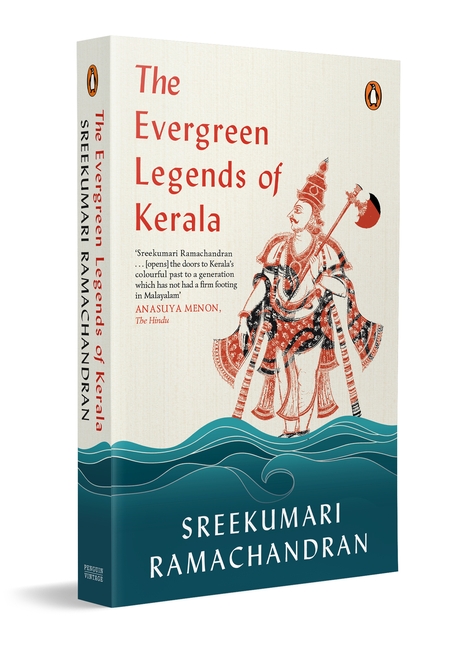
Discover the heart of Kerala through stories that pulse with life and history. This book invites you to explore the world of sorcerers, warriors, and poets, where myth and reality intertwine. From the ancient gateway of Malabar to the vibrant communities that shaped its culture, these tales reveal the depth of Kerala’s heritage. Meet the figures behind the legends, delve into the histories that defined a region, and experience a society rich in tradition and intrigue. With a blend of deep insight and accessible writing, this collection offers a fresh look at Kerala’s fascinating past.
Role Models
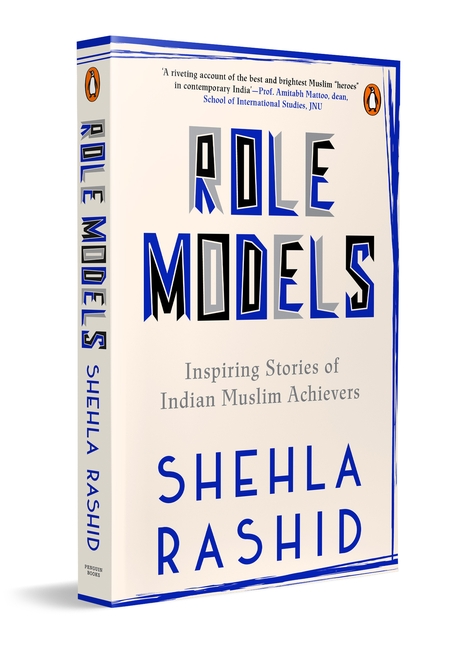
Role models are people who inspire us to dream bigger by broadening the horizons of our imagination. They
challenge us to go beyond limited possibilities by expanding our aspirational matrix. In this refreshing and unique account of the contributions of Indian Muslims to national life, Shehla Rashid brings together a formidable list of achievers, such as A.R. Rahman, Sania Mirza, Nigar Shaji, Dr Ausaf Sayeed and Huma Qureshi, among others, who have excelled in their respective fields. She postulates the idea of a ‘Muslim civil society’—a space where new ideas can germinate, allowing talent to achieve its full potential and reforms to take root. As Shehla brings their stories to life, she also offers insights into her own life, the choices she made, and the way forward for Muslims in a democratic political system.
Jayganw Ke Bahadur/जयगांव के बहादुर
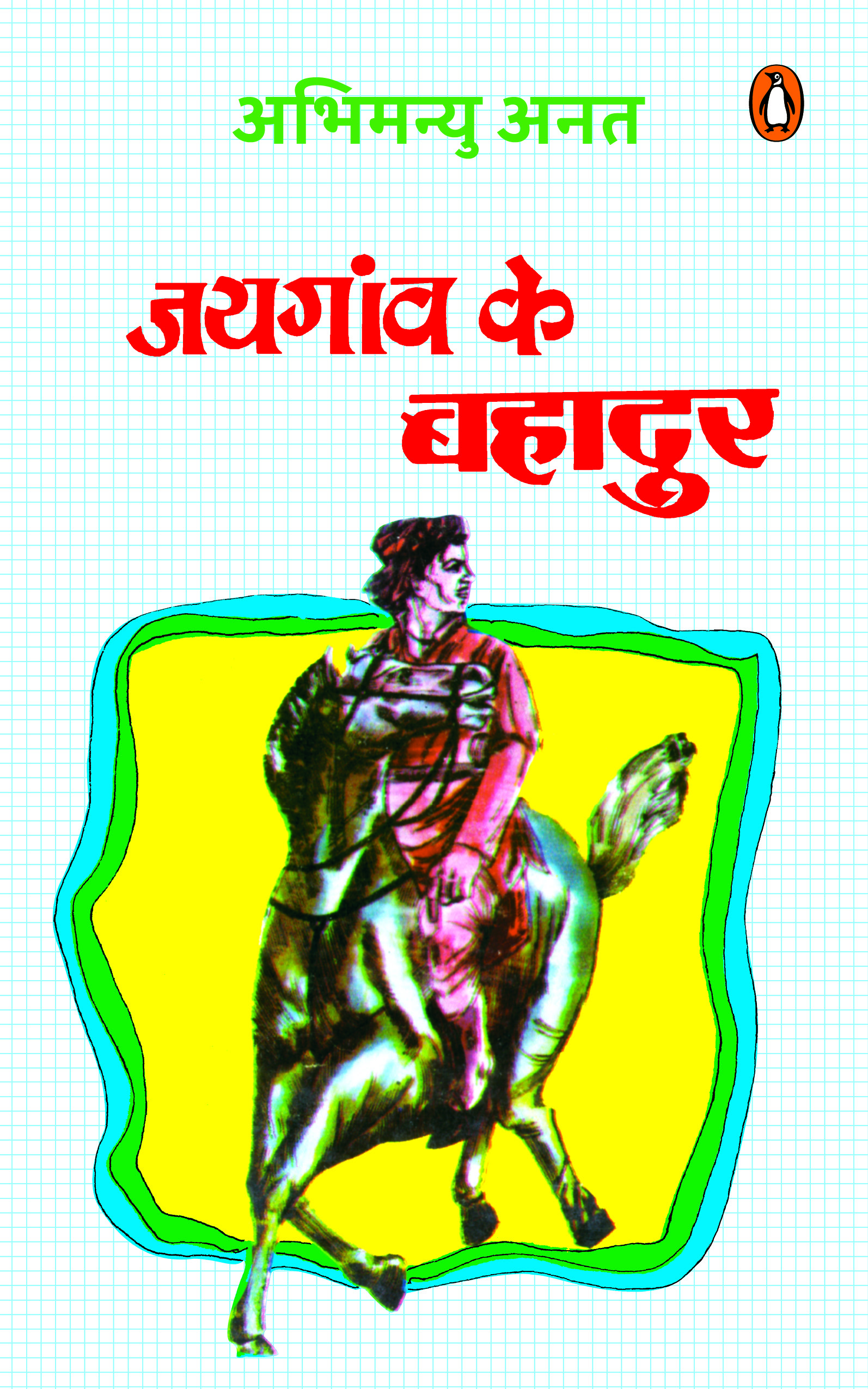
क्या आप जानते हैं कि हिंदी के प्रसिद्ध लेखक अभिमन्यु अनत ‘मारिशस’ के निवासी थे और जिनके ढेर सारे उपन्यास और कहानी-संग्रह भारत में प्रकाशित हुए?
उन्हीं अभिमन्यु अनत का बेहद रोचक और साहस से भरपूर उपन्यास है जयगांव के बहादुर।
यह उस बहादुर युवक की रोमांचक कहानी है, जिसने एक अत्याचारी के चंगुल से गाँव को मुक्त कराया और फिर जिस गाँव में अमन-चैन की मधुर बंसी बजने लगी।
पढ़िए और समझिए इस बात को कि अगर हम में साहस है, जूझने की शक्ति है, तो कभी कोई हमारे साथ अन्याय और अत्याचार नहीं कर सकता।
India on the Move
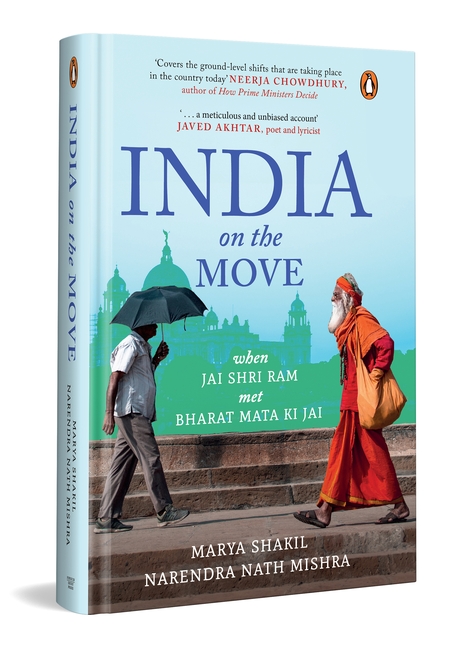
Things start to heat up in the national capital when protests erupt in the campus of JNU against the protestors of the judicial hanging of Afsal Guru and Maqbool Bhat. Very soon the students would go from being research scholars to ‘jihadis’, ‘violent communists’ and ‘anti-nationals’ resulting in the larger questions of a true nationalist.
Slogans like Bharat mata ki jai and Jai Shri Ram, which were traditionally used to express reverence to the nation and a salutation to Lord Rama respectively, have been appropriated as political slogans. Whilst until now, Bharat Mata ki Jai and Jai Shree Ram ran parallel in the country’s political discourse, today they lead the same way. On one hand, there are those who view patriotism and nationalism as synonymous with blind obedience and conformity. On the other, those who believe in a more inclusive and diverse India, where dissent and criticism are essential components of a thriving and functioning democracy. This book attempts to view events following the JNU event, the farmers’ protest, Balakot strikes and the subsequent unravelling of deep fissures within us.
Mythakon Se Vigyan Tak/मिथकों से विज्ञान तक
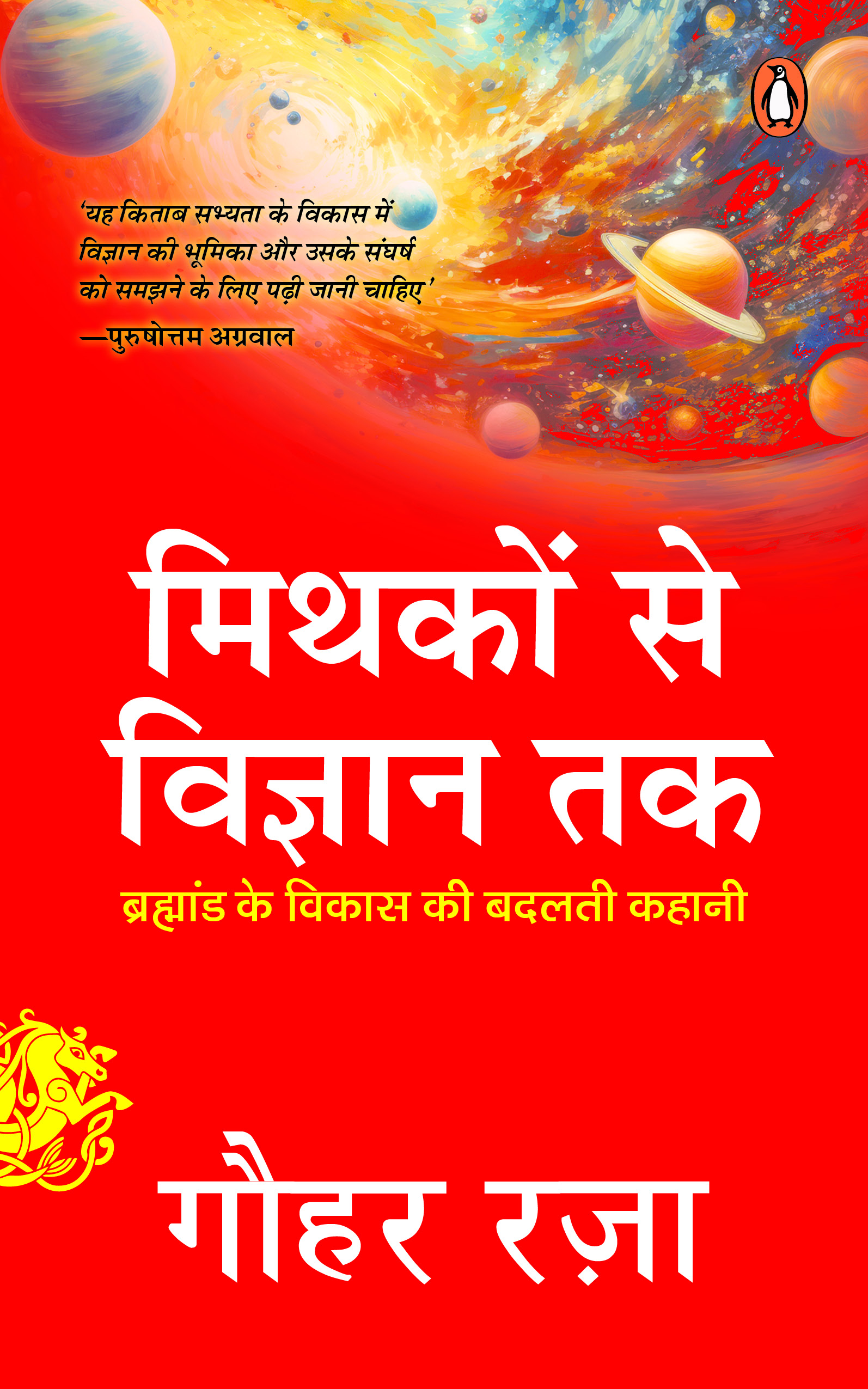
मानव ने सवाल पूछना और जवाब ढूँढ़ना कब शुरू किया पता नहीं, पर एक बार शुरू किया तो सवालों और जवाबों का सिलसिला कभी नहीं रुका। इन्हीं सवालों और जवाबों की तलाश ने मानव ज्ञान की हर शाख़ को जन्म दिया। मिथक, कहानियाँ, धर्म, दर्शन, अध्यात्म, दर्शन, विज्ञान—प्रश्नों के उत्तर की तलाश का ही नतीजा हैं। सवालों की इस भीड़ में दो बड़े सवाल थे : ब्रह्मांड की उत्पत्ति और जीव-जंतु और मानव की उत्पत्ति कैसे और क्यों हुई। इतिहास हमें ये बताता है की कैसे और क्यों पूछने में एक बुनियादी अंतर है। कैसे से शुरू होने वाले सवाल हमें विज्ञान की तरफ ले जाते हैं और क्यों से शुरू होने वाले सवालों की तलाश हमें अध्यात्म और धर्म की तरफ। यह किताब ब्रह्मांड और जीवन के विकास की बदलती कहानी के उदाहरण को दर्शाती हुई ‘विज्ञान’ की परिभाषा चिह्नित करने की एक कोशिश है। इतिहास के पन्ने पलटते हुए यह किताब बताती है कि विज्ञान को, अध्यात्म और धार्मिक ज्ञान को छुए बिना, और इनके बीच लकीर खींचे बिना, पारभाषित नहीं किया जा सकता। विज्ञान और धार्मिक ज्ञान में कई बुनियादी तरह के फ़र्क़ में से एक अहम फ़र्क़ ये है कि विज्ञान में पुराने सच को ग़लत साबित करने पर जश्न मनाया जाता है और धर्म में हमेशा के सच पर उंगली उठाने से संकट पैदा हो जाता है।
The Living Legend
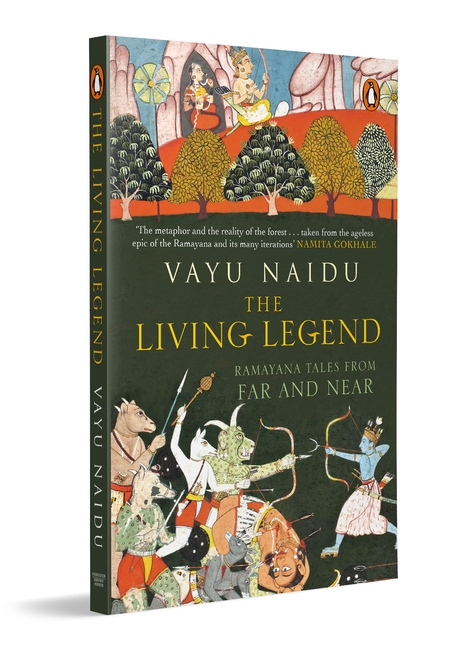
Rama is all of sixteen when Sage Viswamithra takes him to the Dandaka forest, with Lakshmana accompanying them. At first, the spirit of adventure fills the two teenage brothers, but when they enter the forest in broad daylight, it is a curtain of pitch darkness. The smell of decaying flesh, flashes of fire, and the gloom of animals, birds and foliage in terror affect Rama deeply. For the first time, he feels fear. He hears derisive laughter—is it from the forest, or is it within him?
The first lesson he recalls from the sage Vashistha is: What is the task at hand? How can he understand the gravity of what is happening? Is the earth calling out for help? He gathers his fragmented thoughts and, feeling for the arrow from his quiver, shoots at a shape-shifting demon who terrorizes the forest.
The Living Legend is packed with twists and reflections and hosts the strength of relationships with nature that Rama, Sita and Lakshmana make to restore balance in life. The forest of inner evolution was transformative in their youth, and it is in our time too.
Sita’s Voice in the Assamese Rāmāyaṇa: Selected Verses from the Rāmāyaṇa of Mādhava Kandalī and the Uttarakāṇḍa of Śaṅkaradeva
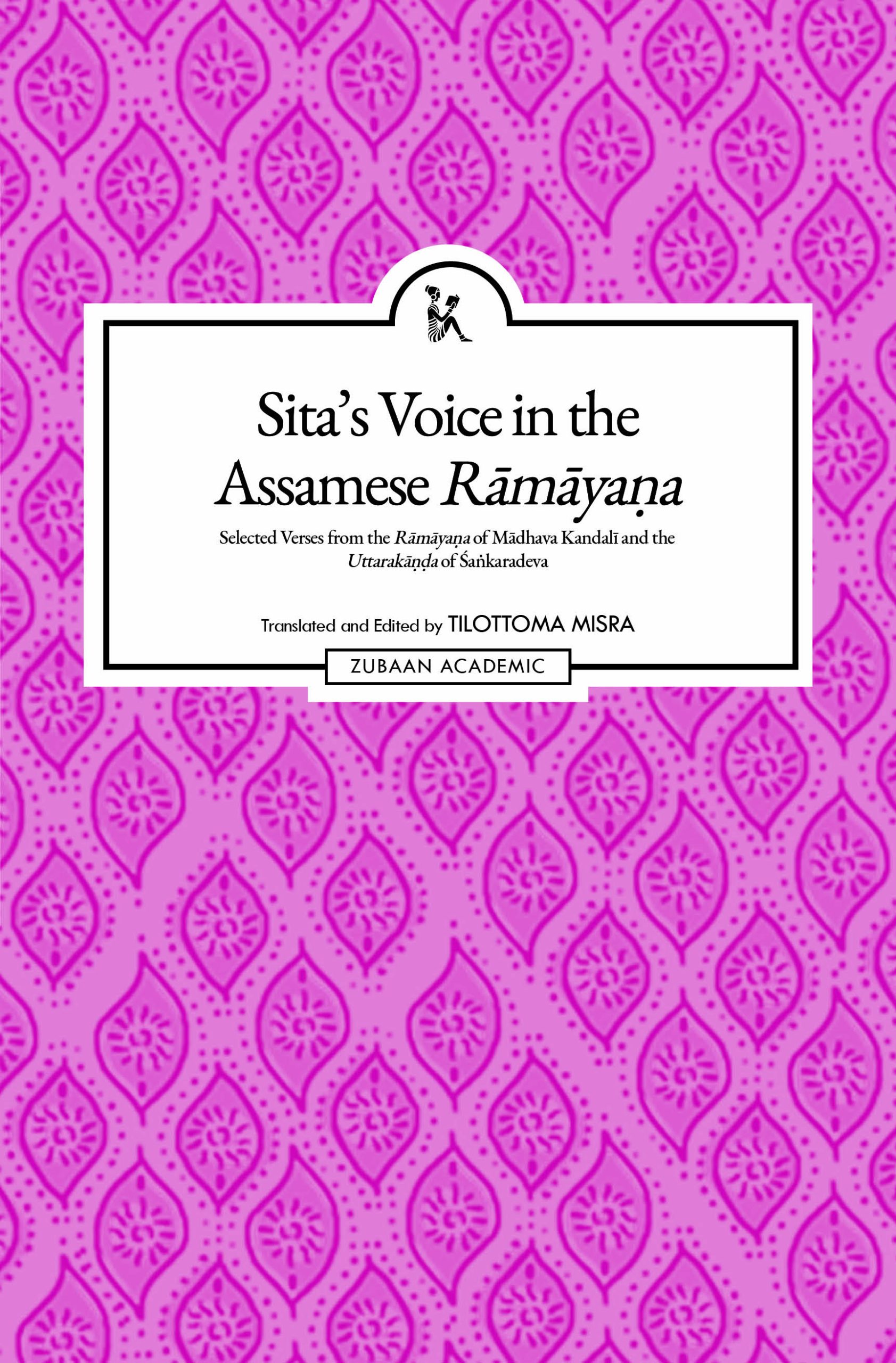
Sita’s Voice in the Assamese Rāmāyaṇa is a translation of select verses from the Assamese Saptakāṇḍa Rāmāyaṇa of Mādhava Kandalī, Śaṅkaradeva and Madhavdeva, written between the 14th-15th centuries CE. This vernacular rendition of the Vālmīki Rāmāyaṇa has been translated with a scholarly introduction by Tilottoma Misra. The selected verses represent a distinctive creative rendition of the Vālmīki text from the region of Assam by adding new emotional and philosophic dimensions to it. Especially in the Uttarakāṇḍa ascribed to Śaṅkaradeva, Sita’s voice acquires a unique quality in her final rejection of Rāma thereby expressing her ultimate disillusionment with him, the much-acclaimed paragon of all virtues.