In today’s hyperconnected world, our lives have become increasingly intertwined with the technology we interact with. While innovations like smartphones and the Internet have brought unprecedented convenience and connectivity, they have also introduced new risks and challenges.
In The Human Algorithm, Dr Robin K. Mathew takes readers on an eye-opening exploration of the complex digital landscape and our ever-evolving engagement with it. With chapters delving into smartphone addiction, the impact of technology on cognitive development, threats such as cyberbullying, online predators, and the dark web, this book shines a revelatory light on the often-overlooked aspects of our online existence. This comprehensive work also dedicates chapters to the internet’s role in fuelling anxiety and hypochondria, the emergence of cyber dating and romance, and the potential of artificial intelligence (AI), among other crucial topics.
All in all, this richly researched and compellingly argued compendium will equip you with the knowledge and insights to navigate the digital age with awareness and resilience.

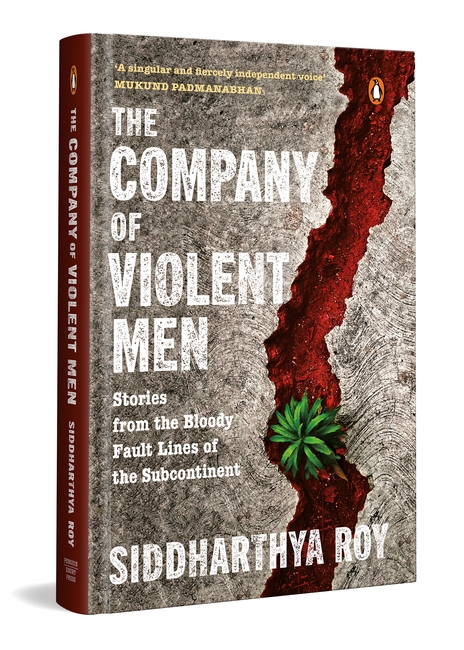
In The Company of Violent Men, investigative journalist Siddharthya Roy takes us on an unflinching and deeply personal journey into reporting violent political conflicts in South Asia. From the Rohingya refugee camps in Bangladesh, where drugs and human trafficking run rampant, to the forests of Chhattisgarh, where Maoist rebels and the Indian State have waged a war for half a century, on to the enduring conflict zone of Kashmir, caught between India, Pakistan, Roy narrates the cycles of brutality, exploitation, and injustice in which everyday people are caught.
From a genocide survivor—a little girl—who asks for nothing more than a hot meal to an aspiring suicide bomber with cannabis-laden dreams of global destruction, Roy paints kaleidoscopic and haunting portraits of mercenaries and middlemen, refugees and insurgents—each complex and morally ambiguous. As he navigates the minds of others, Roy often turns the lens inward with uncompromising honesty, examining his own evolution as a journalist and the ethical dilemmas he faces.
This part memoir, part reportage, crackles with the urgency of war dispatches. And yet, pausing and meditating, it peels back hurried headlines, making readers bear witness to what the reporter saw when he ‘looked beyond the burqa and the beard, beyond the olive-green of one fighter and the camo fatigue of the other, and talked to the humans who wear these facades’.

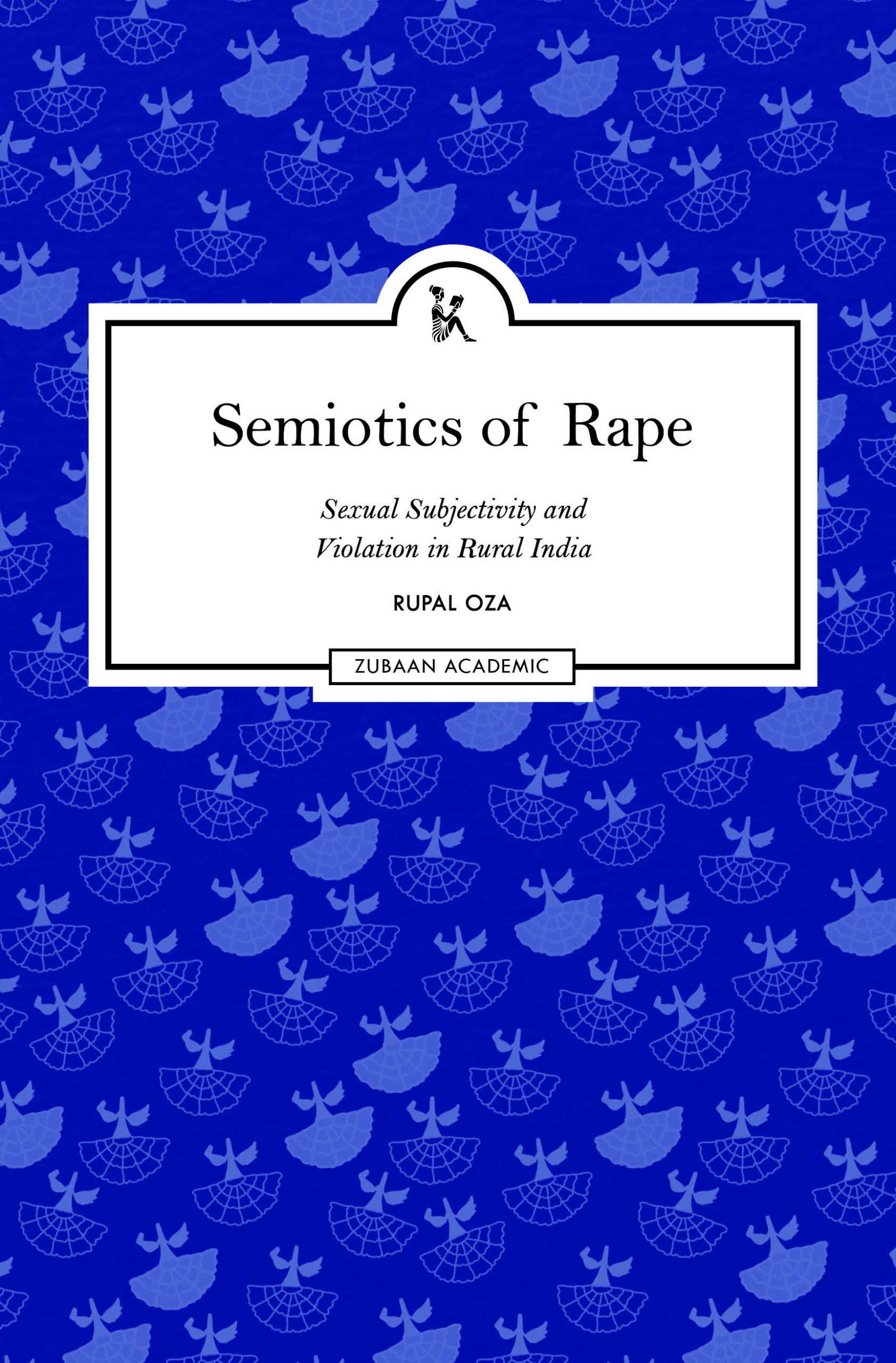
In Semiotics of Rape, Rupal Oza follows the social life of rape in rural northwest India to reveal how rape is not only a violation of the body but a language through which a range of issues—including caste and gender hierarchies, control over land and labor, and the shape of justice—are contested. Rather than focus on the laws governing rape, Oza closely examines rape charges to show how the victims and survivors of rape reclaim their autonomy by refusing to see themselves as defined entirely by the act of violation. Oza also shows how rape cases become arenas where bureaucrats, village council members, caste communities, and the police debate women’s sexual subjectivities and how those varied understandings impact the status and reputations of individuals and groups.
In this way, rape gains meaning beyond the level of the survivor and victim to create a social category. By tracing the shifting meanings of sexual violence and justice, Oza offers insights into the social significance of rape in India and beyond.

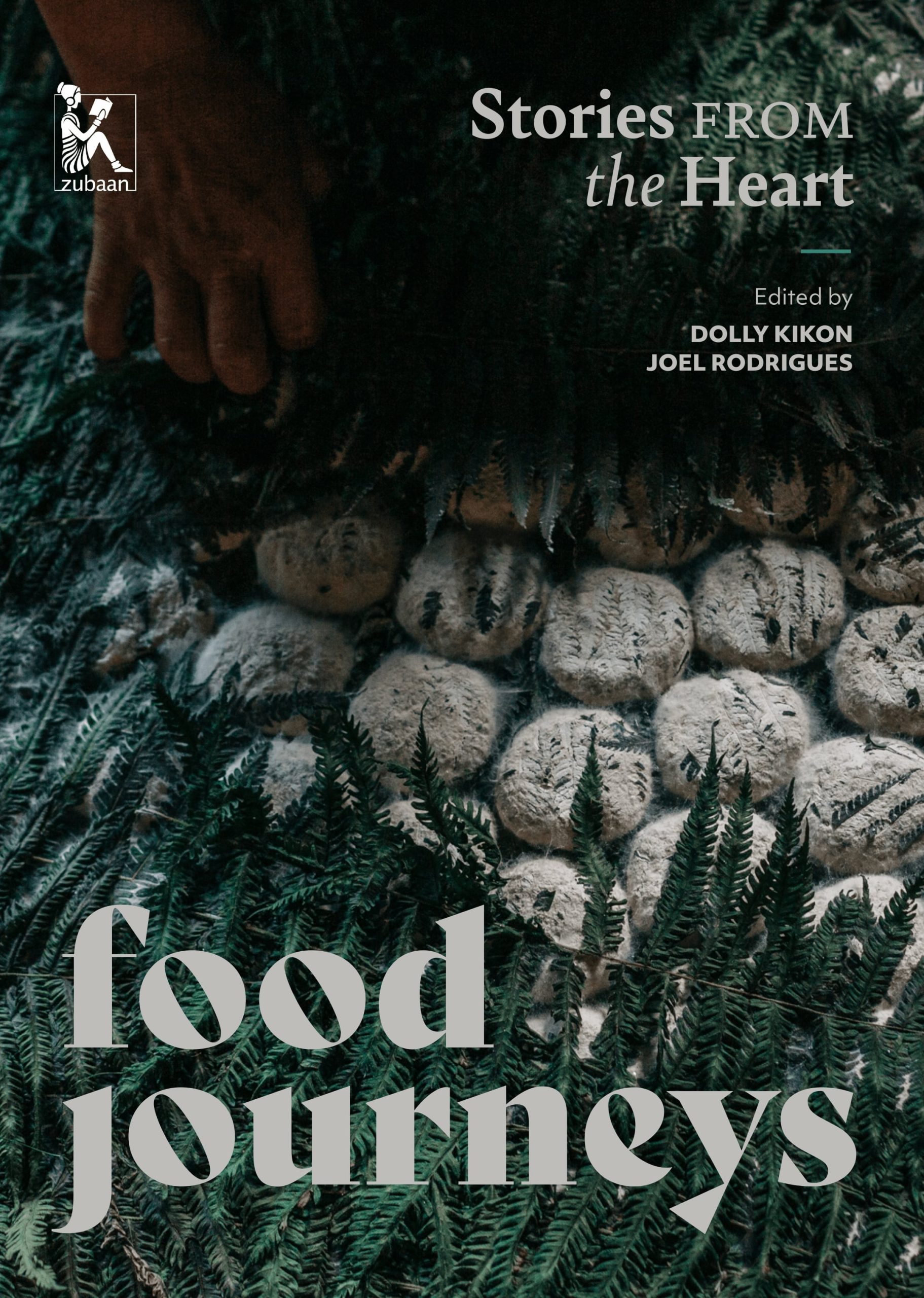
Food Journeys is a powerful collection that draws on personal experiences, and the meaning of grief, rage, solidarity, and life. Feminist anthropologist Dolly Kikon and peace researcher Joel Rodrigues present a wide-ranging set of stories and essays accompanied by recipes. They bring together poets, activists, artists, writers, and researchers who explore how food and eating allow us to find joy and strength while navigating a violent history of militarization in Northeast India. Food Journeys takes us to the tea plantations of Assam, the lofty mountains of Sikkim, the homes of a brewer and a baker in Nagaland, a chef’s journey from Meghalaya, a trip to the paddy fields in Bangladesh, and many more sites, to reveal why people from Northeast India intimately care about what they eat and consider food an integral part of their history, politics, and community. Deliciously feminist and bold, Food Journeys is both an invitation and a challenge to recognize gender and lived experiences as critical aspects of political life.
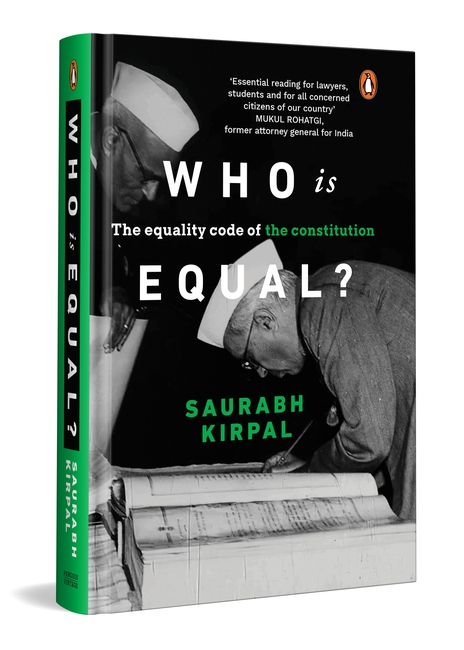
In 1950, we, the people of India, gave ourselves a constitution that promised justice, liberty and equality to all its citizens. Decades later, as a nation, we still struggle with inequality in various forms—religion, sex, caste, gender. As we forge ahead, it is imperative to ask, ‘who is equal?’, and ‘is the idea of equality elusive to achieve?’
In his new book, Saurabh Kirpal, a senior Supreme Court lawyer, seeks to untangle the philosophical and practical tangents of inequality prevalent in our country. He presents to the readers the explanation and understanding of the existing laws and discusses theories that allow a close inspection of concerns over a spectrum. Well-researched, insightful and drawn from experience, Who is Equal?, positions India at the intersection of equality and inequality, and delivers a perspective that is retrospective and contemporary.
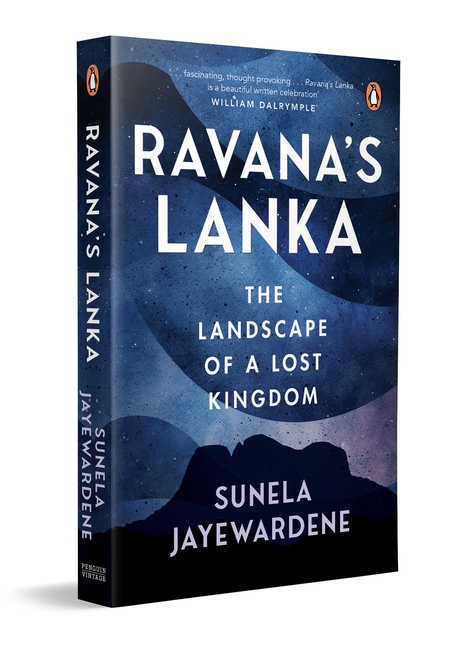
The story of the kingdom that Ravana had ruled lay over the island like a fading, antique map. The edges of the story were frayed and there were lines disconnected by time, but the landscape it traced, exists.
Demonized as he was after his death, the reign of King Ravana of Lanka, and his ancestors, the powerful Mayuranga, has long been obscured and shrouded in myth. Once, their kingdom is believed to have reached beyond the shores of the island, capturing lands across the seas—a kingdom of that magnitude was never seen again on Lanka. In a bid to shed light on this lost era, Sunela Jayewardene travelled through Sri Lanka, and listened to the storytellers and poets, researched Sri Lanka’s folklore, sifted through race and religion . . . to stitch together a history of a forgotten landscape.
This remarkable, vivid book is the story Sunela learnt of King Ravana and the kingdom that he lost.

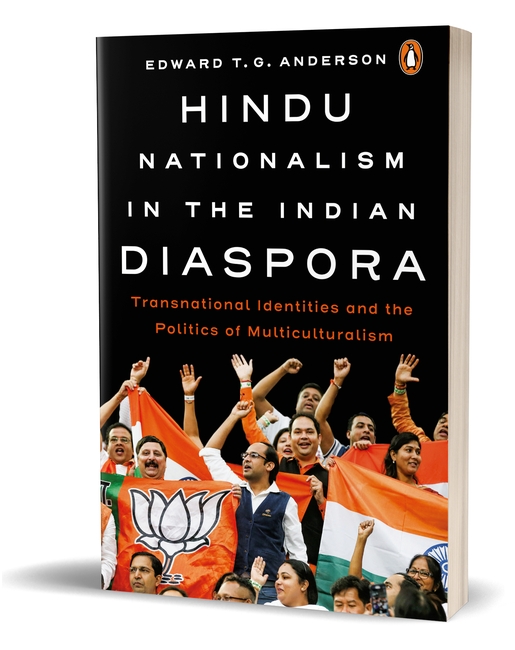
Hindu nationalism is transforming India as an increasingly dominant ideology and political force. But it is also a global phenomenon, with sections of India’s vast and influential diaspora drawn to, or actively supporting, right-wing Hindu nationalism. Indians overseas can be seen as an important, even inextricable, aspect of the movement. This is not a new dynamic—diasporic Hindutva has grown over many decades.
This book explores how and why the movement became popular among India’s diaspora from the second half of the twentieth century. It shows that Hindutva ideology and its plethora of organizations have a distinctive resonance and way of operating overseas; the movement and its ideas perform significant, particular functions for diaspora communities.
Edward T.G. Anderson argues that transnational Hindutva cannot simply be viewed as an export: this phenomenon has evolved and been shaped into an important aspect of diasporic identity, a way for people to connect with their homeland. He also sheds light on the impact of conservative Indian politics on British multiculturalism, migrant politics and relations between various minority communities.
‘Vintage Shobhaa Dé, with scathing take-offs on everything, from the caste system to male chauvinism, from sex to social pretension . . . in other words, it’s all great fun’-Economic Times
Watching the preparations for independent India’s 60th birthday in 2007, Dé-poised then to enter her own sixth decade-was struck by the thought, ‘Surely my life has taken the same trajectory as the country’s!’ While she reflected on this, many more questions arose: Does India really deserve to congratulate itself? Has it lived up to the early promises it made to its people? Does Dé herself believe in India?
In Superstar India, an intimate confession to her readers, Dé answers these questions and discovers a jawan-young-India, ready to find its place in today’s world. Witty, passionate and gloriously opinionated, Superstar India celebrates the spirit of a nation that is certainly not about to lose its glow.

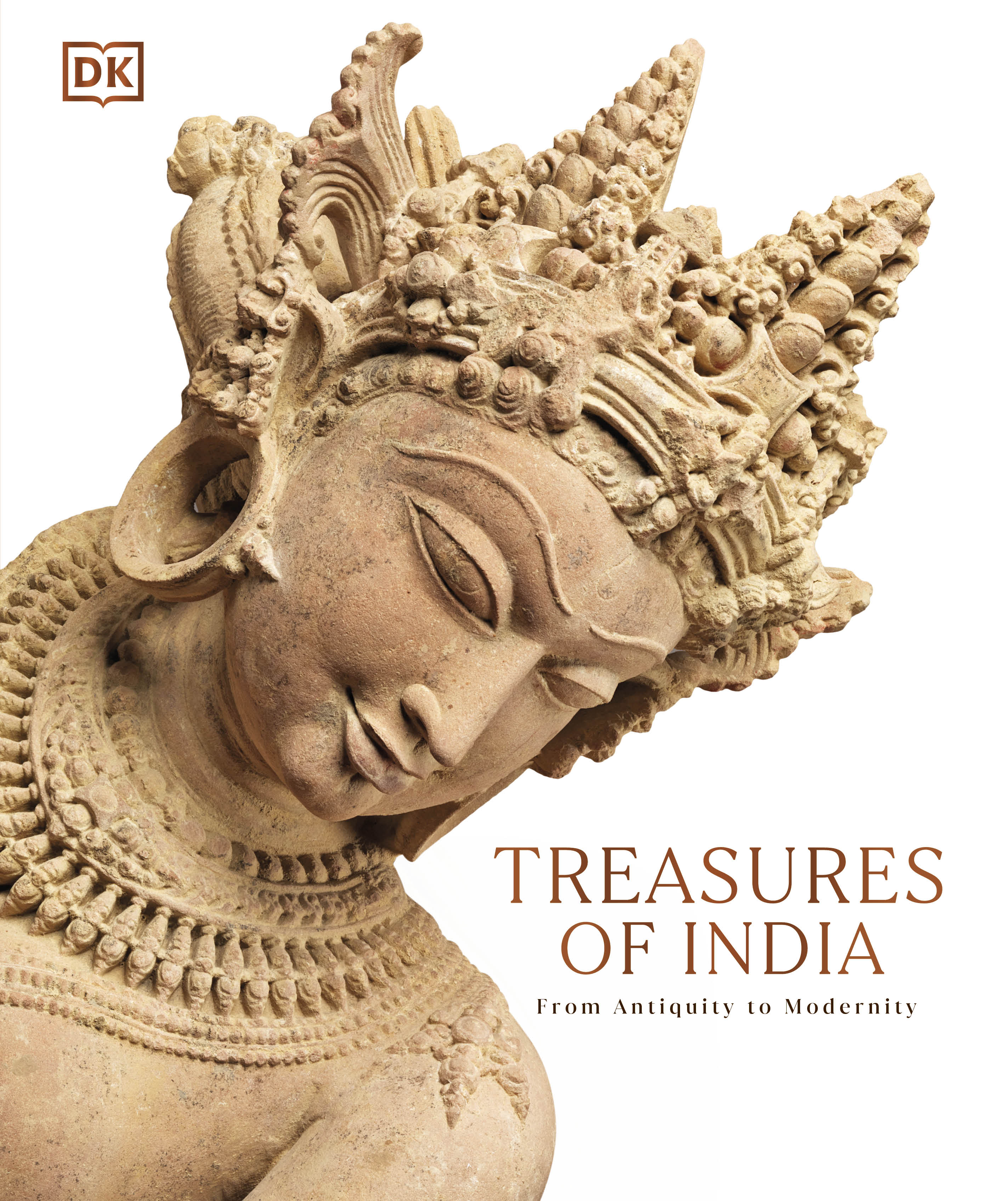
A visual exploration of the cultural history of India through its greatest treasures.
An exquisite collection of artefacts, sculptures, and historically significant treasures from across India.
If the captivating bronze dancing girl of Harappa denoted sophisticated early civilization, the stunning Sanchi Stupa symbolized the peak of Buddhist religion in India. If the world-renowned Taj Mahal was a testament to the wealth of the Mughal empire, Tipu’s Tiger, an intricate, almost life-sized mechanical toy, represented the king of Mysore’s resistance against the East India Company. Whether it is the striking sculptures of the famed city of Hampi, the beautiful folios from religious texts, the breathtaking Konark wheel, the famous Koh-i-Noor, or the elegant paintings of Raja Ravi Varma, these artefacts, monuments and artworks are intimately woven into the history and culture of India and revered for their beauty and artistry. Ranging from the extraordinary to the ordinary, from the remarkable to the traditional, these objects capture moments, reflect changes, and remain grounded in the many lived realities of India.
The richly illustrated Treasures of India navigates the history of India, through the early civilizations, formation of kingdoms, religious movements, the establishment of empires, the struggle for Independence, and the emergence of a democracy and republic through more than 100 objects and monuments, exploring the fascinating and unique stories behind each of them.
This book presents a brilliant reading of the unanimous decision of the nine-judge bench of the Supreme Court of India in the case of Justice KS Puttaswamy (Retd.) and Another vs. Union of India and Others (‘Puttaswamy’). The 2017 judgment protects the right to privacy as
a fundamental right, and guarantees the right to life with dignity, the right to personal liberty and the right to move the court against unconstitutional actions by the state.
The authors examine the implications of Puttaswamy to understanding labouring bodies (in their multiplicity) and their worlds of work. They explore the gendered dimensions of the right to privacy and its relation to labour rights, sexual safety, and bodily integrity, offering a dynamic interpretation of the right to privacy and related rights of dignity, liberty, and equality. Using the Constitution, Kannabiran and Jagani anchor labour rights in Puttaswamy to advance claims-making and emphasise collective struggles for justice and resistance to oppression as the most productive route to conceptualising an idea of justice in the realms of labour.
Further, the monograph emphasises the need to popularise constitutional conversations beyond the courts and holds valuable lessons for women’s and labour rights movements. Drawing from a range of scholarly works and case law to offer a fresh understanding of labour that doesn’t rely on gender binaries, the authors initiate conversations on human dignity, intersectional discrimination, and resistance to reinstating labouring bodies in workplaces. This work opens up new opportunities for feminist and labour studies scholars, trade unions, and courts to explore interdisciplinary intersections and frame claims for more just, fair, and equal working environments.
Kalpana Kannabiran and Devi Jagani’s work inspires both hope and anxiety, as they challenge us to build intellectual and on-ground solidarities that cross disciplinary boundaries, to support those who are most marginalised.
— Navsharan Singh, independent researcher, writer, and activist