



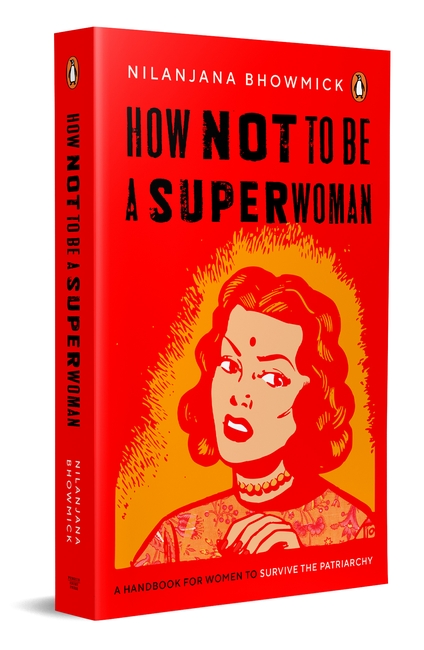
In How Not to Be a Superwoman, Nilanjana Bhowmick explores the immense pressure women face to excel in every role—as mothers, career women, partners and friends—and the toll this pursuit takes on their mental health and happiness. Her compelling work unveils the raw, real stories of diverse women who have broken free from the relentless cycle of perfectionism, and offers insightful, practical advice on achieving balance and joy that comes from embracing one’s true self. Through a feminist lens, she confronts and rejects society’s unrealistic expectations while advocating for a life of fulfilment, self-compassion and genuine empowerment. This is a must-read for women seeking to liberate themselves from the exhausting superwoman ideal and embrace a more self-loving, balanced way of living.
Catagory: Society & Social Sciences
Lessons in Chemistry (Special HB edition with Sprayed Edges)
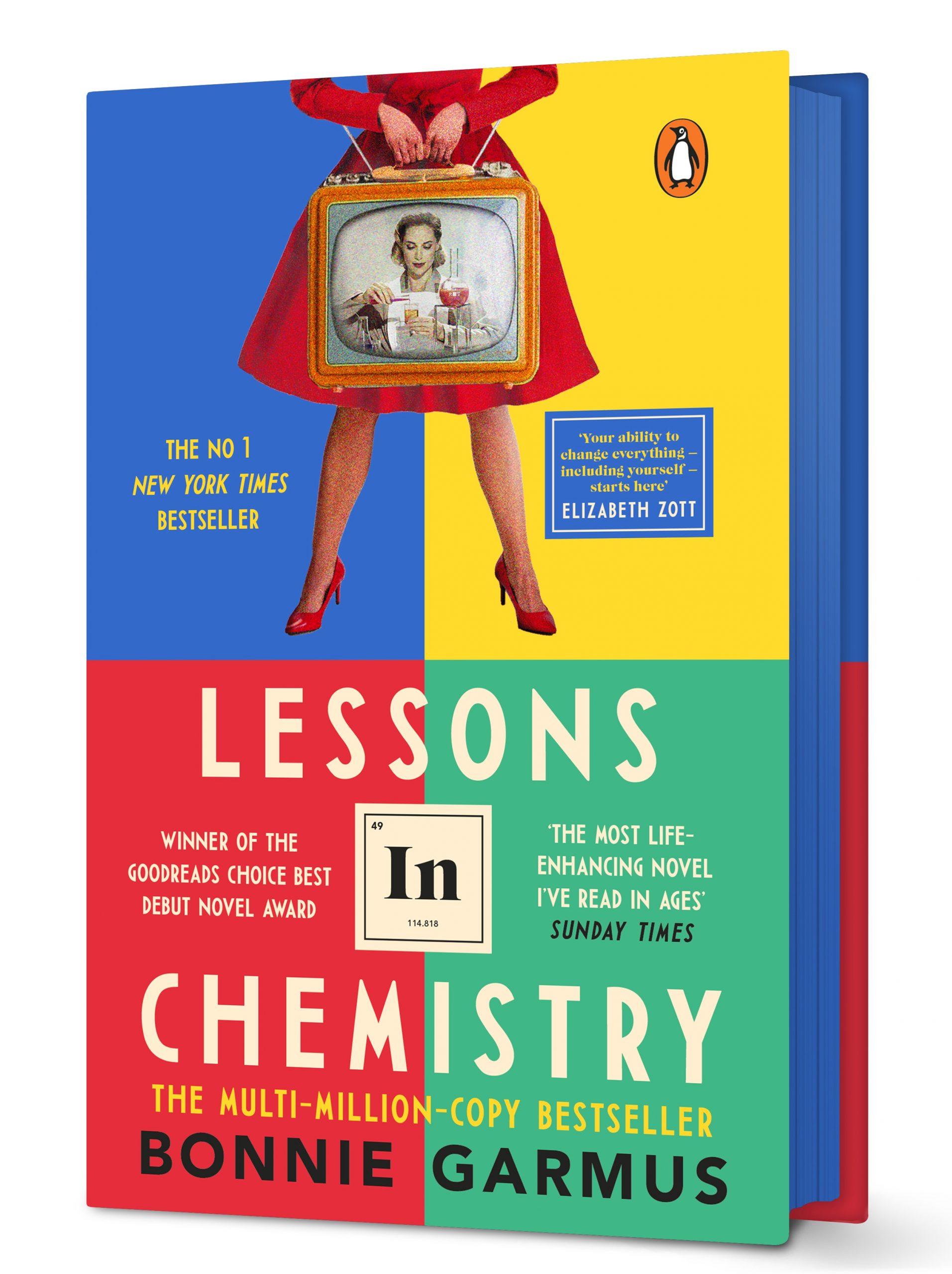
* The multi-million-copy bestseller *
* THE NEW YORK TIMES AND SUNDAY TIMES BESTSELLER *
* STREAM ON APPLE TV+ *
Your ability to change everything – including yourself – starts here
Chemist Elizabeth Zott is not your average woman. In fact, Elizabeth Zott would be the first to point out that there is no such thing as an average woman. But it’s the early 1960s and her all-male team at Hastings Research Institute takes a very unscientific view of equality. Except for one: Calvin Evans; the lonely, brilliant, Nobel–prize nominated grudge-holder who falls in love with—of all things—her mind. True chemistry results.
But like science, life is unpredictable. Which is why a few years later Elizabeth Zott finds herself not only a single mother, but the reluctant star of America’s most beloved cooking show Supper at Six. Elizabeth’s unusual approach to cooking (“combine one tablespoon acetic acid with a pinch of sodium chloride”) proves revolutionary. But as her following grows, not everyone is happy. Because as it turns out, Elizabeth Zott isn’t just teaching women to cook. She’s daring them to change the status quo.
Laugh-out-loud funny, shrewdly observant, and studded with a dazzling cast of supporting characters, Lessons in Chemistry is as original and vibrant as its protagonist.
__________
A Book of the Year for:
Guardian, Times, Sunday Times, New York Times, Good Housekeeping, Woman and Home, Stylist, TLS Oprah Daily, Newsweek, Mail on Sunday, Entertainment Weekly, NPR, India Knight, Hay Festival, Waterstones, Amazon, Books are My Bag and many more
Winner of the Goodreads Choice Best Debut Novel Award
Author of the Year at the British Book Awards
As read on BBC Radio Four
A BBC TV ‘Between the Covers’ pick
Hay Festival Book of the Year
Winner of the Books are My Bag Reader’s Choice Award
Winner of the Books are My Bag Breakthrough Author Award
Shortlisted for the HWA Crown Award
Precisely: Working with Precision Systems in a World of Data
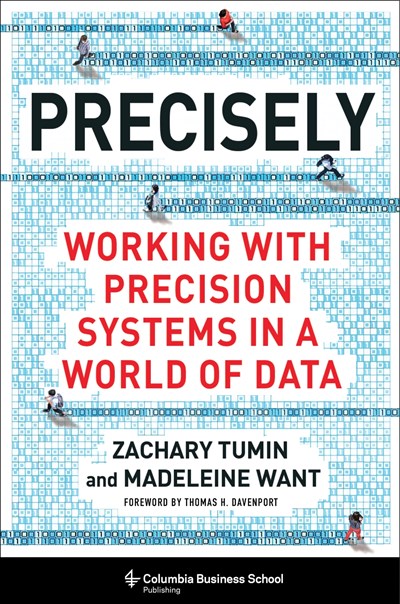
If you want to win an election, improve the health of a city, or thrill your customers, you’re going to need precision systems—the highly engineered working arrangements of teams, processes, and technologies that put data and AI to work creating the change that leaders want, exactly how they want it. Big Tech firms like Amazon, Google, Apple, and Facebook have mastered their own precision systems, building trillion-dollar businesses using data-driven tools from mass-market “nudges” to industrial-grade recommendation systems.
Precisely is the playbook for the rest of us. Zachary Tumin and Madeleine Want show how leaders in every domain are taking real-time precision systems into the marketplace, the political race, and the fight for health—from New York-Presbyterian Hospital to the New York Times, the NFL’s Baltimore Ravens to BNSF Railroad, the Biden-Harris campaign to the NYPD—to reveal elusive patterns, perform a repetitive task, run a play, or tailor a message, one at a time or by the millions.
Precisely provides insight that will help leaders choose the system that’s right for them, decide which problem to tackle first, sell the importance of precision to stakeholders, power-up the people and the technology, and accomplish change that delivers precisely what’s needed every time—and do it all responsibly.
Yuval Noah Harari 3 Books Slipcase (Sapiens, Homo Deus, 21 Lessons for the 21st Century) A Multi-Million Copy International Bestselling Author

FROM THE MULTI-MILLION COPY BESTSELLING AUTHOR OF ONE OF THE GREATEST BOOKS OF THE 21ST CENTURY ‘SAPIENS’
This three-book box set contains three of Yuval Noah Harari’s most brilliant titles; Sapiens, Homo Deus and 21 Lessons for the 21st Century, making it a comprehensive guide to Harari’s literary legacy.
Titles in this boxset:
Sapiens: From a renowned historian comes a groundbreaking narrative of humanity’s creation and evolution—a #1 international bestseller—that explores the ways in which biology and history have defined us and enhanced our understanding of what it means to be “human.” #1 New York Times Bestseller and The Summer Reading Pick for President Barack Obama, Bill Gates, and Mark Zuckerberg.
Homo Deus: Yuval Noah Harari, author of the critically acclaimed New York Times bestseller and international phenomenon Sapiens, returns with an equally original, compelling, and provocative book, turning his focus toward humanity’s future, and our quest to upgrade humans into gods.
21 Lessons for the 21st Century: A probing and visionary investigation into today’s most urgent issues as we move into the future. Harari addresses the challenge of navigating life in the face of constant and disorienting change and raises the important questions we need to ask ourselves to survive.
Indians (Hindi)/Indians/इंडियंस
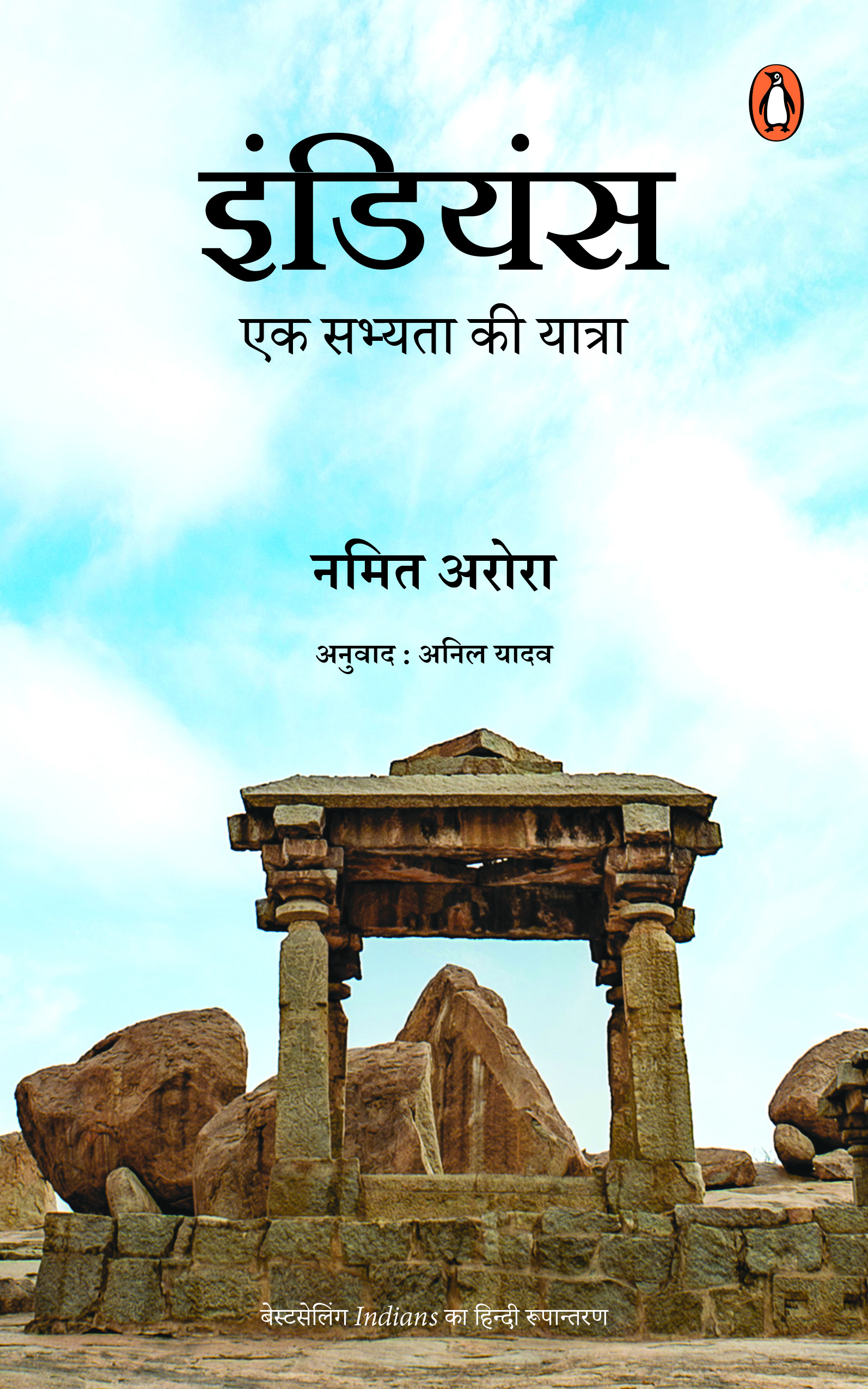
एक विचार, एक हकीकत और एक पहेली है भारतीय सभ्यता। इस दिलचस्प किताब में नमित अरोरा हमें इतिहास की हज़ारों साल की अविस्मरणीय यात्रा पर ले जाते हैं जिसमें वे भारतीयों के सामाजिक और सांस्कृतिक पड़ावों का ब्योरा देते हैं। वे उनकी राजनीतिक उथल-पुथल और प्रतिद्वन्दिता, उनके रीति-रिवाज, व्यवसाय और पर्व-त्योहारों पर गौर करते हैं। इस क्रम में अरोरा छह ऐतिहासिक स्थलों की यात्रा करते हैं—हड़प्पा कालीन धोलावीरा, नागार्जुनकोंडा में इक्ष्वाकुओं की राजधानी, बौद्धों का ज्ञान केंद्र नालंदा, रहस्यपूर्ण खजुराहो, हम्पी में विजयनगर साम्राज्य की राजधानी और ऐतिहासिक बनारस। अपने सुस्पष्ट विश्लेषण, स्थानीय कहानियों और चित्रों के माध्यम से वे इसे जीवंत बनाते हैं। साथ ही उनकी इस पुस्तक में भारत आने वाले मशहूर यात्रियों मसलन मेगस्थनीज़, ह्वेनसांग, अलबरूनी, मार्को पोलो और बर्नियर के विवरण भी हैं जो हमारे देश के बारे में आश्चर्यजनक बातें कहते हैं।
इंडियंस में अरोरा हमारे पूर्वजों के विचारों, विश्वासों और मूल्यों की पड़ताल करते हैं—जिनमें कुछ अभी भी आधुनिक भारत को आकार दे रहे हैं, जबकि अन्य खो गए हैं। यह एक ऐसी मौलिक, शोधपूर्ण और विचारोत्तेजक पुस्तक है जो हमारी नसों में प्रवाहित हो रहे कई तरह के इतिहासों पर प्रकाश डालती है।
Treasures of Lakshmi
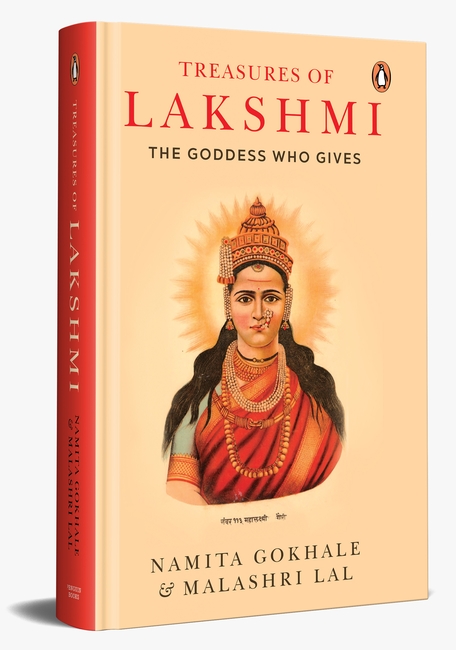
Treasures of Lakshmi is the culmination of the much-loved goddess series, brilliantly curated and edited by Namita Gokhale and Malashri Lal. This trilogy, which began with In Search of Sita and continued with Finding Radha, examines the mystical realms of Hindu thought and practice, celebrating the essence of the sacred feminine. Whether it is Lakshmi’s 108 names or a sahasranama of a thousand appellations, her blessings are multidimensional and eternal. as the third and final instalment of this remarkable trilogy, Treasures of Lakshmi takes readers on a unique journey of exploration, unravelling the compelling narrative of ‘the goddess who gives’.
Banaras
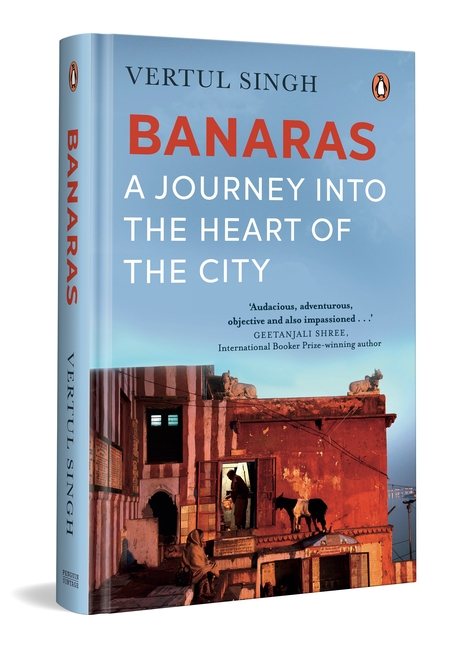
Banaras has been home to sages, artists, poets, musicians and seekers from all parts of India. The ancient canon of texts passed down orally by the sages was written and transcribed in the lanes and by-lanes of this city. Over the centuries, the art of grafting and subsuming the religious and cultural ethos became the hallmark of Banaras.
In this book, Vertul Singh presents a kaleidoscopic view of Banaras that charts a narrative spanning from the present-day city and its origins as Kashi to the fin de siècle of the eighteenth and nineteenth centuries, which witnessed the city’s inclusionary development as a cultural and pilgrimage centre, an opulent trading hub and a basilica of political power.
Weaving facts, interesting anecdotes and untold stories to make a rich tapestry, this book is an insider’s account and an unparalleled portrait of the city.
Vijaya Lakshmi Pandit
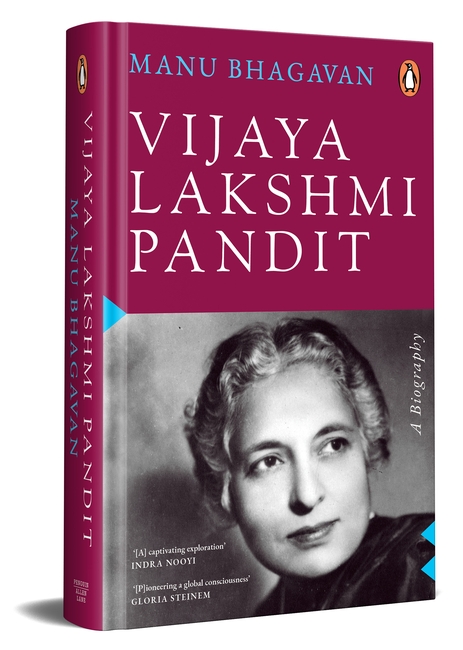
Vijaya Lakshmi Pandit, ‘the most remarkable woman’ Eleanor Roosevelt had ever met, was a pioneering politician and diplomat celebrated internationally for her brilliance, charm and glamour. Marlon Brando called her the woman he admired most in the world, while ordinary American men gave up watching football to come hear her speak.
Pandit’s life straddled the twentieth century, her own story intertwined with that of the modern world. She was India’s first woman cabinet minister, first ambassador to the United Nations and first ambassador to the Soviet Union. She was also the first woman elected President of the U.N. General Assembly. And yet her influence extended well beyond these formal roles. She grew to be one of the most influential international voices of peace while also paving the way for women across the world in many fields.
Madame Pandit, as she was widely known, moved easily in global aristocratic circles, even as she worked tirelessly to improve the lives of suffering millions. She traded barbs and quips with Winston Churchill, out-debated Jan Smuts and garnered more attention than James Cagney. She was arrested for the attempted assassination of Benito Mussolini and later told John F. Kennedy not to go to Dallas. At the end of her career, she came out of retirement to battle her own niece, Indira Gandhi, in an epic clash of democracy vs. authoritarianism.
Based on eight years of research and using material in five languages from seven countries and over forty archives, Manu Bhagavan has written the definitive biography of Vijaya Lakshmi Pandit.
The Grammar of My Body
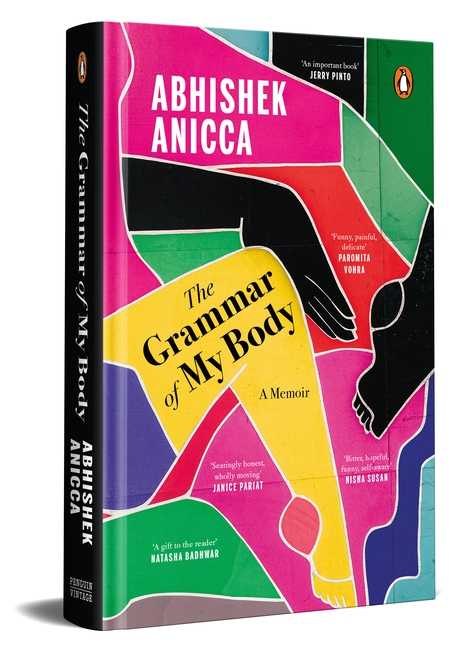
Subverting an ableist India’s expectations from a disabled person to be ‘inspirational’ and an ‘underdog who made it’ despite their illness, Abhishek Anicca writes about everyday stories of living with disability and chronic illness in this memoir-in-essays.
With piercing mindfulness and radical vulnerability, Annica writes sparse and compelling essays on the self, questions of care and dignity, dating and navigating desire as a queer-disabled man, self-hatred, moving about with a crutch, chronic pain and shame, the chilling lack of representation in the media and reflections on nearing death.
Conversational and informal, truthful and unflinching, Anicca’s wry and urgent essays in The Grammar of My Body compel the reader to become at once distant from and proximate to their inner experiences.
The Art of Habits (Hindi)/The Art of Habits/द आर्ट ऑफ हैबिट्स

कोविड महामारी का वैश्विक असर इतना व्यापक था कि आज के दौर में हम घटनाओं को कोविड पूर्व और कोविड बाद की घटनाओं के तौर पर व्याख्या करते हैं।
जब हम इस नई विश्व व्यवस्था में फिर से गतिशील हो रहे हैं, तो ऐसे में अनुकूल और टिकाऊ आदतों का निर्माण करना पहले से ज़्यादा ज़रूरी है।
जहाँ द आर्ट ऑफ रेज़िलियंस ने पाठकों के सामने इन बातों को सामने रखा कि कोविड जैसी चुनौतीपूर्ण परिस्थितियों का सामने कैसे करें, वही द आर्ट ऑफ फोकस ने कोविड लहरों के दौरान उन प्रतिरोधी हृदयों को सिखाया कि वे कैसे एक केंद्रित मस्तिष्क का विकास करें। अब द आर्ट ऑफ हैबिट्सउन केंद्रित पाठकों को वो विचार दे रही है कि अनुकूल और टिकाऊ आदतें कैसे विकसित करें।