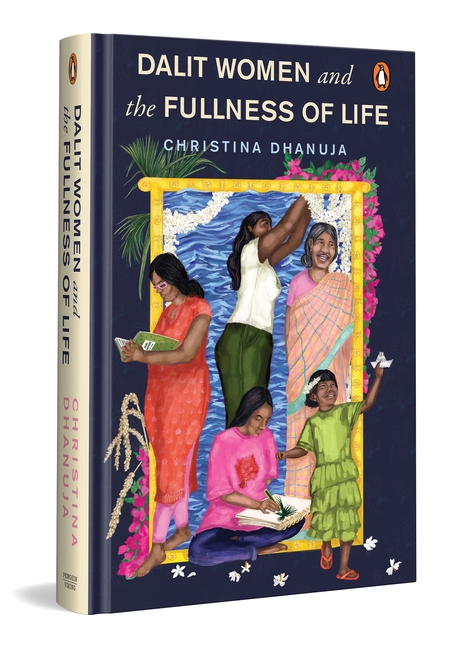
In Dalit Women and the Fullness of Life, Christina Dhanuja confronts the narrow frames that have long confined how Dalit women are seen and understood. Too often rendered as symbols of all-consuming suffering or resilience alone, these are human lives flattened and portrayed without interiority and wholeness. This book refuses that erasure.
With candour and clarity, Dhanuja examines how reductive and unidimensional narratives take hold in institutions, media discourse and social imagination, and what it takes to break them apart. She asks what becomes possible when Dalit women are recognized as complex, desiring beings: capable of joy and contradiction, intimacy and power, fragility and fullness.
Blending memoir with sharp social analysis, the book situates lived experience within structures of caste, gender, faith and community. The result is a soulful and provocative work—one that insists on fullness as a political, ethical and imaginative horizon for Dalit women.

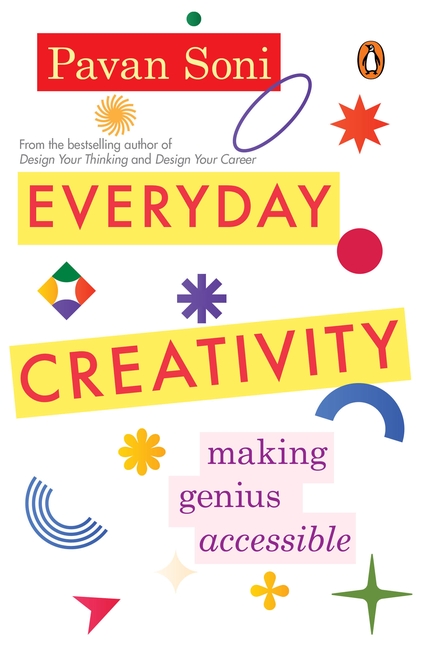
Are you creative? Is creativity the preserve of a select few—or is it something we all possess? And is creativity the same as intelligence? Everyday Creativity explores these questions and more, drawing inspiration and insight from remarkable creators across art, science, politics, sports and even the military. From Amir Khusro to A.R. Rahman, and Leonardo da Vinci to Haruki Murakami, the book distils timeless practices that can help you unlock your own creative potential. Complementing these stories are over twenty-five proven methods of creative problem-solving—designed to move you beyond common sense and towards a more structured, powerful approach to thinking creatively.
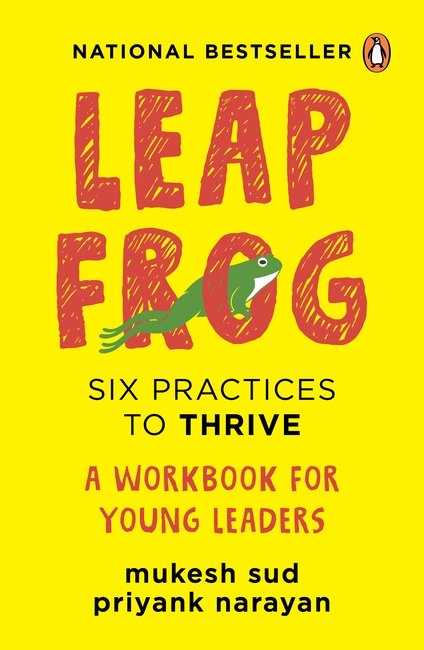
Why climb the ladder gradually when you can rise in a jetpack?
Think bigger. Move faster. Lead sooner.
Leapfrog is a hands-on workbook for aspiring young leaders who want break the shackles and are done waiting for their turn. Packed with stories, & anecdotes it has smart prompts, exercises, and real-world hacks that will teach you six game-changing practices.
Learn how to build grit, outsmart your own bad habits, admit what you don’t know, mash up ideas across fields, mute the noise, and think like an entrepreneur.
At the centre of all this is your Personal Journey Map—a blueprint which will help you understand where you are, where you aspire to be, and how to get there.
No theory … Just action … Your leadership gym starts here

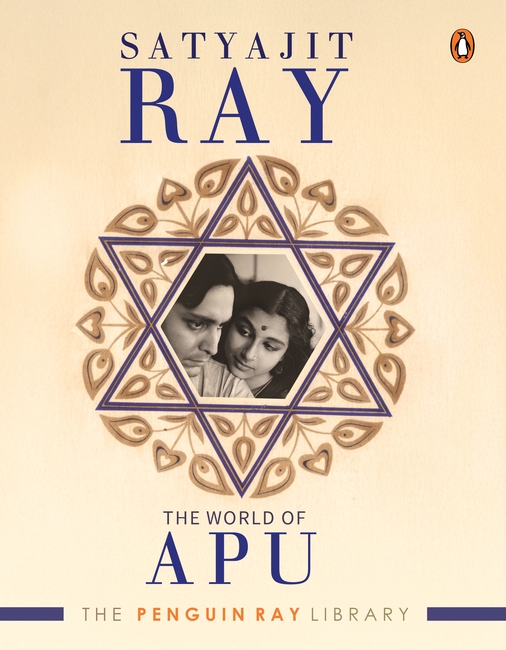
Apu steps off the screen and onto the page. The World of Apu is an intimate journey into Satyajit Ray’s creative universe, bringing together his original writings, notes and seldom-seen visuals around the iconic Apu Trilogy. Here, Ray reflects on craft, character and the quiet revolutions of everyday life that shaped modern Indian cinema.
Sketches, frames and personal insights reveal how a young boy from rural Bengal became a timeless symbol of hope, loss and becoming. Lyrical yet deeply observant, this volume is both a collector’s gem and an essential archive—an invitation to witness genius at work, unfiltered and unforgettable.
A collector’s edition, The World of Apu will interest a wide spectrum of readers.

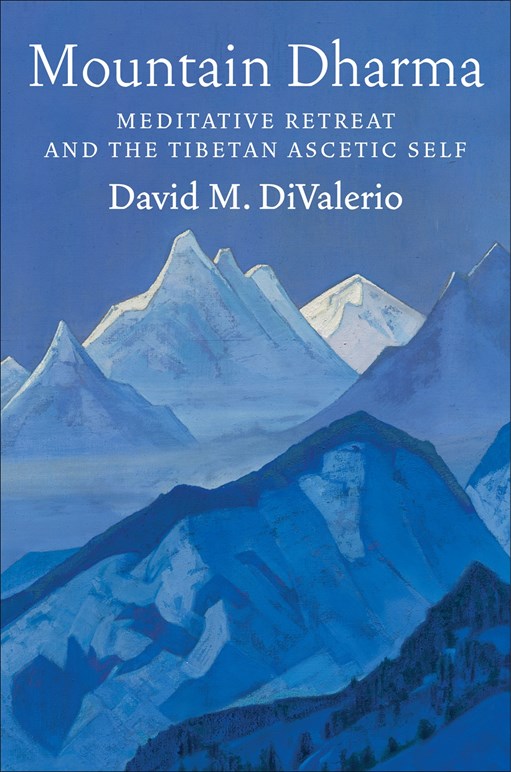
An emphasis on practicing meditation in yearslong retreats―whether in a cave or a cloister, alone or with a small number of peers―has been a defining feature of Tibetan Buddhism throughout its entire history. Although the life stories and writings of the Himalaya’s most famous hermits are well known, the history of this tradition and the details of its practice have largely remained a mystery.
A groundbreaking exploration of individual long-term meditative retreat in Tibetan Buddhism, Mountain Dharma tracks developments in ascetic discourse and practice from the twelfth century to the twentieth. David M. DiValerio provides a comprehensive reading of texts that offer instruction on the eremitic endeavor, comparing how dozens of authors have treated six key orienting concerns: place, people, food, sources of danger, the spiritual lineage, and time. The book traces a genealogy of the Tibetan ascetic self, demonstrating an increasing tendency to adopt practices that contrast the meditator with earlier generations of enlightened masters, defining the latter-day retreatant as a being in time. By viewing instructions for how to live in retreat as technologies of self, this book sheds new light on how the history of this tradition has been driven by evolving notions of personhood.
Methodologically innovative and richly sourced, Mountain Dharma sets a new standard for the historical study of asceticism.

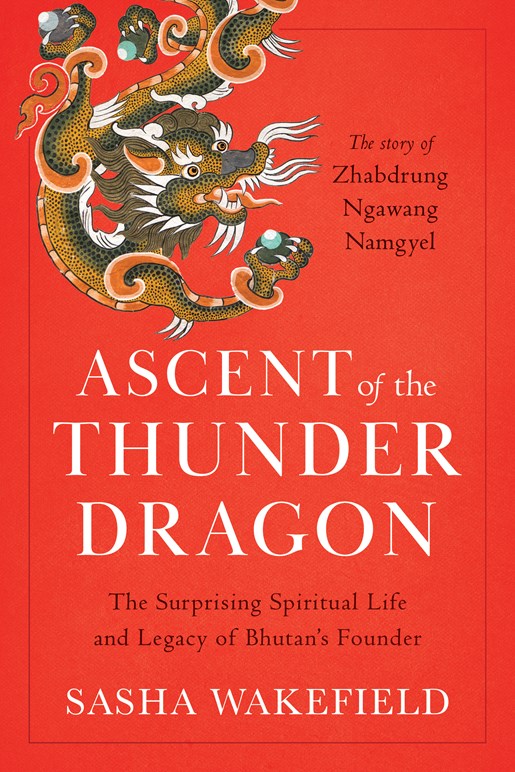
Sasha Wakefield intertwines the life and legacy of Zhabdrung Ngawang Namgyal (1594–1651) with her own personal spiritual journey as she explores Bhutan’s rich history.
The seventeenth century was a pivotal time for the tiny but culturally vibrant kingdom of Bhutan—marked especially by the life of the influential political and spiritual leader Zhabdrung Ngawang Namgyal (1594–1651), including his remarkable past lives. Sasha Wakefield traces the life and profound spiritual accomplishment of this master in the context of her own spiritual journey from Australia to Bhutan. While unveiling the cultural and spiritual landscape of Bhutan, Wakefield delves into the fundamental Buddhist concepts of reincarnation, karma, bodhisattvas, buddhas, and enlightenment to underscore the significance of Zhabdrung’s spiritual attainment, including reaching the tenth bhumi, or level, of a bodhisattva, and deliberately choosing his own rebirth.
During Zhabdrung’s time as early nation-builder of the kingdom and state of Bhutan, he faced adversity and attacks from adversaries but responded with meditation, diplomacy, and unwavering commitment to serve the people of Bhutan. Wakefield shows the nature of ritual and ceremony that are inherent in the history of the Bhutanese state, weaving in the verse texts of liturgies and praises for the offering ceremonies and consecrations that were central to establishing the Drukpa Kargyu Buddhist lineage in Bhutan and establishing Bhutan as a sovereign land.
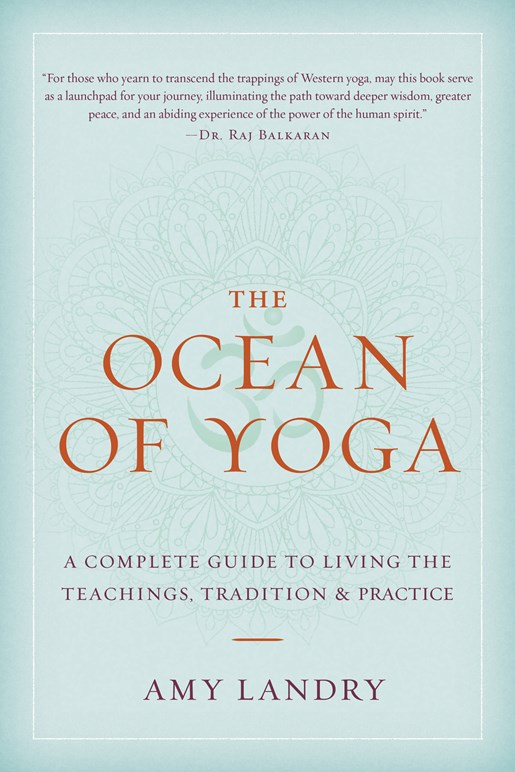
A definitive guidebook to the core principles and practice of yoga—from its traditional roots to the latest contemporary developments.
Immerse yourself in the timeless practice of yoga with this essential and accessible guide. With a commitment to honoring rather than modifying the tradition of yoga, experienced teacher Amy Landry unveils the vast ocean of yoga—from its rich history, texts, and traditions to the core principles and practice.
Explore:
· A captivating overview of the history and evolution of yoga
· Key facets of subtle yogic anatomy, including prana, koshas, nadis, kundalini, chakras, vayu, and a map of the mind
· A practical framework inward that expands beyond the popularized eight-limbed approach
· Teachings on the tangible techniques, such as traditional joint movements, purification practices, mudra, meditation, mantra, and approaching yoga through an Ayurvedic lens
· Diverse paths, including Bhakti, Karma, Jnana, Raja, Hatha, Laya, and Tantra
· Guidance on living (and teaching) yoga through stewardship and lineage, while using the four aims and stages of life as anchors
· Foundational yoga texts, featuring the revered Bhagavad Gita and Patanjali’s Yoga Sutra, alongside some lesser-known treasures
· The sanctity of Sanskrit, sound, and so much more
With a clear and inspiring voice, Landry offers pivotal insight to any student or teacher seeking a genuine connection to the depths of yoga.

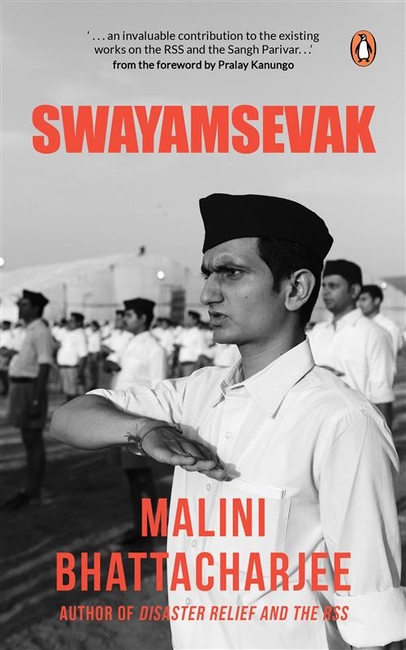
In September 2025, the Rashtriya Swayamsevak Sangh (RSS) completed a hundred years. Founded in 1925 by Dr Keshav Baliram Hedgewar with a small group of handpicked young men, the Sangh sought to reinvigorate Hindu society through sangathan (organization) and seva (service).
What sustains the RSS a hundred years on? Who are the individuals who animate this vast and enduring organization? Are they conservative or modern, privileged or marginal, urban or rural? Swayamsevak explores these questions in depth.
At its heart are ten compelling life stories of nine swayamsevaks and one sevika. Through these intimate portraits, the book foregrounds the everyday experiences, moral worlds, and motivations that shape their journeys, revealing the discipline, commitment to service, and quiet conviction that sustain the Sangh’s remarkable continuity and expansion.
By restoring the swayamsevak to the centre of the narrative, this book opens up a rich and largely unexplored terrain and offers a nuanced and deeply human window into the RSS.
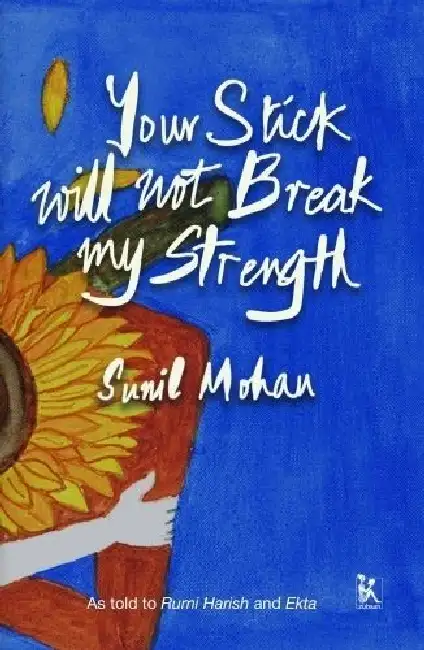
Sunil Mohan’s complex and moving memoir is more than just a story of transition. It’s a story that describes a deeply felt yearning, a certainty of knowledge about who you wish to be, and constant, fundamental and self-reflective questioning about what it means to be born into one body and inhabit an identity that is defined by a different body and a different set of ascribed and acceptable behaviour. As he makes the transition from ‘female’ to ‘male’, Sunil asks why he cannot choose to define his gender in his own way, why being ‘man’ should mean adopting a given, socially acceptable model of masculinity. ‘I was always uncomfortable,’ he says, ‘with “masculinity” even when I deeply felt I was a “man”….I was hesitant to identify with something I had critiqued so fundamentally.’ Honest, open, self-questioning and filled with courage and compassion, Sunil Mohan chooses to move away from the traditional and often linear trajectory of a life narrative. Instead, he turns the lens on the queer, trans, anti-caste, feminist and people’s movements of which he has long been a part. In doing so, he resolutely refuses to identify as a victim and thinks through and reflects on the politics of resistance, marking the learning that comes from friendships forged in struggle and commonality of identity, reflecting on the meanings of silence and offering thoughts on strategies for healing and reconciliation.

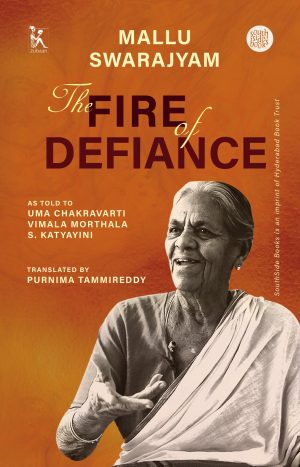
Even as the movement for Indian independence gathered momentum at the national level in the 1930s and ‘40s, a different kind of mobilization and struggle was unfolding in the Telangana region. Led by the Communist Party, the Telangana armed struggle swept through the Nizam’s dominions, targeting the exploitative practices of the doras, or landlords. Hundreds of men and women, from a wide spectrum of social locations, participated in the movement, and pictures of women wielding rifles have today become iconic.
Among the many women in the movement was Mallu Swarajyam, who joined the armed squads of the movement and also became a cultural activist. Her extraordinary story, as told to three women, is captured here. In her words: “I also worked in the Kothagudem coal mines. Our informants were tribal women who went into the forest to gather mahuva flowers. On one occasion, we received information that the police were travelling in a bus along the route. I stormed onto the road, stopped the bus and punctured its tyres with my pistol.”