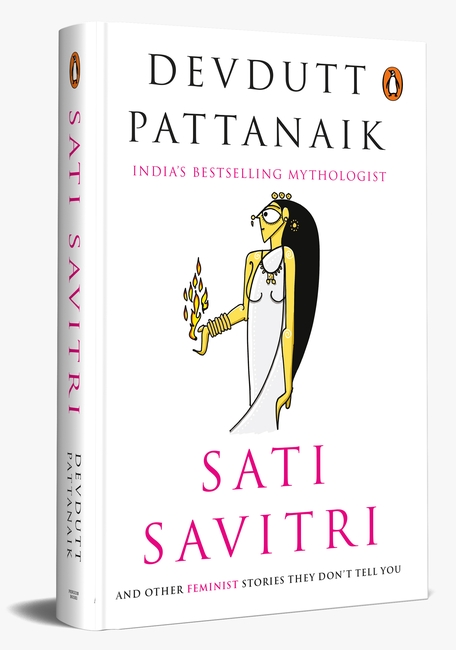
Manu said that a woman’s dharma is to be mother, daughter, sister and wife in service of men, regardless of the caste. In modern times we call this patriarchy. In the Veda, the need to control and favour hierarchy, is an expression of an anxious mind.
Hindu, Buddhist and Jain lore is full of tales where women do not let men define their dharma. In modern times we call this feminism. In the Veda, the acceptance of a woman’s choice is an expression of a wise and secure mind.
While in Western myth, patriarchy is traditional and feminism is progressive, in Indian myth both patriarchy and feminism have always co-existed, in eternal tension, through endless cycles of rebirth. Liberation thus is not a foreign idea. It has always been here.
You have heard tales of patriarchy. This book tells you the other tales—the ones they don’t tell you.
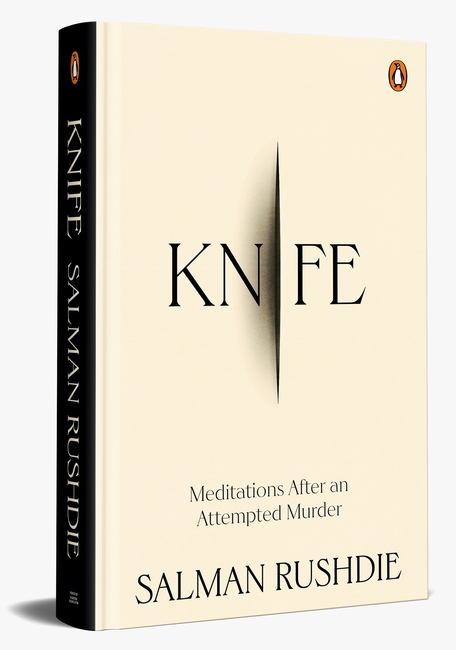
On the morning of August 12, 2022, Salman Rushdie was standing onstage at the Chautauqua Institution, preparing to give a lecture on the importance of keeping writers safe from harm, when a man wearing black clothes and a black mask rushed down the aisle toward him, wielding a knife. His first thought: So it’s you. Here you are.
What followed was a horrific act of violence that shook the literary world and beyond. Now, for the first time, and in unforgettable detail, Rushdie relives the traumatic events of that day and its aftermath, as well as his journey toward physical recovery and the healing that was made possible by the love and support of his wife, Eliza, his family, his army of doctors and physical therapists, and his community of readers worldwide.
Knife is Rushdie at the peak of his powers, writing with urgency, with gravity, with unflinching honesty. It is also a deeply moving reminder of literature’s capacity to make sense of the unthinkable, an intimate and life-affirming meditation on life, loss, love, art—and finding the strength to stand up again.
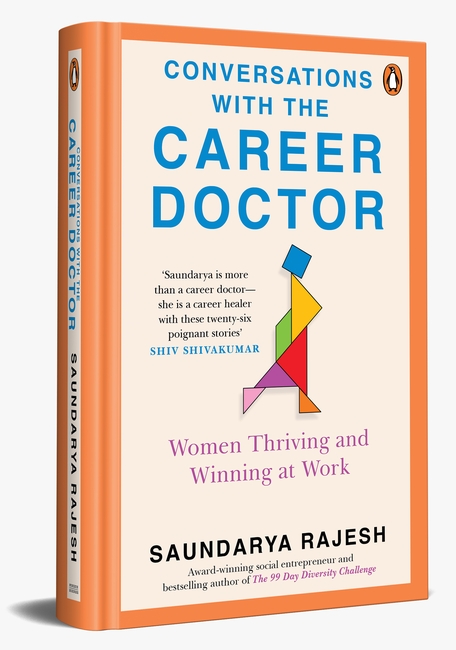
India ranks among the bottom end of countries when it comes to women’s participation in the workforce, as per research conducted by the International Labour Organization and other reputed institutions. Despite pushing gender inclusion to the forefront and making considerable progress, it is clear that Indian women don’t have it easy today. Conversations with the Career Doctor is a ready-reckoner that women can refer to whenever they are confronted with a challenge. It provides a powerful toolkit for every Indian woman professional to lead a strong, secure and successful career.
Saundarya Rajesh, through these twenty-six stories, helps women navigate the loaded inequities in the ecosystem that is charged with social, familial and economic biases, and provides solutions to help them stay employed, make money, achieve financial security and keep bounding forward. Accessibly written, well-researched and keenly solution-oriented, this book is the perfect guide for every working woman.

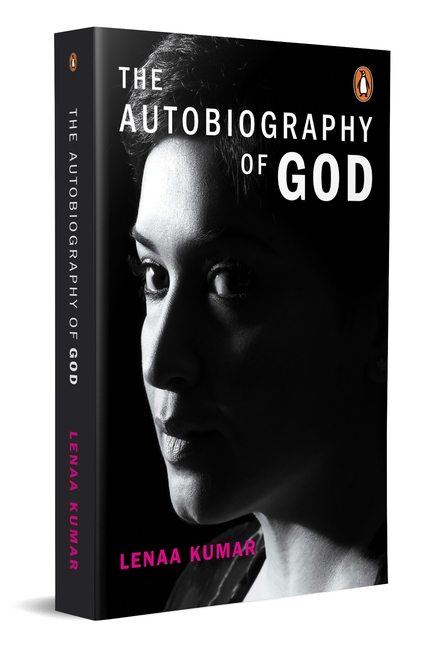
Are you a seeker, rebel, non-conformist and free-spirit? Yes? … This book is for you.
This book is for the rational, the practical, the seeker, the non-conformist, the leader, the rebel and the free spirit . . . This book is for you, dear reader, to destroy your self-limiting beliefs and realize your full potential.
As this journey of self-discovery spanning eighteen years unfolds, Lenaa keeps a promise she made to herself during her darkest hours: ‘If I can stay off psychiatric medication for two years, I will write a book for fellow sufferers of anxiety, depression and the rigid psychiatric system.’ Now, five years later, the clarity has distilled down to five questions, one answer and a system of instant self-realization.
What am I? Who am I? Where am I? When am I? Why am I?
Can you answer these questions to your own satisfaction? If the answer is not a definite ‘Yes’, dive right into The Autobiography of God.

Discover the timeless wisdom of India’s beloved author from the hills in the ‘Little Book’ series.
In The Little Book of Comfort, open yourself up to the kind of inspiring, positive messages only Ruskin Bond can provide. Let A Little Book of India take you on a journey through his memories and impressions of this unique land, as he pays homage to the country that has been his home for eighty-four years. Finally, The Little Book of Everything has something for every situation–a treasure trove of quotes that are inspiring, observational, or hopeful, each filling the reader with a sense of joy.
This boxset is a must-have for any book lover’s collection.

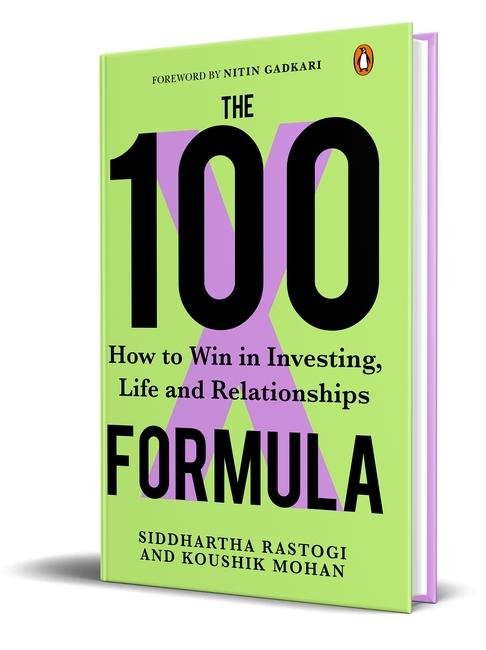
Today’s generation dreams big and wants to lead a rich and happy life. But how does one make it big? How can one achieve success in their professional and personal lives? What should one do to create wealth? Does the accumulation of wealth lead to happiness? What is the purpose of life? The 100X Formula attempts to answer these and many such questions.
This book reveals the magic formula that the authors have developed after years of research in equity markets. The formula not only helps one achieve stupendous success in the stock market but also helps one find ways to win in life in general. With lessons in investing, entrepreneurship and relationships, the book is the ultimate resource for surviving and thriving in a highly competitive world. Read this book and find your purpose in life!

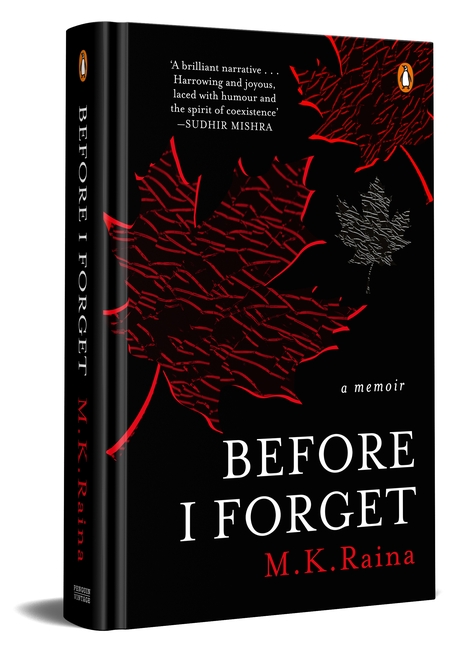
In his sparkling memoir, M.K. Raina documents the many lives he has lived. From sharing the stage with some of the most celebrated actors in India to his journey as a young man witnessing the violence and horrors rampant through the streets of Kashmir, an entire history of northern India is painted with subtle elegance.
Brimming with delightful anecdotes as well as poignant, painful memories of a region that once was, this book is a tour de force.
Is there a moment, so pliant, that we can nudge it towards any future we desire?
Sometimes I believe that there is such a moment. In a lifetime, once.
In an unnamed nation that’s about to rupture, Priyamvada (Poppy), a Hindu and Tariq, a Muslim are in love. In a few hours, Tariq intends to propose; Poppy intends to say yes. Both assume that they’ll fend off political blowback. For, surely, their privilege will protect them.
But will it? Will Poppy and Tariq sustain a love so wholesome, so cossetted, that it remains impervious to a dystopian state? Or will the two be rent apart by chance and circumstance? What will their lives look like as they plunge into a brave new future, together or apart?
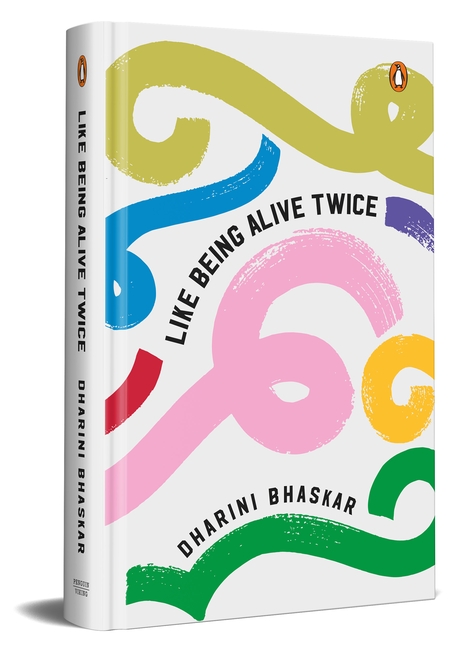
Written in alternating chapters, Like Being Alive Twice trails fact and possibility—the tale as-it-was and the tale as-it-could-have-been-if-only—arranging and rearranging, tweaking and nudging; hoping to find a lasting peace in one or the other story; hoping, above all else, that such peace will prevail over murderous times.
Politically urgent, stylistically intrepid, and relentless in its commitment to scrutinizing love, loss and the language of privilege, Like Being Alive Twice tells of the frantic pursuit of life piled upon life, even as a bloodied world closes in.
‘A great man in Indian politics’
—Dr Ram Manohar Lohia on Dr Ambedkar
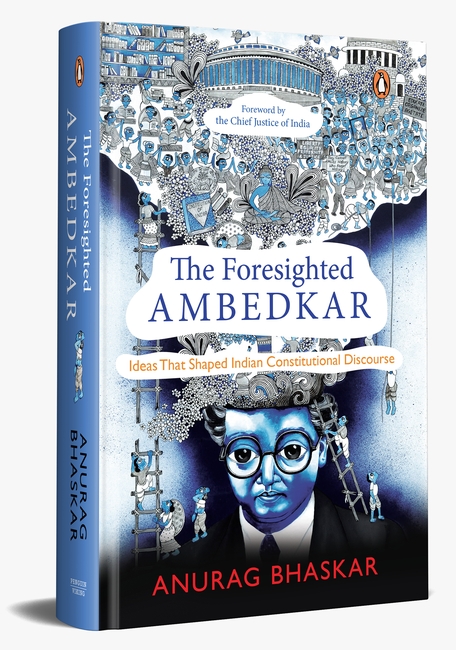
Dr Ambedkar’s role in the cause of social emancipation has been researched and written about extensively. His part in the drafting of the Indian Constitution between 1946 and 1950 has also received considerable attention.
In The Foresighted Ambedkar, Anurag Bhaskar argues that India’s Constitution was drafted not just between 1946 and 1950 but over the course of four decades. Dr Ambedkar was the only person to have been involved at all the stages related to the drafting of the Indian constitutional document since 1919. These stages bear the imprint of his contribution and role.
This book seeks to focus on Dr Ambedkar’s influence on the Indian constitutional discourse from 1919, when he entered public life, until the actual writing of the Constitution and even beyond. Covering the different constitutional moments as and when they happened, it highlights Dr Ambedkar’s role in those moments.
A seminal work of intellectual and constitutional history, this volume demonstrates why Dr Ambedkar is rightly called the ‘Father of the Indian Constitution’.