



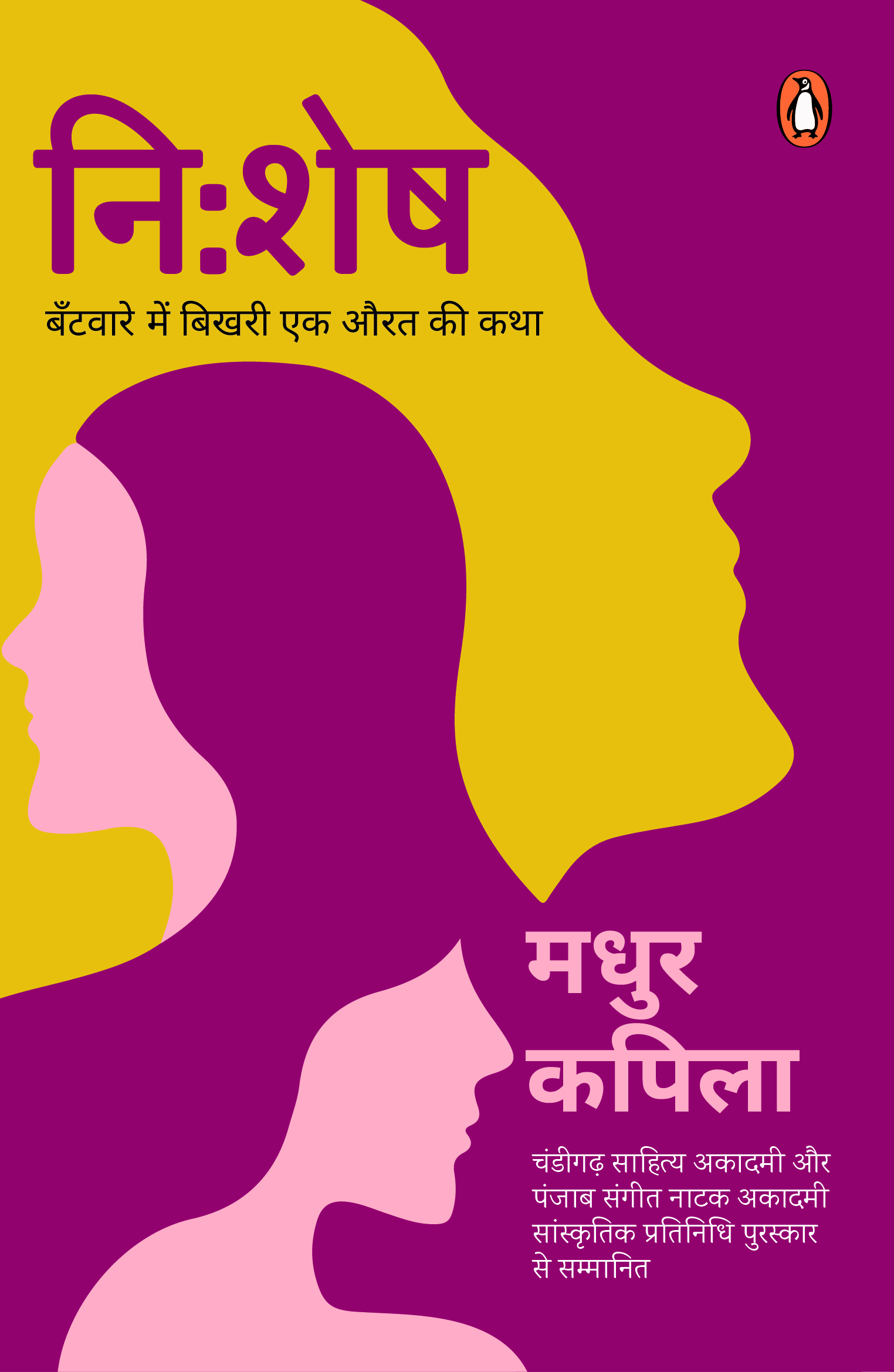
देश के बंटवारे के बाद पाकिस्तान से आई एक हिंदू रिफ्यूजी महिला की कहानी जो चंडीगढ़ में अपने पत्रकार पति के साथ रहती है और कई द्वंदों में जीती है। उसे विभाजन के दिनों का भाईचारा याद आता है, हिंसा याद आती है और दगाबाजियाँ भी याद आती है। इस पुस्तक में प्रेम है, विछोह है, जड़ों की ओर लौटने की तड़प है और विचारधाराओं का द्वंद है। कुल मिलाकर यह किताब एक खंडित व्यक्तिक्व की महिला की कहानी है जो बंटवारे के बाद अपनी जड़ों से उखड़ चुकी है, प्रेम और आकर्षण के बीच के अंतर को समझ नहीं पाती और फिर नारीवाद की कई परतों से गुजरकर एक पारिवारिक लेकिन लगभग एकाकी जीवन जी रही है जिसमें उसका पति तो साथ है, लेकिन वह भी अपनी दुनिया में डूबा हुआ है।
Catagory: Non Fiction
non fiction main category
Babur
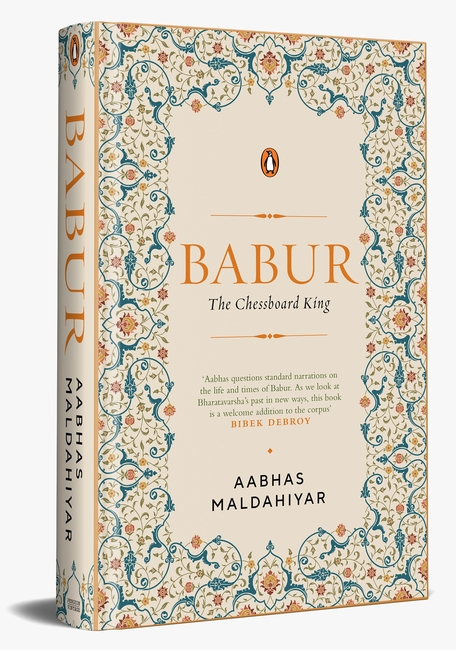
Babur, the visionary founder of Timurid Empire in Hindustan, had a fair share of early struggle following his father’s tragic demise in AD 1494. Then on, Babur embarked on an unyielding pursuit of power amid treacherous political landscapes, the narrative unveils his moniker, ‘the chessboard king,’ portraying his adept navigation through political intricacies and adversities.
From his ascent to rulership in Ferghana amidst familial threats to fleeting victories and losses in Samarkand, the book paints a poignant picture of Babur’s journey. It portrays his retreat to tribal lands after relinquishing hopes of reclaiming Ferghana, eventually establishing a mountainous kingdom in Kabul, a pivotal milestone preceding his ambition to expand into Hindustan. Recounting his initial endeavour to penetrate Hindustan in AD 1505, his alliances, and subsequent setbacks after Sultan Husayn Mirza Bayqarah’s demise, leaving him as the sole Timurid prince in power, the book opens a window to Babur’s failed second attempt to enter Hindustan, encapsulating the initial thirteen to fourteen tumultuous years of his reign, marked by exile, fleeting victories, and delicate alliances.
Gripping, anecdotal and deeply researched Babur: The Chessboard King delves into Hindustan’s economic landscape during Timurid rule and portrays Babur as a multifaceted ruler, challenging the typical depiction of an infallible conqueror and a good human being. Meticulously sourced from the Persian manuscript of the Baburnama and other primary sources, this book represents a milestone in Babur’s biographical genre, essential for comprehending the ambitions of this enigmatic king.
Dreaming With My Eyes Wide Open
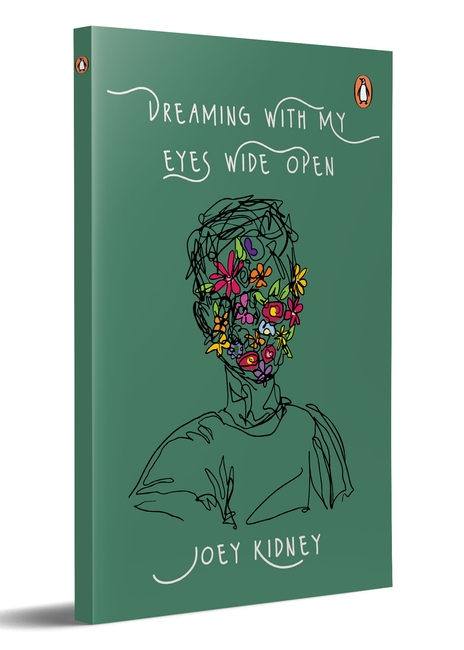
‘I am constantly caught dreaming with my eyes open during the day because the nighttime is when my mind is most awake. Taking in every single possibility of how my life could be or how it will play out as if I know the answer to either.’
Joey Kidney started his channels on social media in order to share his journey navigating the highs and lows of mental health, and to inspire others to find their own happiness. In this wonderful collection of poems, we continue with Joey on his journey as he provides insights into his mind, his daily battles with mental health, and how he navigates the path. Whether it is love, guilt, pain, happiness or sorrow, the poems in Dreaming With My Eyes Open resonate, helping people realize that they are not alone.
What’s the Rush?
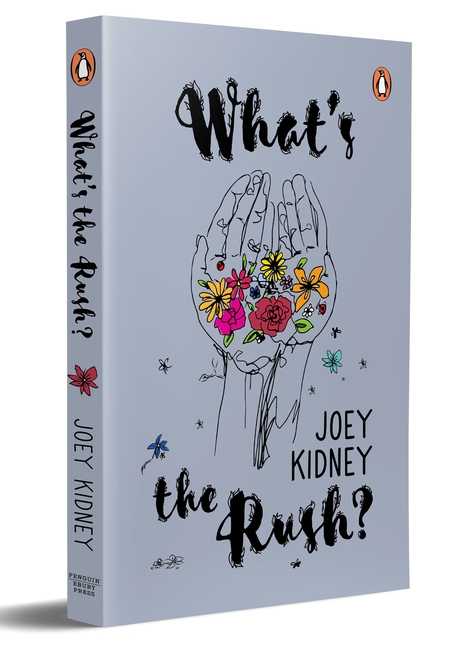
In What’s the Rush, YouTube creator and mental health expert Joey Kidney comes to terms with his own depression, anxiety and sadness. He welcomes the reader into his life, documenting every experience, including his heartbreak, love, loss, hardship and happy times. Joey’s goal in writing the book is to share his journey, the obstacles he’s overcome and his often not so straight road to recovery. His message is simple, it might be a struggle to get out of bed, take a shower or brush your teeth, but he hopes that you can decide what you need from this book, and make it your own.
Take Your Time & Hurry Up
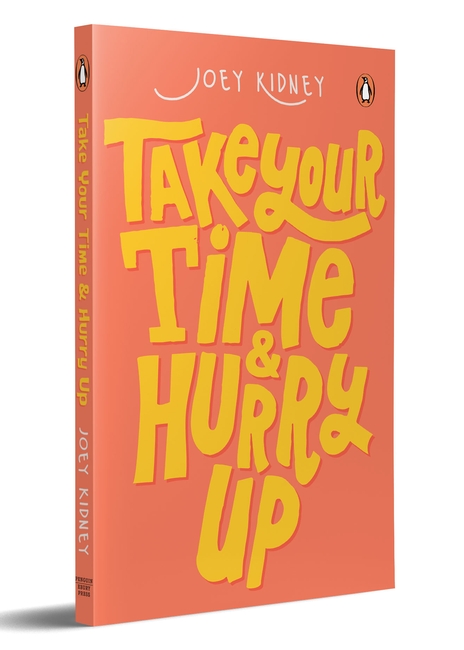
Have you ever felt lost or alone in your thoughts, feelings and experiences?
Take Your Time and Hurry Up continues Joey’s experiences as he leaves his early twenties and heads toward adulthood. This book appeals to anyone who is navigating ‘adulting’ without a compass or a map, and who is searching for a sense of belonging.
Joey gently encourages his audience to find comfort, mindfulness, guidance and connection. A clear theme is woven through each passage: a reminder to slow down. After all, what’s the rush.
Shubhda/शुभदा
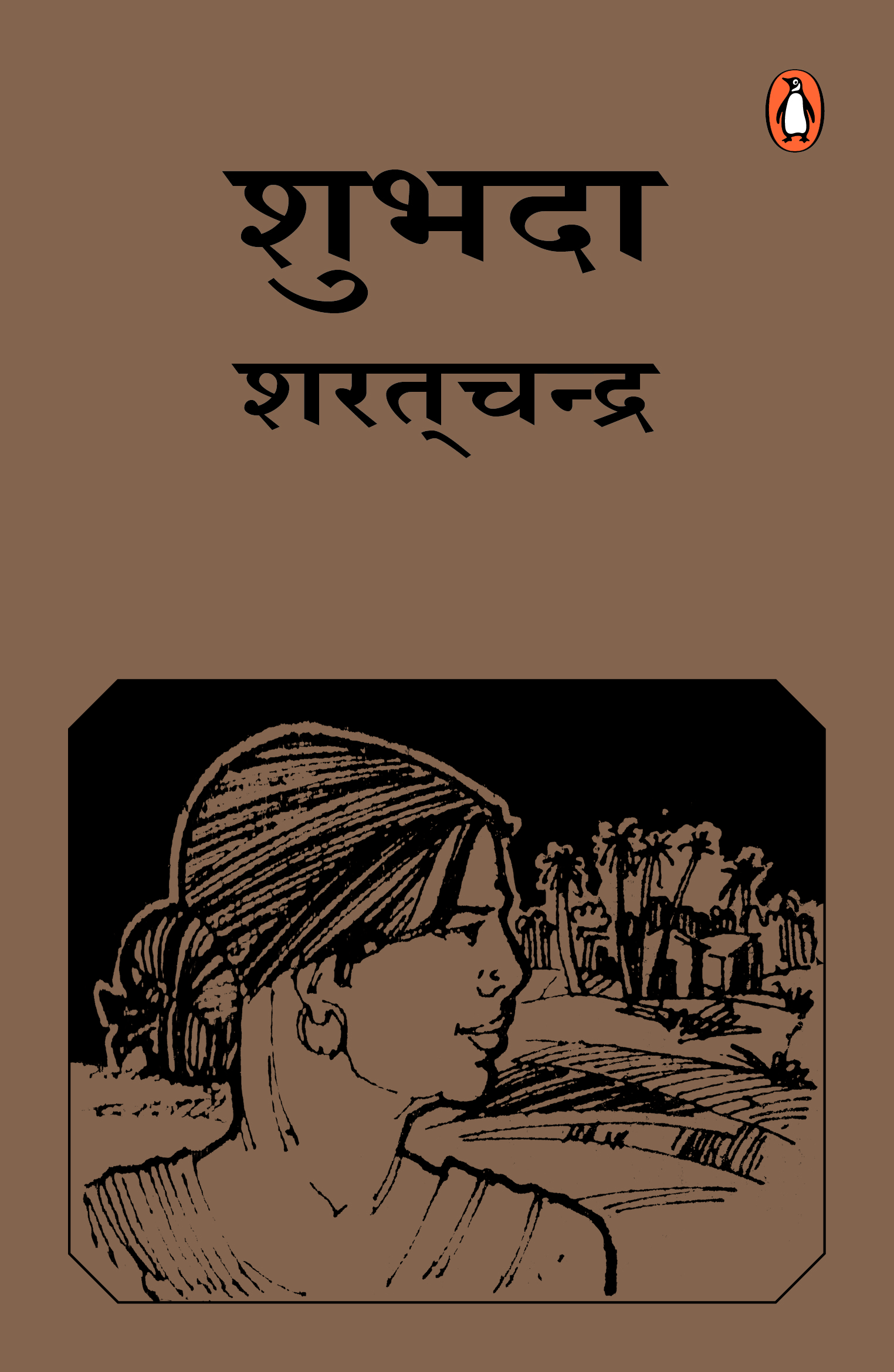
वह आकर बोला, अपने संदूक की चाभी दे।’ गला बड़ा मोटा था – भारी। अचानक, सुनते ही ख़्याल होता था, मानो कोशिश करके वह ऐसा भारी गले से बोल रहा था। शुभदा कुछ नहीं बोली।
उसने फिर वैसे ही स्वर में, लाठी को फिर एक बार ज़मीन पर पटककर कहा, ‘चाभी दे, नहीं तो गला दबाकर मार डालूँगा।’
अब शुभदा उठ बैठी । तकिए के नीचे से चाभियों का गुच्छा निकालकर पास ही फें ककर धीरे-धीरे शांत भाव से बोली, मेरे बड़े सन्दूक के दाहिनी ओर के खाने में पचास रुपए का नोट हैकृवही लेना। बाईं ओर विश्वनाथ बाबा का प्रसाद है, उसपर कहीं हाथ न डालना।’ जिस तरह शांत भाव से उसने यह सब कह डाला, उससे यह नहीं मालूम होता था कि उसे अब रत्तीभर भी डर लग रहा है। शुभदा एक ऐसी नारी की मार्मिक कथा है जो गरीबी की यातनाएंॅ भोगते हुए अपने नशेड़ी पति के प्रति समर्पिता ही नहीं, बल्कि स्वाभिमानिनी भी है – शुभदा और उसकी विधवा बेटी के माध्यम से शरत् बाबू ने नारी वेदना की गहन अभिव्यक्ति की है। संभवतया इसी कारण उन्हें ‘नारी वेदना का पुरोहित’ कहा जाता है।
Grihdah/गृहदाह
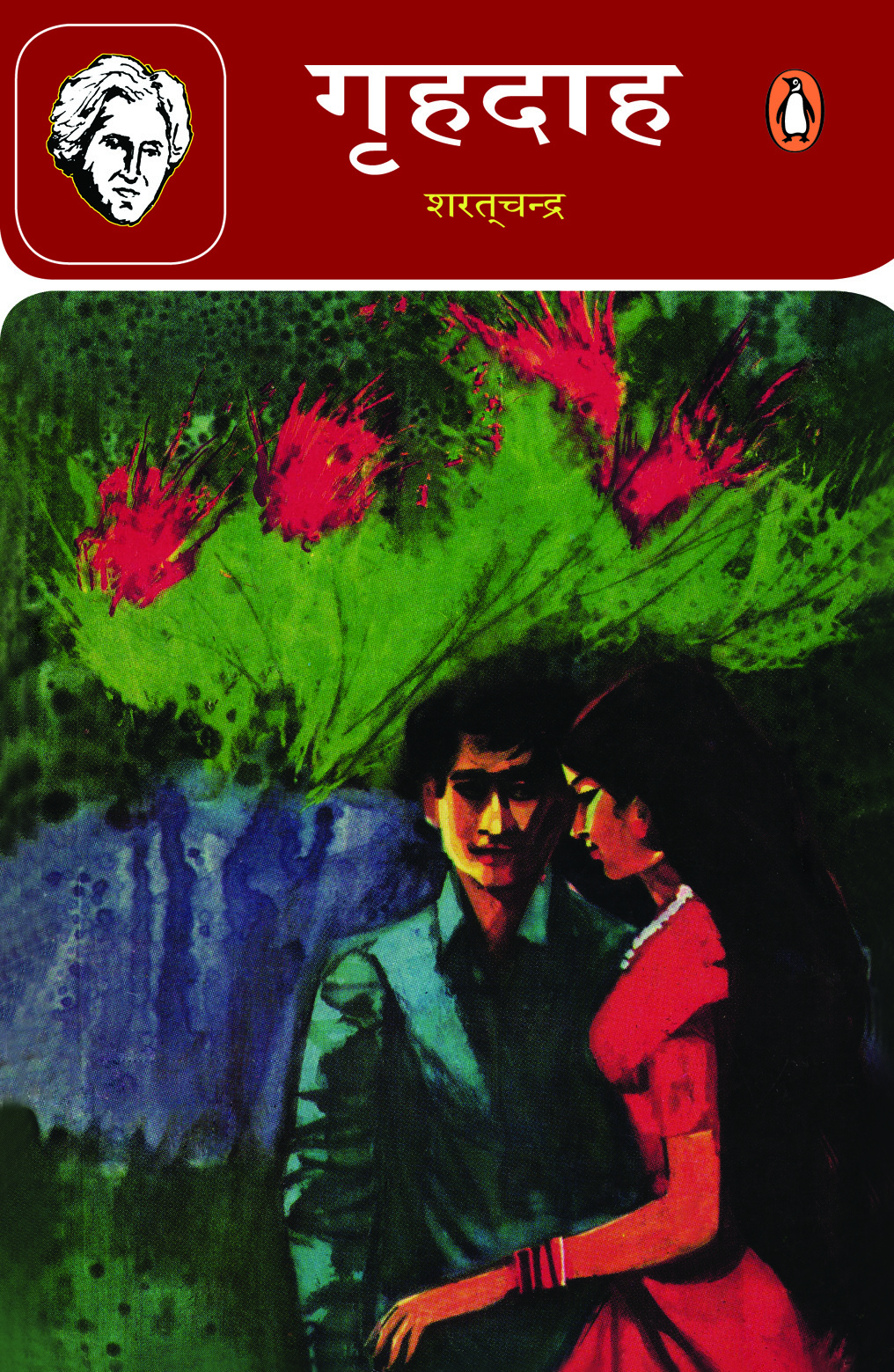
गृहदाह शरत् चन्द्र का 1919 में प्रकाशित एक चर्चित उपन्यास है। इसमें महिम, सुरेश और अचला की कहानी है। शरत् चंद्र ने इसमें हिंदू धर्म और ब्रह्म समाज के बीच उभर रहे विरोधाभास को उजागर किया है। यही कारण है कि यह कृति सामाजिक विसंगतियों, विषमताओं और विडम्बनाओं का चित्रण करनेवाली एक अनुपम कृति बन पड़ी है। यह उपन्यास एक ऐसी महान रचना है, जो लम्बे समय तक पाठक के मन को गुदगुदाती रहेगी, साथ ही एक नए कोण से सोचने के लिए भी विवश करेगी, क्योंकि इसमें धर्म एवं समाज के बीच मतभेद के अलावा एक प्रेममयी नारी के हृदय की विवशता का भी बड़ा ही अनोखा चित्र प्रस्तुत किया गया है।
The Death and Afterlife of Mahatma Gandhi (Hindi)/Mahatma Gandhi/महात्मा गांधी
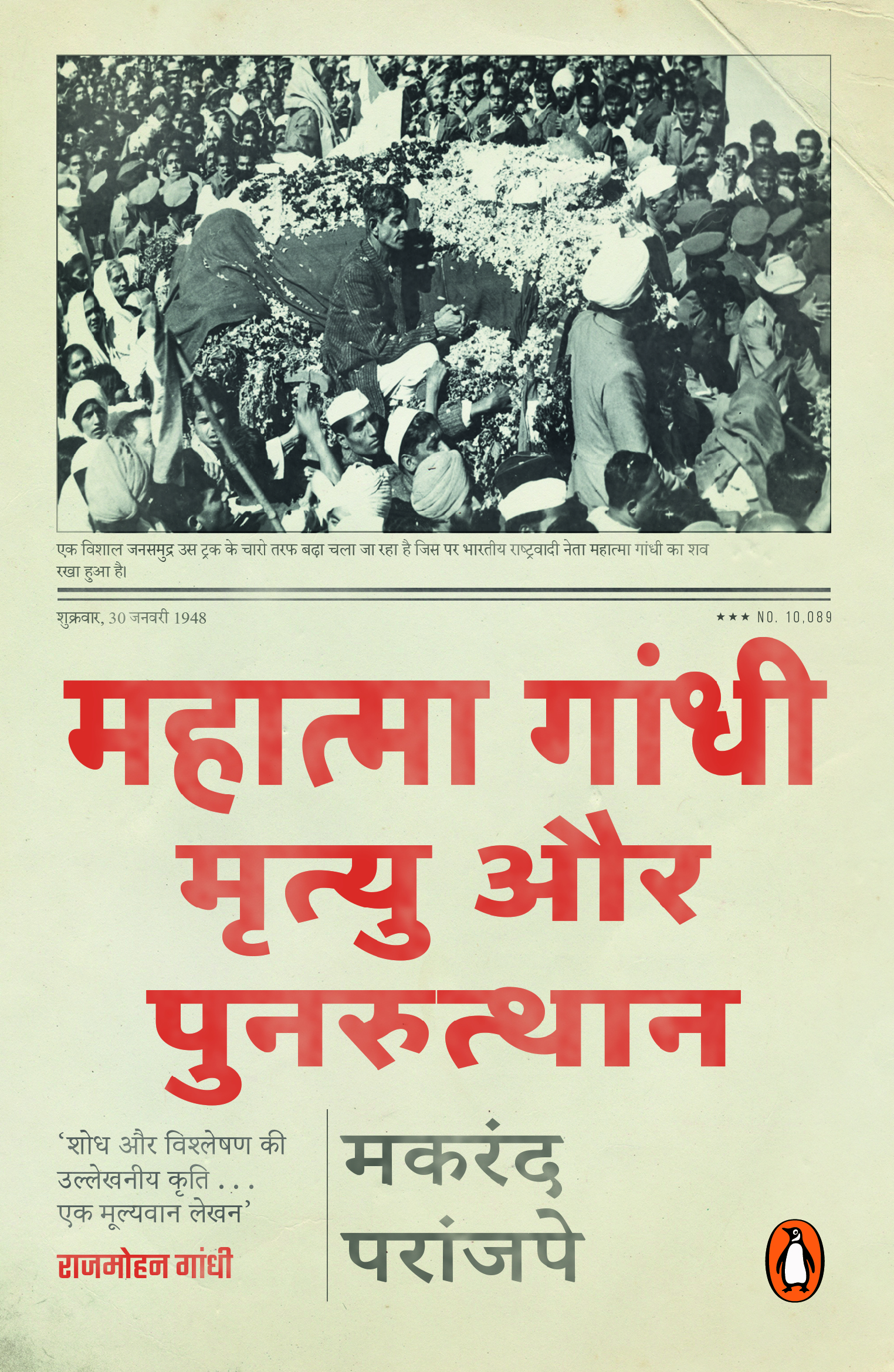
महात्मा गांधी की हत्या का एक गहन विश्लेषण। इसमें इस बात की व्याख्या है कि क्या यह सिर्फ एक सनकी की करतूत थी या पूरा समाज किसी न किसी रूप में इसके लिए अप्रत्यक्ष तरीके से जिम्मेवार था जिसका गांधी के मूल्यों में विश्वास कम हो रहा था? यह किताब गांधी के दिल्ली में आखिरी छह महीने के प्रवास पर आधारित है जहाँ उन्होंने अपने जीवन का आखिरी जादू गढ़ा था और वो था अपनी प्राणों की बलि देकर देश की एकता की रक्षा करना। यह किताब महात्मा के जीवन से सबक लेते हुए हमें अपनी गलतियों से रूबरू कराती है और पाश्चाताप की एक खिड़की मुहैया कराती है। यह गांधी की मृत्यु पर एक शानदार, दूरगामी और विद्वतापूर्ण शोध है।
Fool Me Twice

Since school, Sana has been the popular girl with excellent grades, beloved by both teachers and parents, living an enviable life. Sana and Ashish have been dating since the eleventh grade, sharing the kind of teenage romance that makes it to the bestsellers list, sells out theatres and causes their loveless friends to gag. Nothing, not even long-distance, can tear the two apart.
Except, maybe, a handsome, overachieving, book-reading senior from Sana’s college?
Pranav is the typical ‘cool guy’ sought after by the entire college. He also happens to be Sana’s new friend, Aanchal’s, brother. But he’s nothing more than a friend! Sana already has the best boyfriend in the world!
Correction: had, before a drunk driver on New Year’s Eve obliterated her happiness.
Set in New Delhi, Fool Me Twice is an unconventional story that will stump readers expecting a good, old romance trope. We meet and fall in love with a young couple planning their futures together when life rudely hijacks the steering wheel. Exploring the ways a twenty-year-old navigates grief and life after a loss that shatters most fifty-year-olds, Fool Me Twice looks at the complexity of falling in love ‘again’ at an age where most are falling for the first time, and what it feels like to move on from mourning one great love to make room for another.
Mastering the Data Paradox

There are two remarkable phenomena that are unfolding almost simultaneously. The first is the emergence of a data-first world, where data has become a central driving force, shaping industries and fueling innovation. The second is the dawn of the AI age, propelled by the advent of Generative AI, that has created the possibility to leverage the data of the world for the first time. The convergence of these two, with data as the common denominator, holds immense promise and the opportunities are boundless.
This book provides us with opportunities to push our thinking, to innovate, to transform and to create a better future at all levels—individual, enterprise and the world.