




गृहदाह शरत् चन्द्र का 1919 में प्रकाशित एक चर्चित उपन्यास है। इसमें महिम, सुरेश और अचला की कहानी है। शरत् चंद्र ने इसमें हिंदू धर्म और ब्रह्म समाज के बीच उभर रहे विरोधाभास को उजागर किया है। यही कारण है कि यह कृति सामाजिक विसंगतियों, विषमताओं और विडम्बनाओं का चित्रण करनेवाली एक अनुपम कृति बन पड़ी है। यह उपन्यास एक ऐसी महान रचना है, जो लम्बे समय तक पाठक के मन को गुदगुदाती रहेगी, साथ ही एक नए कोण से सोचने के लिए भी विवश करेगी, क्योंकि इसमें धर्म एवं समाज के बीच मतभेद के अलावा एक प्रेममयी नारी के हृदय की विवशता का भी बड़ा ही अनोखा चित्र प्रस्तुत किया गया है।
Catagory: Non Fiction
non fiction main category
The Death and Afterlife of Mahatma Gandhi (Hindi)/Mahatma Gandhi/महात्मा गांधी
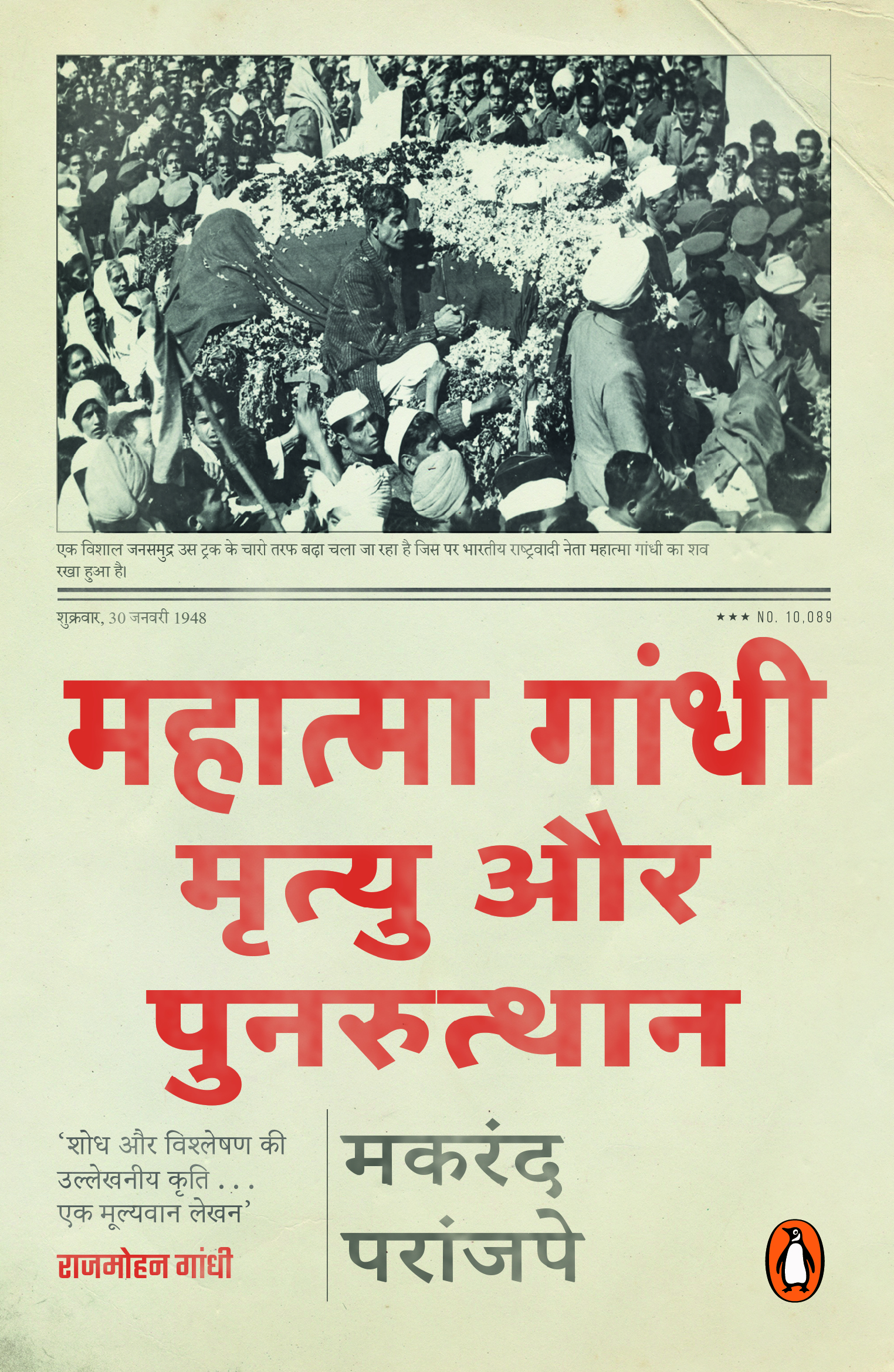
महात्मा गांधी की हत्या का एक गहन विश्लेषण। इसमें इस बात की व्याख्या है कि क्या यह सिर्फ एक सनकी की करतूत थी या पूरा समाज किसी न किसी रूप में इसके लिए अप्रत्यक्ष तरीके से जिम्मेवार था जिसका गांधी के मूल्यों में विश्वास कम हो रहा था? यह किताब गांधी के दिल्ली में आखिरी छह महीने के प्रवास पर आधारित है जहाँ उन्होंने अपने जीवन का आखिरी जादू गढ़ा था और वो था अपनी प्राणों की बलि देकर देश की एकता की रक्षा करना। यह किताब महात्मा के जीवन से सबक लेते हुए हमें अपनी गलतियों से रूबरू कराती है और पाश्चाताप की एक खिड़की मुहैया कराती है। यह गांधी की मृत्यु पर एक शानदार, दूरगामी और विद्वतापूर्ण शोध है।
Fool Me Twice

Since school, Sana has been the popular girl with excellent grades, beloved by both teachers and parents, living an enviable life. Sana and Ashish have been dating since the eleventh grade, sharing the kind of teenage romance that makes it to the bestsellers list, sells out theatres and causes their loveless friends to gag. Nothing, not even long-distance, can tear the two apart.
Except, maybe, a handsome, overachieving, book-reading senior from Sana’s college?
Pranav is the typical ‘cool guy’ sought after by the entire college. He also happens to be Sana’s new friend, Aanchal’s, brother. But he’s nothing more than a friend! Sana already has the best boyfriend in the world!
Correction: had, before a drunk driver on New Year’s Eve obliterated her happiness.
Set in New Delhi, Fool Me Twice is an unconventional story that will stump readers expecting a good, old romance trope. We meet and fall in love with a young couple planning their futures together when life rudely hijacks the steering wheel. Exploring the ways a twenty-year-old navigates grief and life after a loss that shatters most fifty-year-olds, Fool Me Twice looks at the complexity of falling in love ‘again’ at an age where most are falling for the first time, and what it feels like to move on from mourning one great love to make room for another.
Mastering the Data Paradox
We are living in extraordinary times—the AI age has truly dawned.
While the spotlight shines on Generative AI, a key factor behind its breakthrough has been the unprecedented growth of data over the past few years. In fact, data is the bedrock that enabled the advancements of the digital age and now powers the AI age.
It is not an exaggeration to say that to win in this new era, one must master data. However, data is not an easy puzzle to solve. Despite its transformative potential, its complexity can overwhelm enterprises and individuals alike. Amid the deluge of data, actionable insight remains scarce.
In this book, Nitin Seth argues that mastering the data paradox is necessary, especially as data is no longer merely an input but what makes AI actionable, trustworthy and scalable. He also presents a clear and practical framework to unlock its full potential for enterprises, individuals and nations alike.
Lilliput Land
India is already the world’s fifth-largest economy. Unlike most markets of its size, India is, and for a long time will be, driven by lots and lots of small consumers earning and spending just a little bit each, which adds up to an enormous amount. On the supply side, these consumers are served by numerous small, agile suppliers who challenge large companies by innovating to satisfy their price-performance demands. India’s vibrant digital revolution now offers the keys to cracking open this infamously tricky market. Digital business models will be the future of competition as they harness the power of the small and create large-scale businesses in the years to come. Lilliput Land provides a ‘people lens’ to understand the paradoxes and challenges that dot India’s market opportunity, and discusses the drivers and shapers of its future. A comprehensive three-part framework of structure-behaviour-supply discusses the present and future of India’s mega consumption story, the most exciting in the world, with over half of its GDP accounted for by domestic consumption.
Consumer India is ripe and waiting.
Breaking the Mould (Hindi)/Breaking the Mould/ब्रेकिंग द मोल्ड
आज का भारत किधर जा रहा है? क्या यह इंग्लैंड को पाँचवे पायदान से पछाड़कर आगे वाकई विकास की राह पर है या अपने लाखों-करोड़ों युवाओं को रोजगार देने में नाकामयाब हो रहा है? भारत आज चौराहे पर है। गलाकाट प्रतियोगिता और ऑटोमेशन इसके विनिर्माण क्षेत्र के लिए खतरा बन गए हैं। इस किताब में लेखकद्वय कह रहे हैं कि हम कैसे अपने मानव संसाधन पर ध्यान देकर और अपने मैनुफैक्चरिक सेक्टर को बढ़ाकर देश को तरक्की की राह पर ला सकते हैं। इसके लिए आर्थिक सुधार, संस्थाओं का लोकतांत्रिकरण और विकेंद्रीकरण पर ध्यान देना होगा।
India’s Finance Ministers
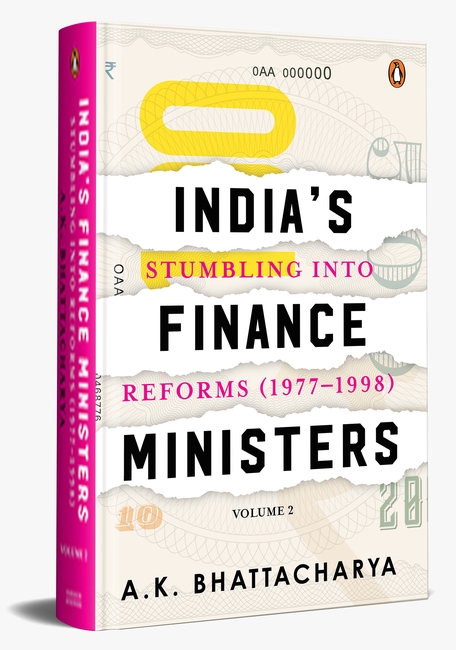
India’s Finance Ministers: Stumbling into Reforms (From 1977 to 1998) is the second volume in the series of books on some of India’s unforgettable finance ministers. Analysing the role of India’s finance ministers who managed India’s economy during one of its worst phases (post Emergency to the late 1990s), the book highlights the lasting impact they left on India’s political economy. This volume also provides a fascinating account of India’s economic history offering an incisive view of the key events in India’s journey from an closed, agrarian economy to a liberal economy.
Critically examining the decision making of the finance ministers , the book provides interesting insights into the relations between them and their prime ministers and to what extent these relations influenced their decisions.
Full of exciting stories, this is the ultimate work on the critical role finance minister plays in the functioning of an economy.
Charu, Chivar Aur Charya/चरु, चीवर और चर्या
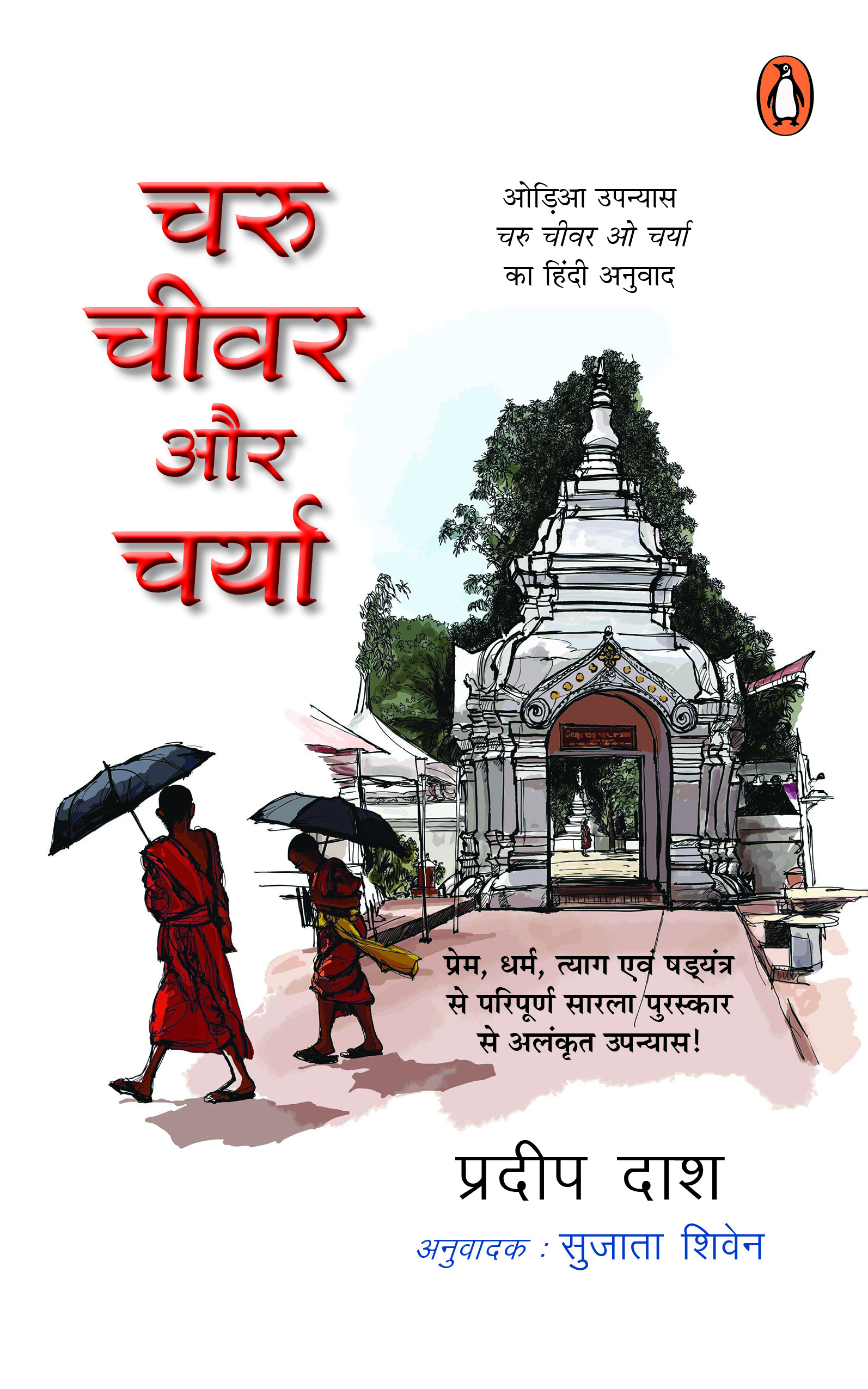
यह ऐतिहासिक उपन्यास आठवीं सदी के भौमकर राजवंश की एक कहानी है। यह एक विराट आख्यान है, जिसमें बौद्ध धर्म का उसकी ऊँचाइयों को छूना, उसकी साधना एवं परंपरा तथा उसे मिल रहा राज्याश्रय और उसका क्षरण सभी शामिल है।
उड़िया से हिंदी में अनुदित चरु, चीवर और र्चया एक क्लासिक श्रेणी का उपन्यास है जिसके मूल उड़िया संस्करण को उड़िशा में प्रतिष्ठित सरला पुरस्कार से सम्मानित किया जा चुका है।
Technical Analysis of the Financial Markets: A Comprehensive Guide To Trading Methods And Applications (Special Indian Edition)

THIS EDITION IS ONLY AVAILABLE FOR SALE IN THE INDIAN SUB-CONTINENT
John J. Murphy has updated his landmark bestseller Technical Analysis of the Futures Markets, to include all of the financial markets. This outstanding reference has already taught thousands of traders the concepts of technical analysis and their application in the futures and stock markets. Covering the latest developments in computer technology, technical tools, and indicators, the second edition features new material on candlestick charting, intermarket relationships, stocks and stock rotation, plus state-of-the-art examples and figures. From how to read charts to understanding indicators and the crucial role technical analysis plays in investing, readers gain a thorough and accessible overview of the field of technical analysis, with a special emphasis on futures markets. Revised and expanded for the demands of today’s financial world, this book is essential reading for anyone interested in tracking and analyzing market behavior.
Charles Duhigg Collection: The Power of Habit and Smarter Faster Better

The Power of Habit: Why We Do What We Do, and How to Change:
We can always change. In The Power of Habit, award-winning New York Times business reporter Charles Duhigg translates cutting-edge behavioural science into practical self-improvement action, distilling advanced neuroscience into fascinating narratives of transformation.
Smarter Faster Better: The Secrets of Being Productive:
Drawing on the very latest findings in neuroscience, psychology and behavioural economics, he demonstrates the eight simple principles that govern productivity. He demonstrates how the most dynamic and effective people – from CEOs to film-makers to software entrepreneurs – deploy them. And he shows how you can, too.