WITH A FOREWORD BY N.S. MADHAVAN
Seetha, an Indian national and a student at the University of Barcelona, arrives in Diyarbakir, Turkey, in search of her Kurdish lover Devran. Having just found out that she is pregnant, she is desperate to find Devran, who has mysteriously vanished.
Seetha discovers some disturbing truths upon her arrival. The state is trying to trap Devran and his family for alleged terrorist links. The region is in the midst of a harrowing conflagration, where state-sponsored killings, enforced disappearances, political vendettas and torture cells are the norm.
Seetha herself comes under surveillance of the Turkish security forces, who take her into custody and brutally torture her. In the scramble to rescue Sita from their clutches, many find themselves caught up in the conflict between the Kurds and the Turkish government.
Set against the 2015–16 Turkish repression of the Kurdistan movement, Zîn is a novel in which an ordinary love story between people of two different nationalities and cultures is flung into an unexpected, extraordinary political and historical setting. The pacey and emotionally stirring novel throws light on how governments reduce minority communities to a lower status and use them as a tool to seize power—a situation that’s become all too familiar across the world.

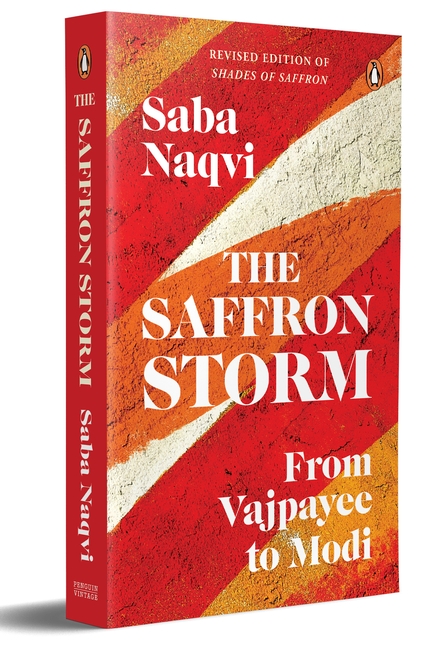
The Bharatiya Janata Party (BJP) enjoys a predominant position in Indian politics today. In its journey from coalition to single-party rule, the BJP has changed as much as India appears to have. Veteran journalist Saba Naqvi tells the story of the party’s journey under two very different prime ministers drawn from the same ideological family. In 1998, the author attended the very modest swearing-in ceremony of Atal Bihari Vajpayee in the courtyard of the Rashtrapati Bhavan. In 2014, she was at a mega event at the same venue
when Narendra Modi was sworn in.
The Saffron Storm is both a first-person account of racy events as they unfolded in the nation’s history and a work that raises larger analytical points about the BJP’s growth. It examines the role of the Rashtriya Swayamsevak Sangh cadre and its equations with elected leaders, the calibration of ideology, the issue of political finance and the social expansion of the party, as also the cults of personality that would emerge around, first, Vajpayee and then, more forcefully, around Modi. The book provides a riveting account of the party’s journey from ‘untouchability’ (when allies were unwilling to join) to its presumed ‘invincibility’ today.
This updated edition also describes the enforcement agencies’ action against the party’s opponents, the increasingly centralized command structure of the BJP and the implications of the delimitation exercise due in 2026. The Saffron Storm is a fascinating and readable dive into the contemporary history of the BJP.

‘काबुलीबाला’ में रवि बाबू की श्रेष्ठ कहानियां हैं। ये कहानियां विश्व के सर्वश्रेष्ठ कहानीकारों की रचनाओं के समकक्ष रखी जाती हैं। प्रत्येक कहानी मानवीय प्रेम को अपने में समेटे हुए है और पाठक के अन्तर्मन को झकझोर देती है। ‘काबुलीबाला’ पर एक प्रसिद्ध फिल्म बनी थी, जिसमें स्व. बलराज साहनी ने पठान की यादगार भूमिका निभाई थी।

Abbas is just seventeen years old when his gifts as a woodcarver come to the attention of Tipu Sultan. He is drawn into service at the palace to build a giant tiger automaton for Tipu’s sons, a gift to commemorate their return from British captivity. His fate—and the fate of the wooden tiger—will mirror the vicissitudes of nations and dynasties ravaged by war across India and Europe.
Working alongside the legendary French clockmaker Lucien du Leze, Abbas hones his craft, learns French, and meets Jehanne, the daughter of a French expatriate. When Du Leze is finally permitted to return home to Rouen, he invites Abbas to come along as his apprentice. But by the time Abbas travels to Europe, Tipu’s palace has been looted by British forces, and the tiger automaton has disappeared. To prove himself, Abbas must retrieve the tiger from an estate in the English countryside, where it is displayed as a part of a collection of plundered art.
A spellbinding historical novel set in the eighteenth century: a hero’s quest, a love story, the story of a young artist coming of age, and an exuberant heist adventure that traces the bloody legacy of colonialism across two continents and fifty years.

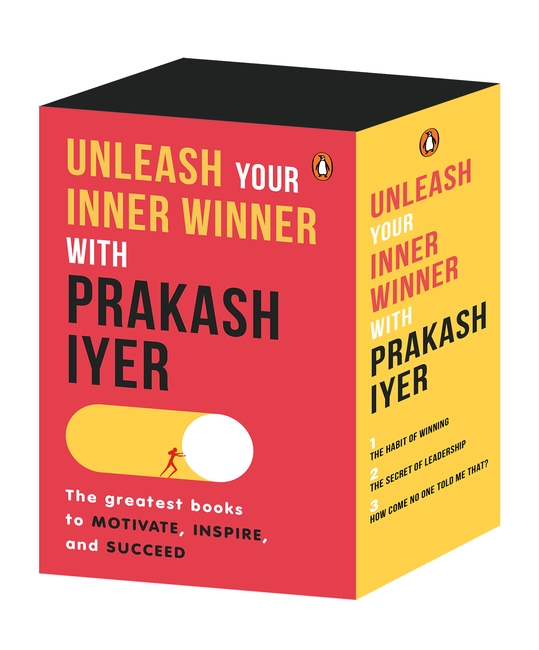
The Habit of Winning
The stories here range from cola wars to cricketing heroes, from Michelle Obama’s management techniques to Mahatma Gandhi’s generosity. There are life lessons from frogs and rabbits, sharks and butterflies, kites and balloons. Together they create a heady mix that will make the winner inside you emerge and grow.
The Secret of Leadership
This book uses simple but powerful anecdotes and parables from all over the world to demonstrate what makes for effective personal and professional leadership. Iyer draws lessons from sources as diverse as his driver, a mother giraffe, Abraham Lincoln and footballers in the United Kingdom.
He shows how an instinct to lead can be acquired even while flipping burgers at a fast-food chain. All of these stories come together in an explosive cocktail to unleash your inner leader.
How Come No One Told Me That
Human beings become better because of stories and real-life observations, which can help us get ahead in our careers and, in turn, enrich our lives.
Iyer shares stories and observations that have made an immense impact on his life. The book is divided into ten sections, exploring life lessons, ways of improving oneself, leadership and the importance of doing small things right, among other subjects.
MRP `

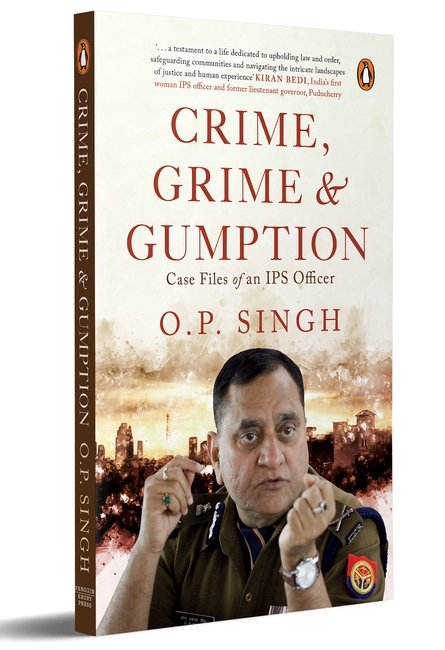
A 1983 batch Indian Police Service (IPS) officer, O.P. Singh donned various roles in the state and central services. Through his tenure, he witnessed several challenges, from the tackling of militancy in Kheri to managing disasters such as the April 2015 Nepal earthquake and the Srinagar and Chennai floods of 2014 and 2015, respectively. The Ayodhya verdict, Citizenship Amendment Act protests, the Kumbh Mela and Lok Sabha polls of 2019 all tested this officer’s mettle.
From the dusty plains of Gaya, Bihar, to the swampy and terror-infested wetlands of Lakhimpur Kheri, Uttar Pradesh, Crime, Grime and Gumption is an honest and hard-hitting account of law enforcement and governance in the Hindi belt of India. As the ‘policewallah’ gives you a peek into the world of the khaki in this memoir, you will be left thirsting for more.

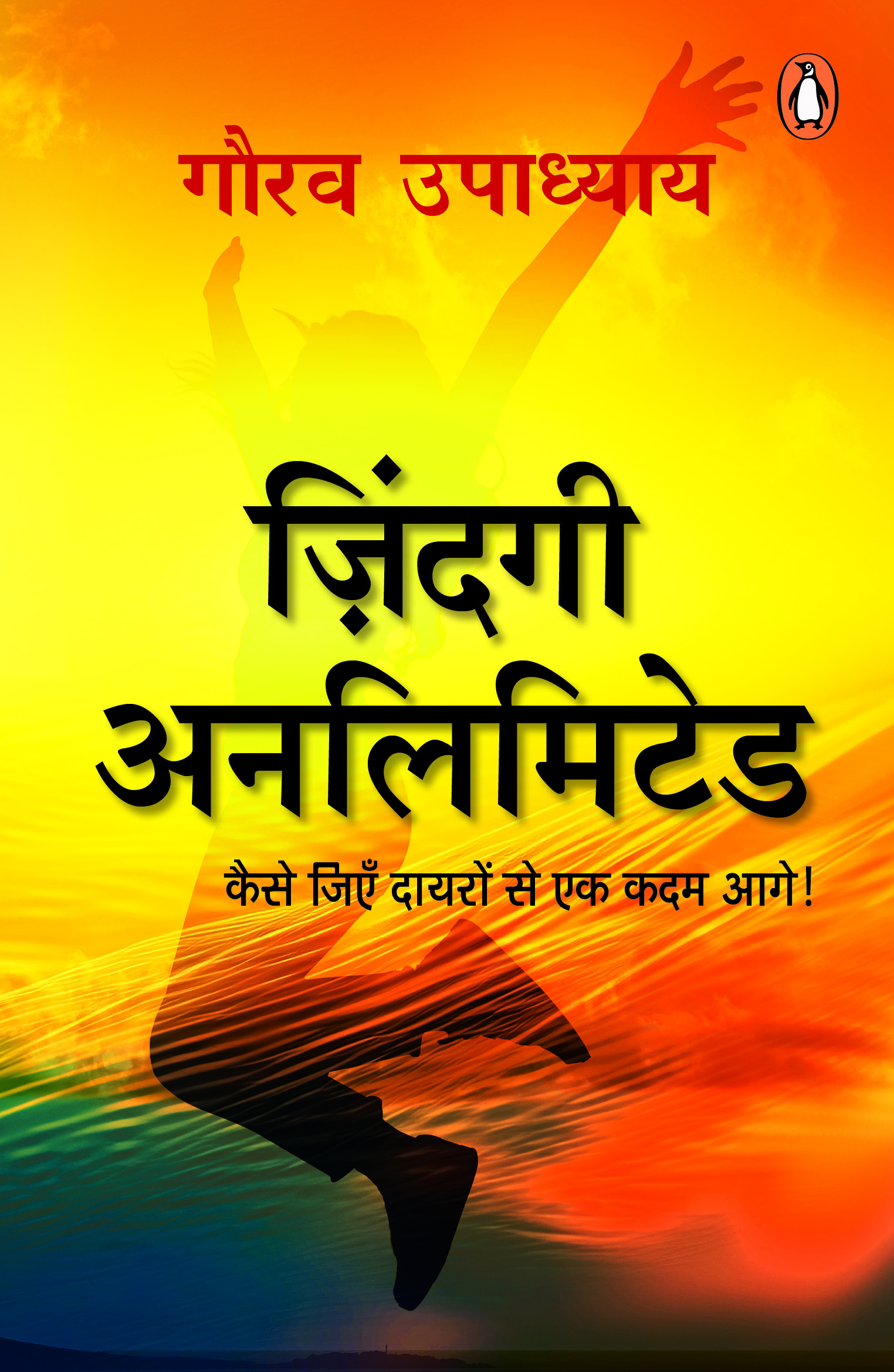
आख़िर क्यों हम अपने आप को परिस्थितियों में अटका हुआ पाते हैं?
आख़िर क्यों कुछ लोग हर तरह की सीमाओं को तोड़ पाते हैं?
आख़िर कैसे दायरों को तोड़ कर हासिल होती है एक असीमित ज़िंदगी?
इस पुस्तक में इन सवालों के जवाब समाहित हैं। यह पुस्तक, लेखक गौरव उपाध्याय पंद्रह वर्षों के अंतर्राष्ट्रीय कैरियर के अनुभव, 1000 से ज़्यादा लोगों से साक्षात्कार, सोशल मीडिया के ज़रिए जुड़े लाखों लोगों से सीखे गए सबक और जीवन के कई पहलुओं को नए नज़रिए से देखने की एक कोशिश का सार है।
खुद को बेहतर तरीके से जानने से लेकर अपनी नई कहानी लिखने तक, आप सीखेंगे की जीवन को कैसे आसान बनाया जाए? कैसे अपने माइंड-सेट को बदलकर नए जीवन की संकल्पना कैसे करें? दुख और पीड़ा को गले लगाकर खुद को नया जीवन कैसे दिया दें? समय की सीमाओं को कैसे समझें और टाइम-मैनेजमेंट को नए दृष्टिकोण से कैसे देखें?
इस पुस्तक में आपको वास्तविक जीवन से व्यावहारिक उदाहरण और दिल को छू लेने वाली सच्ची कहानियों के संदर्भ मिलेंगे। इस किताब के साथ आप खुद से भी संवाद कर सकेंगे। ज़िंदगी अनलिमिटेड आसमान से भी ऊँची उड़ान भरने के आपके प्रयास में आपकी मार्गदर्शक है और आपकी सबसे अच्छी दोस्त भी।

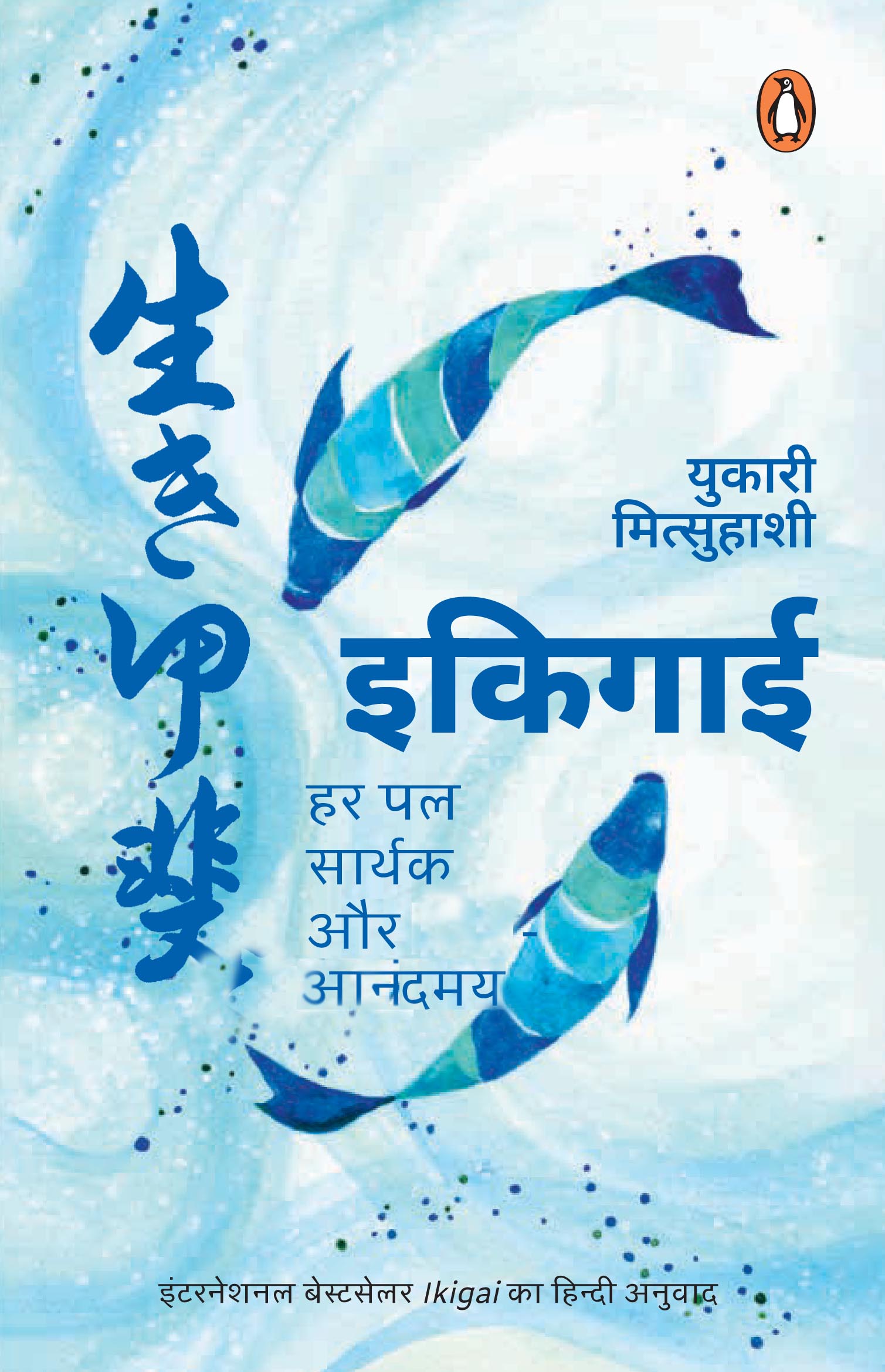
इकिगाई एक पारंपरिक जापानी अवधारणा है, जीवन जीने की कला सिखाती है। यह पुस्तक आपकी इकिगाई को खोजने, आपके उद्देश्य या जुनून को पहचानने और इस ज्ञान का उपयोग करके अपने जीवन में वृहत्तर खुशी हासिल करने के बारे में है। यह जरूरी नहीं है कि आपकी इकिगाई कोई बड़ी महत्वाकांक्षा या जीवन का कोई अति महान उद्देश्य हो : यह कुछ सरल और सादगी भरा हो सकता है, जैसे अपने बगीचे की देखभाल करना या अपने कुत्ते को घुमाना। जापान में पली-बढ़ी होने के कारण, युकारी मित्सुहाशी स्वयं ही इस बात को समझती हैं कि जापानी लोगों के लिए इकिगाई का क्या मतलब है। यह पुस्तक आपको अपने जीवन की हर छोटी बात पर ध्यान देने एवं रोजमर्रा के क्षणों का महत्व समझने के लिए प्रोत्साहित करती है क्योंकि आप अपनी खुद की इकिगाई को पहचानना सीख रहे होते हैं। इस पुस्तक में एथलीटों से लेकर लेखकों और व्यवसायियों तक अपनी इकिगाई को साझा करने वाले विभिन्न व्यक्तियों के केस अध्ययन शामिल हैं। अपने आश्चर्यजनक रूप से सरल दर्शन और मुक्तिदायक अवधारणाओं के साथ, यह खूबसूरती से प्रस्तुत पुस्तक एक मार्गदर्शक होगी जिसे आप बार-बार पढ़ना चाहेंगे।

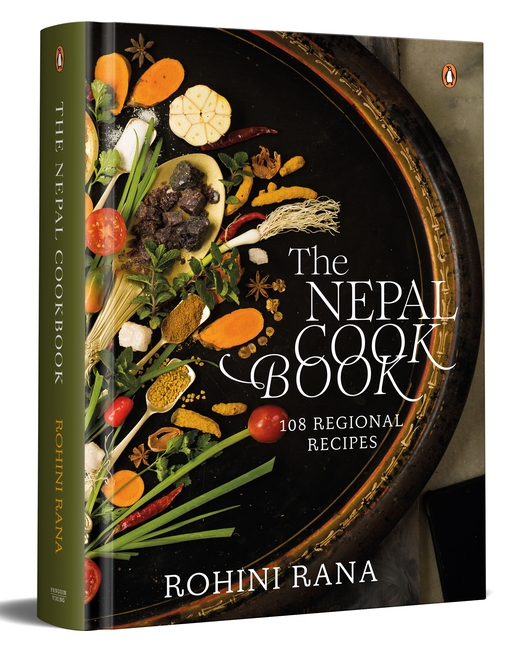
Not many people are aware that a small country like Nepal is home to incredibly diverse culinary traditions. Each community in this beautiful country has nurtured a unique culinary legacy influenced by geographic and climatic conditions on one hand and their individual cultural heritage on the other. This is true of the Sherpas and the Thakalis from the Himalayan mountain ranges, the Brahman, Chetri, Gurung, Tamang, Newar and Kirati communities in the lower mountain ranges to the Tharus and the Madeshis in the Terai jungles in the south.
Rohini Rana, food connoisseur and the author of The Rana Cookbook, has travelled the length and breadth of Nepal interacting with different ethnic communities and recording in painstaking detail their recipes and knowledge of food and nutrition. The result is this remarkable book featuring a carefully curated selection of 108 recipes, each accompanied by stunning photographs. Its purpose is to offer readers a glimpse into the kaleidoscope that is Nepali cuisine. From the delicious rikikur (potato pancake) and the Newari Haans Ko Choela (barbecued tempered duck) to the lip-smacking momos, this book takes you on a captivating journey across Nepal—a journey that nourishes both your belly and your soul.

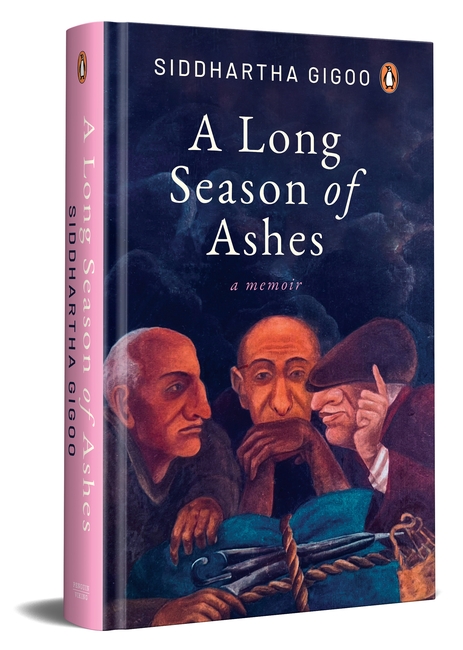
In March 1990, sixteen-year-old Siddhartha Gigoo is forced to flee his home in Safa Kadal, Srinagar, Kashmir. The preceding days have been full of fear and horror for the Gigoos—having seen friends and neighbours killed outside their homes. They could be next if they don’t leave. But they want to stay, even when faced with a looming threat to their lives. Siddhartha thinks his leaving is temporary and that he will be back home soon. Little does he know that his fate is sealed.
What follows is a long, dark time—a camp existence and a struggle for survival.
Thirty-four years on, Siddhartha chronicles the story of his flight from Kashmir and an entire youth spent in exile.
A meditation on the nature of memory, A Long Season of Ashes is a book about a boy’s journey of self-discovery.