



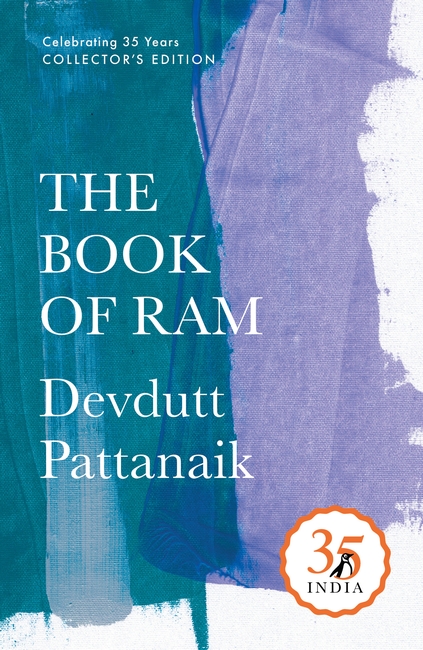
e is Eka-vachani, a king who always keeps his word; Eka-bani, an archer who strikes his target with the first arrow; and Eka-patni, a husband who is eternally and absolutely devoted to a single wife. He is maryada purushottam Ram, the supreme upholder of social values, the scion of the Raghu clan, jewel of the solar dynasty, the seventh avatar of Vishnu, God who establishes order in worldly life. Hindus believe that in stressful and tumultuous times chanting Ram’s name and hearing his tale, the Ramayan, brings stability, hope, peace and prosperity. Reviled by feminists, appropriated by politicians, Ram remains serene in his majesty, the only Hindu deity to be worshipped as a king.
Catagory: Non Fiction
non fiction main category
Penguin 35 Collectors Edition: Everybody Loves a Good Drought
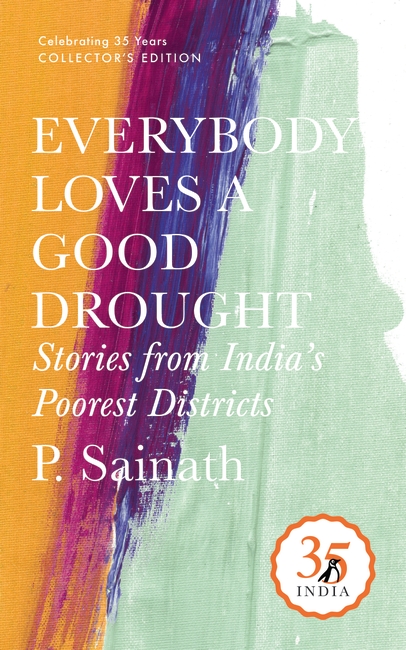
A CLASSIC OF REPORTAGE FROM RURAL INDIA BY AWARD-WINNING AUTHOR, WITH A FOREWORD BY GOPALKRISHNA GANDHI
Acclaimed across the world, prescribed in over 100 universities and colleges, and included in part in The Century’s Greatest Reportage (Ordfront, 2000), alongside the works of Gabriel Garcia Marquez, Studs Terkel and John Reed, Everybody Loves a Good Drought is the established classic on rural poverty in India. Twenty years after publication, it remains unsurpassed in the scope and depth of reportage, providing an intimate view of the daily struggles of the poor and the efforts, often ludicrous, made to uplift them.
An illuminating introduction accompanying this twentieth-anniversary edition reveals, alarmingly, how a large section of India continues to suffer in the name of development so that a small percentage may prosper. Besides exposing chronic misgovernance, it is also a devastating comment on the media’s failure to speak for the voiceless.
Zikr
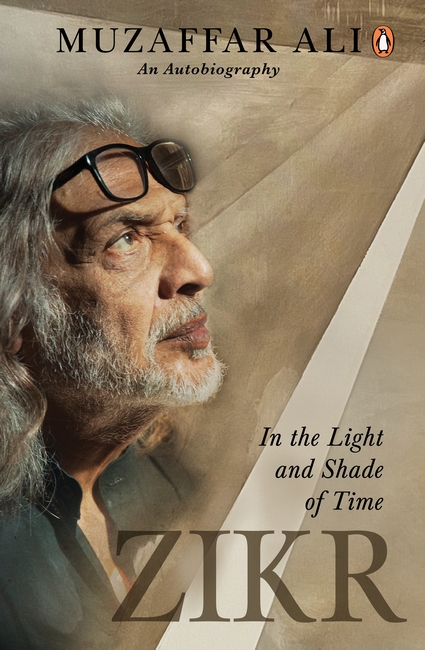
Internationally renowned, Muzaffar Ali has donned many hats in his lifetime. The scion of the princely house of Kotwara, the boy Muzaffar was shaped by the changing post-Partition India. Having studied science at Aligarh University, he started his career in an advertisement agency in Calcutta, worked with the nascent Air India and then ventured on a journey that produced cinematic masterpieces like Umrao Jaan. Along the way, his path collided with many-from Satyajit Ray to Faiz Ahmad Faiz-and he has cultivated many a passion, whether for cars or couture.
His autobiography is a peek into this wealth of experience-a close look at Ali, prince, poet, philosopher, film-maker, automobile aficionado and artist. Zikr is also a rich interior portrait of an artist, as Ali takes us behind the scenes of films like Anjuman and Gaman, speaking of the sensibilities that shaped them and the influences on his work. Above all, this is a book that resounds with a deep love for life.
Whether you’re looking for inspiration, seeking to venture off the beaten track of Bollywood or wishing to bite into a slice of erstwhile Awadhi culture, Zikr has something to offer all.
Caveman’s Secret Sauce
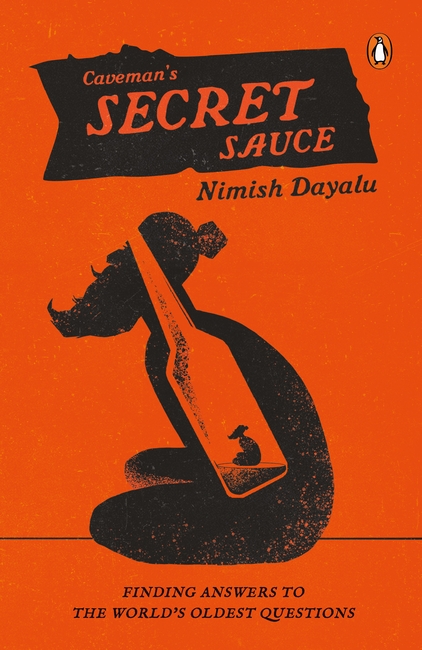
What if, one day, you find yourself in a Himalayan cave, far away from the world? For Jeet, this is a choice he made after leaving city life behind.
One evening, a strange man called Adi, who does mysterious things, makes his way into Jeet’s cave. The two develop a friendship that will help Jeet unravel the secrets of the wild. In his pursuit to grow, Jeet travels to a mountain village that has been untouched by time and then up a sacred mountain, meeting some fascinating characters along his journey. On this quest from the surreal to the supernatural, Jeet untangles some of the most complex mysteries of the world, which often kept him awake at night in the city.
Intriguing, adventurous and containing the pearls of forgotten ancient Indian myths and legends, Caveman’s Secret Sauce has the right ingredients that are missing in society today.
Our Hindu Rashtra
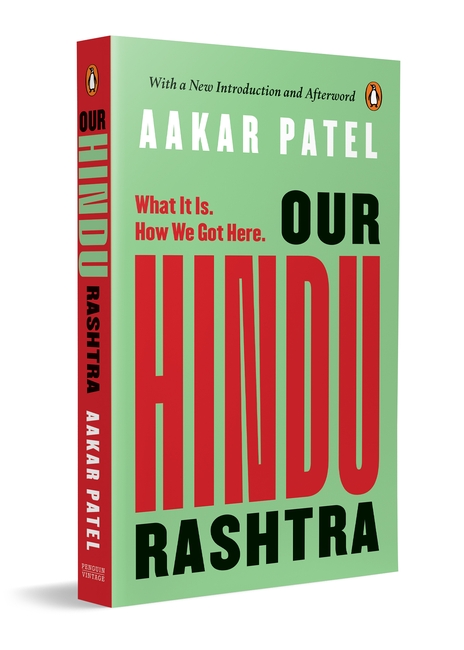
India has taken so sharp a turn in recent years that the very centre has shifted considerably. What led to this swing? Is it possible to trace the path to this point? Is there a way back to the just, secular, inclusive vision of our Constitution-makers?
This country has long been an outlier in its South Asian neighbourhood, with its inclusive Constitution and functioning democracy. The growth of Hindutva, in some sense, brings India in line with the other polities here. In Our Hindu Rashtra, writer and activist Aakar Patel peels back layer after layer of cause and effect through independent India’s history to understand how Hindutva came to gain such a hold on the country. He examines what it means for India that its laws and judiciary have been permeated by prejudice and bigotry, what the breach of fundamental rights portends in these circumstances, and what the all-round institutional collapse signifies for the future of Indians.
Most importantly, Patel asks and answers that most important of questions: What possibilities exist for a return? Thought-provoking and pulling no punches, this book is an essential read for anyone who wishes to understand the nature of politics in India and, indeed, South Asia.
Lata
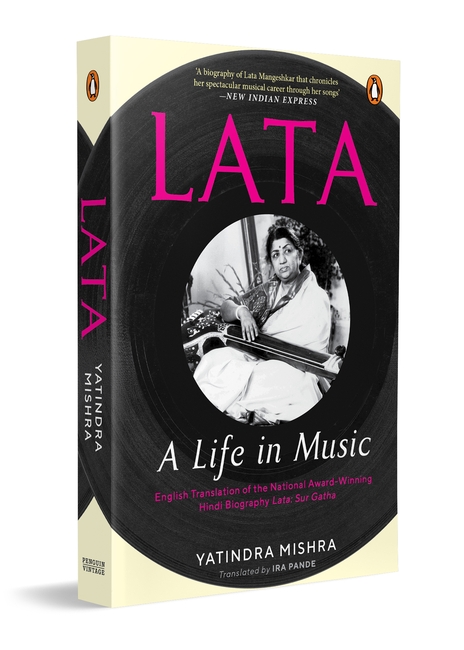
An ode to the majestic life of the late Lata Mangeshkar, Lata: A Life in Music celebrates art in its totality and tells the life story of India’s most loved vocal artists. The result of Yatindra Mishra’s decade-long dialogue with the great singer, it also explores the lesser-known aspects of the great artist, introducing the readers to Lata Mangeshkar as an intellectual and cultural exponent and providing a rare glimpse into the person behind the revered enigma.
At the confluence of cinema, music and literature, this is the most definitive biography of the voice of the nation that also documents sociocultural changes from the late British era through post-Independent India right up to the twenty-first century. This is the story of the various myths, mysteries, truths and contradictions which make a human an icon and also make an icon incredibly humane.
Why I Write
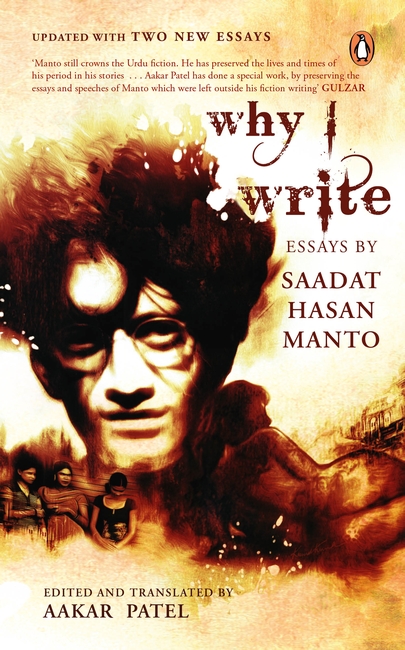
One of the greatest raconteurs of 20th century, Saadat Hasan Manto declared that he was forced to write when his wife routinely demanded that he put bread on the table for the family. He didn’t attribute any genius to his skills as a writer and convinced his readers that the stories flowed even as he minded his daughters or tossed a salad. Equally, Manto treated his tryst with Bollywood with disdain and unmasked the cardboard lives of tinsel town when a horse was painted to double up for a zebra or multiple fans rotate to create a deluge.
In these essays, two of Manto’s favourite and recurring themes-women and Partition-find special mention as he brings to focus the bizarre morality in the context of feminine beauty and the futile presence of religiosity in the creation of a nation he was to adopt later in life. For the first time ever, this unique collection of nonfiction writing from the subcontinent’s greatest writer, translated by well known author and journalist, Aakar Patel, showcases Saadat Hasan Manto’s brilliance while dealing with life’s most mundane things-graveyards, bumming cigarettes, a film crew with motley characters from mythology and a sharp dissection of what ails the subcontinent even after six decades, Hindi or Urdu, vile politicians and the hopelessness of living under the shadow of fear.
The Book of Dals
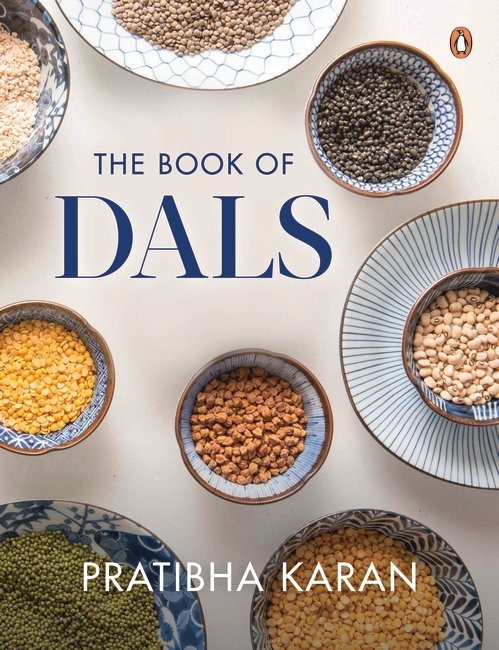
Dals have been an essential part of the human diet for centuries and they are an integral part of Indian cuisine. There are many enticing varieties of dals to choose from.
Pratibha Karan, in The Book of Dals, takes you on an incredible journey to different regions of the country and shows how locally available spices and herbs, vegetables and fruit impact the food of that region. The variety of dals and dal-based dishes that you can make with these are phenomenal and mind-boggling.
This book offers many varieties of beautiful, fragrant and beguiling dals that will have anyone savouring them in raptures. From the southern India, you will find Telangana Sambar, Khatti Dal and Dalcha with Vegetables and Meat. They are made using delicious combinations of chillies, tamarind, cloves, cardamom, pepper, coconut, curry leaves and drumsticks. It also has recipes such as Kootu from Tamil Nadu and the famous Bisi Bele Huliyana from Karnataka.
You will also find Lentils in Coconut Milk, Katachi Amti and Moong Sprouts from Maharashtra, and Dhansak, a Parsi dish, from Gujarat in western India. Dals from eastern India such as Chana Dal Bengali-style and Assamese Mati Maa are included. From the northern India, Delhi Rajma and Punjabi Dal Makhani find a place in the book.
This book is not limited by borders. It includes exotic dal recipes from the neighbouring countries like Nepal and Sri Lanka, and some delicious and wholesome dal-based soups too.
India in Search of Glory
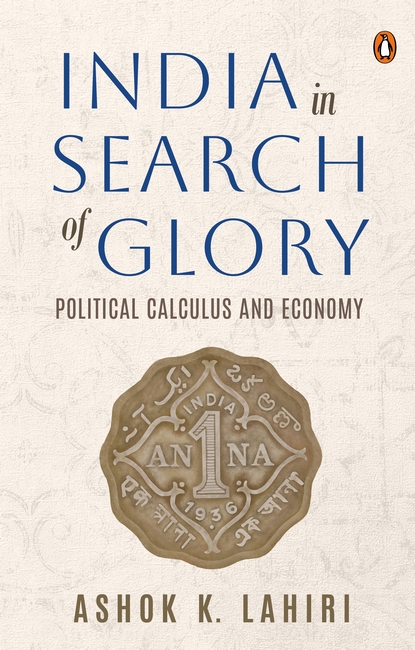
India and the Indians have made some progress in 75 years after Independence. The number of literates has gone up. The Indians have become healthier and their life expectancy at birth has gone up. The proportion of people below the poverty line has also halved. But the shine from the story fades when India is compared with that of the East Asian Tigers and China. It looks good but not good enough. India looks far away from the glory it seeks. This issue forms the core subject matter of this book. It tries to argue why India could not achieve more and what all it could have achieved. It paints a picture of its possible future and highlights the areas that need immediate attention.
Manjhi’s Mayhem: Longlisted for the JCB Prize for Literature 2023
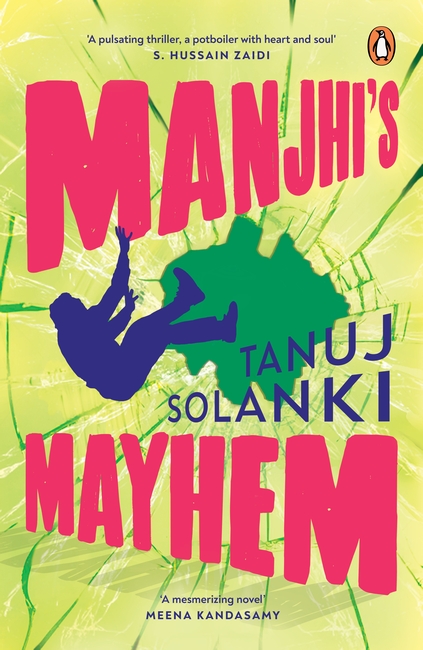
Introducing Sewaram Manjhi in this explosive novel that combines a tight mystery and an anti-hero who refuses to back down.
Sewaram Manjhi works as a security guard outside a posh Bombay café. On the surface, he’s not unlike millions of invisible Indians who make the city tick, but there is a difference: he holds rage in his heart, and he will go to any length to snatch a chunk of the good life. Enter Santosh, hostess at the restaurant across the street. A damsel in distress, Santosh has a strange request for Manjhi, and far be it from him to say no. What follows is tabaahi – mayhem – as Manjhi finds himself caught in a web of lies and deceit, and on the trail of a bag full of money that will lead to broken noses, bloody heads, sex, seduction, and murder. If he succeeds, Manjhi might finally discover what it means to be in control of one’s destiny in a land where birth determines fate.