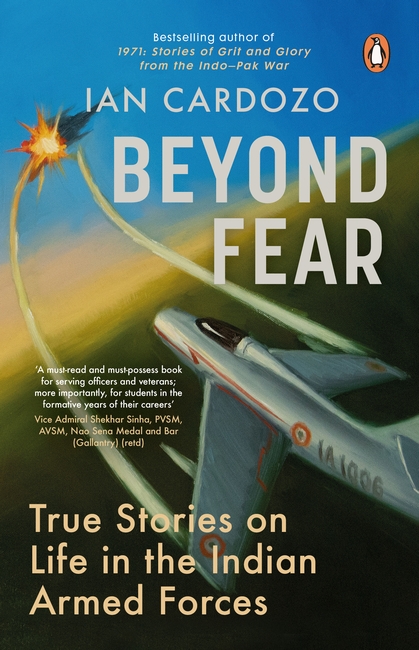
A story from a third-generation soldier of the 1st Battalion, the 5th Gorkha Rifles (FF) who was killed in combat.
A ghost story narrated to the author by an officer of the Garhwal Rifles while on a visit to Lansdowne.
A gripping account of the air raid on Pakistan’s airfield at Sargodha in 1965 led by Wing Commander O.P. Taneja, VrC.
These are some of the stories featured in Major General Ian Cardozo’s book Beyond Fear, stories that inform the reader that fear is not exceptional. It is common to all human beings. The question is: Do we face fear or run away from it? Through these thirteen stories, he reveals to the reader how military personnel conquer fear. He calls it ‘biting the bullet’.
Through the twists and turns of his stories, he brings out how honour, love, courage, trust, hope, faith and loyalty help the soldier in his quest to conquer fear and that these very qualities can help the reader deal with fear in their everyday lives. These stories also show that real life can sometimes be stranger than fiction.

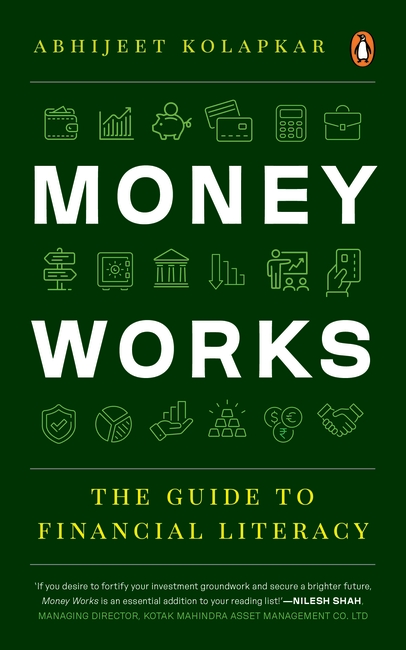
If you are clueless at the end of every month about where your hard-earned money has gone and if you are ready to achieve financial success-this book is for you!
Instead of focusing on ‘How big should your income be?’, Money Works gives excellent tips on how to save intelligently, how you can achieve your life goals with careful financial planning, how to manage your debts and insurance, how to make your hard-earned money grow through investments and finally, how to live a happy and contented life!
Abhijeet Kolapkar, who has been in the field of finance for many years, has tried to simplify and present financial terms in a simple and interesting way. Through this book, readers will understand the basics of personal finance as well as the central role of money in their life.

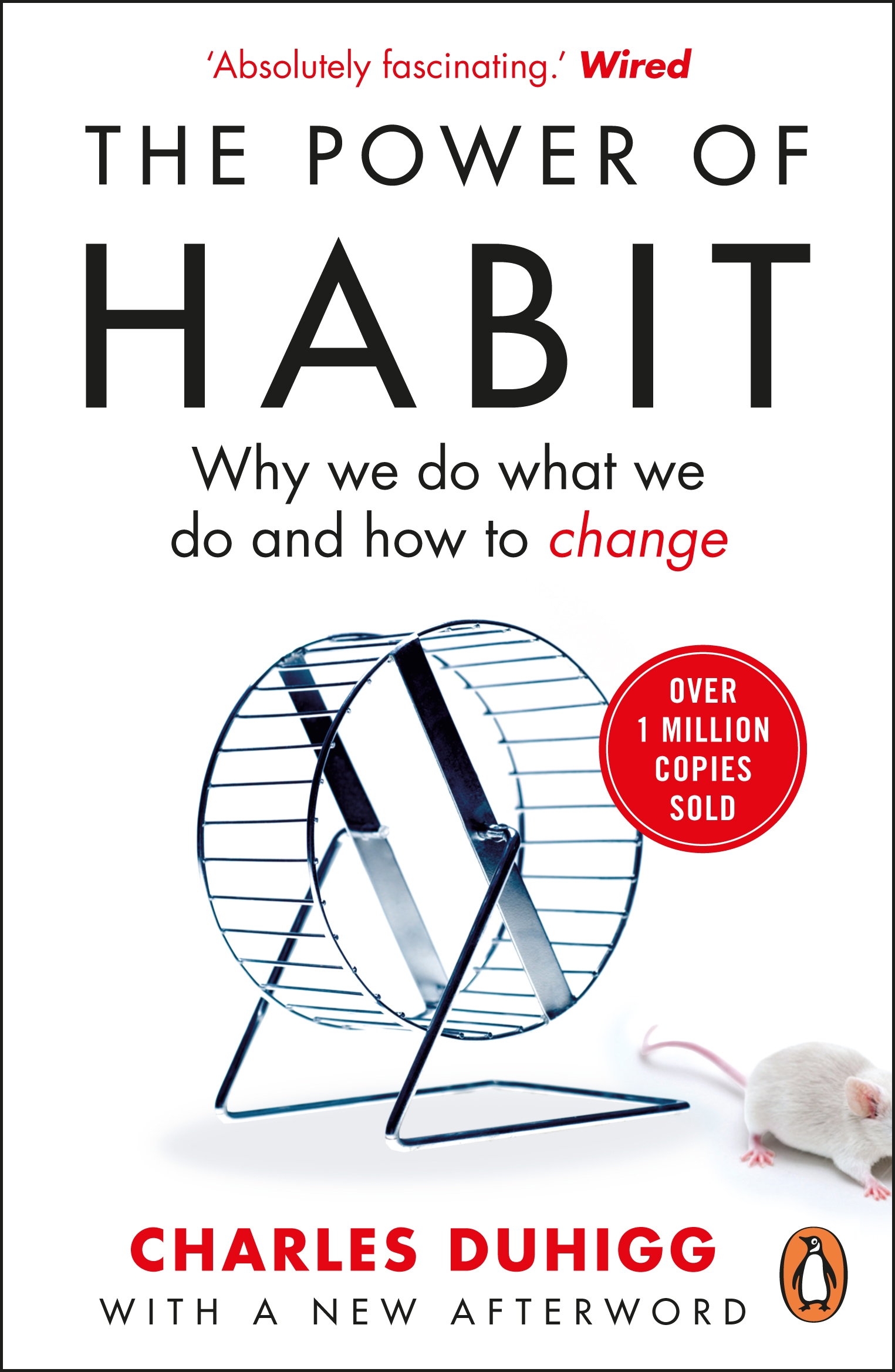
There’s never been a better time to set new habits. This book will change your life.
In The Power of Habit, award-winning journalist Charles Duhigg takes us into the thrilling and surprising world of the scientific study of habits.
He examines why some people and companies struggle to change, despite years of trying, while others seem to remake themselves overnight. He visits laboratories where neuroscientists explore how habits work and where, exactly, they reside in our brains. And he uncovers how the right habits were crucial to the success of Olympic swimmer Michael Phelps, Starbucks CEO Howard Schultz, and civil-rights hero Martin Luther King, Jr.
The result is a compelling argument and an empowering discovery: the key to exercising regularly, losing weight, raising exceptional children, becoming more productive or even building revolutionary companies is understanding how habits work. By harnessing this new science, we can transform our businesses, our communities, and our lives.
______________________________
‘[An] essential manual for business and living.’ Andrew Hill, Financial Times
‘Once you read this book, you’ll never look at yourself, your organisation, or your world quite the same way.’ Daniel H. Pink
‘This is a first-rate book – based on an impressive mass of research, written in a lively style and providing just the right balance of intellectual seriousness with practical advice on how to break our bad habits.’ The Economist

THE PHENOMENAL INTERNATIONAL BESTSELLER: OVER 15 MILLION COPIES SOLD WORLDWIDE
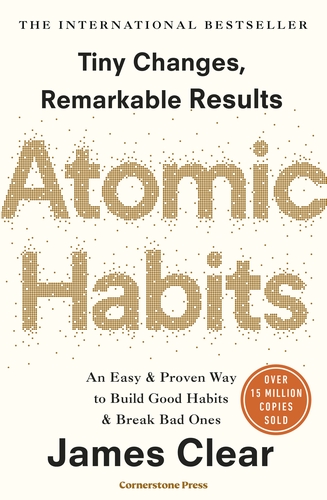
Transform your life with tiny changes in behaviour, starting now.
People think that when you want to change your life, you need to think big. But world-renowned habits expert James Clear has discovered another way. He knows that real change comes from the compound effect of hundreds of small decisions: doing two push-ups a day, waking up five minutes early, or holding a single short phone call.
He calls them atomic habits.
In this ground-breaking book, Clears reveals exactly how these minuscule changes can grow into such life-altering outcomes. He uncovers a handful of simple life hacks (the forgotten art of Habit Stacking, the unexpected power of the Two Minute Rule, or the trick to entering the Goldilocks Zone), and delves into cutting-edge psychology and neuroscience to explain why they matter. Along the way, he tells inspiring stories of Olympic gold medalists, leading CEOs, and distinguished scientists who have used the science of tiny habits to stay productive, motivated, and happy.
These small changes will have a revolutionary effect on your career, your relationships, and your life.
________________________________
A NEW YORK TIMES AND SUNDAY TIMES BESTSELLER
Number 1 Sunday Times bestseller, August 2023
New York Times bestseller, April 2024
Atomic Habits has sold over 1 million copies in all formats [Nielsen BookScan UK and Circana Bookscan US, April 2024]

‘It all starts with waking up… to what our bodies are expressing and our minds are suppressing’
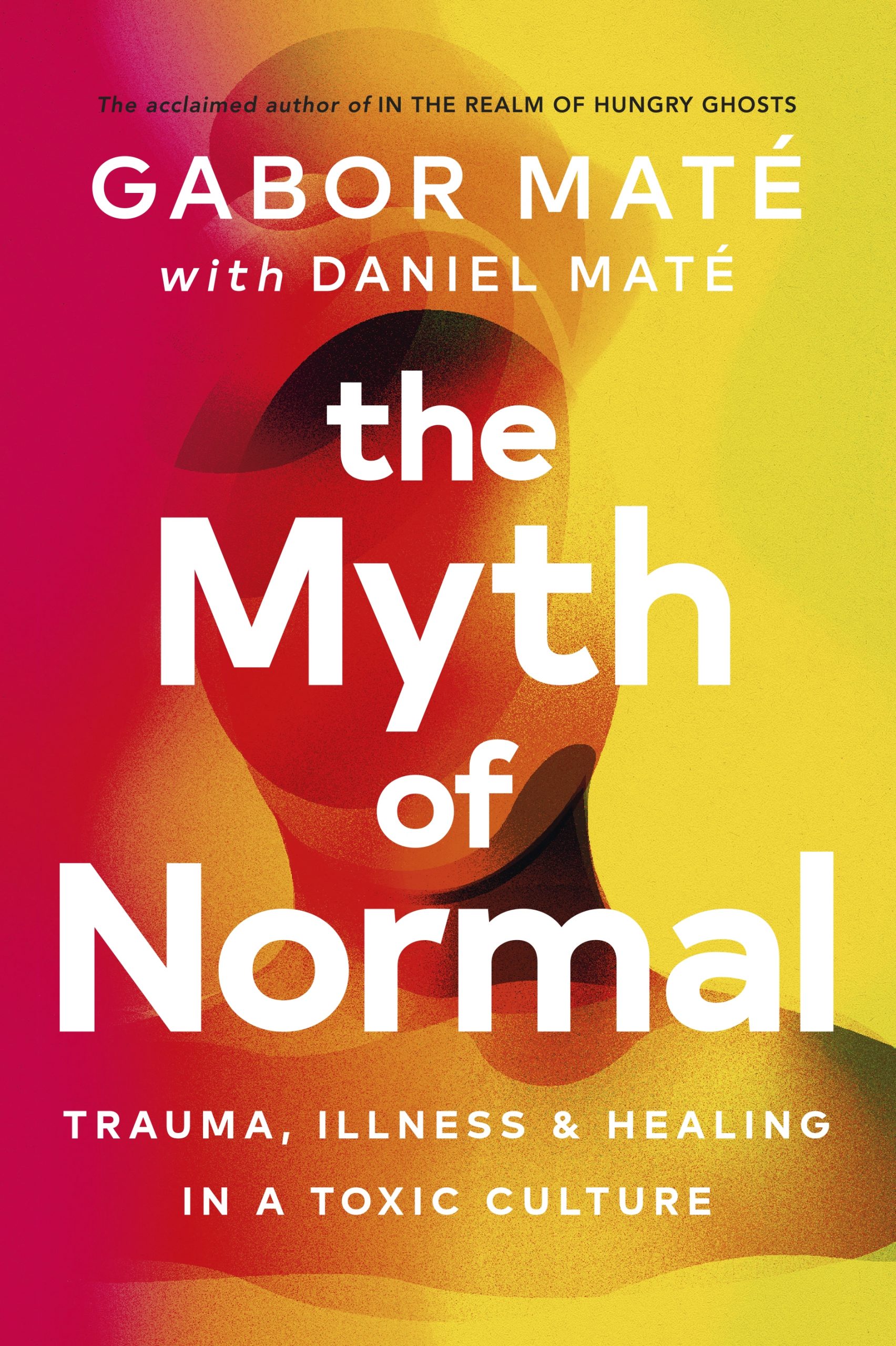
Western countries invest billions in healthcare, yet mental illness and chronic diseases are on a seemingly unstoppable rise. Nearly 70% of Americans are now on prescription drugs. So what is ‘normal’ when it comes to health?
Over four decades of clinical experience, renowned physician and addiction expert Dr Gabor Maté has seen how health systems neglect the role that trauma exerts on our bodies and our minds. Medicine often fails to treat the whole person, ignoring how today’s culture stresses our bodies, burdens our immune systems and undermines emotional balance.
Now, in his most ambitious and urgent book yet, Dr Maté connects the dots between our personal suffering and the pressures of modern-day living – with disease as a natural reflection of a life spent growing further and further apart from our true selves. But, with deep compassion, he also shows us a pathway to health and healing.
Filled with stories of people in the grip of illness or in the triumphant wake of recovery, this life-affirming book, co-written with his son Daniel, proves true health is possible – if we are willing to reconnect with each other and our authentic selves.

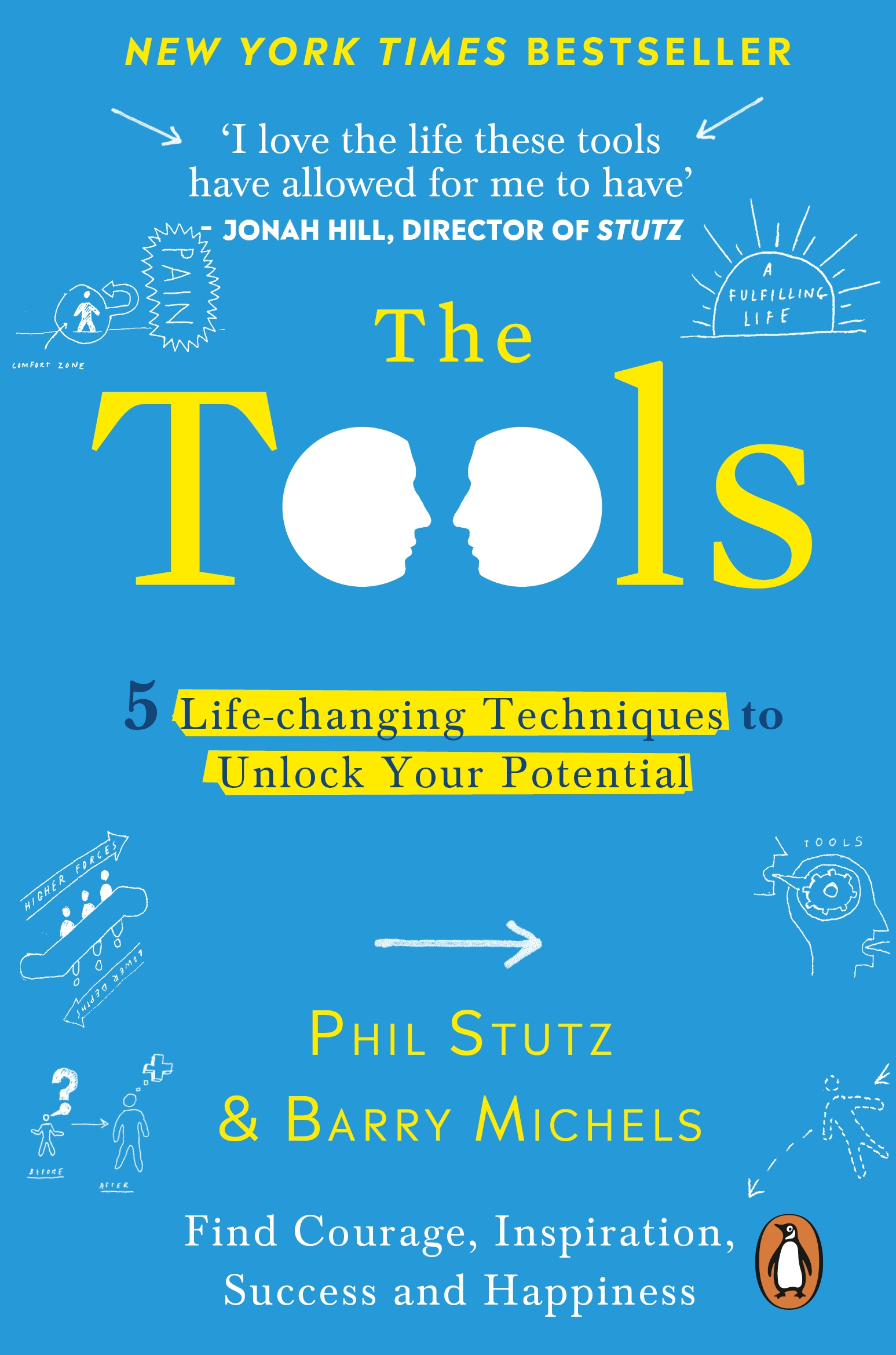
THE SUNDAY TIMES BESTSELLER ”I love the life these tools have allowed me to have’ – JONAH HILL, director of Stutz
Change can begin right now. Learn to bring about dynamic personal growth using five uniquely effective tools- from psychotherapist Barry Michels and psychiatrist Phil Stutz, subject of the Netflix documentary Stutz, directed by Jonah Hill.
Can you imagine what your life would be like if you could tap into a new source of power – one that has been inside you all along – to solve your own problems and become the master of your life?
The Tools is an extraordinary psychological model based on the proven methods of Hollywood’s greatest psychotherapists. Phil Stutz and Barry Michels have over 60 years of psychotherapeutic experience between them. Together they have helped their A-list clients work through whatever has held them back - be it insecurity, trauma, anger, lack of willpower, negativity or avoidance – to achieve their greatest work and find a deep level of fulfilment.
Now, at last, the acclaimed clinicians are sharing their methods in this eye-opening and empowering book. Introducing their five simple techniques, namely The Reversal of Desire, Active Love, Inner Authority, The Grateful Flow and Jeopardy, the authors clearly explain what they are plus how and when to use them. Astonishingly effective and beautifully simple – once you’ve learned a tool it takes only three to five seconds to use it – this book will give you everything you need to propel yourself forward to achieve your ambitions and be who you were born to be.

THE INTERNATIONAL BESTSELLER
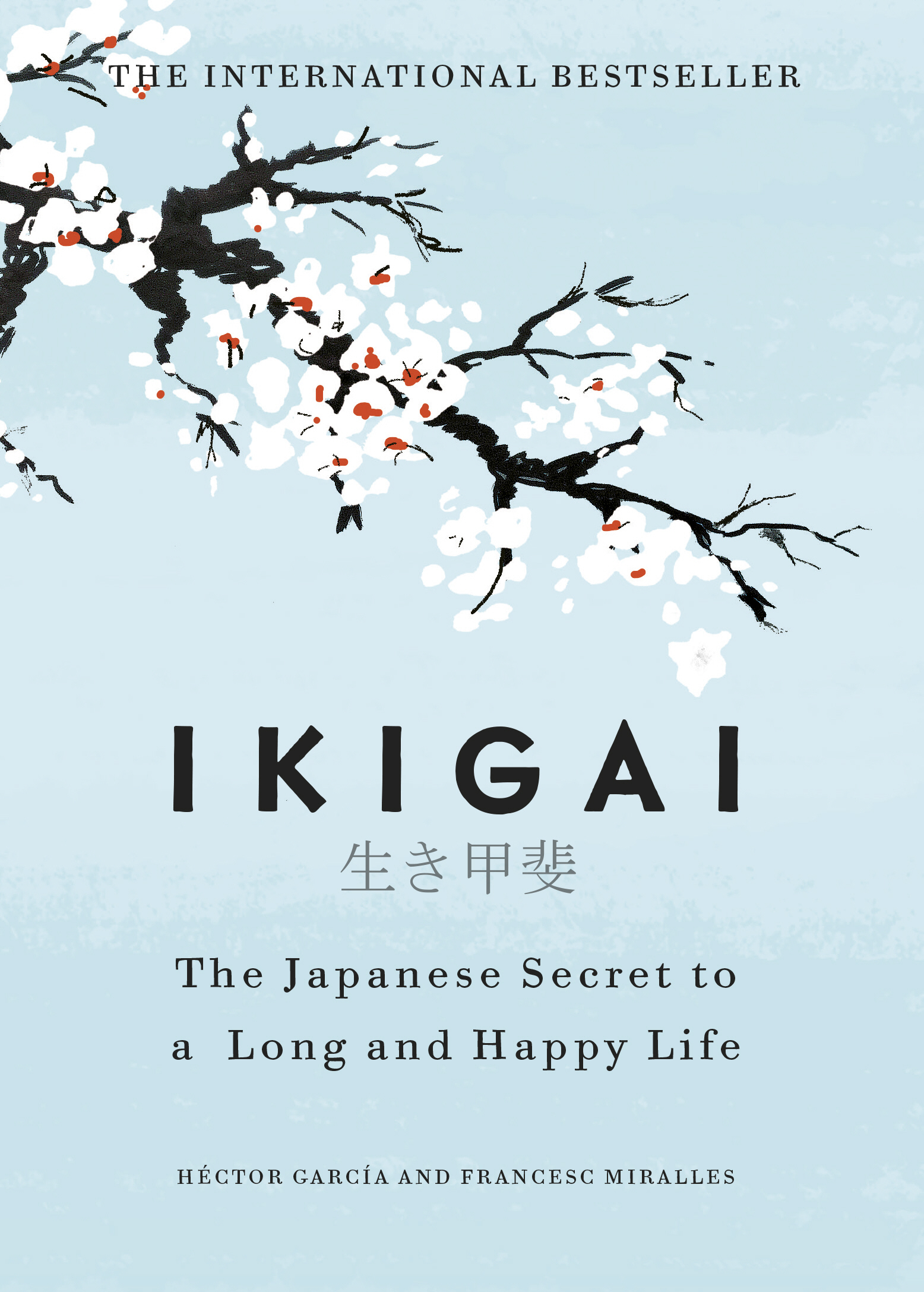
We all have an ikigai.
It’s the Japanese word for ‘a reason to live’ or ‘a reason to jump out of bed in the morning’.
It’s the place where your needs, desires, ambitions, and satisfaction meet. A place of balance. Small wonder that finding your ikigai is closely linked to living longer.
Finding your ikigai is easier than you might think. This book will help you work out what your own ikigai really is, and equip you to change your life. You have a purpose in this world: your skills, your interests, your desires and your history have made you the perfect candidate for something. All you have to do is find it.
Do that, and you can make every single day of your life joyful and meaningful.
______________________________
‘I read it and it’s bewitched me ever since. I’m spellbound.’
Chris Evans
‘A refreshingly simple recipe for happiness.’ Stylist
‘Ikigai gently unlocks simple secrets we can all use to live long, meaningful, happy lives. Warm, patient, and kind, this book pulls you gently along your own journey rather than pushing you from behind.’ Neil Pasricha, bestselling author of The Happiness Equation

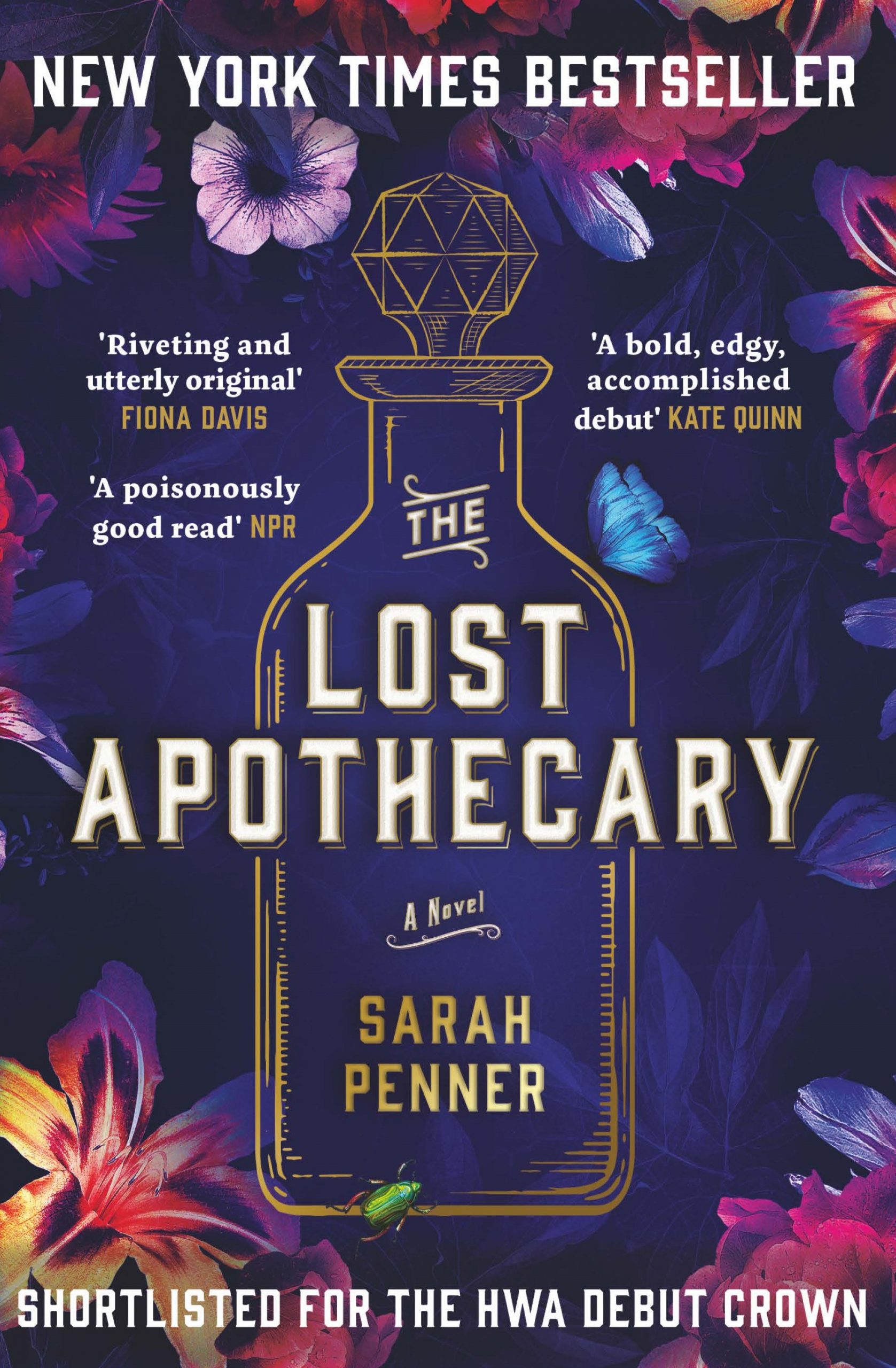
The novel has been translated into 40 languages. Kate Morton meets The Miniaturist. New York Times Bestseller. Longlisted for The Historical Writers
Association Awards. Soon to be a TV series created by FOX. New title The London Séance Society to follow in 2023.

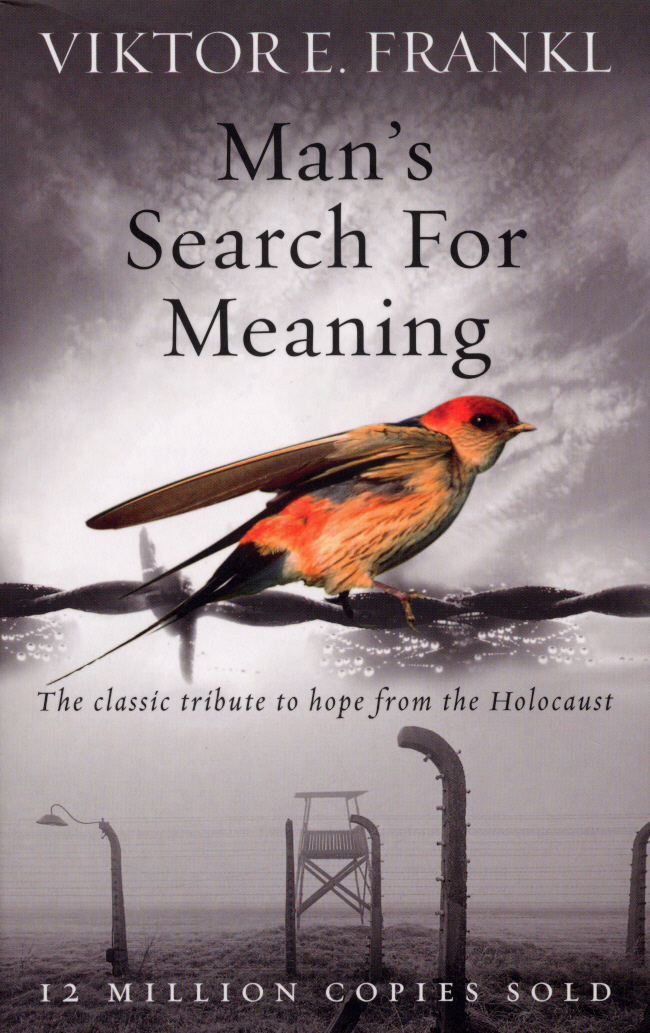
A prominent Viennese psychiatrist before the war, Viktor Frankl was uniquely able to observe the way that he and other inmates coped with the experience of being in Auschwitz. He noticed that it was the men who comforted others and who gave away their last piece of bread who survived the longest – and who offered proof that everything can be taken away from us except the ability to choose our attitude in any given set of circumstances.
The sort of person the prisoner became was the result of an inner decision and not of camp influences alone. Only those who allowed their inner hold on their moral and spiritual selves to subside eventually fell victim to the camp’s degenerating influence – while those who made a victory of those experiences turned them into an inner triumph.
Frankl came to believe that man’s deepest desire is to search for meaning and purpose. This outstanding work offers us all a way to transcend suffering and find significance in the art of living.