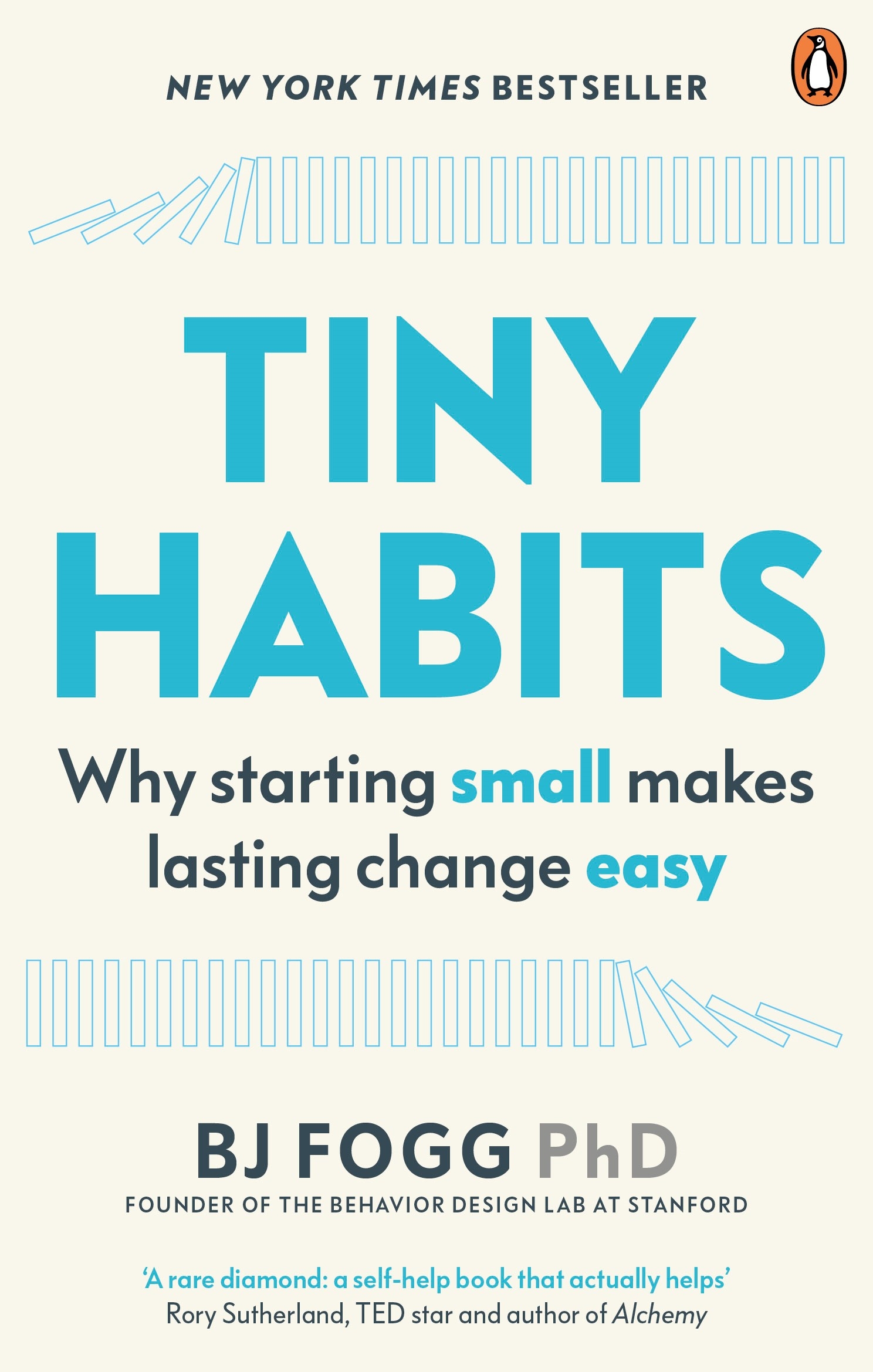
Improving your life is much easier than you think. Whether it’s losing weight, sleeping more, or restoring your work/life balance – the secret is to start small.
For years, we’ve been told that being more healthy and productive is a matter of willpower: that we should follow the latest fad and make constant changes to our lifestyles. But whether in our diets, fitness plans or jobs, radical overhauls never work. Instead we should start with quick wins — and embed new, tiny habits into our everyday routines.
The world expert on this is Silicon Valley legend BJ Fogg, pioneering research psychologist and founder of the iconic Behaviour Design Lab at Stanford. Now anyone can use his science-based approach to make changes that are simple to achieve and sticky enough to last.
In the hugely anticipated Tiny Habits, BJ Fogg shows us how to change our lives for the better, one tiny habit at a time. Based on twenty years research and his experience coaching over 40,000 people, it cracks the code of habit formation. Focus on what is easy to change, not what is hard; focus on what you want to do, not what you should do. At the heart of this is a startling truth — that creating happier, healthier lives can be easy, and surprisingly fun.

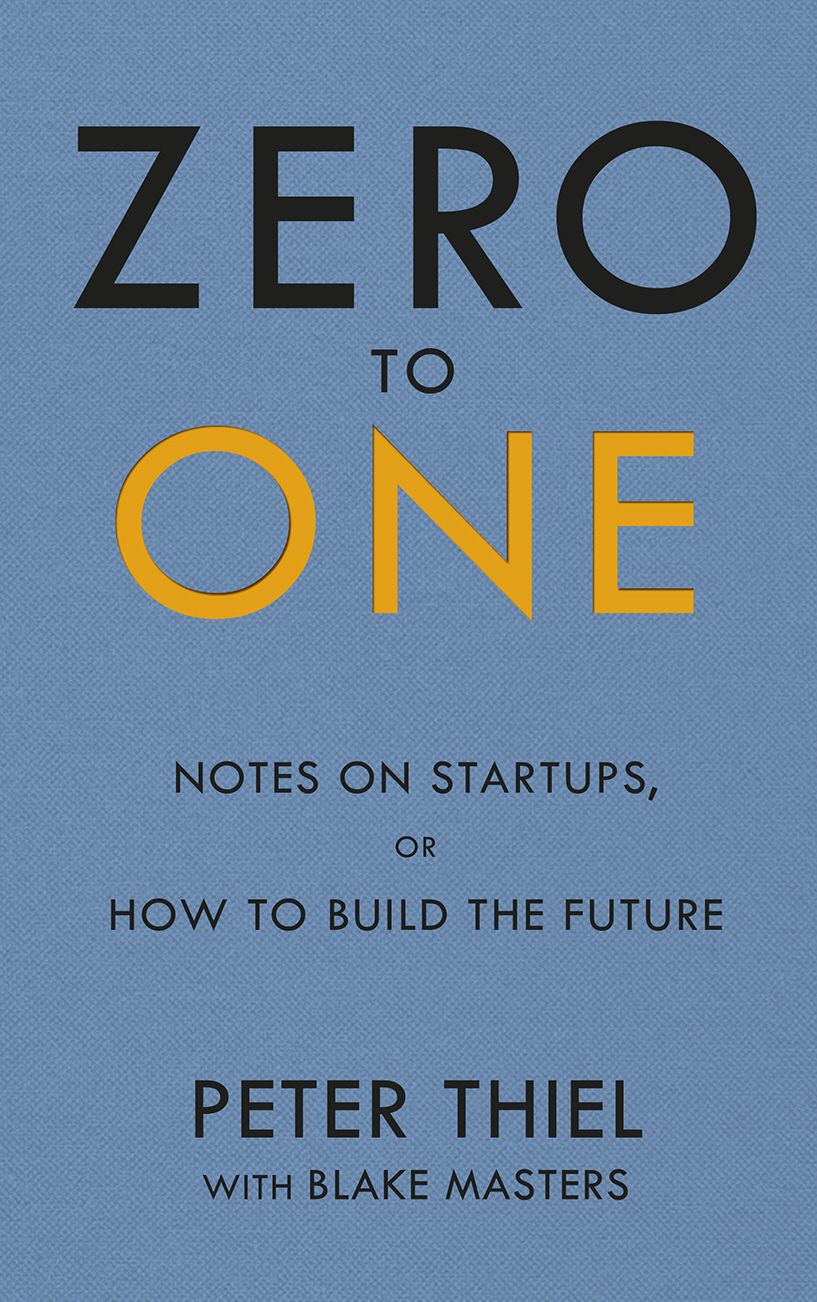
WHAT VALUABLE COMPANY IS NOBODY BUILDING?
The next Bill Gates will not build an operating system. The next Larry Page or Sergey Brin won’t make a search engine. If you are copying these guys, you aren’t learning from them. It’s easier to copy a model than to make something new: doing what we already know how to do takes the world from 1 to n, adding more of something familiar. Every new creation goes from 0 to 1. This book is about how to get there.
‘Peter Thiel has built multiple breakthrough companies, and Zero to One shows how.’
ELON MUSK, CEO of SpaceX and Tesla
‘This book delivers completely new and refreshing ideas on how to create value in the world.’
MARK ZUCKERBERG, CEO of Facebook
‘When a risk taker writes a book, read it. In the case of Peter Thiel, read it twice. Or, to be safe, three times. This is a classic.’
NASSIM NICHOLAS TALEB, author of The Black Swan

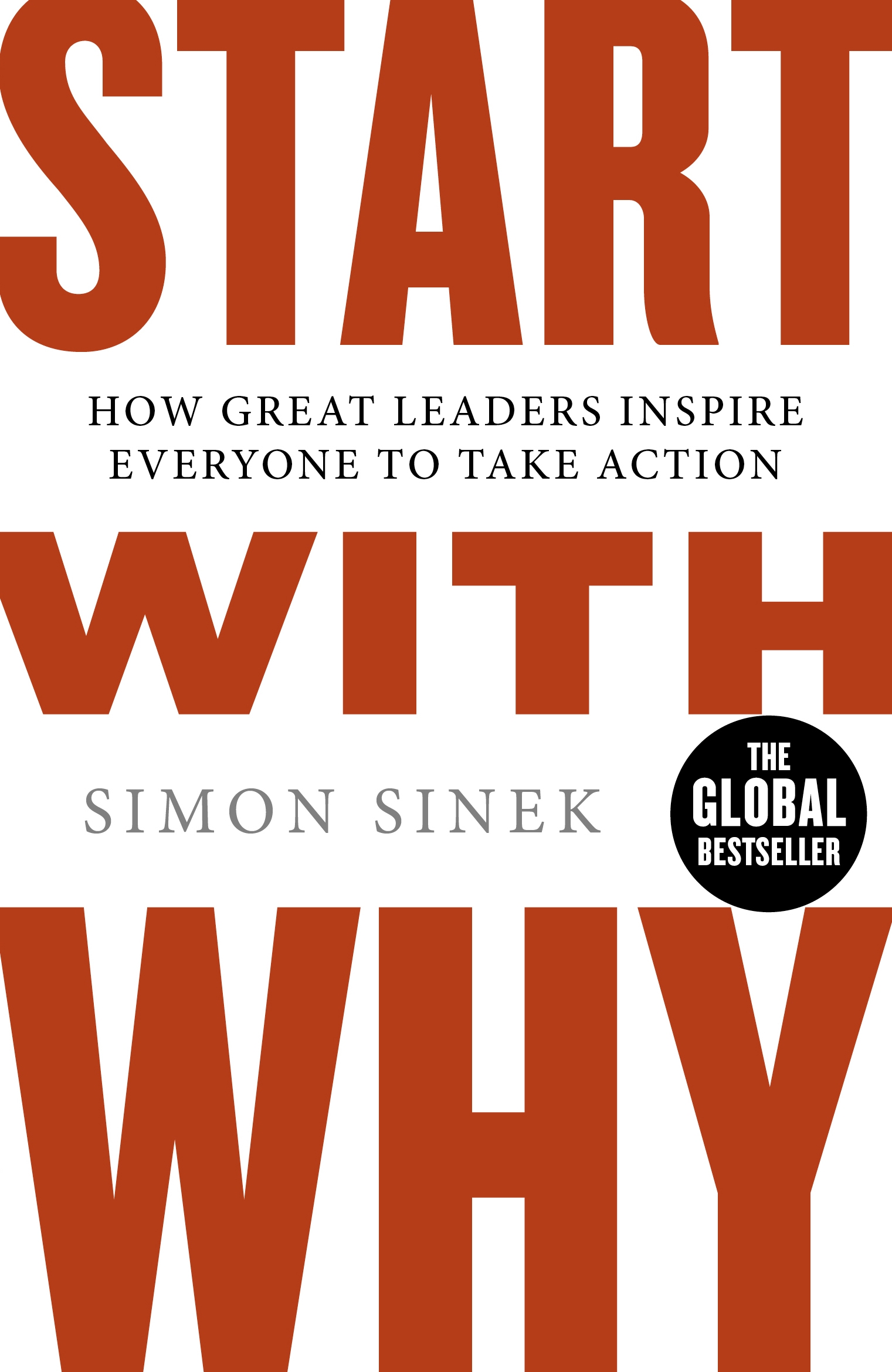
THE MILLION-COPY GLOBAL BESTSELLER – BASED ON THE LIFE-CHANGING TED TALK! DISCOVER YOUR PURPOSE WITH ONE SIMPLE QUESTION: WHY?
‘One of the most incredible thinkers of our time; someone who has influenced the way I think and act every day’ Steven Bartlett, investor, BBC Dragon and host of The Diary of a CEO podcast
*****
Why are some people more inventive, pioneering and successful than others?
And why are they able to repeat their success again and again?
Because it doesn’t matter what you do, it matters WHY you do it.
Those who have had the greatest influence in the world all think, act, and communicate in the same way – and it’s the opposite to most. In Start with Why, Simon Sinek uncovers the fundamental secret of their success. How you lead, inspire, live, it all starts with why.
WHAT READERS ARE SAYING:
‘It’s amazing how a book can change the course of your life, and this book did that.’
‘Imagine the Ted Talk expanded to 2 hours long, with more depth, intrigue and examples.’
‘What he does brilliantly is demonstrate his own why – to inspire others – throughout.’

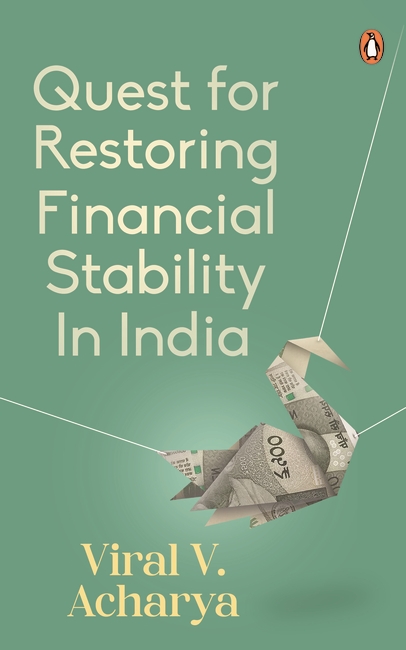
An excellent primer for students wanting to learn macroeconomics and policymaking – Kaushik Basu
An important and timely contribution to our understanding of the Indian economy – Raghuram Rajan
How to maintain financial stability in India? Quest for Restoring Financial Stability in India is a classic work to understand this critical subject. In this Penguin edition, with a new introduction, Viral V. Acharya, former Deputy Governor of RBI offers a concrete road map for comprehensive improvement of India’s economy. Authoritative and definitive, this is a must read for the students and scholars of Indian economy, policymakers and anyone interested in India’s finance sector.

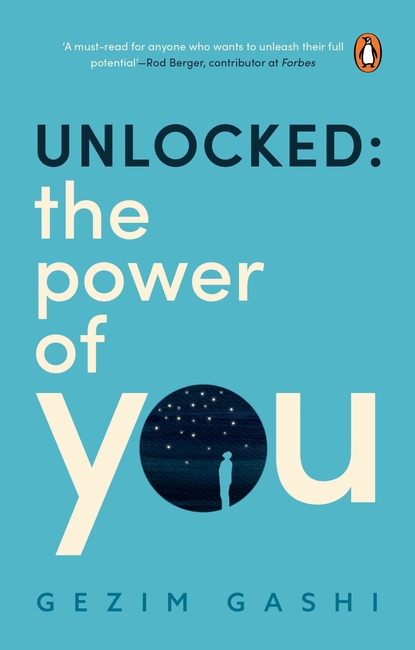
This compelling self-help book will inspire you to pursue your biggest dreams, regardless of your background or upbringing. Unlocked: The Power of You illustrates that by unlocking our true, authentic selves, we can unleash our greatest potential in a world without limits, even in the aftermath of a pandemic.
Gezim Gashi recounts his extraordinary journey-from escaping the Kosovo genocide to becoming the first Albanian-Swede to launch a high school institute in the United States – Gezim lays out a path to personal success and fulfillment that is accessible to all, regardless of their background. With his mentorship, readers will be inspired to overcome obstacles and achieve their biggest goals.
Gezim Gashi is currently on the ‘Unlocked: The Book Tour’ across North America, making stops at esteemed institutions such as Harvard University and Yale University. His objective is to motivate individuals to reach new heights in their lives.
Gezim Gashi is a purpose-driven entrepreneur, storyteller, producer, mentor, speaker, educator, branding expert, and partner at the OCS Institute of Arts & Innovation in Los Angeles, California. He has worked with companies such as the Walt Disney Company and Quincy Jones Productions. This is his first book. Originally from Akllap, Kosovo, he grew up in Alvesta, Sweden, and currently resides in both New York City and California.

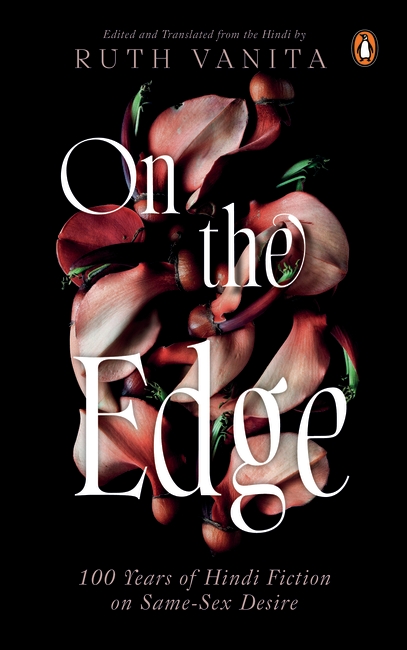
On the Edge is a first-of-its-kind collection of short stories and extracts from novels centred on theme of same-sex desire, translated from the original Hindi. The sixteen beautiful and provocative stories featured here (published between 1927 and 2022) include classic works by Asha Sahay, Premchand, Ugra, Rajkamal Chaudhuri, Geetanjali Shree, Sara Rai and Rajendra Yadav, among others. An important anthology, On the Edge shifts the focus on stories and characters who have, for far too long, remained in the shadows and brings them (and us) into the light.
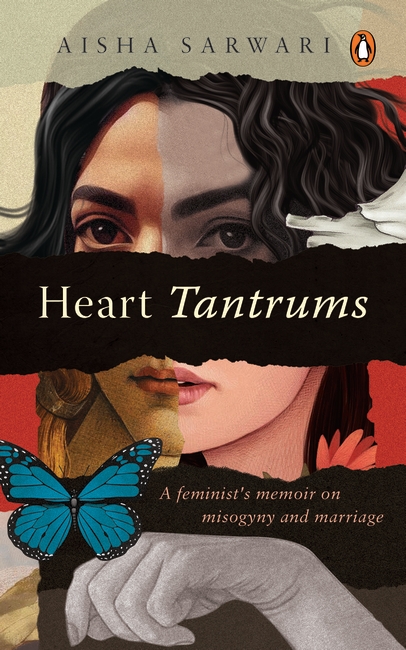
In order to be able to survive, Aisha Sarwari was told, love and devoted acts of service will always light the way. These however, become the very reason of her complete unravelling.
In this large and messy voice of a memoir, Heart Tantrums artfully describes the scatter of catastrophic losses-the loss of her father in early adolescence; leaving behind her family home in East Africa; and trying to fit into a completely different culture in Lahore after marriage. In 2017, when Aisha first held her husband Yasser Latif Hamdani’s brain MRI against the light, she began to also lose the man she loved to a personality-altering brain tumour.
Oscillating between being a good woman and a bad woman, Aisha has been adamant that the hard knocks of life would not define her. But even self-respect comes at a high price. The internal life of mental health chaos is like the very disease itself-degenerative. The book rejects the idea that love and domestic servitude saves the day.
Pakistan, she never thought, could become like living in a state of self-exile for the couple that married for country-Aisha Sarwari, a proud Pakistani feminist and career professional, and Yasser Latif Hamdani, a human rights lawyer turned internationally acclaimed biographer of Pakistan’s founding father, M.A. Jinnah. Often, they both failed to play for the team, but their fight for belonging was sometimes punctuated by the warmth of parenting and the joy of extraordinary friendships.
This book is a prayer on a page, with this immigrant girl finding her way in the dark through a raw and magnificently well-told story of grief, hybrid identity, immigration woes, systemic family oppression, caregiver fatigue and, of course, what every good literature tries hard to hack-the terror of oblivion.
PRAISE FOR GODS AND ENDS:
‘An intriguing debut with a biting sense of humour and quirky voice.’ Jury, JCB Prize for Literature 2021
‘An absorbing and unforgettable novel.’ Jury, Tata Literature Live! 2021
‘A fulfilling, disturbing read.’ The Hindu
‘My story may end with sadness, but I want you to remember that it started with love. Mumbai has moved on now. It doesn’t think about 1992 or 1993 because it doesn’t want to. People in big cities like to think that the past is not as important as the future. But the past doesn’t just disappear.’
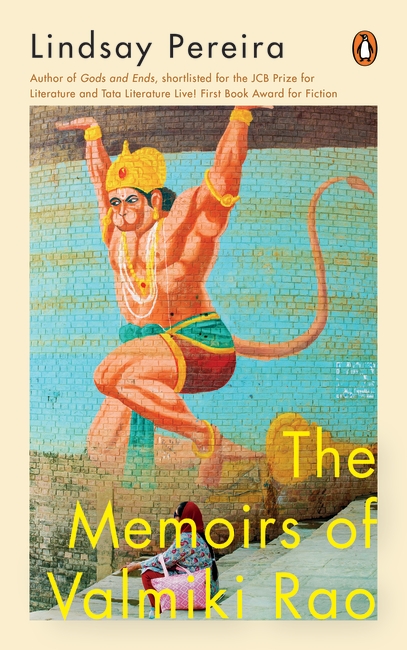
Mumbai, in the early 90s. The Ram Janmabhoomi movement is at its peak, and the Babri Masjid has just fallen. Decades later, in a corner of the metropolis, a retired postman living alone in a dilapidated room tries to recall those months of madness and how they changed everyone he knew.
This is the story of Rameshwar Shinde and Ravinarayan Kumar, a young woman called Janaki, and the neighbours they live with, in the shadows of towers. It is a story of families torn apart by bigotry, an unmissable retelling of the epic Ramayana set at a time when blood mixed with the grime of Mumbai’s streets. A tale more pertinent than ever, in a country once again teetering on the edge.

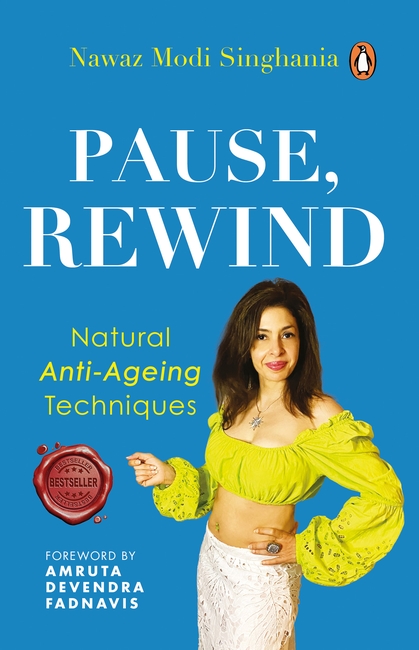
In Pause, Rewind, Nawaz Modi Singhania writes about the role of fitness, nutrition and good mental health in ageing well. She shares techniques she’s developed over her years as a leading fitness consultant, including facial fitness exercises, muscle work, how to build the immune system and health-promoting foods.
When it comes to lifestyle, the book talks of other factors that affect ageing, including sleep, hydration, stress, drinking, smoking, what’s in your head space and heart space, and one’s mindset-positive or negative.
She also shares how to reverse the effects of age, whether it’s weakened eyesight, reduced hearing, osteoporosis, or losing stability and balance.

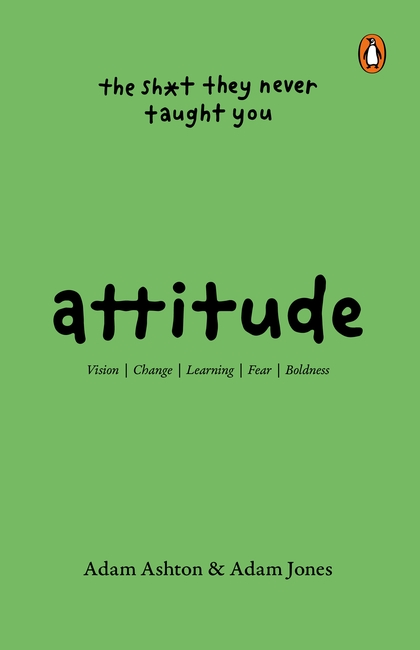
Have you ever stumbled upon a piece of life-changing knowledge that made you think: Why the hell didn’t someone tell me this sooner?!
Millions of people have listened to Adam Ashton and Adam Jones on the What You Will Learn podcast, where they have spent tens of thousands of hours studying the best ideas from the greatest minds on the planet. Their most frequently asked question: What is the best lesson you’ve come across? While you’d think a simple question would have a simple answer, it hasn’t-until now! Attitude: The Sh*t They Never Taught You will take you on a journey through takeaways from over a hundred of the world’s greatest thinkers, capturing lessons in personal development, career, business, personal finance, human nature, history and philosophy. Every lesson will be useful, and one might change your life. Remember, it is your attitude, not aptitude, that determines your altitude in life.