From the international bestselling author of One of Us Is Lying comes a brand-new addictive thriller.
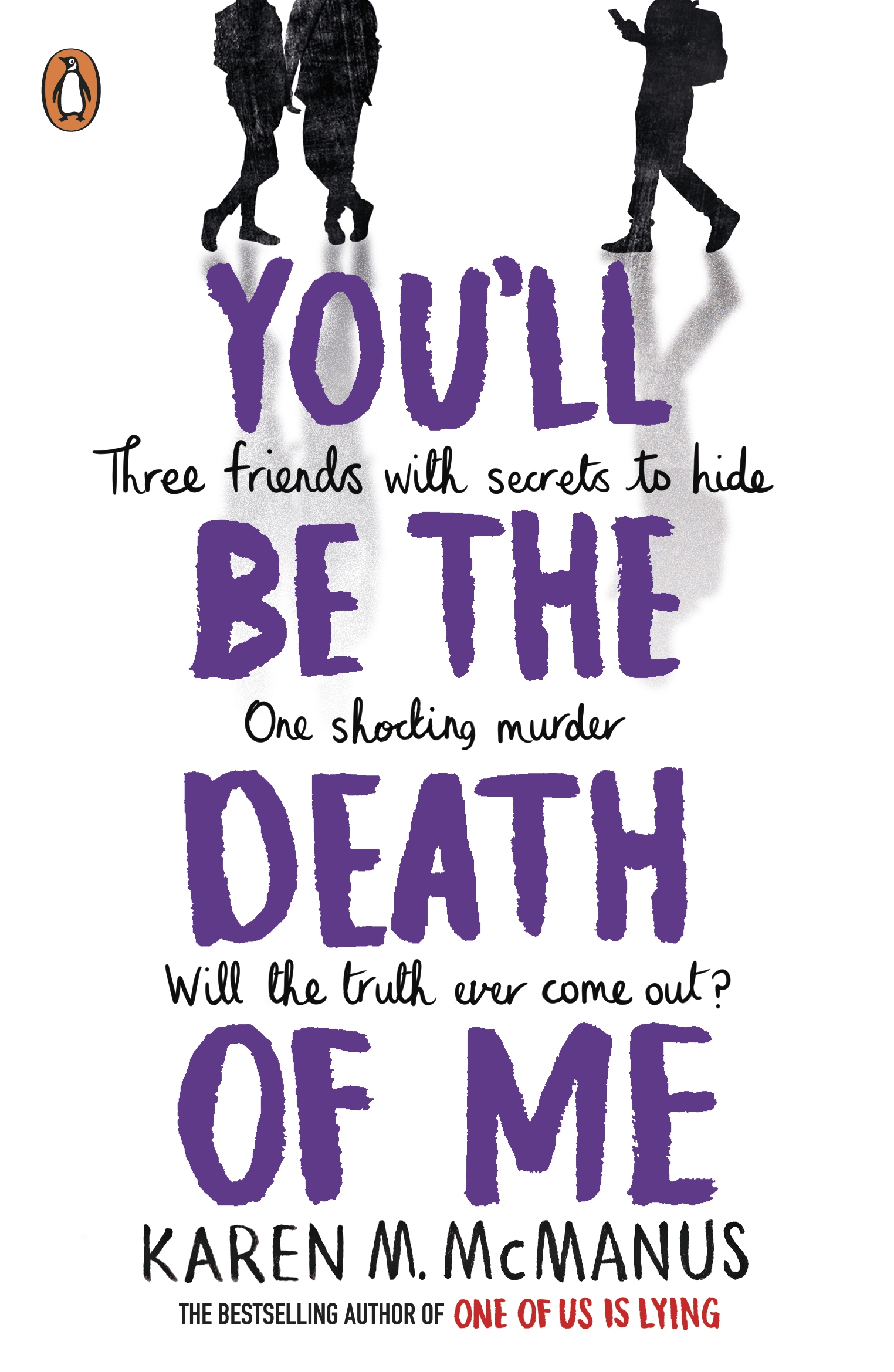
Ivy, Mateo and Cal used to be close – best friends back in middle school.
Now all they have in common is a bad day. So for old time’s sake they skip school together – one last time.
But when the trio spot Brian ‘Boney’ Mahoney ditching class too, they follow him – right into a murder scene.
They all have a connection to the victim. And they’re ALL hiding something.
When their day of freedom turns deadly, it’s only a matter of time before the truth comes out . . .
It’s Ferris Bueller’s Day Off with murder, perfect for fans of One Of Us Is Lying and A Good Girl’s Guide To Murder. This explosive new thriller is impossible to put down.

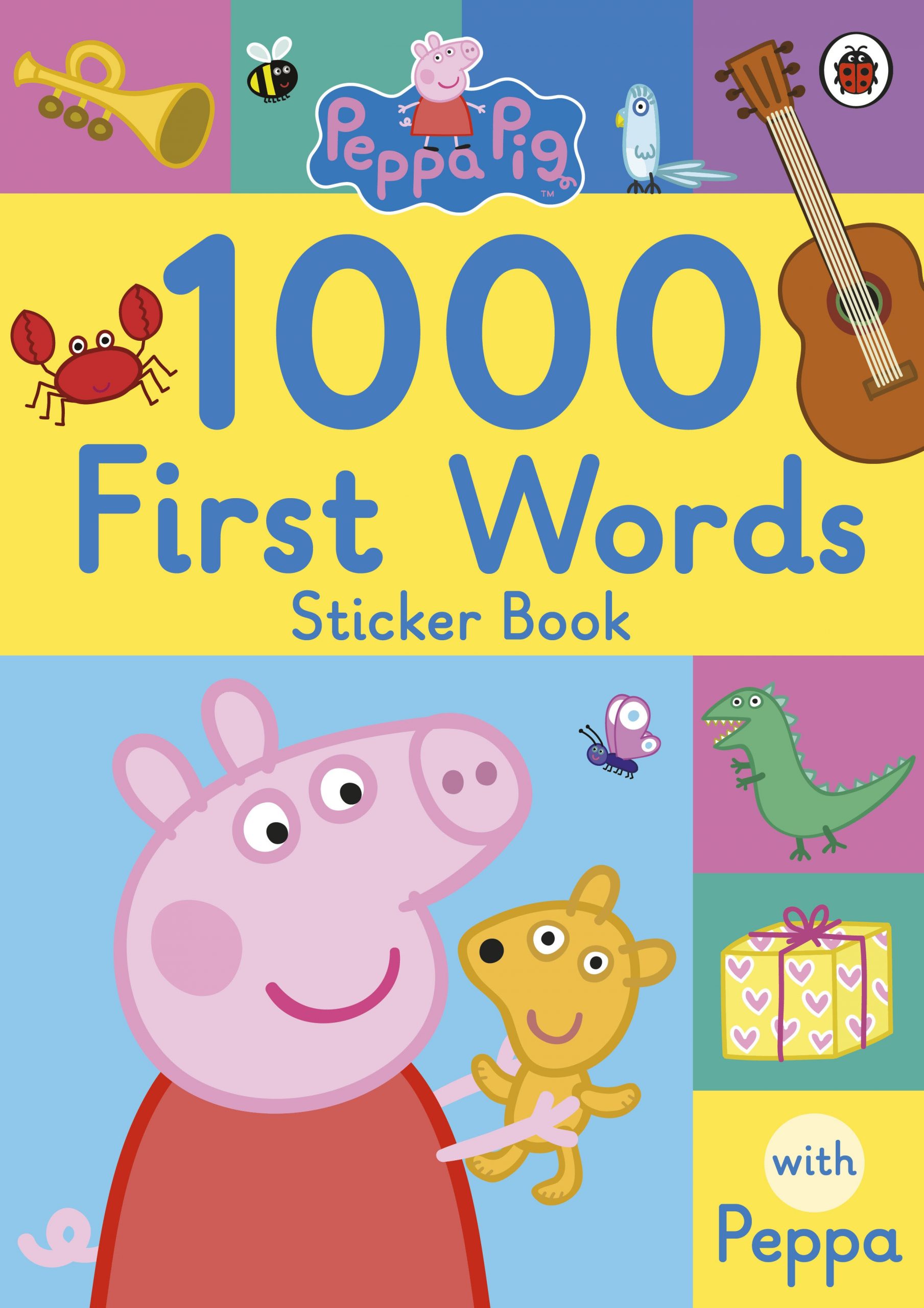
Toddlers will love learning 1000 new words with Peppa in this brilliant new sticker book!
Look at the pictures, say the words out loud, then peel off the stickers and play!
Explore themes such as family, home, nature, objects, animals, friends, playtime, food, shopping, seasons, travel and adventure. Packed with stickers and hours of fun for learning at home!

THE NEW YORK TIMES BESTSELLER AND SUNDAY TIMES, OBSERVER AND BBC HISTORY BOOK OF THE YEAR
FINALIST FOR THE ORWELL PRIZE FOR POLITICAL WRITING 2022
‘Pacey and potentially revolutionary’ Sunday Times
‘Iconoclastic and irreverent … an exhilarating read’ The Guardian
For generations, our remote ancestors have been cast as primitive and childlike – either free and equal, or thuggish and warlike. Civilization, we are told, could be achieved only by sacrificing those original freedoms or, alternatively, by taming our baser instincts. David Graeber and David Wengrow show how such theories first emerged in the eighteenth century as a reaction to indigenous critiques of European society, and why they are wrong. In doing so, they overturn our view of human history, including the origins of farming, property, cities, democracy, slavery and civilization itself.
Drawing on path-breaking research in archaeology and anthropology, the authors show how history becomes a far more interesting place once we begin to see what’s really there. If humans did not spend 95 per cent of their evolutionary past in tiny bands of hunter-gatherers, what were they doing all that time? If agriculture, and cities, did not mean a plunge into hierarchy and domination, then what kinds of social and economic organization did they lead to? The answers are often unexpected, and suggest that the course of history may be less set in stone, and more full of playful possibilities than we tend to assume.
The Dawn of Everything fundamentally transforms our understanding of the human past and offers a path toward imagining new forms of freedom, new ways of organizing society. This is a monumental book of formidable intellectual range, animated by curiosity, moral vision and faith in the power of direct action.
‘This is not a book. This is an intellectual feast’ Nassim Nicholas Taleb
‘The most profound and exciting book I’ve read in thirty years’ Robin D. G. Kelley

The #1 Sunday Times bestseller from ‘the most influential public intellectual in the Western world right now’ (New York Times) – now in paperback.
How should we live properly in a world of chaos and uncertainty?
Jordan Peterson has helped millions of people, young and old, men and women, aim at a life of responsibility and meaning. Now he can help you.
Drawing on his own work as a clinical psychologist and on lessons from humanity’s oldest myths and stories, Peterson offers twelve profound and realistic principles to live by. After all, as he reminds us, we each have a vital role to play in the unfolding destiny of the world.
Deep, rewarding and enlightening, 12 Rules for Life is a lifeboat built solidly for stormy seas: ancient wisdom applied to our contemporary problems.

A masterclass in persuasion from the inspiring philosopher who has taught a million people to argue through his popular open online course
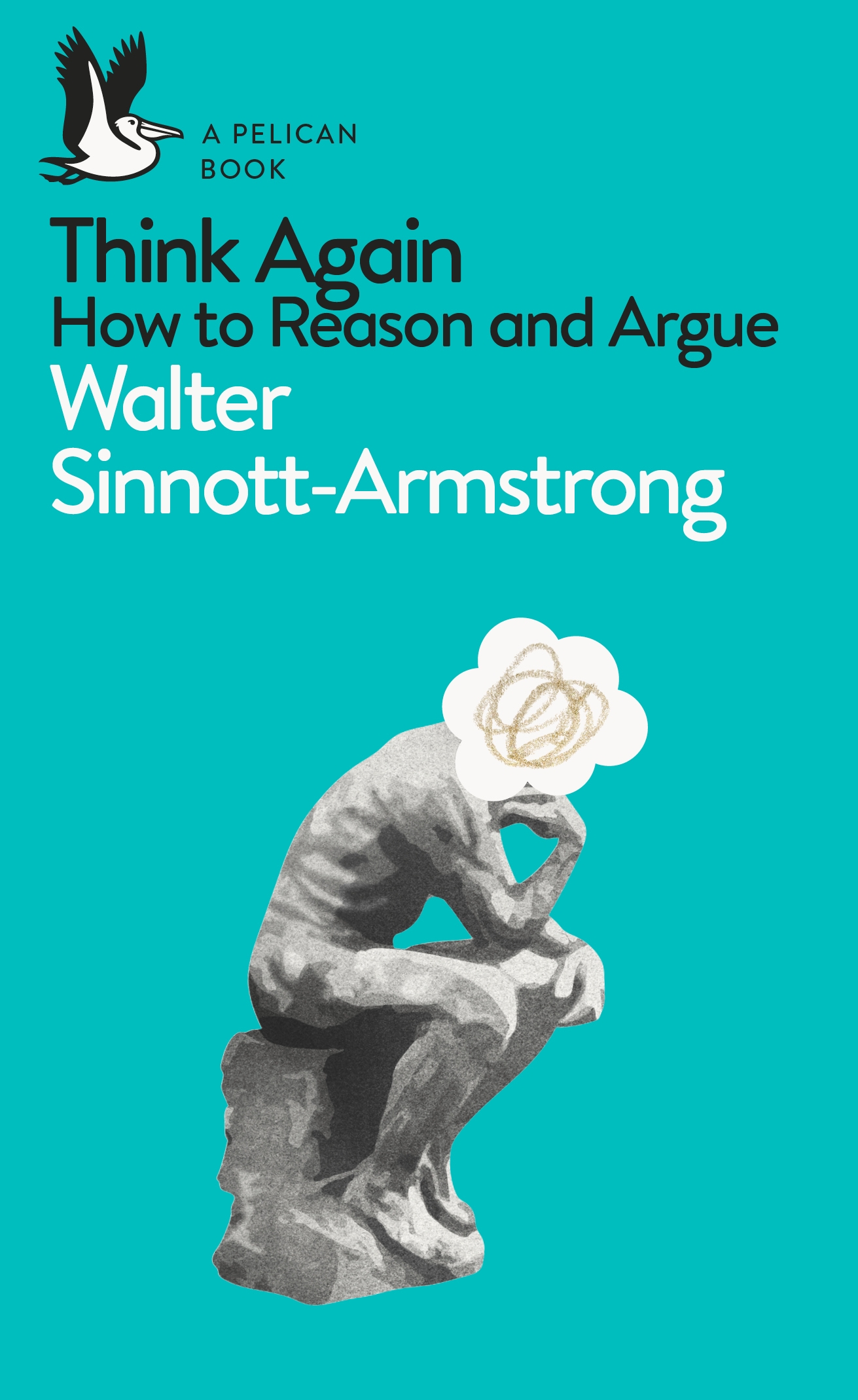
Our personal and political worlds are rife with arguments and disagreements, some of them petty and vitriolic. The inability to compromise and understand the other side is widespread today. What can we do to change this? In Think Again philosopher Walter Sinnott-Armstrong draws on a long tradition of logic to show why we should stop focusing on winning arguments and instead argue in a more constructive way.
Based on a hugely popular online course with more than a million followers around the world, Think Again explains how to analyse, evaluate and make better arguments while also spotting bad reasoning and avoiding certain fallacies. Through lively, practical examples from everyday life, politics and popular culture, Walter Sinnott-Armstrong offers brilliantly straightforward, wise advice that we can all use at work, at home and online.

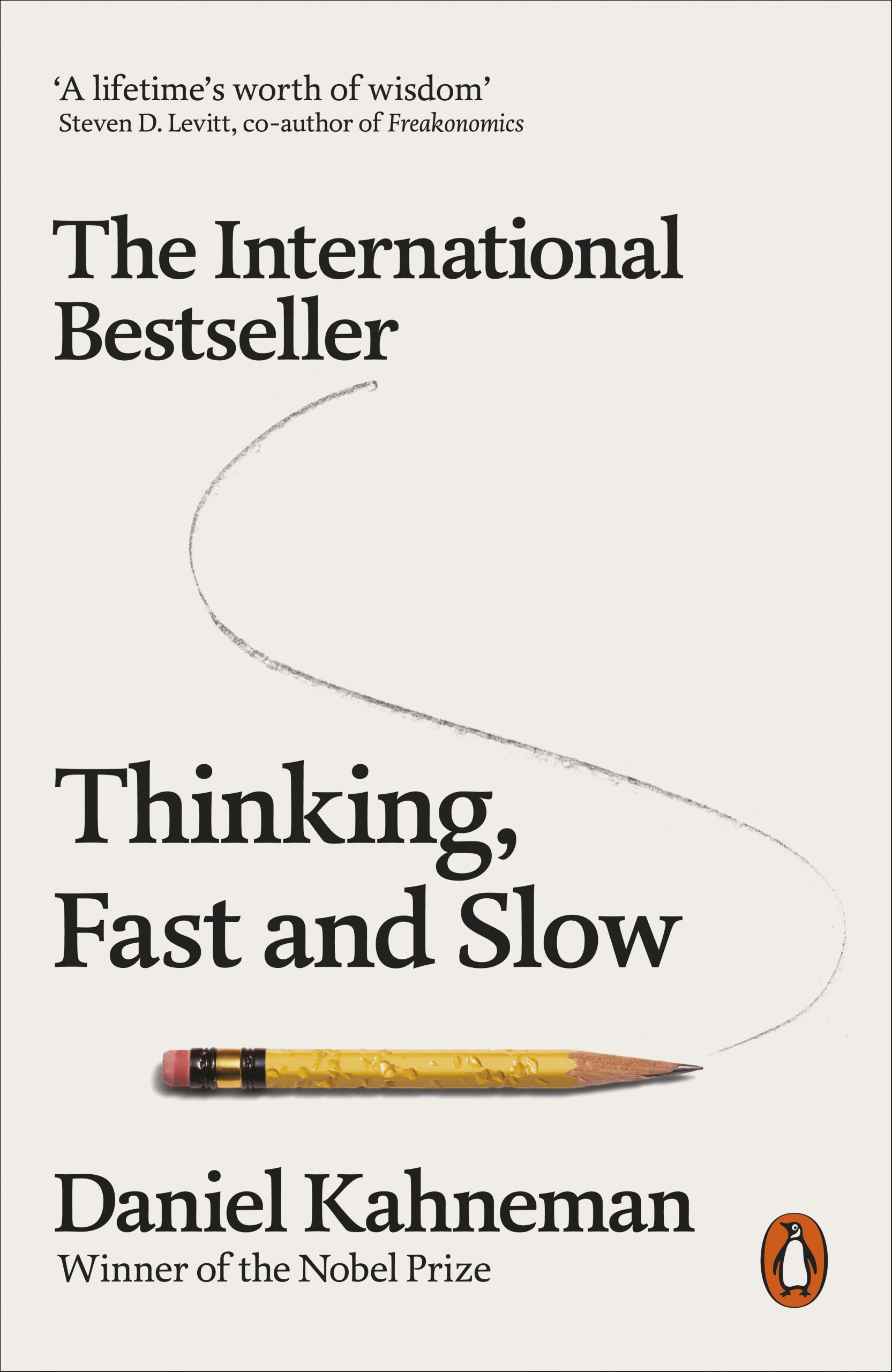
The phenomenal international bestseller – 2 million copies sold – that will change the way you make decisions
‘A lifetime’s worth of wisdom’ Steven D. Levitt, co-author of Freakonomics
‘There have been many good books on human rationality and irrationality, but only one masterpiece. That masterpiece is Thinking, Fast and Slow‘ Financial Times
Why is there more chance we’ll believe something if it’s in a bold type face? Why are judges more likely to deny parole before lunch? Why do we assume a good-looking person will be more competent? The answer lies in the two ways we make choices: fast, intuitive thinking, and slow, rational thinking. This book reveals how our minds are tripped up by error and prejudice (even when we think we are being logical), and gives you practical techniques for slower, smarter thinking. It will enable to you make better decisions at work, at home, and in everything you do.
** THE SUNDAY TIMES NO. 1 BESTSELLER **
**A BBC BETWEEN THE COVERS BIG JUBILEE READ**
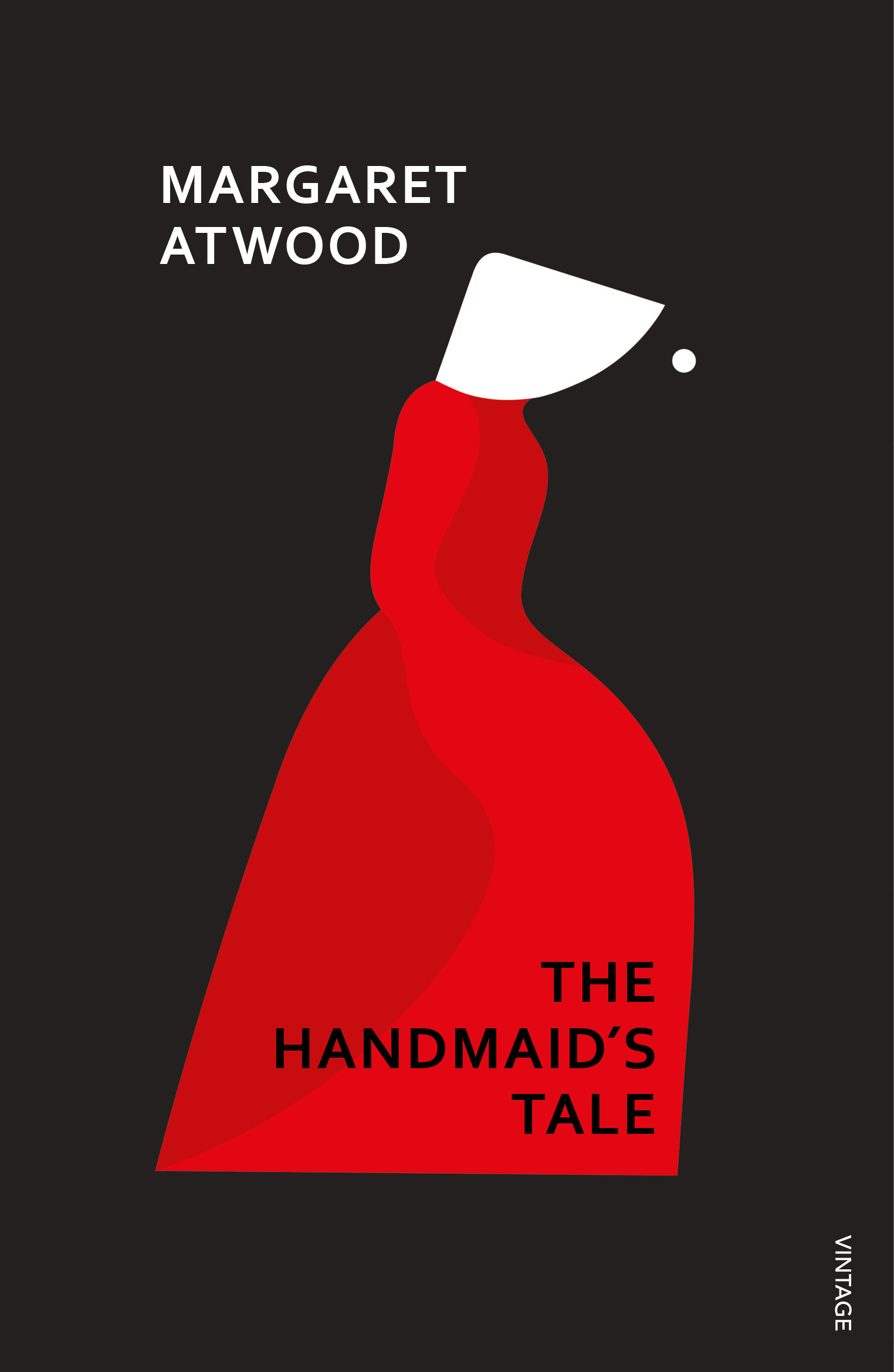
Discover the cultural phenomenon behind the award-winning TV series that feels all the more powerful and prescient in a post-Roe vs. Wade world.
‘As relevant today as it was when Atwood wrote it’ Guardian
I believe in the resistance as I believe there can be no light without shadow; or rather, no shadow unless there is also light.
Offred is a Handmaid in The Republic of Gilead, a religious totalitarian state in what was formerly known as the United States. She is placed in the household of The Commander, Fred Waterford – her assigned name, Offred, means ‘of Fred’. She has only one function: to breed. If Offred refuses to enter into sexual servitude to repopulate a devastated world, she will be hanged. Yet even a repressive state cannot eradicate hope and desire. As she recalls her pre-revolution life in flashbacks, Offred must navigate through the terrifying landscape of torture and persecution in the present day, and between two men upon which her future hangs.
Masterfully conceived and executed, this haunting vision of the future places Margaret Atwood at the forefront of dystopian fiction.
‘A fantastic, chilling story. And so powerfully feminist’, Bernardine Evaristo, author of Girl, Woman, Other.
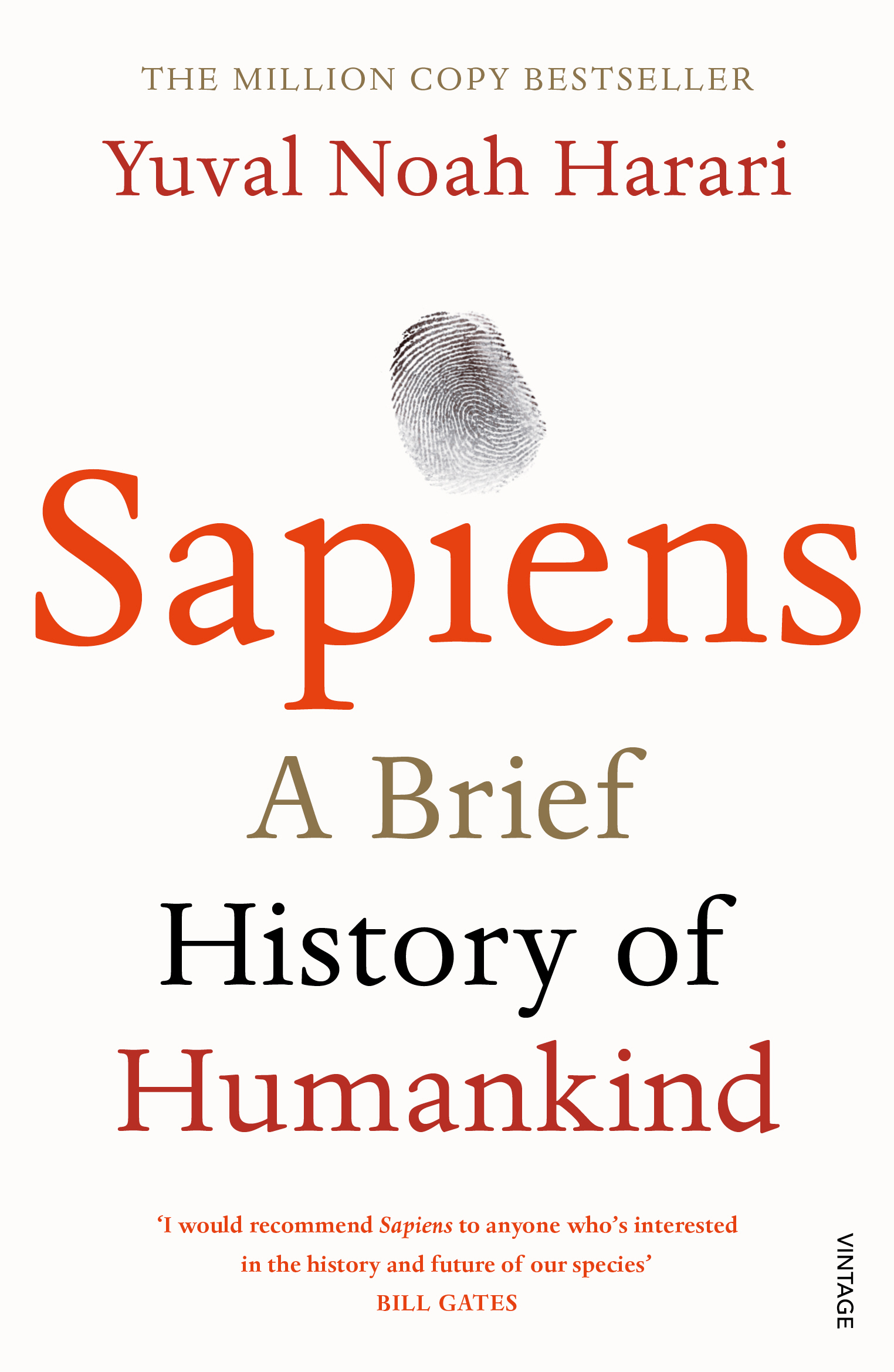
‘Interesting and provocative… It gives you a sense of how briefly we’ve been on this Earth’ Barack Obama
What makes us brilliant? What makes us deadly? What makes us Sapiens?
One of the world’s preeminent historians and thinkers, Yuval Noah Harari challenges everything we know about being human.
Earth is 4.5 billion years old. In just a fraction of that time, one species among countless others has conquered it: us.
In this bold and provocative book, Yuval Noah Harari explores who we are, how we got here and where we’re going.
**ONE OF THE GUARDIAN’S 100 BEST BOOKS OF THE 21st CENTURY**
PRAISE FOR SAPIENS:
‘Jaw-dropping from the first word to the last… It may be the best book I’ve ever read’ Chris Evans
‘Startling… It changes the way you look at the world’ Simon Mayo
‘I would recommend Sapiens to anyone who’s interested in the history and future of our species’ Bill Gates

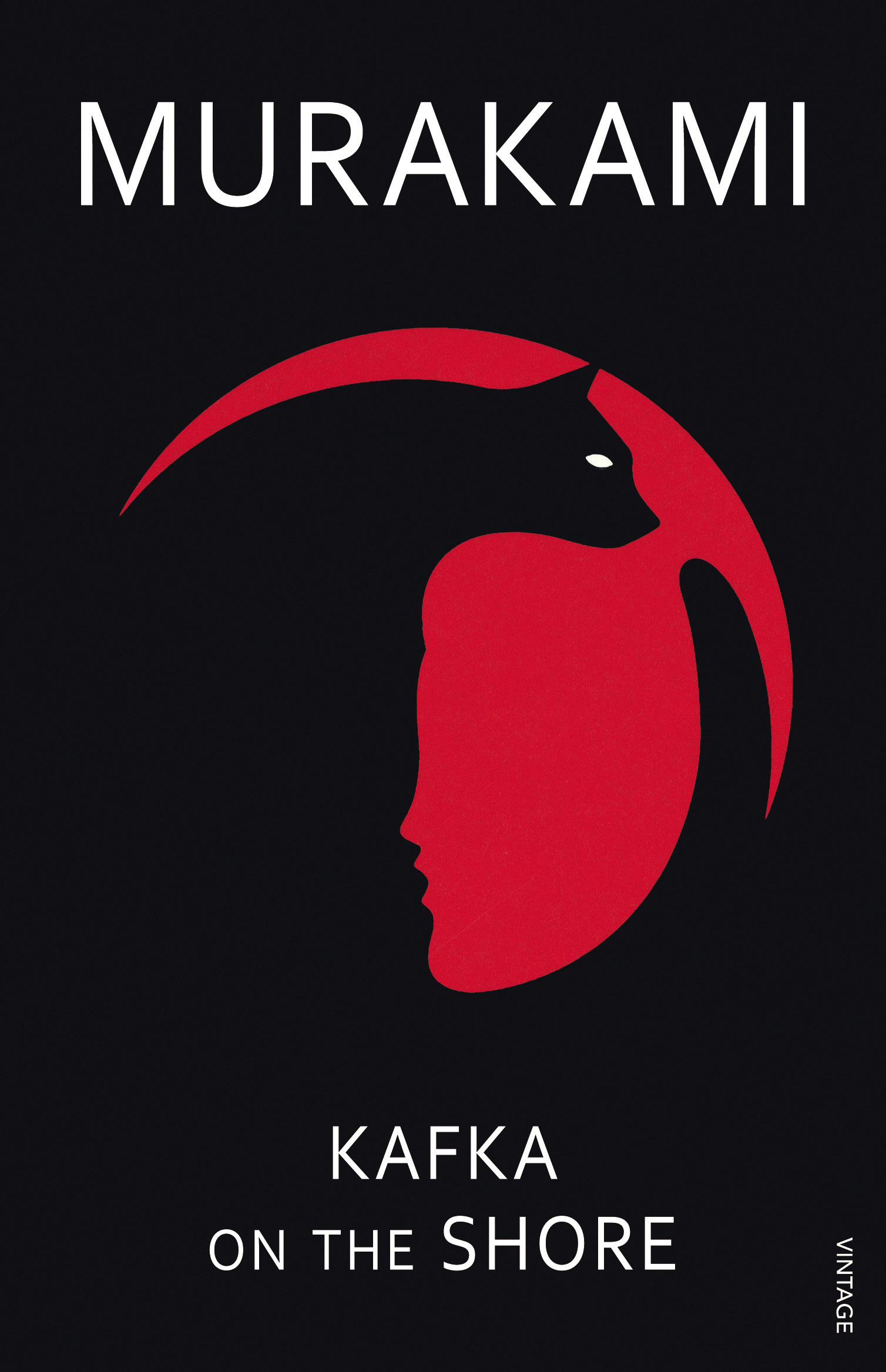
Kafka Tamura runs away from home at fifteen, under the shadow of his father’s dark prophesy.
The aging Nakata, tracker of lost cats, who never recovered from a bizarre childhood affliction, finds his pleasantly simplified life suddenly turned upside down.
As their parallel odysseys unravel, cats converse with people; fish tumble from the sky; a ghost-like pimp deploys a Hegel-spouting girl of the night; a forest harbours soldiers apparently un-aged since World War II. There is a savage killing, but the identity of both victim and killer is a riddle – one of many which combine to create an elegant and dreamlike masterpiece.
*Murakami’s new book Novelist as a Vocation is available now*
‘Wonderful… Magical and outlandish’ Daily Mail
‘Hypnotic, spellbinding’ The Times
‘Cool, fluent and addictive’ Daily Telegraph

‘A masterly novel’ New York Times
‘Such is the exquisite, gossamer construction of Murakami’s writing that everything he chooses to describe trembles with symbolic possibility’ Guardian
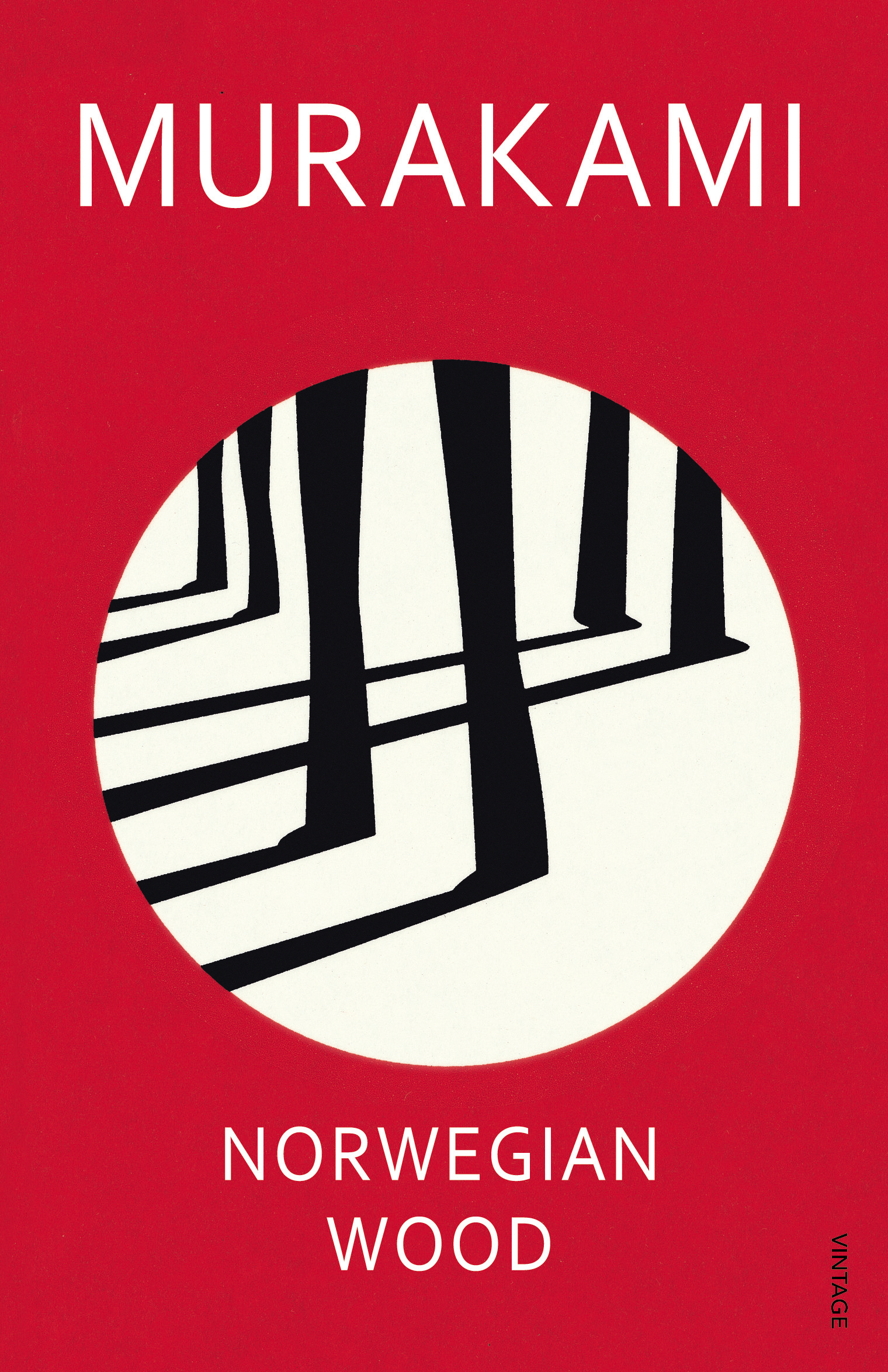
Read the haunting love story that turned Murakami into a literary superstar.
When he hears her favourite Beatles song, Toru Watanabe recalls his first love Naoko, the girlfriend of his best friend Kizuki. Immediately he is transported back almost twenty years to his student days in Tokyo, adrift in a world of uneasy friendships, casual sex, passion, loss and desire – to a time when an impetuous young woman called Midori marches into his life and he has to choose between the future and the past.
*Murakami’s new book Novelist as a Vocation is available now*
‘Evocative, entertaining, sexy and funny; but then Murakami is one of the best writers around’ Time Out
‘Poignant, romantic and hopeless, it beautifully encapsulates the heartbreak and loss of faith’ Sunday Times
‘This book is undeniably hip, full of student uprisings, free love, booze and 1960s pop, it’s also genuinely emotionally engaging, and describes the highs of adolescence as well as the lows’ Independent on Sunday