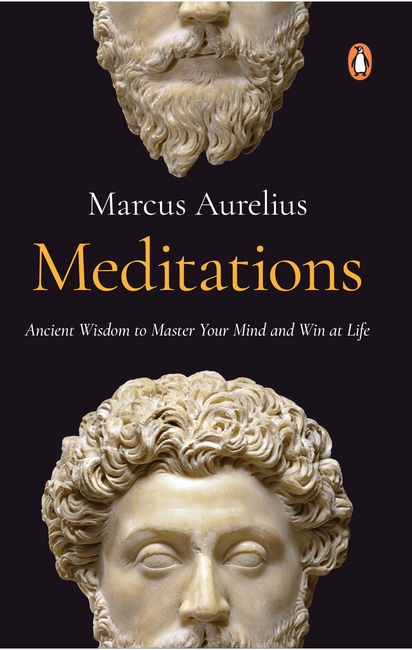
Penned by the 16th century Roman emperor Marcus Aurelius, Meditations enumerates how to live wisely and meaningfully in an unpredictable world. Brimming with timeless wisdom, this book has found its way into the the bookshelves of many notable statesmen, thinkers, and intellectuals.
WHEN LIFE BRINGS YOU PAIN AND SUFFERING, WHAT SHOULD YOU DO? TURN INWARDS.
Through Meditations, Aurelius urges the reader to embrace the principles of stoic philosophy-the key to living a happy and fulfilling life.
Learn how to:
1. Cultivate inner strength, resilience, and peace
2. Overcome self-doubt and fear
3. Develop self-discipline
… and much more.
Cerebral, contemplative, and profound, Meditations is among the greatest works of popular philosophy, and is truly life-changing.

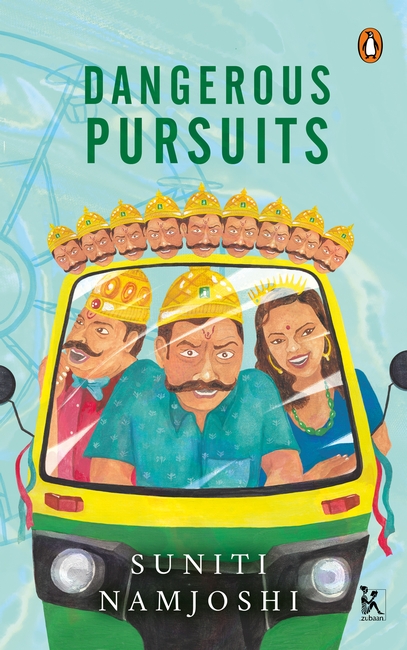
Humankind’s unrelenting mistreatment of our planet has finally led to a seemingly futile awareness of our acute shortage of time. What separates us from an oblivion preceded by excruciating pain and strife? The characters of this unique book, inspired by legends from lore and literature alike, pursue paths they believe are best for them and for their world. They are unaware of the flaws that distort their dreams. Divided into three parts, Suniti Namjoshi’s Dangerous Pursuits turns righteousness and virtue upon their heads, making for an irreverent and ruminative exploration of the beginning of the end of the world.
In “Bad People”, Ravana, Shupi and Kumbh deflect the world from its destructive course, but perfection remains a distant dream. Ravana, of course, belongs to epic; but how does he fit into the twenty-first century? With the help of Grandma Ketumati’s balm, these three ‘bad’ people outwit our contemporary villains. In “Heart’s Desire”, an old woman seeks to make a bargain with the devil, but the devil isn’t interested, and she finds herself stuck with two angels instead. She and the angels do their best, but the old woman learns that the heart’s desires aren’t all that she had expected. And in “The Dream Book”, based on The Tempest, Caliban, Miranda, Prospero and the rest find that their dreams clash and are as pretty and pitiless as glass shards. Yet, each time their dreams crack, they dream again, reckless in this dangerous pursuit.

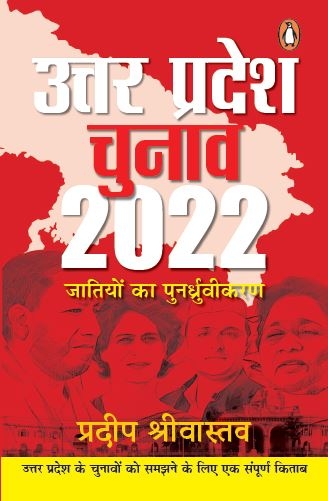
It is said that road to India’s power corridor runs through Uttar Pradesh, the most populous state of the country which sends eighty MPs to the lower house of the Parliament. Till date, most of the Prime Ministers of India belonged to this state and an electoral win in the state assembly paves the way for the formation of a central government.
The question is, do we have a barometer to guess the political pulse of the people? What are the political trends in the state? Which are the political, social, and economic factors that affect those trends?
Would extreme backward castes (EBCs) be successful in getting direct share in the power structure, which has been a dream so far for them?
This book written by veteran journalist Pradeep Srivastava tries to find out answers to these questions with in-depth analysis and in an easy to understand language.

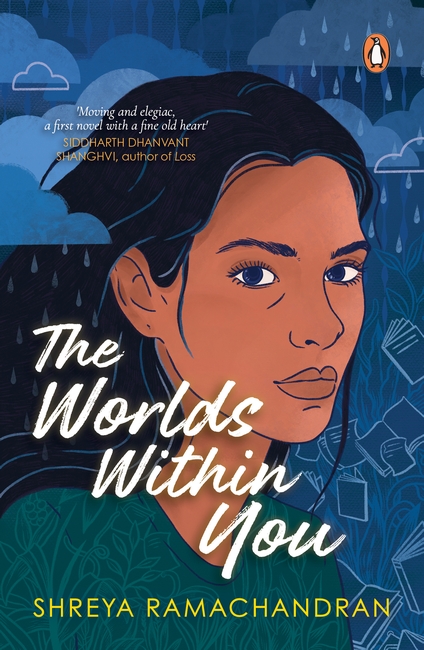
The Worlds Within You tells the story of Ami Shekar, who has decided to take a break from her first year of university in the UK and return to her home in Chennai. Ami is stuck, and finds herself fretting, overthinking and retreating into her own head. But she knows that whatever it is that makes her feel ‘weird’ all the time must have a name to it. And so, Ami is back home, to come to terms with many things: her mental health, her own identity, memories of her grandfather and, finally, herself.
Set over the course of seven writing classes, this is an unconventional and melancholic take on what it means to be alive and finding your own emotional support system-no matter how flawed the people within your system might be.

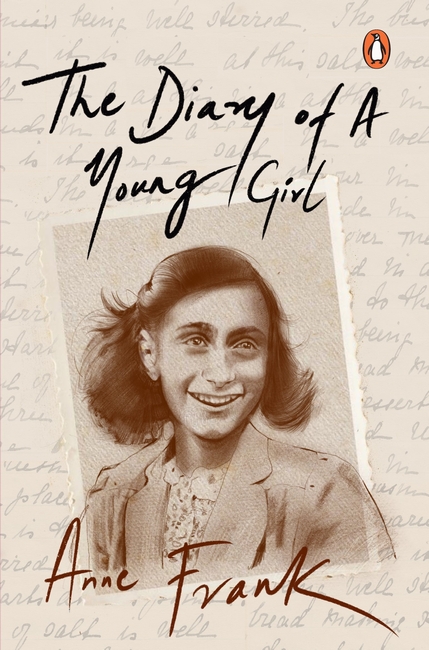
In the summer of 1942, thirteen-year-old Anne Frank found herself hiding with her family in the cramped attic of an old office building in Amsterdam. Outside, Jews all over Europe were being thrown into concentration camps.
Exiled from the outside world, the Frankfurt family battled hunger, boredom, confinement, and the ever-looming threat of discovery and death. As the second World War continued to rage, Anne turned to her diary and documented everything. The diary was accidentally discovered in the attic shortly after the family was arrested. In 1947, it was formally published in Dutch.
Since then, Anne Frank’s phenomenal diary has become a world classic, offering a terrifying glimpse of what it was like being a Jew in a war-ridden Europe. Honest, vulnerable, and tragic, Anne Frank’s story serves as a powerful reminder of the horrors of war, and as an eloquent testament to the indestructible nature of human spirit.

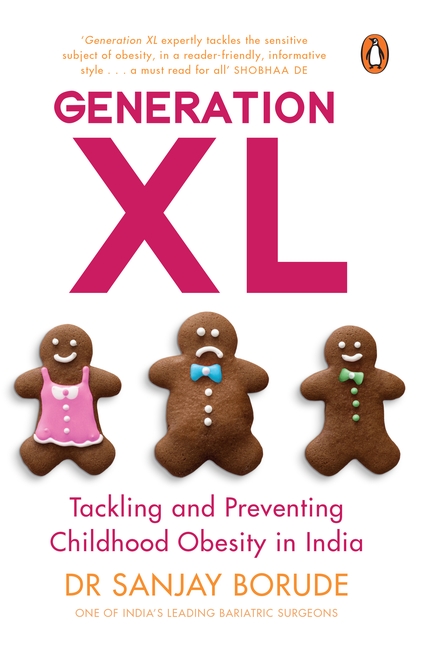
India has a paradox of malnourishment as well as morbid obesity. While children have fewer weight-related health and medical problems than adults, overweight children are at high risk of becoming overweight adolescents and adults, placing them at risk of developing chronic diseases such as heart disease and diabetes later in life. They are also more prone to develop stress, sadness, and low self-esteem.
The contributing factors could be many, besides genetic makeup and medical factors like hypothyroidism and Cushing’s Syndrome. Children today spend far more time on screens than playing games outdoors, more so in the wake of the Covid-19 pandemic. Energy-dense foods and drinks are more readily available now than before. Psychological factors like stress also lead to overeating and increase the risk for obesity in childhood.
The book is a comprehensive roadmap for prevention and management of childhood obesity by one of India’s top bariatric surgeons. With real life case studies and examples, the book helps parents and children chart a roadmap to recovery and a fitter, healthier life. Without corrective action, there could be serious implications for future generations.
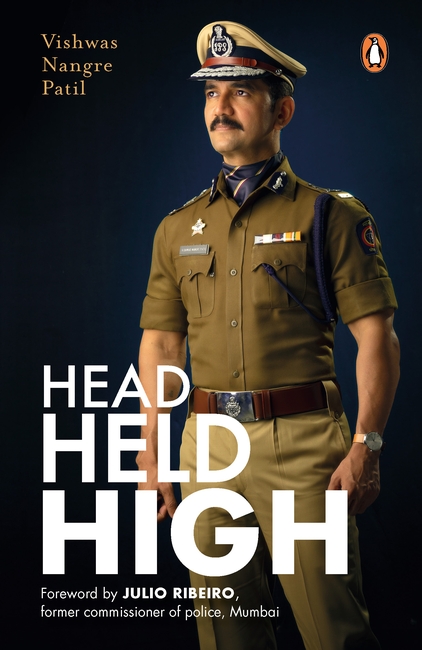
Whenever decorated officer Vishwas Nangre Patil recalls the memories of Diwali from his childhood days, the sounds of firecrackers often transform into the deafening grenade blasts from the night of 26/11. It was his grit, cultivated over the years from the neck-breaking labour of studying for the UPSC exams, that had enabled him to power on and gun down the terrorists inside the Taj Mahal Palace hotel during the 2008 Mumbai attacks.
Head Held High, translated from the Marathi book Mann Mein Hai Vishwas, is an account of IPS officer Vishwas Nangre Patil’s life-from his humble background, through school, college, long hours of studying for the UPSC examinations to the final selection to the IPS cadre and, eventually, his role in the counterterrorism operations during the Mumbai attacks. This moving and authentic account of the most formative and challenging years of his life is sure to strike a chord with those who aspire to join the Indian civil services.

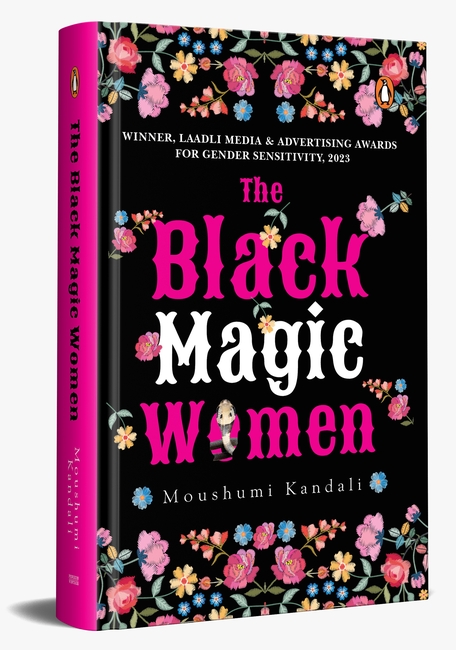
In the recent past, many writers have acquainted readers with the composite culture of Assam. Moushumi Kandali makes a similar attempt in The Black Magic Women, but with a stark difference. She brings her characters out of Assam and places them in the mainstream, capturing their struggle to retain their inherent ‘Assameseness’ as they try to assimilate into the larger society.
The stories makes one pause, think and debate issues that range from racial discrimination (‘The Fireflies Outside of the Frame’) to sexual harassment (‘The Hyenas and Coach Number One’, ‘Kalindi, Your Black Waters . . . ‘) to the existential and ideological dilemma induced by the state’s complex sociopolitical scenario (‘The Final Leap of the Salmon’). The title story is revealing of how mainstream India perceives Assamese women-as powered with the art of seduction and black magic-as a result of which they face social discrimination that can range from racial slurs to physical abuse.
The writer ventures into a surrealistic mode, using a generous sprinkle of fable, myth and metaphors to deliver a powerful punch. With all the shades of emotion these ten stories from the North-east evoke, the reader cannot remain a passive observer.

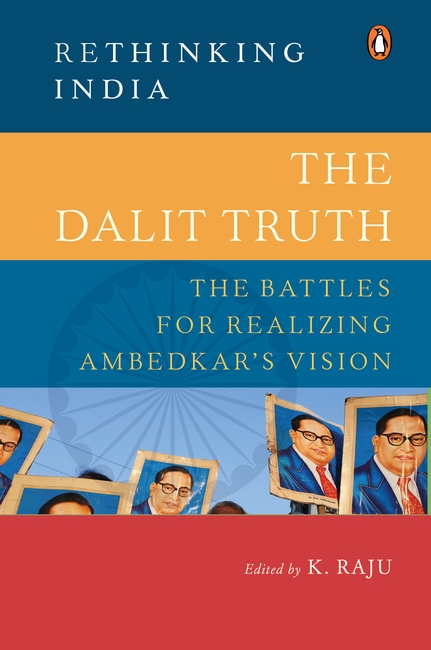
The Dalit Truth contains a symphony of Dalit voices as they call out to the future. A multitude of Dalit truths and their battles against the lies perpetrated by the caste system are reflected in the pages of this book, pointing towards a future filled with promise and prospects for the coming generations.
This eighth volume in the Rethinking India series, published in collaboration with the Samruddha Bharat Foundation, probes the pathway to be followed by the Dalits as articulated by Ambedkar’s Constitution. The authors featured in the volume come from various fields and bring narratives of different colours, not just stories of dismay but also of possibilities. The essays offer deeper insights into social, educational, economic and cultural challenges and opportunities faced by the Dalits, the varied strategies of political parties for their mobilization and the choice to be made by the Dalits for attaining social equality.
The informed readers of today will find these pages both enlightening and refreshing. The Dalit Truth is a dossier for tomorrow.
Contributing authors: Sukhadeo Thorat; Raja Sekhar Vundru; Kiruba Munusamy; Suraj Yengde; Bhanwar Meghwanshi; Badri Narayan; Jignesh Mevani; Sudha Pai; PA. Ranjith; R.S. Praveen Kumar; Priyank Kharge; Neeraj Shetye; Budithi Rajsekhar

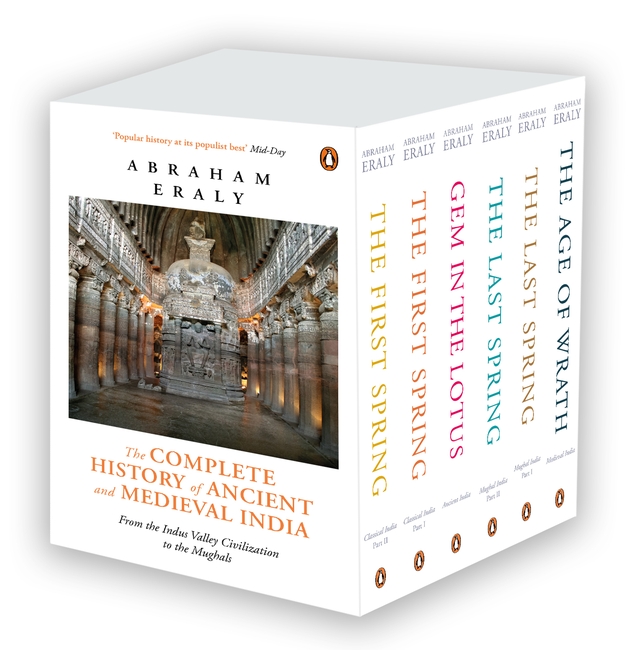
In this enthralling account, historian Abraham Eraly conjures a vivid picture of ancient, classical and medieval India-from the foundational seed of the Indus Valley Civilization in 2500 BCE to the grand saga of the Mughal Empire. This box set comprises the acclaimed books Gem in the Lotus, The First Spring (Part 1), The First Spring (Part 2), The Age of Wrath, The Last Spring (Part 1) and The Last Spring (Part 2).